
2005 tbr

Items in this hypelist
Books

It Lasts Forever and Then It's Over
Anne de Marcken · 2024
Co-winner of the 2022 Novel Prize, this incredible life-after-death novel asks us to consider how much of our memory, of our bodies, of the world as we know it ― how much of what we love can we lose before we are lost? And then what happens? The heroine of the spare and haunting It Lasts Forever and Then It’s Over is voraciously alive in the afterlife. Adrift yet keenly aware, she notes every bizarre detail of her new reality. And even if she has forgotten her name and much of what connects her to her humanity, she remembers with an implacable, and nearly unbearable longing, the place where she knew herself and was known (and loved), and she is determined to get back there at any cost. Our dead heroine travels across the landscapes of time and of space (heading always west and carrying a dead but laconically opinionated crow in her chest), en-countering and losing parts of her body and her self in one terrifying, hilarious, and heartbreaking situation after another. A bracing writer of great nerve and verve, Anne de Marcken bends reality (and the reader’s mind) with throwaway assurance. It Lasts Forever and Then It’s Over plumbs mortality and how it changes everything, except possibly love. Delivering a near-Beckettian whopping to the reader’s imagination, this is one of the sharpest and funniest novels of recent years, a tale for our dispossessed times.
The Sorrows of Satan
Marie Corelli · 2017
The House of Mirth (Penguin Great Books of the 20th Century)
Edith Wharton · 1993
A black comedy of manners about vast wealth and a woman who can define herself only through the perceptions of others. The beautiful Lily Bart lives among the nouveaux riches of New York City – people whose millions were made in railroads, shipping, land speculation and banking. In this morally and aesthetically bankrupt world, Lily, age twenty-nine, seeks a husband who can satisfy her cravings for endless admiration and all the trappings of wealth. But her quest comes to a scandalous end when she is accused of being the mistress of a wealthy man. Exiled from her familiar world of artificial conventions, Lily finds life impossible.<br><br>For more than seventy years, Penguin has been the leading publisher of classic literature in the English-speaking world. With more than 1,700 titles, Penguin Classics represents a global bookshelf of the best works throughout history and across genres and disciplines. Readers trust the series to provide authoritative texts enhanced by introductions and notes by distinguished scholars and contemporary authors, as well as up-to-date translations by award-winning translators.
The Age of Innocence
Edith Wharton · 1997
Wharton's Pulitzer Prize-winning novel set in upper class New York City. Newland Archer, gentleman lawyer and heir to one of New York City's best families, is happily anticipating a highly desirable marriage to the sheltered and beautiful May Welland. Yet he finds reason to doubt his choice of bride after the appearance of Countess Ellen Olenska, May's exotic, beautiful 30-year-old cousin, who has been living in Europe. This novel won the first ever Pulitzer awarded to a woman. Widely regarded as one of Edith Wharton's greatest achievements, The Age of Innocence is not only subtly satirical, but also a sometimes dark and disturbing comedy of manners in its exploration of the 'eternal triangle' of love. Set against the backdrop of upper-class New York society during the 1870s, the author's combination of powerful prose combined with a thoroughly researched and meticulous evocation of the manners and style of the period, has delighted readers since the novel's first publication in 1920. In 1921 The Age of Innocence achieved a double distinction - it won the Pulitzer Prize and it was the first time this prestigious award had been won by a woman author.

A Portrait of the Artist as a Young Man (Penguin Classics)
James Joyce · 2003
James Joyce's coming-of-age story, a tour de force of style and technique<br/><br/>The first, shortest, and most approachable of James Joyce’s novels, A Portrait of the Artist as a Young Man portrays the Dublin upbringing of Stephen Dedalus, from his youthful days at Clongowes Wood College to his radical questioning of all convention. In doing so, it provides an oblique self-portrait of the young Joyce himself. At its center lie questions of origin and source, authority and authorship, and the relationship of an artist to his family, culture, and race. Exuberantly inventive in style, the novel subtly and beautifully orchestrates the patterns of quotation and repetition instrumental in its hero’s quest to create his own character, his own language, life, and art: “to forge in the smithy of my soul the uncreated conscience of my race.”<br/><br/>This Penguin Classics edition is the definitive text, authorized by the Joyce estate and collated from all known proofs, manuscripts, and impressions to reflect the author’s original wishes.<br/><br/>For more than seventy years, Penguin has been the leading publisher of classic literature in the English-speaking world. With more than 1,700 titles, Penguin Classics represents a global bookshelf of the best works throughout history and across genres and disciplines. Readers trust the series to provide authoritative texts enhanced by introductions and notes by distinguished scholars and contemporary authors, as well as up-to-date translations by award-winning translators.
The Catcher in the Rye
J. D. Salinger · 2001
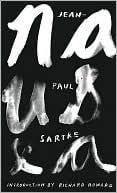
Nausea
Jean-Paul Sartre · 2007
This classic Existentialist novel features a new Introduction by renowned poet, translator, and critic Richard Howard.
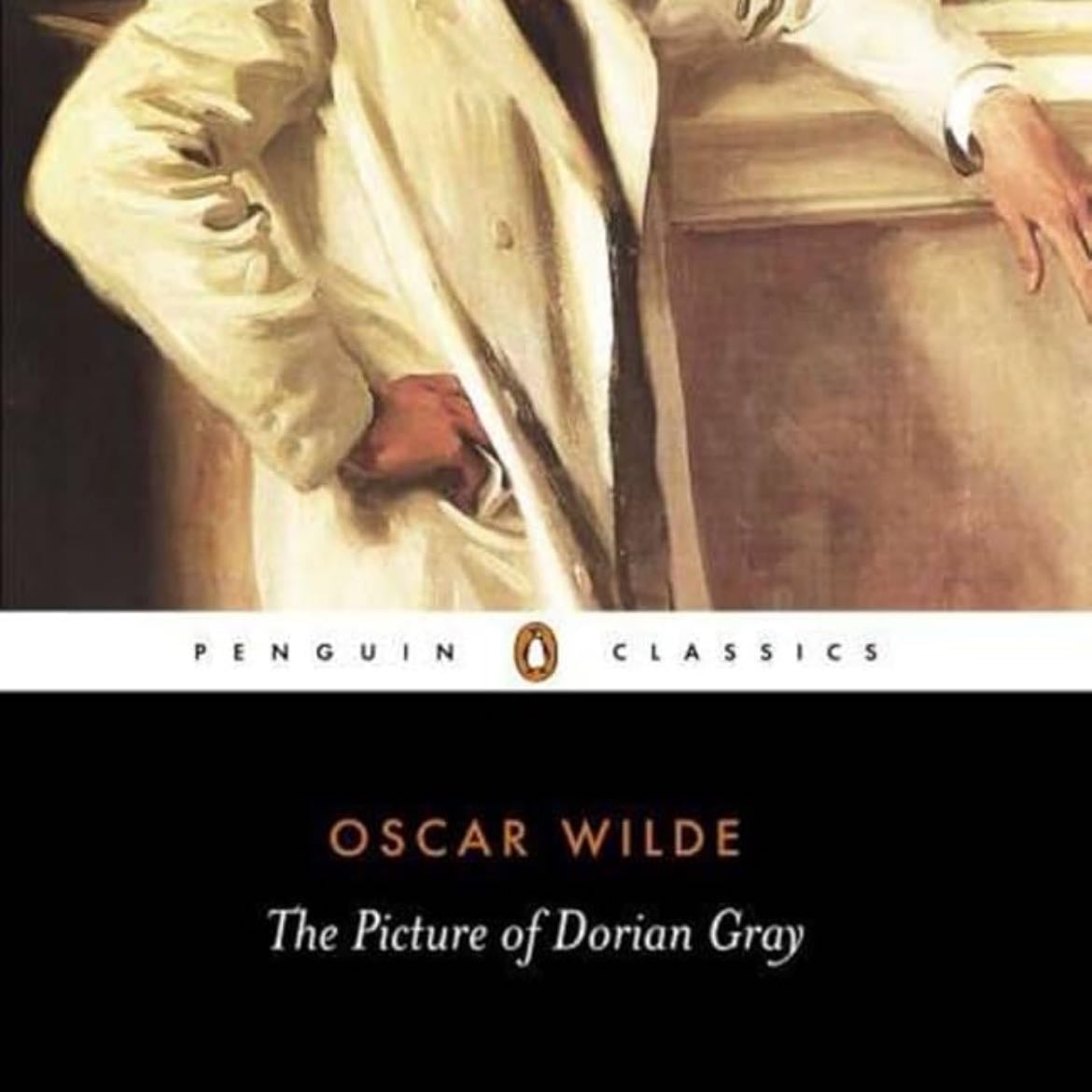
The Picture of Dorian Gray
Oscar Wilde · 2021
Dorian Gray is the subject of a full-length portrait in oil by Basil Hallward, an artist impressed and infatuated by Dorian's beauty; he believes that Dorian's beauty is responsible for the new mood in his art as a painter. Through Basil, Dorian meets Lord Henry Wotton, and he soon is enthralled by the aristocrat's hedonistic world view: that beauty and sensual fulfilment are the only things worth pursuing in life.<br/>Newly understanding that his beauty will fade, Dorian expresses the desire to sell his soul, to ensure that the picture, rather than he, will age and fade. The wish is granted, and Dorian pursues a libertine life of varied amoral experiences while staying young and beautiful; all the while, his portrait ages and records every sin.

The Haunting of Hill House
Shirley Jackson · 2006
The greatest haunted house story ever written—the inspiration for the hit Netflix horror series!<br/><br/>One of The Atlantic’s Great American Novels of the Past 100 Years<br/><br/>First published in 1959, Shirley Jackson's The Haunting of Hill House has been hailed as a perfect work of unnerving terror. It is the story of four seekers who arrive at a notoriously unfriendly pile called Hill House: Dr. Montague, an occult scholar looking for solid evidence of a “haunting”; Theodora, his lighthearted assistant; Eleanor, a friendless, fragile young woman well acquainted with poltergeists; and Luke, the future heir of Hill House. At first, their stay seems destined to be merely a spooky encounter with inexplicable phenomena. But Hill House is gathering its powers—and soon it will choose one of them to make its own.<br/><br/>For more than seventy years, Penguin has been the leading publisher of classic literature in the English-speaking world. With more than 1,700 titles, Penguin Classics represents a global bookshelf of the best works throughout history and across genres and disciplines. Readers trust the series to provide authoritative texts enhanced by introductions and notes by distinguished scholars and contemporary authors, as well as up-to-date translations by award-winning translators.

Frankenstein
Mary Shelley · 2003
The world’s most famous work of horror fiction: a devastating exploration of the limits of human creativity. Nominated as one of America’s best-loved novels by PBS’s The Great American Read<br/><br/>Mary Shelley's timeless gothic novel presents the epic battle between man and monster at its greatest literary pitch. In trying to create life, the young student Victor Frankenstein unleashes forces beyond his control, setting into motion a long and tragic chain of events that brings Victor to the very brink of madness. How he tries to destroy his creation, as it destroys everything Victor loves, is a powerful story of love, friendship, scientific hubris, and horror. Based on the third edition of 1831, this Penguin Classics edition, with an introduction and notes by Maurice Hindle, contains all the revisions Mary Shelley made to her story, as well as her 1831 introduction and Percy Bysshe Shelley’s preface to the first edition. It also includes as appendices a select collation of the texts of 1818 and 1831 together with "A Fragment" by Lord Byron and Dr John Polidori’s "The Vampyre: A Tale."<br/><br/>For more than seventy years, Penguin has been the leading publisher of classic literature in the English-speaking world. With more than 1,700 titles, Penguin Classics represents a global bookshelf of the best works throughout history and across genres and disciplines. Readers trust the series to provide authoritative texts enhanced by introductions and notes by distinguished scholars and contemporary authors, as well as up-to-date translations by award-winning translators.
Franny and Zooey
J. D. Salinger · 1991
"Perhaps the best book by the foremost stylist of his generation" (New York Times), J. D. Salinger's Franny and Zooey collects two works of fiction about the Glass family originally published in The New Yorker.<br/><br/>"Everything everybody does is so--I don't know--not wrong, or even mean, or even stupid necessarily. But just so tiny and meaningless and--sad-making. And the worst part is, if you go bohemian or something crazy like that, you're conforming just as much only in a different way."<br/><br/>A novel in two halves, Franny and Zooey brilliantly captures the emotional strains and traumas of entering adulthood. It is a gleaming example of the wit, precision, and poignancy that have made J. D. Salinger one of America's most beloved writers.
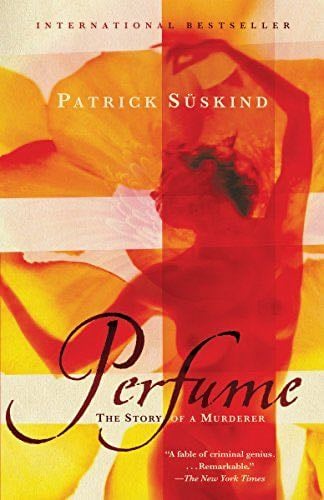
Perfume: The Story of a Murderer
Patrick Suskind · 2001
INTERNATIONAL BESTSELLER • Set in eighteenth-century France, the classic novel that provokes a terrifying examination of what happens when one man’s indulgence in his greatest passion—his sense of smell—leads to murder.<br/><br/>In the slums of eighteenth-century France, the infant Jean-Baptiste Grenouille is born with one sublime gift—an absolute sense of smell. As a boy, he lives to decipher the odors of Paris, and apprentices himself to a prominent perfumer who teaches him the ancient art of mixing precious oils and herbs. But Grenouille’s genius is such that he is not satisfied to stop there, and he becomes obsessed with capturing the smells of objects such as brass doorknobs and fresh-cut wood. Then one day he catches a hint of a scent that will drive him on an ever-more-terrifying quest to create the “ultimate perfume”—the scent of a beautiful young virgin. Told with dazzling narrative brilliance, Perfume is a hauntingly powerful tale of murder and sensual depravity.<br/><br/>Translated from the German by John E. Woods.
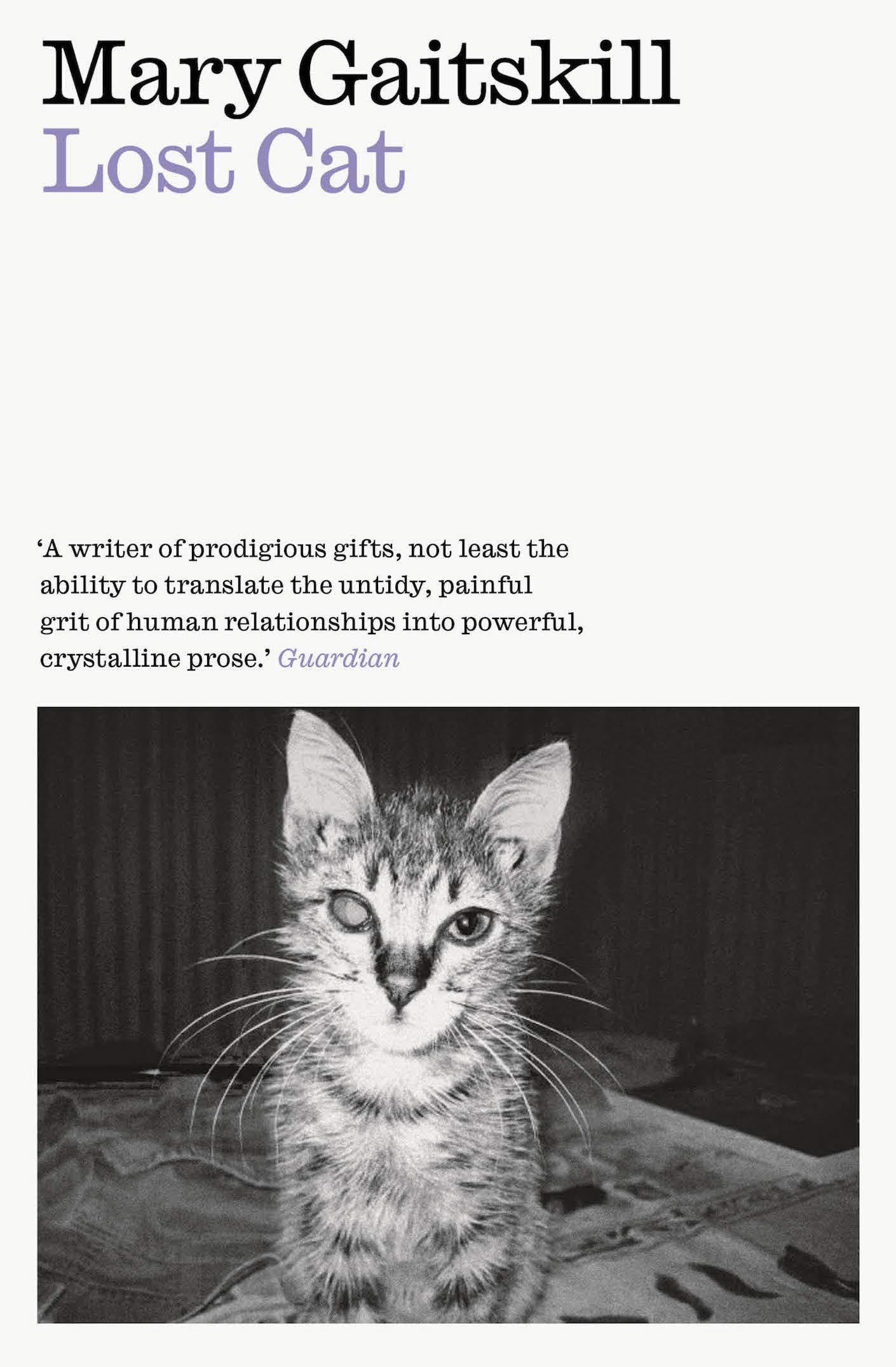
Lost Cat
Mary Gaitskill · 2020
‘Last year I lost my cat Gattino. He was very young, at seven months barely an adolescent. He is probably dead but I don’t know for certain.’<br/><br/>So begins Mary Gaitskill’s stunning book-length essay, the closest thing she has written to a memoir. Lost Cat begins with the story of how Gaitskill rescued a stray cat in Italy and brought him to live with her in the US, where he went missing.<br/><br/>As she explores the unexpected trauma of her loss, Gaitskill describes how she came to foster two siblings, Caesar and Natalia, a pair of inner-city children who spent summers and holidays with Gaitskill and her husband. The joys and ultimate difficulties of this relationship leads to a searing examination of loss, love, safety and fear. Gaitskill applies her razor-sharp writing to her most personal subjects yet.

Beware of Pity
Stefan Zweig · 1982
Flights
Olga Tokarczuk · 2019
WINNER OF THE NOBEL PRIZE IN LITERATURE<br/><br/>WINNER OF THE MAN BOOKER INTERNATIONAL PRIZE<br/><br/>NATIONAL BOOK AWARD FINALIST FOR TRANSLATED LITERATURE<br/><br/>A visionary work of fiction by "A writer on the level of W. G. Sebald" (Annie Proulx)<br/><br/>"A magnificent writer." — Svetlana Alexievich, Nobel Prize-winning author of Secondhand Time<br/><br/>"A beautifully fragmented look at man's longing for permanence.... Ambitious and complex." — Washington Post<br/><br/>From the incomparably original Polish writer Olga Tokarczuk, Flights interweaves reflections on travel with an in-depth exploration of the human body, broaching life, death, motion, and migration. Chopin's heart is carried back to Warsaw in secret by his adoring sister. A woman must return to her native Poland in order to poison her terminally ill high school sweetheart, and a young man slowly descends into madness when his wife and child mysteriously vanish during a vacation and just as suddenly reappear. Through these brilliantly imagined characters and stories, interwoven with haunting, playful, and revelatory meditations, Flights explores what it means to be a traveler, a wanderer, a body in motion not only through space but through time. Where are you from? Where are you coming in from? Where are you going? we call to the traveler. Enchanting, unsettling, and wholly original, Flights is a master storyteller's answer.

Villette
Charlotte Bronte · 2019
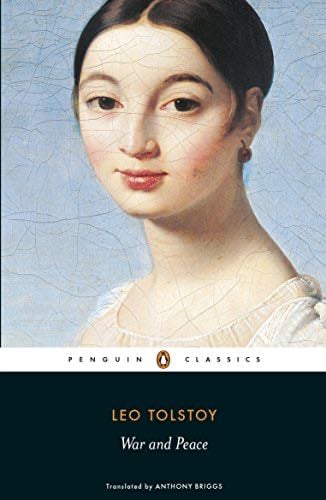
War And Peace (Penguin Classics)
Leo Tolstoy · 2009
At a glittering society party in St Petersburg in 1805, conversations are dominated by the prospect of war. Terros swiftly engulfs the country as Napoleon's army marches on Rusia, and the lives of three young people are changed for ever. The stories of quixotic Pierre, cynical Andrey and impetuous Natasha interweave with a huge cast, from aristocrats and peasants to soldiers and Napoleon himself. In War and Peace (1863-9), Tolstoy entwines grand themes - conflict and love, birth and death, free will and fate - with unforgettable scenes of nineteenth-century Russia, to create a magnificent epic of human life in all its imperfection and grandeur.
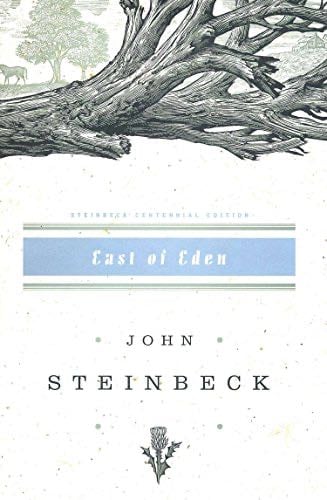
East of Eden
John Steinbeck · 2002
A masterpiece of Biblical scope, and the magnum opus of one of America’s most enduring authors, in a commemorative hardcover edition In his journal, Nobel Prize winner John Steinbeck called East of Eden "the first book," and indeed it has the primordial power and simplicity of myth. Set in the rich farmland of California's Salinas Valley, this sprawling and often brutal novel follows the intertwined destinies of two families—the Trasks and the Hamiltons—whose generations helplessly reenact the fall of Adam and Eve and the poisonous rivalry of Cain and Abel. The masterpiece of Steinbeck’s later years, East of Eden is a work in which Steinbeck created his most mesmerizing characters and explored his most enduring themes: the mystery of identity, the inexplicability of love, and the murderous consequences of love's absence. Adapted for the 1955 film directed by Elia Kazan introducing James Dean, and read by thousands as the book that brought Oprah’s Book Club back, East of Eden has remained vitally present in American culture for over half a century.

Agnes Grey
Anne Bronte · 2012
Anne Brontë's first published novel, Agnes Grey tells the story of one woman's search for love and happiness within the boundaries of pre-Victorian society. Forced by her family’s declining circumstances to find employment, Agnes Grey takes the only position open to her—governess within a wealthy family—and faces hardships that challenge the boundaries of her experience. Published under the pseudonym Acton Bell, Agnes Grey is based on Anne Brontë's own time as a governess and her experience with the shallowness of the upper class as well as the oppression and abuse of women in powerless positions. HarperPerennial Classics brings great works of literature to life in digital form, upholding the highest standards in ebook production and celebrating reading in all its forms. Look for more titles in the HarperPerennial Classics collection to build your digital library.

Dead Souls
Nikolai Gogol · 2004
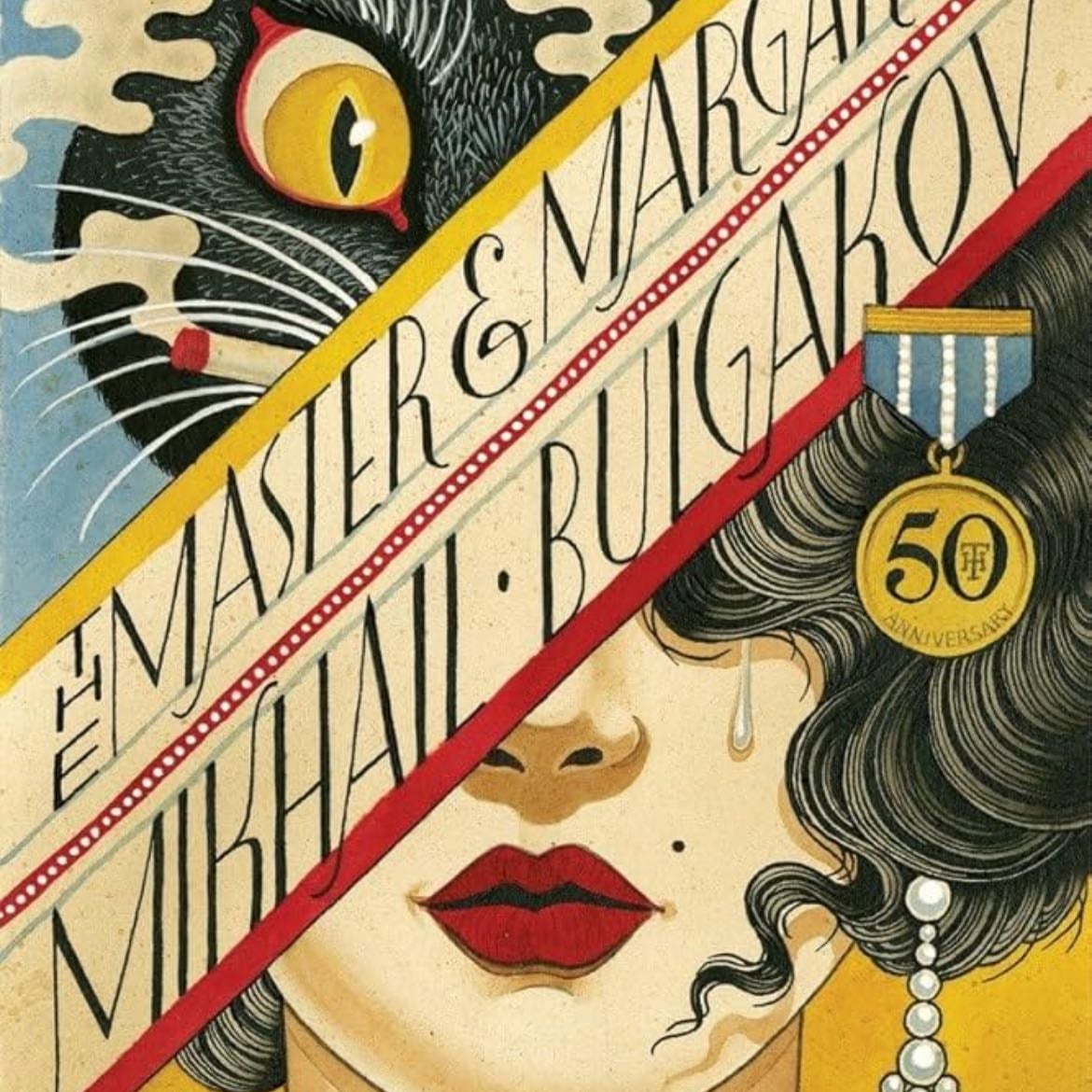
The Master and Margarita
Mikhail Bulgakov · 2016
Satan comes to Soviet Moscow in this critically acclaimed translation of one of the most important and best-loved modern classics in world literature. The Master and Margarita has been captivating readers around the world ever since its first publication in 1967. Written during Stalin’s time in power but suppressed in the Soviet Union for decades, Bulgakov’s masterpiece is an ironic parable on power and its corruption, on good and evil, and on human frailty and the strength of love. In The Master and Margarita, the Devil himself pays a visit to Soviet Moscow. Accompanied by a retinue that includes the fast-talking, vodka-drinking, giant tomcat Behemoth, he sets about creating a whirlwind of chaos that soon involves the beautiful Margarita and her beloved, a distraught writer known only as the Master, and even Jesus Christ and Pontius Pilate. The Master and Margarita combines fable, fantasy, political satire, and slapstick comedy to create a wildly entertaining and unforgettable tale that is commonly considered the greatest novel to come out of the Soviet Union. It appears in this edition in a translation by Mirra Ginsburg that was judged “brilliant” by Publishers Weekly. Praise for The Master and Margarita “A wild surrealistic romp. . . . Brilliantly flamboyant and outrageous.” —Joyce Carol Oates, The Detroit News “Fine, funny, imaginative. . . . The Master and Margarita stands squarely in the great Gogolesque tradition of satiric narrative.” —Saul Maloff, Newsweek “A rich, funny, moving and bitter novel. . . . Vast and boisterous entertainment.” —The New York Times “The book is by turns hilarious, mysterious, contemplative and poignant. . . . A great work.” —Chicago Tribune “Funny, devilish, brilliant satire. . . . It’s literature of the highest order and . . . it will deliver a full measure of enjoyment and enlightenment.” —Publishers Weekly
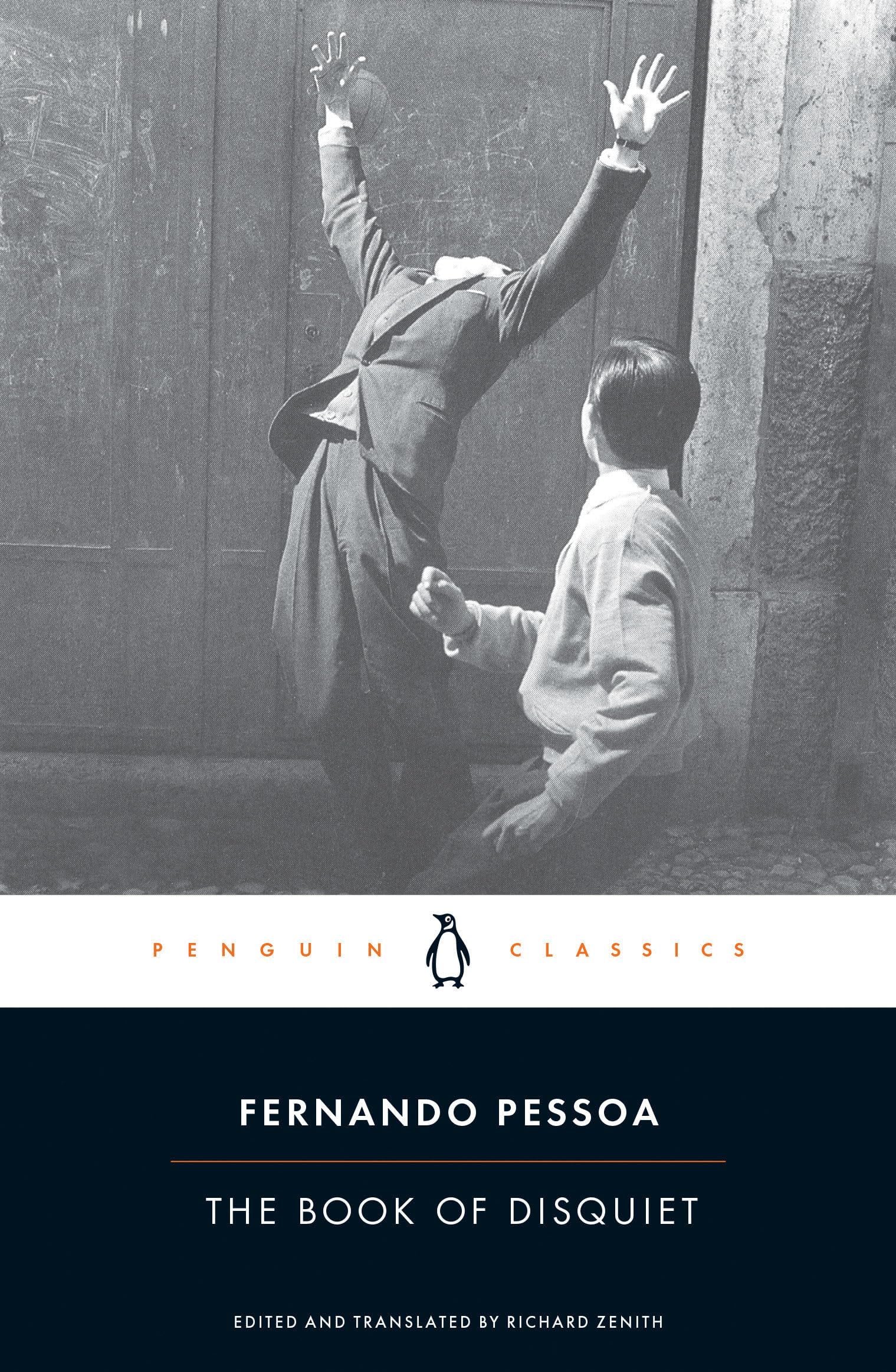
The Book of Disquiet (Penguin Classics)
Fernando Pessoa · 2002
The prizewinning, complete and unabridged translation—“the best English-language version we are likely to see for a long time, if ever” (The Guardian)—of a work of unclassifiable genius: the crowning achievement of Portugal’s modern master<br/><br/>Edited, Translated, and with an Introduction by Richard Zenith, the author of the Pulitzer Prize finalist Pessoa: A Biography<br/><br/>Winner of the Calouste Gulbenkian Translation Prize for Portuguese Translation<br/><br/>A Penguin Classic<br/><br/>Fernando Pessoa was many writers in one. He attributed his prolific writings to a wide range of alternate selves, each of which had a distinct biography, ideology, and horoscope. When he died in 1935, Pessoa left behind a trunk filled with unfinished and unpublished writings, among which were the remarkable pages that make up his posthumous masterpiece, The Book of Disquiet, an astonishing work that, in George Steiner's words, "gives to Lisbon the haunting spell of Joyce's Dublin or Kafka's Prague."<br/><br/>Published for the first time some fifty years after his death, this unique collection of short, aphoristic paragraphs comprises the "autobiography" of Bernardo Soares, one of Pessoa's alternate selves. Part intimate diary, part prose poetry, part descriptive narrative, captivatingly translated by Richard Zenith, The Book of Disquiet is one of the greatest works of the twentieth century.<br/><br/>“Pessoa is a genius.” —André Aciman
The Myth of Sisyphus
Albert Camus · 2018
A Nobel Prize-winning author delivers one of the most influential works of the twentieth century, showing a way out of despair and reaffirming the value of existence.<br/><br/>Influenced by works such as Don Juan and the novels of Kafka, these essays begin with a meditation on suicide—the question of living or not living in a universe devoid of order or meaning. With lyric eloquence, Albert Camus brilliantly presents a crucial exposition of existentialist thought.
Albert Camus A Happy Death (Penguin Modern Classics)
CAMUS ALBERT · 2006
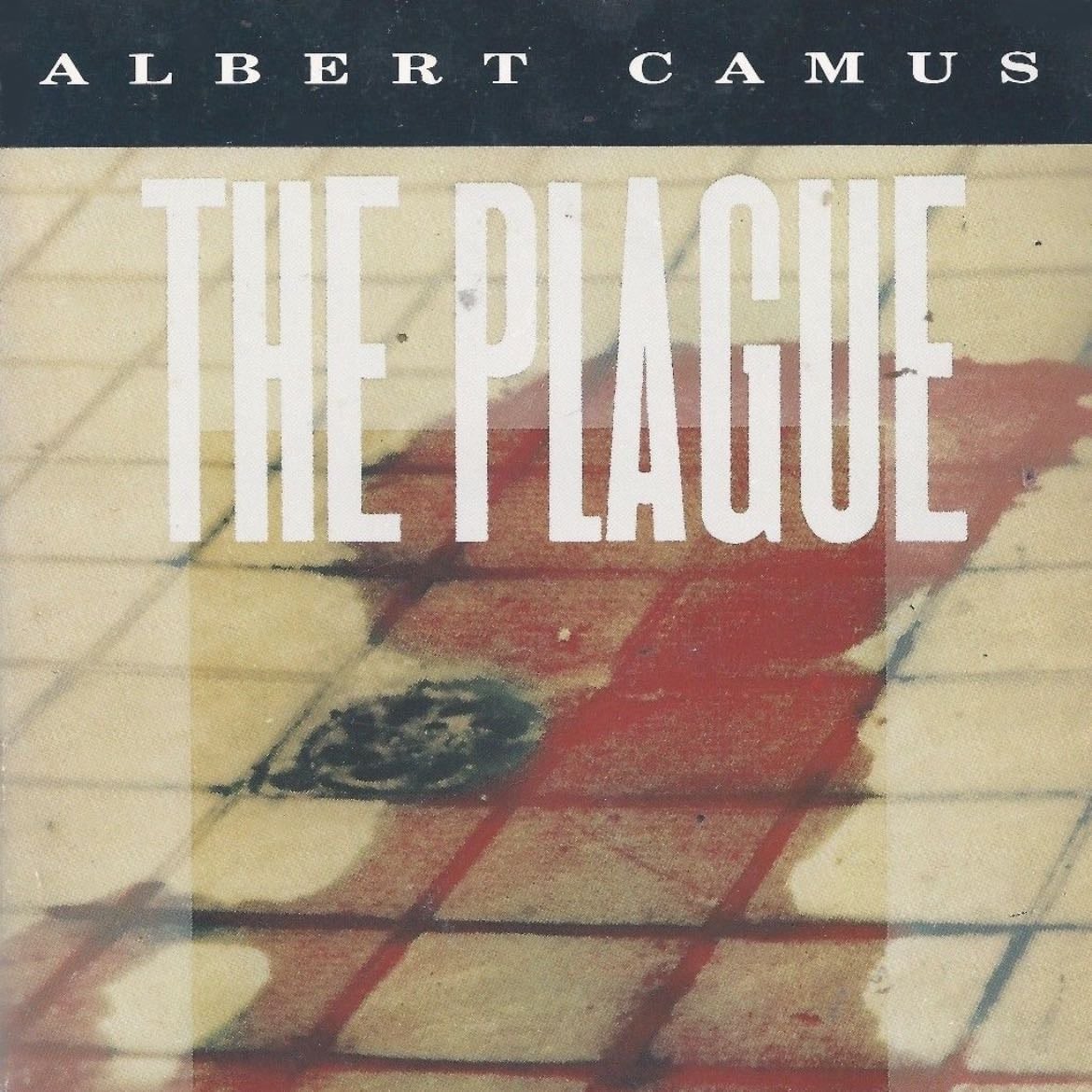
The Plague
Albert Camus · 1991
“Its relevance lashes you across the face.” —Stephen Metcalf, The Los Angeles Times • “A redemptive book, one that wills the reader to believe, even in a time of despair.” —Roger Lowenstein, The Washington Post<br/><br/>A haunting tale of human resilience and hope in the face of unrelieved horror, Albert Camus' iconic novel about an epidemic ravaging the people of a North African coastal town is a classic of twentieth-century literature.<br/><br/>The townspeople of Oran are in the grip of a deadly plague, which condemns its victims to a swift and horrifying death. Fear, isolation and claustrophobia follow as they are forced into quarantine. Each person responds in their own way to the lethal disease: some resign themselves to fate, some seek blame, and a few, like Dr. Rieux, resist the terror.<br/><br/>An immediate triumph when it was published in 1947, The Plague is in part an allegory of France's suffering under the Nazi occupation, and a timeless story of bravery and determination against the precariousness of human existence.
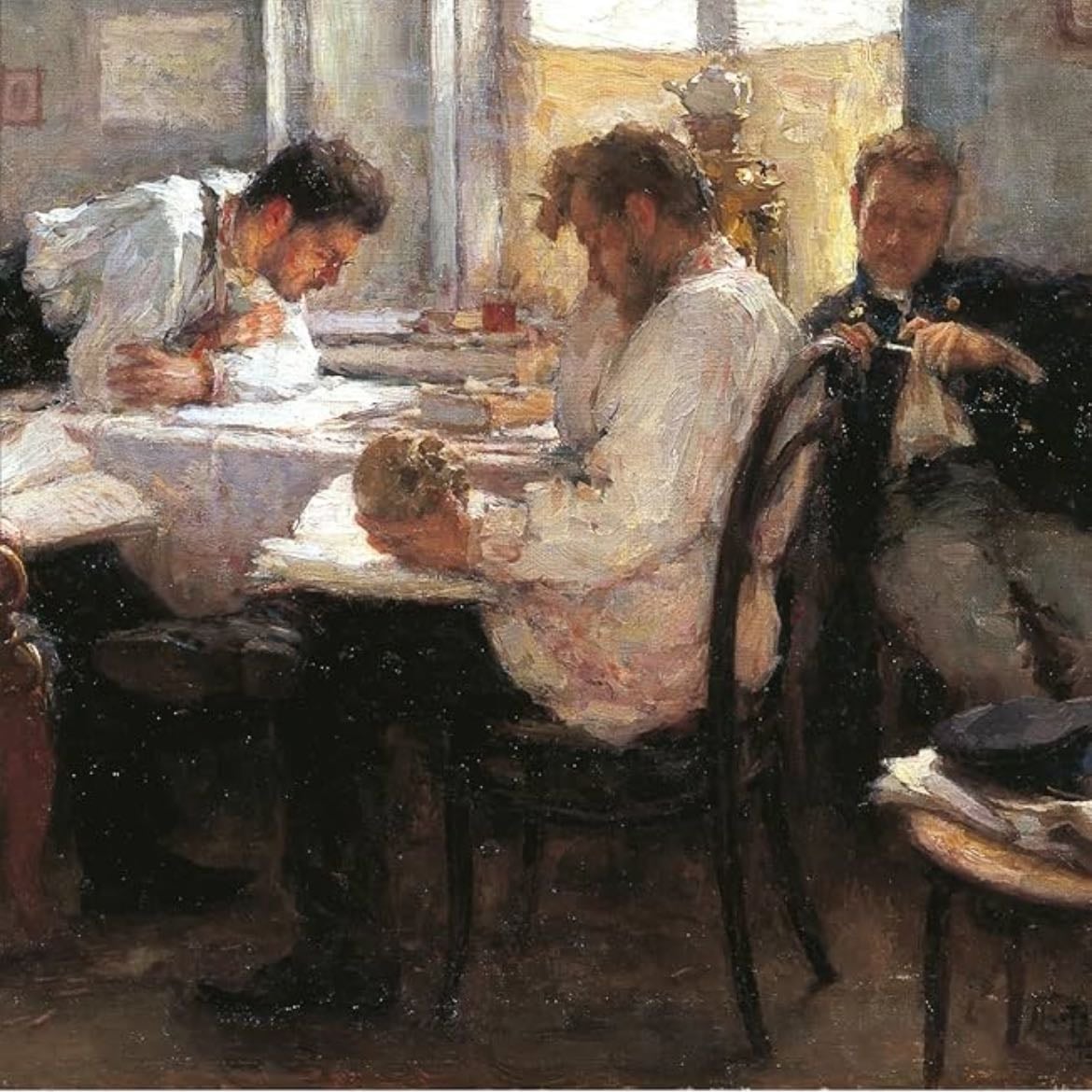
The Brothers Karamazov
Fyodor Dostoevsky · 2002
<p><b>Winner of the Pen/Book-of-the-Month Club Translation Prize<br></b><br><b>The award-winning translation of Fyodor Dostoevsky's classic novel of psychological realism.</b><br><br><i>The Brothers Karamazov</i> is a murder mystery, a courtroom drama, and an exploration of erotic rivalry in a series of triangular love affairs involving the “wicked and sentimental” Fyodor Pavlovich Karamazov and his three sons—the impulsive and sensual Dmitri; the coldly rational Ivan; and the healthy, red-cheeked young novice Alyosha. Through the gripping events of their story, Dostoevsky portrays the whole of Russian life, is social and spiritual striving, in what was both the golden age and a tragic turning point in Russian culture. <br><br>This award-winning translation by Richard Pevear and Larissa Volokhonsky remains true to the verbal<br>inventiveness of Dostoevsky’s prose, preserving the multiple voices, the humor, and the surprising modernity of the original. It is an achievement worthy of Dostoevsky’s last and greatest novel.</p>

Tess of the D'Urbervilles by Thomas Hardy
Thomas Hardy · 2021
Tess of the d'Urbervilles: A Pure Woman Faithfully Presented is a novel by Thomas Hardy. It initially appeared in a censored and serialised version, published by the British illustrated newspaper The Graphic in 1891, then in book form in three volumes in 1891, and as a single volume in 1892. Though now considered a major 19th-century English novel, even Hardy's fictional masterpiece, Tess of the d'Urbervilles received mixed reviews when it first appeared, in part because it challenged the sexual morals of late Victorian England.<br/>A True Victorian Classic that Belongs on Every Bookshelf!
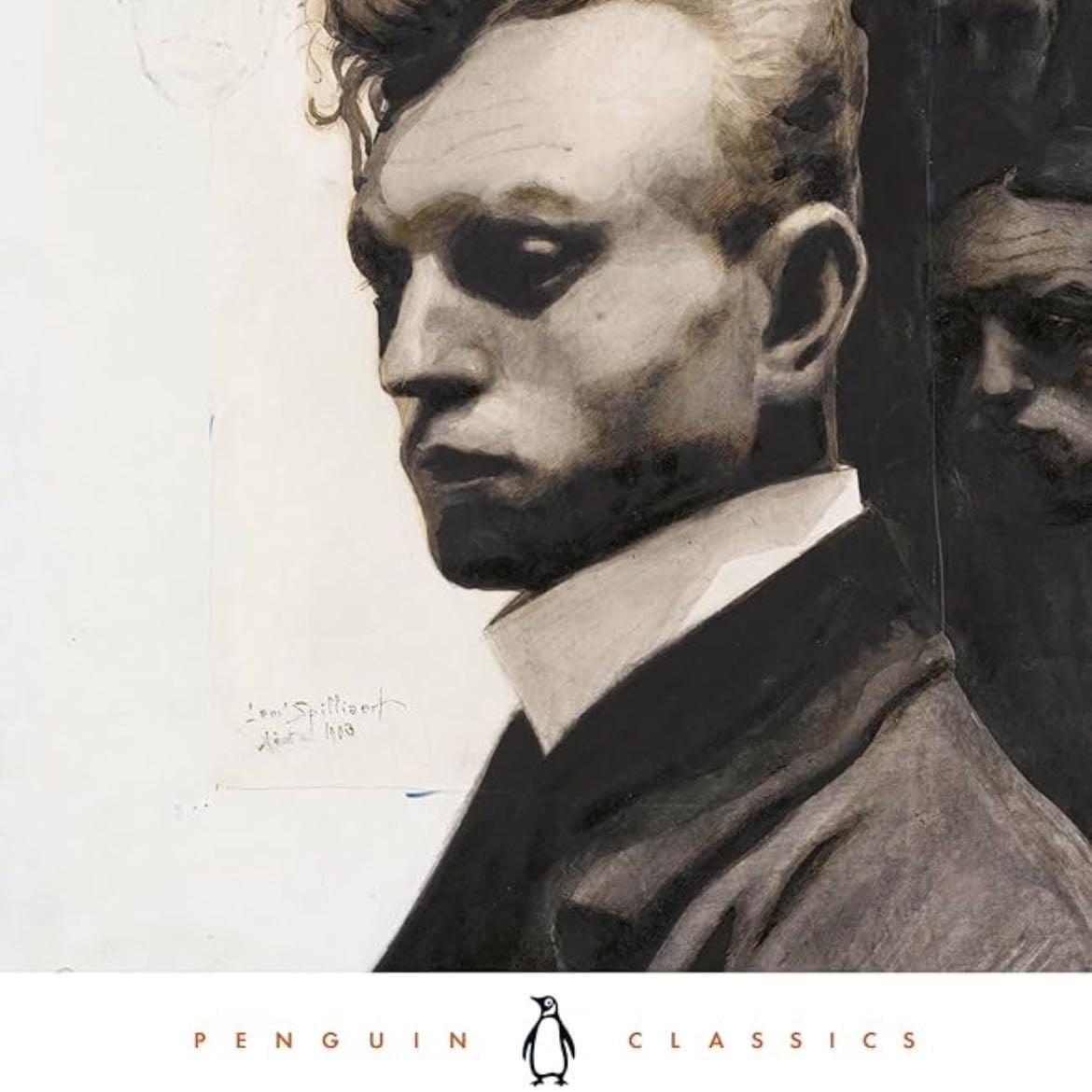
Notes from Underground & The Double
Fyodor Dostoevsky · 1994
<b>Award-winning translators Richard Pevear and Larissa Volokhonsky give us a brilliantly faithful rendition of this classic novel, in all its tragedy and tormented comedy. In this second edition, they have updated their translation in honor of the 200th anniversary of Dostoevsky’s birth.</b> <br><br>One of the most remarkable characters in literature, the unnamed narrator of Dostoevsky's most revolutionary novel is a former official who has defiantly withdrawn into an underground existence. In full retreat from society, he scrawls a passionate, obsessive, self-contradictory narrative that serves as a devastating attack on social utopianism and an assertion of man’s essentially irrational nature.

The Idiot
Fyodor Dostoyevsky · 2004
The most autobiographical novel by the author of Crime and Punishment and The Brothers Karamazov—and the namesake of Elif Batuman’s debut novel, The Idiot<br/><br/>Returning to St Petersburg from a Swiss sanatorium, the gentle and naïve epileptic Prince Myshkin— known as the “idiot”—pays a visit to his distant relative General Yepanchin and proceeds to charm the General and his family. But his life is thrown into turmoil when he chances on a photograph of the beautiful Nastasya Filippovna. Utterly infatuated, he soon finds himself caught up in a love triangle and drawn into a web of blackmail, betrayal, and finally, murder. In Prince Myshkin, Dostoyevsky portrays the purity of “a truly beautiful soul” and explores the perils that innocence and goodness face in a corrupt world.<br/><br/>David McDuff's translation brilliantly captures the novel's idiosyncratic and dream-like language and the nervous, elliptic flow of the narrative. This edition also contains an introduction by William Mills Todd III, which is a fascinating examination of the pressures on Dostoyevsky as he wrote the story of his Christ-like hero.

Crime and Punishment
Fyodor Dostoyevsky · 1993
A masterpiece of guilt and redemption that transforms the sordid story of an old woman’s murder into the nineteenth century’s profoundest and most compelling philosophical novel. • ONE OF TIME MAGAZINE'S 100 BEST MYSTERY AND THRILLER BOOKS OF ALL TIME<br/><br/>Raskolnikov, an impoverished student living in the St. Petersburg of the tsars, is determined to overreach his humanity and assert his untrammeled individual will. When he commits an act of murder and theft, he sets into motion a story that, for its excruciating suspense, its atmospheric vividness, and its depth of characterization and vision is almost unequaled in the literatures of the world. The best known of Dostoevsky’s masterpieces, Crime and Punishment can bear any amount of rereading without losing a drop of its power over our imaginations.<br/><br/>Award-winning translators Richard Pevear and Larissa Volokhonsky render this elusive and wildly innovative novel with an energy, suppleness, and range of voice that do full justice to the genius of its creator.<br/><br/>Everyman's Library pursues the highest production standards, printing on acid-free cream-colored paper, with full-cloth cases with two-color foil stamping, decorative endpapers, silk ribbon markers, European-style half-round spines, and a full-color illustrated jacket. Everyman’s Library Classics include an introduction, a select bibliography, and a chronology of the author's life and times.
White Nights
Fyodor Dostoyevsky · 2017
White Nights by Fyodor Dostoyevsky, 1848.<br/><br/>Fyodor Dostoyevsky (1821 - 1881) was a Russian novelist, short story writer, essayist, journalist and philosopher. Dostoyevsky’s literary works explore human psychology in the troubled political, social, and spiritual atmospheres of 19th-century Russia, and engage with a variety of realistic philosophical and religious themes. Many literary critics rate him as one of the greatest psychologists in world literature. His 1864 novella Notes from Underground is considered to be one of the first works of existentialist literature.<br/>Born in Moscow in 1821, Dostoyevsky was introduced to literature at an early age through fairy tales and legends. In 1837 when he was 15, he left school to enter the Nikolayev Military Engineering Institute. After graduating, he worked as an engineer and briefly enjoyed a lavish lifestyle, translating books to earn extra money.<br/>Arrested in 1849 for belonging to a literary group that discussed banned books critical of 'Tsarist Russia', he was sentenced to death but the sentence was commuted at the last moment. He spent four years in a Siberian prison camp.

Anna Karenina (Oxford World's Classics)
Leo Tolstoy · 2016
At its simplest, Anna Karenina is a love story. It is a portrait of a beautiful and intelligent woman whose passionate love for a handsome officer sweeps aside all other ties - to her marriage and to the network of relationships and moral values that bind the society around her. The love affair of Anna and Vronsky is played out alongside the developing romance of Kitty and Levin, and in the character of Levin, closely based on Tolstoy himself, the search for happiness takes on a deeper philosophical significance.<br/><br/>One of the greatest novels ever written, Anna Karenina combines penetrating psychological insight with an encyclopedic depiction of Russian life in the 1870s. The novel takes us from high society St Petersburg to the threshing fields on Levin's estate, with unforgettable scenes at a Moscow ballroom, the skating rink, a race course, a railway station. It creates an intricate labyrinth of connections that is profoundly satisfying, and deeply moving.<br/><br/>Rosamund Bartlett's translation conveys Tolstoy's precision of meaning and emotional accuracy in an English version that is highly readable and stylistically faithful. Like her acclaimed biography of Tolstoy, it is vivid, nuanced, and compelling.