artículos por leer

Items in this hypelist
Books
La obligación de ser feliz, por Byung-Chul Han

El arte puede salvarnos la vida

¿Por qué nos cuesta tanto pedir disculpas?

La física moderna sugiere que el tiempo no avanza, es solo una ilusión
Books

Lentitud y atención como rebelión en un mundo acelerado
Ethic
Books

¿Hay vida después de la muerte?
Books

Memento mori
siren
In late 1950s London, a group of well-off elderly who have known each other for over 50 years begins to receive a series of eerie phone calls. An anonymous voice makes a simple request: Remember you must die.” The voice is different for each of them, and the police are incapable of localizing the calls and catching the prank callers. These calls provoke a different reaction in each of the elderly, who end up uncovering long-forgotten secrets, jealousies, infidelities, and scandals that begin to shatter the façade of respectability and decorum in their lives. En Londres a finales de la década de los 50, un grupo de ancianos de posición acomodada y que se conocen desde hace más de cincuenta años, empiezan a recibir una serie de llamadas inquietantes. Una voz anónima al teléfono les hace una sencilla petición: Recuerda que debes morir.” Para cada uno de ellos la voz es diferente y la policía es incapaz de localizar las llamadas y detener al grupo de bromistas. Estas llamadas provocan una reacción diferente en cada uno de los ancianos, que acaban destapando secretos, envidias, infidelidades, y escándalos largamente olvidados que empiezan a resquebrajar la apariencia de respetabilidad y decoro de sus vidas.
Books

¿Cuánto espacio ocupa una ausencia? | Ethic
Ethic
Books

¿Por qué no se me ocurrió a mí primero? | Letras Libres
Letras Libres
Books

Traficadas. El negocio de la trata de mujeres en México
Ediciones EL PAÍS S.L.
Lentitud y atención como rebelión en un mundo acelerado
Ethic
Uncategorized

¿Quién soy yo en una sociedad traumatizada? | Ethic
Ethic
Have you ever wondered why that 13-digit number on the back of a book costs $125 in the United States but is completely free in Canada and India? This book, The Global ISBN Handbook, is your 2025 guide to the International Standard Book Number. It explains everything about this global "fingerprint" for books. The ISBN is the most important cornerstone of the publishing industry. It started as a simple warehouse tool in the 1960s. Now, it is a complex digital identifier used in over 200 countries. This handbook deconstructs the entire system. It uses 15 distinct national case studies to do this. You will learn how the old 10-digit system changed to the new 13-digit one. We break down the five parts of the ISBN, from the "Bookland" prefix to the final check digit. The book explores the global governance framework, starting with the International ISBN Agency. Then, it dives deep into how different countries run their systems. You'll see the privatized, high-cost model in the United States. You'll compare it to Canada's free, government-run system. We explore the industry-led models in Brazil and Germany. We look at government-run systems in Mexico and India. We even cover the unique case of China, where the ISBN is not a simple identifier but a state-controlled publication license. The book also examines the systems in the UK , France , Russia , Japan , Australia , South Africa , Nigeria , and Egypt. Many books and websites can tell you how to get an ISBN. This handbook is the only resource that explains why the process is so different everywhere you look. It moves beyond a simple "how-to" and provides a true global analysis. It directly compares the privatized, for-profit models in the US and UK against the free, public-good systems in Canada and South Africa. You won't just learn the price; you will understand the cultural policies, market structures, and legal philosophies that shape that price. This book shows how the ISBN is a "global mirror". It reveals how a simple number can be a commercial product in one nation , a tool of cultural policy in another , and an instrument of state control in a third. This comparative insight is the missing piece for any author, publisher, or researcher trying to navigate the complex international publishing market. Disclaimer: This handbook is an independently produced resource for commentary and analysis. The author has no affiliation with the International ISBN Agency, R.R. Bowker, Library and Archives Canada, the National Press and Publication Administration, or any other national ISBN agency. This work is independently produced under the principle of nominative fair use.

Un grupo de lectores prefiere poesía escrita por ChatGPT antes que clásicos como Shakespeare o Sylvia Plath
Ediciones EL PAÍS S.L.
Have you ever wondered why that 13-digit number on the back of a book costs $125 in the United States but is completely free in Canada and India? This book, The Global ISBN Handbook, is your 2025 guide to the International Standard Book Number. It explains everything about this global "fingerprint" for books. The ISBN is the most important cornerstone of the publishing industry. It started as a simple warehouse tool in the 1960s. Now, it is a complex digital identifier used in over 200 countries. This handbook deconstructs the entire system. It uses 15 distinct national case studies to do this. You will learn how the old 10-digit system changed to the new 13-digit one. We break down the five parts of the ISBN, from the "Bookland" prefix to the final check digit. The book explores the global governance framework, starting with the International ISBN Agency. Then, it dives deep into how different countries run their systems. You'll see the privatized, high-cost model in the United States. You'll compare it to Canada's free, government-run system. We explore the industry-led models in Brazil and Germany. We look at government-run systems in Mexico and India. We even cover the unique case of China, where the ISBN is not a simple identifier but a state-controlled publication license. The book also examines the systems in the UK , France , Russia , Japan , Australia , South Africa , Nigeria , and Egypt. Many books and websites can tell you how to get an ISBN. This handbook is the only resource that explains why the process is so different everywhere you look. It moves beyond a simple "how-to" and provides a true global analysis. It directly compares the privatized, for-profit models in the US and UK against the free, public-good systems in Canada and South Africa. You won't just learn the price; you will understand the cultural policies, market structures, and legal philosophies that shape that price. This book shows how the ISBN is a "global mirror". It reveals how a simple number can be a commercial product in one nation , a tool of cultural policy in another , and an instrument of state control in a third. This comparative insight is the missing piece for any author, publisher, or researcher trying to navigate the complex international publishing market. Disclaimer: This handbook is an independently produced resource for commentary and analysis. The author has no affiliation with the International ISBN Agency, R.R. Bowker, Library and Archives Canada, the National Press and Publication Administration, or any other national ISBN agency. This work is independently produced under the principle of nominative fair use.
Estar tumbado haciendo ‘scroll’ no es descanso
El origen de la escritura
Enfrentarse a una pesadilla: desapariciones en México
México, un infierno de color rosa
La verdadera historia del narcotráfico en México
Cleopatra, la mujer tras el mito
Cultivar el pensamiento crítico es más necesario que nunca
Traficadas. El negocio de la trata de mujeres en México
Ediciones EL PAÍS S.L.
Have you ever wondered why that 13-digit number on the back of a book costs $125 in the United States but is completely free in Canada and India? This book, The Global ISBN Handbook, is your 2025 guide to the International Standard Book Number. It explains everything about this global "fingerprint" for books. The ISBN is the most important cornerstone of the publishing industry. It started as a simple warehouse tool in the 1960s. Now, it is a complex digital identifier used in over 200 countries. This handbook deconstructs the entire system. It uses 15 distinct national case studies to do this. You will learn how the old 10-digit system changed to the new 13-digit one. We break down the five parts of the ISBN, from the "Bookland" prefix to the final check digit. The book explores the global governance framework, starting with the International ISBN Agency. Then, it dives deep into how different countries run their systems. You'll see the privatized, high-cost model in the United States. You'll compare it to Canada's free, government-run system. We explore the industry-led models in Brazil and Germany. We look at government-run systems in Mexico and India. We even cover the unique case of China, where the ISBN is not a simple identifier but a state-controlled publication license. The book also examines the systems in the UK , France , Russia , Japan , Australia , South Africa , Nigeria , and Egypt. Many books and websites can tell you how to get an ISBN. This handbook is the only resource that explains why the process is so different everywhere you look. It moves beyond a simple "how-to" and provides a true global analysis. It directly compares the privatized, for-profit models in the US and UK against the free, public-good systems in Canada and South Africa. You won't just learn the price; you will understand the cultural policies, market structures, and legal philosophies that shape that price. This book shows how the ISBN is a "global mirror". It reveals how a simple number can be a commercial product in one nation , a tool of cultural policy in another , and an instrument of state control in a third. This comparative insight is the missing piece for any author, publisher, or researcher trying to navigate the complex international publishing market. Disclaimer: This handbook is an independently produced resource for commentary and analysis. The author has no affiliation with the International ISBN Agency, R.R. Bowker, Library and Archives Canada, the National Press and Publication Administration, or any other national ISBN agency. This work is independently produced under the principle of nominative fair use.
Sentir nada puede ser tan devastador como sentir demasiado
vivo con la sensación de querer irme siempre
Quiero ser tan lista que nadie me entienda
la ansiedad por no tenerlo todo claro
The deep sea
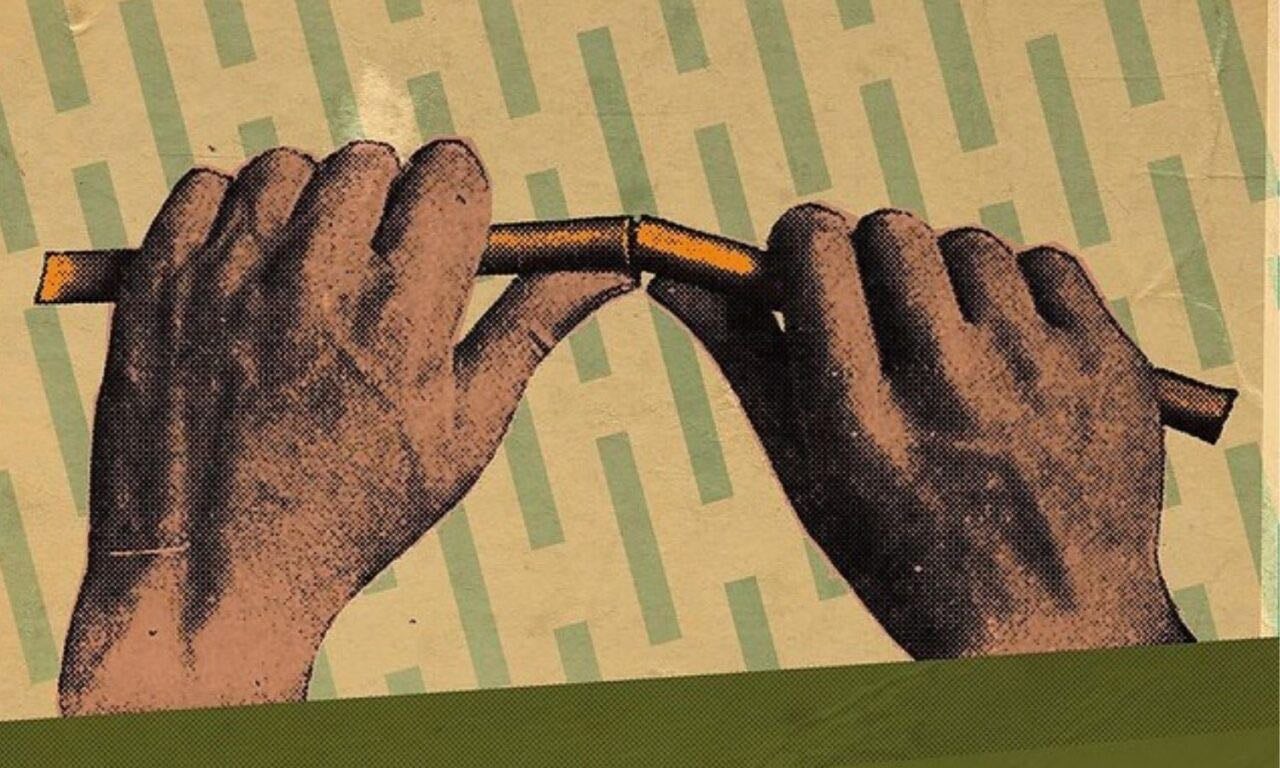
Prevenir el suicidio: una tarea aún pendiente
Ethic

El arte de caminar
Ethic

Dime cómo te llamas (y te diré quién eres)
Ethic