📽️.art&cinema⋆˚꩜。

avant-gard reels. cinema as vision.
Items in this hypelist
Early Experiments
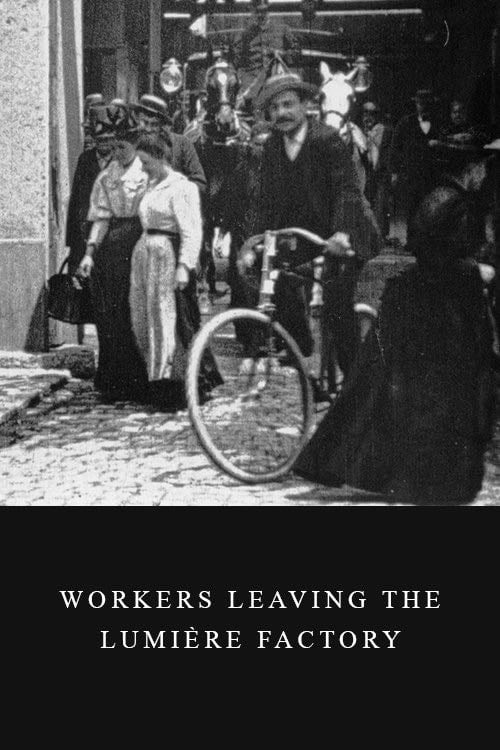
Workers Leaving the Lumière Factory
Louis Lumière · 1895
Working men and women leave through the main gate of the Lumière factory in Lyon, France. Filmed on 22 March 1895, it is often referred to as the first real motion picture ever made, although Louis Le Prince's 1888 Roundhay Garden Scene pre-dated it by seven years. Three separate versions of this film exist, which differ from one another in numerous ways. The first version features a carriage drawn by one horse, while in the second version the carriage is drawn by two horses, and there is no carriage at all in the third version. The clothing style is also different between the three versions, demonstrating the different seasons in which each was filmed. This film was made in the 35 mm format with an aspect ratio of 1.33:1, and at a speed of 16 frames per second. At that rate, the 17 meters of film length provided a duration of 46 seconds, holding a total of 800 frames.

A Trip to the Moon
Georges Méliès · 1902
Professor Barbenfouillis and five of his colleagues from the Academy of Astronomy travel to the Moon aboard a rocket propelled by a giant cannon. Once on the lunar surface, the bold explorers face the many perils hidden in the caves of the mysterious planet.

Dickson greeting

The horse in motion
Dada

Ballet Mécanique
Fernand Léger · 1924
A pulsing, kaleidoscope of images set to an energetic soundtrack. This is a world in motion, dominated by mechanical and repetitive images, with a few moments of solitude in a garden.

Emak-Bakia
Man Ray · 1926
Emak-Bakia (Basque for Leave me alone) is a 1926 film directed by Man Ray. Subtitled as a cinépoéme, it features many techniques Man Ray used in his still photography (for which he is better known), including Rayographs, double exposure, soft focus and ambiguous features. The film features sculptures by Pablo Picasso, and some of Man Ray's mathematical objects both still and animated using a stop motion technique.

Entr'acte
René Clair · 1924
Stop-motion photography blends with extreme slow-motion in Clair's first and most 'dada' film, composed of a series of zany, interconnected scenes. We witness a rooftop chess match between Marcel Duchamp and Man Ray, a hearse pulled by a camel (and chased by its pallbearers) and a dizzying roller coaster finale. A film of contradictions and agreements.
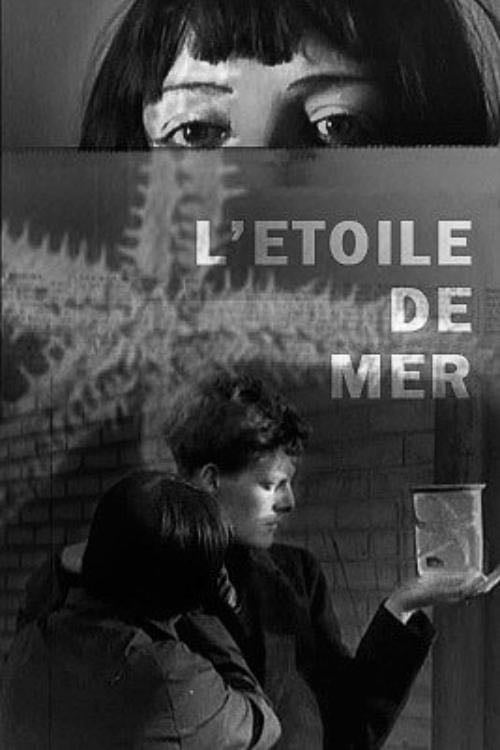
The Starfish
Man Ray · 1928
The romantic relationship between a man and a woman.
Return to Reason
Man Ray · 1923
Experimental film, white specks and shapes gyrating over a black background, the light-striped torso of Kiki of Montparnasse (Alice Prin), a gyrating eggcrate. One of the first Dadaist films.
Anemic Cinema
Marcel Duchamp · 1926
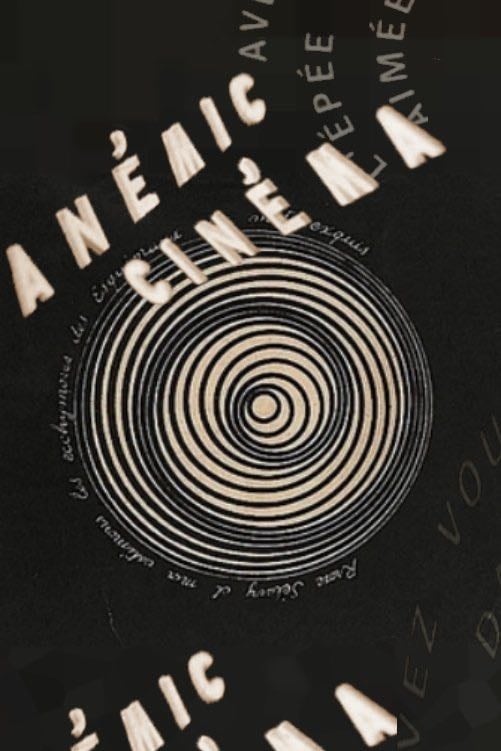
A spiral design spins. It's replaced by a spinning disk. These two continue in perfect alternation until the end: a spiral design, a disk. Each disk is labelled and can be read as it rotates. The messages, in French, feature puns and whimsical rhymes and alliteration. The final message comments on the spiral motif itself.

Karawane
Hugo Ball
Salvador Dali

Salvador Dalí at Work
Jonas Mekas · 2006
Filmmaker Jonas Mekas follows the surrealist artist around the streets of New York documenting staged public art events.
L'Âge d'or
Luis Buñuel · 1930
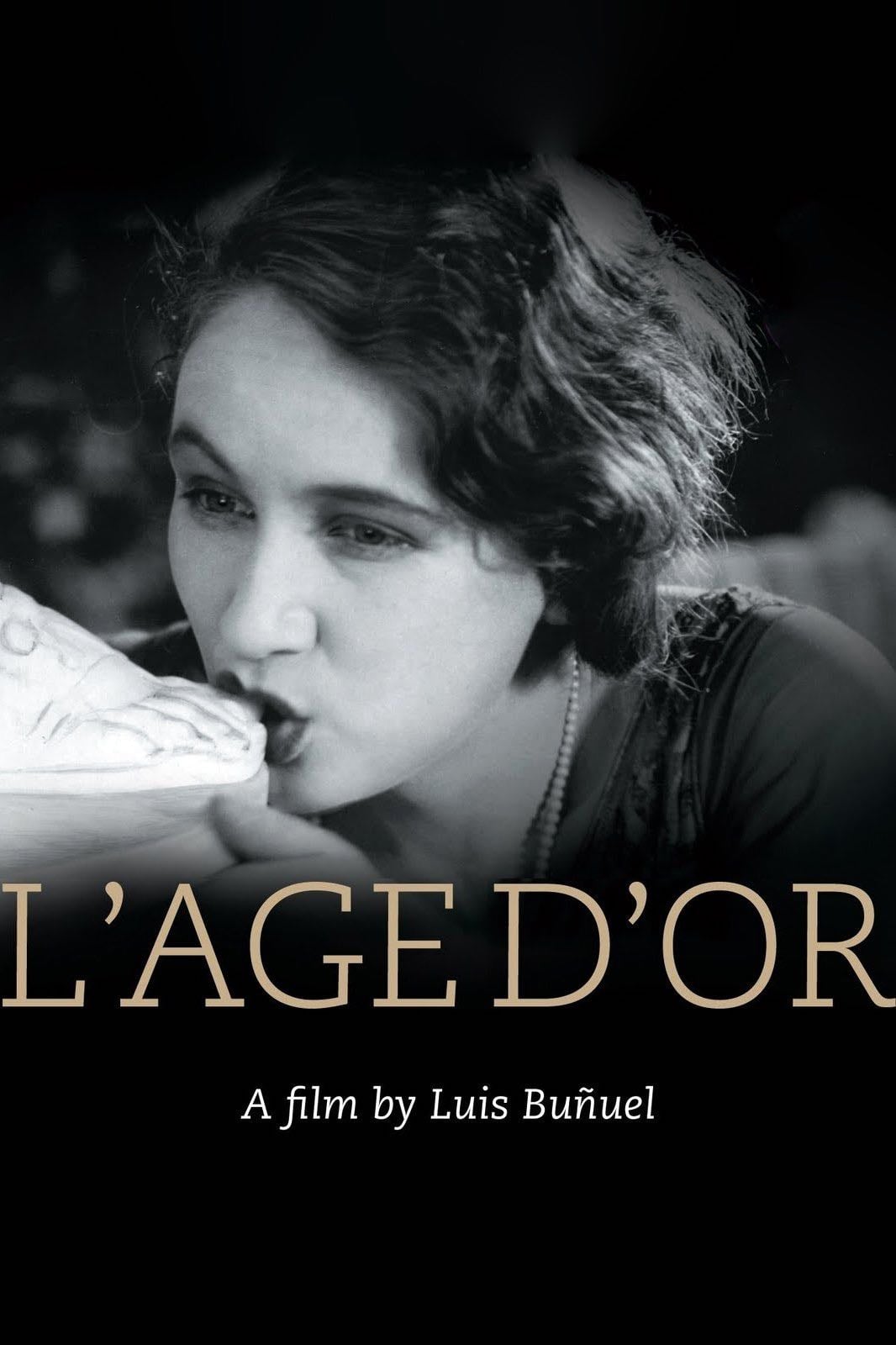
The film consists of a series of tightly interlinked vignettes, the most sustained of which details the story of a man and a woman who are passionately in love. Their attempts to consummate their passion are constantly thwarted, by their families, by the Church and bourgeois society in general.

Destino
Dominique Monfery · 2003
Short film to a song of love lost and rediscovered, a woman sees and undergoes surreal transformations. Her lover's face melts off, she dons a dress from the shadow of a bell and becomes a dandelion, ants crawl out of a hand and become Frenchmen riding bicycles. Not to mention the turtles with faces on their backs that collide to form a ballerina, or the bizarre baseball game.

Un Chien Andalou
Luis Buñuel · 1929
Un Chien Andalou is an European avant-garde surrealist film, a collaboration between director Luis Buñuel and Salvador Dali.
Andy Warhol

Trash
Paul Morrissey · 1970
The movie follows Joe, a heroin addict, throughout his quest to score more drugs. The episodic plot occurs over a single day and centers on Joe's problematic relationship with his on-off, sexually frustrated girlfriend. During the course of the day, Joe overdoses in front of an upper-class couple, attempts to fool Welfare into approving his methadone treatment by having Holly fake a pregnancy, and frustrates the women in his life with his drug-induced impotence.
Flesh
Paul Morrissey · 1968
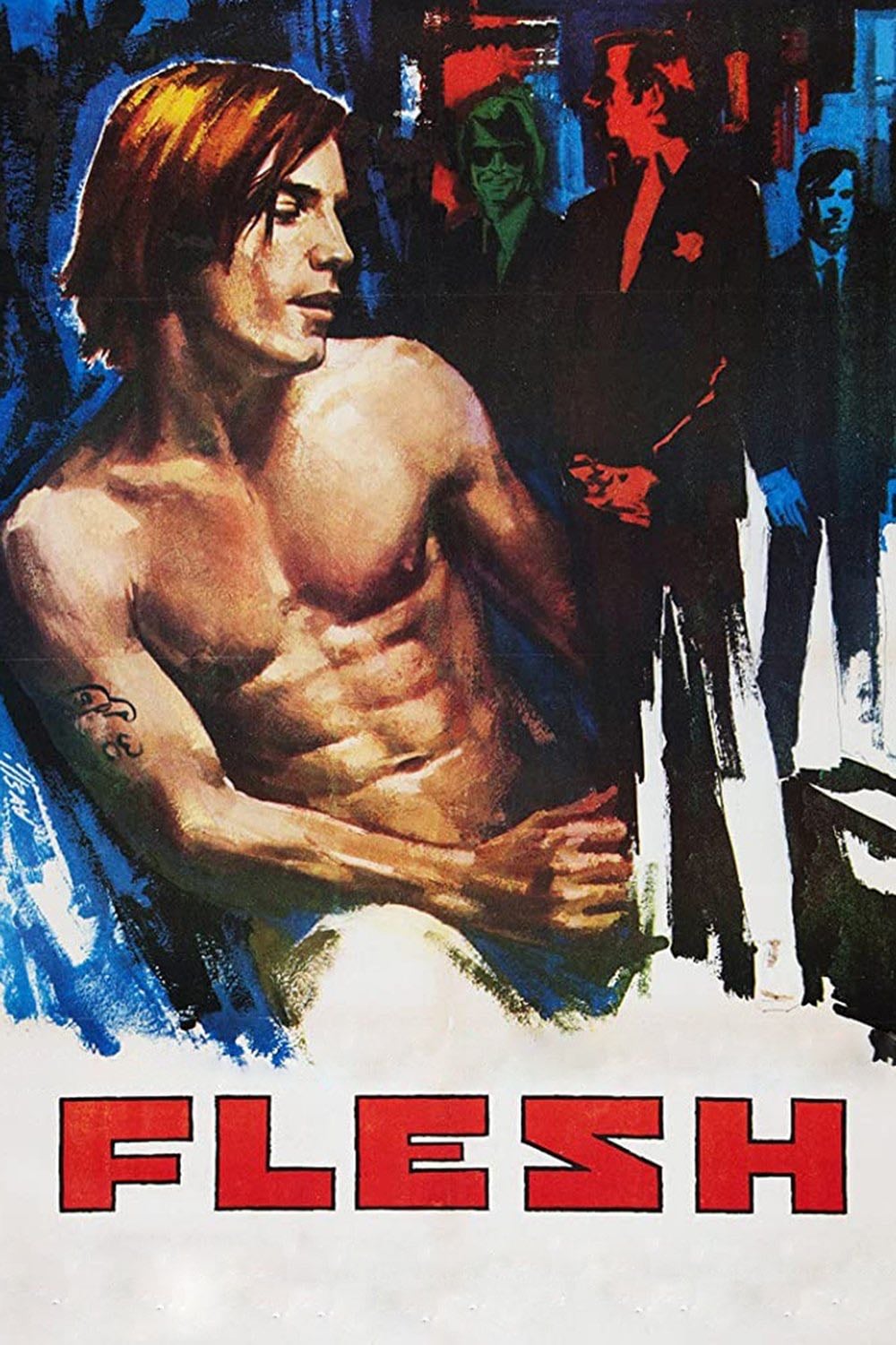
A heroin junkie works as a prostitute to support his habit and fund an abortion needed by the girlfriend of his lesbian wife. His seedy encounters with delusional and damaged clients, and dates with drag queens and hustlers are heavy on sex, drugs and decadence.

Vinyl
Andy Warhol · 1965
Andy Warhol’s screen adaptation of Burgess's "A Clockwork Orange”.

Chelsea Girls
Andy Warhol · 1966
Lacking a formal narrative, Warhol's mammoth film follows various residents of the Chelsea Hotel in 1966 New York City. The film was intended to be screened via dual projector set-up.

The Velvet Underground
Todd Haynes · 2021
Experience the iconic rock band's legacy in the first major documentary to tell their story. Directed with the era’s avant-garde spirit by Todd Haynes, this kaleidoscopic oral history combines exclusive interviews with dazzling archival footage.
Batman Dracula
Andy Warhol · 1964
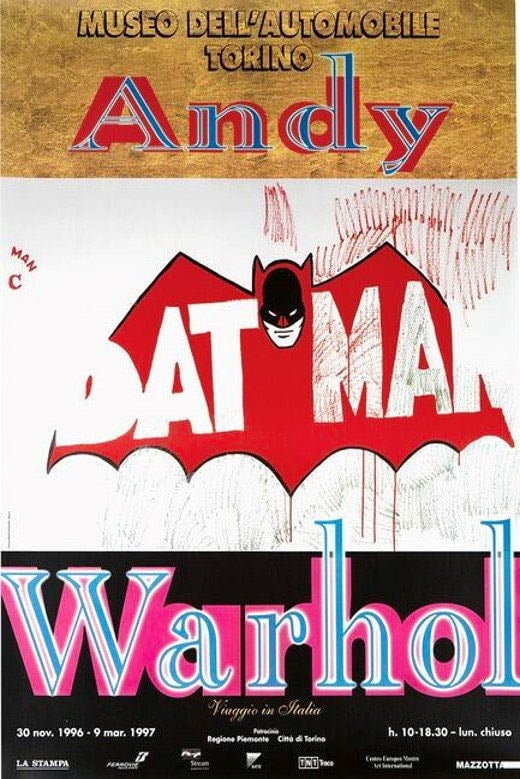
Batman Dracula is a 1964 black and white American film produced and directed by Andy Warhol, without the permission of DC Comics. The film was screened only at Warhol's art exhibits. A fan of the Batman series, Warhol made the movie as a homage. Batman Dracula is considered to be the first film featuring a blatantly campy Batman. The film was thought to have been lost until scenes from it were shown at some length in the documentary Jack Smith and the Destruction of Atlantis.
Literary Adaptations

The Phantom of the Opera
Rupert Julian · 1925
The deformed Phantom who haunts the Paris Opera House causes murder and mayhem in an attempt to make the woman he loves a star.

Bride of Frankenstein
James Whale · 1935
Dr. Frankenstein and his monster both turn out to be alive, not killed as previously believed. Dr. Frankenstein wants to get out of the evil experiment business, but when a mad scientist, Dr. Pretorius, kidnaps his wife, Dr. Frankenstein agrees to help him create a new creature.

Frankenstein
James Whale · 1931
Tampering with life and death, Henry Frankenstein pieces together salvaged body parts to bring a human monster to life; the mad scientist's dreams are shattered by his creation's violent rage as the monster awakens to a world in which he is unwelcome.

Le Notti Bianche
Luchino Visconti · 1957
A middle-aged man meets a young woman who is waiting on a canal bridge for her lover's return.

Frankenweenie
Tim Burton · 1984
Víctor Frankenstein (interpretado por Barret Oliver) es un niño que realiza cortos donde su perro Sparky es el protagonista, hasta que este es arrollado por un camión. En su escuela, Víctor aprende sobre el impulso eléctrico de los músculos y se le ocurre usar esa técnica para revivir a su mascota. Por ello, crea un complejo artefacto cuya culminación es una gran explosión de luz que devuelve a la vida a Sparky. Si bien Víctor y su familia aceptan al revivido animal, sus vecinos están aterrados... Parodia/homenaje de la historia de Frankenstein, en 2011 Tim Burton realizará un largometraje basado en esta misma idea.
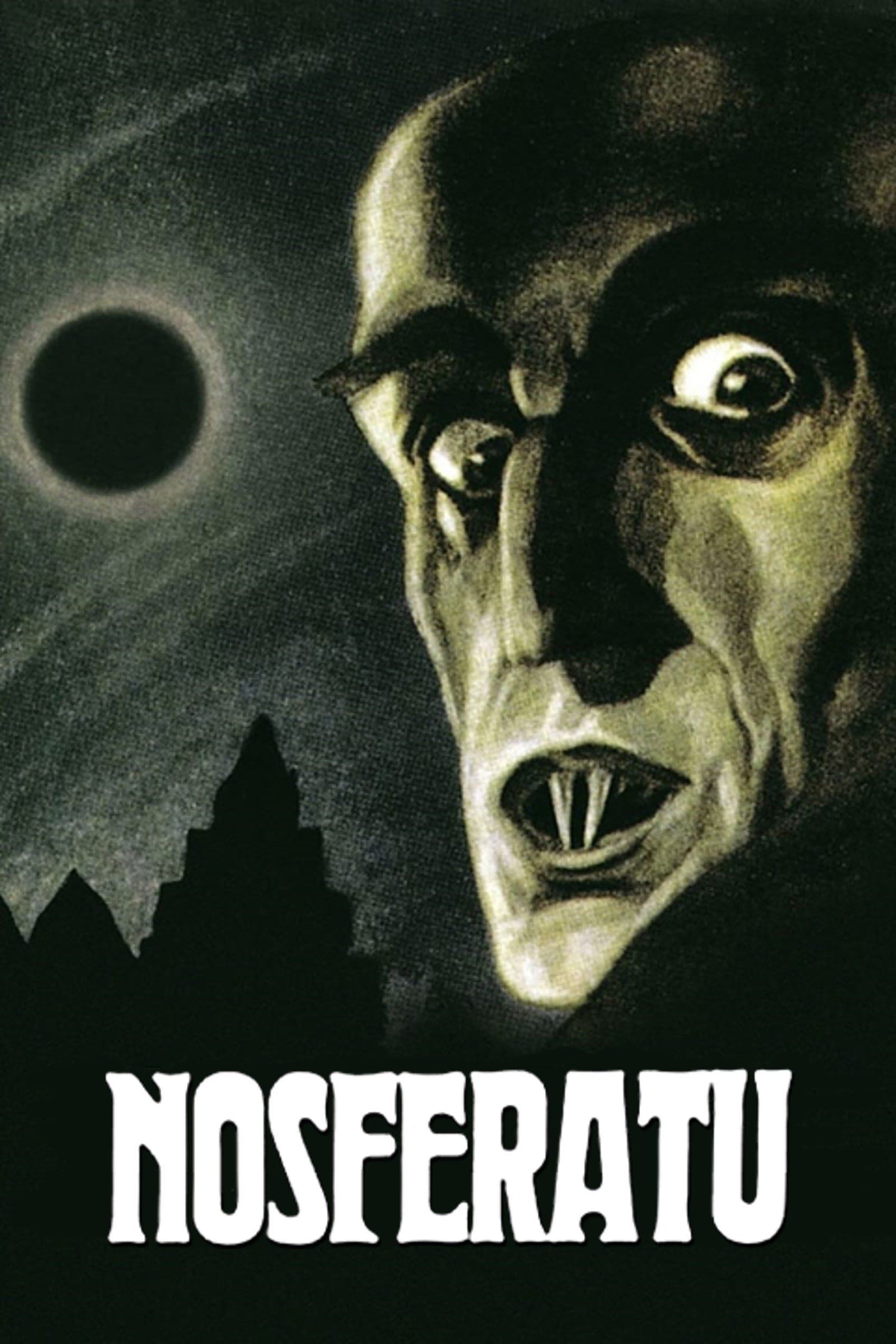
Nosferatu
F. W. Murnau · 1922
The mysterious Count Orlok summons Thomas Hutter to his remote Transylvanian castle in the mountains. The eerie Orlok seeks to buy a house near Hutter and his wife, Ellen. After Orlok reveals his vampire nature, Hutter struggles to escape the castle, knowing that Ellen is in grave danger. Meanwhile Orlok's servant, Knock, prepares for his master to arrive at his new home.

Jodorowsky's Dune
Frank Pavich · 2013
Shot in France, England, Switzerland and the United States, this documentary covers director Alejandro Jodorowsky (El Topo, Holy Mountain, Santa Sangre) and his 1974 Quixotic attempt to adapt the seminal sci-fi novel Dune into a feature film. After spending 2 years and millions of dollars, the massive undertaking eventually fell apart, but the artists Jodorowsky assembled for the legendary project continued to work together. This group of artists, or his “warriors” as Jodorowsky named them, went on to define modern sci-fi cinema with such films as Alien, Blade Runner, Star Wars and Total Recall.
Uncategorized

The Color of Pomegranates
Sergei Parajanov · 1969
The life of the revered 18th-century Armenian poet and musician Sayat-Nova. Portraying events in the life of the artist from childhood up to his death, the movie addresses in particular his relationships with women, including his muse. The production tells Sayat-Nova's dramatic story by using both his poems and largely still camerawork, creating a work hailed as revolutionary by Mikhail Vartanov.

Russian Ark
Aleksandr Sokurov · 2002
A ghost and a French marquis wander through the Winter Palace in St Petersburg, encountering scenes from many different periods of its history.