Artistas⋆ 𐙚 ̊. ̊꩜。 ·
Items in this hypelist
Music
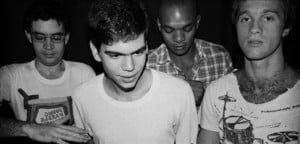
Legião Urbana
Legião Urbana
Legião Urbana was formed through the fermentation of youth tedium in the capital of Brazil, Brasília, DF, during the economic crisis and corruption of the '80s. The best way to deal with this picture was punk rock, the initial vehicle adopted by <a href="spotify:artist:3QLc39WR4dQAN1SgierGgE">Renato Russo</a> in his band Aborto Elétrico, who would give birth to Legião Urbana. With <a href="spotify:artist:6vGDqznIIURg6ZYltNu8AQ">Russo</a>'s incandescent lyrics portraying the frustrations of a lost generation in a pop/rock style, Legião Urbana gave voice to a multitude of desperate people, and became a phenomenon of popularity throughout Brazil. The band was formed in Brasília, DF, in 1982 by <a href="spotify:artist:3QLc39WR4dQAN1SgierGgE">Renato Russo</a>, vocals and guitar; <a href="spotify:artist:2ywFUqjB83BvAZy4eyNFN8">Marcelo Bonfá</a>, drums; and Dado Villa-Lobos, guitar. Guitarists Iko Ouro Preto and Eduardo Paraná were also invited into the group, but the first had a serious case of stage fright and the second was adept at guitar soloing, a sophistication that had no place in the band's straightforward sound. In 1983, the band opened in Rio and São Paulo, with the support of the Paralamas do Sucesso, who recorded "Química" and "O que eu não disse" (songs by <a href="spotify:artist:3QLc39WR4dQAN1SgierGgE">Renato Russo</a>) on their first album, Cinema Mudo. At the same time, a demo tape with "Geração Coca-Cola" and "Ainda é Cedo" began to be played on the Fluminense FM show The Maldita. In their initial contacts with EMI-Odeon, the group included bassist Renato Rocha, after <a href="spotify:artist:6vGDqznIIURg6ZYltNu8AQ">Russo</a> slit his wrists in a suicide attempt. Legião Urbana recorded their first LP in 1985, Legião Urbana, soon before the Rock in Rio festival, which troubled its release. After six months, the album became a hit and sold 100,000 copies with "Será" (Renato Rocha), one of the biggest hits of the year. Meanwhile, all of the tracks also became hits. It was followed by the LPs Dois (1986) (which sold 800,000 copies with many hits, especially "Eduardo e Mônica") and Que País é Este? (with "Faroeste Caboclo") (1987), all three having inscribed the band as one of the most important of the decade. Their live shows in Brasília always shared a disturbing propensity for violence, despite the bandmembers' wishes. In December 1986, their show at the Nilson Nelson Gymnasium ended with a girl dead and 20 people injured, and in 1988, playing for 50,000 people, the band had to run after <a href="spotify:artist:24digbd7Jn9oSHiZ1tOOnb">Rocha</a> was physically attacked by a guy who climbed the stage. This was followed by a riot that produced 60 arrests and 385 injuries. In 1988, in Rio, Legião Urbana performed for 20,000 people in the II Alternativa Nativa Festival, also performing in the third edition of the festival in July of the same year. In 1989, Renato Rocha left the band, and they continued as a trio with <a href="spotify:artist:3QLc39WR4dQAN1SgierGgE">Renato Russo</a> taking bass. As quatro estações, recorded that year, consisted of re-recordings of the group's songs and sold 450,000 copies. On July 7, 1990, they played for 60,000 people in Rio's Jockey Club. Legião Urbana V (1991), the double-live album Música para acampamentos (1992), Descobrimento do Brasil (1993), and A tempestade (1996) would continue the saga of the band. In that year, <a href="spotify:artist:3QLc39WR4dQAN1SgierGgE">Renato Russo</a> died of AIDS and the band dissolved. ~ Alvaro Neder, Rovi
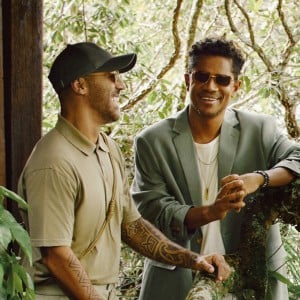
Natiruts
Natiruts
The reggae roots band Natiruts was formed in Brasília (Distrito Federal) in 1994 under the name Nativus. In 1997, the group launched the independent CD Nativus, which had a hit with "Presente de um Beija-Flor" and sold 40,000 copies. Sued by the band Os Nativos, they changed the group's name after a long judicial battle to Natiruts. Reissued by EMI, the first album sold 450,000 copies. Povo Brasileiro had hits with "Povo Brasileiro" and "Proteja-se e Lute," and Verbalize had success with its title track. ~ Alvaro Neder, Rovi
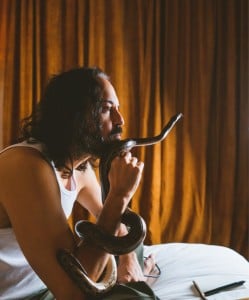
Gabriel o Pensador
Gabriel o Pensador
Um dos pioneiros do hip hop brasileiro, Gabriel foi o primeiro rapper a difundir o gênero na língua portuguesa nos países lusófonos, ao quebrar a barreira do mainstream com seu disco de estreia em 1993. Mazelas políticas e sociais, alienação e comportamento, liberdade de expressão e de pensamento, crônicas do cotidiano e reflexões variadas compõem o vasto universo poético do Pensador, que também é escritor e alterna com naturalidade e coragem abordagens ácidas, irônicas e contundentes. Hábil em experimentar misturas de ritmos e narrativas, foi pioneiro também ao criar flows inéditos para o rap cantado em português em cada um de seus oito álbuns anteriores e receber feats de artistas de outros gêneros, como Moreira da Silva em Amigo Urso ou Lulu Santos, parceiro em Cachimbo da Paz há 25 anos e que volta agora com a parte dois da canção, que conta ainda com a participação de Xamã. Neste novo álbum, o Pensador mostra que está antenado nas mudanças do hip hop e muitas vezes um passo à frente delas. Os beats trazem influências do trap, com seu peso característico, divisões diferentes nas batidas, sem deixar de lado seu vocal no estilo boom bap, variando os tipos de flow. Sempre inovando em suas produções, Gabriel impressiona pela atemporalidade da maioria de suas músicas. Mais de uma vez deu voz e traduziu anseios e sentimentos de gerações inteiras, buscando um caminho de positividade, atitude e evolução através do ritmo e da poesia e nos lembrando como a música liberta.

Mac Miller
Mac Miller
For a tragically brief time, Pittsburgh-based rapper and producer Mac Miller connected with legions of listeners through the appeal of both his curious, jazz-flecked instrumental style and heartfelt lyrics that laid bare his struggles with depression and addiction. Though his 2011 studio album debut Blue Slide Park topped the charts, his style and lyrical focus changed on subsequent, more personal releases like 2016's The Divine Feminine, which dominated the R&B and rap charts. Miller followed up with Swimming in 2018, but he died from an overdose one month after the album's release. His early output had an immediate resurgence as longtime fans mourned and those who just learned about the rapper explored his work for the first time. Posthumous releases followed Miller's death, such as 2020's Circles, and the 2025 release of "lost album" Balloonerism. Born Malcolm McCormick, Miller first used the alias Easy Mac, a name referenced on his debut mixtape, 2007's But My Mackin' Ain't Easy. His KIDS mixtape became his breakthrough when it was released in August of 2010, earning plenty of attention from hip-hop blogs and landing Miller a recording contract with <a href="spotify:search:label%3A%22Rostrum+Records%22">Rostrum Records</a>. <a href="spotify:search:label%3A%22Rostrum%22">Rostrum</a> released his debut EP, On and on and Beyond, and his debut album, Blue Slide Park, in 2011. The album debuted at number one on the Billboard 200. His seventh mixtape, Macadelic, arrived the next year, featuring appearances by <a href="spotify:artist:2YZyLoL8N0Wb9xBt1NhZWg">Kendrick Lamar</a>, <a href="spotify:artist:5gCRApTajqwbnHHPbr2Fpi">Juicy J</a>, <a href="spotify:artist:7iMvwE8qANp3aIfAGKEAwS">Cam'ron</a>, <a href="spotify:artist:55Aa2cqylxrFIXC767Z865">Lil Wayne</a>, and more (the set was later remastered for a spring 2018 release). The more experimental effort, Watching Movies with the Sound Off, followed in 2013, with left-field hip-hop names like <a href="spotify:artist:7BMccF0hQFBpP6417k1OtQ">Action Bronson</a>, <a href="spotify:artist:3A5tHz1SfngyOZM2gItYKu">Earl Sweatshirt</a>, and <a href="spotify:artist:29XOeO6KIWxGthejQqn793">Flying Lotus</a> lending a hand. A year later, Miller issued the mixtape Faces, signed with <a href="spotify:search:label%3A%22Warner+Bros.%22">Warner Bros.</a>, and launched his own imprint, <a href="spotify:search:label%3A%22REMember+Music%22">REMember Music</a>, under the major label. GO:OD AM followed in 2015 with <a href="spotify:artist:4bbjivSh1oG4NOc7uYHfw5">Lil B</a>, <a href="spotify:artist:15iVAtD3s3FsQR4w1v6M0P">Chief Keef</a>, and <a href="spotify:artist:360IAlyVv4PCEVjgyMZrxK">Miguel</a> on the album's guest list. The single "100 Grandkids" peaked appropriately at number 100, while "Weekend" was certified gold. Just a year after GO:OD AM ascended to the Top Five of the Billboard 200 and rap charts, Miller returned with his fourth LP, The Divine Feminine. The album featured contributions from guests like <a href="spotify:artist:2YZyLoL8N0Wb9xBt1NhZWg">Kendrick Lamar</a>, <a href="spotify:artist:5nLYd9ST4Cnwy6NHaCxbj8">Cee Lo Green</a>, <a href="spotify:artist:66CXWjxzNUsdJxJ2JdwvnR">Ariana Grande</a>, <a href="spotify:artist:5cM1PvItlR21WUyBnsdMcn">Robert Glasper</a>, and <a href="spotify:artist:3jK9MiCrA42lLAdMGUZpwa">Anderson.Paak</a>, who lent his soulful rasp to first single "Dang!" A pair of non-album singles ("Buttons" and "Programs") kept Miller busy into 2018, when he issued his fifth album, Swimming. Debuting at number three on both the Billboard 200 and R&B/hip-hop charts, the set included the songs "Small Worlds," "Self-Care," and "What's the Use?" A month after the release of the effort, Miller died from a suspected drug overdose in his San Fernando Valley home. He was 26 years old. Following his death, seven of his full-lengths posthumously hit the Billboard 200 (the mixtapes Best Day Ever and Macadelic made their chart debuts), and Swimming was nominated for a Grammy in the category of Best Rap Album. In early 2020, his first posthumous set was released. Intended as a companion to Swimming, Circles featured vocals recorded for this eventual project, which was completed by producer <a href="spotify:artist:57YJQe0ayvIaRZJ3PW5nFP">Jon Brion</a>. The LP became Miller's fifth Top Three showing on the U.S. charts. Later that year, KIDS was released to streaming services for the first time, which helped place it back on the Billboard 200. A revised edition of another mixtape, Faces, was issued commercially in 2021. The following year, his 2011 mixtape I Love Life, Thank You arrived on streaming services, which sent the collection to number 22 on the Billboard 200 (and into the Top Five on the U.S. indie album list). In 2025, the long-shelved album Balloonerism finally saw proper release. Recorded between 2013 and 2014 around the same time Miller was working on Faces, Balloonerism took a darker and more psychedelic tone than much of his other work. The album was released in tandem with a short film of the same name in January of 2025. ~ David Jeffries & Neil Z. Yeung, Rovi
Bob Marley & The Wailers
Artist
Gal Costa
Artist
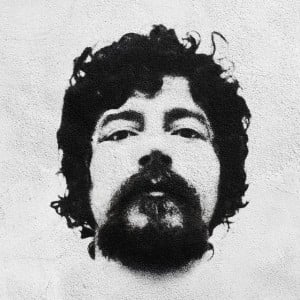
Raul Seixas
Raul Seixas
Raul Santos Seixas foi um cantor, compositor e produtor brasileiro, considerado o pioneiro do rock brasileiro. Sua obra musical é composta por dezessete discos lançados durante 26 anos de carreira. Seu estilo musical é tradicionalmente classificado como rock e baião, e de fato conseguiu unir ambos os gêneros em músicas como Let me Sing, Let me Sing. Raul Seixas tinha um estilo musical que era chamado de "contestador e místico". Isso se deve aos ideais que defendia, como a Sociedade Alternativa apresentada no álbum Gita, lançado em 1974, influenciado por figuras como o ocultista britânico Aleister Crowley. Cético e agnóstico,Raul se interessava por filosofia (principalmente metafísica e ontologia), psicologia, história, literatura e latim. Algumas ideias dessas correntes foram muito aproveitadas em sua obra, que possuía uma recepção boa ou de curiosidade por conta disso. Ele conseguiu gozar de uma audiência relativamente alta durante sua vida. Nos anos 80, continuou produzindo álbuns que venderam bem, como Abre-te Sésamo (1980), Raul Seixas (1983), Uah-Bap-Lu-Bap-Lah-Béin-Bum! (1987) e A Panela do Diabo (1989), esse último em parceria com o também baiano e amigo Marcelo Nova. Sua obra musical tem aumentado continuamente de tamanho, na medida em que seus discos (principalmente álbuns póstumos) continuam a ser vendidos, tornando-o um símbolo do rock do país e um dos artistas mais cultuados e queridos entre os fãs nos últimos anos.
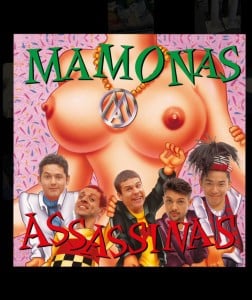
Mamonas Assassinas
Mamonas Assassinas
A banda mais legal e irreverente que já existiu https://www.instagram.com/mamonasassassinas?igsh=MXN5cWEwOWhiYjF5NQ==
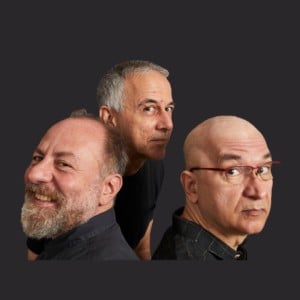
Os Paralamas do Sucesso
Os Paralamas do Sucesso
Os Paralamas do Sucesso são uma das mais importantes bandas da história da música brasileira e latina. Com 40 anos de carreira, 27 discos lançados, dezenas de sucessos e incontáveis shows pelo Brasil e pelo mundo, o grupo segue na estrada, influenciando novas gerações e arrebatando plateias de todas as idades. Em 2021, o trio formado por Herbert Vianna (guitarra e voz), Bi Ribeiro (baixo) e João Barone (bateria) dá início a um novo espetáculo, "Paralamas Clássicos", em que olham para a própria história sob o filtro dos sucessos absolutos. No palco junto com eles, estão os três músicos que acompanham a banda há décadas: João Fera (teclados), Monteiro Jr. (saxofone) e Bidu Cordeiro (trombone). A banda selecionou 33 faixas que sobrevoam as quase quatro décadas de carreira, numa viagem que começa pelo disco de estreia, "Cinema Mudo" (1983), e passa pelo mais recente álbum, "Sinais do Sim" (2017). O trajeto entre um ponto e outro é a história dos Paralamas contada em forma de música. Muito mais do que um show, "Paralamas Clássicos" é a história de uma paixão que se renova: da banda pelos palcos, do público pela banda, e de ambos pela obra. - Eduardo Lemos-Martin
The Cure
The Cure
THE CURE - FEELS LIKE A HUNDRED WORDS BIOGRAPHY >FORMED IN CRAWLEY, SUSSEX, ENGLAND. PLAYED IT'S FIRST SHOW IN 1978. HAS PERFORMED AROUND 1,500 CONCERTS TO DATE >HAS RELEASED 13 STUDIO ALBUMS. SEVERAL CONCERT FILMS. A FEW LIVE ALBUMS. SOME SOUNDTRACK SONGS. MORE THAN 40 SINGLES. A COUPLE OF BOX SETS. A COUPLE OF BOOKS. A GREATEST HITS THING. A HANDFUL OF COVERS. AND VARIOUS OTHER STUFF >2019 ROCK’N’ROLL HALL OF FAMER HAS HAD 13 MEMBERS IN 42 YEARS. 2020 FEATURES 5 OF THEM: ROBERT SMITH (VOICE & GUITARS) / SIMON GALLUP (BASS) / JASON COOPER (DRUMS) / ROGER O'DONNELL (KEYBOARDS) / REEVES GABRELS (GUITARS) >PLEASE SEE THIS BIOGRAPHY FOR A LONGER STORY http://www.thecure.com/bio/
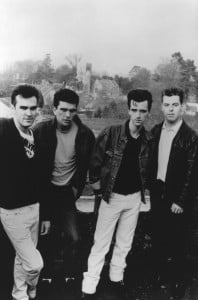
The Smiths
The Smiths
The Smiths were the definitive British indie rock band of the '80s, marking the end of synth-driven new wave and the beginning of the guitar rock that dominated English rock into the '90s. Sonically, the group was indebted to the British Invasion, crafting ringing, melodic three-minute pop singles, even for their album tracks. But their scope was far broader than that of a revivalist band. The group's core members, vocalist Morrissey and guitarist Johnny Marr, were obsessive rock fans inspired by the D.I.Y. ethics of punk, but they also had a fondness for girl groups, pop, and rockabilly. Morrissey and Marr also represented one of the strangest teams of collaborators in rock history. Marr was the rock traditionalist, looking like an elegant version of Keith Richards during the Smiths' heyday and meticulously layering his guitar tracks in the studio. Morrissey, on the other hand, broke from rock tradition by singing in a keening, self-absorbed croon, embracing the forlorn, romantic poetry of Oscar Wilde, publicly declaring his celibacy, and making no secret of his disgust for most of his peers. While it eventually led to the Smiths' early demise, the friction between Morrissey and Marr resulted in a flurry of singles and albums over the course of three years that provided the blueprint for British guitar rock in the following decade. Before forming the Smiths in 1982, Johnny Marr (born John Maher, October 31, 1963; guitar) had played in a variety of Manchester-based rock & roll bands, including Sister Ray, Freaky Part, White Dice, and Paris Valentinos. On occasion, Marr had come close to a record contract -- one of his bands won a competition Stiff Records held to have Nick Lowe "produce your band" -- but he never quite made the leap. Though Morrissey (born Steven Patrick Morrissey, May 22, 1959; vocals) had sung for a few weeks with the Nosebleeds and auditioned for Slaughter & the Dogs, he had primarily contented himself to being a passionate, vocal fan of both music and film. During his teens, he wrote the Melody Maker frequently, often getting his letters published. He had written the biography/tribute James Dean Isn't Dead, which was published by the local Manchester publishing house Babylon Books in the late '70s, as well as another book on the New York Dolls; he was also the president of the English New York Dolls fan club. Morrissey met Marr, who was then looking for a lyricist, through mutual friends in the spring of 1982. The pair began writing songs, eventually recording some demos with the Fall's drummer, Simon Wolstencroft. By the fall, the duo had settled on the name the Smiths and recruited Marr's schoolmate Andy Rourke as their bassist and Mike Joyce as their drummer. The Smiths made their live debut late in 1982, and by the spring of 1983, the group had earned a small but loyal following in their hometown of Manchester and had begun to make inroads in London. Rejecting a record deal with the Mancunian Factory Records, the band signed with Rough Trade for a one-off single, "Hand in Glove." With its veiled references to homosexuality and its ringing riffs, "Hand in Glove" became an underground sensation in the U.K., topping the independent charts and earning the praise of the U.K. music weeklies. Soon, Morrissey's performances became notorious as he appeared on-stage wearing a hearing aid and with gladioli stuffed in his back pockets. His interviews were becoming famous for his forthright, often contrary opinions, which helped the band become a media sensation. By the time of the group's second single, "This Charming Man," in late 1983, the Smiths had already been the subject of controversy over "Reel Around the Fountain," a song that had been aired on a BBC radio session and was alleged to condone child abuse. It was the first time that Morrissey's detached, literary, and ironic lyrics were misinterpreted and it wouldn't be the last. "This Charming Man" reached number 25 on the British charts in December of 1983, setting the stage for "What Difference Does It Make"'s peak of number 12 in February. The Smiths' rise to the upper reaches of the British charts was swift, and the passion of their fans, as well as the U.K. music press, indicated that the group had put an end to the synth-powered new wave that dominated Britain in the early '80s. After rejecting their initial stab at a first album, they released their debut, The Smiths, in the spring of 1984 to strong reviews and sales -- it peaked at number two. A few months later, the group backed '60s pop vocalist Sandie Shaw -- who Morrissey had publicly praised in an article -- on a version of "Hand in Glove" that was released and reached the Top 40. "Heaven Knows I'm Miserable Now" reached number ten, becoming their highest-charting single amid a storm of controversy about its B-side, "Suffer Little Children," which was about the notorious Moors Murders. More controversy appeared when Morrissey denounced the hunger-relief efforts of Band Aid, but the group's popularity was not affected. Though the Smiths had become the most popular new rock & roll group in Britain, the group failed to make it outside of underground and college radio in the U.S., partially because they never launched a full-scale tour. At the end of the year, "William It Was Really Nothing" became a Top 20 hit and Hatful of Hollow, a collection of B-sides, BBC sessions, and non-LP singles, went to the Top Ten, followed shortly by "How Soon Is Now," which peaked at number 24. Meat Is Murder, the band's second proper studio album, entered the British charts at number one in February of 1985, despite some criticism that it was weaker than The Smiths. Around the time of the release of Meat Is Murder, Morrissey's interviews were becoming increasingly political as he trashed the Thatcher administration and campaigned for vegetarianism; he even claimed that the Smiths were all vegetarians, and he forbade the remaining members to be photographed eating meat, even though they were still carnivores. Marr, for his part, was delving deeply into the rock & roll lifestyle and looked increasingly like a cross between Keith Richards and Brian Jones. By the time the non-LP "Shakespeare's Sister" reached number 26 in the spring of 1985, the Smiths had spawned a rash of soundalike bands, including James, who opened for the group on their spring 1985 tour, most of whom Morrissey supported. However, all of the media attention on the Smiths launched a mild backlash later in 1985, when "That Joke Isn't Funny Anymore" was pulled from Meat Is Murder and failed to reach the Top 40. "The Boy with the Thorn in His Side" revived the band's fortunes in the fall of 1985, and their third album, The Queen Is Dead, confirmed their popularity upon its release in the spring of 1986. Greeted with enthusiastic reviews and peaking at number two on the U.K. charts, The Queen Is Dead also expanded their cult following in the U.S., cracking the Top 100. Shortly before the album was completed, former Aztec Camera guitarist Craig Gannon became the band's rhythm guitarist, and he played with the band throughout their 1986 international tour, including a botched American tour. The non-LP "Panic," which was criticized as racist by some observers for its repeated refrain of "Burn down the disco...hang the DJ," reached number 11 late in the summer. A few months after its release, Marr was seriously injured in a car crash. During his recuperation, Gannon was fired from the band, as was Rourke, who was suffering from heroin addiction. Though Rourke was later reinstated, Gannon was never replaced. The Smiths may have been at the height of their popularity in early 1987, with the non-LP singles "Shoplifters of the World" and "Sheila Take a Bow" reaching number 11 and ten respectively, and the singles and B-sides compilation The World Won't Listen (revamped for U.S. release as Louder Than Bombs later in 1987) debuting at number two, but Marr was growing increasingly disenchanted with the band and the music industry. Over the course of the year, Morrissey and Marr became increasingly irritated with each other. The singer wished that Marr would stop playing with other artists like Bryan Ferry and Billy Bragg, while the guitarist was frustrated with Morrissey's devotion to '60s pop and his hesitancy to explore new musical directions. A few weeks before the fall release of Strangeways, Here We Come, Marr announced that he was leaving the Smiths. Morrissey disbanded the group shortly afterward and began a solo career, signing with Parlophone in the U.K. and staying with the Smiths' U.S. label, Reprise. Marr played as a sideman with a variety of artists, eventually forming Electronic with New Order frontman Bernard Sumner. Rourke retired from recording and Joyce became a member of the reunited Buzzcocks in 1991. Rank, a live album recorded on the Queen Is Dead tour, was released in the fall of 1988. It debuted at number two in the U.K. A widely criticized, two-part The Best of the Smiths compilation was released in 1992; the praised Singles compilation was released in 1995. Joyce and Rourke sued Morrissey and Marr in 1991, claiming they received only ten percent of the group's earnings while the songwriters received 40 percent. Rourke eventually settled out of court, but Joyce won his case in late 1996. ~ Stephen Thomas Erlewine
Rita Lee
Rita Lee
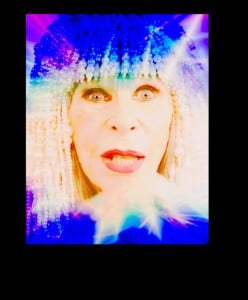
Rita Lee is a central figure in Brazilian rock. A former member of the seminal rock band Os Mutantes, she eventually departed from that group and began an extremely successful solo career in the rock and dance styles that have lasted for more than 30 years. The daughter of an amateur female pianist, she never took music lessons. In place of the traditional adolescent debut ball, she asked to receive a drum set. Lee formed a band with two other friends and they were quite good at vocals, backing stars like Tony Campelo, Jet Blacks, Demetrius, and Prini Lopez, when they met the brothers Arnaldo and Sérgio Dias Baptista. Adopting the name O'Seis (a pun with "the six" and the Brazilian redneck way of saying "you all"), they recorded the single "O Suicida," which was never released. When the rest of the band left for college, only three of them remained. Picking the name Os Mutantes, they backed Nana Caymmi on her then-husband's composition "Bom Dia" (Gilberto Gil). When Gil met them, he immediately knew that Os Mutantes were on the same track as the Baianos. Inviting them to accompany him at TV Record's 1967 III FMPB, they won second place for Gil's "Domingo no Parque" with the addition of Rogério Duprat conducting an orchestra with his revolutionary arrangements. The novelty of electric guitars and a generalized irreverence of the mixing of strange orchestral sounds irritated the audience a great deal; the nascent Tropicalia was coming to the world under heavy booing. Soon after, they recorded their single "O Relógio." In 1968, they performed on the album/manifesto Tropicália ou Panis et Circensis (Philips), with Nara Leão, Caetano Veloso, Gilberto Gil, Gal Costa, and Tom Zé. This was also when they recorded their first LP, Os Mutantes. In that period, during their somewhat frequent tours of Europe, they recorded an LP that was never fully released, with the exception of some tracks included on 1971's Jardim Elétrico. Also in 1968, they accompanied Caetano to TV Globo's III FIC, on his "É Proibido Proibir" and performed their "Caminhante Noturno," which won seventh place. In 1969, they participated at the IV FMPB with their "Dom Quixote" and, by Lee and Tom Zé, "2001." In the same year, they performed with the Baianos at the Sucata nightclub, Rio, and recorded their second album, also self-titled. They went to Europe, playing at Cannes, France, at the MIDEM, and in Lisbon, Portugal. In 1970, they returned to Brazil and set the show O Planeta dos Mutantes, the first multi-media experiment in Brazil. In the same year, Lee recorded her solo album, Build Up, produced by Arnaldo Baptista. Soon after, they had a stint at the Olympia in Paris, France. With bassist Liminha (now a respected studio producer) and drummer Dinho, they participated in the V FIC with "Ando Meio Desligado" (Arnaldo and Sérgio). The LP A Divina Comédia is from that year and O Jardim Elétrico (Polydor) from the next. In 1972, Lee recorded another solo album backed by the Os Mutantes, Hoje é o Primeiro Dia do Resto de Sua Vida (Philips). After releasing the Os Mutantes' No País dos Bauretz, Lee departed from the group. In fact, she was expelled as she wasn't proficient enough as an instrumentalist. Following a period of depression, during which she became locked up in her home, she decided to abandon her career. But, at the same time, she was writing the material that would make her famous as a solo artist. In 1973, she presented herself together with Lúcia Turnbull at the show Phono 73. Forming the rock band Tutti Frutti (which included Lúcia) for a series of presentations at the Teatro Ruth Escobar, they adopted the name Rita Lee & Tutti Frutti by suggestion of the record label. The band would follow her to the success in subsequent years, releasing Lee's hits "Ovelha Negra," "Agora só Falta Você," "Esse tal de Roque Enrow," "Miss Brasil 2000," and "Jardins da Babilônia." In 1974, they released Atrás do Porto tem uma Cidade (Philips). In 1975, Lúcia went out of the band and they recorded Fruto Proibido (Som Livre). In 1977, pregnant for the first time, she was arrested for having marijuana and condemned to one year of domiciliary imprisonment, when she composed with Paulo Coelho (who is now a best-selling esoteric writer) the single "Arrombou a Festa," which sold 200,000 copies. She continued to perform, under special judge permits. Elis Regina invited her to a duo performance at a special TV show at TV Bandeirantes, when they recorded "Doce de Pimenta," which Lee had composed especially for Elis. It was during this time that she unofficially married Roberto de Carvalho, who was incorporated in her band as a guitarist and composer. Soon, they departed for a tour with Gilberto Gil for Refestança, which was recorded and released as the eponymous LP. In 1978, Lee and her band recorded the LP Babilônia, when the group was dissolved under internal dissension. She then formed the group Rita Lee & Cães e Gatos, and departed for a series of shows under the same name, alluding to the members' fighting with each other. Next year's album brought "Mania de Você," her biggest hit. Lee decided not to have a band anymore. With "Lança Perfume," she achieved international recognition with even Prince Charles recognizing her as his favorite singer. In the early '80s, she made great success recording "Joujou e Balangandãs" together with João Gilberto. Her albums, openly danceable and fully committed to a commercial result, were breaking all selling records, and her shows becoming mega-productions. During the 1983 tour for Rita Lee e Roberto de Carvalho -- Flagra, she began to have health problems, fainting on-stage at one presentation. She then decided to take a rest, recording another album in that year with no supporting tours. In January 1985, she sang deceptively at the Rock in Rio festival. There were plenty of rumors accounting that she had leukemia. After another seven months in obscurity, she recorded another album that received good reviews, but was ignored by audiences. In 1986, as Lita Ree, she made true a longtime dream: to host a radio show, which was presented at São Paulo's 89 FM, and later, on Rio's Rádio Cidade. In 1987, she released Flerte Fatal under harsh criticism and fights with the press. After two more albums and still under fire of the critics, she ended the partnership with her husband, but worked with him on the film Fogo e Paixão. Later, she worked on the movie Dias Melhores Virão by Cacá Diegues, which granted her a prize at the Denzer Festival, Europe, in 1990. Impersonating the late singer/composer Raul Seixas in the short movie Tanta Estrela por Aí, she was appointed Best Male Actor by Rio's mayoralty. On TV, she worked on the soap operas Top Model and Vamp and hosted her own show, TV Leezão, a version for MTV of Rádio Amador. In 1990, she performed on her show Bossa n' Roll, which had the greatest audience that year and launched the acoustic craze. The album sold 350,000 copies. After an album recorded with her early companion Lúcia Turnbull, Lee was expressly required by Mick Jagger, who demanded personally that she open the Rolling Stones tour in Brazil. She was a great success, supplanting the Spin Doctors. After that, she toured for A Marca da Zorra, again with Roberto de Carvalho. The following year, she became the first woman and first pop icon to be awarded with the Prêmio Shell de MPB. In 1997, she received the distinguished Prêmio Sharp de Música. She followed with a CD and tour for Santa Rita de Sampa and the mega-production Acústico MTV. In 2000, she released the CD 3001. ~ Alvaro Neder
Cazuza
Cazuza
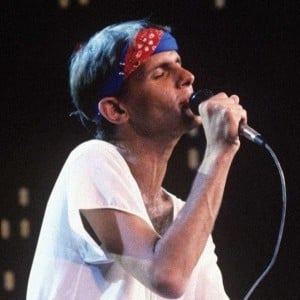
Cazuza foi um cantor, compositor, poeta e letrista brasileiro. Primeiramente conhecido como vocalista e principal letrista da banda Barão Vermelho, na qual fez bem sucedida parceria com Roberto Frejat, Cazuza posteriormente seguiu carreira solo, sendo aclamado pela crítica como um dos principais poetas da música brasileira.
Yago Oproprio
Yago Oproprio
Nascido na Zona Leste de São Paulo, Cohab II, Yago Oproprio carrega o DNA das influências musicais periféricas. Desde a infância às voltas com o sarau Casa de Dolores, no Jardim Triana, sede do grupo de mesmo nome, Yago toma contato direto com a arte com a influência de diversos artistas populares, É também deste seio que emana a poesia intensa de suas letras. Viveu na casa das Avós por algum período, que lhe trouxe a simpatia e o traquejo dos interiores paulitas. Ainda niño foi morar com a mãe em Caracas, Venezuela. Lá, aprendeu espanhol e teve contato com as musicas de Calle 13, Orishas, Don Omar, dali as influências da sonoridade latina que imprimem ritmo e singularidade às suas criações. De volta ao Brasil se instala na Cohab 1, Artur Alvim, na casa do pai, um dos fundadores do Coletivo Dolores, nesse território traça caminho forte com o funk e o rap nacional, Sabotage, Duda Marapé, Sombra, Racionais, ao mesmo tempo que flertava com Chico Buarque, Moreira da Silva, Pedro Luís e a Parede entre tantos outros. Da Praça do Morcegão ao CDC Vento Leste, Yago se aventura em rimas, skate, e teatro popular, conhece da política comunitária e das paradas loucas da quebrada. Cresceu na escola pública e triangulava a cohab, jardim hercília e jardim triana. Dessa mistura da rua com a arte periférica é que vai matutando a poética urbana que não se fecha num mundo só Yago Oproprio trilha os caminhos do diálogo com as pessoas e as cidades, salta da quebrada, sem abandonar a raíz.
Elvis Presley
Elvis Presley
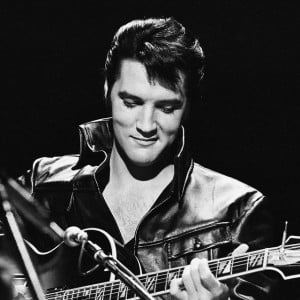
In 1992, the U.S. Postal Service conducted a nationwide vote on a crucial subject: Should their upcoming stamp feature Young Elvis or Older Elvis? More than 75 percent of the million-plus ballots voted for Young Elvis, but the fact that the question was asked at all speaks to the difficulty of pinning down just who the man was and how he should be remembered: Boundary-breaking R&B singer or Hollywood crooner? Rock pioneer or Vegas showman? An artist who legitimized blues for white audiences or appropriated it from black performers?<br> In truth, Elvis Presley was all these things and more, a prism through which just about every myth we have about race, pop culture, and the American dream can be refracted. Born in 1935 in Tupelo, Mississippi, in a two-room shotgun house built by his father, Presley moved to Memphis as a teenager, recording his first sides for Sun Records a couple of months after he finished high school. He liked country, but also blues; he liked ballads, but played with an irrepressible energy that helped shape the feel of rock and roll. (His breakthrough, an uptempo cover of the blues singer Arthur Crudup’s “That’s All Right,” reportedly started as a goof Presley was killing time with between takes of something more subdued.)<br> In addition to becoming one of the first artists to successfully make R&B for white audiences, Presley was also one of the first performers whose fame (good and bad) came in large part from television—you can’t see hips move in the newspaper. (The <i>New York Times</i>, reporting on Presley’s <i>Milton Berle Show</i> performance in June 1956: “His one specialty is an accented movement of the body that heretofore has been primarily identified with the repertoire of the blonde bombshells of the burlesque runway.”)<br> Presley parlayed his screen appeal into a successful movie career, spending most of the '60s in Hollywood. (A handful of his most indelible songs—including “Can’t Help Falling in Love” and “Return to Sender”—started life on soundtracks to movies in which he also starred.) In 1968, he ventured to recapture the jolt of his early years, staging a television special (<i>Elvis</i>, a.k.a. the ’68 Comeback Special) that constituted his first live performance since 1961. The following year, he released <i>From Elvis in Memphis</i>, an album that found him suddenly, effortlessly, in step with contemporary pop and soul.<br> Though Presley toured almost relentlessly until his death from a heart attack in 1977, he became increasingly cloistered, at one point giving up recording studios in favor of using a mobile studio RCA Records sent to his Memphis mansion, Graceland. A car aficionado with no shortage of spending money, he was known to occasionally approach strangers outside Cadillac showrooms and ask which model and color they liked best before offering—out of the blue—to pick up the bill. Nearly 80,000 people were estimated to have attended the procession for his funeral, where he was buried next to his mother.
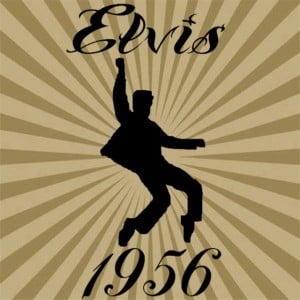
Elvis Presley 1956
Elvis Presley 1956
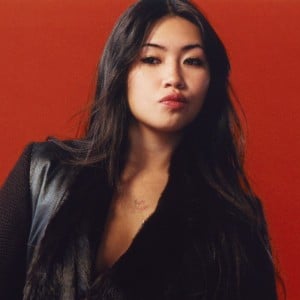
beabadoobee
beabadoobee
This Is How Tomorrow Moves, my 3rd album <3 out now !!
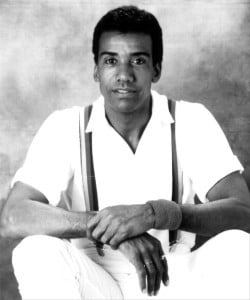
Jorge Ben Jor
Jorge Ben Jor
One of the most important Brazilian composers and performers to appear in the 1960s, singer and songwriter Jorge Ben proved successful at infusing samba with soul music. He is the author of two of the most legendary samba songs: "Mas Que Nada" and "País Tropical." His originality and open-mindedness led him to his participation in the Jovem Guarda, bossa nova, and Tropicália movements (see Jorge Ben, 1969, and Força Bruta, 1970), which put him in the unrivaled historic position of having been a member of most of the important movements of 20th Brazilian popular music. His songs have been recorded by acts such as <a href="spotify:artist:65c5si0ePAwkOCn4M35Ho7">Sergio Mendes</a>, <a href="spotify:artist:09L3cUdx0hq6qn5bKuJJ4I">Herb Alpert & the Tijuana Brass</a>, <a href="spotify:artist:7K78lVZ8XzkjfRSI7570FF">José Feliciano</a>, <a href="spotify:artist:5V0MlUE1Bft0mbLlND7FJz">Ella Fitzgerald</a>, <a href="spotify:artist:5RzjqfPS0Bu4bUMkyNNDpn">Dizzy Gillespie</a>, Júlio Iglesias, and <a href="spotify:artist:3YR92OLKlvkK5oKNekSqXe">Al Jarreau</a>. His mid-'70s recordings, including A Tábua de Esmeralda from 1974 and África Brasil in 1976, showcased his deep samba melded with soul and funk. The diversity in his approach, whether with light and airy bossa, fleet samba, or celebratory dance music, bears the trademark of his signature phrasing as a singer and his ability to seemingly stretch time as a composer. His father, Augusto Menezes, was a pandeiro (a kind of tambourine) player for the Cometa do Bispo Bloco (a carnaval group), and was also a composer and singer of carnaval music. Ben lived in poverty during his childhood in the Favela da Rua do Bispo (in the Rio Comprido borough in Rio de Janeiro). At 13, he learned to play the pandeiro in a small regional group, and two years later, he joined the church choir at the school he was attending. At 16, he was already a member of the Turma do Matoso, made up of a bunch of friends who met at Matoso Street in the Tijuca borough, who included <a href="spotify:artist:6cHQUDAPGKRE2NbVjBlOcz">Erasmo Carlos</a>, <a href="spotify:artist:0jOs0wnXCu1bGGP7kh5uIu">Tim Maia</a>, and <a href="spotify:artist:7fAKtXSdNInWAIf0jVUz65">Roberto Carlos</a>. At 18 he taught himself to play guitar. Ben started his artistic career in 1961 as a pandeiro player with the Copa Trio, led by organist <a href="spotify:artist:2ACcON2v89hFiNex2a0emN">Zé Maria</a>. He performed his early songs at the Little Club at the Beco das Garrafas, one of the few places in Rio at the time that featured Brazilian jazz and bossa nova. Concurrently, he was a rock singer at the Plaza nightclub, where <a href="spotify:artist:6aewGwsqlu1cmev2xBJoht">Johnny Alf</a> had introduced the jazz harmonies that changed the face of Brazilian music. In 1963, he had two of his songs recorded, "Mas Que Nada" and "Por Causa de Você," which he interpreted on <a href="spotify:artist:2ACcON2v89hFiNex2a0emN">Zé Maria</a>'s Tudo Azul; it was followed by an invitation from the <a href="spotify:search:label%3A%22Philips%22">Philips</a> label to record his own single with the same songs, with backing from the Copa Cinco. The label's gamble proved a success at radio and on store shelves. The same year, they issued his debut album, Samba Esquema Novo. It sold an unprecedented 100,000 copies. In 1965, Ben toured the U.S. for three months, and the Jovem Guarda Show debuted on TV Record São Paulo. At the time, Ben adhered to iê-iê-iê (as Brazilian rock derived from the Beatles' style was called). It didn't play well with the musicians and singers associated with <a href="spotify:artist:0yFvXd36g5sNKYDi0Kkvl8">Elis Regina</a> who had declared war on rock & roll on her O Fino da Bossa program. (Their hostile reaction was similar to what Bob Dylan encountered from folkies at Newport in 1965.) Long an enthusiast of the style, Ben was known in his circle as "Babulina" because he loved <a href="spotify:artist:5uGILxxiSWMniB1B4FpmOS">Ronnie Self</a>'s "Bop-A-Lena." There was no denying that his roots were tied to samba, but he wanted to create a new dimension in the form. He pioneered an electric samba that also absorbed influences from rock and popular music. As a sambista sponsored by the jazz crowd, he had been invited to appear on O Fino da Bossa. Ben participated in two weekly shows. During that run he was invited by <a href="spotify:artist:6cHQUDAPGKRE2NbVjBlOcz">Erasmo Carlos</a> to perform "Agora Ninguém Chora Mais" on the Jovem Guarda show. The next day he was banned by the producers of O Fino da Bossa. Remaining on Jovem Guarda, Ben teamed with <a href="spotify:artist:6Gnzt9UV1C8WlYyGPB4P8v">Pery Ribeiro</a>, <a href="spotify:artist:6cHQUDAPGKRE2NbVjBlOcz">Erasmo Carlos</a>, <a href="spotify:artist:6DqFCzjARUV3xH9meu3Bya">Wilson Simonal</a>, <a href="spotify:artist:4r29pcWBr7u3gHrNNEK7Ih">Bossa Três</a>, and Carlos Imperial to create a new rhythm, the so-called "samba jovem," which mixed iê-iê-iê and bossa nova. While Ben was facing adversities in his own country, in the U.S. <a href="spotify:artist:6hCsqVHnBo1BVQWuIjRMkL">Sergio Mendes and Brasil '66</a> issued "Mas Que Nada" as a single and hit the charts high. At the same time, <a href="spotify:artist:7K78lVZ8XzkjfRSI7570FF">José Feliciano</a> recorded his "Nena Naná" and <a href="spotify:artist:1PqdKx88nAgPolRy079lMl">Herb Alpert</a> his "Zazueira." Ben would remain in Brazilian music's doghouse until late 1968, when he participated in <a href="spotify:artist:7HGNYPmbDrMkylWqeFCOIQ">Caetano Veloso</a>'s and <a href="spotify:artist:7oEkUINVIj1Nr3Wnj8tzqr">Gilberto Gil</a>'s Divino, Maravilhoso show on TV Tupi. In 1969, Ben hit paydirt with four singles -- "Minha Menina," "País Tropical," "Que Pena," and "Cadê Teresa" -- included on the eponymously titled Jorge Ben. In 1970, Ben interpreted his "Eu Também Quero Mocotó" in the V FIC, accompanied by the conductor Erlon Chaves, Banda Veneno, and Trio Mocotó. In 1972 he performed in Italy, Portugal, and Japan (where he recorded a live album) and won the VII FIC show with "Fio Maravilha," interpreted by Maria Alcina. The song was included on the same year's LP Ben. In 1975, Ben performed at the Sistina Theater in Rome, Italy -- the show was recorded by the Italian TV. That same year he performed at the Olympia (Paris, France), and that show was recorded live and released as Jorge Ben à L'Olympia. These performances and releases paved the way for Ben's embrace of soul on 1974's A Tábua de Esmeralda and of funk on 1976's Africa Brasil -- both are now considered classic albums. In the '80s, Ben finally arrived as an international star. His growing popularity abroad yielded several invitations for performances at jazz and world music festivals. In 1985, he changed his stage name from Jorge Ben to Jorge Ben Jor; the change was inspired by move to the <a href="spotify:search:label%3A%22Warner%22">Warner</a> label, and the fact that his international composition and publishing rights were being paid to George Benson. In 1991, his "W/Brasil (Chama o Síndico)" became a big dancefloor hit in Britain and in Europe as a new generation of young people discovered his work. In November 1997, he was paid tribute by 12 artists -- including <a href="spotify:artist:23T5kuXiRZWsH5w1lxowMh">Fernanda Abreu</a>, <a href="spotify:artist:5jvQoouPSDvUEwynz5KPpv">Carlinhos Brown</a>, <a href="spotify:artist:7EM9m7HOXxVgP9oEpDDv70">Paralamas do Sucesso</a>, <a href="spotify:artist:4C4kpaAdp6aKSkguw40SsU">Skank</a>, and Skowa -- on Músicas Para Tocar em Elevador. In 2001 he released his own unplugged volume in the Acústico MTV series (followed by a second a year later). Ben delivered a triumphant return to samba funk with Reactivus Amor Est (Turba Philosophorum) in 2004. Two years later he was honored with another Top Five European single as <a href="spotify:artist:65c5si0ePAwkOCn4M35Ho7">Mendes</a> and the <a href="spotify:artist:1yxSLGMDHlW21z4YXirZDS">Black Eyed Peas</a> cut "Mas Que Nada" as one of the themes for the FIFA World Cup. After a bout of international touring, Ben dropped the studio offering Recuerdos de Asunción 443 in 2007. The recording featured new versions of unreleased songs from his '70s and '80s periods. While the artist continues to tour, he spends most of his time writing for others and overseeing the reissue of his <a href="spotify:search:label%3A%22Philips%22">Philips</a> catalog. ~ Alvaro Neder, Rovi
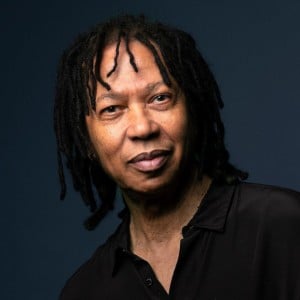
Djavan
Djavan
Djavan entrou para o mundo da música ainda jovem, aprendendo violão sozinho através de revistas que circulavam em sua cidade natal, Maceió. Aos 18, já animava bailes locais com sua banda. Aos 23, começou a cantar em boates famosas do Rio de Janeiro. Em 3 anos, compôs mais de 60 músicas. Com uma delas, "Fato Consumado", conquistou o 2° lugar no Festival Abertura, em 1975. Pouco depois, grava um disco, o primeiro de uma longa discografia que o posicionou entre os maiores artistas brasileiros. Foi parceiro de grandes artistas como Chico Buarque, Aldir Blanc e Gilberto Gil. Teve composições gravadas por intérpretes como Gal Costa, Maria Bethânia, Roberto Carlos e Caetano Veloso. Em 1982, "Flor-de-lis" é sua primeira música a ganhar versão em inglês, sob o título de “Upside Down”, na voz da diva norte-americana Carmen McRae. A potência de seu trabalho o levou a Los Angeles, onde gravou discos com produção assinada por Ronnie Foster, grande nome da Soul Music. Elogios como os do produtor Quincy Jones refletem o prestígio que Djavan adquiriu internacionalmente, além de gravações ao lado de artistas como Stevie Wonder, Paco de Lucía e Jorge Drexler. Cantor, compositor, músico, arranjador, produtor e criador de estilo próprio, Djavan inova ao misturar ritmos, do samba sincopado ao pop, jazz, blues e baladas. Em mais de 45 anos de carreira, seguiu sua essência poética, imprimindo sua marca em discos e shows que lhe renderam diversos prêmios, entre eles 4 Grammys Latinos.
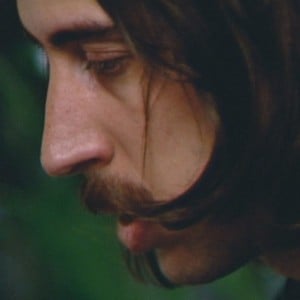
Tim Bernardes
Tim Bernardes
Songs of love, of sofrência, and change from one of the shining hearts of São Paulo: Tim Bernardes. A Latin Grammy nominated singer, songwriter, musician, composer, and producer, Bernardes has also collaborated with Fleet Foxes, Tom Zé, David Byrne, Gal Costa, Devendra Banhart, Shintaro Sakamoto, and more. Bernardes has emerged as one of Brazil’s most profound musical talents of his generation, a contemporary artist with deep roots in Brazil’s verdant musical heritage. And finally, his long-awaited second album, the enveloping and expansive Mil Coisas Invisíveis (A Thousand Invisible Things) will be released this summer. Four years after his standout 2017 debut, Recomeçar, Mil Coisas Invisiveis invites us back into Bernardes and his singular world of sound: warm, intimate, emotionally resonant, healing. The album was primarily written while touring with his acclaimed tropicalia-indie group, O Terno. At the start of 2020, the new decade brought about a sense of change in Bernardes as he took a step back from touring and band life to focus on these new songs. The resulting work connects the cosmic dots from Tropicalia and samba to contemporary indie and folk; it’s a generous and intimate moment, meditations of metaphysical transformation in the face of grave uncertainty.
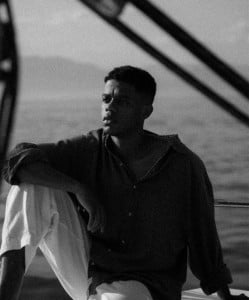
José Jr
José Jr
José Jr é compositor e cantor. Nascido no interior de Minas Gerais, desde pequeno recebeu muito estímulo em seu ambiente familiar para o desenvolvimento artístico. No entanto, não é apenas no ambiente musical que o artista quis se dedicar. Formou-se em medicina em 2022 pela Universidade Federal de Minas Gerais e atualmente está cursando sua residência médica em Pediatria. José enxerga na música um caminho para expressar sua brasilidade e todo o seu repertório cultural. Além disso, vem inovando no meio com uma proposta audiovisual, sempre tentando expandir a arte em todas as direções possíveis, como em "Visceral" e seu primeiro álbum lançado este ano, “das coisas que carrego dentro”. No dia 3 de dezembro, José fará sua primeira apresentação artística em São Paulo.
