artists
Items in this hypelist
Music
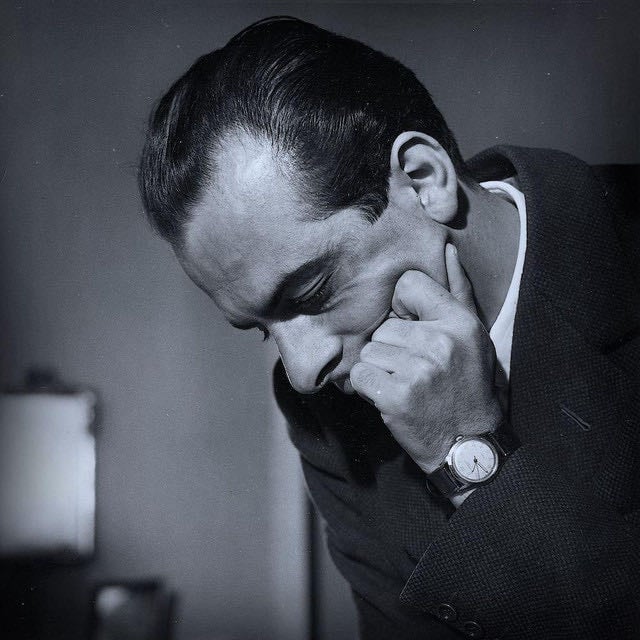
Piero Piccioni
Artist
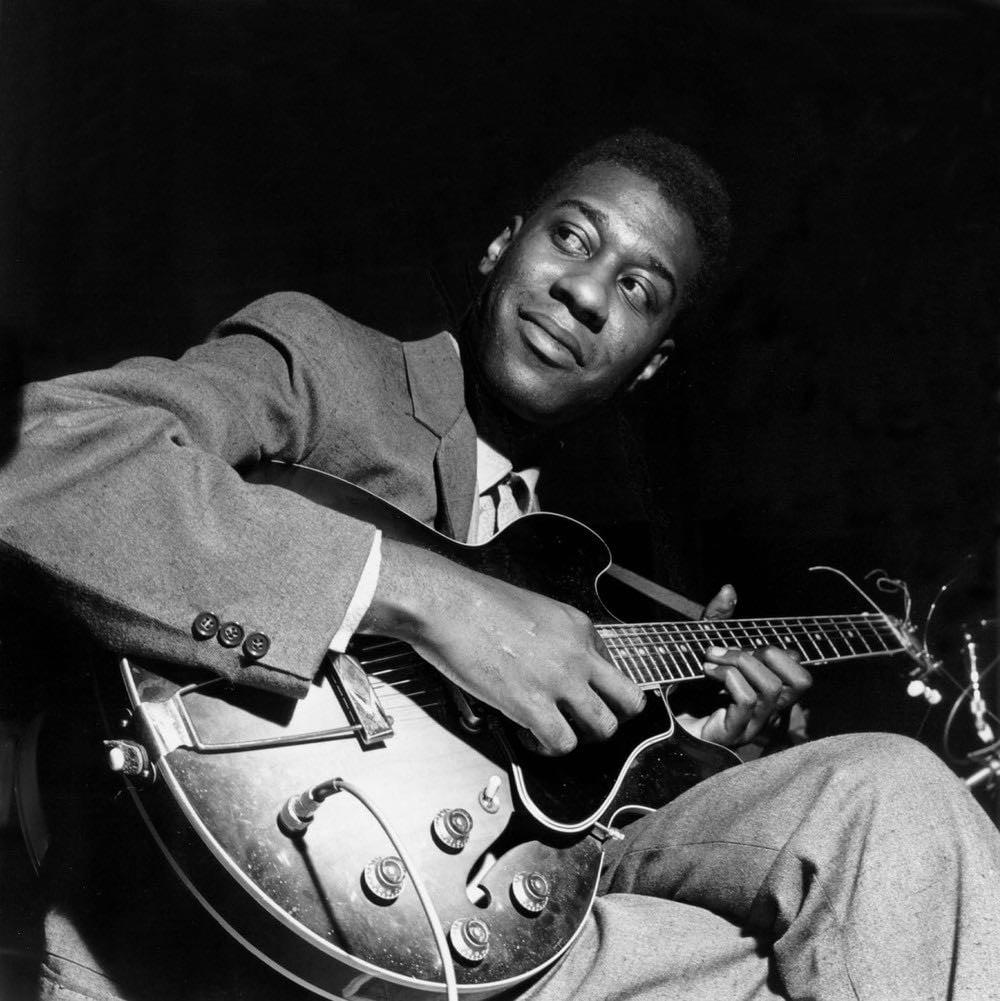
Grant Green
Artist
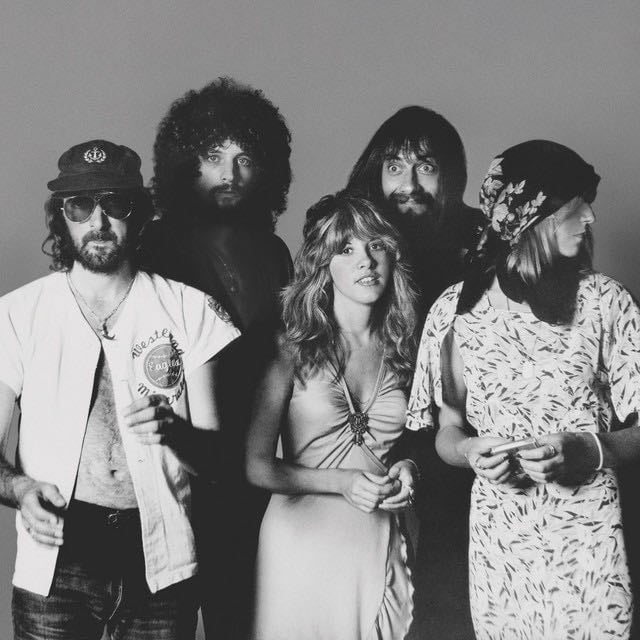
Fleetwood Mac
Artist

Nancy Sinatra
Artist

Lesley Gore
Artist
Music
Björk
Artist
Music
Hozier
Artist
my bloody valentine
Artist
Music
Mitski
Artist
Yoko Ono
Artist
Music
salvia palth
Artist
Lorde
Artist
Music
girl in red
Artist
Music
berlioz
Artist
Music
Lykke Li
Artist
Tove Lo
Artist
Music
Aerosmith
Artist
Amy Winehouse
Artist
Black Box Recorder
Artist
Blur
Artist
David Bowie
Artist
Gorillaz
Artist
Her's
Artist
Iron Maiden
Artist
John Lennon
Artist
Joy Division
Artist
Kate Bush
Artist
Led Zeppelin
Artist
Oasis
Artist
MARINA
Artist
Pink Floyd
Artist
Radiohead
Artist
Sade
Artist
Slowdive
Artist
Suki Waterhouse
Artist
Tears For Fears
Artist
The Beatles
Artist
The Cure
Artist
The Police
Artist
The Rolling Stones
Artist
The Smiths
Artist
Music
Have A Nice Life
Artist
Bikini Kill
Artist
Britney Spears
Artist
Current Joys
Artist
Cults
Artist
Deftones
Artist
Fiona Apple
Artist
Garbage
Artist
Green Day
Artist
Gwen Stefani
Artist
Halsey
Artist
KISS
Artist
Korn
Artist
Lady Gaga
Artist
Le Tigre
Artist
Limp Bizkit
Artist
Linkin Park
Artist
Madonna
Artist
Megadeth
Artist
Melanie Martinez
Artist
Mazzy Star
Artist
Nirvana
Artist
Panic! At The Disco
Artist
Rob Zombie
Artist
She Wants Revenge
Artist
Slipknot
Artist
Surf Curse
Artist
The Marías
Artist
The Smashing Pumpkins
Artist
The Strokes
Artist
TV Girl
Artist
Twenty One Pilots
Artist
Music
Tame Impala
Artist
Music
Ludwig van Beethoven
Artist
Wolfgang Amadeus Mozart
Artist
Johann Sebastian Bach
Artist
Pyotr Ilyich Tchaikovsky
Artist
Franz Liszt
Artist
Erik Satie
Artist

Antonín Dvořák
Artist
Music
Frank Sinatra
Artist
Ray Charles
Artist
Ella Fitzgerald
Artist
Billie Holiday
Artist
Sarah Vaughan
Artist
Carmen McRae
Artist
Nina Simone
Artist
Tony Bennett
Artist
Duke Ellington
Artist
Nat King Cole
Artist
Louis Armstrong
Artist
Miles Davis
Artist
Music
Interpol
Artist
Uncategorized
Lana Del Rey
Mor ve Ötesi
Mor ve Ötesi
Since its 1996 debut <a href="spotify:album:4nmnQS9MdhePAUyjm7UyNb" data-name="Şehir">Şehir</a>, mor ve ötesi has been a powerhouse of modern Turkish rock and has inspired generations of Turkish musicians with its songwriting and arrangement skills. Throughout two decades the band has released 8 studio albums, numerous singles, an award winning motion picture soundtrack and appeared in hundreds of live shows both in Turkey and abroad. Their 4th album <a href="spotify:album:6exeb88tfpVT9cNdjVpndS" data-name="Dünya Yalan Söylüyor">Dünya Yalan Söylüyor</a> (2004) represents the band’s transition from alternative to mainstream and is widely regarded as a hallmark of the Turkish rock scene. mor ve ötesi represented Turkey in Eurovision Song Contest 2008 in Belgrade, published two songs in English in 2010 and celebrated its 20 years of recording in 2016 with <a href="spotify:album:2u4aGMdg3jnsj5HWZC1Yi1" data-name="Kayıtlar 2005-2016">Kayıtlar 2005-2016</a> - two CD box-sets that include nearly all recorded material they’ve ever produced. 2018 saw the release of their first live album <a href="spotify:album:0Vs8c2g8esEuw9QkeS6uwv" data-name="Canlı Senfonik - Aya İrini">Canlı Senfonik - Aya İrini</a> which captures the band's live performance with a symphonic orchestra in the historic Byzantine church of Hagia Irene in Istanbul. The band's latest studio album <a href="spotify:album:1bN6NwrpjgzYH01Fy5gagf" data-name="Sirenler">Sirenler</a> was followed by the first ever solo stadium gig by a Turkish rock band on 28.05.2022, with an attendance of 35.000.With their distinctive sound and extra-ordinary aura mor ve ötesi remains as one of the brightest voices in the Turkish music scene since day one.
Cigarettes After Sex
Artist
Arctic Monkeys
Artist
Barış Manço
Artist
Queen
Artist
The Neighbourhood
Artist
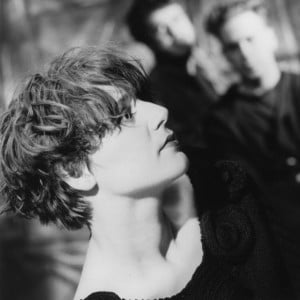
Cocteau Twins
Cocteau Twins
A group whose distinctly ethereal and gossamer sound virtually defined the enigmatic image of the record label 4AD, Cocteau Twins were founded in Grangemouth, Scotland, in 1979. Taking their name from an obscure song from fellow Scots <a href="spotify:artist:6hN9F0iuULZYWXppob22Aj">Simple Minds</a>, the Cocteaus were originally formed by guitarist <a href="spotify:artist:3ZqRIzadY4WYQEg4Hj2vGC">Robin Guthrie</a> and bassist Will Heggie and later rounded out by <a href="spotify:artist:3ZqRIzadY4WYQEg4Hj2vGC">Guthrie</a>'s girlfriend <a href="spotify:artist:791Z3924aa619hZ3xsOJEx">Elizabeth Fraser</a>, an utterly unique performer whose swooping, operatic vocals relied less on any recognizable language than on the subjective sounds and textures of verbalized emotions. In 1982, the trio signed to 4AD, the arty British label then best known as the home of <a href="spotify:artist:5I2hMUcztc6QbzkyLskdt4">the Birthday Party</a>, whose members helped the Cocteaus win a contract. The group debuted with Garlands, which offered an embryonic taste of their rapidly developing, atmospheric sound, crafted around <a href="spotify:artist:3ZqRIzadY4WYQEg4Hj2vGC">Guthrie</a>'s creative use of distorted guitars, tape loops, and echo boxes and anchored in Heggie's rhythmic bass as well as an omnipresent Roland 808 drum machine. Shortly after the release of the Peppermint Pig EP, Heggie left the group, and <a href="spotify:artist:3ZqRIzadY4WYQEg4Hj2vGC">Guthrie</a> and <a href="spotify:artist:791Z3924aa619hZ3xsOJEx">Fraser</a> cut 1983's Head Over Heels as a duo; nonetheless, the album largely perfected the Cocteaus' gauzy formula, and established the foundation from which the group would continue to work for the duration of its career. In late 1983, ex-<a href="spotify:artist:5WnZfSHMxcc6KlLerz1mHb">Drowning Craze</a> bassist <a href="spotify:artist:31eiHDLnkVg1fEezZihdfQ">Simon Raymonde</a> joined the band to record the EP The Spangle Maker; as time wore on, <a href="spotify:artist:31eiHDLnkVg1fEezZihdfQ">Raymonde</a> became an increasingly essential component of Cocteau Twins, gradually assuming an active role as a writer, arranger, and producer. With their lineup firmly solidified, they issued The Spangle Maker, followed by the LP Treasure, their most mature and consistent work yet. A burst of creativity followed, as the Twins issued three separate EPs -- Aikea-Guinea, Tiny Dynamine, and Echoes in a Shallow Bay -- in 1985, trailed a year later by the acoustic Victorialand album, the Love's Easy Tears EP, and The Moon and the Melodies, a collaborative effort with minimalist composer <a href="spotify:artist:3uOCouLFR4bVx0XeiQJSbl">Harold Budd</a>. With 1988's sophisticated Blue Bell Knoll, the trio signed an international contract with Capitol Records, which greatly elevated their commercial visibility. After 1990's Heaven or Las Vegas, the Cocteaus severed their long-standing relationship with 4AD; notably, the album also found <a href="spotify:artist:791Z3924aa619hZ3xsOJEx">Fraser</a>'s vocals offering the occasional comprehensible turn of phrase, a trend continued on 1993's Four-Calendar Cafe. In 1995, they explored a pair of differing musical approaches on simultaneously released EPs: while Twinlights offered subtle acoustic sounds, Otherness tackled ambient grooves, remixed by <a href="spotify:artist:0jyH4jtanxaysaxwDVhR6f">Seefeel</a>'s Mark Clifford. On the other hand, 1996's Milk & Kisses LP marked a return to the band's archetypal style. Cocteau Twins quietly disbanded while working on an uncompleted follow-up. Posthumous releases followed, such as 1999's BBC Sessions, 2000's Stars and Topsoil, and 2005's Lullabies to Violaine. ~ Jason Ankeny, Rovi
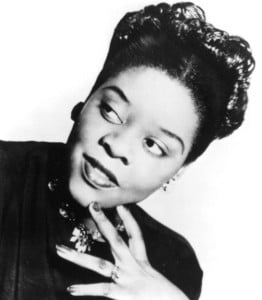
Dinah Washington
Dinah Washington
Dinah Washington was at once one of the most beloved and controversial singers of the mid-20th century -- beloved to her fans, devotees, and fellow singers; controversial to critics who still accuse her of selling out her art to commerce and bad taste. Her principal sin, apparently, was to cultivate a distinctive vocal style that was at home in all kinds of music, be it R&B, blues, jazz, middle of the road pop -- and she probably would have made a fine gospel or country singer had she the time. Hers was a gritty, salty, high-pitched voice, marked by absolute clarity of diction and clipped, bluesy phrasing. Washington's personal life was turbulent, with seven marriages behind her, and her interpretations showed it, for she displayed a tough, totally unsentimental, yet still gripping hold on the universal subject of lost love. She has had a huge influence on R&B and jazz singers who have followed in her wake, notably Nancy Wilson, Esther Phillips, and Diane Schuur, and her music is abundantly available nowadays via the huge seven-volume series The Complete Dinah Washington on Mercury. Born Ruth Lee Jones, she moved to Chicago at age three and was raised in a world of gospel, playing the piano and directing her church choir. At 15, after winning an amateur contest at the Regal Theatre, she began performing in nightclubs as a pianist and singer, opening at the Garrick Bar in 1942. Talent manager Joe Glaser heard her there and recommended her to Lionel Hampton, who asked her to join his band. Hampton says that it was he who gave Ruth Jones the name Dinah Washington, although other sources claim it was Glaser or the manager of the Garrick Bar. In any case, she stayed with Hampton from 1943 to 1946 and made her recording debut for Keynote at the end of 1943 in a blues session organized by Leonard Feather with a sextet drawn from the Hampton band. With Feather's "Evil Gal Blues" as her first hit, the records took off, and by the time she left Hampton to go solo, Washington was already an R&B headliner. Signing with the young Mercury label, Washington produced an enviable string of Top Ten hits on the R&B charts from 1948 to 1955, singing blues, standards, novelties, pop covers, even Hank Williams' "Cold, Cold Heart." She also recorded many straight jazz sessions with big bands and small combos, most memorably with Clifford Brown on Dinah Jams but also with Cannonball Adderley, Clark Terry, Ben Webster, Wynton Kelly, and the young Joe Zawinul (who was her regular accompanist for a couple of years). In 1959, Washington made a sudden breakthrough into the mainstream pop market with "What a Diff'rence a Day Makes," a revival of a Dorsey Brothers hit set to a Latin American bolero tune. For the rest of her career, she would concentrate on singing ballads backed by lush orchestrations for Mercury and Roulette, a formula similar to that of another R&B-based singer at that time, Ray Charles, and one that drew plenty of fire from critics even though her basic vocal approach had not changed one iota. Although her later records could be as banal as any easy listening dross of the period, there are gems to be found, like Billie Holiday's "Don't Explain," which has a beautiful, bluesy Ernie Wilkins chart conducted by Quincy Jones. Struggling with a weight problem, Washington died of an accidental overdose of diet pills mixed with alcohol at the tragically early age of 39, still in peak voice, still singing the blues in an L.A. club only two weeks before the end. ~ Richard S. Ginell