artists
Items in this hypelist
Favorites
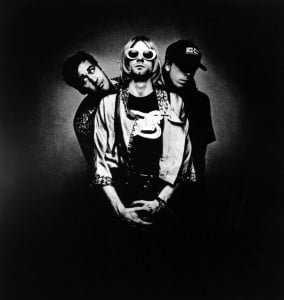
Nirvana
Nirvana
Nothing was ever quite the same after Nirvana. The band's second album, 1991's Nevermind, revolutionized popular music by bringing alternative rock above ground, introducing mainstream audiences to sounds and concepts that had previously existed only in shadowy record store corners and on low-frequency college radio airwaves. Nevermind's noisy, dissonant guitar rock, mumbled or howled surrealistic lyrics, and generally angsty punk attitudes were unlikely candidates for chart success, but the band undercut their grungy songs with enough pop melodicism to create a sound unlike anything average listeners had ever heard before, striking at the exact right moment to become an unprecedented success. Since Nirvana were rooted in an indie aesthetic but loved pop music, they fought their stardom while courting it, becoming some of the most notorious anti-rock stars in history. They consciously attempted to shed their audience with 1993's abrasive, <a href="spotify:artist:52ZFTGbQ9miWMX8JYBvtOO">Steve Albini</a>-produced third album In Utero, but vocalist/guitarist/songwriter <a href="spotify:artist:6pAuTi6FXi6qFQJ1dzMXQs">Kurt Cobain</a>'s growing mental health and substance abuse issues led to his death by suicide in 1994. Though Nirvana's story was cut tragically short, their legacy stands as one of the most influential in rock & roll history. <a href="spotify:artist:6pAuTi6FXi6qFQJ1dzMXQs">Kurt Cobain</a> (vocals, guitar) met <a href="spotify:artist:4BZKfXia2RPZnzCgQ2fG8M">Chris Novoselic</a> (born <a href="spotify:artist:4BZKfXia2RPZnzCgQ2fG8M">Krist Novoselic</a>) (bass) in 1985 in Aberdeen, Washington, a small logging town 100 miles away from Seattle. While <a href="spotify:artist:4BZKfXia2RPZnzCgQ2fG8M">Novoselic</a> came from a relatively stable background, <a href="spotify:artist:6pAuTi6FXi6qFQJ1dzMXQs">Cobain</a>'s childhood had been thrown into turmoil when his parents divorced when he was eight. Following the divorce, he lived at the homes of various relatives, developing a love for <a href="spotify:artist:3WrFJ7ztbogyGnTHbHJFl2">the Beatles</a> and then heavy metal in the process. Eventually, American hardcore punk worked its way into dominating his listening habits and he met <a href="spotify:artist:6aVjo0xHSiuW5hkasoYSR3">the Melvins</a>, an Olympia-based underground heavy punk band. <a href="spotify:artist:6pAuTi6FXi6qFQJ1dzMXQs">Cobain</a> began playing in punk bands like Fecal Matter, often with <a href="spotify:artist:6aVjo0xHSiuW5hkasoYSR3">the Melvins</a>' bassist <a href="spotify:artist:4IRzt4Zde0xpbbc2BtsRGm">Dale Crover</a>. Through <a href="spotify:artist:6aVjo0xHSiuW5hkasoYSR3">the Melvins</a>' leader, Buzz Osborne, <a href="spotify:artist:6pAuTi6FXi6qFQJ1dzMXQs">Cobain</a> met <a href="spotify:artist:4BZKfXia2RPZnzCgQ2fG8M">Novoselic</a>, who also had an intense interest in punk, which meant that he, like <a href="spotify:artist:6pAuTi6FXi6qFQJ1dzMXQs">Cobain</a>, felt alienated from the macho, redneck population of Aberdeen. The duo decided to form a band called the Stiff Woodies, with <a href="spotify:artist:6pAuTi6FXi6qFQJ1dzMXQs">Cobain</a> on drums, <a href="spotify:artist:4BZKfXia2RPZnzCgQ2fG8M">Novoselic</a> on bass, and a rotating cast of guitarists and vocalists. The group went through name changes as quickly as guitarists, before deciding that <a href="spotify:artist:6pAuTi6FXi6qFQJ1dzMXQs">Cobain</a> would play guitar and sing. Renamed <a href="spotify:artist:4opTS86dN9uO313J9CE8xg">Skid Row</a>, the new trio featured drummer Aaron Burkhart, who left the band by the end of 1986 and was replaced by Chad Channing. By 1987, the band was called Nirvana. Nirvana began playing parties in Olympia, gaining a cult following. Around 1987, the band made ten demos with producer <a href="spotify:artist:5WPz1DmtxRJBajeTYGiftU">Jack Endino</a>, who played the recordings to Jonathan Poneman, one of the founders of the Seattle-based indie label <a href="spotify:search:label%3A%22Sub+Pop%22">Sub Pop</a>. Poneman signed Nirvana, and in December of 1988, the band released its first single, a cover of <a href="spotify:artist:5WimOFbBnCU5wI6t5PPpEk">Shocking Blue</a>'s "Love Buzz." <a href="spotify:search:label%3A%22Sub+Pop%22">Sub Pop</a> orchestrated an effective marketing scheme, which painted the band as backwoods, logging-town hicks, which irritated <a href="spotify:artist:6pAuTi6FXi6qFQJ1dzMXQs">Cobain</a> and <a href="spotify:artist:4BZKfXia2RPZnzCgQ2fG8M">Novoselic</a>. While "Love Buzz" was fairly well-received, the band's debut album, Bleach, was what got the ball rolling. Recorded for just over $600 and released in June 1989, Bleach slowly became a hit on college radio, due to the group's consistent touring. Though Jason Everman was credited as a second guitarist on the sleeve of Bleach, he didn't appear on the record; he only toured in support of the album before leaving the band at the end of the year to join <a href="spotify:artist:5xUf6j4upBrXZPg6AI4MRK">Soundgarden</a> and then Mindfunk. Bleach sold 35,000 copies and Nirvana became favorites of college radio, the British weekly music press, and <a href="spotify:artist:5UqTO8smerMvxHYA5xsXb6">Sonic Youth</a>, <a href="spotify:artist:7LuYiSXiWs86rwWJjEEgB9">Mudhoney</a>, and <a href="spotify:artist:267VY6GX5LyU5c9M85ECZQ">Dinosaur Jr.</a>, which was enough to attract the attention of major labels. In July 1990, Nirvana recorded "Sliver"/"Dive" with <a href="spotify:artist:7LuYiSXiWs86rwWJjEEgB9">Mudhoney</a> drummer Dan Peters on drums and producer <a href="spotify:artist:0gTi2zsOHn6wtlkx66uxXM">Butch Vig</a>. The band also made a six-song demo with <a href="spotify:artist:0gTi2zsOHn6wtlkx66uxXM">Vig</a>, which was shopped to major labels, who soon began competing to sign the group. In August, they hit the road with <a href="spotify:artist:5UqTO8smerMvxHYA5xsXb6">Sonic Youth</a>'s Goo tour (including <a href="spotify:artist:4IRzt4Zde0xpbbc2BtsRGm">Crover</a> on drums). That September, <a href="spotify:artist:7mRVAzlt1fAAR9Cut6Rq8c">Dave Grohl</a>, formerly of the D.C.-based hardcore band <a href="spotify:artist:0wIhCBrT02x0GG5bKqcSAh">Scream</a>, became Nirvana's drummer and the band signed with <a href="spotify:search:label%3A%22DGC%22">DGC</a> for $287,000. Nirvana recorded their second album with <a href="spotify:artist:0gTi2zsOHn6wtlkx66uxXM">Vig</a>, completing the record in June of 1991. Nevermind was released in September, supported by a quick American tour. While <a href="spotify:search:label%3A%22DGC%22">DGC</a> was expecting a moderately successful release, in the neighborhood of 100,000 copies, Nevermind immediately became a smash hit, quickly selling out its initial shipment of 50,000 copies and creating a shortage across America. What helped the record become a success was "Smells Like Teen Spirit," a blistering four-chord rocker that was accompanied by a video that shot into heavy MTV rotation. By the beginning of 1992, "Smells Like Teen Spirit" had climbed into the American Top Ten and Nevermind bumped <a href="spotify:artist:3fMbdgg4jU18AjLCKBhRSm">Michael Jackson</a>'s much-touted comeback album Dangerous off the top of the album charts; it reached the British Top Ten shortly afterward. By February, the album had been certified triple platinum. Nirvana's success took the music industry by surprise, Nirvana included. From the moment Nirvana were met with mainstream visibility, <a href="spotify:artist:6pAuTi6FXi6qFQJ1dzMXQs">Cobain</a> used his newfound fame to relentlessly push his favorite independent artists as if their music was more important than his own. This took the form of bringing Japanese alt-pop trio <a href="spotify:artist:4ukJlDdlvuQOHZdD2NVsFD">Shonen Knife</a> on tour, covering lesser-known but formative artists like <a href="spotify:artist:0sTTw3dw3EA0c7NaZnrJd2">the Wipers</a>, <a href="spotify:artist:4wWQkHhmUNlXvhbHRUSqZW">the Vaselines</a>, and <a href="spotify:artist:2h9yQhKyqOMex3QFMVeq7F">Meat Puppets</a>, or wearing a homemade <a href="spotify:artist:1jeYbk5eqo6wgsQPjLeU5w">Daniel Johnston</a> t-shirt during television appearances and high-profile concerts. <a href="spotify:artist:6pAuTi6FXi6qFQJ1dzMXQs">Cobain</a>'s enthusiastic fandom introduced untold numbers of Nirvana fans to artists they most likely wouldn't have known to seek out on their own, and in the process, energized those artists' careers. It soon became apparent that Nirvana wasn't quite sure how to handle its success. Around the time of Nevermind's release, <a href="spotify:artist:6pAuTi6FXi6qFQJ1dzMXQs">Cobain</a> appeared on MTV's Headbangers Ball in drag; the group mocked the tradition of miming on the BBC's Top of the Pops, with <a href="spotify:artist:4BZKfXia2RPZnzCgQ2fG8M">Novoselic</a> constantly throwing his bass into the air and <a href="spotify:artist:6pAuTi6FXi6qFQJ1dzMXQs">Cobain</a> singing his live vocals in the style of Ian Curtis; and their traditional live destruction of instruments was immortalized on a Saturday Night Live performance that ended with <a href="spotify:artist:4BZKfXia2RPZnzCgQ2fG8M">Novoselic</a> and <a href="spotify:artist:7mRVAzlt1fAAR9Cut6Rq8c">Grohl</a> sharing a kiss. By early 1992, questions began to arise about the band's stability. <a href="spotify:artist:6pAuTi6FXi6qFQJ1dzMXQs">Cobain</a> married <a href="spotify:artist:4vI0xGbQl2cMnMiagUEBOj">Courtney Love</a>, the leader of the indie rock/foxcore band <a href="spotify:artist:5SHQUMAmEK5KmuSb0aDvsn">Hole</a>, in February of 1992, announcing that the couple was expecting a child. A few months later, Nirvana canceled several concerts and refused to mount a full-scale American tour during the summer. <a href="spotify:artist:6pAuTi6FXi6qFQJ1dzMXQs">Cobain</a> complained that he was suffering from chronic stomach troubles, which seemed to be confirmed when he was admitted to a Belfast hospital after a June concert. While he went through these problems,<a href="spotify:search:label%3A%22DGC%22">DGC</a> released the odds-and-ends compilation Incesticide late in 1992; the album reached number 39 U.S. and number 14 U.K. As Nirvana prepared to make their third album, they released "Oh, the Guilt" as a split single with <a href="spotify:artist:6r26MaDr8bqNALjXgYPXMa">the Jesus Lizard</a> on <a href="spotify:search:label%3A%22Touch+%26+Go+Records%22">Touch & Go Records</a>. Choosing <a href="spotify:artist:52ZFTGbQ9miWMX8JYBvtOO">Steve Albini</a> (<a href="spotify:artist:6zvul52xwTWzilBZl6BUbT">Pixies</a>, <a href="spotify:artist:1xgFexIwrf2QjbU0buCNnp">the Breeders</a>, <a href="spotify:artist:5EYkvHZuGM3pwU3DZUrrZ3">Big Black</a>, <a href="spotify:artist:6r26MaDr8bqNALjXgYPXMa">the Jesus Lizard</a>) as their producer, they recorded In Utero, in two weeks during. Februrary 1993. Later in the year, reports, including an article in Newsweek, circulated that DGC was unhappy with the forthcoming album, and making accusations that Nirvana deliberately made an uncommercial record. Both the band and the label denied such allegations. Deciding that <a href="spotify:artist:52ZFTGbQ9miWMX8JYBvtOO">Albini</a>'s production was too flat, Nirvana decided to remaster the album with <a href="spotify:artist:4KWTAlx2RvbpseOGMEmROg">R.E.M.</a> producer <a href="spotify:artist:1jBYxrGP7Ev7Qs0X5qJdDM">Scott Litt</a>, who also remixed the singles "Heart Shaped Box" and "All Apologies." In Utero was released in September of 1993 to positive reviews and strong initial sales, debuting at the top of the U.S. and U.K. charts. Nirvana supported it with an American tour, hiring former <a href="spotify:artist:39zgKjGWsiZzJ9h6gbrPFY">Germs</a> member <a href="spotify:artist:36AOO7vOYRSjm2nVgvu63E">Pat Smear</a> as an auxiliary guitarist. While the album and the tour were both successful, sales weren't quite as strong as expected, with several shows not selling out until the week of the concert. As a result, the group agreed to play MTV's acoustic Unplugged show at the end of the year, and sales of In Utero picked up after its December airing. After wrapping up their U.S. tour on January 8, 1994 with a show at Center Arena in Seattle, Nirvana embarked on a European tour in February. Following a concert in Munich on February 29, <a href="spotify:artist:6pAuTi6FXi6qFQJ1dzMXQs">Cobain</a> stayed in Rome to vacation with <a href="spotify:artist:4vI0xGbQl2cMnMiagUEBOj">Love</a>. On March 4, she awakened to find that <a href="spotify:artist:6pAuTi6FXi6qFQJ1dzMXQs">Cobain</a> had attempted suicide. When he returned to Seattle, his mental illness grew worse. <a href="spotify:artist:4vI0xGbQl2cMnMiagUEBOj">Love</a> and Nirvana's management organized an intervention program that resulted in <a href="spotify:artist:6pAuTi6FXi6qFQJ1dzMXQs">Cobain</a>'s admission to the Exodus Recovery Center in L.A. on March 30, but he left the clinic on April 1, returning to Seattle. His mother filed a missing persons report on April 4. On April 5, <a href="spotify:artist:6pAuTi6FXi6qFQJ1dzMXQs">Cobain</a> died by suicide at his Seattle home.After his death, <a href="spotify:artist:6pAuTi6FXi6qFQJ1dzMXQs">Kurt Cobain</a> was quickly anointed as a spokesman for Generation X, as well as a symbol of its tortured angst. <a href="spotify:artist:4BZKfXia2RPZnzCgQ2fG8M">Novoselic</a> and <a href="spotify:artist:7mRVAzlt1fAAR9Cut6Rq8c">Grohl</a> planned to release a double-disc live album at the end of 1994, but sorting through the tapes proved to be too painful, so MTV Unplugged in New York appeared in its place. The album debuted at the top of the British and American charts, as a home video comprised of live performances and interviews from the band's Nevermind era, titled Live! Tonight! Sold Out!, was issued at the same time (the project began prior to <a href="spotify:artist:6pAuTi6FXi6qFQJ1dzMXQs">Cobain</a>'s passing and was completed by surviving bandmembers). In 1996, MTV Unplugged in New York's electric counterpart, From the Muddy Banks of the Wishkah, was released, debuting at the top of the U.S. charts. Following <a href="spotify:artist:6pAuTi6FXi6qFQJ1dzMXQs">Cobain</a>'s death, <a href="spotify:artist:7mRVAzlt1fAAR9Cut6Rq8c">Grohl</a> formed <a href="spotify:artist:7jy3rLJdDQY21OgRLCZ9sD">the Foo Fighters</a>, releasing their self-titled debut album in 1995, followed by The Colour and the Shape in 1997 and There Is Nothing Left to Lose in 1999. <a href="spotify:artist:4BZKfXia2RPZnzCgQ2fG8M">Novoselic</a> formed the trio Sweet 75, releasing their debut in the spring of 1997, and also appeared along with former <a href="spotify:artist:30U8fYtiNpeA5KH6H87QUV">Dead Kennedys</a> frontman <a href="spotify:artist:1ddbFlSqbqp2vuJd5CuRcE">Jello Biafra</a> and former <a href="spotify:artist:5xUf6j4upBrXZPg6AI4MRK">Soundgarden</a> guitarist Kim Thayil on the 2000 live set Live from the Battle in Seattle under the name <a href="spotify:artist:0l6DIGXp0GGVDEieOA0D0P">the No W.T.O. Combo</a>. By the late '90s, <a href="spotify:artist:4BZKfXia2RPZnzCgQ2fG8M">Novoselic</a> began research for a proposed box set of previously unreleased songs from throughout Nirvana's career. The project was supposed to surface in the fall of 2001 (to coincide with the tenth anniversary release of Nevermind), but legal issues delayed its release. Finally, the Nirvana LLC partnership -- which included <a href="spotify:artist:7mRVAzlt1fAAR9Cut6Rq8c">Grohl</a>, <a href="spotify:artist:4BZKfXia2RPZnzCgQ2fG8M">Novoselic</a>, and <a href="spotify:artist:4vI0xGbQl2cMnMiagUEBOj">Love</a> -- came to an agreement and the album-length compilation Nirvana was released in October of 2002. Although that release included only one unreleased song, the long-awaited box set, titled With the Lights Out, appeared in late 2004, including three discs of rare and unreleased material plus a live DVD that featured material filmed as early as 1988. The band's 1992 set at the Reading Festival was released in 2009 as Live at Reading. The same year, <a href="spotify:search:label%3A%22Sub+Pop%22">Sub Pop</a> began a Nirvana studio album reissue campaign with Bleach; special 20th-anniversary editions of Nevermind and In Utero followed in 2011 and 2013, respectively. In 2014, Nirvana was inducted into the Rock & Roll Hall of Fame by <a href="spotify:artist:4KWTAlx2RvbpseOGMEmROg">R.E.M.</a>'s <a href="spotify:artist:2G1Lyk7bWbBBrtwyl3obNB">Michael Stipe</a>. <a href="spotify:artist:6pAuTi6FXi6qFQJ1dzMXQs">Cobain</a>'s place in the induction performance was taken by several vocalists, including Joan Jett and <a href="spotify:artist:3n8qeKQViV1waeCzZmS4Tx">Kim Gordon</a>. ~ Stephen Thomas Erlewine & Greg Prato, Rovi
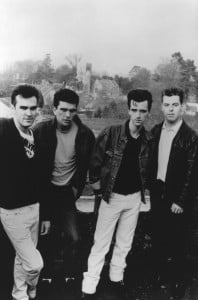
The Smiths
The Smiths
The Smiths were the definitive British indie rock band of the '80s, marking the end of synth-driven new wave and the beginning of the guitar rock that dominated English rock into the '90s. Sonically, the group was indebted to the British Invasion, crafting ringing, melodic three-minute pop singles, even for their album tracks. But their scope was far broader than that of a revivalist band. The group's core members, vocalist Morrissey and guitarist Johnny Marr, were obsessive rock fans inspired by the D.I.Y. ethics of punk, but they also had a fondness for girl groups, pop, and rockabilly. Morrissey and Marr also represented one of the strangest teams of collaborators in rock history. Marr was the rock traditionalist, looking like an elegant version of Keith Richards during the Smiths' heyday and meticulously layering his guitar tracks in the studio. Morrissey, on the other hand, broke from rock tradition by singing in a keening, self-absorbed croon, embracing the forlorn, romantic poetry of Oscar Wilde, publicly declaring his celibacy, and making no secret of his disgust for most of his peers. While it eventually led to the Smiths' early demise, the friction between Morrissey and Marr resulted in a flurry of singles and albums over the course of three years that provided the blueprint for British guitar rock in the following decade. Before forming the Smiths in 1982, Johnny Marr (born John Maher, October 31, 1963; guitar) had played in a variety of Manchester-based rock & roll bands, including Sister Ray, Freaky Part, White Dice, and Paris Valentinos. On occasion, Marr had come close to a record contract -- one of his bands won a competition Stiff Records held to have Nick Lowe "produce your band" -- but he never quite made the leap. Though Morrissey (born Steven Patrick Morrissey, May 22, 1959; vocals) had sung for a few weeks with the Nosebleeds and auditioned for Slaughter & the Dogs, he had primarily contented himself to being a passionate, vocal fan of both music and film. During his teens, he wrote the Melody Maker frequently, often getting his letters published. He had written the biography/tribute James Dean Isn't Dead, which was published by the local Manchester publishing house Babylon Books in the late '70s, as well as another book on the New York Dolls; he was also the president of the English New York Dolls fan club. Morrissey met Marr, who was then looking for a lyricist, through mutual friends in the spring of 1982. The pair began writing songs, eventually recording some demos with the Fall's drummer, Simon Wolstencroft. By the fall, the duo had settled on the name the Smiths and recruited Marr's schoolmate Andy Rourke as their bassist and Mike Joyce as their drummer. The Smiths made their live debut late in 1982, and by the spring of 1983, the group had earned a small but loyal following in their hometown of Manchester and had begun to make inroads in London. Rejecting a record deal with the Mancunian Factory Records, the band signed with Rough Trade for a one-off single, "Hand in Glove." With its veiled references to homosexuality and its ringing riffs, "Hand in Glove" became an underground sensation in the U.K., topping the independent charts and earning the praise of the U.K. music weeklies. Soon, Morrissey's performances became notorious as he appeared on-stage wearing a hearing aid and with gladioli stuffed in his back pockets. His interviews were becoming famous for his forthright, often contrary opinions, which helped the band become a media sensation. By the time of the group's second single, "This Charming Man," in late 1983, the Smiths had already been the subject of controversy over "Reel Around the Fountain," a song that had been aired on a BBC radio session and was alleged to condone child abuse. It was the first time that Morrissey's detached, literary, and ironic lyrics were misinterpreted and it wouldn't be the last. "This Charming Man" reached number 25 on the British charts in December of 1983, setting the stage for "What Difference Does It Make"'s peak of number 12 in February. The Smiths' rise to the upper reaches of the British charts was swift, and the passion of their fans, as well as the U.K. music press, indicated that the group had put an end to the synth-powered new wave that dominated Britain in the early '80s. After rejecting their initial stab at a first album, they released their debut, The Smiths, in the spring of 1984 to strong reviews and sales -- it peaked at number two. A few months later, the group backed '60s pop vocalist Sandie Shaw -- who Morrissey had publicly praised in an article -- on a version of "Hand in Glove" that was released and reached the Top 40. "Heaven Knows I'm Miserable Now" reached number ten, becoming their highest-charting single amid a storm of controversy about its B-side, "Suffer Little Children," which was about the notorious Moors Murders. More controversy appeared when Morrissey denounced the hunger-relief efforts of Band Aid, but the group's popularity was not affected. Though the Smiths had become the most popular new rock & roll group in Britain, the group failed to make it outside of underground and college radio in the U.S., partially because they never launched a full-scale tour. At the end of the year, "William It Was Really Nothing" became a Top 20 hit and Hatful of Hollow, a collection of B-sides, BBC sessions, and non-LP singles, went to the Top Ten, followed shortly by "How Soon Is Now," which peaked at number 24. Meat Is Murder, the band's second proper studio album, entered the British charts at number one in February of 1985, despite some criticism that it was weaker than The Smiths. Around the time of the release of Meat Is Murder, Morrissey's interviews were becoming increasingly political as he trashed the Thatcher administration and campaigned for vegetarianism; he even claimed that the Smiths were all vegetarians, and he forbade the remaining members to be photographed eating meat, even though they were still carnivores. Marr, for his part, was delving deeply into the rock & roll lifestyle and looked increasingly like a cross between Keith Richards and Brian Jones. By the time the non-LP "Shakespeare's Sister" reached number 26 in the spring of 1985, the Smiths had spawned a rash of soundalike bands, including James, who opened for the group on their spring 1985 tour, most of whom Morrissey supported. However, all of the media attention on the Smiths launched a mild backlash later in 1985, when "That Joke Isn't Funny Anymore" was pulled from Meat Is Murder and failed to reach the Top 40. "The Boy with the Thorn in His Side" revived the band's fortunes in the fall of 1985, and their third album, The Queen Is Dead, confirmed their popularity upon its release in the spring of 1986. Greeted with enthusiastic reviews and peaking at number two on the U.K. charts, The Queen Is Dead also expanded their cult following in the U.S., cracking the Top 100. Shortly before the album was completed, former Aztec Camera guitarist Craig Gannon became the band's rhythm guitarist, and he played with the band throughout their 1986 international tour, including a botched American tour. The non-LP "Panic," which was criticized as racist by some observers for its repeated refrain of "Burn down the disco...hang the DJ," reached number 11 late in the summer. A few months after its release, Marr was seriously injured in a car crash. During his recuperation, Gannon was fired from the band, as was Rourke, who was suffering from heroin addiction. Though Rourke was later reinstated, Gannon was never replaced. The Smiths may have been at the height of their popularity in early 1987, with the non-LP singles "Shoplifters of the World" and "Sheila Take a Bow" reaching number 11 and ten respectively, and the singles and B-sides compilation The World Won't Listen (revamped for U.S. release as Louder Than Bombs later in 1987) debuting at number two, but Marr was growing increasingly disenchanted with the band and the music industry. Over the course of the year, Morrissey and Marr became increasingly irritated with each other. The singer wished that Marr would stop playing with other artists like Bryan Ferry and Billy Bragg, while the guitarist was frustrated with Morrissey's devotion to '60s pop and his hesitancy to explore new musical directions. A few weeks before the fall release of Strangeways, Here We Come, Marr announced that he was leaving the Smiths. Morrissey disbanded the group shortly afterward and began a solo career, signing with Parlophone in the U.K. and staying with the Smiths' U.S. label, Reprise. Marr played as a sideman with a variety of artists, eventually forming Electronic with New Order frontman Bernard Sumner. Rourke retired from recording and Joyce became a member of the reunited Buzzcocks in 1991. Rank, a live album recorded on the Queen Is Dead tour, was released in the fall of 1988. It debuted at number two in the U.K. A widely criticized, two-part The Best of the Smiths compilation was released in 1992; the praised Singles compilation was released in 1995. Joyce and Rourke sued Morrissey and Marr in 1991, claiming they received only ten percent of the group's earnings while the songwriters received 40 percent. Rourke eventually settled out of court, but Joyce won his case in late 1996. ~ Stephen Thomas Erlewine
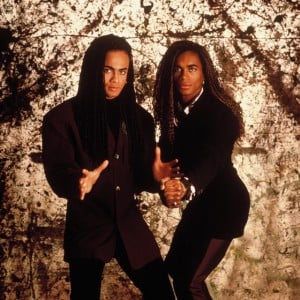
Milli Vanilli
Milli Vanilli
Milli Vanilli was one of the most popular music groups in the late 80s and early 90s. Their first album <a href="spotify:album:6s8bfXrXEqaFFmAi02m7k4" data-name="All Or Nothing">All Or Nothing</a> sold over 8 million copies worldwide and all of the singles released from the album made it into Billboard Hot 100's Top 5: "<a href="spotify:track:0C7dYeCLF6ukChtW64UNge" data-name="Girl You Know It's True">Girl You Know It's True</a>", "<a href="spotify:track:2dThEJP9S344qzNhePcSzj" data-name="I'm Gonna Miss You">I'm Gonna Miss You</a>", "<a href="spotify:track:0UUpyDCYzkziXJ1TM4awHM" data-name="Blame It on the Rain">Blame It on the Rain</a>" and "<a href="spotify:track:3t4EJY6cTsb6FyP1EQzajK" data-name="Baby Don't Forget My Number">Baby Don't Forget My Number</a>". In 1990, the group was awarded a Grammy award for "Best New Artist", which was later revoked after it became clear to the world that Rob Pilatus and <a href="spotify:artist:3B4HXaua0Fyin642wUE4si" data-name="Fab Morvan">Fab Morvan</a> - the face of the project - never really sang in it. The group was put together by music producer Frank Farian, also behind other groups such as <a href="spotify:artist:54R6Y0I7jGUCveDTtI21nb" data-name="Boney M.">Boney M.</a>, <a href="spotify:artist:488v7rQzthLNK22r0UvMie" data-name="La Bouche">La Bouche</a> and <a href="spotify:artist:2tUGlReCZRMoRgl0IS79i3" data-name="No Mercy">No Mercy</a> and used vocals from singers Brad Howell, John Davis, Jodie Rocco, Linda Rocco and Charles Shaw. "Milli Vanilli", is a feature-length documentary directed by Luke Korem and streaming on Paramount+. Also on Paramount+ premiering May 1, 2024, are new and remastered episodes of VH1's ‘Behind the Music’. Milli Vanilli started it all in 1997 as the pilot episode. We were also episode #9. "Girl You Know It's True", major motion picture starring Tijan Njie & Elan Ben Ali cast as Rob Pilatus & Fab Morvan & <a href="spotify:artist:43Zi7TKiuRqCwBng7Mv2c0" data-name="Matthias Schweighöfer">Matthias Schweighöfer</a> as Frank Farian. Available on Amazon Prime. Monsters: The Lyle/ Erik Menendez Story. The brothers were convicted of the brutal 1989 murders of their parents in Beverly Hills. This series has brought a whole new generation of listeners to the music of Milli Vanilli.
Lana Del Rey
Artist
Crowded House
Artist
Jeff Buckley
Artist
Mac DeMarco
Mac DeMarco
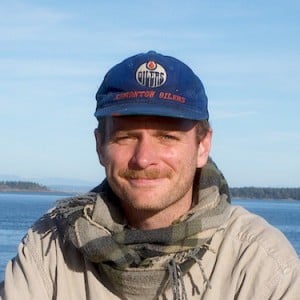
Mac DeMarco is a Canadian self-produced multi-instrumentalist, songwriter, and recording artist. Raised in Edmonton, Alberta, and currently residing in Los Angeles, California.
Uncategorized
The Cranberries
The Cranberries
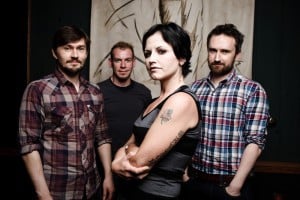
Combining the melodic jangle of post-<a href="spotify:artist:3yY2gUcIsjMr8hjo51PoJ8">Smiths</a> indie guitar pop with the lilting, trance-inducing sonic textures of late-'80s dream pop and adding a slight Celtic tint, the Cranberries became one of the more successful groups to emerge from the pre-Brit-pop indie scene of the early '90s. Led by vocalist <a href="spotify:artist:55s643XPig11NyYM8do64C">Dolores O'Riordan</a>, whose keening, powerful voice was the most distinctive element of the group's sound, they initially had little impact in the United Kingdom. It wasn't until the lush ballad "Linger" became a worldwide hit in 1993 that the band achieved mass success. Following "Linger," the Cranberries quickly became international stars, as both their 1993 debut album, Everybody Else Is Doing It, So Why Can't We?, and its 1994 follow-up, No Need to Argue, sold millions of copies and produced a string of hit singles. By the time of their third album, 1996's To the Faithful Departed, they had added distorted guitars to their sonic palette and began crafting more socially conscious music. They continued down this path into the 21st century before taking an extended hiatus in 2003 to pursue solo efforts. After nearly a decade, the quartet returned with 2012's Roses and 2017's Something Else. However, in early 2018, <a href="spotify:artist:55s643XPig11NyYM8do64C">O'Riordan</a> died from an accidental drowning in London. Her last vocal recordings were used to construct the Cranberries' final work, 2019's Grammy-nominated In the End, a goodbye to <a href="spotify:artist:55s643XPig11NyYM8do64C">O'Riordan</a>, fans, and the band itself. Originally, the Cranberries were a band called the Cranberry Saw Us. Brothers Noel and <a href="spotify:artist:467JmWxc2Gap3uh2d7qTgx">Mike Hogan</a> (guitar and bass, respectively) formed the band in Limerick, Ireland, with drummer Fergal Lawler in 1990. Following the departure of the group's original singer, Niall Quinn, the trio placed an advertisement for a female singer. <a href="spotify:artist:55s643XPig11NyYM8do64C">Dolores O'Riordan</a> responded to the advertisement and auditioned by writing lyrics and melodies to some of the band's existing demos. When she returned with a rough version of "Linger," the group hired her on the spot. Shortly after she joined, the band recorded a demo tape and sold it in record stores throughout Ireland. After the original run of 300 copies sold out, the group truncated its name to the Cranberries and sent another demo tape, which featured early versions of both "Linger" and "Dreams," to record companies throughout the U.K. The tape was made at Xeric Studios, which was run by Pearse Gilmore, who would later become their manager. At the time the tape was made, all of the members were still in their late teens. The demo tape earned the attention of both the U.K. press and record industry, and there was soon a bidding war between major British record labels. Eventually, the group signed with <a href="spotify:search:label%3A%22Island%22">Island</a>. The Cranberries headed into the studio with Gilmore as their producer to record their first single, "Uncertain." The title proved to be prophetic, as the band did indeed sound ill at ease on the single, leading to poor reviews in the press in addition to tensions between the group and Gilmore. Before they were scheduled to record their debut in 1992, the Cranberries discovered that Gilmore had signed a secret deal with <a href="spotify:search:label%3A%22Island%22">Island</a> to improve his studios. The tensions within the band became so great they nearly broke up. Instead, the Cranberries severed all relations with Gilmore, hired Geoff Travis of <a href="spotify:search:label%3A%22Rough+Trade%22">Rough Trade</a> as their new manager, and hired Stephen Street, who had previously worked with <a href="spotify:artist:3yY2gUcIsjMr8hjo51PoJ8">the Smiths</a>, as their new producer. The band's debut album, Everybody Else Is Doing It, So Why Can't We?, was released in the spring of 1993, followed by a single of "Dreams." Neither the album nor the single gained much attention, nor did the second single, "Linger." In the summer and fall of 1993, the band toured the United States, opening for <a href="spotify:artist:7cKtqv9cYVlOwnuCFH95ce">The The</a> and <a href="spotify:artist:6PHIK3kjWggLtVygsOtpqS">Suede</a>, respectively; frequently, the Cranberries were given a friendlier reception than either of the headliners. Their strong live shows led MTV to put "Linger" into heavy rotation. By the end of the year, the single was on its way to becoming a crossover hit. Eventually, the single reached number eight on the U.S. charts, while the album went double platinum. Everybody Else and "Linger" began to take off in Britain in early 1994; the album eventually peaked at number one during the summer. <a href="spotify:artist:55s643XPig11NyYM8do64C">O'Riordan</a> married the band's tour manager, Don Burton, in a much-publicized ceremony in July 1994. The marriage, as well as the group's videos, emphasized the singer as the focal point of the band. <a href="spotify:artist:55s643XPig11NyYM8do64C">O'Riordan</a>'s position in the group continued to rise with the fall release of the group's second album, No Need to Argue. Boasting a slightly harder, more streamlined sound, yet still produced by Stephen Street, the record debuted at number six on the U.S. charts and eventually outsold its predecessor; within a year it went triple platinum, spawning the enduring modern rock hit "Zombie" and "Ode to My Family." During the tour for No Need to Argue, rumors began to circulate that <a href="spotify:artist:55s643XPig11NyYM8do64C">O'Riordan</a> was going to leave the band to pursue a solo career, all of which the band vehemently denied. Nevertheless, the rumors persisted until the Cranberries began recording their next album with producer Bruce Fairbairn, who had previously worked with <a href="spotify:artist:7Ey4PD4MYsKc5I2dolUwbH">Aerosmith</a>. The resulting effort, To the Faithful Departed, was a tougher, more rock-oriented affair that centered upon loss and the pitfalls of fame. Released in April 1996, it rose to number 4 in the U.S., a chart peak, and shot to number one in Australasia. Lead single "Salvation" became their second U.S. Alternative chart-topper, with "Free to Decide" and "When You're Gone" charting across the globe. During the fall of 1996, the group canceled its Australian and European tours, sparking another round of rumors about <a href="spotify:artist:55s643XPig11NyYM8do64C">O'Riordan</a> launching a solo career. Yet, in 1999, the group released Bury the Hatchet, their last album to top multiple charts. The platinum-certified set featured more pop-oriented fare than its predecessor, spawning modest hits "Promises," "Animal Instinct," and the MTV favorite "Just My Imagination." The band quickly followed with 2001's Wake Up and Smell the Coffee, home to "Analyse" and "Time Is Ticking Out." Shortly after the release of a greatest-hits compilation in 2003, Stars: The Best of 1992-2002, the Cranberries officially declared that they were taking a break. This finally gave <a href="spotify:artist:55s643XPig11NyYM8do64C">O'Riordan</a> the time she needed to work on her long-teased solo album, Are You Listening?, which hit shelves in 2007. In 2009, <a href="spotify:artist:55s643XPig11NyYM8do64C">O'Riordan</a> released her second solo album, No Baggage. Around the same time, the Cranberries reunited for a North American tour that continued throughout Europe in 2010. Several live sets also appeared at the turn of the decade, including Bualadh Bos - The Cranberries Live, which charted in Europe and North America. In 2011, the band began work on a new album in Toronto with longtime producer Street. Released nearly a decade after the start of their extended hiatus, the resulting album, Roses, arrived in March 2012. A supporting tour followed, recorded for posterity on London 2012: Live at The Hammersmith Apollo. At the end of 2013, <a href="spotify:artist:55s643XPig11NyYM8do64C">O'Riordan</a> performed a New Year's Eve concert in Limerick with a string quartet from <a href="spotify:artist:5BEsC9s9MiyK1GKlef4TMN">the Irish Chamber Orchestra</a>. Inspired by the classical interpretation of the Cranberries sound, she approached the band with an idea to celebrate their silver anniversary. The result was a full album comprising string quartet renditions of the band's biggest hits. Something Else arrived in the spring of 2017, featuring their ten most successful singles culled from their first four albums, as well as three new songs. The band kicked off a tour in support of the album, but it was cut short due to <a href="spotify:artist:55s643XPig11NyYM8do64C">O'Riordan</a>'s ongoing back problems. On January 15, 2018, <a href="spotify:artist:55s643XPig11NyYM8do64C">O'Riordan</a> died of an accidental drowning at the age of 46 in London. At the time of her death, the Cranberries were in the middle of recording a new effort. After taking some time to process the tragedy, the remaining bandmembers decided to finish the project. Along with Stephen Street, they completed the LP using <a href="spotify:artist:55s643XPig11NyYM8do64C">O'Riordan</a>'s demo vocals. Released in April 2019, In the End featured the single "All Over Now" and served as the Cranberries' final album. Peaking in the Top Ten across Europe and in the U.S. side charts, the farewell set was later nominated for a Grammy for Best Rock Album. In the years that followed her passing, the band continued efforts to honor <a href="spotify:artist:55s643XPig11NyYM8do64C">O'Riordan</a>, issuing Remembering Dolores, a 2021 compilation of favorites that was released on what would have been her 50th birthday, and a 2023 deluxe reissue of To the Faithful Departed, which included the original album-era B-sides, outtakes, and demos recorded in Paris, as well as live recordings from 1996 shows at Molson Amphitheatre in Toronto and Pine Knob in Clarkston, Michigan. ~ Stephen Thomas Erlewine & Neil Z. Yeung, Rovi
KISS
KISS
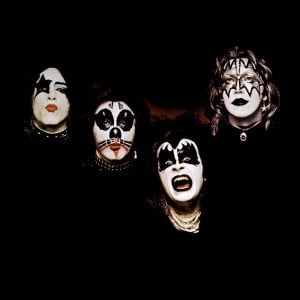
Rooted in the campy theatrics of <a href="spotify:artist:3EhbVgyfGd7HkpsagwL9GS">Alice Cooper</a> and the sleazy hard rock of glam rockers <a href="spotify:artist:0WhGV9lzljq2QKJ8ipw6jx">the New York Dolls</a>, Kiss became a favorite of American teenagers in the '70s. Most kids were infatuated with the look of Kiss, not their music. Decked out in outrageously flamboyant costumes and makeup, the band fashioned a captivating stage show featuring dry ice, smoke bombs, elaborate lighting, blood spitting, and fire breathing that captured the imaginations of thousands of kids. But Kiss' music shouldn't be dismissed -- it is a commercially potent mix of anthemic, fist-pounding hard rock driven by sleek hooks and ballads powered by loud guitars, earworm melodies, and sweeping strings. It's a sound that laid the groundwork for both arena rock and the pop-metal that dominated rock in the late '80s. In 1983 the band went unmasked, resulting in the platinum-selling LP of the same name, but re-applied the makeup ten years later. Since then, the Rock & Roll Hall of Famers have remained a potent live draw and have sold over 75 million records worldwide, with highlights arriving via influential efforts like Alive!, Destroyer, Rock and Roll Over, Love Gun, Dynasty, and Lick It Up. Kiss was the brainchild of <a href="spotify:artist:5gAbCaW9OmfIqqZGLpKb3f">Gene Simmons</a> (bass, vocals) and <a href="spotify:artist:5W0GCoUUwU3SF6qpJanlug">Paul Stanley</a> (rhythm guitar, vocals), former members of the New York-based hard rock band <a href="spotify:artist:4mnC6BVhObGZnXtQm4hjzH">Wicked Lester</a>; the duo brought in drummer <a href="spotify:artist:5DWj9QLyCN9dyQydd1P9QG">Peter Criss</a> through his ad in Rolling Stone, while guitarist <a href="spotify:artist:62olK5zZHSgFUXGDykgBL8">Ace Frehley</a> responded to an advertisement in The Village Voice. Even at their first Manhattan concert in 1973, the group's approach was theatrical, and Flipside producer Bill Aucoin offered the band a management deal after the show. Two weeks later, they were signed to Neil Bogart's fledgling record label, <a href="spotify:search:label%3A%22Casablanca%22">Casablanca</a>. Kiss released their self-titled debut in February of 1974; it peaked at number 87 on the U.S. charts. By April of 1975, the group had released three albums and had been touring America constantly, building up a sizable fan base. Culled from those numerous concerts, Alive! (released in the fall of 1975) made the band rock & roll superstars; it climbed into the Top Ten and its accompanying single, "Rock 'N' Roll All Nite," made it to number 12. Their follow-up, Destroyer, was released in March of 1976 and became the group's first platinum album; it also featured their first Top Ten single, <a href="spotify:artist:5DWj9QLyCN9dyQydd1P9QG">Peter Criss</a>' power ballad "Beth." Kiss mania was in full swing; thousands of pieces of merchandise hit the marketplace (including pinball machines, makeup and masks, and board games), and the group had two comic books released by Marvel as well as a live-action TV movie, Kiss Meet the Phantom of the Park. A 1977 Gallup poll named Kiss the most popular band in America. They were never seen in public without their makeup, and their popularity was growing by leaps and bounds; the membership of the Kiss Army, the band's fan club, was in the six figures. Even such enormous popularity had its limits, though, and the band reached them in 1978, when all four members released solo albums on the same day in October. <a href="spotify:artist:5gAbCaW9OmfIqqZGLpKb3f">Simmons</a>' record was the most successful, reaching number 22 on the charts, yet all of them made it into the Top 50. Dynasty, released in 1979, continued their streak of platinum albums, yet it was their last record with the original lineup -- <a href="spotify:artist:5DWj9QLyCN9dyQydd1P9QG">Criss</a> left in 1980. Kiss Unmasked, released in the summer of 1980, was recorded with session drummer <a href="spotify:artist:5xeqgtq9Fkg7XBHuPEm9pf">Anton Fig</a>; <a href="spotify:artist:5DWj9QLyCN9dyQydd1P9QG">Criss</a>' true replacement, <a href="spotify:artist:7vwL5Cm5W4dhdH7lswEfSx">Eric Carr</a>, joined the band in time for their 1980 world tour. Kiss Unmasked was their first record since Destroyer to fail to go platinum, and 1981's Music from the Elder, their first album recorded with <a href="spotify:artist:7vwL5Cm5W4dhdH7lswEfSx">Carr</a>, didn't even go gold -- it couldn't climb past number 75 on the charts. <a href="spotify:artist:62olK5zZHSgFUXGDykgBL8">Ace Frehley</a> left the band after its release; he was replaced by <a href="spotify:artist:3uBH6ZCj6xlrjHG41YepTn">Vinnie Vincent</a> in 1982. <a href="spotify:artist:3uBH6ZCj6xlrjHG41YepTn">Vincent</a>'s first album with the group, 1982's Creatures of the Night, fared better than Music from the Elder, yet it couldn't make it past number 45 on the charts. Sensing it was time for a change, Kiss dispensed with their makeup for 1983's Lick It Up. The publicity worked, as the album became their first platinum record in four years. Animalize, released the following year, was just as successful, and the group essentially recaptured their niche. <a href="spotify:artist:3uBH6ZCj6xlrjHG41YepTn">Vincent</a> left after Animalize and was replaced by Mark St. John, although St. John was soon taken ill with Reiter's Syndrome and left the band. <a href="spotify:artist:30TJoJIn79ZTDn7J93ymi8">Bruce Kulick</a> became Kiss' new lead guitarist in 1984. For the rest of the decade, Kiss turned out a series of best-selling albums, culminating in the early 1990 hit ballad "Forever," which was their biggest single since "Beth." Kiss was scheduled to record a new album with their old producer, Bob Ezrin, in 1990 when <a href="spotify:artist:7vwL5Cm5W4dhdH7lswEfSx">Eric Carr</a> became severely ill with cancer; he died in November of 1991 at the age of 41. Kiss replaced him with <a href="spotify:artist:7zEEexBlaAamW68arysqIZ">Eric Singer</a> and recorded Revenge (1992), their first album since 1989; it was a Top Ten hit and went gold. Kiss followed it with the release of Alive III the following year; it performed respectably but wasn't up to the standards of their two previous live records. In 1996, the original lineup of Kiss -- featuring <a href="spotify:artist:5gAbCaW9OmfIqqZGLpKb3f">Simmons</a>, <a href="spotify:artist:5W0GCoUUwU3SF6qpJanlug">Stanley</a>, <a href="spotify:artist:62olK5zZHSgFUXGDykgBL8">Frehley</a>, and <a href="spotify:artist:5DWj9QLyCN9dyQydd1P9QG">Criss</a> -- reunited to perform an international tour, complete with their notorious makeup and special effects. The tour was one of the most successful of 1996, and in 1998 the reunited group issued Psycho Circus. While the ensuing tour in support of Psycho Circus was a success, sales of Kiss' reunion album weren't as stellar as anticipated. Reminiscent of the band's unfocused late-'70s period, few tracks on Psycho Circus featured all four members playing together (most tracks were supplemented with session musicians), as the band seemed more interested in flooding the marketplace with merchandise yet again instead of making the music their top priority. With rumors running rampant that the Psycho Circus Tour would be their last, the quartet announced in the spring of 2000 that they would be launching a U.S. farewell tour in the summer, which became one of the year's top concert draws. But on the eve of a Japanese and Australian tour in early 2001, <a href="spotify:artist:5DWj9QLyCN9dyQydd1P9QG">Peter Criss</a> suddenly left the band once again, supposedly discontent with his salary. Taking his place was previous Kiss drummer <a href="spotify:artist:7zEEexBlaAamW68arysqIZ">Eric Singer</a>, who in a controversial move for some longtime fans, donned <a href="spotify:artist:5DWj9QLyCN9dyQydd1P9QG">Criss</a>' cat-man makeup (since <a href="spotify:artist:5gAbCaW9OmfIqqZGLpKb3f">Simmons</a> and <a href="spotify:artist:5W0GCoUUwU3SF6qpJanlug">Stanley</a> own both <a href="spotify:artist:62olK5zZHSgFUXGDykgBL8">Frehley</a> and <a href="spotify:artist:5DWj9QLyCN9dyQydd1P9QG">Criss</a>' makeup designs, there was no threat of a lawsuit) as the farewell tour continued. With the band scheduled to call it a day (supposedly) by late 2001, a mammoth career-encompassing box set was set for release later in the year, while the summer saw perhaps the most over-the-top piece of Kiss merchandise yet: the "Kiss Kasket," a real coffin fans could buy for $4,000. The group was relatively quiet throughout the rest of the year, but 2002 started with a bang as <a href="spotify:artist:5gAbCaW9OmfIqqZGLpKb3f">Gene Simmons</a> turned in an entertaining and controversial interview on NPR where he criticized the organization and berated host Terry Gross with sexual comments and condescending answers. He was promoting his autobiography at the time, which also caused dissent in the Kiss camp because of inflammatory remarks made about <a href="spotify:artist:62olK5zZHSgFUXGDykgBL8">Ace Frehley</a>. <a href="spotify:artist:62olK5zZHSgFUXGDykgBL8">Frehley</a> subsequently declined to appear at an American Bandstand anniversary show; his place was taken by a wig-wearing Tommy Thayer, and <a href="spotify:artist:5gAbCaW9OmfIqqZGLpKb3f">Simmons</a> was quick to dismiss the performance as another in a long series of money-oriented decisions. The band kept touring the globe with no new album in stores, but in 2008 they returned to the studio, re-recorded their hits, and released Jigoku-Retsuden aka KISSology or Kiss Klassics (the release was initially exclusive to Japan). In spring of 2009, the band began recording their first studio album in 11 years and released Sonic Boom in October. Produced by <a href="spotify:artist:5W0GCoUUwU3SF6qpJanlug">Paul Stanley</a> and Greg Collins, the album was exclusively distributed in North America by Wal-Mart. In 2012, the band's 20th studio album, Monster, surfaced, rewriting the cowbell-heavy party rock of their '70s heyday and adding some nods to the sinister metal of 1992's Revenge. In 2014, after 15 years of eligibility, Kiss was inducted into the Rock & Roll Hall of Fame. The following year they released a collaborative single with the Japanese idol group <a href="spotify:artist:3Zl0EsuYV23OgNw6WqGelN">Momoiro Clover Z</a>. In 2017, a career-spanning single-disc best-of, Kissworld, was released to coincide with a massive world tour of the same name. The tour, which the band announced would be their final jaunt, was eventually renamed the "End of the Road" tour, and in true Kiss fashion, it was still going strong in 2021. ~ Stephen Thomas Erlewine & Greg Prato, Rovi
David Bowie
David Bowie
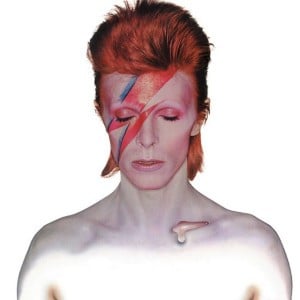
Everyone has a David Bowie that they fell in love with first—the otherworldly outsider Ziggy Stardust, the electronic adventurer, the wild-eyed glam pioneer, the enigmatic storyteller. But it was Bowie's ability to reinvent himself so vividly that captivated us again and again. Driven by boundless imagination, David Bowie was a multifaceted music icon, a social provocateur, a force in fashion, and a gifted actor whose unique personas and perspectives traveled with him through the decades. From the moment his homesick astronaut captured the spotlight in the late ‘60s to his exploratory, jazz-influenced <i>Blackstar</i> almost 50 years later, he excelled and innovated with turns in pop, glam, punk, soul, hard rock, and electronic music. And even though Bowie released vital albums throughout his life—and will forever embody the most artful edge of rock ’n’ roll—he was more than just the music he made. Bowie's fearlessness inspired us to celebrate the complexity and beauty of being completely ourselves.
Freddie Mercury
Freddie Mercury
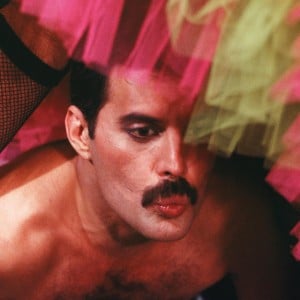
Combining an outrageously flamboyant stage persona with an immense talent for writing catchy and complex songs -- in addition to possessing one of the greatest voices in modern music -- vocalist Freddie Mercury remains one of rock’s all-time greatest entertainers. Alongside <a href="spotify:artist:1dfeR4HaWDbWqFHLkxsg1d">Queen</a> bandmates guitarist <a href="spotify:artist:2NcbLU1bW55eahD0UgD7U3">Brian May</a>, bassist <a href="spotify:artist:6KrRVxAW7yvCYrO1ALqPG5">John Deacon</a>, and drummer <a href="spotify:artist:2PZEd7yktruWruOqORRChA">Roger Taylor</a>, Mercury initially emerged as one of the most indelible rock artists of the 1970s. Working at first largely within the hard rock genre, Mercury embraced a wide array of sounds with <a href="spotify:artist:1dfeR4HaWDbWqFHLkxsg1d">Queen</a> ranging from classical to music hall, from glitter to prog rock, eventually even making influential forays into funk and disco as the band progressed into the '80s. Mercury's albums with <a href="spotify:artist:1dfeR4HaWDbWqFHLkxsg1d">Queen</a> are considered classics and spawned a large number of hits including "Killer Queen," "Bohemian Rhapsody," "We Are the Champions/We Will Rock You," and "Another One Bites the Dust." He continued this artistic exploration away from <a href="spotify:artist:1dfeR4HaWDbWqFHLkxsg1d">Queen</a>, working with <a href="spotify:artist:6jU2Tt13MmXYk0ZBv1KmfO">Giorgio Moroder</a> on the 1979 single "Love Kills" and further delving into synth-based pop on his only proper solo album, 1985's Mr. Bad Guy. He also paired with opera diva <a href="spotify:artist:6oGu0NZWy8gJ18wggybFqH">Montserrat Caballe</a> for their 1988 orchestral album Barcelona. Whether on his own or with <a href="spotify:artist:1dfeR4HaWDbWqFHLkxsg1d">Queen</a>, Mercury's immense talent, unmistakable passion, and outsized persona continues to endure long after his death from AIDS in 1991. Born Farrokh Bulsara on September 5, 1946, in Zanzibar to parents from the Parsi community in India (his father worked as a high court cashier for the British government), young Mercury was nicknamed Freddie by fellow classmates while attending an English boarding school, and embraced the moniker. He soon discovered his love for art and music, both subjects that he explored voraciously (he began taking piano lessons around this time), putting his newly found piano talent to use as he played in rock & roll bands with friends. Due to political upheaval in Zanzibar, Mercury and his family fled Zanzibar for England in 1964. There, he enrolled in the Ealing College of Art and fell under the spell of guitar wizard <a href="spotify:artist:776Uo845nYHJpNaStv1Ds4">Jimi Hendrix</a>. It was while attending Ealing that he befriended a fellow aspiring musician, bassist <a href="spotify:artist:6EtRaGeodP9stdGz92vPtB">Tim Staffell</a>, who was a member of a local band called Smile. Mercury soon began attending Smile's rehearsals and struck up a friendship with the group's other members, guitarist <a href="spotify:artist:2NcbLU1bW55eahD0UgD7U3">Brian May</a> and drummer <a href="spotify:artist:2PZEd7yktruWruOqORRChA">Roger Taylor</a>. Inspired by his new friends, he began playing in bands himself (such as Ibex, Wreckage, and Sour Milk Sea, among others), but instead of just playing piano as he did back in Zanzibar, he began singing. To pay the bills, he opened up a stall on Piccadilly Circus with <a href="spotify:artist:4X3dUbGsTpVH6EbxtWnj6T">Taylor</a>, selling clothing geared toward fellow rock musicians. By 1970, he had become frustrated that his music career had yet to blossom, and when he heard that <a href="spotify:artist:6EtRaGeodP9stdGz92vPtB">Staffell</a> had left Smile, he promptly took his place, finally uniting musically with <a href="spotify:artist:45Z2ShPqr2p9ZgfkYhZUgq">May</a> and <a href="spotify:artist:4X3dUbGsTpVH6EbxtWnj6T">Taylor</a>. Inspired by the heavy rock of <a href="spotify:artist:36QJpDe2go2KgaRleHCDTp">Led Zeppelin</a>/<a href="spotify:artist:776Uo845nYHJpNaStv1Ds4">Hendrix</a> as well as the vocal harmonies of <a href="spotify:artist:3WrFJ7ztbogyGnTHbHJFl2">the Beatles</a> and the over the top look of the burgeoning glam rock movement (<a href="spotify:artist:0oSGxfWSnnOXhD2fKuz2Gy">David Bowie</a> and <a href="spotify:artist:3dBVyJ7JuOMt4GE9607Qin">T. Rex</a>), the new group decided to mix up all these influences in one big melting pot, resulting in the formation of <a href="spotify:artist:1dfeR4HaWDbWqFHLkxsg1d">Queen</a>. Sensing that it was only natural that a soon-to-be rock star should have an equally grand name, Bulsara adopted a new last name, becoming Freddie Mercury. The new band honed their sound throughout the early '70s (ultimately signing with <a href="spotify:search:label%3A%22EMI%22">EMI</a> in England and <a href="spotify:search:label%3A%22Elektra%22">Elektra</a> in the U.S.), and after going through a succession of bassists, finally found a permanent member, <a href="spotify:artist:6KrRVxAW7yvCYrO1ALqPG5">John Deacon</a>, just prior to the recording of their first album. But just before the release of <a href="spotify:artist:1dfeR4HaWDbWqFHLkxsg1d">Queen</a>'s self-titled debut in 1973, Mercury issued the solo single "I Can Hear Music"/"Going Back" (with his <a href="spotify:artist:1dfeR4HaWDbWqFHLkxsg1d">Queen</a> bandmates backing him) under the pseudonym Larry Lurex. The single sank from view shortly after release, while <a href="spotify:artist:1dfeR4HaWDbWqFHLkxsg1d">Queen</a>'s debut fared little better. It was during an early <a href="spotify:artist:1dfeR4HaWDbWqFHLkxsg1d">Queen</a> show that Mercury's microphone stand accidentally snapped in half, and instead of replacing it, he carried on with the damaged stand, which ultimately became an on-stage trademark for the singer. Dressed in outrageous Zandra Rhodes-designed threads, dolled up in makeup and eyeliner, and wearing black nail polish on his right hand, he instantly stood out from the rest of the then-current rock pack. Although there was speculation about his sexuality throughout his career, Mercury refused to confirm or deny that he was bisexual during his lifetime. Slowly but surely, <a href="spotify:artist:1dfeR4HaWDbWqFHLkxsg1d">Queen</a> built up an enormous and dedicated worldwide following due to their bombastic stage show and such hit releases as 1974's Queen II and Sheer Heart Attack, but it was the Mercury-penned "Bohemian Rhapsody" off 1975's breakthrough A Night at the Opera that solidified <a href="spotify:artist:1dfeR4HaWDbWqFHLkxsg1d">Queen</a> as one of rock's top bands. Further hit albums followed: 1976's A Day at the Races, 1977's News of the World, 1978's Jazz, and 1979's Live Killers, during which Mercury penned such hit songs (and eventual rock radio staples) as "Killer Queen," "Somebody to Love," "We Are the Champions," "Don't Stop Me Now," and "Crazy Little Thing Called Love." By the late '70s, he had become one of rock's leading frontmen as his image changed from his early glam rock look to one that was met with some consternation from fans: he cut his hair short and grew a mustache. In addition to his work with <a href="spotify:artist:1dfeR4HaWDbWqFHLkxsg1d">Queen</a>, Mercury fulfilled a longtime dream by performing with the Royal Ballet in October of 1979. The '80s would prove to be puzzling time for <a href="spotify:artist:1dfeR4HaWDbWqFHLkxsg1d">Queen</a>, as they kicked off the new decade with their biggest album yet, The Game -- scoring one of 1980's biggest hits, the dancefloor anthem "Another One Bites the Dust" -- and most successful tour. But instead of treating the successful musical experiment as a brief detour, <a href="spotify:artist:1dfeR4HaWDbWqFHLkxsg1d">Queen</a> decided to explore dance music more thoroughly on their follow-up, Hot Space, resulting in their worst-selling release since Queen II. While <a href="spotify:artist:1dfeR4HaWDbWqFHLkxsg1d">Queen</a> were quickly able to recapture their following everywhere in the world on the strength of such solid releases as 1984's The Works and 1986's A Kind of Magic (and a show-stopping performance at the mammoth Live Aid benefit concert in 1985), the band's popularity in the U.S. dwindled considerably. It was while on hiatus from <a href="spotify:artist:1dfeR4HaWDbWqFHLkxsg1d">Queen</a> that Mercury issued his first solo album in 1985, Mr. Bad Guy, a more pop-oriented album than his previous work, it featured the driving synth anthem "I Was Born to Love You" and the ballad "Made in Heaven;" both of which were later reworked by <a href="spotify:artist:1dfeR4HaWDbWqFHLkxsg1d">Queen</a>. By the late '80s, Mercury had also been diagnosed with AIDS, but decided to keep his condition under wraps as he focused on recording further albums with <a href="spotify:artist:1dfeR4HaWDbWqFHLkxsg1d">Queen</a> (1989's The Miracle and 1991's Innuendo), as well as issuing sporadic solo singles ("The Great Pretender," "Time") and an opera-meets-pop album with <a href="spotify:artist:6oGu0NZWy8gJ18wggybFqH">Montserrat Caballé</a> entitled Barcelona. But by 1991, Mercury's battle with AIDS had taken a turn for the worse, and on November 24, 1991 (just one day after deciding to go public with his ailment), Mercury died at his home in London. On April 20, 1992, the surviving members of <a href="spotify:artist:1dfeR4HaWDbWqFHLkxsg1d">Queen</a> organized a star-studded tribute concert for Mercury at Wembley Stadium (with all proceeds going to the newly founded AIDS benefit group The Mercury Phoenix Trust) featuring such <a href="spotify:artist:1dfeR4HaWDbWqFHLkxsg1d">Queen</a>/Mercury admirers as <a href="spotify:artist:3PhoLpVuITZKcymswpck5b">Elton John</a>, <a href="spotify:artist:3qm84nBOXUEQ2vnTfUTTFC">Guns N' Roses</a>, <a href="spotify:artist:5GtMEZEeFFsuHY8ad4kOxv">Seal</a>, <a href="spotify:artist:2ye2Wgw4gimLv2eAKyk1NB">Metallica</a>, <a href="spotify:artist:0oSGxfWSnnOXhD2fKuz2Gy">David Bowie</a>, <a href="spotify:artist:1OwarW4LEHnoep20ixRA0y">Robert Plant</a>, <a href="spotify:artist:5odf7hjI7hyvAw66tmxhGF">Roger Daltrey</a>, <a href="spotify:artist:19ra5tSw0tWufvUp8GotLo">George Michael</a>, and <a href="spotify:artist:3lQpSzdPxoF1FYk7ilbe37">Liza Minnelli</a>, among others. Shortly thereafter, <a href="spotify:artist:1dfeR4HaWDbWqFHLkxsg1d">Queen</a> regained their footing in the U.S. when <a href="spotify:search:label%3A%22Hollywood+Records%22">Hollywood Records</a> reissued their entire catalog and "Bohemian Rhapsody" (and two compilations: Classic Queen and Greatest Hits) rocketed up the charts due to the song's inclusion in the movie Wayne's World. Up until his death, Mercury continued to write music with <a href="spotify:artist:1dfeR4HaWDbWqFHLkxsg1d">Queen</a>, and surviving bandmembers completed several unfinished tracks for the 1995 posthumous release Made in Heaven. The '90s also saw the arrival of a few Mercury solo compilations: in 1992 the U.K. received The Freddie Mercury Album while the U.S. got The Great Pretender (both included mostly similar track listings) and a year later, the six-track Remixes was issued in Europe only. In 2000, a mammoth ten-CD/two-DVD box set was unveiled, titled The Solo Collection, collecting all of his solo tracks and promotional videos as well as rarities. Also released at the same time was the three-CD box set Freddie Mercury Solo and the DVD Video Collection, which included highlights from the bigger set. The more economical single-disc collection Very Best of Freddie Mercury Solo: Lover of Life, Singer of Songs appeared in 2006. In 2016, the double-disc collection Messenger of the Gods: The Singles brought together all of Mercury's solo A- and B-side singles. In 2018, actor Rami Malek portrayed Mercury in the <a href="spotify:artist:1dfeR4HaWDbWqFHLkxsg1d">Queen</a> biopic Bohemian Rhapsody. In the wake of the film's success (it took home four Academy Awards), <a href="spotify:search:label%3A%22Virgin%2FEMI%22">Virgin/EMI</a> and <a href="spotify:search:label%3A%22Hollywood+Records%22">Hollywood Records</a> compiled the singer's solo work on the 2019 box set Never Boring. ~ Greg Prato, Rovi
Pixies
Pixies
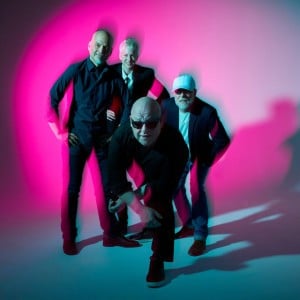
Pixies have been acclaimed as the most influential, pioneering band of the late 80s alt/rock movement, having served as a major influence for artists like Nirvana, Pearl Jam, Radiohead, the Strokes, Weezer, and many more. And today, a whole new generation of music fans has been discovering and embracing the band’s “loudquietloud” signature sound. Quirky, catchy melodies have always been Pixies’ calling card; seven genre-defining studio albums, including the Gold-certified Surfer Rosa, and the iconic Platinum Doolittle, considered one of the all-time, quintessential alt/rock albums. Sell-out crowds all over the globe, Pixies’ live shows are unadulterated magic, simultaneously electrifying and lo-fi. Seventy-five minutes of the band playing anything they want, in whatever order they want, the classics and the new gems. And no two Pixies shows are ever the same. 2024 is a momentous year for Pixies. 35 years since Doolittle catapulted the band into the UK Top Ten, and 20 years since their celebrated reformation at Coachella, Pixies are deep into their second act. Bigger than ever, playing to fans spanning multiple generations, and in the midst of their most creative purple patch. Black Francis, Joey Santiago, David Lovering and British bassist Emma Richardson are as busy as ever.