Biblioteca✨️📚🌱
Items in this hypelist
Finished
Maze runner - Prueba de Fuego
James Dashner • 2010
Have you ever wondered why that 13-digit number on the back of a book costs $125 in the United States but is completely free in Canada and India? This book, The Global ISBN Handbook, is your 2025 guide to the International Standard Book Number. It explains everything about this global "fingerprint" for books. The ISBN is the most important cornerstone of the publishing industry. It started as a simple warehouse tool in the 1960s. Now, it is a complex digital identifier used in over 200 countries. This handbook deconstructs the entire system. It uses 15 distinct national case studies to do this. You will learn how the old 10-digit system changed to the new 13-digit one. We break down the five parts of the ISBN, from the "Bookland" prefix to the final check digit. The book explores the global governance framework, starting with the International ISBN Agency. Then, it dives deep into how different countries run their systems. You'll see the privatized, high-cost model in the United States. You'll compare it to Canada's free, government-run system. We explore the industry-led models in Brazil and Germany. We look at government-run systems in Mexico and India. We even cover the unique case of China, where the ISBN is not a simple identifier but a state-controlled publication license. The book also examines the systems in the UK , France , Russia , Japan , Australia , South Africa , Nigeria , and Egypt. Many books and websites can tell you how to get an ISBN. This handbook is the only resource that explains why the process is so different everywhere you look. It moves beyond a simple "how-to" and provides a true global analysis. It directly compares the privatized, for-profit models in the US and UK against the free, public-good systems in Canada and South Africa. You won't just learn the price; you will understand the cultural policies, market structures, and legal philosophies that shape that price. This book shows how the ISBN is a "global mirror". It reveals how a simple number can be a commercial product in one nation , a tool of cultural policy in another , and an instrument of state control in a third. This comparative insight is the missing piece for any author, publisher, or researcher trying to navigate the complex international publishing market. Disclaimer: This handbook is an independently produced resource for commentary and analysis. The author has no affiliation with the International ISBN Agency, R.R. Bowker, Library and Archives Canada, the National Press and Publication Administration, or any other national ISBN agency. This work is independently produced under the principle of nominative fair use.
Noches blancas
Johnny Green •
Have you ever wondered why that 13-digit number on the back of a book costs $125 in the United States but is completely free in Canada and India? This book, The Global ISBN Handbook, is your 2025 guide to the International Standard Book Number. It explains everything about this global "fingerprint" for books. The ISBN is the most important cornerstone of the publishing industry. It started as a simple warehouse tool in the 1960s. Now, it is a complex digital identifier used in over 200 countries. This handbook deconstructs the entire system. It uses 15 distinct national case studies to do this. You will learn how the old 10-digit system changed to the new 13-digit one. We break down the five parts of the ISBN, from the "Bookland" prefix to the final check digit. The book explores the global governance framework, starting with the International ISBN Agency. Then, it dives deep into how different countries run their systems. You'll see the privatized, high-cost model in the United States. You'll compare it to Canada's free, government-run system. We explore the industry-led models in Brazil and Germany. We look at government-run systems in Mexico and India. We even cover the unique case of China, where the ISBN is not a simple identifier but a state-controlled publication license. The book also examines the systems in the UK , France , Russia , Japan , Australia , South Africa , Nigeria , and Egypt. Many books and websites can tell you how to get an ISBN. This handbook is the only resource that explains why the process is so different everywhere you look. It moves beyond a simple "how-to" and provides a true global analysis. It directly compares the privatized, for-profit models in the US and UK against the free, public-good systems in Canada and South Africa. You won't just learn the price; you will understand the cultural policies, market structures, and legal philosophies that shape that price. This book shows how the ISBN is a "global mirror". It reveals how a simple number can be a commercial product in one nation , a tool of cultural policy in another , and an instrument of state control in a third. This comparative insight is the missing piece for any author, publisher, or researcher trying to navigate the complex international publishing market. Disclaimer: This handbook is an independently produced resource for commentary and analysis. The author has no affiliation with the International ISBN Agency, R.R. Bowker, Library and Archives Canada, the National Press and Publication Administration, or any other national ISBN agency. This work is independently produced under the principle of nominative fair use.
Bloom
Kevin Panetta • 2013
Have you ever wondered why that 13-digit number on the back of a book costs $125 in the United States but is completely free in Canada and India? This book, The Global ISBN Handbook, is your 2025 guide to the International Standard Book Number. It explains everything about this global "fingerprint" for books. The ISBN is the most important cornerstone of the publishing industry. It started as a simple warehouse tool in the 1960s. Now, it is a complex digital identifier used in over 200 countries. This handbook deconstructs the entire system. It uses 15 distinct national case studies to do this. You will learn how the old 10-digit system changed to the new 13-digit one. We break down the five parts of the ISBN, from the "Bookland" prefix to the final check digit. The book explores the global governance framework, starting with the International ISBN Agency. Then, it dives deep into how different countries run their systems. You'll see the privatized, high-cost model in the United States. You'll compare it to Canada's free, government-run system. We explore the industry-led models in Brazil and Germany. We look at government-run systems in Mexico and India. We even cover the unique case of China, where the ISBN is not a simple identifier but a state-controlled publication license. The book also examines the systems in the UK , France , Russia , Japan , Australia , South Africa , Nigeria , and Egypt. Many books and websites can tell you how to get an ISBN. This handbook is the only resource that explains why the process is so different everywhere you look. It moves beyond a simple "how-to" and provides a true global analysis. It directly compares the privatized, for-profit models in the US and UK against the free, public-good systems in Canada and South Africa. You won't just learn the price; you will understand the cultural policies, market structures, and legal philosophies that shape that price. This book shows how the ISBN is a "global mirror". It reveals how a simple number can be a commercial product in one nation , a tool of cultural policy in another , and an instrument of state control in a third. This comparative insight is the missing piece for any author, publisher, or researcher trying to navigate the complex international publishing market. Disclaimer: This handbook is an independently produced resource for commentary and analysis. The author has no affiliation with the International ISBN Agency, R.R. Bowker, Library and Archives Canada, the National Press and Publication Administration, or any other national ISBN agency. This work is independently produced under the principle of nominative fair use.
Alicia (libros carrusel)
Benjamin Lacombe • 2022
Have you ever wondered why that 13-digit number on the back of a book costs $125 in the United States but is completely free in Canada and India? This book, The Global ISBN Handbook, is your 2025 guide to the International Standard Book Number. It explains everything about this global "fingerprint" for books. The ISBN is the most important cornerstone of the publishing industry. It started as a simple warehouse tool in the 1960s. Now, it is a complex digital identifier used in over 200 countries. This handbook deconstructs the entire system. It uses 15 distinct national case studies to do this. You will learn how the old 10-digit system changed to the new 13-digit one. We break down the five parts of the ISBN, from the "Bookland" prefix to the final check digit. The book explores the global governance framework, starting with the International ISBN Agency. Then, it dives deep into how different countries run their systems. You'll see the privatized, high-cost model in the United States. You'll compare it to Canada's free, government-run system. We explore the industry-led models in Brazil and Germany. We look at government-run systems in Mexico and India. We even cover the unique case of China, where the ISBN is not a simple identifier but a state-controlled publication license. The book also examines the systems in the UK , France , Russia , Japan , Australia , South Africa , Nigeria , and Egypt. Many books and websites can tell you how to get an ISBN. This handbook is the only resource that explains why the process is so different everywhere you look. It moves beyond a simple "how-to" and provides a true global analysis. It directly compares the privatized, for-profit models in the US and UK against the free, public-good systems in Canada and South Africa. You won't just learn the price; you will understand the cultural policies, market structures, and legal philosophies that shape that price. This book shows how the ISBN is a "global mirror". It reveals how a simple number can be a commercial product in one nation , a tool of cultural policy in another , and an instrument of state control in a third. This comparative insight is the missing piece for any author, publisher, or researcher trying to navigate the complex international publishing market. Disclaimer: This handbook is an independently produced resource for commentary and analysis. The author has no affiliation with the International ISBN Agency, R.R. Bowker, Library and Archives Canada, the National Press and Publication Administration, or any other national ISBN agency. This work is independently produced under the principle of nominative fair use.
Boulevard
Flor M. Salvador • 2020
"Luke y Hasley no eran el prototipo de una pareja perfect. Sin embargo, ambos le pusieron definición a lo que ellos crearon. Una historia de dos adolescentes que crean su propio boulevard ante la llovizna que hay en sus corazones, donde se entremezcla, por un lado, un azul cálido, y por el otro, un azula eléctrico, tiñéndose este por completo de un gris nostálgico."--
El Club de los Corazones Solitarios 1 - El Club de los Corazones Solitarios
Elizabeth Eulberg • 2015
MUCHO MAS QUE UN CLUB DE CHICAS
Elizabeth Eulberg • 2012
El teorema Katherine
John Green • 2014
Un desafortunado pero maravilloso incidente
Marni Bates • 2014
Del material del que están hechos los sueños
Elizabeth Eulberg • 2012
Heartstopper
Alice Oseman • 2020
<b>Boy meets boy. Boys become friends. Boys fall in love. A sweet and charming coming-of-age story that explores friendship, love, and coming out. <p><b>"Absolutely delightful. Sweet, romantic, kind. Beautifully paced. I loved this book." -- Rainbow Rowell, author of <i>Carry On</i></b></b><br></br>Shy and softhearted Charlie Spring sits next to rugby player Nick Nelson in class one morning. A warm and intimate friendship follows, and that soon develops into something more for Charlie, who doesn't think he has a chance. <p>But Nick is struggling with feelings of his own, and as the two grow closer and take on the ups and downs of high school, they come to understand the surprising and delightful ways in which love works.<br>
Heartstopper
Alice Oseman • 2020
Heartstopper
Alice Oseman • 2021
Heartstopper
Alice Oseman • 2023
Heartstopper
Alice Oseman • 2022
"Shy and softhearted Charlie Spring sits next to rugby player Nick Nelson in class one morning. A warm and intimate friendship follows, and that soon develops into something more for Charlie, who doesn't think he has a chance. But Nick is struggling with feelings of his own, and as the two grow closer and take on the ups and downs of high school, they come to understand the surprising and delightful ways in which love works"--
Fans de una vida imposible
Kate Scelsa • 2015
Mis Dias En La Libreria Morisaki - Satoshi Yagisawa
Satoshi Yagisawa • unde
Ciudades De Papel
GREEN • 2013
La Leccion de August
R. J. Palacio • 2014
Bajo la misma estrella
John Green • 2012
Memorias de un amigo imaginario
DICKS • 2012
El (sin) sentido del amor
Javier Ruescas • 2015
Quiereme Cinco Minutos
Anaí López • 2010
Algo tan sencillo como tuitear te quiero (Serie Algo tan sencillo 1)
Blue Jeans • 2020
Ella y él
Marc Levy • 2015
Mil lugares donde encontrarte
Claudia Gray • 2015
Hablando Sola...
Daniela Rivera Zacarías • 2009
Vida y destino de 6 adolescentes
César Romo D. • 1996
El Regreso Del Joven Príncipe
Alejandro Guillermo Roemmers • 2018
Quienes Soliamos Ser
Ava Dellaira • 2018
Strawberry Moon - La Hija de la Luna
Laia Lopéz • 2020
Have you ever wondered why that 13-digit number on the back of a book costs $125 in the United States but is completely free in Canada and India? This book, The Global ISBN Handbook, is your 2025 guide to the International Standard Book Number. It explains everything about this global "fingerprint" for books. The ISBN is the most important cornerstone of the publishing industry. It started as a simple warehouse tool in the 1960s. Now, it is a complex digital identifier used in over 200 countries. This handbook deconstructs the entire system. It uses 15 distinct national case studies to do this. You will learn how the old 10-digit system changed to the new 13-digit one. We break down the five parts of the ISBN, from the "Bookland" prefix to the final check digit. The book explores the global governance framework, starting with the International ISBN Agency. Then, it dives deep into how different countries run their systems. You'll see the privatized, high-cost model in the United States. You'll compare it to Canada's free, government-run system. We explore the industry-led models in Brazil and Germany. We look at government-run systems in Mexico and India. We even cover the unique case of China, where the ISBN is not a simple identifier but a state-controlled publication license. The book also examines the systems in the UK , France , Russia , Japan , Australia , South Africa , Nigeria , and Egypt. Many books and websites can tell you how to get an ISBN. This handbook is the only resource that explains why the process is so different everywhere you look. It moves beyond a simple "how-to" and provides a true global analysis. It directly compares the privatized, for-profit models in the US and UK against the free, public-good systems in Canada and South Africa. You won't just learn the price; you will understand the cultural policies, market structures, and legal philosophies that shape that price. This book shows how the ISBN is a "global mirror". It reveals how a simple number can be a commercial product in one nation , a tool of cultural policy in another , and an instrument of state control in a third. This comparative insight is the missing piece for any author, publisher, or researcher trying to navigate the complex international publishing market. Disclaimer: This handbook is an independently produced resource for commentary and analysis. The author has no affiliation with the International ISBN Agency, R.R. Bowker, Library and Archives Canada, the National Press and Publication Administration, or any other national ISBN agency. This work is independently produced under the principle of nominative fair use.
Llámame cuando no te encuentres (Spanish Edition)
Gilraen Eärfalas • 2024
Lecciones de Natación
Lili Reinhart • 2021
Cartas que no llegaron
Gilraen Eärfalas • 2023
El chico de las estrellas
Chris Pueyo • 2015
Romeo Y Julieta (Romeo & Juliet)
William Shakespeare • 2004
Un Beso En París
Stephanie Perkins • 2018
Lola y el chico de al lado (Spanish Edition)
Stephanie Perkins • 2013
Buscando a Alaska
John Green • 2014
Un rincón en el paraíso
Chelsey Philpot • 2016
Have you ever wondered why that 13-digit number on the back of a book costs $125 in the United States but is completely free in Canada and India? This book, The Global ISBN Handbook, is your 2025 guide to the International Standard Book Number. It explains everything about this global "fingerprint" for books. The ISBN is the most important cornerstone of the publishing industry. It started as a simple warehouse tool in the 1960s. Now, it is a complex digital identifier used in over 200 countries. This handbook deconstructs the entire system. It uses 15 distinct national case studies to do this. You will learn how the old 10-digit system changed to the new 13-digit one. We break down the five parts of the ISBN, from the "Bookland" prefix to the final check digit. The book explores the global governance framework, starting with the International ISBN Agency. Then, it dives deep into how different countries run their systems. You'll see the privatized, high-cost model in the United States. You'll compare it to Canada's free, government-run system. We explore the industry-led models in Brazil and Germany. We look at government-run systems in Mexico and India. We even cover the unique case of China, where the ISBN is not a simple identifier but a state-controlled publication license. The book also examines the systems in the UK , France , Russia , Japan , Australia , South Africa , Nigeria , and Egypt. Many books and websites can tell you how to get an ISBN. This handbook is the only resource that explains why the process is so different everywhere you look. It moves beyond a simple "how-to" and provides a true global analysis. It directly compares the privatized, for-profit models in the US and UK against the free, public-good systems in Canada and South Africa. You won't just learn the price; you will understand the cultural policies, market structures, and legal philosophies that shape that price. This book shows how the ISBN is a "global mirror". It reveals how a simple number can be a commercial product in one nation , a tool of cultural policy in another , and an instrument of state control in a third. This comparative insight is the missing piece for any author, publisher, or researcher trying to navigate the complex international publishing market. Disclaimer: This handbook is an independently produced resource for commentary and analysis. The author has no affiliation with the International ISBN Agency, R.R. Bowker, Library and Archives Canada, the National Press and Publication Administration, or any other national ISBN agency. This work is independently produced under the principle of nominative fair use.

Althea & Oliver
Cristina Moracho • 2014
Hecha de estrellas
Ashley Herring Blake • 2019

Al final mueren los dos
Adam Silvera • 2018
La chica del abrigo azul
Monica Hesse • 2016
Cómplices
Benito Taibo • 2016
La improbable teoría de Ana y Zak
Brian Katcher • 2015
Hombres a los que besé
Chris Pueyo • 2021
Nerve Un juego sin reglas
Jeanne Ryan • 2016
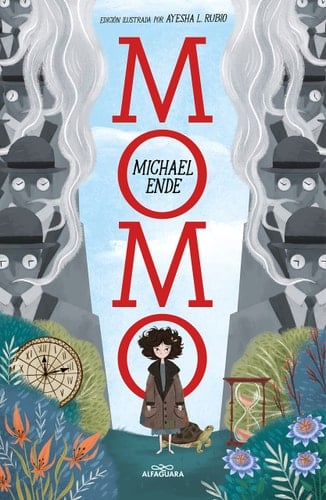
Momo
Michael Ende • 2023

El club de los tenis rojos ¡Amigas forever!
Ana Punset • 2016
El niño que lo hacía todo al revés
Margie Haber Mustri • 2021
El Principe
Nicolas Maquiavelo • 2015
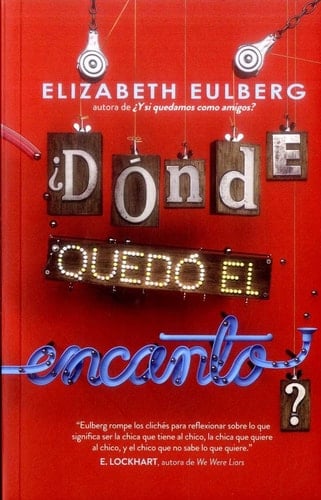
DONDE QUEDO EL ENCANTO?
Elizabeth Eulberg • 2017

Yo, Simon, homo sapiens
Becky Albertalli • 2016
Hola soy Germán
Germán Garmendia • 2016
Tragamundos
Sarinha • 2016
El club de los tenis rojos
Ana Punset • 2017
Maze runner - La Cura Mortal
James Dashner • 2011
Have you ever wondered why that 13-digit number on the back of a book costs $125 in the United States but is completely free in Canada and India? This book, The Global ISBN Handbook, is your 2025 guide to the International Standard Book Number. It explains everything about this global "fingerprint" for books. The ISBN is the most important cornerstone of the publishing industry. It started as a simple warehouse tool in the 1960s. Now, it is a complex digital identifier used in over 200 countries. This handbook deconstructs the entire system. It uses 15 distinct national case studies to do this. You will learn how the old 10-digit system changed to the new 13-digit one. We break down the five parts of the ISBN, from the "Bookland" prefix to the final check digit. The book explores the global governance framework, starting with the International ISBN Agency. Then, it dives deep into how different countries run their systems. You'll see the privatized, high-cost model in the United States. You'll compare it to Canada's free, government-run system. We explore the industry-led models in Brazil and Germany. We look at government-run systems in Mexico and India. We even cover the unique case of China, where the ISBN is not a simple identifier but a state-controlled publication license. The book also examines the systems in the UK , France , Russia , Japan , Australia , South Africa , Nigeria , and Egypt. Many books and websites can tell you how to get an ISBN. This handbook is the only resource that explains why the process is so different everywhere you look. It moves beyond a simple "how-to" and provides a true global analysis. It directly compares the privatized, for-profit models in the US and UK against the free, public-good systems in Canada and South Africa. You won't just learn the price; you will understand the cultural policies, market structures, and legal philosophies that shape that price. This book shows how the ISBN is a "global mirror". It reveals how a simple number can be a commercial product in one nation , a tool of cultural policy in another , and an instrument of state control in a third. This comparative insight is the missing piece for any author, publisher, or researcher trying to navigate the complex international publishing market. Disclaimer: This handbook is an independently produced resource for commentary and analysis. The author has no affiliation with the International ISBN Agency, R.R. Bowker, Library and Archives Canada, the National Press and Publication Administration, or any other national ISBN agency. This work is independently produced under the principle of nominative fair use.
Por trece razones
Jay Asher • 2017

El club de los perdedores
Lorena Amkie • 2015
Yerba Buena
Nina LaCour • 2022
Las ventajas de ser invisible
Stephen Chbosky • 2017
Desde que te fuiste
Morgan Matson • 2015
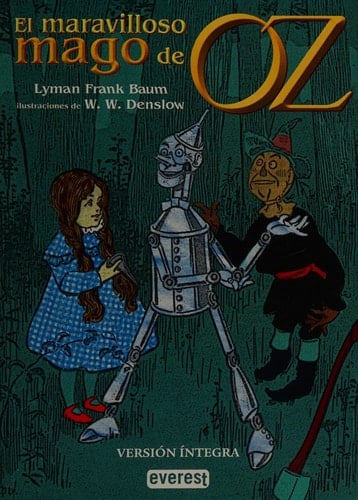
El maravilloso mago de Oz
Frank Baum Lyman • 2013
En la puerta de al lado (En la puerta de al lado-1) (Spanish Edition)
Huntley Fitzpatrick • 2015
El vuelo de Eluán
León Krauze • 2010
Will Grayson, Will Grayson
John Green • 2010
La inexplicable lógica de mi vida
Benjamin Alire Sáenz • 2020
País de las sombras largas
Hans Ruesch • 2003
El Pequeño Libro de Los Bridgerton
Charlotte Browne • 2022
El libro de la jungla
Rudyard Kipling • 2016
Lo que fue de ella
Gayle Forman • 2012
Si Decido Quedarme
Gayle Forman • 2014
La chica del tren
Paula Hawkins • 2015
Dos chicos besándose
David Levithan • 2015

El sutil arte de que te importe un caraj* Un enfoque disruptivo para vivir una buena vida
Mark Manson • 2018
¿Y si quedamos como amigos?
Elizabeth Eulberg • 2014
Zac y Mia
A. J. Betts • 2015
Alicia en el Pais Maravilloso
Victor Celorio • 1997

El Principito
Antoine de Saint-Exupéry • 2017

Eleanor y Park
Rainbow Rowell • 2013
P.D. Todavía te quiero
Jenny Han • 2016
Orgullo y prejuicio
Jane Austen • 2015
El club de los tenis rojos Todo por un sueño
Ana Punset • 2016
Te daría el sol
Jandy Nelson • 2015
Esta noche las calles son nuestras (Spanish Edition)
Leila Sales • 2015
Este libro es gay
James Dawson • 2015
Todo Lo Que No Me Deja Olvidarte
Alberto Villarreal • 2023
Todo lo que fuimos
Alberto Villarreal • 2018
Todo lo que dejas cuando llegas y te vas
Alberto Villarreal • 2021
Anoche En Las Trincheras
Alberto Villarreal • 2018
Ocho Lugares Que Me Recuerdan a Ti
Alberto Villarreal • 2019
Una de esas chicas
Sara Zarr • 2017
Primavera en Tokio
Andrea Izquierdo • 2018
AVA huye a Tokio para alejarse de todo y allí conoce a KANNA, una tatuadora con una personalidad arrolladora. Por su parte, LILY no podría estar peor en Londres: OLIVER parece incapaz de dejarla tranquila y TOM necesita tiempo para superar lo ocurrido con XIMENA, con ALICE… y sí, también con JASMINE. Menos mal que CONNOR se ha convertido en un apoyo inesperado, ahora que se encuentra lejos de la influencia de REX y MARTHA. Aunque ¿quién es esa chica rubia con la que MEREDITH se empeña en que hable? Y lo más importante de todo: ¿dónde están JORDAN y NATE? Esta primavera germinarán nuevas relaciones, pero otras se marchitarán para siempre. «Andrea Izquierdo maneja el misterio con una maestría innata. Pasar la página es prepararse para una nueva aventura». Rebeca Stones, autora de Timantti y Ocho. «Los diferentes personajes, secretos y cambios de rumbo del primer tomo, Otoño en Londres, te atraparán hasta la última página. ¡Y qué final! Aún estoy con la boca abierta». Blue Jeans, autor de El club de los incomprendidos
Perdidos en Nunca Jamás
Aiden Thomas • 2022
Invierno en Las Vegas
Andrea Izquierdo Fernández • 2017
Cartas de amor a los muertos
Ava Dellaira • 2015
Otoño en Londres
Andrea Izquierdo • 2022

Te daria el sol / I'll Give You the Sun
Jandy Nelson • 2015
To Read
Un año sin azúcar
Eve O. Schaub • 2015
Have you ever wondered why that 13-digit number on the back of a book costs $125 in the United States but is completely free in Canada and India? This book, The Global ISBN Handbook, is your 2025 guide to the International Standard Book Number. It explains everything about this global "fingerprint" for books. The ISBN is the most important cornerstone of the publishing industry. It started as a simple warehouse tool in the 1960s. Now, it is a complex digital identifier used in over 200 countries. This handbook deconstructs the entire system. It uses 15 distinct national case studies to do this. You will learn how the old 10-digit system changed to the new 13-digit one. We break down the five parts of the ISBN, from the "Bookland" prefix to the final check digit. The book explores the global governance framework, starting with the International ISBN Agency. Then, it dives deep into how different countries run their systems. You'll see the privatized, high-cost model in the United States. You'll compare it to Canada's free, government-run system. We explore the industry-led models in Brazil and Germany. We look at government-run systems in Mexico and India. We even cover the unique case of China, where the ISBN is not a simple identifier but a state-controlled publication license. The book also examines the systems in the UK , France , Russia , Japan , Australia , South Africa , Nigeria , and Egypt. Many books and websites can tell you how to get an ISBN. This handbook is the only resource that explains why the process is so different everywhere you look. It moves beyond a simple "how-to" and provides a true global analysis. It directly compares the privatized, for-profit models in the US and UK against the free, public-good systems in Canada and South Africa. You won't just learn the price; you will understand the cultural policies, market structures, and legal philosophies that shape that price. This book shows how the ISBN is a "global mirror". It reveals how a simple number can be a commercial product in one nation , a tool of cultural policy in another , and an instrument of state control in a third. This comparative insight is the missing piece for any author, publisher, or researcher trying to navigate the complex international publishing market. Disclaimer: This handbook is an independently produced resource for commentary and analysis. The author has no affiliation with the International ISBN Agency, R.R. Bowker, Library and Archives Canada, the National Press and Publication Administration, or any other national ISBN agency. This work is independently produced under the principle of nominative fair use.
Las personas de mi ciudad
Andrea Alì • 2016
Have you ever wondered why that 13-digit number on the back of a book costs $125 in the United States but is completely free in Canada and India? This book, The Global ISBN Handbook, is your 2025 guide to the International Standard Book Number. It explains everything about this global "fingerprint" for books. The ISBN is the most important cornerstone of the publishing industry. It started as a simple warehouse tool in the 1960s. Now, it is a complex digital identifier used in over 200 countries. This handbook deconstructs the entire system. It uses 15 distinct national case studies to do this. You will learn how the old 10-digit system changed to the new 13-digit one. We break down the five parts of the ISBN, from the "Bookland" prefix to the final check digit. The book explores the global governance framework, starting with the International ISBN Agency. Then, it dives deep into how different countries run their systems. You'll see the privatized, high-cost model in the United States. You'll compare it to Canada's free, government-run system. We explore the industry-led models in Brazil and Germany. We look at government-run systems in Mexico and India. We even cover the unique case of China, where the ISBN is not a simple identifier but a state-controlled publication license. The book also examines the systems in the UK , France , Russia , Japan , Australia , South Africa , Nigeria , and Egypt. Many books and websites can tell you how to get an ISBN. This handbook is the only resource that explains why the process is so different everywhere you look. It moves beyond a simple "how-to" and provides a true global analysis. It directly compares the privatized, for-profit models in the US and UK against the free, public-good systems in Canada and South Africa. You won't just learn the price; you will understand the cultural policies, market structures, and legal philosophies that shape that price. This book shows how the ISBN is a "global mirror". It reveals how a simple number can be a commercial product in one nation , a tool of cultural policy in another , and an instrument of state control in a third. This comparative insight is the missing piece for any author, publisher, or researcher trying to navigate the complex international publishing market. Disclaimer: This handbook is an independently produced resource for commentary and analysis. The author has no affiliation with the International ISBN Agency, R.R. Bowker, Library and Archives Canada, the National Press and Publication Administration, or any other national ISBN agency. This work is independently produced under the principle of nominative fair use.
Cásate niña
Rodillo Maró • 2014
Have you ever wondered why that 13-digit number on the back of a book costs $125 in the United States but is completely free in Canada and India? This book, The Global ISBN Handbook, is your 2025 guide to the International Standard Book Number. It explains everything about this global "fingerprint" for books. The ISBN is the most important cornerstone of the publishing industry. It started as a simple warehouse tool in the 1960s. Now, it is a complex digital identifier used in over 200 countries. This handbook deconstructs the entire system. It uses 15 distinct national case studies to do this. You will learn how the old 10-digit system changed to the new 13-digit one. We break down the five parts of the ISBN, from the "Bookland" prefix to the final check digit. The book explores the global governance framework, starting with the International ISBN Agency. Then, it dives deep into how different countries run their systems. You'll see the privatized, high-cost model in the United States. You'll compare it to Canada's free, government-run system. We explore the industry-led models in Brazil and Germany. We look at government-run systems in Mexico and India. We even cover the unique case of China, where the ISBN is not a simple identifier but a state-controlled publication license. The book also examines the systems in the UK , France , Russia , Japan , Australia , South Africa , Nigeria , and Egypt. Many books and websites can tell you how to get an ISBN. This handbook is the only resource that explains why the process is so different everywhere you look. It moves beyond a simple "how-to" and provides a true global analysis. It directly compares the privatized, for-profit models in the US and UK against the free, public-good systems in Canada and South Africa. You won't just learn the price; you will understand the cultural policies, market structures, and legal philosophies that shape that price. This book shows how the ISBN is a "global mirror". It reveals how a simple number can be a commercial product in one nation , a tool of cultural policy in another , and an instrument of state control in a third. This comparative insight is the missing piece for any author, publisher, or researcher trying to navigate the complex international publishing market. Disclaimer: This handbook is an independently produced resource for commentary and analysis. The author has no affiliation with the International ISBN Agency, R.R. Bowker, Library and Archives Canada, the National Press and Publication Administration, or any other national ISBN agency. This work is independently produced under the principle of nominative fair use.
Una perfecta confusión
América Rodas • 2022
Have you ever wondered why that 13-digit number on the back of a book costs $125 in the United States but is completely free in Canada and India? This book, The Global ISBN Handbook, is your 2025 guide to the International Standard Book Number. It explains everything about this global "fingerprint" for books. The ISBN is the most important cornerstone of the publishing industry. It started as a simple warehouse tool in the 1960s. Now, it is a complex digital identifier used in over 200 countries. This handbook deconstructs the entire system. It uses 15 distinct national case studies to do this. You will learn how the old 10-digit system changed to the new 13-digit one. We break down the five parts of the ISBN, from the "Bookland" prefix to the final check digit. The book explores the global governance framework, starting with the International ISBN Agency. Then, it dives deep into how different countries run their systems. You'll see the privatized, high-cost model in the United States. You'll compare it to Canada's free, government-run system. We explore the industry-led models in Brazil and Germany. We look at government-run systems in Mexico and India. We even cover the unique case of China, where the ISBN is not a simple identifier but a state-controlled publication license. The book also examines the systems in the UK , France , Russia , Japan , Australia , South Africa , Nigeria , and Egypt. Many books and websites can tell you how to get an ISBN. This handbook is the only resource that explains why the process is so different everywhere you look. It moves beyond a simple "how-to" and provides a true global analysis. It directly compares the privatized, for-profit models in the US and UK against the free, public-good systems in Canada and South Africa. You won't just learn the price; you will understand the cultural policies, market structures, and legal philosophies that shape that price. This book shows how the ISBN is a "global mirror". It reveals how a simple number can be a commercial product in one nation , a tool of cultural policy in another , and an instrument of state control in a third. This comparative insight is the missing piece for any author, publisher, or researcher trying to navigate the complex international publishing market. Disclaimer: This handbook is an independently produced resource for commentary and analysis. The author has no affiliation with the International ISBN Agency, R.R. Bowker, Library and Archives Canada, the National Press and Publication Administration, or any other national ISBN agency. This work is independently produced under the principle of nominative fair use.
Biblioteca de selecciones
1969
Have you ever wondered why that 13-digit number on the back of a book costs $125 in the United States but is completely free in Canada and India? This book, The Global ISBN Handbook, is your 2025 guide to the International Standard Book Number. It explains everything about this global "fingerprint" for books. The ISBN is the most important cornerstone of the publishing industry. It started as a simple warehouse tool in the 1960s. Now, it is a complex digital identifier used in over 200 countries. This handbook deconstructs the entire system. It uses 15 distinct national case studies to do this. You will learn how the old 10-digit system changed to the new 13-digit one. We break down the five parts of the ISBN, from the "Bookland" prefix to the final check digit. The book explores the global governance framework, starting with the International ISBN Agency. Then, it dives deep into how different countries run their systems. You'll see the privatized, high-cost model in the United States. You'll compare it to Canada's free, government-run system. We explore the industry-led models in Brazil and Germany. We look at government-run systems in Mexico and India. We even cover the unique case of China, where the ISBN is not a simple identifier but a state-controlled publication license. The book also examines the systems in the UK , France , Russia , Japan , Australia , South Africa , Nigeria , and Egypt. Many books and websites can tell you how to get an ISBN. This handbook is the only resource that explains why the process is so different everywhere you look. It moves beyond a simple "how-to" and provides a true global analysis. It directly compares the privatized, for-profit models in the US and UK against the free, public-good systems in Canada and South Africa. You won't just learn the price; you will understand the cultural policies, market structures, and legal philosophies that shape that price. This book shows how the ISBN is a "global mirror". It reveals how a simple number can be a commercial product in one nation , a tool of cultural policy in another , and an instrument of state control in a third. This comparative insight is the missing piece for any author, publisher, or researcher trying to navigate the complex international publishing market. Disclaimer: This handbook is an independently produced resource for commentary and analysis. The author has no affiliation with the International ISBN Agency, R.R. Bowker, Library and Archives Canada, the National Press and Publication Administration, or any other national ISBN agency. This work is independently produced under the principle of nominative fair use.
Chico conoce a chico
David Levithan • 2005
Have you ever wondered why that 13-digit number on the back of a book costs $125 in the United States but is completely free in Canada and India? This book, The Global ISBN Handbook, is your 2025 guide to the International Standard Book Number. It explains everything about this global "fingerprint" for books. The ISBN is the most important cornerstone of the publishing industry. It started as a simple warehouse tool in the 1960s. Now, it is a complex digital identifier used in over 200 countries. This handbook deconstructs the entire system. It uses 15 distinct national case studies to do this. You will learn how the old 10-digit system changed to the new 13-digit one. We break down the five parts of the ISBN, from the "Bookland" prefix to the final check digit. The book explores the global governance framework, starting with the International ISBN Agency. Then, it dives deep into how different countries run their systems. You'll see the privatized, high-cost model in the United States. You'll compare it to Canada's free, government-run system. We explore the industry-led models in Brazil and Germany. We look at government-run systems in Mexico and India. We even cover the unique case of China, where the ISBN is not a simple identifier but a state-controlled publication license. The book also examines the systems in the UK , France , Russia , Japan , Australia , South Africa , Nigeria , and Egypt. Many books and websites can tell you how to get an ISBN. This handbook is the only resource that explains why the process is so different everywhere you look. It moves beyond a simple "how-to" and provides a true global analysis. It directly compares the privatized, for-profit models in the US and UK against the free, public-good systems in Canada and South Africa. You won't just learn the price; you will understand the cultural policies, market structures, and legal philosophies that shape that price. This book shows how the ISBN is a "global mirror". It reveals how a simple number can be a commercial product in one nation , a tool of cultural policy in another , and an instrument of state control in a third. This comparative insight is the missing piece for any author, publisher, or researcher trying to navigate the complex international publishing market. Disclaimer: This handbook is an independently produced resource for commentary and analysis. The author has no affiliation with the International ISBN Agency, R.R. Bowker, Library and Archives Canada, the National Press and Publication Administration, or any other national ISBN agency. This work is independently produced under the principle of nominative fair use.
Pizzeria Vesubio
Walter Riso • 2018
Have you ever wondered why that 13-digit number on the back of a book costs $125 in the United States but is completely free in Canada and India? This book, The Global ISBN Handbook, is your 2025 guide to the International Standard Book Number. It explains everything about this global "fingerprint" for books. The ISBN is the most important cornerstone of the publishing industry. It started as a simple warehouse tool in the 1960s. Now, it is a complex digital identifier used in over 200 countries. This handbook deconstructs the entire system. It uses 15 distinct national case studies to do this. You will learn how the old 10-digit system changed to the new 13-digit one. We break down the five parts of the ISBN, from the "Bookland" prefix to the final check digit. The book explores the global governance framework, starting with the International ISBN Agency. Then, it dives deep into how different countries run their systems. You'll see the privatized, high-cost model in the United States. You'll compare it to Canada's free, government-run system. We explore the industry-led models in Brazil and Germany. We look at government-run systems in Mexico and India. We even cover the unique case of China, where the ISBN is not a simple identifier but a state-controlled publication license. The book also examines the systems in the UK , France , Russia , Japan , Australia , South Africa , Nigeria , and Egypt. Many books and websites can tell you how to get an ISBN. This handbook is the only resource that explains why the process is so different everywhere you look. It moves beyond a simple "how-to" and provides a true global analysis. It directly compares the privatized, for-profit models in the US and UK against the free, public-good systems in Canada and South Africa. You won't just learn the price; you will understand the cultural policies, market structures, and legal philosophies that shape that price. This book shows how the ISBN is a "global mirror". It reveals how a simple number can be a commercial product in one nation , a tool of cultural policy in another , and an instrument of state control in a third. This comparative insight is the missing piece for any author, publisher, or researcher trying to navigate the complex international publishing market. Disclaimer: This handbook is an independently produced resource for commentary and analysis. The author has no affiliation with the International ISBN Agency, R.R. Bowker, Library and Archives Canada, the National Press and Publication Administration, or any other national ISBN agency. This work is independently produced under the principle of nominative fair use.
Almendra
Won-pyong Sohn • 2017
Have you ever wondered why that 13-digit number on the back of a book costs $125 in the United States but is completely free in Canada and India? This book, The Global ISBN Handbook, is your 2025 guide to the International Standard Book Number. It explains everything about this global "fingerprint" for books. The ISBN is the most important cornerstone of the publishing industry. It started as a simple warehouse tool in the 1960s. Now, it is a complex digital identifier used in over 200 countries. This handbook deconstructs the entire system. It uses 15 distinct national case studies to do this. You will learn how the old 10-digit system changed to the new 13-digit one. We break down the five parts of the ISBN, from the "Bookland" prefix to the final check digit. The book explores the global governance framework, starting with the International ISBN Agency. Then, it dives deep into how different countries run their systems. You'll see the privatized, high-cost model in the United States. You'll compare it to Canada's free, government-run system. We explore the industry-led models in Brazil and Germany. We look at government-run systems in Mexico and India. We even cover the unique case of China, where the ISBN is not a simple identifier but a state-controlled publication license. The book also examines the systems in the UK , France , Russia , Japan , Australia , South Africa , Nigeria , and Egypt. Many books and websites can tell you how to get an ISBN. This handbook is the only resource that explains why the process is so different everywhere you look. It moves beyond a simple "how-to" and provides a true global analysis. It directly compares the privatized, for-profit models in the US and UK against the free, public-good systems in Canada and South Africa. You won't just learn the price; you will understand the cultural policies, market structures, and legal philosophies that shape that price. This book shows how the ISBN is a "global mirror". It reveals how a simple number can be a commercial product in one nation , a tool of cultural policy in another , and an instrument of state control in a third. This comparative insight is the missing piece for any author, publisher, or researcher trying to navigate the complex international publishing market. Disclaimer: This handbook is an independently produced resource for commentary and analysis. The author has no affiliation with the International ISBN Agency, R.R. Bowker, Library and Archives Canada, the National Press and Publication Administration, or any other national ISBN agency. This work is independently produced under the principle of nominative fair use.
Viaje a todas partes
Federico Guzmán R. • 2011
Have you ever wondered why that 13-digit number on the back of a book costs $125 in the United States but is completely free in Canada and India? This book, The Global ISBN Handbook, is your 2025 guide to the International Standard Book Number. It explains everything about this global "fingerprint" for books. The ISBN is the most important cornerstone of the publishing industry. It started as a simple warehouse tool in the 1960s. Now, it is a complex digital identifier used in over 200 countries. This handbook deconstructs the entire system. It uses 15 distinct national case studies to do this. You will learn how the old 10-digit system changed to the new 13-digit one. We break down the five parts of the ISBN, from the "Bookland" prefix to the final check digit. The book explores the global governance framework, starting with the International ISBN Agency. Then, it dives deep into how different countries run their systems. You'll see the privatized, high-cost model in the United States. You'll compare it to Canada's free, government-run system. We explore the industry-led models in Brazil and Germany. We look at government-run systems in Mexico and India. We even cover the unique case of China, where the ISBN is not a simple identifier but a state-controlled publication license. The book also examines the systems in the UK , France , Russia , Japan , Australia , South Africa , Nigeria , and Egypt. Many books and websites can tell you how to get an ISBN. This handbook is the only resource that explains why the process is so different everywhere you look. It moves beyond a simple "how-to" and provides a true global analysis. It directly compares the privatized, for-profit models in the US and UK against the free, public-good systems in Canada and South Africa. You won't just learn the price; you will understand the cultural policies, market structures, and legal philosophies that shape that price. This book shows how the ISBN is a "global mirror". It reveals how a simple number can be a commercial product in one nation , a tool of cultural policy in another , and an instrument of state control in a third. This comparative insight is the missing piece for any author, publisher, or researcher trying to navigate the complex international publishing market. Disclaimer: This handbook is an independently produced resource for commentary and analysis. The author has no affiliation with the International ISBN Agency, R.R. Bowker, Library and Archives Canada, the National Press and Publication Administration, or any other national ISBN agency. This work is independently produced under the principle of nominative fair use.
La hipótesis del amor
Ali Hazewood • 2021
Have you ever wondered why that 13-digit number on the back of a book costs $125 in the United States but is completely free in Canada and India? This book, The Global ISBN Handbook, is your 2025 guide to the International Standard Book Number. It explains everything about this global "fingerprint" for books. The ISBN is the most important cornerstone of the publishing industry. It started as a simple warehouse tool in the 1960s. Now, it is a complex digital identifier used in over 200 countries. This handbook deconstructs the entire system. It uses 15 distinct national case studies to do this. You will learn how the old 10-digit system changed to the new 13-digit one. We break down the five parts of the ISBN, from the "Bookland" prefix to the final check digit. The book explores the global governance framework, starting with the International ISBN Agency. Then, it dives deep into how different countries run their systems. You'll see the privatized, high-cost model in the United States. You'll compare it to Canada's free, government-run system. We explore the industry-led models in Brazil and Germany. We look at government-run systems in Mexico and India. We even cover the unique case of China, where the ISBN is not a simple identifier but a state-controlled publication license. The book also examines the systems in the UK , France , Russia , Japan , Australia , South Africa , Nigeria , and Egypt. Many books and websites can tell you how to get an ISBN. This handbook is the only resource that explains why the process is so different everywhere you look. It moves beyond a simple "how-to" and provides a true global analysis. It directly compares the privatized, for-profit models in the US and UK against the free, public-good systems in Canada and South Africa. You won't just learn the price; you will understand the cultural policies, market structures, and legal philosophies that shape that price. This book shows how the ISBN is a "global mirror". It reveals how a simple number can be a commercial product in one nation , a tool of cultural policy in another , and an instrument of state control in a third. This comparative insight is the missing piece for any author, publisher, or researcher trying to navigate the complex international publishing market. Disclaimer: This handbook is an independently produced resource for commentary and analysis. The author has no affiliation with the International ISBN Agency, R.R. Bowker, Library and Archives Canada, the National Press and Publication Administration, or any other national ISBN agency. This work is independently produced under the principle of nominative fair use.
Carrusel
Paulina Márquez • 2024
Have you ever wondered why that 13-digit number on the back of a book costs $125 in the United States but is completely free in Canada and India? This book, The Global ISBN Handbook, is your 2025 guide to the International Standard Book Number. It explains everything about this global "fingerprint" for books. The ISBN is the most important cornerstone of the publishing industry. It started as a simple warehouse tool in the 1960s. Now, it is a complex digital identifier used in over 200 countries. This handbook deconstructs the entire system. It uses 15 distinct national case studies to do this. You will learn how the old 10-digit system changed to the new 13-digit one. We break down the five parts of the ISBN, from the "Bookland" prefix to the final check digit. The book explores the global governance framework, starting with the International ISBN Agency. Then, it dives deep into how different countries run their systems. You'll see the privatized, high-cost model in the United States. You'll compare it to Canada's free, government-run system. We explore the industry-led models in Brazil and Germany. We look at government-run systems in Mexico and India. We even cover the unique case of China, where the ISBN is not a simple identifier but a state-controlled publication license. The book also examines the systems in the UK , France , Russia , Japan , Australia , South Africa , Nigeria , and Egypt. Many books and websites can tell you how to get an ISBN. This handbook is the only resource that explains why the process is so different everywhere you look. It moves beyond a simple "how-to" and provides a true global analysis. It directly compares the privatized, for-profit models in the US and UK against the free, public-good systems in Canada and South Africa. You won't just learn the price; you will understand the cultural policies, market structures, and legal philosophies that shape that price. This book shows how the ISBN is a "global mirror". It reveals how a simple number can be a commercial product in one nation , a tool of cultural policy in another , and an instrument of state control in a third. This comparative insight is the missing piece for any author, publisher, or researcher trying to navigate the complex international publishing market. Disclaimer: This handbook is an independently produced resource for commentary and analysis. The author has no affiliation with the International ISBN Agency, R.R. Bowker, Library and Archives Canada, the National Press and Publication Administration, or any other national ISBN agency. This work is independently produced under the principle of nominative fair use.
The perfectionist
Sara Shepard • 2014
Have you ever wondered why that 13-digit number on the back of a book costs $125 in the United States but is completely free in Canada and India? This book, The Global ISBN Handbook, is your 2025 guide to the International Standard Book Number. It explains everything about this global "fingerprint" for books. The ISBN is the most important cornerstone of the publishing industry. It started as a simple warehouse tool in the 1960s. Now, it is a complex digital identifier used in over 200 countries. This handbook deconstructs the entire system. It uses 15 distinct national case studies to do this. You will learn how the old 10-digit system changed to the new 13-digit one. We break down the five parts of the ISBN, from the "Bookland" prefix to the final check digit. The book explores the global governance framework, starting with the International ISBN Agency. Then, it dives deep into how different countries run their systems. You'll see the privatized, high-cost model in the United States. You'll compare it to Canada's free, government-run system. We explore the industry-led models in Brazil and Germany. We look at government-run systems in Mexico and India. We even cover the unique case of China, where the ISBN is not a simple identifier but a state-controlled publication license. The book also examines the systems in the UK , France , Russia , Japan , Australia , South Africa , Nigeria , and Egypt. Many books and websites can tell you how to get an ISBN. This handbook is the only resource that explains why the process is so different everywhere you look. It moves beyond a simple "how-to" and provides a true global analysis. It directly compares the privatized, for-profit models in the US and UK against the free, public-good systems in Canada and South Africa. You won't just learn the price; you will understand the cultural policies, market structures, and legal philosophies that shape that price. This book shows how the ISBN is a "global mirror". It reveals how a simple number can be a commercial product in one nation , a tool of cultural policy in another , and an instrument of state control in a third. This comparative insight is the missing piece for any author, publisher, or researcher trying to navigate the complex international publishing market. Disclaimer: This handbook is an independently produced resource for commentary and analysis. The author has no affiliation with the International ISBN Agency, R.R. Bowker, Library and Archives Canada, the National Press and Publication Administration, or any other national ISBN agency. This work is independently produced under the principle of nominative fair use.
Escápate, las siete pociones
Andrea Izquierdo • 2018
Have you ever wondered why that 13-digit number on the back of a book costs $125 in the United States but is completely free in Canada and India? This book, The Global ISBN Handbook, is your 2025 guide to the International Standard Book Number. It explains everything about this global "fingerprint" for books. The ISBN is the most important cornerstone of the publishing industry. It started as a simple warehouse tool in the 1960s. Now, it is a complex digital identifier used in over 200 countries. This handbook deconstructs the entire system. It uses 15 distinct national case studies to do this. You will learn how the old 10-digit system changed to the new 13-digit one. We break down the five parts of the ISBN, from the "Bookland" prefix to the final check digit. The book explores the global governance framework, starting with the International ISBN Agency. Then, it dives deep into how different countries run their systems. You'll see the privatized, high-cost model in the United States. You'll compare it to Canada's free, government-run system. We explore the industry-led models in Brazil and Germany. We look at government-run systems in Mexico and India. We even cover the unique case of China, where the ISBN is not a simple identifier but a state-controlled publication license. The book also examines the systems in the UK , France , Russia , Japan , Australia , South Africa , Nigeria , and Egypt. Many books and websites can tell you how to get an ISBN. This handbook is the only resource that explains why the process is so different everywhere you look. It moves beyond a simple "how-to" and provides a true global analysis. It directly compares the privatized, for-profit models in the US and UK against the free, public-good systems in Canada and South Africa. You won't just learn the price; you will understand the cultural policies, market structures, and legal philosophies that shape that price. This book shows how the ISBN is a "global mirror". It reveals how a simple number can be a commercial product in one nation , a tool of cultural policy in another , and an instrument of state control in a third. This comparative insight is the missing piece for any author, publisher, or researcher trying to navigate the complex international publishing market. Disclaimer: This handbook is an independently produced resource for commentary and analysis. The author has no affiliation with the International ISBN Agency, R.R. Bowker, Library and Archives Canada, the National Press and Publication Administration, or any other national ISBN agency. This work is independently produced under the principle of nominative fair use.
Maze runner- expedientes secretos
James Dashner • 2014
Have you ever wondered why that 13-digit number on the back of a book costs $125 in the United States but is completely free in Canada and India? This book, The Global ISBN Handbook, is your 2025 guide to the International Standard Book Number. It explains everything about this global "fingerprint" for books. The ISBN is the most important cornerstone of the publishing industry. It started as a simple warehouse tool in the 1960s. Now, it is a complex digital identifier used in over 200 countries. This handbook deconstructs the entire system. It uses 15 distinct national case studies to do this. You will learn how the old 10-digit system changed to the new 13-digit one. We break down the five parts of the ISBN, from the "Bookland" prefix to the final check digit. The book explores the global governance framework, starting with the International ISBN Agency. Then, it dives deep into how different countries run their systems. You'll see the privatized, high-cost model in the United States. You'll compare it to Canada's free, government-run system. We explore the industry-led models in Brazil and Germany. We look at government-run systems in Mexico and India. We even cover the unique case of China, where the ISBN is not a simple identifier but a state-controlled publication license. The book also examines the systems in the UK , France , Russia , Japan , Australia , South Africa , Nigeria , and Egypt. Many books and websites can tell you how to get an ISBN. This handbook is the only resource that explains why the process is so different everywhere you look. It moves beyond a simple "how-to" and provides a true global analysis. It directly compares the privatized, for-profit models in the US and UK against the free, public-good systems in Canada and South Africa. You won't just learn the price; you will understand the cultural policies, market structures, and legal philosophies that shape that price. This book shows how the ISBN is a "global mirror". It reveals how a simple number can be a commercial product in one nation , a tool of cultural policy in another , and an instrument of state control in a third. This comparative insight is the missing piece for any author, publisher, or researcher trying to navigate the complex international publishing market. Disclaimer: This handbook is an independently produced resource for commentary and analysis. The author has no affiliation with the International ISBN Agency, R.R. Bowker, Library and Archives Canada, the National Press and Publication Administration, or any other national ISBN agency. This work is independently produced under the principle of nominative fair use.
Encuentrame en Moonlight
Bennet •2019
Have you ever wondered why that 13-digit number on the back of a book costs $125 in the United States but is completely free in Canada and India? This book, The Global ISBN Handbook, is your 2025 guide to the International Standard Book Number. It explains everything about this global "fingerprint" for books. The ISBN is the most important cornerstone of the publishing industry. It started as a simple warehouse tool in the 1960s. Now, it is a complex digital identifier used in over 200 countries. This handbook deconstructs the entire system. It uses 15 distinct national case studies to do this. You will learn how the old 10-digit system changed to the new 13-digit one. We break down the five parts of the ISBN, from the "Bookland" prefix to the final check digit. The book explores the global governance framework, starting with the International ISBN Agency. Then, it dives deep into how different countries run their systems. You'll see the privatized, high-cost model in the United States. You'll compare it to Canada's free, government-run system. We explore the industry-led models in Brazil and Germany. We look at government-run systems in Mexico and India. We even cover the unique case of China, where the ISBN is not a simple identifier but a state-controlled publication license. The book also examines the systems in the UK , France , Russia , Japan , Australia , South Africa , Nigeria , and Egypt. Many books and websites can tell you how to get an ISBN. This handbook is the only resource that explains why the process is so different everywhere you look. It moves beyond a simple "how-to" and provides a true global analysis. It directly compares the privatized, for-profit models in the US and UK against the free, public-good systems in Canada and South Africa. You won't just learn the price; you will understand the cultural policies, market structures, and legal philosophies that shape that price. This book shows how the ISBN is a "global mirror". It reveals how a simple number can be a commercial product in one nation , a tool of cultural policy in another , and an instrument of state control in a third. This comparative insight is the missing piece for any author, publisher, or researcher trying to navigate the complex international publishing market. Disclaimer: This handbook is an independently produced resource for commentary and analysis. The author has no affiliation with the International ISBN Agency, R.R. Bowker, Library and Archives Canada, the National Press and Publication Administration, or any other national ISBN agency. This work is independently produced under the principle of nominative fair use.
Maravilloso desastre (Maravilloso desastre 1)
Jamie McGuire • 2014
Geekerella
Ashley Poston • 2017
Boulevard. (Edición Ilustrada Por MMIvens) / Boulevard. Illustrated Edition by MMI Vens
Flor Salvador • 2023
Cartas de amor a los muertos (Edición de lujo)
Ava Dellaira • 2017
Las matemáticas del amor
Hannah Fry • 2015
Mi Amor de Wattpad
Ariana Godoy • 2016
Heartstopper para colorear
Alice Oseman • 2021
Te vas sin decir adiós
Sarah Dessen • 2014
Just Listen No pienses ni juzgues, solo escucha
Sarah Dessen • 2012
Loveless
Alice Oseman • 2020
Quiero Morir Pero Quiero Comer Tteokbokki
Baek Sehee • 2024
Todo, todo
Nicola Yoon • 2015
El Inesperado Plan de la Escritora Sin Nombre
Alice Basso • 2016
Girl Online 1 - Girl Online
Zoe Sugg • 2015
Aristoteles Y Dante Se Sumergen en las Aguas del Mundo
Alire Saenz • 2021
Un padre de película
Antonio Skármeta • 2011
Si Pudiera Volver Atrás
Marc Levy • 2014
Brisa de verano (Spanish Edition)
Nancy Thayer • 2013
A tres metros sobre el cielo
Federico Moccia • 2008
El faro de los amores dormidos
Andrea Longarela • 2022
DIA QUE EL OCEANO TE MIRE A LOS OJOS, EL
Dulcinea • 2019
Invisible
Eloy Moreno • 2018
Donde termina el arcoiris
Cecelia Ahern • 2015
El Rayo Macoy
Ramírez Hereída • 1986
Have you ever wondered why that 13-digit number on the back of a book costs $125 in the United States but is completely free in Canada and India? This book, The Global ISBN Handbook, is your 2025 guide to the International Standard Book Number. It explains everything about this global "fingerprint" for books. The ISBN is the most important cornerstone of the publishing industry. It started as a simple warehouse tool in the 1960s. Now, it is a complex digital identifier used in over 200 countries. This handbook deconstructs the entire system. It uses 15 distinct national case studies to do this. You will learn how the old 10-digit system changed to the new 13-digit one. We break down the five parts of the ISBN, from the "Bookland" prefix to the final check digit. The book explores the global governance framework, starting with the International ISBN Agency. Then, it dives deep into how different countries run their systems. You'll see the privatized, high-cost model in the United States. You'll compare it to Canada's free, government-run system. We explore the industry-led models in Brazil and Germany. We look at government-run systems in Mexico and India. We even cover the unique case of China, where the ISBN is not a simple identifier but a state-controlled publication license. The book also examines the systems in the UK , France , Russia , Japan , Australia , South Africa , Nigeria , and Egypt. Many books and websites can tell you how to get an ISBN. This handbook is the only resource that explains why the process is so different everywhere you look. It moves beyond a simple "how-to" and provides a true global analysis. It directly compares the privatized, for-profit models in the US and UK against the free, public-good systems in Canada and South Africa. You won't just learn the price; you will understand the cultural policies, market structures, and legal philosophies that shape that price. This book shows how the ISBN is a "global mirror". It reveals how a simple number can be a commercial product in one nation , a tool of cultural policy in another , and an instrument of state control in a third. This comparative insight is the missing piece for any author, publisher, or researcher trying to navigate the complex international publishing market. Disclaimer: This handbook is an independently produced resource for commentary and analysis. The author has no affiliation with the International ISBN Agency, R.R. Bowker, Library and Archives Canada, the National Press and Publication Administration, or any other national ISBN agency. This work is independently produced under the principle of nominative fair use.
Tormenta de mayo
Paulina Márquez • 2019
La abuela
Chris Pueyo • 2019
Eres el Amor de Mi Otra Vida (Novela) / You're the Love of My Other Life (a Novel)
Gilraen Eärfalas • 2024
TRES PROMESAS
LESSLIE POLINESIA • 2019
Romper el círculo
Colleen Hoover • 2022
Contacto de emergencia
Mary H. K. Choi • 2021
La chica que leía en el metro (edición ilustrada)
Christine Féret-Fleury • 2018
Una Sonata de Verano -V2*
Belen Martinez • 2024
AQUI DENTRO SIEMPRE LLUEVE
CHRIS PUEYO • 2013
El Chico de las Estrellas. Edición ilustrada
Chris Pueyo • 2022
Di hola
Germán Garmendia • 2018
La odisea
Homer • 2021
Cumbres Borrascosas
BRONTE • 2015
Leah on the Offbeat
Becky Albertalli • 2019
Play
Javier Ruescas • 2012
Have you ever wondered why that 13-digit number on the back of a book costs $125 in the United States but is completely free in Canada and India? This book, The Global ISBN Handbook, is your 2025 guide to the International Standard Book Number. It explains everything about this global "fingerprint" for books. The ISBN is the most important cornerstone of the publishing industry. It started as a simple warehouse tool in the 1960s. Now, it is a complex digital identifier used in over 200 countries. This handbook deconstructs the entire system. It uses 15 distinct national case studies to do this. You will learn how the old 10-digit system changed to the new 13-digit one. We break down the five parts of the ISBN, from the "Bookland" prefix to the final check digit. The book explores the global governance framework, starting with the International ISBN Agency. Then, it dives deep into how different countries run their systems. You'll see the privatized, high-cost model in the United States. You'll compare it to Canada's free, government-run system. We explore the industry-led models in Brazil and Germany. We look at government-run systems in Mexico and India. We even cover the unique case of China, where the ISBN is not a simple identifier but a state-controlled publication license. The book also examines the systems in the UK , France , Russia , Japan , Australia , South Africa , Nigeria , and Egypt. Many books and websites can tell you how to get an ISBN. This handbook is the only resource that explains why the process is so different everywhere you look. It moves beyond a simple "how-to" and provides a true global analysis. It directly compares the privatized, for-profit models in the US and UK against the free, public-good systems in Canada and South Africa. You won't just learn the price; you will understand the cultural policies, market structures, and legal philosophies that shape that price. This book shows how the ISBN is a "global mirror". It reveals how a simple number can be a commercial product in one nation , a tool of cultural policy in another , and an instrument of state control in a third. This comparative insight is the missing piece for any author, publisher, or researcher trying to navigate the complex international publishing market. Disclaimer: This handbook is an independently produced resource for commentary and analysis. The author has no affiliation with the International ISBN Agency, R.R. Bowker, Library and Archives Canada, the National Press and Publication Administration, or any other national ISBN agency. This work is independently produced under the principle of nominative fair use.
Apuntes para mis hijos
Benito Juárez • 2023
Robinson Crusoe: The Original 1719 Edition (A Daniel Defoe Classic Novel)
Daniel Defoe • 2023
La hija que no soñaste
Erika L. Sánchez • 2018
Corazonadas
Benito Taibo • 2016
Al Final Muere El Primero
Adam Silvera • 2023

La biblioteca de la medianoche
Matt Haig • 2021
<p><b>PREMIO GOODREADS 2020 A LA MEJOR OBRA DE FICCI?N</b></p> <p>?Entre la vida y la muerte hay una biblioteca. Y los estantes de esa biblioteca son infinitos. Cada libro da la oportunidad de probar otra vida que podr?as haber vivido y de comprobar c?mo habr?an cambiado las cosas si hubieras tomado otras decisiones... ?Habr?as hecho algo de manera diferente si hubieras tenido la oportunidad??.</p> <p>Nora Seed aparece, sin saber c?mo, en la Biblioteca de la Medianoche, donde se le ofrece una nueva oportunidad para hacer las cosas bien. Hasta ese momento, su vida ha estado marcada por la infelicidad y el arrepentimiento.</p> <p>Nora siente que ha defraudado a todos, y tambi?n a ella misma. Pero esto est? a punto de cambiar.</p> <p>Los libros de la Biblioteca de la Medianoche permitir?n a Nora vivir como si hubiera hecho las cosas de otra manera. Con la ayuda de una vieja amiga, tendr? la opci?n de esquivar todo aquello que se arrepiente de haber hecho (o no haber hecho), en pos de la vida perfecta. Pero las cosas no siempre ser?n como imagin? que ser?an, y pronto sus decisiones enfrentar?n a la Biblioteca y a ella misma en un peligro extremo. Nora deber? responder una ?ltima pregunta antes de que el tiempo se agote: ?cu?l es la mejor manera de vivir?</p>
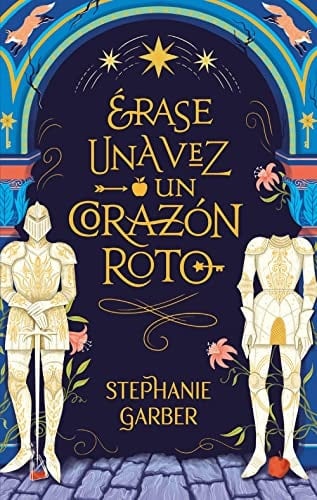
Érase una vez un corazón roto
Stephanie Garber • 2022
Escrito en el Agua
Paula Hawkins • 2017
El silencio de los corderos
Thomas Harris • 2003

El corazón de la bruja
Genevieve Gornichec • 2022
Todas las vidas de Eva Ki
Cristian Acevedo • 2022

El libro de la oscuridad / The Book of Dust
Philip Pullman • 2018
El coronel no tiene quien le escriba
Gabriel García Márquez • 2003
El cuaderno de desafíos de Dash & Lily
Rachel Cohn • 2020

Un cuento perfecto
Elísabet Benavent • 2020
De la Tierra a la Luna
Julio Verne • 2014
Todo lo que fuimos ahora es polvo
Benji Verdes • 2017

Pack Cazadores S. 1+ poster: Cazadores de Sombras 1
Cassandra Clare • 2013
Cien años de soledad / One Hundred Years of Solitude
Gabriel García Márquez • 2009
Amor y otras palabras extrañas
Erin McCahan • 2014
Friends, Lovers, and the Big Terrible Thing
Matthew Perry • 2022
La cabaña
William P. Young • 2009
Las Aventuras de Huckleberry Finn
Mark Twain • 2016
Demian
Hermann Hesse • 2000
El ladron del rayo
Rick Riordan • 2009
Pablo Neruda su mejor poesía
Pablo Neruda • 1988

El hombre de los pies-murciélago
Sandra Siemens • 2009
Yo antes de ti / Me Before You
Jojo Moyes • 2017
Casa de tierra y sangre (Ciudad Medialuna 1)
Sarah J. Maas • 2020

La Buena Tierra
Pearl S. Buck • 2021

Días de pinta
Sealtiel Alatriste • 1996
El Lobo Estepario
Hermann Hesse • 2017
Cocina para dos
Leonora Ramírez • 1975
Historias de terror
TikTak Draw • 2019

Donde habitan los ángeles
Claudia Celis • 1997
Los vecinos mueren en las novelas
Sergio Aguirre • 2000
Cuentos de la Selva
Horacio Quiroga • 2015
"La selva es el escenario y personaje omnipresente de estos cuentos. La selva misionera, con su violencia natural incontenible, frente al hombre, aliado a veces, destructor las mâas, de esa naturaleza salvaje. Humor y tragedia se combinan eficazmente en estos cuentos, dando como resultado ejemplos antolâogicos de ese difâicil arte que es el cuento, en el que Quiroga se revelâo autâentico maestro. Relatos La tortuga gigante. Las medias de los flamencos. El loro pelado. La guerra de los yacarâes. La gama ciega. Historia de dos cachorros de coatâi y de dos cachorros de hombre. El paso del Yabebirâi. La abeja haragana." -- Amazon

Mujercitas Hombrecitos ; Aquellas mujercitas
José Antonio Vidal Sales • 2009
El Diario de Ana Frank
Ana Frank • 2007
Destripando la historia - Los mayores villanos
Rodrigo Septién «Rodri» • 2018
Heartless
Marissa Meyer • 2018
Los juegos del destino (Un final feliz)
Matthew M. Quick • 2013
Harry Potter and the Sorcerer's Stone
J.K. Rowling • 1998
El corazón delator y otros relatos
Edgar Allan Poe • 2015
LA CANCION DE LA BRUJA
Antonia Michaelis • 2022
El chico de la piel de cerdo y otros relatos que jamás deberías leer
Raiza Revelles • 2020
La Guia Paranormal
Revelles • 2024

Entrevista con el Vampiro
Anne Rice • 2005
Finding Sky
Joss Stirling • 2010

Amigo Imaginario
Stephen Chbosky • 2019
Maravilloso desastre
Jamie McGuire • 2014
Pedro Paramo y el llano en llamas
Juan Rulfo • 1999
Epigramas
Martial • 1997

No soy un serial killer
Dan Wells • 2015
Oakshot Complete Works of William Shakespeare (Illustrated, Inline Footnotes) (Classics Book 4)
William Shakespeare • 2016
El Asesinato de Pitágoras
Marcos Chicot • 2022
Eternidad
Alyson Noël • 2010
El sueño y la muerte
A.J. Kazinski • 2015
Yo a ti tampoco
Jorge García. Jota_Studio • 2024

Fangirl A Novel
Rainbow Rowell • 2018
Donde viven las musas
Marianela dos Santos • 2024
Asylum
Madeleine Roux • 2013

Martes Con Mi Viejo Profesor
Mitch Albom • 1998
El coronel fue echado al mar
Luis Spota • 2015
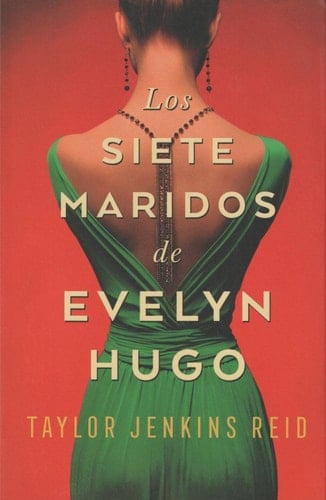
Los siete maridos de Evelyn Hugo
Taylor Jenkins Reid • 2020
El jardín italiano
Alyson Richman • 2022
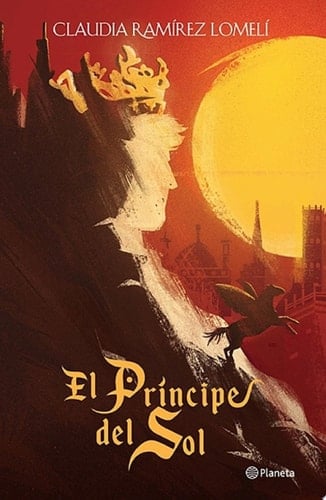
El príncipe del Sol
Claudia Ramírez Lomelí • 2018
Cuentos de Amor de Locura Y de Muerte
Horacio Quiroga • 2020
Las penas del joven Werther
Johann Wolfgang Goethe • 2011
Una Lista Peligrosa El Día Que Mi Vida Cambió
Siobhan Vivian • 2015
La piel
Curzio Malaparte • 2020

Cuentos de Mogador
Alberto Ruy Sánchez • 1994
Make Something Up
Chuck Palahniuk • 2015

CANCION DE AQUILES, LA (Spanish Edition)
Madeline Miller • 2013

El don del lobo
Anne Rice • 2014
A solas
Idalia Candelas • 2016
Acaba Este Libro
Keri Smith • 2015
Laura y Dino
Alberto Montt • 2016
Flores en el ático
V. C. Andrews • 2015
Todo este tiempo
Mikki Daughtry • 2021
La Canción del Lobo
TJ Klune • 2019
Con amor, Creekwood
Becky Albertalli • 2022
Voces Griegas
Beatrice Masini • 2004
La Bella y la Bestia
Jeanne-Marie Leprince de Beaumont • 2017
Hasta que nos quedemos sin estrellas
Inma Rubiales • 2022
La historia de cómo dos astros colisionan. Liam ha perdido su pasión por YouTube. Está metido en una relación falsa que ha tenido un resultado catastrófico: se ha enamorado de la chica, Michelle, y ahora ella sale a escondidas con su mejor amigo. Maia tiene pesadillas desde la noche del accidente. Todos los días va al hospital a visitar a una estrella cuya luz se tambalea. Un cumpleaños caótico. Una botella de vodka y un youtuber borracho que acaba durmiendo en el coche de una desconocida. ¿Qué mejor combinación para conseguir que dos astros colisionen? La novela que triunfa en Wattpad, más de 700.000 lectores, en una edición muy especial con capítulos exclusivos.
El amarillo no existe
Gema Vadillo • 2023
The Bromance Book Club
Lyssa Kay Adams • 2019
Bienvenidos A La Libreria Hyunam Dong
Bo Reum • unde
El gato que amaba los libros
Sosuke Natsukawa • 2022

El gato que cuidaba las bibliotecas
Sosuke Natsukawa • 2025

La princesa y el sándwich de queso
Deya Muniz • 2023
La casa de los mil pasillos
Diana Wynne Jones • 2019
El castillo en el aire
Diana Wynne Jones • 2018
El castillo ambulante
Diana Wynne Jones • 2018
Mi otra mitad
Andrea Izquierdo • 2019
Noches Blancas
FIODOR. DOSTOYEVSKI • 2016
Tras la pista invisible
Tras la pista invisible • 2014
La mano del muerto
Alejandro Dumas • 2021
Lo que guarda el río
María de Alva • 2016
El duque y yo (Bridgerton 1)
Julia Quinn • 2021
Il était une fois... Cinder
Marissa Meyer • 2013
<p><b>Nouvelle préquel inédite de la série " Chroniques Lunaires ", pour découvrir les premiers pas de Cinder dans sa famille d'adoption ! </b><br><br><br>À tout juste 11 ans, Cinder découvre New Bejing et sa nouvelle famille. De l'Europe et de ses vrais parents, elle n'a aucun souvenir. Elle ne sait d'eux que ce que son beau-père lui a appris : ils sont morts dans un accident qui a aussi failli lui coûter la vie. Pour la sauver, les médecins ont dû lui greffer une main et une jambe de robot. Cinder a des difficultés à s'habituer à son nouveau corps de cyborg. Sans parler des informations encyclopédiques qui sont projetées dans son champ de vision sitôt qu'elle est confrontée à une situation inconnue. <br> Si elle se lie facilement d'amitié avec ses nouvelles sœurs, Pearl et Peony, Cinder comprend très vite que sa belle-mère ne l'accueille pas de gaité de cœur. Et le drame qui menace sa famille d'accueil ne va rien arranger... <br></p>
Chicas de nieve y cristal
Melissa Bashardoust • 2015
Asesino de brujas La bruja blanca
Shelby Mahurin • 2020
Aves de Cristal La Casa de Los Pájaros
Fatima GalBos • 2015
Diez cuentos de terror
Edgar Allan Poe • 2017
Julio Verne
Julio Verne • 2004
Divergente 1 - Divergente
Veronica Roth • 2013
The Fault in Our Stars
John Green • 2014
<b>The beloved, #1 global bestseller by John Green, author of <i>The Anthropocene Reviewed </i>and <i>Turtles All the Way Down</i></b><br><br><i>“John Green is one of the best writers alive.” –E. Lockhart, #1 bestselling author of </i>We Were Liars<br><br><i>“The greatest romance story of this decade.″ –</i>Entertainment Weekly<br><br>#1 New York Times Bestseller • #1 Wall Street Journal Bestseller • #1 USA Today Bestseller • #1 International Bestseller<br><br>Despite the tumor-shrinking medical miracle that has bought her a few years, Hazel has never been anything but terminal, her final chapter inscribed upon diagnosis. But when a gorgeous plot twist named Augustus Waters suddenly appears at Cancer Kid Support Group, Hazel’s story is about to be completely rewritten.<br><br>From John Green, #1 bestselling author of <i>The Anthropocene Reviewed</i> and <i>Turtles All the Way Down, The Fault in Our Stars </i>is insightful, bold, irreverent, and raw. It brilliantly explores the funny, thrilling, and tragic business of being alive and in love.
CIRCE
Madeline Miller • 2020
"A bold and subversive retelling of the goddess's story," this #1 New York Times bestseller is "both epic and intimate in its scope, recasting the most infamous female figure from the Odyssey as a hero in her own right" (Alexandra Alter, The New York Times). In the house of Helios, god of the sun and mightiest of the Titans, a daughter is born. But Circe is a strange child -- not powerful like her father, nor viciously alluring like her mother. Turning to the world of mortals for companionship, she discovers that she does possess power -- the power of witchcraft, which can transform rivals into monsters and menace the gods themselves. Threatened, Zeus banishes her to a deserted island, where she hones her occult craft, tames wild beasts, and crosses paths with many of the most famous figures in all of mythology, including the Minotaur, Daedalus and his doomed son Icarus, the murderous Medea, and, of course, wily Odysseus. But there is danger, too, for a woman who stands alone and Circe unwittingly draws the wrath of both men and gods, ultimately finding herself pitted against one of the most terrifying and vengeful of the Olympians. To protect what she loves most, Circe must summon all her strength and choose, once and for all, whether she belongs with the gods she is born from, or the mortals she has come to love. With unforgettably vivid characters, mesmerizing language, and page-turning suspense, Circe is a triumph of storytelling, an intoxicating epic of family rivalry, palace intrigue, love and loss, as well as a celebration of indomitable female strength in a man's world. #1 New York Times bestseller -- named one of the best books of the year by NPR, the Washington Post, People, Time, Amazon, Entertainment Weekly, Bustle, Newsweek, the A.V. Club, Christian Science Monitor, Refinery 29, BuzzFeed, Paste, Audible, Kirkus, Publishers Weekly, Thrillist, NYPL, Self, Real Simple, Goodreads, Boston Globe, Electric Literature, BookPage, the Guardian, Book Riot, Seattle Times, and Business Insider
La Biblia para todos
Mychailo Kazybrid • 2020
El mundo de Sofía novela sobre la historia de la filisofía
Jostein Gaarder • 1995

El origen de la vida
Alexander Ivánovich Oparin • 2020
El hombre mediocre
José Ingenieros • 2024

¡Sal conmigo, Bryson Keller!
Kevin van Whye • 2022

¡Sal conmigo, Bryson Keller!
Kevin van Whye • 2022

Geek Girl (Geek Girl, Book 1)
Holly Smale • 2013
Antes de diciembre / Before December
Joana Marcús • 2022
<b>Una historia de amor y pasión con una cuenta atrás. Todo acabará <i>Antes de diciembre</i>.<br></b><br><b>Una de las historias de amor más adictivas de Wattpad llega por fin al papel.</b><br> <br>Para Jenna Brown, su primer año en la universidad suponía alejarse de su familia y sus amigos y enfrentarse al mundo por primera vez en su vida.<br><br>Su novio le había dejado claras sus intenciones: a partir de ese momento, tenían una relación a distancia y abierta. Ambos podían hacer lo que quisieran porque sabían que se querían el uno al otro.<br>Así que no pasaba nada si no dejaba de acercarse al mejor amigo del novio de su compañera de habitación, ¿no?<br><br>De todos modos, ¿qué importaba si estaba con él en ausencia de su novio? Todo volvería a la normalidad en diciembre. ¿Cambiaría algo?<br><br>Tenía hasta entonces para descubrirlo.<br><b><br>ENGLISH DESCRIPTION</b><br><br><b>A passionate love story with a dangerous countdown. Everything will all end before December.<br></b><br><b>One of the most addictive love stories on Wattpad finally comes to print.</b><br> <br>For Jenna Brown, her first year in college meant being away from her family and friends and facing the world for the first time in her life.<br><br>Her boyfriend had made his intentions clear to her: from that moment on, they would have a long-distance and open relationship. They both were free to do whatever they wanted because they knew they loved each other.<br><br>So, it was okay if she kept getting closer and closer to her roommate's boyfriend’s best friend, right?<br><br>Either way, why would it matter if she got together with him while she was away from her boyfriend? Everything would return to normal in December. Would things change?<br><br>She had until then to find out.

Perfectos mentirosos 1
Alex Mírez • 2021
Las rosas de la tarde (Spanish Edition)
VARGAS VILA • 2010
Cuando el cielo se vuelva amarillo
Nerea Pascual • 2024
Attachments A Novel
Rainbow Rowell • 2012
Lo que esconde tu nombre
Clara Sánchez • 2011
Prometo equivocarme
Pedro Chagas Freitas • 2017
Un inesperado nosotros
Andrea Smith • 2024

Mil veces hasta siempre
John Green • 2017
Para siempre Lara Jean
Jenny Han • 2018
A Todos Los Chicos de Los Que Me Enamoré
Jenny Han • 2015
Recuerdos de Coyoacán
Adolfo Castañón • 1999
Recuerdos de Coyoacán
Adolfo Castañón • 1999
Marianela
Benito Pérez Galdós • 2014
La tregua
Mario Benedetti • 2010
Por Quien Doblan Las Campanas
Ermest Hemingway • 2010
La Torre de Babel
Martha Streufert Jander • 2016
Días de sol y noches de verano Doce cálidos romances
Libba Bray • 2017
Te daré el olvido
Alberto Villarreal • 2025
Verano en Barcelona
Andrea Izquierdo • 2020
El extraño que llegó del mar
Mitch Albom • 2025
Una Velada En La Libreria Morisaki
Satoshi Yagisawa • 2024
El amor en los tiempos del cólera / Love in the Time of Cholera
Gabriel García Márquez • 2007
La Lista de No Besar de Naomi y Ely
Rachel Cohn • 2017
El arte de ser nosotros
Inma Rubiales • 2023
Have you ever wondered why that 13-digit number on the back of a book costs $125 in the United States but is completely free in Canada and India? This book, The Global ISBN Handbook, is your 2025 guide to the International Standard Book Number. It explains everything about this global "fingerprint" for books. The ISBN is the most important cornerstone of the publishing industry. It started as a simple warehouse tool in the 1960s. Now, it is a complex digital identifier used in over 200 countries. This handbook deconstructs the entire system. It uses 15 distinct national case studies to do this. You will learn how the old 10-digit system changed to the new 13-digit one. We break down the five parts of the ISBN, from the "Bookland" prefix to the final check digit. The book explores the global governance framework, starting with the International ISBN Agency. Then, it dives deep into how different countries run their systems. You'll see the privatized, high-cost model in the United States. You'll compare it to Canada's free, government-run system. We explore the industry-led models in Brazil and Germany. We look at government-run systems in Mexico and India. We even cover the unique case of China, where the ISBN is not a simple identifier but a state-controlled publication license. The book also examines the systems in the UK , France , Russia , Japan , Australia , South Africa , Nigeria , and Egypt. Many books and websites can tell you how to get an ISBN. This handbook is the only resource that explains why the process is so different everywhere you look. It moves beyond a simple "how-to" and provides a true global analysis. It directly compares the privatized, for-profit models in the US and UK against the free, public-good systems in Canada and South Africa. You won't just learn the price; you will understand the cultural policies, market structures, and legal philosophies that shape that price. This book shows how the ISBN is a "global mirror". It reveals how a simple number can be a commercial product in one nation , a tool of cultural policy in another , and an instrument of state control in a third. This comparative insight is the missing piece for any author, publisher, or researcher trying to navigate the complex international publishing market. Disclaimer: This handbook is an independently produced resource for commentary and analysis. The author has no affiliation with the International ISBN Agency, R.R. Bowker, Library and Archives Canada, the National Press and Publication Administration, or any other national ISBN agency. This work is independently produced under the principle of nominative fair use.
El mapa de los anhelos
Alice Kellen • 2022
Mis Labios Recuerdan
David Herrera • 2025
Pétalos de Papel
Iria G. Parente y Selene M. Pascual • 2022
Have you ever wondered why that 13-digit number on the back of a book costs $125 in the United States but is completely free in Canada and India? This book, The Global ISBN Handbook, is your 2025 guide to the International Standard Book Number. It explains everything about this global "fingerprint" for books. The ISBN is the most important cornerstone of the publishing industry. It started as a simple warehouse tool in the 1960s. Now, it is a complex digital identifier used in over 200 countries. This handbook deconstructs the entire system. It uses 15 distinct national case studies to do this. You will learn how the old 10-digit system changed to the new 13-digit one. We break down the five parts of the ISBN, from the "Bookland" prefix to the final check digit. The book explores the global governance framework, starting with the International ISBN Agency. Then, it dives deep into how different countries run their systems. You'll see the privatized, high-cost model in the United States. You'll compare it to Canada's free, government-run system. We explore the industry-led models in Brazil and Germany. We look at government-run systems in Mexico and India. We even cover the unique case of China, where the ISBN is not a simple identifier but a state-controlled publication license. The book also examines the systems in the UK , France , Russia , Japan , Australia , South Africa , Nigeria , and Egypt. Many books and websites can tell you how to get an ISBN. This handbook is the only resource that explains why the process is so different everywhere you look. It moves beyond a simple "how-to" and provides a true global analysis. It directly compares the privatized, for-profit models in the US and UK against the free, public-good systems in Canada and South Africa. You won't just learn the price; you will understand the cultural policies, market structures, and legal philosophies that shape that price. This book shows how the ISBN is a "global mirror". It reveals how a simple number can be a commercial product in one nation , a tool of cultural policy in another , and an instrument of state control in a third. This comparative insight is the missing piece for any author, publisher, or researcher trying to navigate the complex international publishing market. Disclaimer: This handbook is an independently produced resource for commentary and analysis. The author has no affiliation with the International ISBN Agency, R.R. Bowker, Library and Archives Canada, the National Press and Publication Administration, or any other national ISBN agency. This work is independently produced under the principle of nominative fair use.
Las luciérnagas
Adalberto Ortiz Ávalados • 2021
Cuentos Hermanos Grimm - Grimm, Hermanos
Grimm • unde
Rivales divinos
REBECCA ROSS • 2023
Abandoned
Dia Que Dejo de Nevar En Alaska, El
Alice Kellen • 2019
El chico de al lado
Katie Van Ark • 2016
Mujercitas / Little Women
Louisa May Alcott • 2020
La Luz Entre Nosotros
Laura Lynne Jackson • 2016
Llamame Por Tu Nombre
Aciman • 2014
Matías Sandorf
Jules Verne • 2008
Reading
La Reina Roja
Victoria Aveyard • 2016

