Books I need to read this year𓏲 ๋࣭ ࣪ ˖
Items in this hypelist
Books
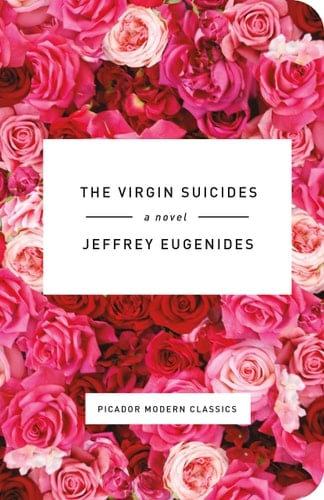
The Virgin Suicides
Jeffrey Eugenides
"These pocket-sized titles are stunning....They make the perfect stocking stuffers!" - Metro<br/><br/>"Bought together or separately, these fiction titles are ideal stocking stuffers for the literature lover." - USA Today<br/><br/>The national bestseller from Jeffrey Eugenides, the Pulitzer Prize-winning author of Middlesex and The Marriage Plot. Adapted into a critically acclaimed film by Sofia Coppola, The Virgin Suicides is a modern classic, a lyrical and timeless tale of sex and suicide that transforms and mythologizes suburban middle-American life.<br/><br/>First published in 1993, The Virgin Suicides announced the arrival of a major new American novelist. In a quiet suburb of Detroit, the five Lisbon sisters--beautiful, eccentric, and obsessively watched by the neighborhood boys--commit suicide one by one over the course of a single year. As the boys observe them from afar, transfixed, they piece together the mystery of the family's fatal melancholy, in this hypnotic and unforgettable novel of adolescent love, disquiet, and death. Jeffrey Eugenides evokes the emotions of youth with haunting sensitivity and dark humor and creates a coming-of-age story unlike any of our time.<br/><br/>For more than twenty years, Picador has been producing beautifully packaged literary fiction and nonfiction books from Manhattan's Flatiron Building. Our Twentieth Anniversary Modern Classics line pairs iconic books - The Virgin Suicides by Jeffrey Eugenides, Steppenwolf by Herman Hesse, Jesus' Son by Denis Johnson, and Housekeeping by Marilynne Robinson - with a design that's both small enough to fit in your pocket and unique enough to stand out on your bookshelf.
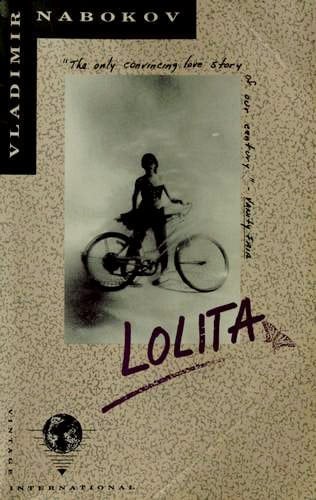
Lolita
Vladimir Nabokov
Awe and exhiliration--along with heartbreak and mordant wit--abound in <b>Lolita</b>, Nabokov's most famous and controversial novel, which tells the story of the aging Humbert Humbert's obsessive, devouring, and doomed passion for the nymphet Dolores Haze. <b>Lolita</b> is also the story of a hypercivilized European colliding with the cheerful barbarism of postwar America. Most of all, it is a meditation on love--love as outrage and hallucination, madness and transformation.

1984
George Orwell
<b>Written more than 70 years ago, <i>1984</i> was George Orwell’s chilling prophecy about the future. And while 1984 has come and gone, his dystopian vision of a government that will do anything to control the narrative is timelier than ever...<br><br><b>• Nominated as one of America’s best-loved novels by PBS’s <i>The Great American Read •</i></b><br></b><br>“<i>The Party told you to reject the evidence of your eyes and ears. It was their final, most essential command.</i>”<br><br>Winston Smith toes the Party line, rewriting history to satisfy the demands of the Ministry of Truth. With each lie he writes, Winston grows to hate the Party that seeks power for its own sake and persecutes those who dare to commit thoughtcrimes. But as he starts to think for himself, Winston can’t escape the fact that Big Brother is always watching...<br><br>A startling and haunting novel, <i>1984</i> creates an imaginary world that is completely convincing from start to finish. No one can deny the novel’s hold on the imaginations of whole generations, or the power of its admonitions—a power that seems to grow, not lessen, with the passage of time.

Cadáver exquisito
Agustina Bazterrica
<b>PREMIO CLARÍN 2017</b><br><br><b>En esta despiadada distopía -tan brutal como sutil, tan alegórica como realista-, Agustina Bazterrica inspira, con el poder explosivo de la ficción, sensaciones y debates de suma actualidad.</b><br><br>La súbita aparición de un virus letal que ataca a los animales modifica de manera irreversible el mundo: desde las fieras hasta las mascotas deben ser sistemáticamente sacrificadas, y su carne ya no puede ser consumida. Los gobiernos enfrentan la situación con una decisión drástica: legalizando la cría, reproducción, matanza y procesamiento de carne humana. El canibalismo es ley y la sociedad ha quedado dividida en dos grupos: los que comen y los que son comidos.<br><br>Marcos Tejo, encargado general del frigorífico Krieg, separado de su esposa y a cargo de su padre, es un oscuro burócrata. El día en que recibe como regalo una mujer criada para el consumo, las tentaciones lo transforman en una conciencia peligrosa de pliegues truculentos que lo llevará a transgredir las nuevas normas hasta límites que la sociedad desconoce.<br><br>¿Qué resto de humanidad cabe cuando los muertos son cremados para evitar su consumo? ¿Quién es el otro si, de verdad, somos lo que comemos?<br><br><b>ENGLISH DESCRIPTION<br><br><b>The electrifying, award-winning, internationally bestselling novel about a dystopian world in which animals have been wiped out, humans are being harvested for food, and society has been divided into those who eat and those who are eaten.</b><br><br></b>Working at the local processing plant, Marcos is in the business of slaughtering humans—though no one calls them that anymore. His wife has left him, his father is sinking into dementia, and Marcos tries not to think about how he makes a living. After all, it happened so quickly. First, it was reported that animals had been infected with a virus and their meat had become poisonous. Then governments initiated the Transition. Now, human meat—“special meat”—is legal. Marcos tries to stick to numbers, consignments, processing.<br><br>Then one day he’s given a gift: a specimen of the finest quality. He leaves her in his barn, tied up, a problem to be disposed of later. But she haunts Marcos. Her trembling body, her watchful, knowing eyes. Though he’s aware that any form of personal contact is forbidden on pain of death, little by little he starts to treat her like a human being. And soon, he becomes tortured by what has been lost—and what might still be saved.<br><br>From Agustina Bazterrica, one of Latin America’s most celebrated and original new voices, <i>Tender Is the Flesh</i> is propulsive and profound, a searing cautionary tale about the cost of consumption and the ties that bind and break us.

School girl
Osamu Dazai

Heaven
Mieko Kawakami
Emma
Austen Jane
Emma Woodhouse, Handsome, Clever, And Rich, With A Comfortable Home And Happy Disposition, Seemed To Unite Some Of The Best Blessings Of Existence; And Had Lived Nearly Twenty-one Years In The World With Very Little To Distress Or Vex Her. (...) The Real Evils, Indeed, Of Emma's Situation Were The Power Of Having Rather Too Much Her Own Way, And A Disposition To Think A Little Too Well Of Herself; These Were The Disadvantages Which Threatened Alloy To Her Many Enjoyments.the Danger, However, Was At Present So Unperceived, That They Did Not By Any Means Rank As Misfortunes With Her.
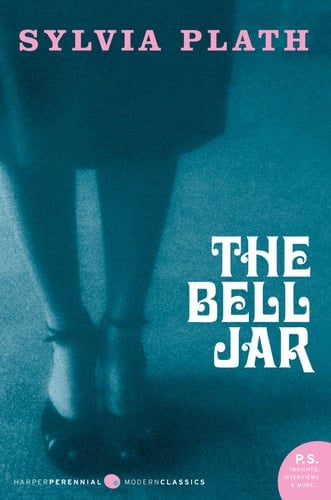
The Bell Jar
Sylvia Plath
<p><i>The Bell Jar</i> chronicles the crack-up of Esther Greenwood: brilliant, beautiful, enormously talented, and successful, but slowly going under -- maybe for the last time. Sylvia Plath masterfully draws the reader into Esther's breakdown with such intensity that Esther's insanity becomes completely real and even rational, as probable and accessible an experience as going to the movies. Such deep penetration into the dark and harrowing corners of the psyche is an extraordinary accomplishment and has made <i>The Bell Jar</i> a haunting American classic.</p> <p>This P.S. edition features an extra 16 pages of insights into the book, including author interviews, recommended reading, and more.</p>