books mentioned in "the perks of being a wallflower"

Items in this hypelist
Books
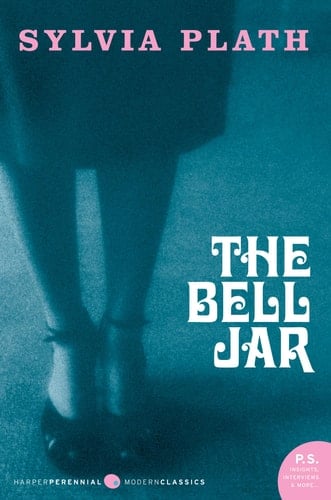
The Bell Jar
Sylvia Plath • 2005
<p><i>The Bell Jar</i> chronicles the crack-up of Esther Greenwood: brilliant, beautiful, enormously talented, and successful, but slowly going under -- maybe for the last time. Sylvia Plath masterfully draws the reader into Esther's breakdown with such intensity that Esther's insanity becomes completely real and even rational, as probable and accessible an experience as going to the movies. Such deep penetration into the dark and harrowing corners of the psyche is an extraordinary accomplishment and has made <i>The Bell Jar</i> a haunting American classic.</p> <p>This P.S. edition features an extra 16 pages of insights into the book, including author interviews, recommended reading, and more.</p>
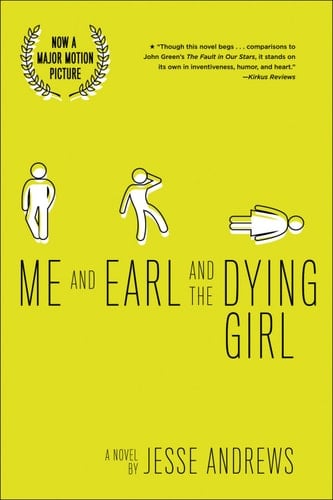
Me and Earl and the Dying Girl
Jesse Andrews • 2012
The New York Times bestseller that inspired the Sundance Grand Jury Prize-winning film. The funniest book you’ll ever read about death. It is a universally acknowledged truth that high school sucks. But on the first day of his senior year, Greg Gaines thinks he’s figured it out. The answer to the basic existential question: How is it possible to exist in a place that sucks so bad? His strategy: remain at the periphery at all times. Keep an insanely low profile. Make mediocre films with the one person who is even sort of his friend, Earl. This plan works for exactly eight hours. Then Greg’s mom forces him to become friends with a girl who has cancer. This brings about the destruction of Greg’s entire life. “Mr. Andrews’ often hilarious teen dialogue is utterly convincing, and his characters are compelling. Greg’s random sense of humor, terrible self-esteem and general lack of self-awareness all ring true. Like many YA authors, Mr. Andrews blends humor and pathos with true skill, but he steers clear of tricky resolutions and overt life lessons, favoring incremental understanding and growth.” —Pittsburgh Post-Gazette “One need only look at the chapter titles (‘Let’s Just Get This Embarrassing Chapter Out of the Way’) to know that this is one funny book.” —Booklist (starred review) “Though this novel begs inevitable thematic comparisons to John Green’s The Fault in Our Stars, it stands on its own in inventiveness, humor and heart.” —Kirkus Reviews (starred review)

Walden
Henry David Thoreau • 2016
Walden (also known as Life in the Woods) by Henry David Thoreau is one of the best-known non-fiction books written by an American. Published in 1854, it details Thoreau's life for two years and two months in second-growth forest around the shores of Walden Pond, not far from his friends and family in Concord, Massachusetts. Walden was written so that the stay appears to be a year, with expressed seasonal divisions. Thoreau called it an experiment in simple living. Walden is neither a novel nor a true autobiography, but a social critique of the Western World, with each chapter heralding some aspect of humanity that needed to be either renounced or praised. The work is part personal declaration of independence, social experiment, voyage of spiritual discovery, and manual for self reliance.

The Stranger
Albert Camus • 1989
With the intrigue of a psychological thriller, The Stranger—Camus's masterpiece—gives us the story of an ordinary man unwittingly drawn into a senseless murder on an Algerian beach. With an Introduction by Peter Dunwoodie; translated by Matthew Ward.<br/><br/>Behind the subterfuge, Camus explores what he termed "the nakedness of man faced with the absurd" and describes the condition of reckless alienation and spiritual exhaustion that characterized so much of twentieth-century life.<br/><br/>“The Stranger is a strikingly modern text and Matthew Ward’s translation will enable readers to appreciate why Camus’s stoical anti-hero and devious narrator remains one of the key expressions of a postwar Western malaise, and one of the cleverest exponents of a literature of ambiguity.” —from the Introduction by Peter Dunwoodie<br/><br/>First published in 1946; now in translation by Matthew Ward.
Hamlet
William Shakespeare • 2012
Hamlet is Shakespeare's most popular, and most puzzling, play. It follows the form of a "revenge tragedy," in which the hero, Hamlet, seeks vengeance against his father's murderer, his uncle Claudius, now the king of Denmark. Much of its fascination, however, lies in its uncertainties.<br/><br/>Among them: What is the Ghost--Hamlet's father demanding justice, a tempting demon, an angelic messenger? Does Hamlet go mad, or merely pretend to? Once he is sure that Claudius is a murderer, why does he not act? Was his mother, Gertrude, unfaithful to her husband or complicit in his murder?<br/><br/>The authoritative edition of Hamlet from The Folger Shakespeare Library, the trusted and widely used Shakespeare series for students and general readers, includes:<br/><br/>-Freshly edited text based on the best early printed version of the play<br/>-Newly revised explanatory notes conveniently placed on pages facing the text of the play<br/>-Scene-by-scene plot summaries<br/>-A key to the play's famous lines and phrases<br/>-An introduction to reading Shakespeare's language<br/>-An essay by a leading Shakespeare scholar providing a modern perspective on the play<br/>-Fresh images from the Folger Shakespeare Library's vast holdings of rare books<br/>-An up-to-date annotated guide to further reading<br/><br/>Essay by Michael Neill
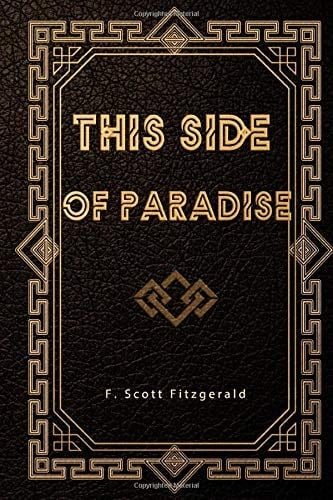
This Side of Paradise
F. Scott Fitzgerald • 2019
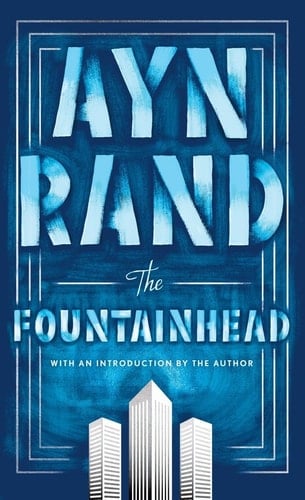
The Fountainhead
Ayn Rand • 1996
The revolutionary literary vision that sowed the seeds of Objectivism, Ayn Rand's groundbreaking philosophy, and brought her immediate worldwide acclaim.<br/><br/>This modern classic is the story of intransigent young architect Howard Roark, whose integrity was as unyielding as granite...of Dominique Francon, the exquisitely beautiful woman who loved Roark passionately, but married his worst enemy...and of the fanatic denunciation unleashed by an enraged society against a great creator. As fresh today as it was then, Rand’s provocative novel presents one of the most challenging ideas in all of fiction—that man’s ego is the fountainhead of human progress...<br/><br/>“A writer of great power. She has a subtle and ingenious mind and the capacity of writing brilliantly, beautifully, bitterly...This is the only novel of ideas written by an American woman that I can recall.”—The New York Times
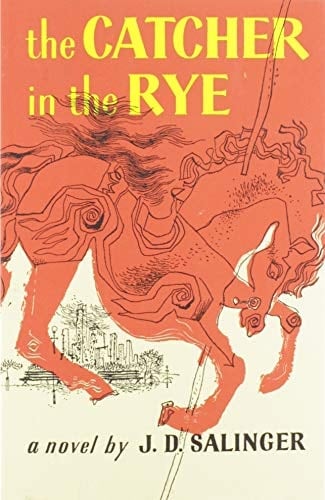
The Catcher in the Rye
J. D. Salinger • 2001
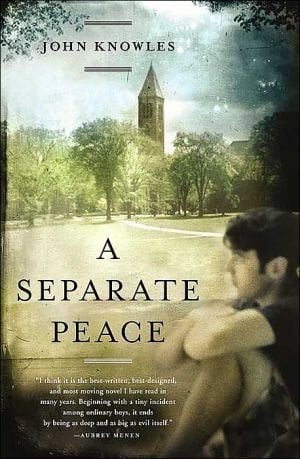
A Separate Peace
John Knowles • 2003

On the Road
Jack Kerouac • 2008

Peter Pan
J. M. Barrie • 2009
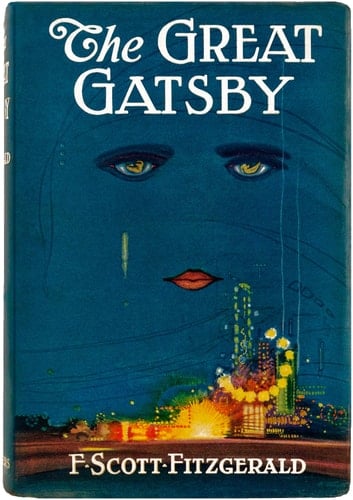
The Great Gatsby
F. Scott Fitzgerald • 2003
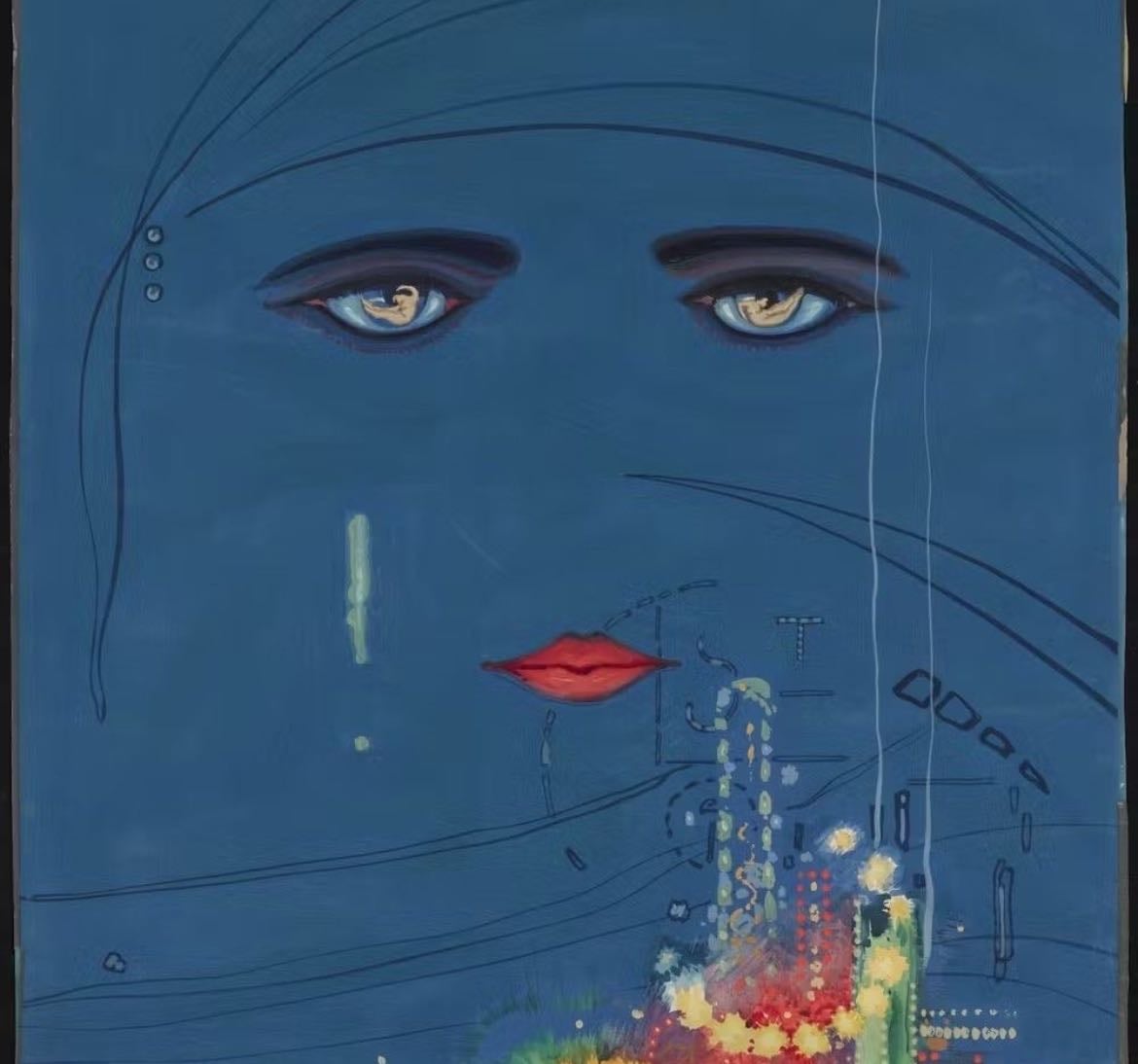
<b><b>The only edition of the beloved classic that is authorized by Fitzgerald’s family and from his lifelong publisher. </b></b><br><br>This edition is the enduring original text, updated with the author’s own revisions, a foreword by his granddaughter, and with a new introduction by National Book Award winner Jesmyn Ward.<br> <br><i>The Great Gatsby</i>, F. Scott Fitzgerald’s third book, stands as the supreme achievement of his career. First published by Scribner in 1925, this quintessential novel of the Jazz Age has been acclaimed by generations of readers. The story of the mysteriously wealthy Jay Gatsby and his love for the beautiful Daisy Buchanan is an exquisitely crafted tale of America in the 1920s.

Naked Lunch
William S. Burroughs • 1995
Since its original publication in Paris in 1959, Naked Lunch has become one of the most important novels of the 20th century. Exerting its influence on the work of authors like Thomas Pynchon, J. G. Ballard, and William Gibson, on the relationship of art and obscenity, and on the shape of music, film, and media generally, it is one of the books that redefined not just literature but American culture. Now, nearly forty years after the book's first U.S. appearance, Burroughs scholar Barry Miles and Burroughs's longtime editor James Grauerholz have given us an edition of the book which includes many editorial corrections to errors present in the existing text, and incorporates Burroughs's notes on the text, several essays he wrote over the years about the book, and, most excitingly, an appendix of twenty percent new material and alternate drafts from the original manuscript, which predates the edition eventually was published by Olympia Press in Paris. For the Burroughs enthusiast and the neophyte, this volume is a valuable and fresh experience of perhaps his most enduring artistic legacy.
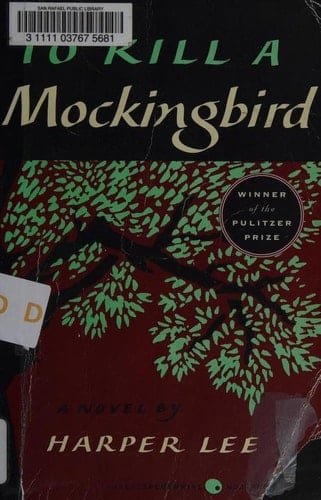
To Kill a Mockingbird
Harper Lee • 2002
Voted America's Best-Loved Novel in PBS's The Great American Read<br/>Harper Lee's Pulitzer Prize-winning masterwork of honor and injustice in the deep South—and the heroism of one man in the face of blind and violent hatred<br/>One of the most cherished stories of all time, To Kill a Mockingbird has been translated into more than forty languages, sold more than forty million copies worldwide, served as the basis for an enormously popular motion picture, and was voted one of the best novels of the twentieth century by librarians across the country. A gripping, heart-wrenching, and wholly remarkable tale of coming-of-age in a South poisoned by virulent prejudice, it views a world of great beauty and savage inequities through the eyes of a young girl, as her father—a crusading local lawyer—risks everything to defend a black man unjustly accused of a terrible crime.