botany
Items in this hypelist
Books
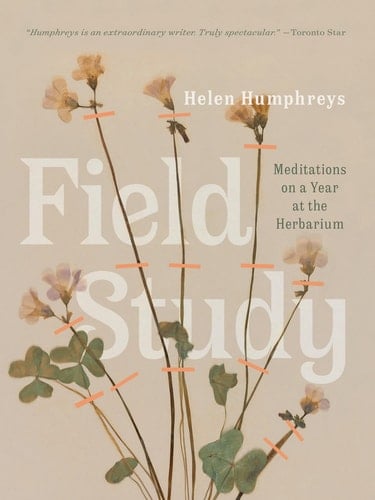
Field Study Meditations on a Year at the Herbarium
Helen Humphreys · 2021
<b>“[A] delightful mix of memoir and field study.” — <i>Publishers Weekly</i> STARRED review</b><br> <br><b>Award-winning and beloved author Helen Humphreys discovers her local herbarium and realizes we need to look for beauty in whatever nature we have left — no matter how diminished</b><br> <br>Award-winning poet and novelist Helen Humphreys returns to her series of nature meditations in this gorgeously written and illustrated book that takes a deep look at the forgotten world of herbariums and the people who amassed collections of plant specimens in the 19th and 20th centuries. From Emily Dickinson’s and Henry David Thoreau’s collections to the amateur naturalists whose names are forgotten but whose collections still grace our world, herbariums are the records of the often-humble plants that are still with us and those that are lost. Over the course of a year, Humphreys considers life and loss and the importance of finding solace in nature.<br> <br>Illustrated throughout with images of herbarium specimens, Humphreys’s own botanical drawings, and archival photographs, this will be the perfect gift for Humphreys’s many fans, nature enthusiasts, and for all who loved <i>Birds Art Life</i>.
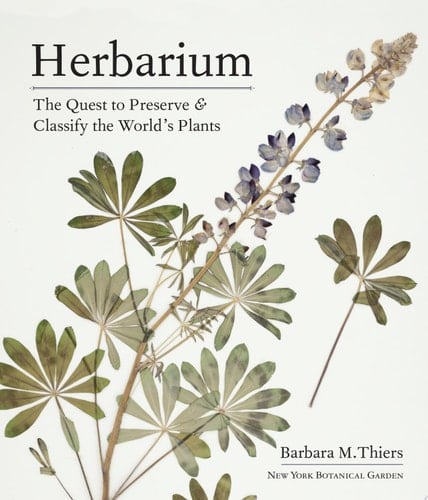
Herbarium The Quest to Preserve and Classify the World's Plants
Barbara M. Thiers · 2020
<p><b>“A sweeping history of the origins, development, and future of herbaria and their role in plant consternation.” <i>—The American Gardener</i></b><br><br> Since the 1500s, scientists have documented the plants and fungi that grew around them, organizing the specimens into collections. Known as herbaria, these archives helped give rise to botany as its own scientific endeavor.<br><br><i>Herbarium</i> is a fascinating enquiry into this unique field of plant biology, exploring how herbaria emerged and have changed over time, who promoted and contributed to them, and why they remain such an important source of data for their new role: understanding how the world’s flora is changing. Barbara Thiers, director of the William and Lynda Steere Herbarium at the New York Botanical Garden, also explains how recent innovations that allow us to see things at both the molecular level and on a global scale can be applied to herbaria specimens, helping us address some of the most critical problems facing the world today.</p>

The Herbarium Handbook Sharing Best Practice from Across the Globe
Nina M. J. Davies · 2023
<b>A new edition of an essential resource for all botanists, herbarium managers, and technicians involved with the making and maintenance of herbarium collections.</b><br> <br> <br> <br> <i>The Herbarium Handbook</i> has been an important reference for herbarium collections care and management since it was first published in 1989. Based on standard herbarium practices and personal experience from experts at the Royal Botanic Gardens, Kew, the book also draws on examples from partners and collaborators around the world, making it accessible and adaptable for all herbarium practitioners. The book covers everything from creating herbarium collections to preparing and caring for specimens, managing a herbarium building, and public engagement and outreach. It is the essential reference for anyone working in this field.<br> <br>
Atlas of Botany: An Exploration of Plants Across Time and Around the World
2026

The Plant Thieves Secrets of the Herbarium
Prudence Gibson · 2023
<p>The Plant Thieves reveals remarkable stories from the National Herbarium of New South Wales - its people, its archives and its most guarded specimens.</p><p><br></p><p>Who gets to collect plants, name them, propagate them, extract their chemicals, sell them and use them? Whose knowledge is it? And what can the people that work with plants, just outside the law, teach us about plant care?</p><p>In The Plant Thieves, Prudence Gibson explores the secrets of the National Herbarium of New South Wales and unearths remarkable stories of plant naming wars, rediscovered lost species, First Nations agriculture, illegal drug labs and psychoactive plant knowledge.</p><p>Gibson reveals the tale of the anti-inflammatory plant that saved a herbarium manager when she was collecting in the highlands of Papua New Guinea, stories about the secret wollemi pine plantation (from one of its botanical guardians) and the truth about a beach daisy that has changed so much in 100 years that it needs to be completely reclassified. She also follows the story of the black bean Songline, a recent collaboration between Indigenous and non-Indigenous researchers, to find the route of this important agriculture plant.</p><p>The Plant Thieves is both a lament for lost and disappearing species and a celebration of being human, of wanting to collect things and of learning more about plant life and ourselves.</p><p>'A real treat. I found myself intrigued, amused, surprised, occasionally infuriated, but always engaged and provoked. A must read for anyone interested in plants and plant collecting (or is it thieving...).' - Tim Entwisle</p><p>'This reads like a Michael Pollan book with a feminine touch! Prue tells the hidden and too-often silenced stories of our past and present relationships with plants, inspiring hope for the future. Highly recommended.' - Monica Gagliano</p><p>'This book will take you on an adventurous read through the lives of plants and their people...personal and surprising, reflecting the writer's deep curiosity and love for plants.' - Janet Laurence</p><p>'Very rarely do herbaria come alive and tell stories with so much vividness as in this book by Prue Gibson. Through her sensitive writing and attentive engagement with plants, we encounter them face-to-face, face-to-surface, surface-to-surface.' - Michael Marder</p><p>'Wonderful stories that bring to life fraught histories within the colonial herbarium. A journey that creates fascinating human and plant connection.' - Caroline Rothwell</p><p>'Gibson threads the personal through the botanical in this stunning book about ecology, humanity and the future of our world.' - Anna Westbrook</p>