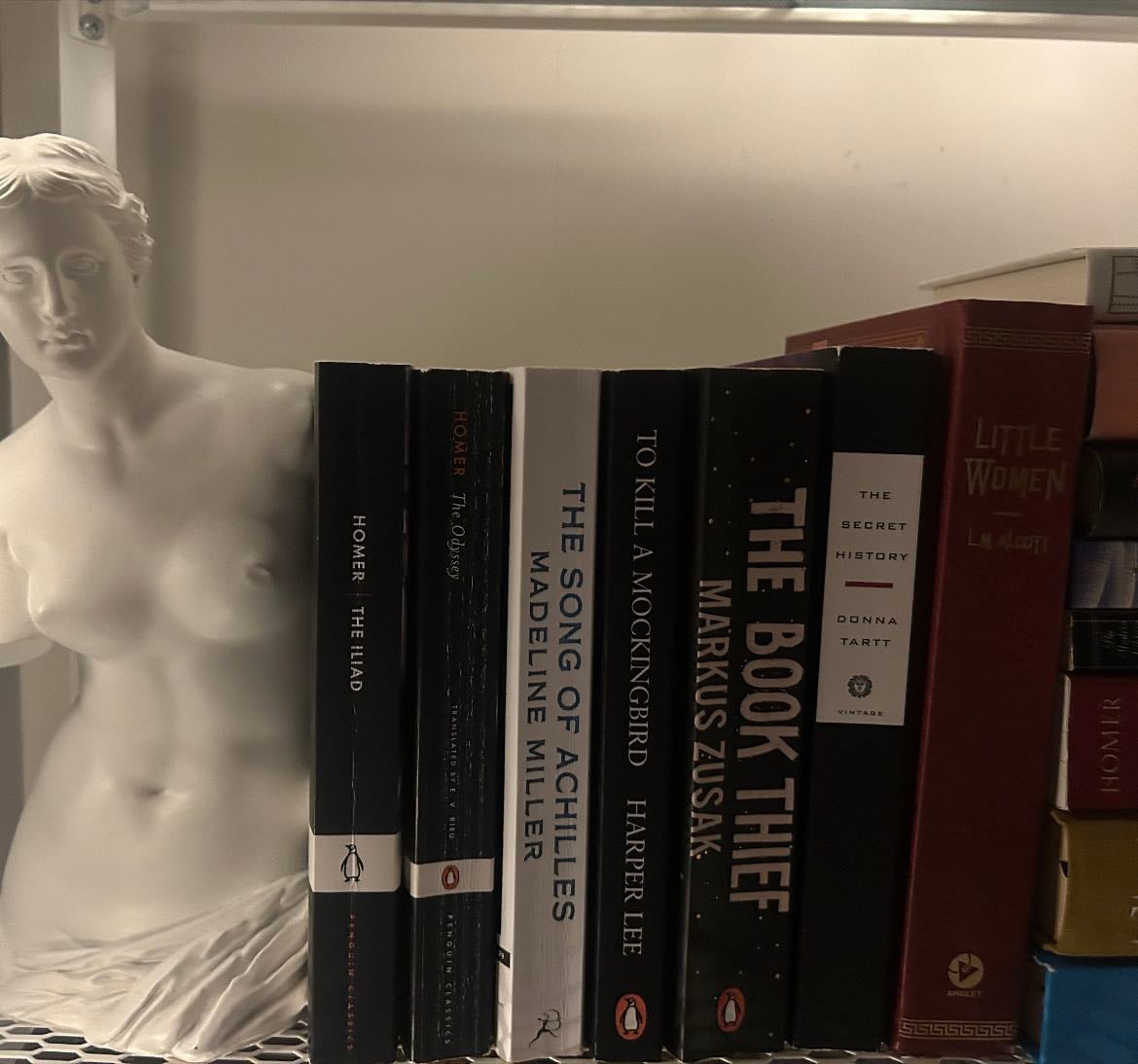
classics I’ve read

Items in this hypelist
Books

Wuthering Heights
Emily Bronte · 2002
<b>Coming soon to the big screen is Emerald Fennell’s feature film “<i>Wuthering Heights</i>,” which captures the spirit of this epic love story and stars Margot Robbie and Jacob Elordi as Catherine and Heathcliff.<br></b><br>Emily Brontë's only novel endures as a work of tremendous and far-reaching influence. The Penguin Classics edition is the definitive version of the text, edited with an introduction by Pauline Nestor.<br><br>Lockwood, the new tenant of Thrushcross Grange, situated on the bleak Yorkshire moors, is forced to seek shelter one night at Wuthering Heights, the home of his landlord. There he discovers the history of the tempestuous events that took place years before. What unfolds is the tale of the intense love between the gypsy foundling Heathcliff and Catherine Earnshaw. Catherine, forced to choose between passionate, tortured Heathcliff and gentle, well-bred Edgar Linton, surrendered to the expectations of her class. As Heathcliff's bitterness and vengeance at his betrayal is visited upon the next generation, their innocent heirs must struggle to escape the legacy of the past. <br><br>In this edition, a new preface by Lucasta Miller, author of <i>The Brontë Myth</i>, looks at the ways in which the novel has been interpreted, from Charlotte Brontë onwards. This complements Pauline Nestor's introduction, which discusses changing critical receptions of the novel, as well as Emily Brontë's influences and background.
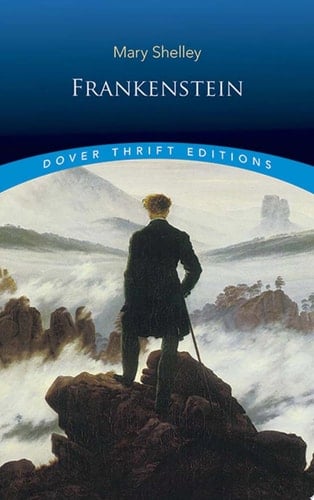
Frankenstein
Mary Shelley · 1818

Othello
William Shakespeare · 1609ish

Bridge to Terabithia
Katherine Paterson · 1977

The Handmaids Tale
Margaret Atwood · 1985

The Picture of Dorian Gray
Oscar Wilde · 1891

Where the Red Fern Grows
Wilson Rawls · 1961

The Scarlet Letter
Nathaniel Hawthorne · 1850
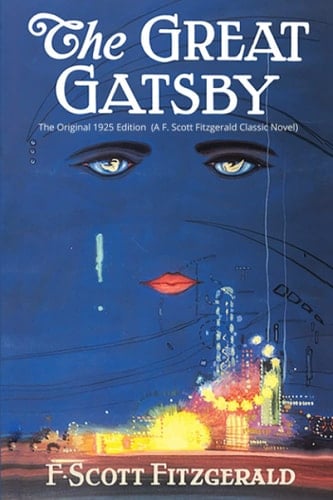
The Great Gatsby
F. Scott Fitzgerald · 1925
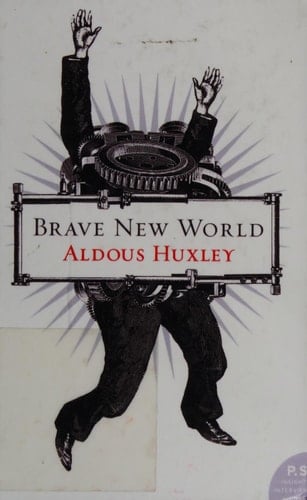
Brave New World
Aldous Huxley · 1931
Now more than ever: Aldous Huxley's enduring masterwork must be read and understood by anyone concerned with preserving the human spirit<br/>"A masterpiece. ... One of the most prophetic dystopian works." —Wall Street Journal<br/>Aldous Huxley's profoundly important classic of world literature, Brave New World is a searching vision of an unequal, technologically-advanced future where humans are genetically bred, socially indoctrinated, and pharmaceutically anesthetized to passively uphold an authoritarian ruling order–all at the cost of our freedom, full humanity, and perhaps also our souls. “A genius [who] who spent his life decrying the onward march of the Machine” (The New Yorker), Huxley was a man of incomparable talents: equally an artist, a spiritual seeker, and one of history’s keenest observers of human nature and civilization. Brave New World, his masterpiece, has enthralled and terrified millions of readers, and retains its urgent relevance to this day as both a warning to be heeded as we head into tomorrow and as thought-provoking, satisfying work of literature. Written in the shadow of the rise of fascism during the 1930s, Brave New World likewise speaks to a 21st-century world dominated by mass-entertainment, technology, medicine and pharmaceuticals, the arts of persuasion, and the hidden influence of elites.<br/>"Aldous Huxley is the greatest 20th century writer in English." —Chicago Tribune

The Adventures of Huckleberry Finn
Mark Twain · 1884
classic Tom Sawyer books
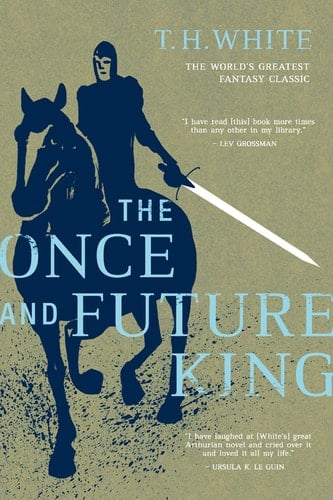
The Once and Future King
T. H. White · 1958

Jane Eyre
Charlotte Brontë · 1847
Charlotte Brontë characterized the eponymous heroine of her 1847 novel as being "as poor and plain as myself." Presenting a heroine with neither great beauty nor entrancing charm was an unprecendented maneuver, but Brontë's instincts proved correct, for readers of her era and ever after have taken Jane Eyre into their hearts. The author drew upon her own experience to depict Jane's struggles at Lowood, an oppressive boarding school, and her troubled career as a governess. Unlike Jane, Brontë had the advantage of a warm family circle that shared and encouraged her literary pursuits. She found immediate success with this saga of an orphan girl forced to make her way alone in the world, from Lowood School to Thornfield, the estate of the majestically moody Mr. Rochester, and beyond. A selection of the Common Core State Standards Initiative.

Animal Farm
George Orwell · 1945

Julius Caesar (No Fear Shakespeare)
SparkNotes · 1599ish
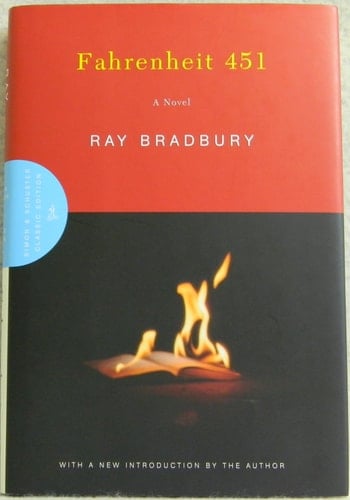
Fahrenheit 451
Ray Bradbury · 1953
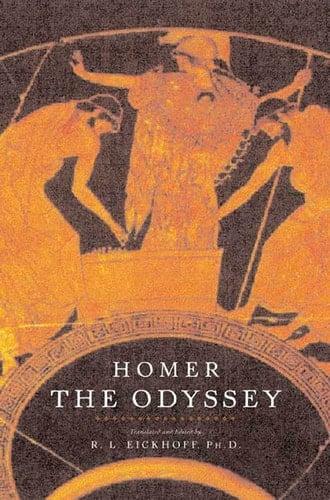
The Odyssey
Homer · 6th~9th century BC

Romeo and Juliet (No Fear Shakespeare)
William Shakespeare · 1597ish

The Outsiders
S. E. Hinton · 1967
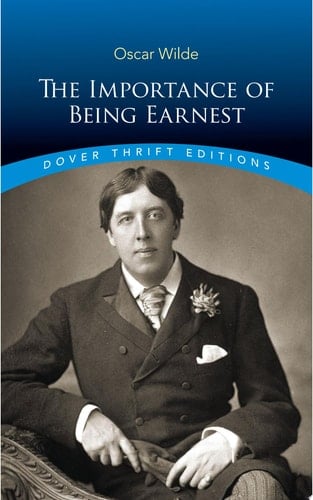
The Importance of Being Earnest
Oscar Wilde · 1990