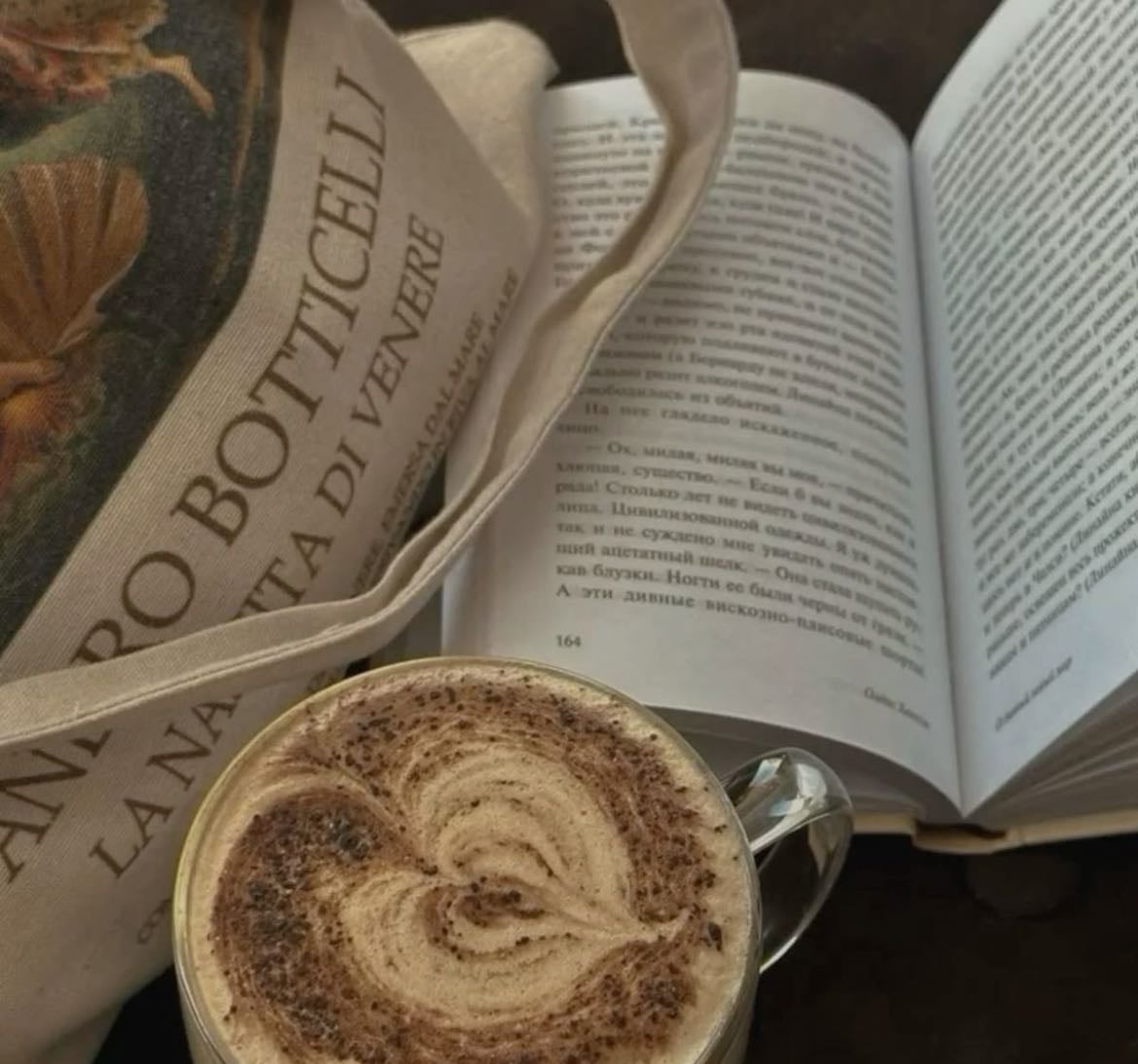
fall reading list

my tbr list for this fall
Items in this hypelist
Books

Notes of a Native Son
James Baldwin · 1955

Flowers for Algernon
Daniel Keyes · 1959
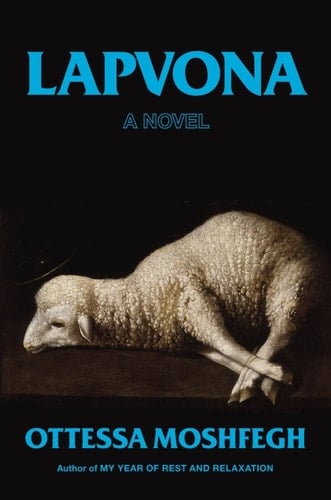
Lapvona
Ottessa Moshfegh · 2022

The Picture of Dorian Gray
Oscar Wilde · 1890
“The books that the world calls immoral are books that show the world its own shame.” ― Oscar Wilde, The Picture of Dorian Gray<br/><br/>The Picture of Dorian Gray is a 1891 gothic and philosophical novel by Irish writer and playwright Oscar Wilde. First published as a serial story in the July 1890 issue of Lippincott's Monthly Magazine, the editors feared the story was indecent, and without Wilde's knowledge, deleted five hundred words before publication.<br/><br/>Despite that censorship, The Picture of Dorian Gray offended the moral sensibilities of British book reviewers, some of whom said that Oscar Wilde merited prosecution for violating the laws guarding the public morality. In response, Wilde aggressively defended his novel and art in correspondence with the British press.<br/><br/>Wilde revised and expanded the magazine edition of The Picture of Dorian Gray (1890) for publication as a novel; the book edition (1891) featured an aphoristic preface — an apologia about the art of the novel and the reader. The content, style and presentation of the preface made it famous in its own literary right, as social and cultural criticism. In April 1891, the editorial house Ward, Lock and Company published the revised version of The Picture of Dorian Gray.<br/><br/>A True Classic that Belongs on Every Bookshelf!

The Secret History
Donna Tartt · 1992
<b><b><b><b>ONE OF <i>TIME MAGAZINE</i>'S 100 BEST MYSTERY AND THRILLER BOOKS OF ALL TIME • </b>INTERNATIONAL BESTSELLER • A contemporary literary classic and "a<b>n accomplished psychological thriller ... absolutely chilling" (<i>Village Voice</i>)</b>, f<b>rom the Pulitzer Prize–winning author of <i>The Goldfinch.<br><br></i></b></b></b>One of <i>The Atlantic</i>’s Great American Novels of the Past 100 Years</b><br><br>Under the influence of a charismatic classics professor, a group of clever, eccentric misfits at a New England college discover a way of thought and life a world away from their banal contemporaries. But their search for the transcendent leads them down a dangerous path, beyond human constructs of morality.<br><br><b>“A remarkably powerful novel [and] a ferociously well-paced entertainment . . . Forceful, cerebral, and impeccably controlled.” —<i>The New York Times</i></b>

Babel
R. F. Kuang · 2022
Instant #1 New York Times Bestseller from the author of The Poppy War “Absolutely phenomenal. One of the most brilliant, razor-sharp books I've had the pleasure of reading that isn't just an alternative fantastical history, but an interrogative one; one that grabs colonial history and the Industrial Revolution, turns it over, and shakes it out.” -- Shannon Chakraborty, bestselling author of The City of Brass From award-winning author R. F. Kuang comes Babel, a thematic response to The Secret History and a tonal retort to Jonathan Strange & Mr. Norrell that grapples with student revolutions, colonial resistance, and the use of language and translation as the dominating tool of the British empire. Traduttore, traditore: An act of translation is always an act of betrayal. 1828. Robin Swift, orphaned by cholera in Canton, is brought to London by the mysterious Professor Lovell. There, he trains for years in Latin, Ancient Greek, and Chinese, all in preparation for the day he’ll enroll in Oxford University’s prestigious Royal Institute of Translation—also known as Babel. Babel is the world's center for translation and, more importantly, magic. Silver working—the art of manifesting the meaning lost in translation using enchanted silver bars—has made the British unparalleled in power, as its knowledge serves the Empire’s quest for colonization. For Robin, Oxford is a utopia dedicated to the pursuit of knowledge. But knowledge obeys power, and as a Chinese boy raised in Britain, Robin realizes serving Babel means betraying his motherland. As his studies progress, Robin finds himself caught between Babel and the shadowy Hermes Society, an organization dedicated to stopping imperial expansion. When Britain pursues an unjust war with China over silver and opium, Robin must decide… Can powerful institutions be changed from within, or does revolution always require violence?
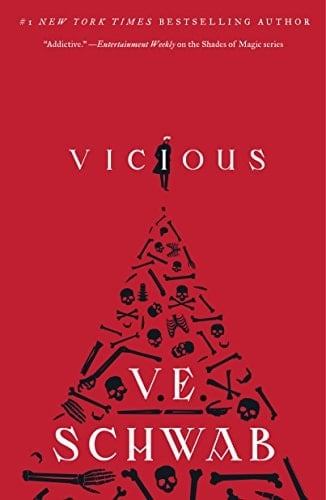
Vicious
V. E. Schwab · 2013

Frankenstein
Mary Shelley · 1818
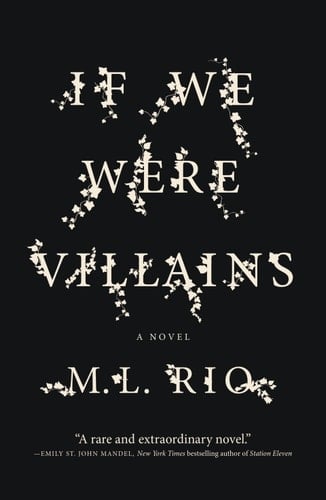
If We Were Villains: A Novel
M. L. Rio · 2017

The Metamorphosis
Franz Kafka · 1915
