formato físico
Items in this hypelist
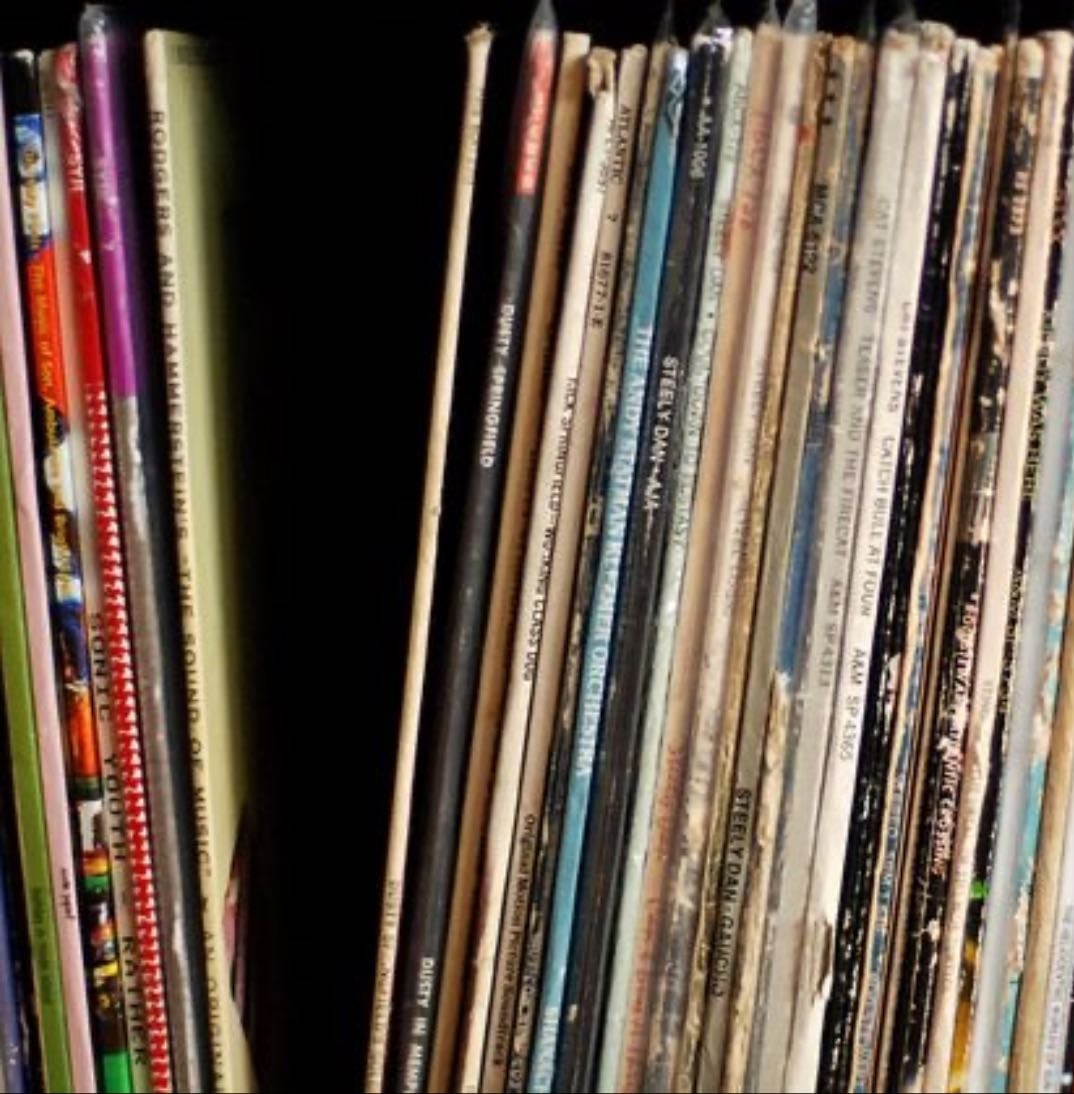
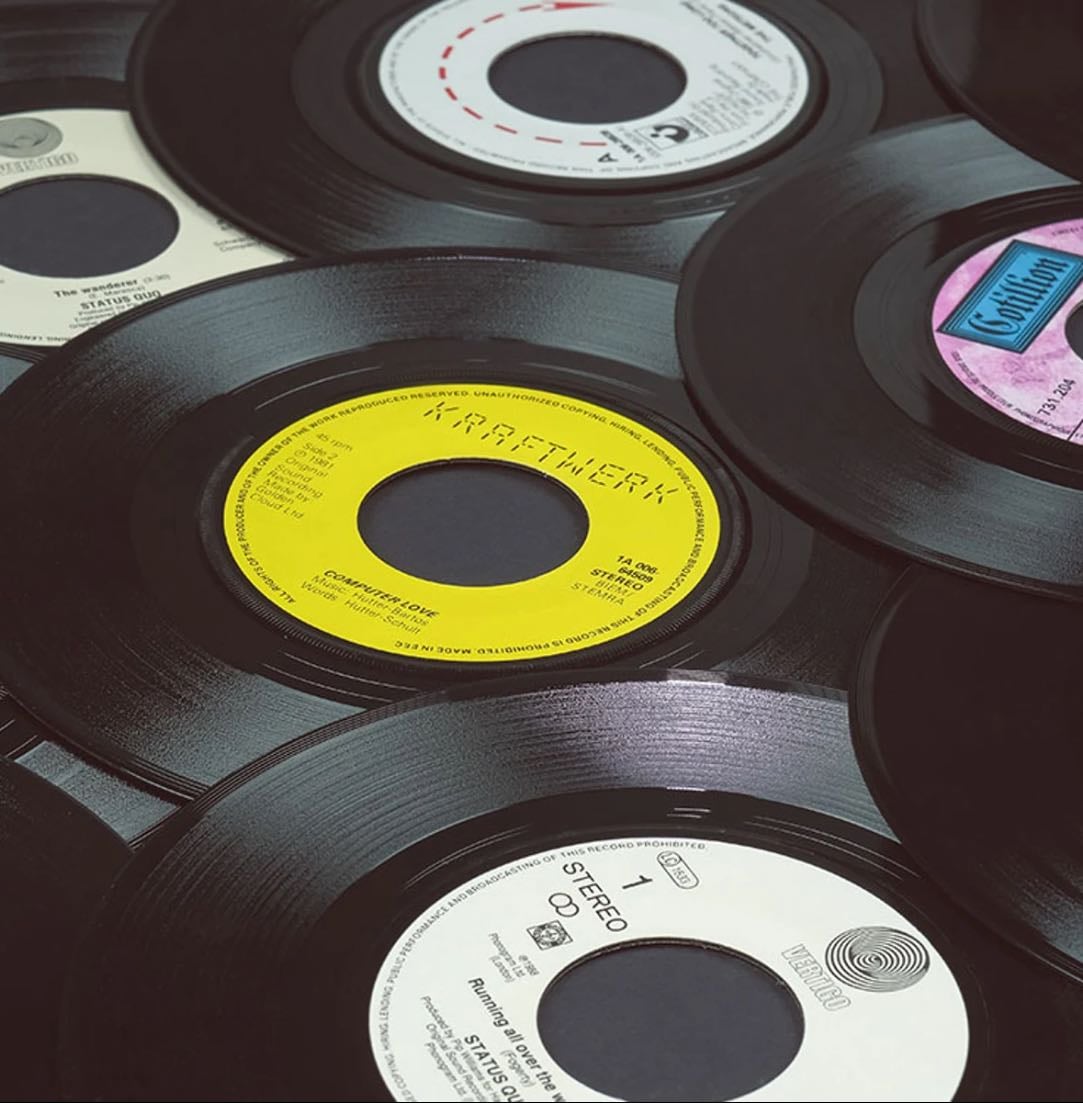
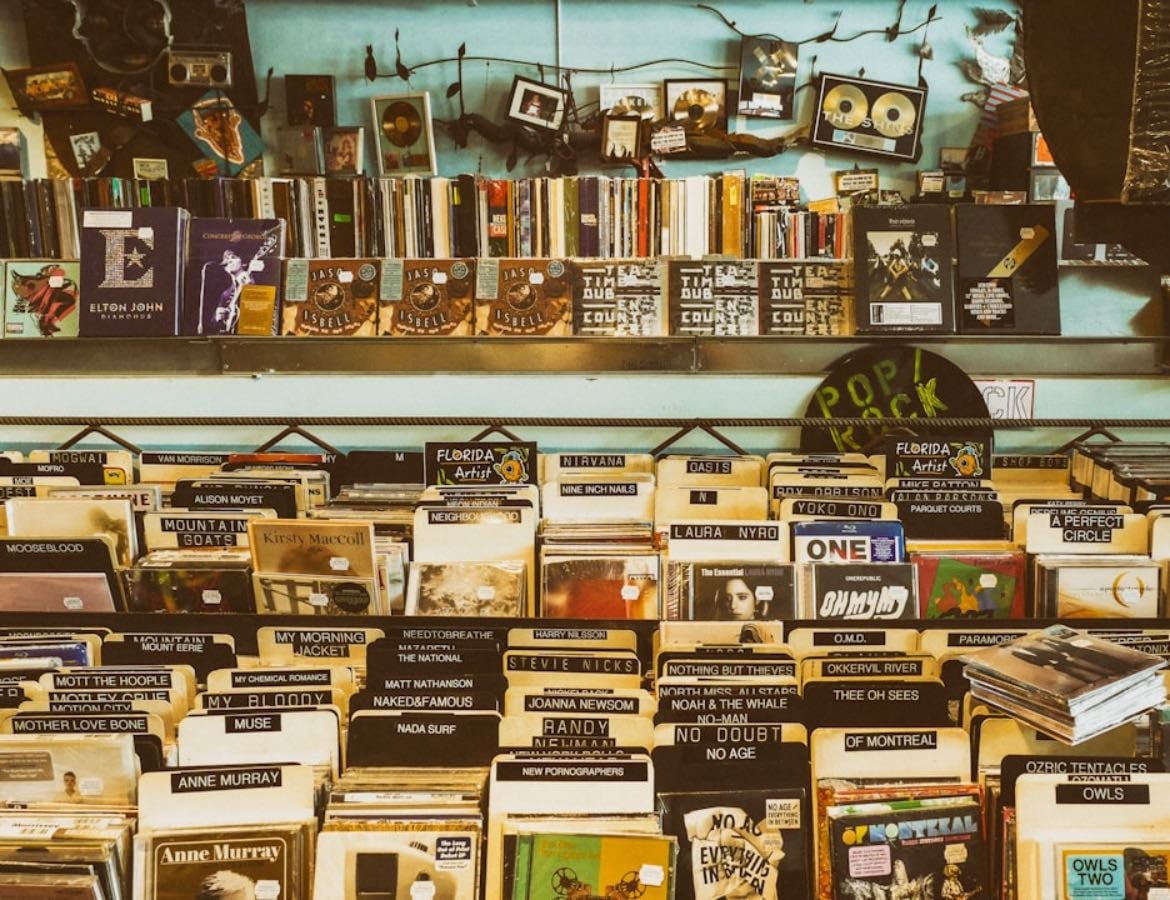
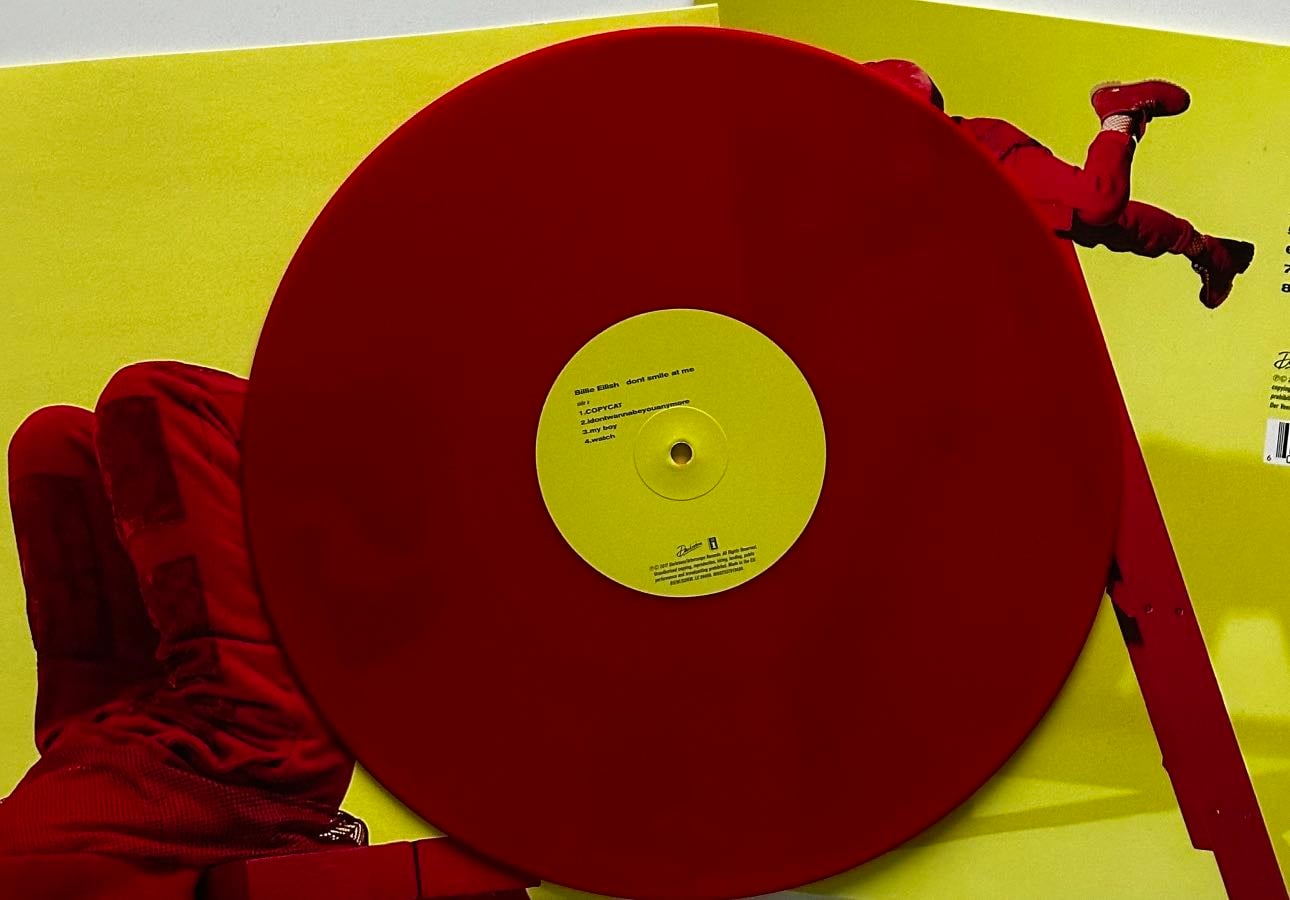
vinilos!!!
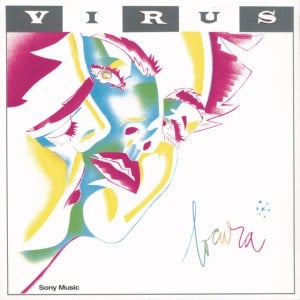
Locura

Parte de la religión
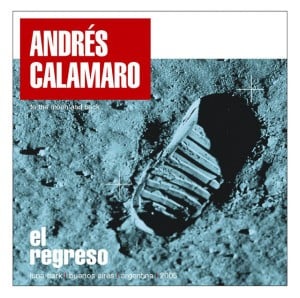
Paloma - En directo 2005
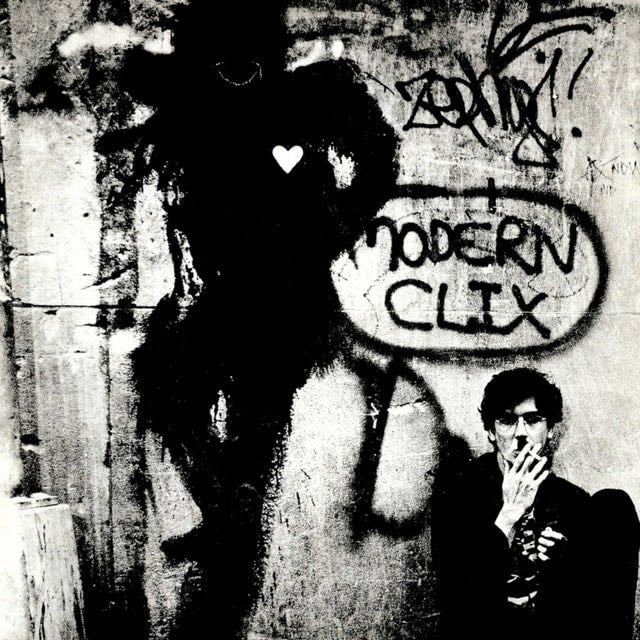
Clics Modernos
Album · Charly García

MTV Unplugged: Comfort y Música para Volar
The typical <i>MTV Unplugged</i> setup involves an all-acoustic concert that's later released as a live album, but Argentine indie darlings Soda Stereo have their own ideas. They leave the synthesizers fully powered up on vibrant live renditions of "Pasos" and "Ángel Eléctrico," adding lush atmosphere to the band's acoustic strings. Meanwhile, enticing tracks like the rocking “Ella Usó Mi Cabeza Como un Revólver” had been recorded in the studio for the album <i>Sueño Stereo</i>, only to find their way onto this unconventional but undeniably awesome release.
ALMA
Album · Nicki Nicole
NO VAYAS A ATENDER CUANDO EL DEMONIO LLAMA
Jet Love
BAR SCORPIOS
Man’s Best Friend
Album · Sabrina Carpenter
GUTS (spilled)
LUX
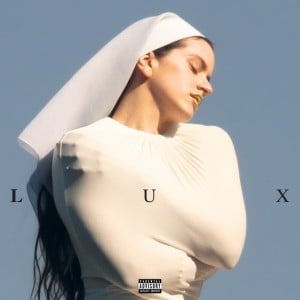
For ROSALÍA, her fourth full-length album <i>LUX</i> only has “little pieces” of her in the lyrics of its songs—and she prefers it that way. “I think the best fiction has this blurry line, the sweet spot between what’s personal and what’s universal, what’s detailed and what’s abstract, what’s implicit and what’s explicit,” the Spanish star tells Apple Music. “It’s both. Because I wrote it, there has to be some sort of truth for me in it. But at the same time, I think it’s much more about the other than about myself.” The “other,” in this case, is a group of saints—Saint Rose of Lima, Anandamayi Ma, Hildegard von Bingen, Sufi mystic Rabia al-Adawiyya, and other martyrs across cultures, centuries, and continents—that ROSALÍA voraciously studied in the wake of her third album, 2022’s <i>MOTOMAMI</i>. Instead of immediately writing about the emotional turmoil she’d weathered in its aftermath—a period that included the end of her engagement to former collaborator Rauw Alejandro—she found the muses of her next project in theology books. After immersing herself in the stories of these women of faith, ROSALÍA blended their experiences, and their tongues, with hers. “Where did they come from? What was the language that would be spoken there?” she says. “There were a lot of women that were extremely interesting to me that were nuns, they were poets. And I was like, ‘Okay, I’m going to read what they actually wrote. I’m going to try to explain these stories.’” Across <i>LUX</i>, ROSALÍA sings in multiple languages—her native Spanish and Catalan, but also Arabic, Japanese, French, Portuguese, Italian, Ukrainian, and German, among others—to invoke these saints while telling stories of flower-strewn funerals, doomed romance, unrequited love, and crises of faith in multiple forms. If 2018’s <i>EL MAL QUERER</i> introduced her singular fusion of flamenco and pop to the world, and <i>MOTOMAMI</i> brought reggaetón into the mix, <i>LUX</i> builds on that work from a high-drama, operatic foundation, one that pairs her lyrical intensity with vocal prowess and orchestral flourish. A cajón and handclaps blend seamlessly with urbano bass, Auto-Tune, and somber strings, often with many or all of these elements weaving throughout the same track (as they do on “De Madrugá”). Her voice soars over each flamenco run with ease (“La Rumba Del Perdón”), only to growl over sinister cello (“Porcelana”), breathlessly trip through a softly strummed waltz (“La Perla”), or reach the rafters of any grand opera house (the exquisite “Reliquia”; her version of an aria, “Mio Cristo Piange Diamanti”; the severe and surreal “Berghain,” which features Björk and Yves Tumor). ROSALÍA worked with the London Symphony Orchestra to give <i>LUX</i> the symphonic heft it deserves, and at times, the gravity of the undertaking felt insurmountable. “I definitely had chills so many times while recording vocals,” she says. “I don’t think I ever cried so much making an album. I don’t think I’ve ever cried so much recording vocals. I think that I didn’t maybe want to go through this before. I was like, ‘I’m not ready.’ I know I had to do an album like this, but I wasn’t ready.” Whether or not she realized it at the time, she was, indeed, ready for <i>LUX</i> and all it entails. It’s the destination she’s been writing towards, uninhibited by instrumentation, devastation, or language. “<i>MOTOMAMI</i> was minimalist,” she says. “This is maximalism.”
CD's
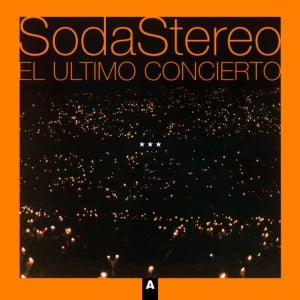
El Ultimo Concierto A
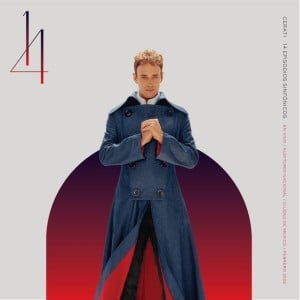
14 Episodios Sinfónicos / En Vivo / Auditorio Nacional de México / Febrero 2002
My Everything
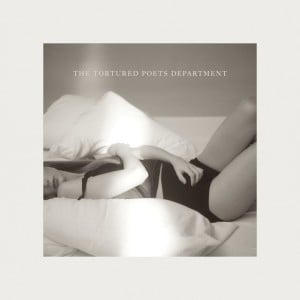
THE TORTURED POETS DEPARTMENT
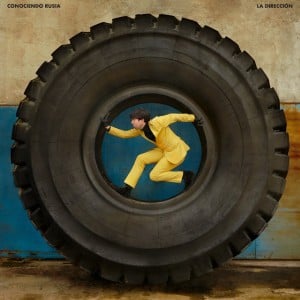
La Dirección
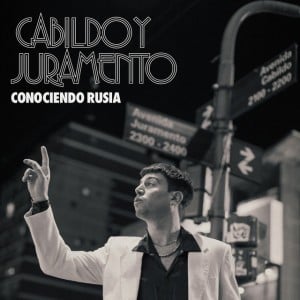
Cabildo y Juramento

Bocanada
Album · Gustavo Cerati

Fuerza Natural
Album · Gustavo Cerati

Canción animal
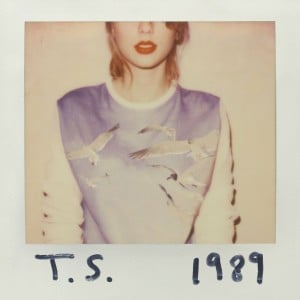
1989
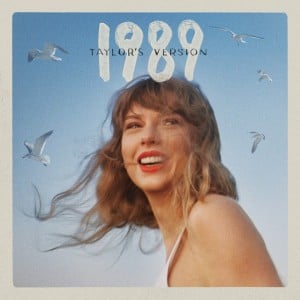
1989 (Taylor's Version)
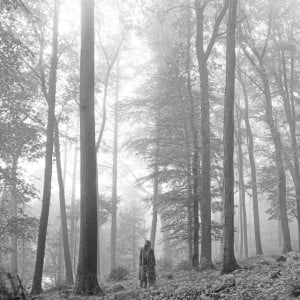
folklore
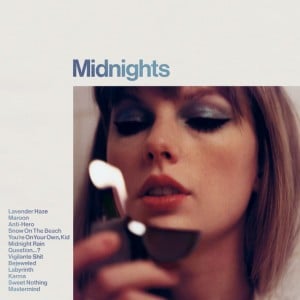
Midnights

evermore (deluxe version)
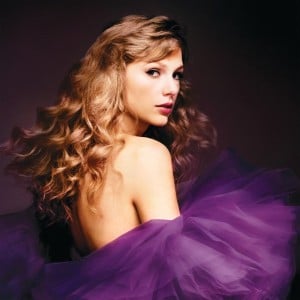
Speak Now (Taylor's Version)
“Real life is a funny thing, you know,” Taylor Swift wrote in the liner notes of 2010’s <i>Speak Now</i>, her third album and the third she’s rerecorded as part of a sweeping effort to regain her master tapes. “There is a time for silence. There is a time for waiting your turn. But if you know how you feel, and you so clearly know what you need to say, you’ll know it.” Swift was in her early twenties when she wrote <i>Speak Now</i>, still finding her voice as an artist and as an adult. But she’s faithful to her originals here—all of them written on her own, on tour, without co-writers—and faithful to a much younger version of herself. She pays tribute to early influences like Fall Out Boy and Paramore’s Hayley Williams, teaming up with them on the reimagined “from the vault” tracks “Electric Touch” and “Castles Crumbling,” respectively. And though she swaps Nashville producer Nathan Chapman for more recent collaborators Jack Antonoff and Aaron Dessner, the arrangements are still warm and clear—minus a coat of varnish or two—with an eye towards the sort of all-encompassing pop she’d inevitably, wholeheartedly embrace. We all know what came next for Swift with 2012’s <i>Red</i>, but, looking back, you can easily see and hear what’s on the horizon in these songs. The grace of <i>Speak Now</i> is in how it makes simple work out of feelings that are anything but. Swift is vulnerable here, but she’s also self-empowered (“Mean”). She’s innocent, but knows when to take responsibility (“Dear John”). She’s wise enough to regret her mistakes (“Back to December”), but not too jaded see the best in people (“Innocent”). Does she want to grow up? Yes, if that means more agency and independence (“Speak Now”). But when you’re all alone in that new apartment, you still might cry—not just for the childhood home you left, but for the knowledge that you can never go back (“Never Grow Up”). The sound is big, but the details are extremely specific—at one point, Swift says her rival thinks she’s crazy because Swift likes to rhyme her name with things (pop-punk blowout “Better Than Revenge”). It’s that balance—the universal and the specific, the accessible and the obscure—that not only sets Swift apart from most contemporary pop songwriters, but makes her a guide for anyone trying to sort out the impossible avalanche of feelings early adulthood brings. Not that you have to be a teenager to resonate with her. If anything, what makes Swift special is her hunch that everyone has had their turn at the heartache she writes about, whether they’re ready to admit it or not. In her liner notes for <i>Fearless</i>, she described the power of believing in Prince Charmings and happily-ever-afters. On <i>Speak Now</i>, most of the Prince Charmings turn out to be duds, and the real happily-ever-after is the wisdom and resilience you find in falling for them anyway.
![SOUR [Explicit]](/_next/image?url=https%3A%2F%2Fassets.hypelist.com%2Fmusic%252F6s84u2TUpR3wdUv4NgKA2j.jpg&w=3840&q=85)
SOUR [Explicit]

Rent
DVD'S

LasChicas SuperPoderosas Z
2006

Mamma Mia! La película
Versión cinematográfica del popular musical de ABBA. Una joven que ha crecido en una pequeña isla griega, ha sido educada por una madre rebelde y poco convencional, que siempre se ha negado a revelarle la identidad de su padre. Cuando, por fin, parece que la joven está a punto de saberlo, aparecen tres posibles candidatos.
Twin Peaks: Os Últimos Dias de Laura Palmer
David Lynch · 1992
Durante a investigação de uma morte, um agente encontra uma importante pista e desaparece. Futuramente, Laura Palmer vive os últimos dias antes de ser assassinada.

El club de los poetas muertos
En un elitista y estricto colegio privado de Nueva Inglaterra, un grupo de alumnos descubrirá la poesía, el significado de "Carpe Diem" -aprovechar el momento- y la importancia de perseguir los sueños, gracias a un excéntrico profesor que despierta sus mentes por medio de métodos poco convencionales.