library

where the misunderstood find his voice books in: esp/eng
Items in this hypelist
Classics

The Lifted Veil, and Brother Jacob
George Eliot
El secreto
Donna Tartt

El cero y el infinito
Arthur Koestler
Bartleby, el escribiente
Herman Melville
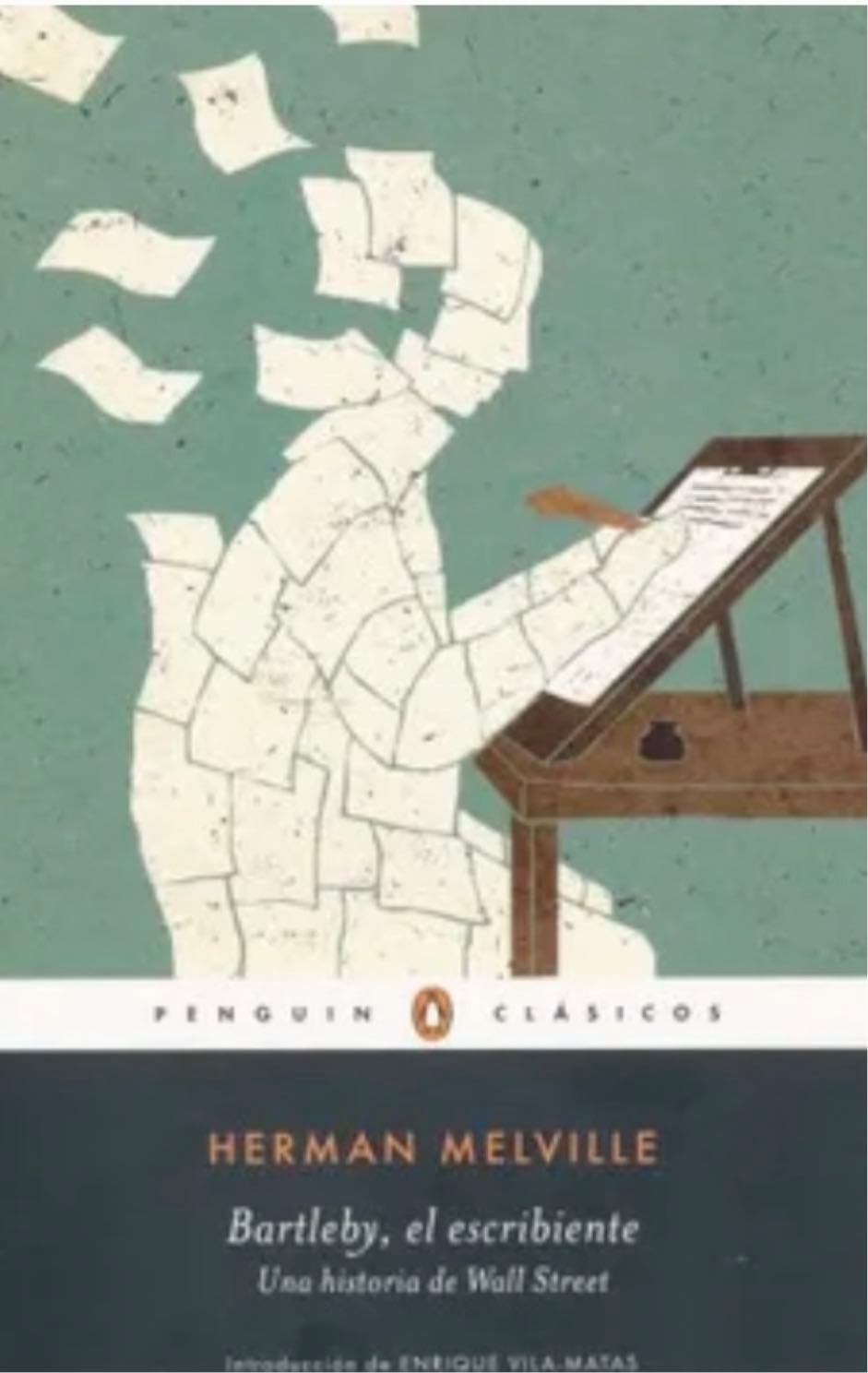
Product Description <br/>Herman Melville (1819-1891) es uno de los más importantes escritores de la literatura estadounidense. En esta obra, pequeña en extensión pero un referente en la literatura universal, crea un personaje anodino, sin experiencias, sin motivaciones, al que nada ni nadie da o resta sentido a su vida cotidiana. Quien narra su historia es nada menos que su jefe, un hombre que verá rota la aparente calma de su vida.<br/> Book Description <br/>Bartebly vive en su oficina, silencioso, aislado y sin pasado...<br/> About the Author <br/>Herman Melville (New York, 1819-1891) es una de las principales figuras de la historia de la literatura. Cuatro años a bordo de un ballenero, en los mares del Sur, le inspiraron un buen número de novelas de aventuras: Typee (1846) y Omoo (1847) se basan en sus vivencias en las islas Marquesas; Redburn (1849) y La guerra blanca (1850) describen las duras y degradantes condiciones de vida en la marina. Su obra maestra, en la que vertió magistralmente todas sus inquietudes y su talento literario, fue Moby Dick (1851).
A Woman of No Importance
Oscar Wilde
1984
George Orwell

El retrato de Dorian Gray
Oscar Wilde

Madame Bovary
Gustave Flaubert

Strange Case Of Dr Jekyll And Mr Hyde And Other Tales
Robert Louis Stevenson
This Dark Psychological Fantasy Is More Than A Moral Tale. It Is Also A Product Of Its Time, Drawing On Contemporary Theories Of Class, Evolution And Criminality And The Secret Lives Behind Victorian Propriety, To Create A Unique Form Of Urban Gothic.
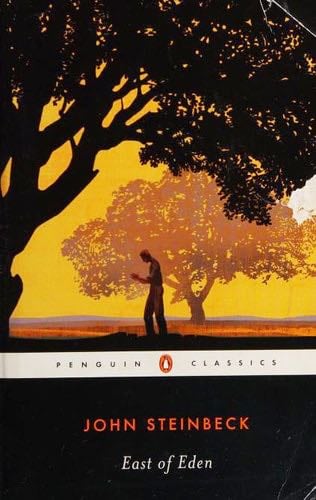
East of Eden
John Steinbeck

Orlando
Virginia Woolf
This biography is Woolf's most light-hearted novel and appears here with the original illustrations. Cross-dressing, sex-changing Orlando begins life as a young noble in the 16th century and moves through numerous historical and geographical worlds to finish as a modern woman writer in the 1920s.
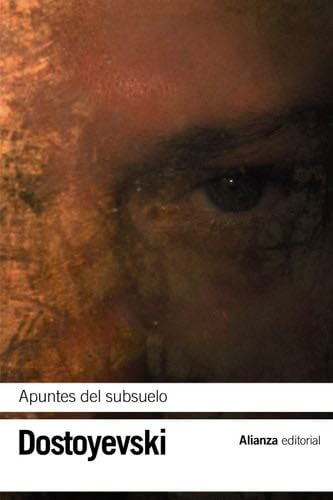
Apuntes del subsuelo
Fyodor Dostoevsky
Los "Apuntes del subsuelo" son una obra singular que reviste especial atractivo para el lector contemporáneo, pues constituye una de las primeras incursiones de la literatura en el dominio del individuo, en esa corriente de la conciencia con la que habría de familiarizarnos tanto el psicoanálisis como la literatura posterior. Fiódor Dostoyevski (1821-1881) realiza así, en estas páginas, y a través del turbio narrador paralizado por el tedio, una vivisección del que empieza a ser el hombre moderno, el individuo que, descendiente del romanticismo y del racionalismo, se rebela contra ellos dispuesto a ejercer su libre albedrío aun cuando tal ejercicio vaya en contra de la razón y de la conveniencia y pueda incluso redundar en perjuicio de su provecho personal. Traducción de Juan López-Morillas

The sorrows of young werther
Johann Wolfgang von Goethe
En Las desventuras del joven Werther (1773), Goethe expone todo el pesimismo de un joven apasionado y sensible ante un amor imposible, y sus trágicas consecuencias. La novela tuvo un éxito inmediato ?de hecho puede considerarse el primer best seller de la historia?, y supuso un punto de inflexión literario y psicológico, dando lugar al Sturm und Drang, movimiento precursor del Romanticismo que rompía con los convencionalismos del Racionalismo imperante y establecía como fuentes de inspiración el sentimiento y la pasión. Esta edición incluye un estudio biográfico del autor por Emil Ludwig.

Los hermanos Karamazov
Fyodor Dostoevsky
Fyodor Dostoyevsky's powerful meditation on faith, meaning and morality, The Brothers Karamazov is translated with an introduction and notes by David McDuff in Penguin Classics.<br/><br/>When brutal landowner Fyodor Karamazov is murdered, the lives of his sons are changed irrevocably: Mitya, the sensualist, whose bitter rivalry with his father immediately places him under suspicion for parricide; Ivan, the intellectual, whose mental tortures drive him to breakdown; the spiritual Alyosha, who tries to heal the family's rifts; and the shadowy figure of their bastard half-brother Smerdyakov. As the ensuing investigation and trial reveal the true identity of the murderer, Dostoyevsky's dark masterpiece evokes a world where the lines between innocence and corruption, good and evil, blur and everyone's faith in humanity is tested.<br/><br/>This powerful translation of The Brothers Karamazov features and introduction highlighting Dostoyevsky's recurrent themes of guilt and salvation, with a new chronology and further reading.<br/><br/>“There is no writer who better demonstrates the contradictions and fluctuations of the creative mind than Dostoyevsky, and nowhere more astonishingly than in The Brothers Karamazov.”—Joyce Carol Oates<br/><br/>“Dostoyevsky was the only psychologist from whom I had anything to learn: he belongs to the happiest windfalls of my life.”—Friedrich Nietzsche<br/><br/>“The most magnificent novel ever written.”—Sigmund Freud
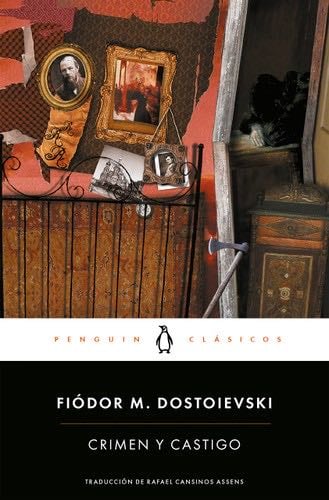
Crimen y castigo
Fyodor Dostoevsky
Nominada por los estadounidenses como una de las 100 mejores novelas en la serie de PBS The Great American Read<br/><br/>Crimen y Castigo fue publicada por Fiódor Dostoyevski en 1866 a través del diario El mensajero ruso, en doce partes que luego conformarían la novela, universalmente reconocida como una de las más influyentes de la literatura rusa. La novela tiene un corte sicológico que llevá al lector a explorar de forma constante los pensamientos del protagonista, el estudiante Raskolnikov, quién a través de sus diálogos con los demás personajes, analiza cada uno de los actos que lo llevarán luego a cumplir una condena en Siberia; crímenes que no son buenos ni malos hasta que se los mira desde la óptica de la sociedad y de los diferentes individuos involucrados. Motivado por el deseo de hacer el bien a su hermana Dunia sus acciones terminan siendo, sin embargo, sangrientas, y solo una muchacha humilde que se convierte en su confidente podrá comprender del todo sus razones.<br/><br/>ENGLISH DESCRIPTION<br/><br/>Nominated as one of America’s best-loved novels by PBS’s The Great American Read<br/><br/>Through the story of the brilliant but conflicted young Raskolnikov and the murder he commits, Fyodor Dostoevsky explores the theme of redemption through suffering. Crime and Punishment put Dostoevsky at the forefront of Russian writers when it appeared in 1866 and is now one of the most famous and influential novels in world literature.<br/><br/>The poverty-stricken Raskolnikov, a talented student, devises a theory about extraordinary men being above the law, since in their brilliance they think "new thoughts" and so contribute to society. He then sets out to prove his theory by murdering a vile, cynical old pawnbroker and her sister. The act brings Raskolnikov into contact with his own buried conscience and with two characters — the deeply religious Sonia, who has endured great suffering, and Porfiry, the intelligent and discerning official who is charged with investigating the murder — both of whom compel Raskolnikov to feel the split in his nature. Dostoevsky provides readers with a suspenseful, penetrating psychological analysis that goes beyond the crime — which in the course of the novel demands drastic punishment — to reveal something about the human condition: The more we intellectualize, the more imprisoned we become.

White Nights
Fyodor Dostoevsky
White Nights is the classic novella by Russian author Fyodor Dostoevsky. It follows the story of a man who is alone and isolated in St. Petersburg. He is desperate for companionship, and when he meets a young woman he believes may be his soulmate, he is filled with hope. Through his conversations with her, he attempts to understand the meaning of love, loneliness and friendship. White Nights is a timeless story of love, longing and human connection. Its beautiful prose and thought-provoking themes have resonated with readers for generations. This edition is based on the 1918 translation by Constance Garnett (1861-1946).<br/><br/>Fyodor Dostoevsky (1821-1881) was a Russian novelist, short story writer, essayist, and philosopher whose psychological depth and insight into the human condition made him one of the most celebrated authors of all time. His works, including Crime and Punishment, The Brothers Karamazov, Notes from the Underground, and The Idiot, have been translated into more than 170 languages and are considered to be some of the greatest works of literature in the world. Dostoevsky explored the depths of human emotions and experience, focusing on themes such as morality, suffering, and redemption. His works are often credited with pioneering existentialism and introducing the theme of nihilism to literature. Dostoevsky was also an influential political thinker, advocating for social justice and challenging the status quo of the time. His writing continues to inspire readers around the world and his legacy lives on as one of the greatest authors of all time.
Philosophy and existentialism
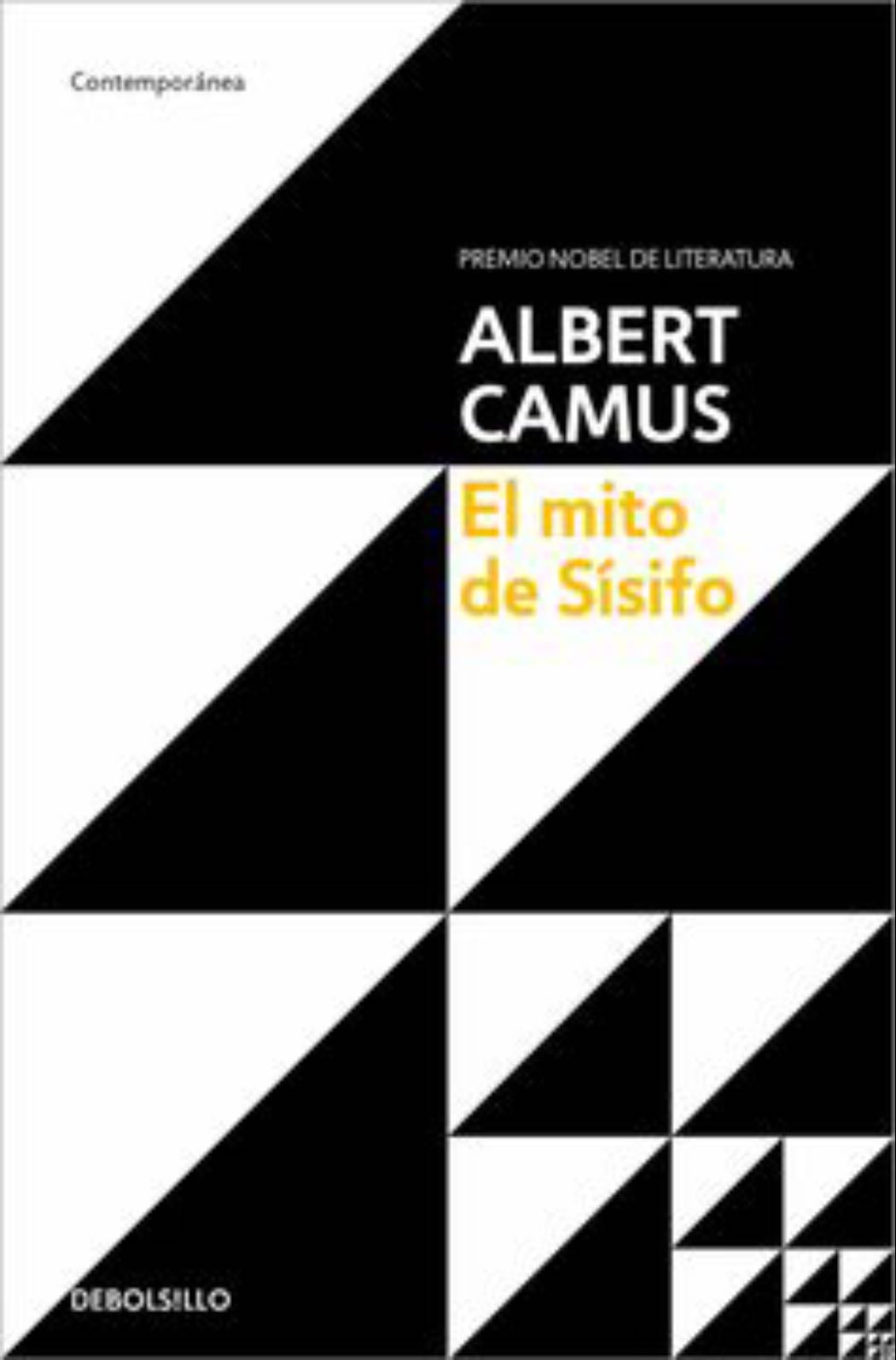
El mito de sísifo
Albert Camus
El exilio y el reino
Albert Camus
The Book of Tea
Okakura Kakuzo
Correction
Thomas Bernhard
Roithamer has committed suicide having been driven to madness by his own frightening powers of pure thought. We witness the gradual breakdown of a genius ceaselessly compelled to correct and refine his perceptions until the only logical conclusion of the negation of his own soul.

Nausea
Jean Paul Sartre

Notes on Suicide
Critchley Simon
This book is not a suicide note. Ten days after Edouard Leve handed in the manuscript of Suicide to his publisher in 2007, he hanged himself in his apartment. He was 42. Two years after Jean Amery's On Suicide was published in 1976, the author took an overdose of sleeping pills. He was 65. In 1960, some eighteen years after Albert Camus had raised and - so he thought - resolved the question of suicide in The Myth of Sisyphus, he was killed in a car accident. He is alleged to have said that dying in a car crash is the most absurd of all deaths. The absurdity of his death is compounded by the fact he had an unused train ticket in his pocket. He was 46. Let me say at the outset, at the risk of disappointing the reader, that I have no plans to kill myself ... just yet. Nor do I wish to join the chorus of those who proclaim loudly against suicide and claim that the act of taking one's own life is irresponsible and selfish, even shameful and cowardly, that people must stay alive whatever the cost. Suicide, in my view, is neither a legal nor moral offence, and should not be seen as such. My intention here is to simply try to understand the phenomenon, the act itself, what precedes it and what follows. I'd like to consider suicide from the point of view of those who have made the leap, or have come close to it-we might even find that the capacity to take that leap is what picks us out as humans. I want to look at suicide closely, carefully, and perhaps a little coldly, without immediately leaping to judgements or asserting moral principles like the right to life or death. We have to look suicide in the face, long and hard, and see what features, what profile, what inherited character traits and wrinkles emerge. Perhaps what we see when we look closely is our own distorted reflection staring back at us.
The Ethics of Ambiguity
Simone de Beauvoir

Meditaciones
Marco Aurelio

Gog
Giovanni Papini
This almost unclassifiable work of experimental fiction, first published in 1931, tells of the worldwide wanderings of a rich and idle American, Goggins (nicknamed Gog), who expends his fortune in an insatiable question for... is it knowledge, or novelties? Years later, Gog-impoverished and confined to an insane asylum-one day entrusts a large sheef of notes to a frequent visitor whose company he had come to enjoy. These, it turns out, are the record of his travels and interviews. In about ninety entries, we encounter a variety of geniuses with whom Gog gained audience, including Freud, Edison, Einstein, Henry Ford, H. G. Wells, George Bernard Shaw, and Lenin, as well as obscure idealists who eagerly display their several manias: modernist sculpture, avant-garde poetry, futuristic architecture, academic sub-subdisciplines, niche curio collections. Papini's anarchic humor brings into sharp relief the strangeness of human beings and the wilfully exacerbated strangeness of modernity.

Critique of Pure Reason
Immanuel Kant

Critique of Judgment
Immanuel Kant
German philosopher and influential 18th century late Enlightenment thinker Immanuel Kant wrote “Critique of Judgment” in 1790 to solidify his ideas on aesthetics. Often referred to as the “third critique”, it follows Kant’s “Critique of Pure Reason,” published in 1781, and “Critique of Practical Reason”, published in 1788 and completes his “Critical” project. Divided into two sections, one on aesthetic judgment and the other on teleological judgment, “Critique of Judgment” proceeds to analyze the human experience of the beautiful and the sublime. Kant explores a myriad of factors that determine aesthetics: from the effect of art and nature, to the role that human imagination plays, from the objectivity of taste, to the limits of representation. He continues with the connection of aesthetic with morality, disinterestedness, and originality. In the second section, he explores teleological judgments, or judging things according to their ends, and posits that man is the ultimate end, and all forms of nature and beauty exist for the purpose of their connection to mankind. Kant had a profound impact on the artists, authors, and other philosophers of both the classical and romantic periods, establishing in his final “Critique” a milestone in critical theory and philosophy. This edition is printed on premium acid-free paper.
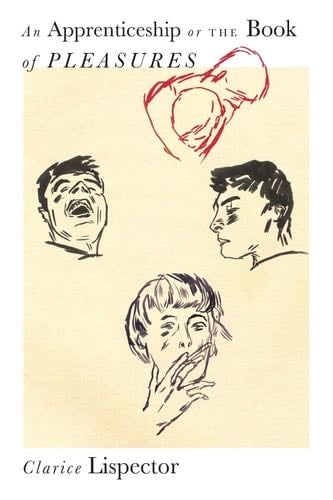
An Apprenticeship or The Book of Pleasures
Clarice Lispector
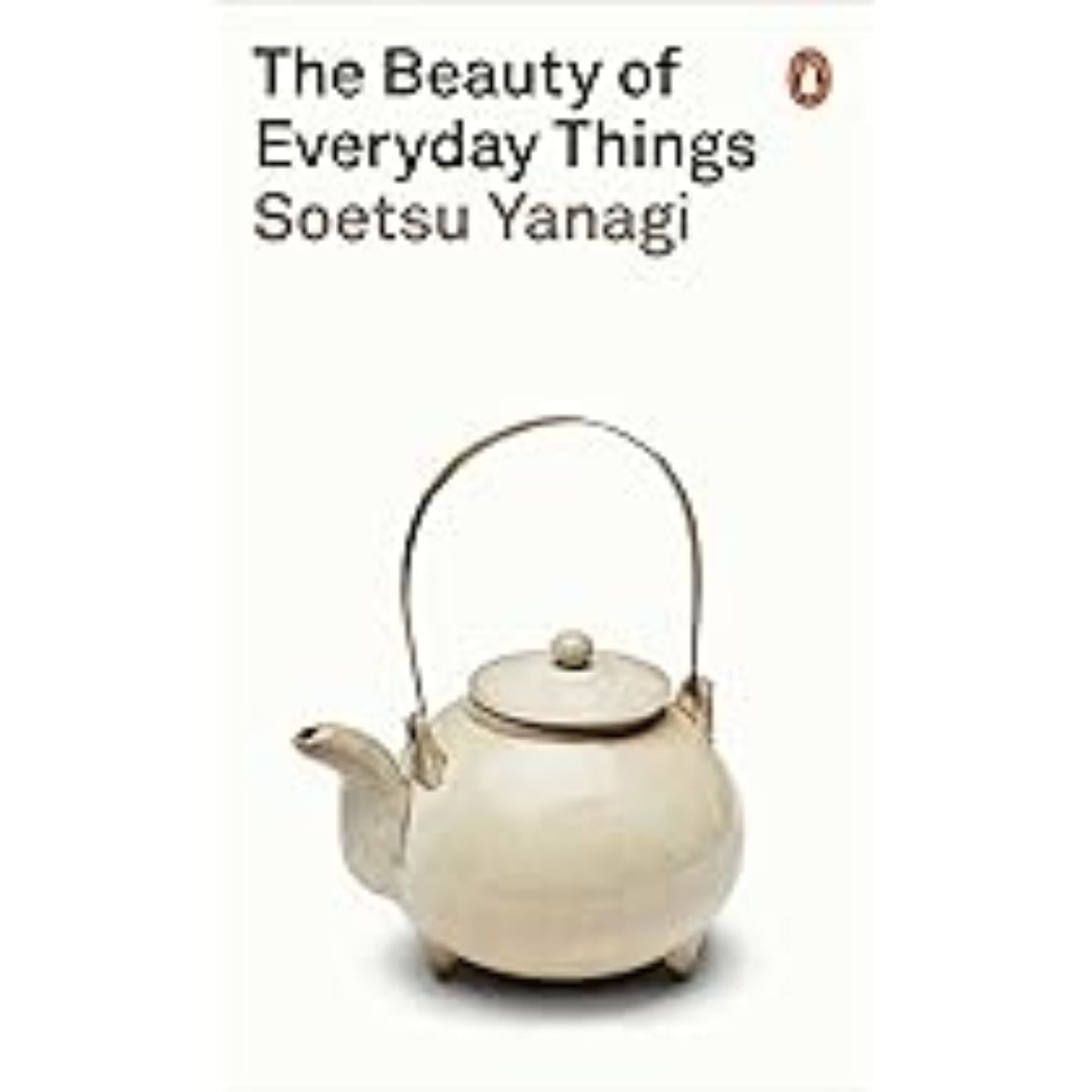
The Beauty of Everyday Things
Soetsu Yanagi
The Japanese philosopher and aesthete's definitive, hugely influential exposition of his philosophy of folkcrafts, setting out the hallmarks of Japanese design as we know it today: anonymity, quality, simplicity and honesty—and, of course, wabi-sabi, the beauty of imperfection<br/><br/>A Penguin Classic<br/><br/>Our lives are filled with objects. Everyday things used in everyday settings, they are our constant companions. As such, writes Soetsu Yanagi, they should be made with care and built to last, treated with respect and even affection. They should be natural and simple, sturdy and safe—an aesthetic fulfillment of our practical needs. They should, in short, be things of beauty.<br/><br/>Long revered as the authority on craftsmanship and Japanese aesthetics, Yanagi devoted his life and writing to defend the value of craft. In an age of feeble and ugly machine-made things, The Beauty of Everyday Things is a call for each of us to deepen our relationship with the objects that surround us. Inspired by the work of the simple artisans Yanagi encountered on his lifelong travels through Japan and Korea, this now-classic book is a heartfelt defence of modest, honest, handcrafted objects, from traditional teacups to jars to paper—objects that exemplify the beauty of everyday things.

La insoportable levedad del ser
Milan Kundera
A Short History of Decay
E. M. Cioran
El hombre rebelde
Albert Camus
«He leído El hombre rebelde, que me gusta mucho; ese es el único motivo de esta nota.» —Hannah Arendt, carta al autor. En su clásico estudio del pensamiento rebelde, Albert Camus traza un recorrido que va desde la ilustración hasta las revoluciones del siglo XX, pasando por movimientos como el anarquismo o el nihilismo. Polémico desde su publicación, el libro explora también el vínculo entre rebeldía política y estética, con análisis de figuras como el marqués de Sade, Marx, Nietzche y los surrealistas. A fin de cuentas, Camus no solo repasa casi dos siglos de insumisión, sino que ofrece valiosas hipótesis sobre la desmesura de su tiempo y, en buena medida, del nuestro. ENGLISH DESCRIPTION By one of the most profoundly influential thinkers of our century, The Rebel is a classic essay on revolution. For Albert Camus, the urge to revolt is one of the "essential dimensions" of human nature, manifested in man's timeless Promethean struggle against the conditions of his existence, as well as the popular uprisings against established orders throughout history. And yet, with an eye toward the French Revolution and its regicides and deicides, he shows how inevitably the course of revolution leads to tyranny. As old regimes throughout the world collapse, The Rebel resonates as an ardent, eloquent, and supremely rational voice of conscience for our tumultuous times.
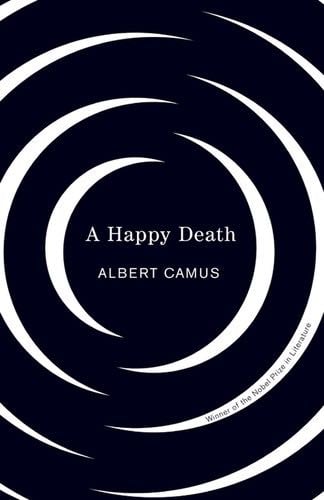
La muerte feliz
Albert Camus
The first novel from the Nobel Prize-winning author lays the foundation for The Stranger, telling the story of an Algerian clerk who kills a man in cold blood. In A Happy Death, written when Albert Camus was in his early twenties and retrieved from his private papers following his death in 1960, revealed himself to an extent that he never would in his later fiction. For if A Happy Death is the study of a rule-bound being shattering the fetters of his existence, it is also a remarkably candid portrait of its author as a young man. As the novel follows the protagonist, Patrice Mersault, to his victim's house -- and then, fleeing, in a journey that takes him through stages of exile, hedonism, privation, and death -it gives us a glimpse into the imagination of one of the great writers of the twentieth century. For here is the young Camus himself, in love with the sea and sun, enraptured by women yet disdainful of romantic love, and already formulating the philosophy of action and moral responsibility that would make him central to the thought of our time. Translated from the French by Richard Howard

El extranjero
Albert Camus
With the intrigue of a psychological thriller, The Stranger—Camus's masterpiece—gives us the story of an ordinary man unwittingly drawn into a senseless murder on an Algerian beach. With an Introduction by Peter Dunwoodie; translated by Matthew Ward. Behind the subterfuge, Camus explores what he termed "the nakedness of man faced with the absurd" and describes the condition of reckless alienation and spiritual exhaustion that characterized so much of twentieth-century life. “The Stranger is a strikingly modern text and Matthew Ward’s translation will enable readers to appreciate why Camus’s stoical anti-hero and devious narrator remains one of the key expressions of a postwar Western malaise, and one of the cleverest exponents of a literature of ambiguity.” —from the Introduction by Peter Dunwoodie First published in 1946; now in translation by Matthew Ward.

Anatomía de la melancolía
Robert Burton
Obra desmesurada, cuya enorme extensión ha hecho sumamente azarosa su trayectoria editorial desde que se publicara por vez primera en 1621, la ANATOMÍA DE LA MELANCOLÍA es un minucioso examen de un rasgo propio de numerosos temperamentos humanos que, vinculado a veces al genio y otras a la locura, ha hallado forma de manifestarse desde la antigua hipocondria al moderno spleen o los contemporáneos trastornos psíquicos. Contemporáneo de John Donne y en buena medida de Shakespeare, ROBERT BURTON (1577-1640), hombre de carrera silenciosa, sedentaria, solitaria, íntima en el Christ Church College de Oxford, del que llegó a ser bibliotecario en 1626, incluyó en su magna obra el vasto caudal de sus conocimientos sobre los más diversos autores y materias en forma de resúmenes históricos, consideraciones filosóficas, anécdotas literarias, mitos y leyendas, citas poéticas, informaciones científicas, meditaciones teológicas, juicios médicos y entretenidas digresiones. Prologuista y antólogo de este volumen, Alberto Manguel hace de guía por esta intrincada selva, seleccionando los pasajes más curiosos y cercanos al lector actual, y proporciona una inmejorable posibilidad de asomarse a una obra mucho más citada que conocida y que constituye una obra fundamental de la cultura.
Introspective literature
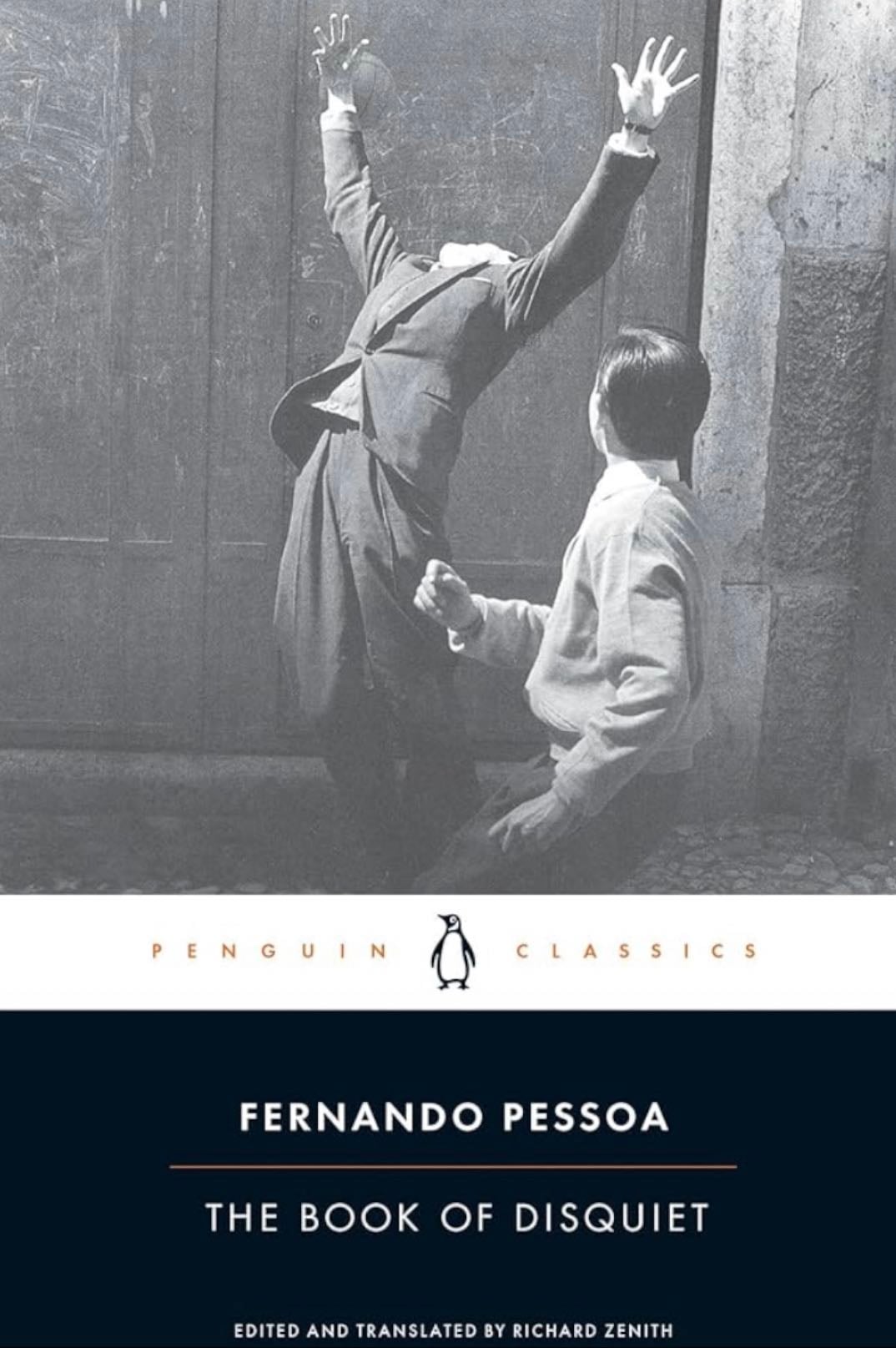
The Book of Disquiet
Fernando Pessoa

Solenoide
Mircea Cartarescu
Considered to be the most popular book from Romanian author Mircea Cartarescu, Solenoide is a monumental novel that reminds us of great authors such as Kafka and Pynchon. It is the long diary of an unsuccessful writer living in the sad and grey city of Bucarest. He buys a boat-house which contains a strange machine: a dentist chair provided with controls.
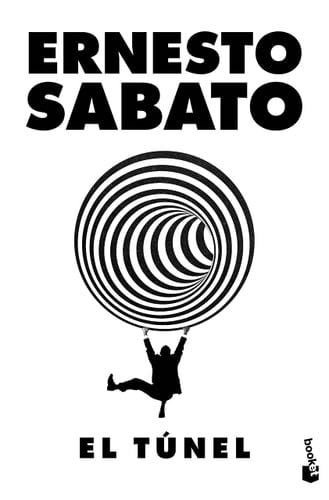
El túnel
Ernesto Sabato
Una historia sobre la incomunicación y sobre la conversión del amor en odio<br/>Esta es la confesión del crimen cometido por el pintor Pablo Castel. María Iribarne es una joven mujer que contempla un detalle –para él fundamental– en una de sus obras.<br/>Castel desarrolla un vínculo que intenta analizar en la densa trama de este relato que mantiene brutal actualidad, y se enfoca de manera obsesiva en cada uno de los pequeños detalles que él considera los móviles con los que justifica su atroz accionar.

Demian
Hermann Hesse
2011 Reprint of 1948 Edition. Full facsimile of the original edition, not reproduced with Optical Recognition Software. The main character of this classic novel, Emil Sinclair, is a young boy raised in a bourgeois home, amidst what is described as a Scheinwelt, a play on words that means "world of light" as well as "world of illusion". Emil's entire existence can be summarized as a struggle between two worlds: the show world of illusion (related to the Hindu concept of maya) and the real world, the world of spiritual truth. In the course of the novel, accompanied and prompted by his mysterious classmate 'Max Demian', he detaches from and revolts against the superficial ideals of the world of appearances and eventually awakens into a realization of self. The novel refers to the idea of Gnosticism, particularly the god Abraxas, showing the influence of Carl Jung's psychology. According to Hesse, the novel is a story of Jungian individuation, the process of opening up to one's unconsciousness.
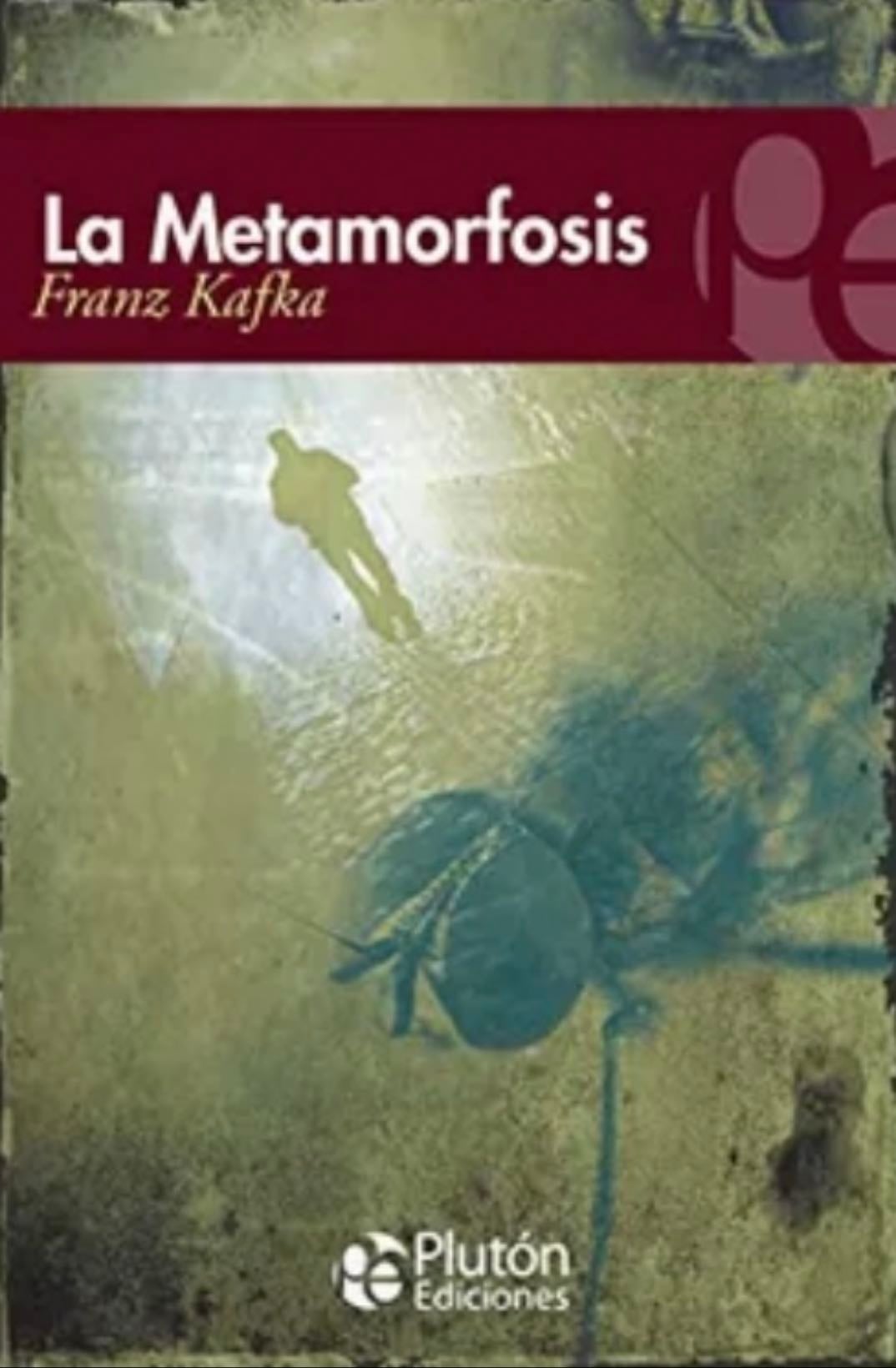
La metamorfosis
Franz Kafka
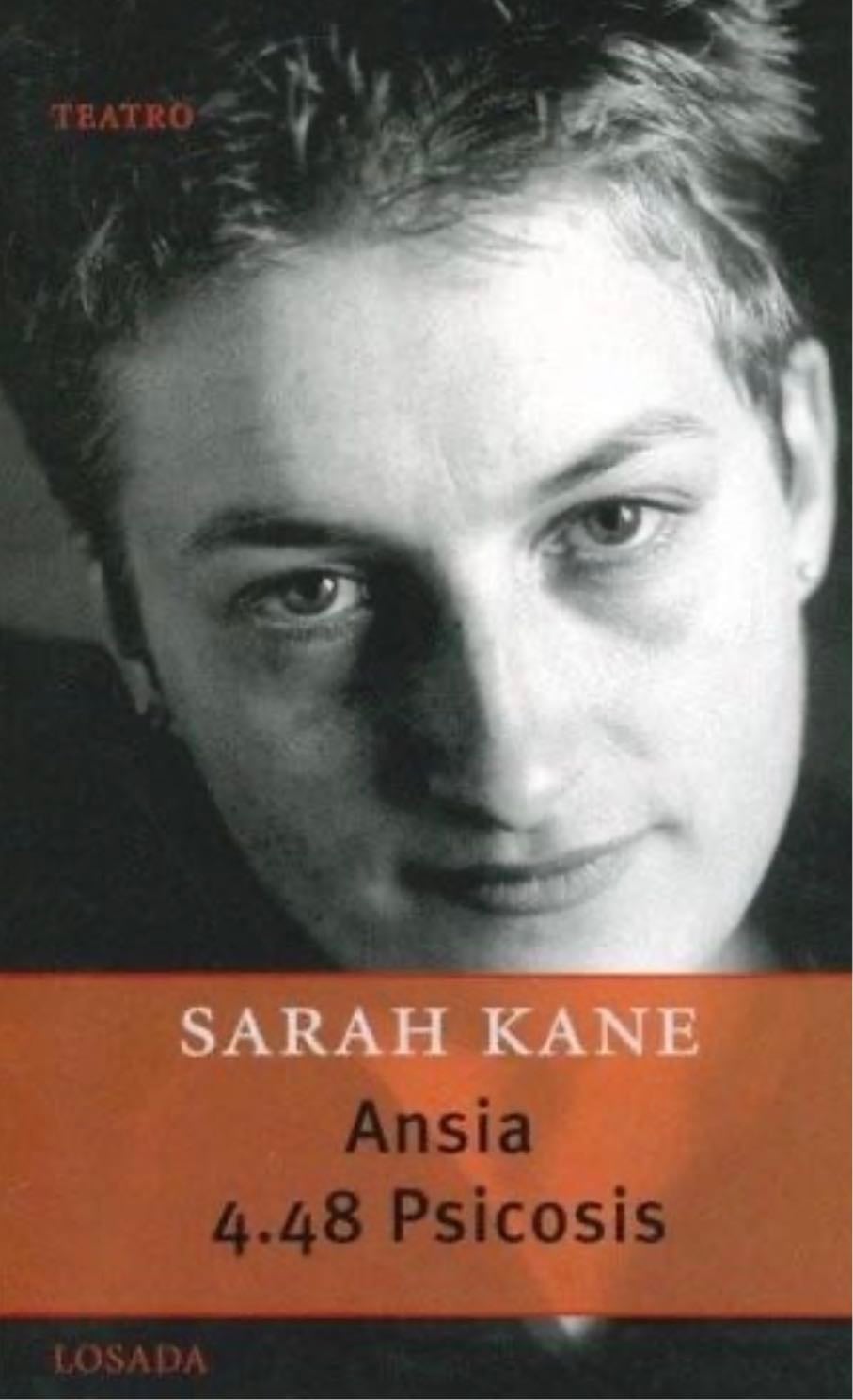
4.48 Psychosis
Sarah Kane
I dreamt that I went to the doctors, and she gave me eight minutes to live. I'd been sitting in the fucking waiting room for half an hour 4.48 Psychosis is the last play by Sarah Kane, the controversial contemporary British playwright, who died aged 28 in February 1999. Throughout the piece the audience are plunged into the mind of an unnamed protagonist grappling with severe depression as Kane crafts an unflinching and poetic portrait of a psyche teetering on the edge of oblivion. A quarter century from its debut, the entire original cast and creative team return to the Royal Court Jerwood Theatre Upstairs to revisit Sarah Kane's final masterpiece 25 years on. This edition was published to coincide with the Royal Court Theatre and Royal Shakespeare Company co-production in June 2025, and the subsequent run at The Other Place, Stratford-upon-Avon.

Lie with Me
Philippe Besson

M Train
Patti Smith
Goodbye Tsugumi
Banana Yoshimoto

Greek Lessons
Han Kang

Tan poca vida
Hanya Yanagihara

Blind Owl
Sadeq Hedayat
A new English translation of one of the most important, controversial Iranian novels of the twentieth century<br/><br/>Winner of the 2023 Lois Roth Persian Translation Award<br/><br/>A Penguin Classic<br/><br/>Written by one of the greatest Iranian writers of the twentieth century, Blind Owl tells a two-part story of an isolated narrator with a fragile relationship with time and reality. In first person, the narrator offers a string of hazy, dreamlike recollections fueled by opium and alcohol. He spends time painting the exact same scene on the covers of pen cases: an old man wearing a cape and turban sitting under a cypress tree, separated by a small stream from a beautiful woman in black who offers him a water lily. In a one-page transition, the reader finds the narrator covered in blood and waiting for the police to arrest him. In part two, readers glimpse the grim realities that unlock the mysteries of the first part. In a new translation that reflects Hedayat’s conversational, confessional tone, Blind Owl joins the ranks of classics by Edgar Allan Poe, Franz Kafka, and Fyodor Dostoyevsky that explore the dark recesses of the human psyche.
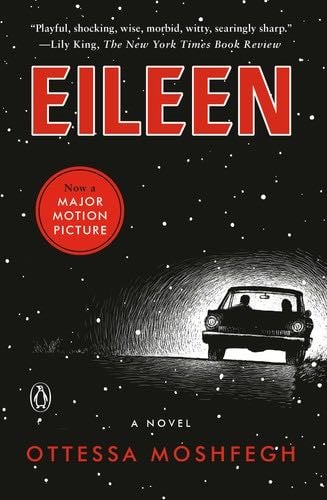
Eileen
Ottessa Moshfegh
Now a major motion picture streaming on Hulu, starring Anne Hathaway and Thomasin McKenzie<br/><br/>Shortlisted for the Man Booker Prize<br/><br/>“Eileen is a remarkable piece of writing, always dark and surprising, sometimes ugly and occasionally hilarious. Its first-person narrator is one of the strangest, most messed-up, most pathetic—and yet, in her own inimitable way, endearing—misfits I’ve encountered in fiction. Trust me, you have never read anything remotely like Eileen.” —Washington Post<br/><br/>So here we are. My name was Eileen Dunlop. Now you know me. I was twenty-four years old then, and had a job that paid fifty-seven dollars a week as a kind of secretary at a private juvenile correctional facility for teenage boys. I think of it now as what it really was for all intents and purposes—a prison for boys. I will call it Moorehead. Delvin Moorehead was a terrible landlord I had years later, and so to use his name for such a place feels appropriate. In a week, I would run away from home and never go back.<br/><br/>This is the story of how I disappeared.<br/><br/>The Christmas season offers little cheer for Eileen Dunlop, an unassuming yet disturbed young woman trapped between her role as her alcoholic father’s caretaker in a home whose squalor is the talk of the neighborhood and a day job as a secretary at the boys’ prison, filled with its own quotidian horrors. Consumed by resentment and self-loathing, Eileen tempers her dreary days with perverse fantasies and dreams of escaping to the big city. In the meantime, she fills her nights and weekends with shoplifting, stalking a buff prison guard named Randy, and cleaning up her increasingly deranged father’s messes. When the bright, beautiful, and cheery Rebecca Saint John arrives on the scene as the new counselor at Moorehead, Eileen is enchanted and proves unable to resist what appears at first to be a miraculously budding friendship. In a Hitchcockian twist, her affection for Rebecca ultimately pulls her into complicity in a crime that surpasses her wildest imaginings.<br/><br/>Played out against the snowy landscape of coastal New England in the days leading up to Christmas, young Eileen’s story is told from the gimlet-eyed perspective of the now much older narrator. Creepy, mesmerizing, and sublimely funny, in the tradition of Shirley Jackson and early Vladimir Nabokov, this powerful debut novel enthralls and shocks, and introduces one of the most original new voices in contemporary literature. Ottessa Moshfegh is also the author of My Year of Rest and Relaxation, Homesick for Another World: Stories, and McGlue.

Schoolgirl
Osamu Dazai
The novella that first propelled Dazai into the literary elite of post-war Japan. Essentially the start of Dazai's career, Schoolgirl gained notoriety for its ironic and inventive use of language. Now it illuminates the prevalent social structures of a lost time, as well as the struggle of the individual against them--a theme that occupied Dazai's life both personally and professionally. This new translation preserves the playful language of the original and offers the reader a new window into the mind of one of the greatest Japanese authors of the 20th century.

No Longer Human
Osamu Dazai
<p> Mine has been a life of much shame. I can't even guess myself what it must be to live the life of a human being. </p><p>Portraying himself as a failure, the protagonist of Osamu Dazai's No Longer Human narrates a seemingly normal life even while he feels himself incapable of understanding human beings. His attempts to reconcile himself to the world around him begin in early childhood, continue through high school, where he becomes a "clown" to mask his alienation, and eventually lead to a failed suicide attempt as an adult. Without sentimentality, he records the casual cruelties of life and its fleeting moments of human connection and tenderness.</p><p>Still one of the ten bestselling books in Japan, No Longer Human is an important and unforgettable modern classic: "The struggle of the individual to fit into a normalizing society remains just as relevant today as it was at the time of writing." (The Japan Times)</p>
Poetry

Poesía completa
Alejandra Pizarnik
Japanese Death Poems
Zen Monks and Haiku Poets on the Verge of Death
"A wonderful introduction the Japanese tradition of jisei, this volume is crammed with exquisite, spontaneous verse and pithy, often hilarious, descriptions of the eccentric and committed monastics who wrote the poems." --Tricycle: The Buddhist Review Although the consciousness of death is, in most cultures, very much a part of life, this is perhaps nowhere more true than in Japan, where the approach of death has given rise to a centuries-old tradition of writing jisei, or the "death poem." Such a poem is often written in the very last moments of the poet's life. Hundreds of Japanese death poems, many with a commentary describing the circumstances of the poet's death, have been translated into English here, the vast majority of them for the first time. Yoel Hoffmann explores the attitudes and customs surrounding death in historical and present-day Japan and gives examples of how these have been reflected in the nation's literature in general. The development of writing jisei is then examined--from the longing poems of the early nobility and the more "masculine" verses of the samurai to the satirical death poems of later centuries. Zen Buddhist ideas about death are also described as a preface to the collection of Chinese death poems by Zen monks that are also included. Finally, the last section contains three hundred twenty haiku, some of which have never been assembled before, in English translation and romanized in Japanese.
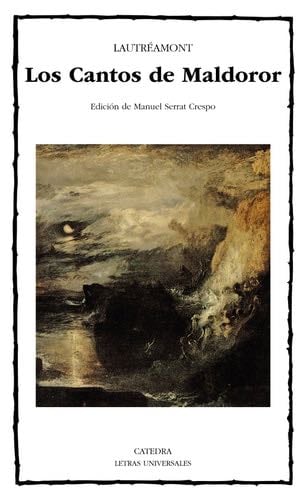
Los cantos de Maldoror
comte de Lautréamont
La figura de Isidore Ducasse, conde de Lautreamont (1846-1870), se ofrece a los ojos de la critica como un enigma que se resiste a los esfuerzos de historiadores, criticos y biografos. La primera edicion completa de los Cantos de Maldoror, en 1869, fue secuestrada y solo unos pocos ejemplares fueron encuadernados y entregados al autor. El lector debera enfrentarse a unas "paginas sombrias y llenas de veneno" en las que solo se dice lo que se esta diciendo y frente a las que es superfluo el intento de amontonar palabras.
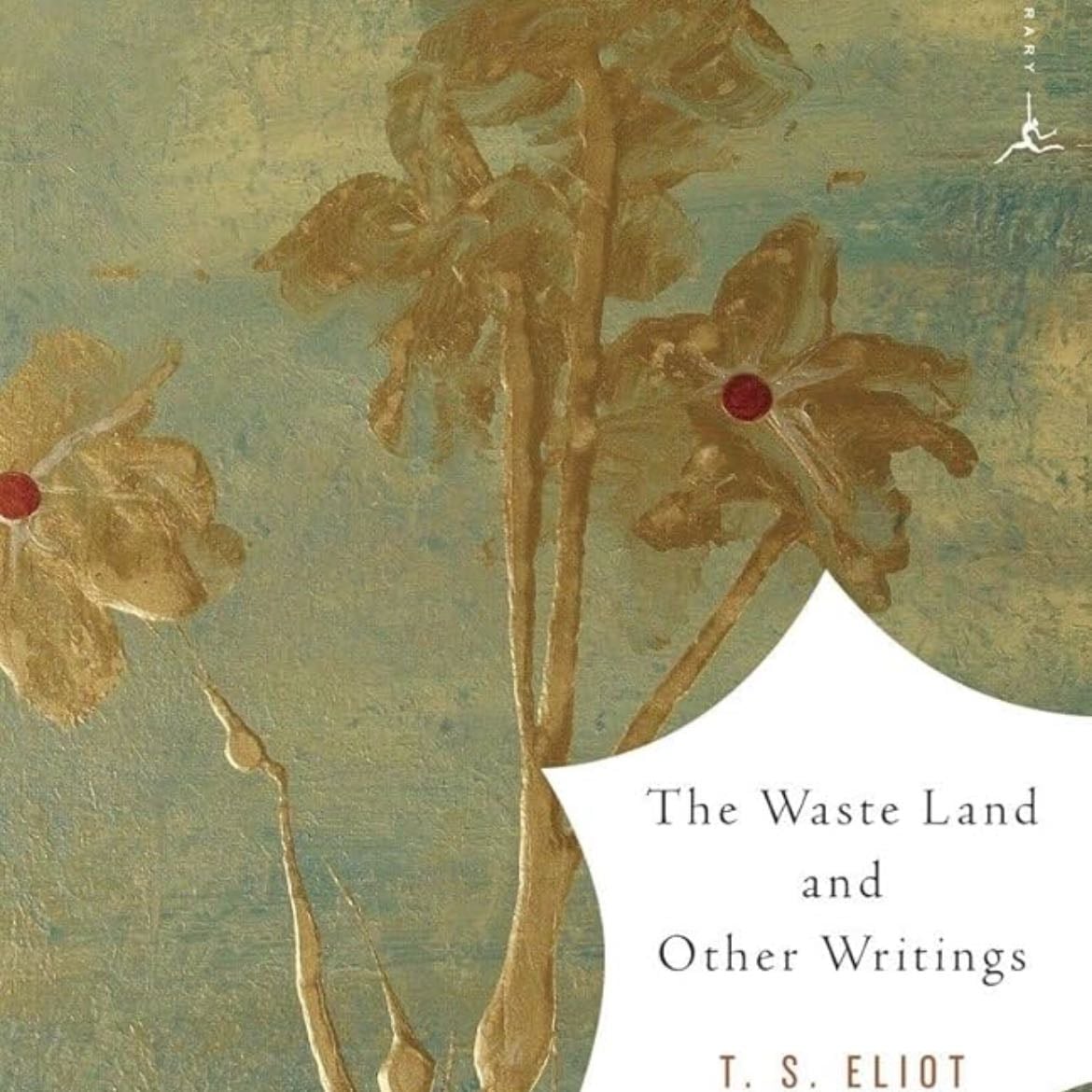
the waste of land and other writing
T S Eliot

Selected Poems
Paul Verlaine
`Verlaine, possessed by the madnesses of love, brimming over with desires and prayers, the rebel railing against the complacent platitudes of society, of love, of language'. Jean Rousselot Verlaine ranks alongside Baudelaire, Mallarmé, and Rimbaud as one of the most outstanding poets of late nineteenth-century France whose work is associated with the early Symbolists, the Decadents, and the Parnassiens. Remarkable not only for his delicacy and exquisitely crafted verse, Verlaine is also the poet of strong emotions and appetites, with an unrivalled gift for the sheer music of poetry, and an inventive approach to its technique. This bilingual edition provides the most comprehensive selection of his poetry yet, offering some 170 poems in lively and fresh translations and providing a lucid introduction which illuminates Verlaine's poetic form within the context of French Impressionism and the poetry of sensation. Parallel text ABOUT THE SERIES: For over 100 years Oxford World's Classics has made available the widest range of literature from around the globe. Each affordable volume reflects Oxford's commitment to scholarship, providing the most accurate text plus a wealth of other valuable features, including expert introductions by leading authorities, helpful notes to clarify the text, up-to-date bibliographies for further study, and much more.
Experimental literature
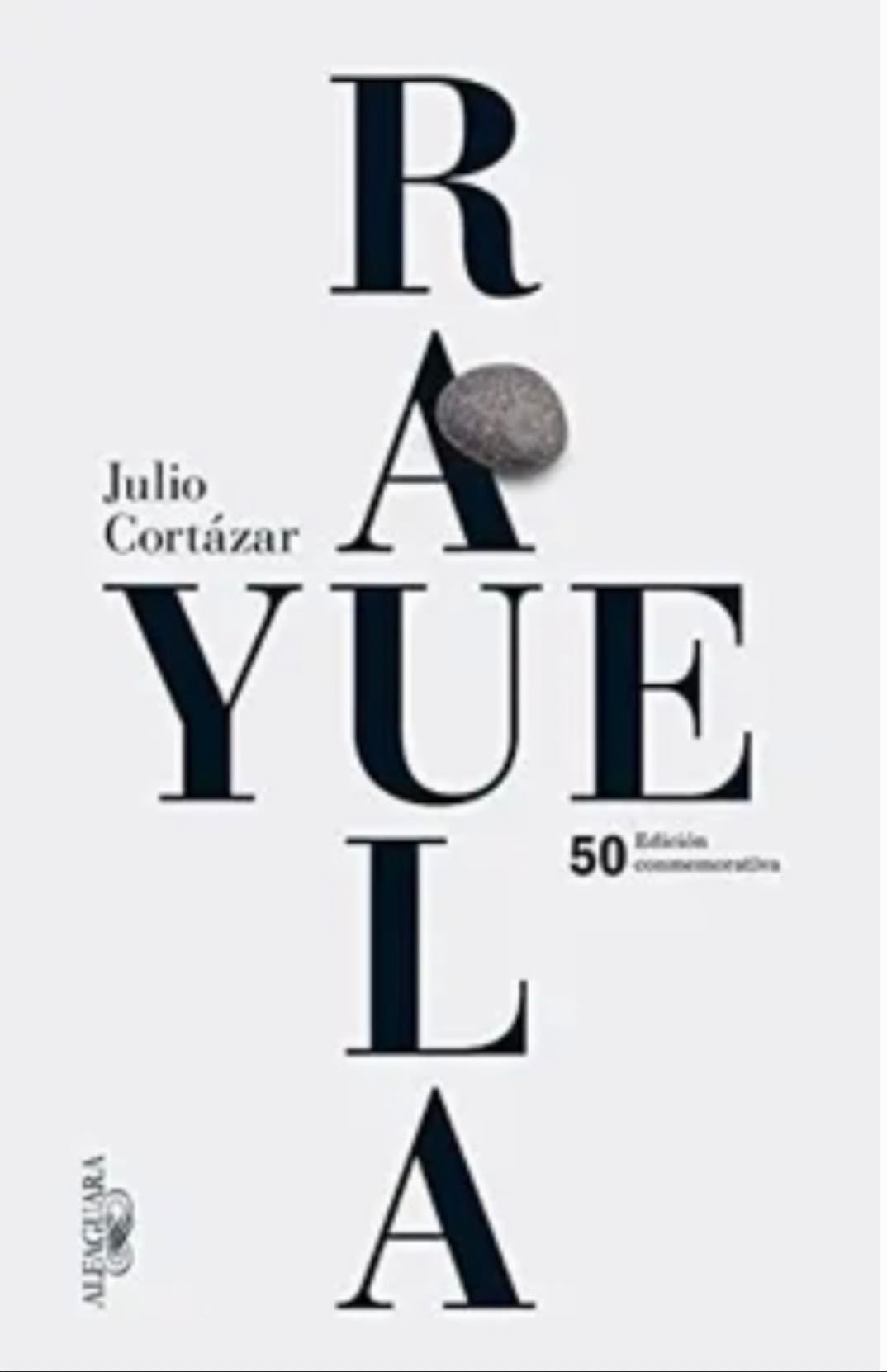
Rayuela
Julio Cortázar

Tengo derecho a destruirme
Kim Young-ha
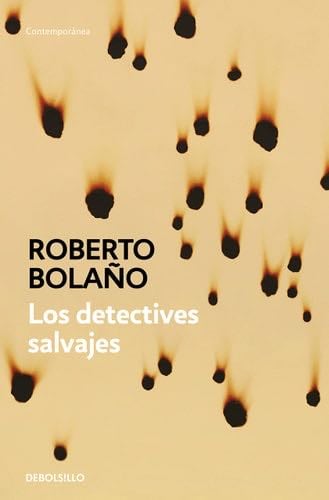
Los detectives salvajes
Roberto Bolaño
Entre la narrativa detectivesca, la novela «de carretera», el relato biográfico y la crónica, Los detectives salvajes está considerada por la crítica y el público de todo el mundo como una de las mejores y más originales ficciones escritas en las últimas décadas.<br/><br/>Uno de los mejores libros en español de los últimos 25 años según Babelia.<br/>«Todo lo que comienza como comedia indefectiblemente acaba como misterio.»<br/>Dos jóvenes poetas latinoamericanos, Arturo Belano y Ulises Lima, emprenden una aventura que transcurrirá durante varias décadas y cruzará distintos países. Símbolo de la rebeldía y la necesidad de ruptura con la realidad establecida, sus vidas representan los anhelos de toda una generación. La búsqueda en 1975 de la misteriosa escritora mexicana Cesárea Tinajero, desaparecida y olvidada en los años posteriores a la revolución, sirve de inicio a un viaje sin descanso marcado por el amor, la muerte, el deseo de libertad, el humor y la literatura.<br/>En esta novela está esbozado, como si de un juego de cajas chinas se tratara, todo el deslumbrante universo literario y personal de Roberto Bolaño.<br/>Los detectives salvajes fue ganadora de los premios Herralde y Rómulo Gallegos, y calificada por The New York Times, Los Angeles Times y The Washigton Post como una de las mejores novelas publicadas en 2007.<br/>Críticas:<br/>«Un carrusel de lenguaje y destreza narrativa que sin duda es lo mejor que se ha escrito en castellano en las últimas décadas.»<br/>Iván Thays, Babelia<br/>«Bolaño ha probado que la literatura lo puede todo.»<br/>Jonathan Lethem<br/>«Una especie deebriedad narrativa que nos deja abrumados, sonriendo de obnubilación o de admiración.»<br/>Fabrice Gabriel, Les Inrockuptibles<br/>«Una obra maestra.»<br/>San Francisco Cronicle<br/>«Uno de los autores más respetados e influyentes de su generación [...]. Al mismo tiempo divertido y, en cierto sentido, intensamente aterrador.»<br/>John Banville, The Nation<br/>«El mito de Bolaño ha servido para potencia el reconocimiento de una obra donde había originalidad, donde había calidad.»<br/>Mario Vargas Llosa<br/>«Se convirtió en un cuentista y novelista central, quizás el más destacado de su generación, sin duda el más original y el más infrecuente.»<br/>Jorge Edwards

The Waves
Virginia Woolf

Satantango
Laszlo Krasznahorkai
Translated by George Szirtes<br/>From the winner of the Man Booker International Prize<br/><br/>In the darkening embers of a Communist utopia, life in a desolate Hungarian town has come to a virtual standstill. Flies buzz, spiders weave, water drips and animals root desultorily in the barnyard of a collective farm.<br/><br/>But when the charismatic Irimias - long-thought dead - returns, the villagers fall under his spell. Irimias sets about swindling the villagers out of a fortune that might allow them to escape the emptiness and futility of their existence. He soon attains a messianic aura as he plays on the fears of the townsfolk and a series of increasingly brutal events unfold.
Personal strategy

Manual de investigación psicológica del delito
Juan Enrique Soto Castro
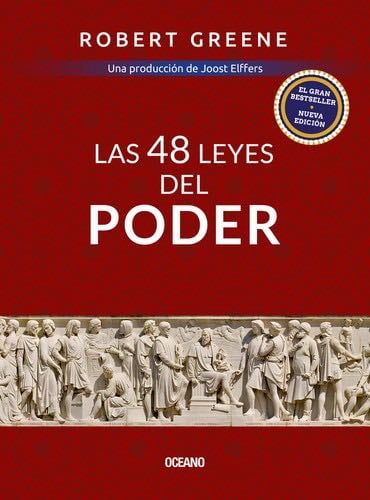
Las 48 leyes del poder
Robert Greene
Amoral, merciless, ruthless, and above all, instructive, this multi-million-copy New York Times bestseller combines three thousand years of the history of power into forty-eight clear and concise laws. Robert Green details the laws of power in the rawest sense, synthesizing the thoughts of Sun Tzu, Carl von Clausewitz and other great theorists and strategists. This is the definitive manual for anyone interested in gaining, observing, or defending against ultimate control.<br/><br/>Amoral, inmisericorde, despiadada y, sobre todo, muy instructiva, esta incisiva obra concentra tres mil años de historia del poder en cuarenta y ocho leyes claras y concisas. Robert Greene detalla las leyes del poder en su esencia más cruda, sintetizando el pensamiento de Maquiavelo, Sun Tzu, Carl von Clausewitz y otros grandes teóricos y estrategas. Algunas leyes sugieren la prudencia (“Ley n° 1: nunca le haga sombra a su amo”); otras, el sigilo (“Ley n° 3: disimule sus intenciones”); otras más, una total falta de piedad (“Ley n° 15: aplaste por completo a su enemigo”).

El arte de la seducción
Robert Greene
Product Description<br/><br/>The companion book to the bestselling Concise 48 Laws of Power, which has now sold over 125,000 copies in the UK. Amoral, ruthless, clever and cunning, this is the essential guide to the art of seduction.<br/><br/>Review<br/><br/>'What Greene does so masterfully is take us on a fascinating trip into the psyches of the great seducers and offer a wealth of strategies for those who might like to dabble in the murky waters of manipulation themselves. One by one he exposes the techniques of behaviour control used by and against all of us in every area of our lives from business to bedroom. But it is when he explores the scheming psyche of the sexual predator that he is at his most compelling.' - Daily Mail 'It unearths the two sides of seduction: the characters and the process. The book prepares you for the ultimate seduction: your boss.' - Fran Cutler, the Daily Express<br/><br/>About the Author<br/><br/>Robert Greene, author of The 48 Laws of Power and The Art of Seduction (both from Profile), has a degree in Classical Studies and has been an editor at Esquire and other magazines. He is also a playwright and lives in Los Angeles. Find him on Twitter @RobertGreene http://powerseductionandwar.com/