Libros 📚
Items in this hypelist
Confort book ⭐
Yo, Robot
Isaac Asimov • 2011
Leyendo 📖
La casa de los espiritus / The House of the Spirits
Isabel Allende · 2017

El Principe
Nicolas Maquiavelo • 2015
El Mito de Sisifo
Albert Camus · 2016
Un Mundo Feliz
Aldous Huxley • 1932
Leído 📘
Fahrenheit 451
Ray Bradbury • 1953
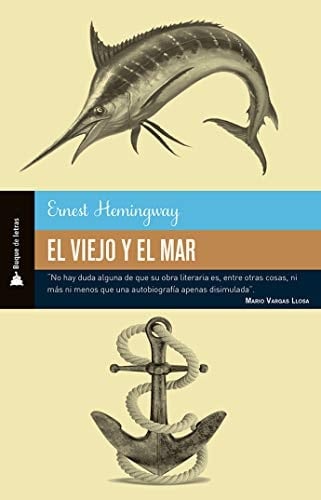
El Viejo Y El Mar
Ernest Hemingway · 2019
Yo, Robot
Isaac Asimov • 2011
Frankenstein
Frankenstein
El extranjero
Albert Camus • 2014
La ciudad de las bestias
Isabel Allende • 2008
Interés en📣
El señor de las moscas
William Golding • 2010
El túnel
Ernesto Sabato • 2010
Los peligros de fumar en la cama
Mariana Enriquez • 2017
La insoportable levedad del ser
Milan Kundera · 2008
CIRCE
Madeline Miller · 2020
Peter Pan
James Matthew Barrie · 2018
Moby Dick
Herman Melville · 2021
La Naranja Mecánica
Anthony Burgess · 2009
¿Sueñan los androides con ovejas eléctricas?
Philip K. Dick · 2020
Cumbres Borrascosas
Emily Brontë
La biblioteca de la medianoche
Matt Haig
<p><b>PREMIO GOODREADS 2020 A LA MEJOR OBRA DE FICCI?N</b></p> <p>?Entre la vida y la muerte hay una biblioteca. Y los estantes de esa biblioteca son infinitos. Cada libro da la oportunidad de probar otra vida que podr?as haber vivido y de comprobar c?mo habr?an cambiado las cosas si hubieras tomado otras decisiones... ?Habr?as hecho algo de manera diferente si hubieras tenido la oportunidad??.</p> <p>Nora Seed aparece, sin saber c?mo, en la Biblioteca de la Medianoche, donde se le ofrece una nueva oportunidad para hacer las cosas bien. Hasta ese momento, su vida ha estado marcada por la infelicidad y el arrepentimiento.</p> <p>Nora siente que ha defraudado a todos, y tambi?n a ella misma. Pero esto est? a punto de cambiar.</p> <p>Los libros de la Biblioteca de la Medianoche permitir?n a Nora vivir como si hubiera hecho las cosas de otra manera. Con la ayuda de una vieja amiga, tendr? la opci?n de esquivar todo aquello que se arrepiente de haber hecho (o no haber hecho), en pos de la vida perfecta. Pero las cosas no siempre ser?n como imagin? que ser?an, y pronto sus decisiones enfrentar?n a la Biblioteca y a ella misma en un peligro extremo. Nora deber? responder una ?ltima pregunta antes de que el tiempo se agote: ?cu?l es la mejor manera de vivir?</p>
La canción de Aquiles
Madeline Miller • 2021
Lo que no tiene nombre
Piedad Bonnett • 2013
Canción de Navidad
Charles Dickens • 2015
Temporada de huracanes
Fernanda Melchor • 2017
Tan poca vida
Hanya Yanagihara • 2016
La mala costumbre
Alana S. Portero · 2023
Los nombres propios
Marta Jiménez Serrano · 2021
La vergüenza
Annie Ernaux · 2020
La vegetariana
Han Kang • 2024
Asi Hablo Zaratustra
Friedrich Nietzsche
La Sociedad del Cansancio
Byung-Chul Han
Un Monstruo Viene a Verme
Patrick Ness
La campana de cristal
Sylvia Plath · 1900
El cuento de la criada
Margaret Atwood • 2017
INDIGNO DE SER HUMANO
unde
Rebelión en la granja
GEORGE ORWELL • 2013
Noches blancas
Fiódor Dostoievski • 2015
Actos humanos
Han Kang • 2024
1984
George Orwell • 1949
El Retrato de Dorian Gray
El Retrato de Dorian Gray
Romeo y Julieta
William Shakespeare • 2015
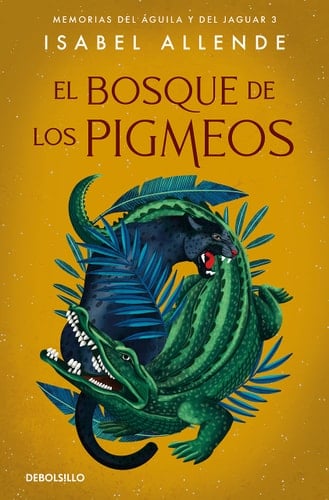
El Bosque de los Pigmeos
Isabel Allende · 2021

El Reino del Dragon de Oro
Isabel Allende · 2004

Los robots del amanecer
Isaac Asimov · 2003

Los robots del amanecer
Isaac Asimov · 2003
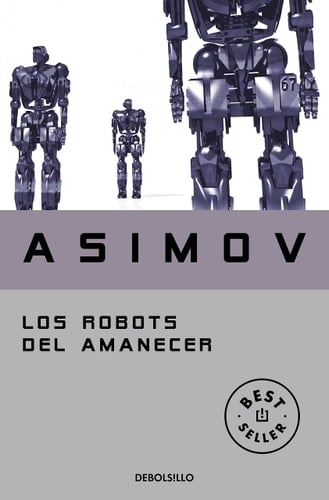
Los robots del amanecer
Isaac Asimov · 2003

I'm glad my mom died
Jennette McCurdy
The actress and filmmaker describes her eating disorders and difficult relationship with her mother.
It (Eso)
Stephen King • 2012

Cien Años De Soledad
Garcia Marquez Gabra · 1981
Dracula
Bram Stoker • 2000
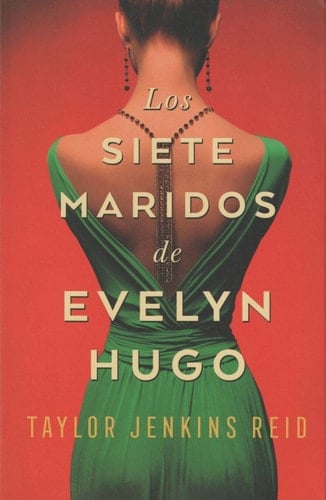
Los siete maridos de Evelyn Hugo
Taylor Jenkins Reid · 2020
Las Ventajas de Ser Invisible
Stephen Chbosky
El arte de la guerra
Sun Tzu • 2026
El Coronel No Tiene Quien Le Escriba
Gabriel Garcia Marquez • 2004
Las intermitencias de la muerte
José Saramago · 2010
<p> <b>2022: AÑO SARAMAGO</b> </p> <p> <b>¿Y si la gente dejara de morirse?</b> </p> <p> <b>Una brillante sátira del Nobel de Literatura que juega con el miedo más profundo del ser humano.</b> </p> <p> <i>«Sabremos cada vez menos qué es un ser humano»</i> <i>.</i> <br> <i>Libro de las</i> <i>Previsiones</i> </p> <p>En un país cuyo nombre no será mencionado se produce algo nunca visto desde el principio del mundo: la muerte decide suspender su trabajo letal, la gente deja de morir. La euforia colectiva se desata, pero muy pronto dará paso a la desesperación y al caos. Sobran los motivos. Si es cierto que las personas ya no mueren, eso no significa que el tiempo haya parado. El destino de los humanos será una vejez eterna.</p> <p>Se buscarán maneras de forzar a la muerte a matar, se corromperán las conciencias en los «acuerdos de caballeros» entre el poder político, las mafias y las familias, los ancianos serán detestados por haberse convertido en estorbos inamovibles. Hasta el día en que la muerte, vestida de mujer, vuelve para descifrar un enigma, se encuentra con un músico, oye un concierto, establece una relación, escucha de nuevo a Bach... Entonces la novela sigue como sigue la vida, con todas sus contradicciones.</p> <p>Arrancando de una proposición contraria a la evidencia de los hechos corrientes, José Saramago desarrolla una narrativa de gran fecundidad literaria, social y filosófica que sitúa en el centro la perplejidad del ser humano ante la impostergable finitud de la existencia. Parábola de la corta distancia que separa lo efímero y lo eterno, la historia bien podría terminar tal como empieza: «Al día siguiente no murió nadie».</p> <p> <b>La crítica ha dicho:</b> <br> «Saramago vuelve comprensible una realidad huidiza, con parábolas sostenidas por la imaginación, la compasión y la ironía». <br> Comité Nobel</p> <p>«Un hombre con una sensibilidad y una capacidad de ver y de entender que están muy por encima de lo que en general vemos y entendemos los comunes mortales». <br> Héctor Abad Faciolince</p> <p>«Saramago es un ejemplo, un estilo dignísimo de vida y literatura, que demuestra la posibilidad de navegar a contracorriente [...]. Su palabra tiene el valor de un anticongelante, de un remedio personal contra los vendavales de cinismo que nos envuelven». <br> Luis García Montero</p> <p>«Yo no sé, ni quiero saberlo, de dónde ha sacado Saramago ese diabólico tono narrativo, duro y piadoso a un tiempo, [...] que le permite contar tan cerca del corazón y a la vez tan cerca de la historia». <br> Luis Landero</p> <p>«Saramago escribe novelas sobre los mitos para desmitificarlos, [...] siempre para abordar la realidad que le rodea, para tratar de los problemas actuales que son de todos, y para que todo quede claro desde el principio». <br> Rafael Conte, <i>Babelia</i> </p> <p>«Como Günter Grass o Cees Nooteboom, Saramago aspira a enlazar con un público que desborde límites nacionales». <br> <i>El País</i> </p>
La Náusea
Jean-Paul Sartre

El acto de crear una manera de ser
Rick Rubin · 2024
Cadáver exquisito
AGUSTINA BAZTERRICA • 2023
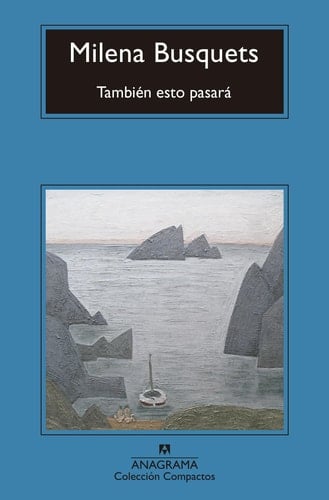
También esto pasará
Milena Busquets · 2021
Recomendado 🗣️👤
Un viejo que leía novelas de amor
Luis Sepúlveda • 2016
Juan Salvador Gaviota / Jonathan Livingston Seagull
Richard Bach • 2018
Caballo de Troya 1. Jerusalén (Ne)
Juan José Benítez • 2011
Para la curiosidad 🦝
Siete breves lecciones de física
Carlo Rovelli • 2014
Breves Respuestas a Las Grandes Preguntas
Stephen Hawking • 2023
Una breve historia de casi todo
Bill Bryson • 2016
The hobbit 🧙🏻♂️
El hobbit
J. R. R. Tolkien
Harry Potter ⚡

Harry Potter y las Reliquias de la Muerte (Spanish Edition)
J.K. Rowling · 2015

Harry Potter Y Las Reliquias de la Muerte
J.K. Rowling · 2020

HARRY POTTER Y EL MISTERIO DEL PRINCIPE / BOLSILLO
J.K. ROWLING · 2020

Harry Potter y la Orden del Fénix / Harry Potter and the Order of the Phoenix (Spanish Edition)
J.K. Rowling · 2020

Harry Potter y el cáliz de fuego / Harry Potter and the Goblet of Fire (Spanish Edition)
J.K. Rowling · 2020

Harry Potter y el prisionero de Azkaban / Harry Potter and the Prisoner of Azkaban (Spanish Edition)
J.K. Rowling · 2020

HARRY POTTER Y LA CAMARA SECRETA
J.K. Rowling · 2020

Harry Potter y la piedra filosofal / Harry Potter and the Sorcerer's Stone (Spanish Edition)
J.K. Rowling · 2020
AWAE👒
Ana de las Tejas Verdes: Una amistad para siempre
L.M. Montgomery
Have you ever wondered why that 13-digit number on the back of a book costs $125 in the United States but is completely free in Canada and India? This book, The Global ISBN Handbook, is your 2025 guide to the International Standard Book Number. It explains everything about this global "fingerprint" for books. The ISBN is the most important cornerstone of the publishing industry. It started as a simple warehouse tool in the 1960s. Now, it is a complex digital identifier used in over 200 countries. This handbook deconstructs the entire system. It uses 15 distinct national case studies to do this. You will learn how the old 10-digit system changed to the new 13-digit one. We break down the five parts of the ISBN, from the "Bookland" prefix to the final check digit. The book explores the global governance framework, starting with the International ISBN Agency. Then, it dives deep into how different countries run their systems. You'll see the privatized, high-cost model in the United States. You'll compare it to Canada's free, government-run system. We explore the industry-led models in Brazil and Germany. We look at government-run systems in Mexico and India. We even cover the unique case of China, where the ISBN is not a simple identifier but a state-controlled publication license. The book also examines the systems in the UK , France , Russia , Japan , Australia , South Africa , Nigeria , and Egypt. Many books and websites can tell you how to get an ISBN. This handbook is the only resource that explains why the process is so different everywhere you look. It moves beyond a simple "how-to" and provides a true global analysis. It directly compares the privatized, for-profit models in the US and UK against the free, public-good systems in Canada and South Africa. You won't just learn the price; you will understand the cultural policies, market structures, and legal philosophies that shape that price. This book shows how the ISBN is a "global mirror". It reveals how a simple number can be a commercial product in one nation , a tool of cultural policy in another , and an instrument of state control in a third. This comparative insight is the missing piece for any author, publisher, or researcher trying to navigate the complex international publishing market. Disclaimer: This handbook is an independently produced resource for commentary and analysis. The author has no affiliation with the International ISBN Agency, R.R. Bowker, Library and Archives Canada, the National Press and Publication Administration, or any other national ISBN agency. This work is independently produced under the principle of nominative fair use.
Ana de las Tejas Verdes: Finales y comienzos
L.M. Montgomery
Have you ever wondered why that 13-digit number on the back of a book costs $125 in the United States but is completely free in Canada and India? This book, The Global ISBN Handbook, is your 2025 guide to the International Standard Book Number. It explains everything about this global "fingerprint" for books. The ISBN is the most important cornerstone of the publishing industry. It started as a simple warehouse tool in the 1960s. Now, it is a complex digital identifier used in over 200 countries. This handbook deconstructs the entire system. It uses 15 distinct national case studies to do this. You will learn how the old 10-digit system changed to the new 13-digit one. We break down the five parts of the ISBN, from the "Bookland" prefix to the final check digit. The book explores the global governance framework, starting with the International ISBN Agency. Then, it dives deep into how different countries run their systems. You'll see the privatized, high-cost model in the United States. You'll compare it to Canada's free, government-run system. We explore the industry-led models in Brazil and Germany. We look at government-run systems in Mexico and India. We even cover the unique case of China, where the ISBN is not a simple identifier but a state-controlled publication license. The book also examines the systems in the UK , France , Russia , Japan , Australia , South Africa , Nigeria , and Egypt. Many books and websites can tell you how to get an ISBN. This handbook is the only resource that explains why the process is so different everywhere you look. It moves beyond a simple "how-to" and provides a true global analysis. It directly compares the privatized, for-profit models in the US and UK against the free, public-good systems in Canada and South Africa. You won't just learn the price; you will understand the cultural policies, market structures, and legal philosophies that shape that price. This book shows how the ISBN is a "global mirror". It reveals how a simple number can be a commercial product in one nation , a tool of cultural policy in another , and an instrument of state control in a third. This comparative insight is the missing piece for any author, publisher, or researcher trying to navigate the complex international publishing market. Disclaimer: This handbook is an independently produced resource for commentary and analysis. The author has no affiliation with the International ISBN Agency, R.R. Bowker, Library and Archives Canada, the National Press and Publication Administration, or any other national ISBN agency. This work is independently produced under the principle of nominative fair use.
Ana de las Tejas Verdes: La maestra de Avonlea
L.M. Montgomery
Have you ever wondered why that 13-digit number on the back of a book costs $125 in the United States but is completely free in Canada and India? This book, The Global ISBN Handbook, is your 2025 guide to the International Standard Book Number. It explains everything about this global "fingerprint" for books. The ISBN is the most important cornerstone of the publishing industry. It started as a simple warehouse tool in the 1960s. Now, it is a complex digital identifier used in over 200 countries. This handbook deconstructs the entire system. It uses 15 distinct national case studies to do this. You will learn how the old 10-digit system changed to the new 13-digit one. We break down the five parts of the ISBN, from the "Bookland" prefix to the final check digit. The book explores the global governance framework, starting with the International ISBN Agency. Then, it dives deep into how different countries run their systems. You'll see the privatized, high-cost model in the United States. You'll compare it to Canada's free, government-run system. We explore the industry-led models in Brazil and Germany. We look at government-run systems in Mexico and India. We even cover the unique case of China, where the ISBN is not a simple identifier but a state-controlled publication license. The book also examines the systems in the UK , France , Russia , Japan , Australia , South Africa , Nigeria , and Egypt. Many books and websites can tell you how to get an ISBN. This handbook is the only resource that explains why the process is so different everywhere you look. It moves beyond a simple "how-to" and provides a true global analysis. It directly compares the privatized, for-profit models in the US and UK against the free, public-good systems in Canada and South Africa. You won't just learn the price; you will understand the cultural policies, market structures, and legal philosophies that shape that price. This book shows how the ISBN is a "global mirror". It reveals how a simple number can be a commercial product in one nation , a tool of cultural policy in another , and an instrument of state control in a third. This comparative insight is the missing piece for any author, publisher, or researcher trying to navigate the complex international publishing market. Disclaimer: This handbook is an independently produced resource for commentary and analysis. The author has no affiliation with the International ISBN Agency, R.R. Bowker, Library and Archives Canada, the National Press and Publication Administration, or any other national ISBN agency. This work is independently produced under the principle of nominative fair use.
Ana de las Tejas Verdes: Hasta siempre, señorita Shirley
L.M. Montgomery
Have you ever wondered why that 13-digit number on the back of a book costs $125 in the United States but is completely free in Canada and India? This book, The Global ISBN Handbook, is your 2025 guide to the International Standard Book Number. It explains everything about this global "fingerprint" for books. The ISBN is the most important cornerstone of the publishing industry. It started as a simple warehouse tool in the 1960s. Now, it is a complex digital identifier used in over 200 countries. This handbook deconstructs the entire system. It uses 15 distinct national case studies to do this. You will learn how the old 10-digit system changed to the new 13-digit one. We break down the five parts of the ISBN, from the "Bookland" prefix to the final check digit. The book explores the global governance framework, starting with the International ISBN Agency. Then, it dives deep into how different countries run their systems. You'll see the privatized, high-cost model in the United States. You'll compare it to Canada's free, government-run system. We explore the industry-led models in Brazil and Germany. We look at government-run systems in Mexico and India. We even cover the unique case of China, where the ISBN is not a simple identifier but a state-controlled publication license. The book also examines the systems in the UK , France , Russia , Japan , Australia , South Africa , Nigeria , and Egypt. Many books and websites can tell you how to get an ISBN. This handbook is the only resource that explains why the process is so different everywhere you look. It moves beyond a simple "how-to" and provides a true global analysis. It directly compares the privatized, for-profit models in the US and UK against the free, public-good systems in Canada and South Africa. You won't just learn the price; you will understand the cultural policies, market structures, and legal philosophies that shape that price. This book shows how the ISBN is a "global mirror". It reveals how a simple number can be a commercial product in one nation , a tool of cultural policy in another , and an instrument of state control in a third. This comparative insight is the missing piece for any author, publisher, or researcher trying to navigate the complex international publishing market. Disclaimer: This handbook is an independently produced resource for commentary and analysis. The author has no affiliation with the International ISBN Agency, R.R. Bowker, Library and Archives Canada, the National Press and Publication Administration, or any other national ISBN agency. This work is independently produced under the principle of nominative fair use.
Ana de las Tejas Verdes: Más aventuras en Avonlea
L.M. Montgomery
Have you ever wondered why that 13-digit number on the back of a book costs $125 in the United States but is completely free in Canada and India? This book, The Global ISBN Handbook, is your 2025 guide to the International Standard Book Number. It explains everything about this global "fingerprint" for books. The ISBN is the most important cornerstone of the publishing industry. It started as a simple warehouse tool in the 1960s. Now, it is a complex digital identifier used in over 200 countries. This handbook deconstructs the entire system. It uses 15 distinct national case studies to do this. You will learn how the old 10-digit system changed to the new 13-digit one. We break down the five parts of the ISBN, from the "Bookland" prefix to the final check digit. The book explores the global governance framework, starting with the International ISBN Agency. Then, it dives deep into how different countries run their systems. You'll see the privatized, high-cost model in the United States. You'll compare it to Canada's free, government-run system. We explore the industry-led models in Brazil and Germany. We look at government-run systems in Mexico and India. We even cover the unique case of China, where the ISBN is not a simple identifier but a state-controlled publication license. The book also examines the systems in the UK , France , Russia , Japan , Australia , South Africa , Nigeria , and Egypt. Many books and websites can tell you how to get an ISBN. This handbook is the only resource that explains why the process is so different everywhere you look. It moves beyond a simple "how-to" and provides a true global analysis. It directly compares the privatized, for-profit models in the US and UK against the free, public-good systems in Canada and South Africa. You won't just learn the price; you will understand the cultural policies, market structures, and legal philosophies that shape that price. This book shows how the ISBN is a "global mirror". It reveals how a simple number can be a commercial product in one nation , a tool of cultural policy in another , and an instrument of state control in a third. This comparative insight is the missing piece for any author, publisher, or researcher trying to navigate the complex international publishing market. Disclaimer: This handbook is an independently produced resource for commentary and analysis. The author has no affiliation with the International ISBN Agency, R.R. Bowker, Library and Archives Canada, the National Press and Publication Administration, or any other national ISBN agency. This work is independently produced under the principle of nominative fair use.
Ana de las Tejas Verdes: Más aventuras en Avonlea
L.M. Montgomery
Have you ever wondered why that 13-digit number on the back of a book costs $125 in the United States but is completely free in Canada and India? This book, The Global ISBN Handbook, is your 2025 guide to the International Standard Book Number. It explains everything about this global "fingerprint" for books. The ISBN is the most important cornerstone of the publishing industry. It started as a simple warehouse tool in the 1960s. Now, it is a complex digital identifier used in over 200 countries. This handbook deconstructs the entire system. It uses 15 distinct national case studies to do this. You will learn how the old 10-digit system changed to the new 13-digit one. We break down the five parts of the ISBN, from the "Bookland" prefix to the final check digit. The book explores the global governance framework, starting with the International ISBN Agency. Then, it dives deep into how different countries run their systems. You'll see the privatized, high-cost model in the United States. You'll compare it to Canada's free, government-run system. We explore the industry-led models in Brazil and Germany. We look at government-run systems in Mexico and India. We even cover the unique case of China, where the ISBN is not a simple identifier but a state-controlled publication license. The book also examines the systems in the UK , France , Russia , Japan , Australia , South Africa , Nigeria , and Egypt. Many books and websites can tell you how to get an ISBN. This handbook is the only resource that explains why the process is so different everywhere you look. It moves beyond a simple "how-to" and provides a true global analysis. It directly compares the privatized, for-profit models in the US and UK against the free, public-good systems in Canada and South Africa. You won't just learn the price; you will understand the cultural policies, market structures, and legal philosophies that shape that price. This book shows how the ISBN is a "global mirror". It reveals how a simple number can be a commercial product in one nation , a tool of cultural policy in another , and an instrument of state control in a third. This comparative insight is the missing piece for any author, publisher, or researcher trying to navigate the complex international publishing market. Disclaimer: This handbook is an independently produced resource for commentary and analysis. The author has no affiliation with the International ISBN Agency, R.R. Bowker, Library and Archives Canada, the National Press and Publication Administration, or any other national ISBN agency. This work is independently produced under the principle of nominative fair use.
Ana de las Tejas Verdes: Bienvenida, señora Blythe
L.M. Montgomery
Have you ever wondered why that 13-digit number on the back of a book costs $125 in the United States but is completely free in Canada and India? This book, The Global ISBN Handbook, is your 2025 guide to the International Standard Book Number. It explains everything about this global "fingerprint" for books. The ISBN is the most important cornerstone of the publishing industry. It started as a simple warehouse tool in the 1960s. Now, it is a complex digital identifier used in over 200 countries. This handbook deconstructs the entire system. It uses 15 distinct national case studies to do this. You will learn how the old 10-digit system changed to the new 13-digit one. We break down the five parts of the ISBN, from the "Bookland" prefix to the final check digit. The book explores the global governance framework, starting with the International ISBN Agency. Then, it dives deep into how different countries run their systems. You'll see the privatized, high-cost model in the United States. You'll compare it to Canada's free, government-run system. We explore the industry-led models in Brazil and Germany. We look at government-run systems in Mexico and India. We even cover the unique case of China, where the ISBN is not a simple identifier but a state-controlled publication license. The book also examines the systems in the UK , France , Russia , Japan , Australia , South Africa , Nigeria , and Egypt. Many books and websites can tell you how to get an ISBN. This handbook is the only resource that explains why the process is so different everywhere you look. It moves beyond a simple "how-to" and provides a true global analysis. It directly compares the privatized, for-profit models in the US and UK against the free, public-good systems in Canada and South Africa. You won't just learn the price; you will understand the cultural policies, market structures, and legal philosophies that shape that price. This book shows how the ISBN is a "global mirror". It reveals how a simple number can be a commercial product in one nation , a tool of cultural policy in another , and an instrument of state control in a third. This comparative insight is the missing piece for any author, publisher, or researcher trying to navigate the complex international publishing market. Disclaimer: This handbook is an independently produced resource for commentary and analysis. The author has no affiliation with the International ISBN Agency, R.R. Bowker, Library and Archives Canada, the National Press and Publication Administration, or any other national ISBN agency. This work is independently produced under the principle of nominative fair use.
Ana de las Tejas Verdes: Cartas desde Álamos Ventosos
L.M. Montgomery
Have you ever wondered why that 13-digit number on the back of a book costs $125 in the United States but is completely free in Canada and India? This book, The Global ISBN Handbook, is your 2025 guide to the International Standard Book Number. It explains everything about this global "fingerprint" for books. The ISBN is the most important cornerstone of the publishing industry. It started as a simple warehouse tool in the 1960s. Now, it is a complex digital identifier used in over 200 countries. This handbook deconstructs the entire system. It uses 15 distinct national case studies to do this. You will learn how the old 10-digit system changed to the new 13-digit one. We break down the five parts of the ISBN, from the "Bookland" prefix to the final check digit. The book explores the global governance framework, starting with the International ISBN Agency. Then, it dives deep into how different countries run their systems. You'll see the privatized, high-cost model in the United States. You'll compare it to Canada's free, government-run system. We explore the industry-led models in Brazil and Germany. We look at government-run systems in Mexico and India. We even cover the unique case of China, where the ISBN is not a simple identifier but a state-controlled publication license. The book also examines the systems in the UK , France , Russia , Japan , Australia , South Africa , Nigeria , and Egypt. Many books and websites can tell you how to get an ISBN. This handbook is the only resource that explains why the process is so different everywhere you look. It moves beyond a simple "how-to" and provides a true global analysis. It directly compares the privatized, for-profit models in the US and UK against the free, public-good systems in Canada and South Africa. You won't just learn the price; you will understand the cultural policies, market structures, and legal philosophies that shape that price. This book shows how the ISBN is a "global mirror". It reveals how a simple number can be a commercial product in one nation , a tool of cultural policy in another , and an instrument of state control in a third. This comparative insight is the missing piece for any author, publisher, or researcher trying to navigate the complex international publishing market. Disclaimer: This handbook is an independently produced resource for commentary and analysis. The author has no affiliation with the International ISBN Agency, R.R. Bowker, Library and Archives Canada, the National Press and Publication Administration, or any other national ISBN agency. This work is independently produced under the principle of nominative fair use.
Ana de las Tejas Verdes: Adiós, Isla del Principe
L.M. Montgomery
Have you ever wondered why that 13-digit number on the back of a book costs $125 in the United States but is completely free in Canada and India? This book, The Global ISBN Handbook, is your 2025 guide to the International Standard Book Number. It explains everything about this global "fingerprint" for books. The ISBN is the most important cornerstone of the publishing industry. It started as a simple warehouse tool in the 1960s. Now, it is a complex digital identifier used in over 200 countries. This handbook deconstructs the entire system. It uses 15 distinct national case studies to do this. You will learn how the old 10-digit system changed to the new 13-digit one. We break down the five parts of the ISBN, from the "Bookland" prefix to the final check digit. The book explores the global governance framework, starting with the International ISBN Agency. Then, it dives deep into how different countries run their systems. You'll see the privatized, high-cost model in the United States. You'll compare it to Canada's free, government-run system. We explore the industry-led models in Brazil and Germany. We look at government-run systems in Mexico and India. We even cover the unique case of China, where the ISBN is not a simple identifier but a state-controlled publication license. The book also examines the systems in the UK , France , Russia , Japan , Australia , South Africa , Nigeria , and Egypt. Many books and websites can tell you how to get an ISBN. This handbook is the only resource that explains why the process is so different everywhere you look. It moves beyond a simple "how-to" and provides a true global analysis. It directly compares the privatized, for-profit models in the US and UK against the free, public-good systems in Canada and South Africa. You won't just learn the price; you will understand the cultural policies, market structures, and legal philosophies that shape that price. This book shows how the ISBN is a "global mirror". It reveals how a simple number can be a commercial product in one nation , a tool of cultural policy in another , and an instrument of state control in a third. This comparative insight is the missing piece for any author, publisher, or researcher trying to navigate the complex international publishing market. Disclaimer: This handbook is an independently produced resource for commentary and analysis. The author has no affiliation with the International ISBN Agency, R.R. Bowker, Library and Archives Canada, the National Press and Publication Administration, or any other national ISBN agency. This work is independently produced under the principle of nominative fair use.
Ana de las Tejas Verdes: La llegada
L.M. Montgomery
Have you ever wondered why that 13-digit number on the back of a book costs $125 in the United States but is completely free in Canada and India? This book, The Global ISBN Handbook, is your 2025 guide to the International Standard Book Number. It explains everything about this global "fingerprint" for books. The ISBN is the most important cornerstone of the publishing industry. It started as a simple warehouse tool in the 1960s. Now, it is a complex digital identifier used in over 200 countries. This handbook deconstructs the entire system. It uses 15 distinct national case studies to do this. You will learn how the old 10-digit system changed to the new 13-digit one. We break down the five parts of the ISBN, from the "Bookland" prefix to the final check digit. The book explores the global governance framework, starting with the International ISBN Agency. Then, it dives deep into how different countries run their systems. You'll see the privatized, high-cost model in the United States. You'll compare it to Canada's free, government-run system. We explore the industry-led models in Brazil and Germany. We look at government-run systems in Mexico and India. We even cover the unique case of China, where the ISBN is not a simple identifier but a state-controlled publication license. The book also examines the systems in the UK , France , Russia , Japan , Australia , South Africa , Nigeria , and Egypt. Many books and websites can tell you how to get an ISBN. This handbook is the only resource that explains why the process is so different everywhere you look. It moves beyond a simple "how-to" and provides a true global analysis. It directly compares the privatized, for-profit models in the US and UK against the free, public-good systems in Canada and South Africa. You won't just learn the price; you will understand the cultural policies, market structures, and legal philosophies that shape that price. This book shows how the ISBN is a "global mirror". It reveals how a simple number can be a commercial product in one nation , a tool of cultural policy in another , and an instrument of state control in a third. This comparative insight is the missing piece for any author, publisher, or researcher trying to navigate the complex international publishing market. Disclaimer: This handbook is an independently produced resource for commentary and analysis. The author has no affiliation with the International ISBN Agency, R.R. Bowker, Library and Archives Canada, the National Press and Publication Administration, or any other national ISBN agency. This work is independently produced under the principle of nominative fair use.
Juegos del hambre🔥
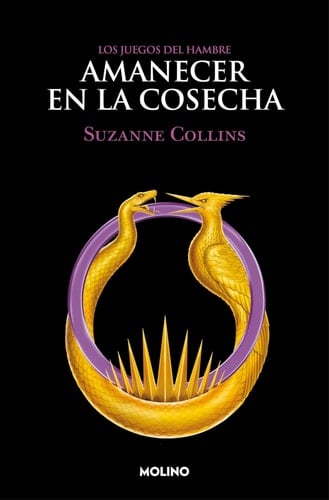
Amanecer en la cosecha / Sunrise on the Reaping (Juegos del Hambre) (Spanish Edition)
Suzanne Collins · 2025

Balada de pájaros cantores y serpientes / The Ballad of Songbirds and Snakes
Suzanne Collins · 2022

Sinsajo (Los Juegos del Hambre 3)
Suzanne Collins · 2014
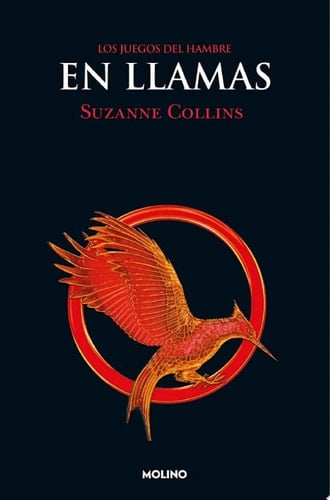
Los Juegos del Hambre 2 - En llamas (Spanish Edition)
Suzanne Collins · 2013
Los Juegos del hambre
Suzanne Collins • 2022
Agatha Christie🔍

El misterioso caso de Styles
Agatha Christie · 2022

Y No Quedo Ninguno
Agatha Christie · 2008
Asesinato En El Oriente Express
Agatha Christie · 2018
Kafka🚪
El proceso
Franz Kafka • 2021
CARTAS AL PADRE
Franz Kafka
Jane Austen 🕯️
Sentido Y Sensibilidad
Jane Austen · 2003
Emma
Jane Austen · 2016

Sentido y Sensibilidad Jane Austen (Spanish Edition)
Jane. Austen · 2016
Dostoievski🍁
El idiota
Fiódor M. Dostoievski • 2020
Memorias del subsuelo
Fiódor M. Dostoievski • 2023
Crimen y castigo
Crimen y castigo
Books
Macbet Tragedia (Classic Reprint)
William Shakspeare • 2017
Books

La clase de griego
Han Kang · 2024

Babel
R. F. Kuang · 2022
Instant #1 New York Times Bestseller from the author of The Poppy War “Absolutely phenomenal. One of the most brilliant, razor-sharp books I've had the pleasure of reading that isn't just an alternative fantastical history, but an interrogative one; one that grabs colonial history and the Industrial Revolution, turns it over, and shakes it out.” -- Shannon Chakraborty, bestselling author of The City of Brass From award-winning author R. F. Kuang comes Babel, a thematic response to The Secret History and a tonal retort to Jonathan Strange & Mr. Norrell that grapples with student revolutions, colonial resistance, and the use of language and translation as the dominating tool of the British empire. Traduttore, traditore: An act of translation is always an act of betrayal. 1828. Robin Swift, orphaned by cholera in Canton, is brought to London by the mysterious Professor Lovell. There, he trains for years in Latin, Ancient Greek, and Chinese, all in preparation for the day he’ll enroll in Oxford University’s prestigious Royal Institute of Translation—also known as Babel. Babel is the world's center for translation and, more importantly, magic. Silver working—the art of manifesting the meaning lost in translation using enchanted silver bars—has made the British unparalleled in power, as its knowledge serves the Empire’s quest for colonization. For Robin, Oxford is a utopia dedicated to the pursuit of knowledge. But knowledge obeys power, and as a Chinese boy raised in Britain, Robin realizes serving Babel means betraying his motherland. As his studies progress, Robin finds himself caught between Babel and the shadowy Hermes Society, an organization dedicated to stopping imperial expansion. When Britain pursues an unjust war with China over silver and opium, Robin must decide… Can powerful institutions be changed from within, or does revolution always require violence?
Books
La ladrona de libros
Markus Zusak
Books
El Perfume
Patrick Suskind • 1986
El Principito
Antoine de Saint-Exupéry
Books

LA MUERTE DE IVÁN ILICH (Spanish Edition)
Lev Tolstói · 2023

El Hombre En Busca de Sentido
Viktor E. Frankl
Books
La Eneida
Publio Virgilio Marón • 1999
La divina comedia (Spanish Edition)
Dante Alighieri • 2016
Books
El Fantasma De La Opera
Leroux Gaston • 1990
To Read

Lo que los libros de Historia del Arte no quieren que sepas Salseos artísticos y más
Blanca Guilera · 2024
Uncategorized
Lo que los libros de Historia del Arte no quieren que sepas: Salseos artísticos y más
Blanca Guilera • 2024

El principito
Antoine de Saint-Exupery · 2017

El resplandor
Stephen King · 2021
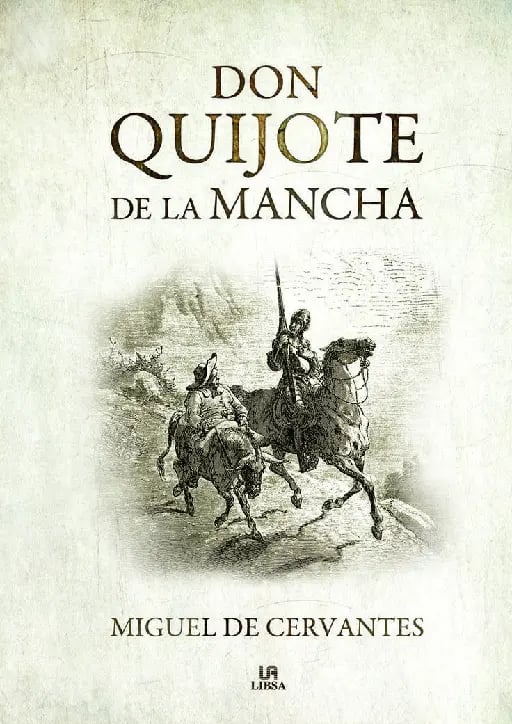
Don Quijote de la Mancha
Miguel de Cervantes

La Divina Comedia
Dante Alighieri

Ensayo Sobre La Lucidez
José Saramago · 2010
Saramago, Un Escritor Que Se Ha Convertido En La Conciencia Lúcida De Una época Cegada Por Los Mecanismos Del Poder, Lanza Una Llamada De Alerta: «puede Suceder Que Un Día Tengamos Que Preguntarnos ¿quién Ha Firmado Esto Por Mí?». Ese Día Puede Ser Hoy. «aullemos, Dijo El Perro.» Libro De Los Contrarios Durante Las Elecciones Municipales De Una Ciudad Sin Nombre, La Mayoría De Sus Habitantes Decide Individualmente Ejercer Su Derecho Al Voto De Una Manera Inesperada. El Gobierno Teme Que Ese Gesto Revolucionario, Capaz De Socavar Los Cimientos De Una Democracia Degenerada, Sea Producto De Una Conjura Anarquista Internacional O De Grupos Extremistas Desconocidos. Las Cloacas Del Poder Se Ponen En Marcha: Los Culpables Tienen Que Ser Eliminados. Y Si No Se Hallan, Se Inventan. Los Protagonistas De Esta Novela De Saramago, Un Inspector De Policía Y La Mujer Que Conservó La Vista En La Epidemia De Luz Blanca De Ensayo Sobre La Ceguera, Dan Muestras De La Altura Moral Que Los Ciudadanos Anónimos Pueden Alcanzar Cuando Deciden Ejercer La Libertad.

Pizarnik, poesía completa
Poesía
Have you ever wondered why that 13-digit number on the back of a book costs $125 in the United States but is completely free in Canada and India? This book, The Global ISBN Handbook, is your 2025 guide to the International Standard Book Number. It explains everything about this global "fingerprint" for books. The ISBN is the most important cornerstone of the publishing industry. It started as a simple warehouse tool in the 1960s. Now, it is a complex digital identifier used in over 200 countries. This handbook deconstructs the entire system. It uses 15 distinct national case studies to do this. You will learn how the old 10-digit system changed to the new 13-digit one. We break down the five parts of the ISBN, from the "Bookland" prefix to the final check digit. The book explores the global governance framework, starting with the International ISBN Agency. Then, it dives deep into how different countries run their systems. You'll see the privatized, high-cost model in the United States. You'll compare it to Canada's free, government-run system. We explore the industry-led models in Brazil and Germany. We look at government-run systems in Mexico and India. We even cover the unique case of China, where the ISBN is not a simple identifier but a state-controlled publication license. The book also examines the systems in the UK , France , Russia , Japan , Australia , South Africa , Nigeria , and Egypt. Many books and websites can tell you how to get an ISBN. This handbook is the only resource that explains why the process is so different everywhere you look. It moves beyond a simple "how-to" and provides a true global analysis. It directly compares the privatized, for-profit models in the US and UK against the free, public-good systems in Canada and South Africa. You won't just learn the price; you will understand the cultural policies, market structures, and legal philosophies that shape that price. This book shows how the ISBN is a "global mirror". It reveals how a simple number can be a commercial product in one nation , a tool of cultural policy in another , and an instrument of state control in a third. This comparative insight is the missing piece for any author, publisher, or researcher trying to navigate the complex international publishing market. Disclaimer: This handbook is an independently produced resource for commentary and analysis. The author has no affiliation with the International ISBN Agency, R.R. Bowker, Library and Archives Canada, the National Press and Publication Administration, or any other national ISBN agency. This work is independently produced under the principle of nominative fair use.

Guerra y paz
Lev Tolstói

El silencio de los corderos
Thomas Harris
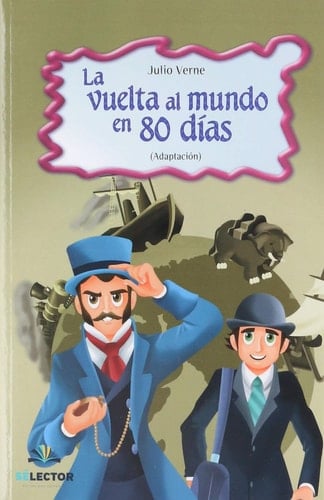
La vuelta al mundo en 80 días
Julio Verne · 2019
Toda Mafalda (Spanish Edition)
Quino • 2004
El club de los poetas muertos
N. H. Kleinbaum · 1995

Anna Karenina
graf Leo Tolstoy · 1995

El Gran Gatsby
F Scott Fitzgerald · 2022

La asistenta
Freida McFadden · 2023
La señora Dalloway
La señora Dalloway

To Kill a Mockingbird \ Matar a un ruiseñor (Spanish edition)
To Kill a Mockingbird \ Matar a un ruiseñor (Spanish edition)

Los robots del amanecer
Isaac Asimov · 2003

Cuentos de buenas noches para niñas rebeldes
Elena Favilli · 2017
El resplandor
Stephen King • 2013
