Libros must

Items in this hypelist
Finished

El género en disputa: El feminismo y la subversión de la identidad
Judith Butler • 2023
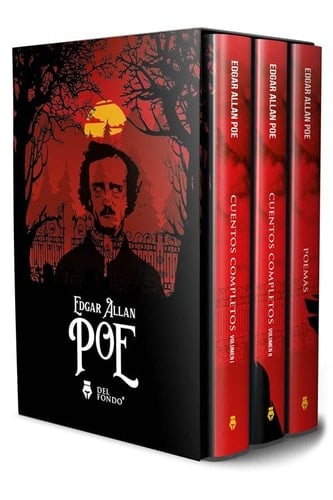
Cuentos y poemas completos
Edgar Allan Poe • 2019
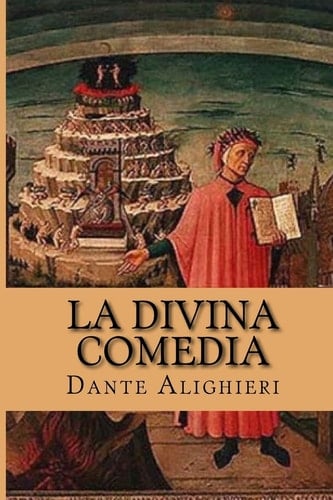
La Divina Comedia
Dante Alighieri • 2015
La Divina Comedia es un poema donde se mezcla la vida real con la sobrenatural, muestra la lucha entre la nada y la inmortalidad, una lucha donde se superponen tres reinos, tres mundos, logrando una suma de múltiples visuales que nunca se contradicen o se anulan. Los tres mundos infierno, purgatorio y paraíso reflejan tres modos de ser de la humanidad, en ellos se reflejan el vicio, el pasaje del vicio a la virtud y la condición de los hombres perfectos. Es entonces a través de los viciosos, penitentes y buenos que se revela la vida en todas sus formas, sus miserias y hazañas, pero también se muestra la vida que no es, la muerte, que tiene su propia vida, todo como una mezcla agraciada planteada por Dante, que se vuelve arquitecto de lo universal y de lo sublime.
Cuentos de Canterbury
Geoffrey Chaucer • 2015
Bhagava Gita
Anónimo
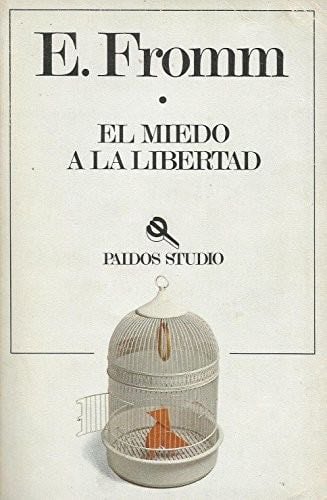
Miedo a la libertad
Erich Fromm
Dr. Fromm analyzes what he considers to be contemporary man's fear of positive freedom and willingness to submit to totalitarianism
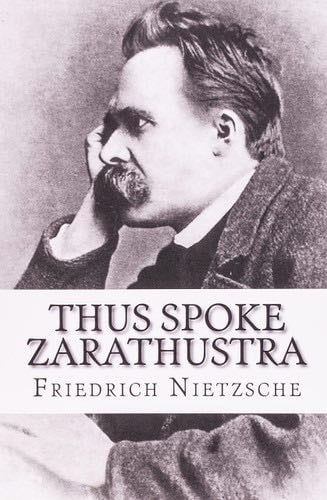
Thus Spoke Zarathustra
Friedrich Nietzsche
Thus Spoke Zarathustra: A Book for All and None is a philosophical novel by German philosopher Friedrich Nietzsche, composed in four parts between 1883 and 1885 and published between 1883 and 1891. Much of the work deals with ideas such as the "eternal recurrence of the same", the parable on the "death of God", and the "prophecy" of the Übermensch, which were first introduced in The Gay Science.

A Short History of Decay
E. M. Cioran • 2012
In the fact of being born there is such an absence of necessity thatwhen you think about it a little more than usual you are left . . . with afoolish...
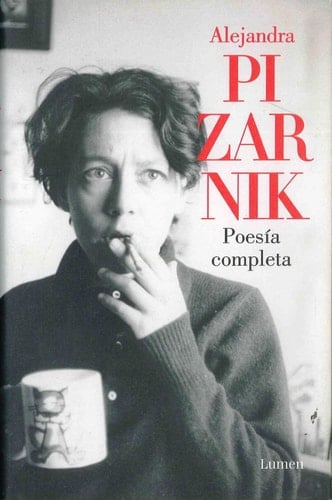
Poesía Completa
Alejandra Pizarnik • 2000
Lumen publica la obra poética completa de una de las escritoras argentinas más emblemáticas de la segunda mitad del siglo XX, la controvertida, polémica y malograda Alejandra Pizarnik.<br/><br/>«Cada poema [suyo] es el cubo de una inmensa rueda.»<br/>Julio Cortázar<br/>Alejandra Pizarnik es una figura de culto de las letras hispanas y una autora que se internó por infiernos raramente visitados por la literatura española. Su poesía se caracteriza por un hondo intimismo y una severa sensualidad o, en palabras de Octavio Paz, la obra de Pizarnik lleva a cabo una «cristalización verbal por amalgama de insomnio pasional y lucidez meridiana en una disolución de realidad sometida a las más altas temperaturas».<br/>Esta edición, a cargo de Ana Becciu, incluye los libros de poemas editados en vida de la autora y los poemas inéditos compilados a partir de manuscritos.<br/>Reseñas:<br/>«La belleza de su enigmática y sobrecogedora poesía [...] no acaba nunca.»<br/>Winston Manrique Sabogal, El País<br/>«Cada poema [suyo] es el cubo de una inmensa rueda.»<br/>Julio Cortázar<br/>«Sobre mi mesa, lleva semanas abierto el volumen que contiene la Poesía completa de ese irrepetible y doliente meteoro que fue Alejandra Pizarnik (1936-1972), de quien no me resisto a transcribir unos versos estremecedores: no atraigas frases / poemas / versos / no tienes nada que decir / nada que defender / sueña sueña que no estás aquí / que ya te has ido / que todo ha terminado.»<br/>Manuel Rodríguez, Babelia<br/>«Sumergirse en la intimidad de la gran poeta argentina es adentrarse en las arenas movedizas de una pulsión suicida. [...] Así es su escritura: el constante descubrimiento de una rosa con espinas. [...] Se la lee de poco en poco, como quien paladea un vino añejo.»<br/>Rocío Niebla, Tinta Libre<br/>«La palabra parece la guarida que no siempre es capaz de proteger. Su poesía es luminosa en la oscuridad; provoca vértigo, perturba; las ausencias pesan y la belleza desgarra.»<br/>Estandarte<br/>«Un hecho excepcional en la literatura argentina, que puede adjudicarse al aura de prestigio casi legendario que ha envuelto la vida y la obra de Alejandra Pizarnik.»<br/>César Aira<br/>«Al encanto de Pizarnik de ser una figura envuelta en el misterio y una personalidad inexplicable, hay que añadir el hecho de que palabra por palabra ella escribía la noche, y el lector que se acerque a ella descubrirá que esa escritura nocturna, que tenía un alto sentido del riesgo, nacía de la más pura necesidad, como a pocos escritores del siglo XX se les ha visto: una lírica extrema y también una tragedia.»<br/>Enrique Vila-Matas, Babelia<br/>«Alrededor de una obra breve, se despliega una constelación que va conformando la imagen deuna de las poetas más leídas, comentadas y hasta mitificadas de la segunda mitad del siglo XX.»<br/>Edgardo Dobry, El País<br/>«Una figura de culto y una autora que se internó en infiernos raramente visitados en la literatura española.»<br/>Rosa Martí, Esquire<br/>«La poesía de Pizarnik hay que desbrozarla lentamente.»<br/>Julia Navarro, ABC - Cultural<br/>«Pizarnik nos descubre un éxtasis en la inestabilidad del lenguaje y logra arrancarle una verdad mercurial y patética.»<br/>Los Angeles Review of Books<br/>«Basta nombrarla para que en el aire vibren la poesía y la leyenda. Una lírica extrema y también una tragedia.»<br/>Luis Chitarroni
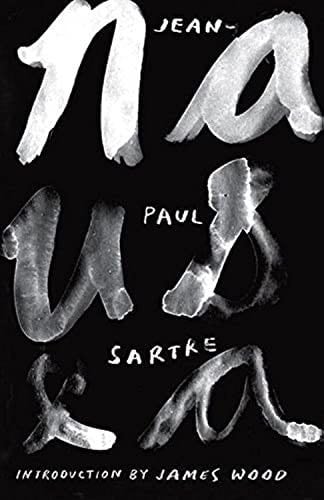
Nausea (New Directions Paperbook)
Jean-Paul Sartre · 2013
Sartre's greatest novel ― and existentialism's key text ― now introduced by James Wood.<br/>Nausea is the story of Antoine Roquentin, a French writer who is horrified at his own existence. In impressionistic, diary form he ruthlessly catalogs his every feeling and sensation. His thoughts culminate in a pervasive, overpowering feeling of nausea which “spreads at the bottom of the viscous puddle, at the bottom of our time ― the time of purple suspenders and broken chair seats; it is made of wide, soft instants, spreading at the edge, like an oil stain.”<br/>Winner of the 1964 Nobel Prize in Literature (though he declined to accept it), Jean-Paul Sartre ― philosopher, critic, novelist, and dramatist ― holds a position of singular eminence in the world of French letters. La Nausée, his first and best novel, is a landmark in Existential fiction and a key work of the twentieth century.
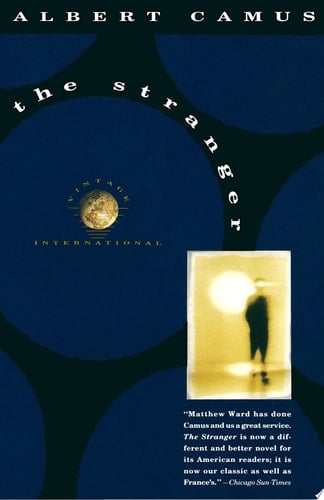
The Stranger
Albert Camus • 1989
With the intrigue of a psychological thriller, The Stranger—Camus's masterpiece—gives us the story of an ordinary man unwittingly drawn into a senseless murder on an Algerian beach. With an Introduction by Peter Dunwoodie; translated by Matthew Ward.<br/><br/>Behind the subterfuge, Camus explores what he termed "the nakedness of man faced with the absurd" and describes the condition of reckless alienation and spiritual exhaustion that characterized so much of twentieth-century life.<br/><br/>“The Stranger is a strikingly modern text and Matthew Ward’s translation will enable readers to appreciate why Camus’s stoical anti-hero and devious narrator remains one of the key expressions of a postwar Western malaise, and one of the cleverest exponents of a literature of ambiguity.” —from the Introduction by Peter Dunwoodie<br/><br/>First published in 1946; now in translation by Matthew Ward.
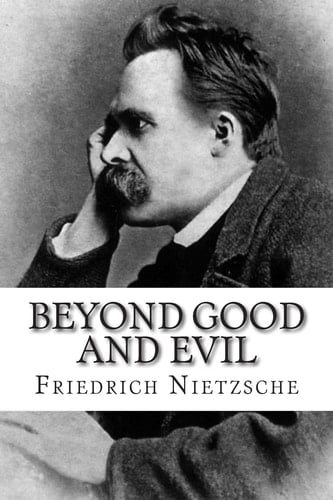
Beyond Good and Evil
Friedrich Nietzsche • 2018
Anna Karenina
Leo Tolstoy • 2004
<b>The must-have Pevear and Volokhonsky translation of one of the greatest Russian novels ever written</b><br><br> Described by William Faulkner as the best novel ever written and by Fyodor Dostoevsky as “flawless,” <i>Anna Karenina</i> tells of the doomed love affair between the sensuous and rebellious Anna and the dashing officer, Count Vronsky. Tragedy unfolds as Anna rejects her passionless marriage and thereby exposes herself to the hypocrisies of society. Set against a vast and richly textured canvas of nineteenth-century Russia, the novel's seven major characters create a dynamic imbalance, playing out the contrasts of city and country life and all the variations on love and family happiness.<br><br> While previous versions have softened the robust and sometimes shocking qualities of Tolstoy's writing, Pevear and Volokhonsky have produced a translation true to his powerful voice. This authoritative edition, which received the PEN Translation Prize and was an Oprah Book Club™ selection, also includes an illuminating introduction and explanatory notes. Beautiful, vigorous, and eminently readable, this <i>Anna Karenina</i> will be the definitive text for fans of the film and generations to come. This Penguin Classics Deluxe Edition also features French flaps and deckle-edged paper.<br><br>For more than seventy years, Penguin has been the leading publisher of classic literature in the English-speaking world. With more than 1,700 titles, Penguin Classics represents a global bookshelf of the best works throughout history and across genres and disciplines. Readers trust the series to provide authoritative texts enhanced by introductions and notes by distinguished scholars and contemporary authors, as well as up-to-date translations by award-winning translators.

The Curious Incident of the Dog in the Night-Time : Adapted for Audio, Partly Dramatised, Complete Story
Mark Haddon · 2004
Siddharta
Herman Hesse · 2018
Siddhartha is a novel by Hermann Hesse that deals with the spiritual journey of self-discovery of a man named Siddhartha during the time of the Gautama Buddha.
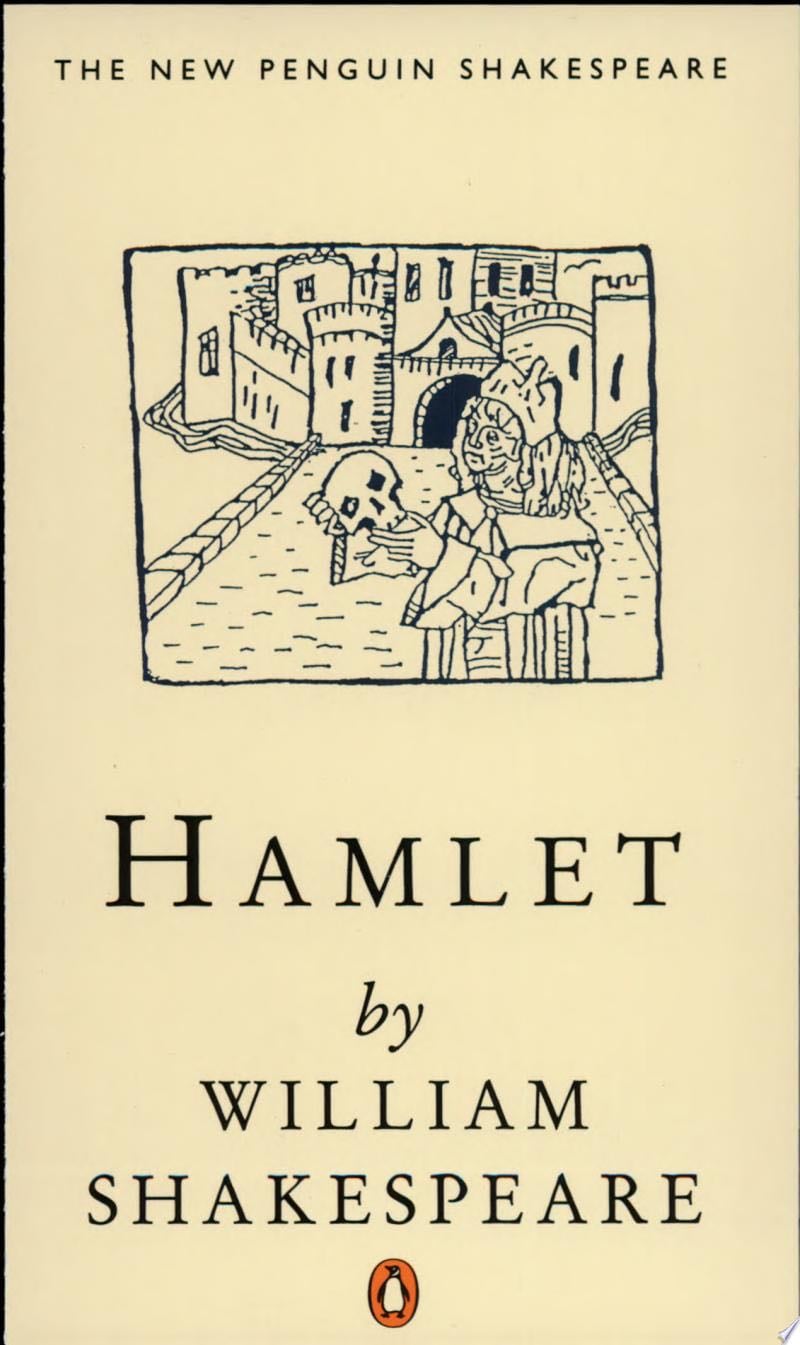
Hamlet
William Shakespeare · 1980
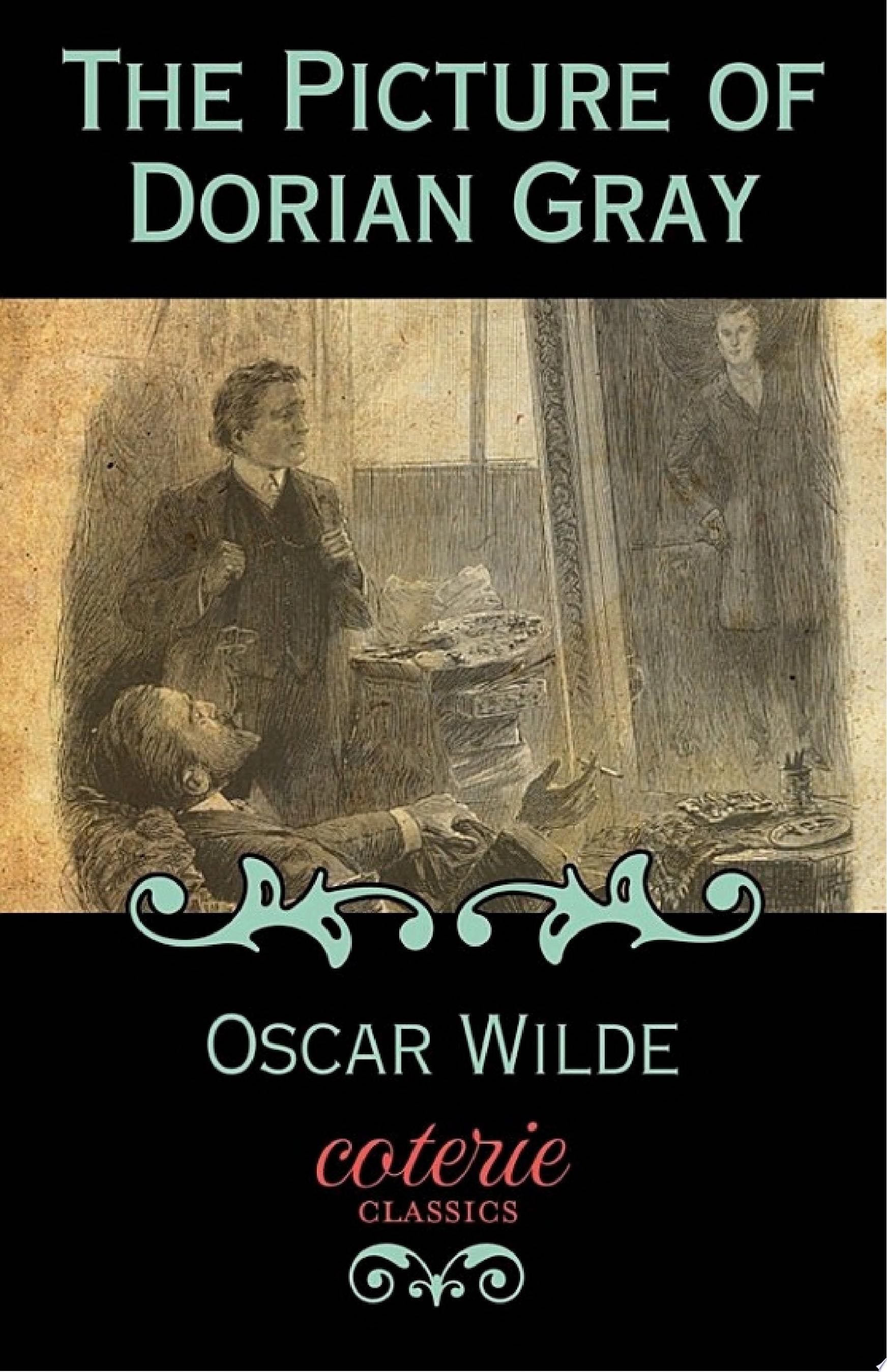
El Retrato de Dorian Gray
Oscar Wilde • 1890
The Picture of Dorian Gray by Oscar Wilde from Coterie Classics <p> All Coterie Classics have been formatted for ereaders and devices and include a bonus link to the free audio book. <p>“Those who find ugly meanings in beautiful things are corrupt without being charming. This is a fault. Those who find beautiful meanings in beautiful things are the cultivated. For these there is hope. They are the elect to whom beautiful things mean only Beauty. There is no such thing as a moral or an immoral book. Books are well written, or badly written. That is all.” ― Oscar Wilde, The Picture of Dorian Gray <br> A man sells his soul for eternal youth and scandalizes the city in Oscar Wilde's The Picture of Dorian Gray.</p></p>

El perro de los Baskerville
Arthur Conan Doyle • 2005