libros que cambiaron algo en min

Items in this hypelist
Books
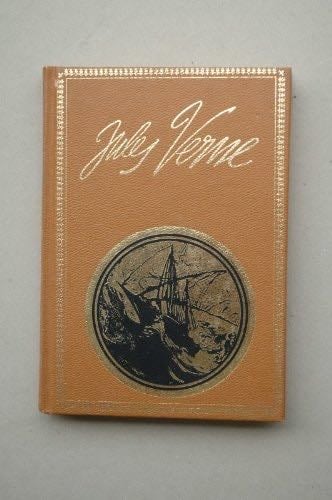
La vuelta al mundo en ochenta días
Jules Verne · 1872

El señor de las moscas
William Golding · 1954
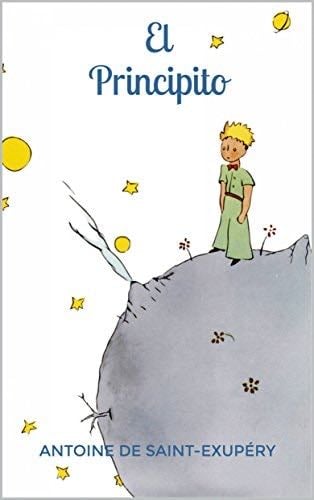
El Principito
Antoine de Saint-Exupéry · 1943

Un saco de canicas
Joseph Joffo · 1973

Las cenizas de Ángela
Frank McCourt · 1996

Os vellos non deben de namorarse
Alfonso Daniel R. Castelao · 1953
Os amores de anciáns e rapazas, un tema popular para unha farsa de gran influencia no teatro galego.

A esmorga
Eduardo Blanco Amor · 1959
Texto íntegro, incorpora as pasaxes eliminadas pola censura na edición de 1970.

El día que Nietzsche lloró
Irvin D. Yalom · 1992
Venecia, diciembre de 1882. La deslumbrante e impetuosa Lou Salomé concierta una misteriosa cita con Josef Breuer, reputado médico vienés, con el objeto de salvar la vida de un tal Friedrich Nietzsche, un filósofo alemán casi desconocido pero de brillante porvenir, que manifiesta una crisis profunda de tendencias suicidas tras la relación que ha mantenido con Lou Salomé y Paul Rée. El doctor Breuer, influido por las novedosas teorías de su joven discípulo Sigmund Freud, acepta la peligrosa estrategia que Lou le propone –psicoanalizar a Nietzsche sin que éste se dé cuenta–, sin saber que está siendo víctima de una intriga personal tramada por la joven. Con una potencia narrativa digna del mejor suspense, Irvin D. Yalom traza una nueva historia del nacimiento del psicoanálisis, tan maquiavélica y divertida como intensa, e imagina el encuentro ficticio entre Nietzsche y Breuer, en lo que resulta una irónica vuelta de tuerca de la historia de la filosofía y del psicoanálisis y una ocasión irrepetible para revisitar algunas de las grandes figuras que han configurado el rostro contemporáneo de la cultura occidental.

Luces de Bohemia
Ramón del Valle-Inclán · 1920

La campana de cristal
Sylvia Plath · 1963
<p><i>The Bell Jar</i> chronicles the crack-up of Esther Greenwood: brilliant, beautiful, enormously talented, and successful, but slowly going under -- maybe for the last time. Sylvia Plath masterfully draws the reader into Esther's breakdown with such intensity that Esther's insanity becomes completely real and even rational, as probable and accessible an experience as going to the movies. Such deep penetration into the dark and harrowing corners of the psyche is an extraordinary accomplishment and has made <i>The Bell Jar</i> a haunting American classic.</p> <p>This P.S. edition features an extra 16 pages of insights into the book, including author interviews, recommended reading, and more.</p>

El guardián entre el centeno
J. D. Salinger · 1951

La casa de las bellas durmientes
Yasunari Kawabata · 1961

Crimen y castigo
Fyodor Dostoevsky · 1866
<b>Hailed by <i>Washington Post Book World</i> as “the best [translation] currently available" when it was first published, this second edition of <i>Crime and Punishment </i>has been updated in honor of the 200th anniversary of Dostoevsky’s birth. • <b>ONE OF <i>TIME MAGAZINE</i>'S 100 BEST MYSTERY AND THRILLER BOOKS OF ALL TIME</b></b><br><br>With the same suppleness, energy, and range of voices that won their translation of <i>The Brothers Karamazov</i> the PEN/Book-of-the-Month Club Prize, Richard Pevear and Larissa Volokhonsky offer a brilliant translation of <i>Crime and Punishment, </i>Dostoevsky's astounding pyschological thriller, newly revised for his bicentenniel. <br><br>In <i>Crime and Punishment</i>, when Raskolnikov, an impoverished student living in the St. Petersburg of the tsars, commits an act of murder and theft, he sets into motion a story that is almost unequalled in world literature for its excruciating suspense, its atmospheric vividness, and its depth of characterization and vision. Dostoevsky’s drama of sin, guilt, and redemption transforms the sordid story of an old woman’s murder into the nineteenth century’s profoundest and most compelling philosophical novel.

O conto da criada
Margaret Atwood · 1985
<p>Now a Hulu series starring Elizabeth Moss. The Handmaid's Tale is an instant classic and eerily prescient cultural phenomenon, from "the patron saint of feminist dystopian fiction" ( New York Times )<br></p><p>The Handmaid's Tale is a novel of such power that the reader will be unable to forget its images and its forecast. Set in the near future, it describes life in what was once the United States and is now called the Republic of Gilead, a monotheocracy that has reacted to social unrest and a sharply declining birthrate by reverting to, and going beyond, the repressive intolerance of the original Puritans. The regime takes the Book of Genesis absolutely at its word, with bizarre consequences for the women and men in its population.<br></p><p>The story is told through the eyes of Offred, one of the unfortunate Handmaids under the new social order. In condensed but eloquent prose, by turns cool-eyed, tender, despairing, passionate, and wry, she reveals to us the dark corners behind the establishment's calm facade, as certain tendencies now in existence are carried to their logical conclusions. The Handmaid's Tale is funny, unexpected, horrifying, and altogether convincing. It is at once scathing satire, dire warning, and a tour de force. It is Margaret Atwood at her best.<br></p>