
libros que quiero

Items in this hypelist
To Read

All the Bright Places
Jennifer Niven · 2016
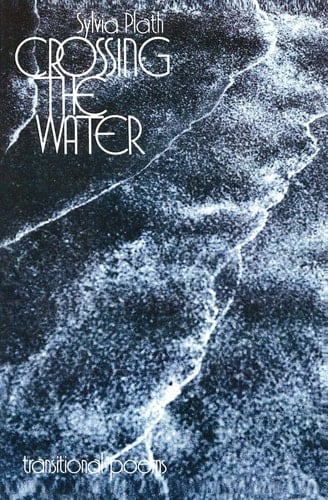
Cruzando el Agua
Sylvia Plath • 1980
"Crossing the Water, a collection of poems written just prior to those in Ariel, . . . is of immense importance in recording [Plath's] extraordinary development. One senses on every page a voice coming into its own, the chaos of a lifetime at last getting ready to assume its final, triumphant shape." — Kirkus Reviews<br/>Sylvia Plath's extraordinary collection pushes the envelope between dark and light, between our deep passions and desires that are often in tension with our duty to family and society. Water becomes a metaphor for the surface veneer that many of us carry, but Plath explores how easily this surface can be shaken and disturbed.
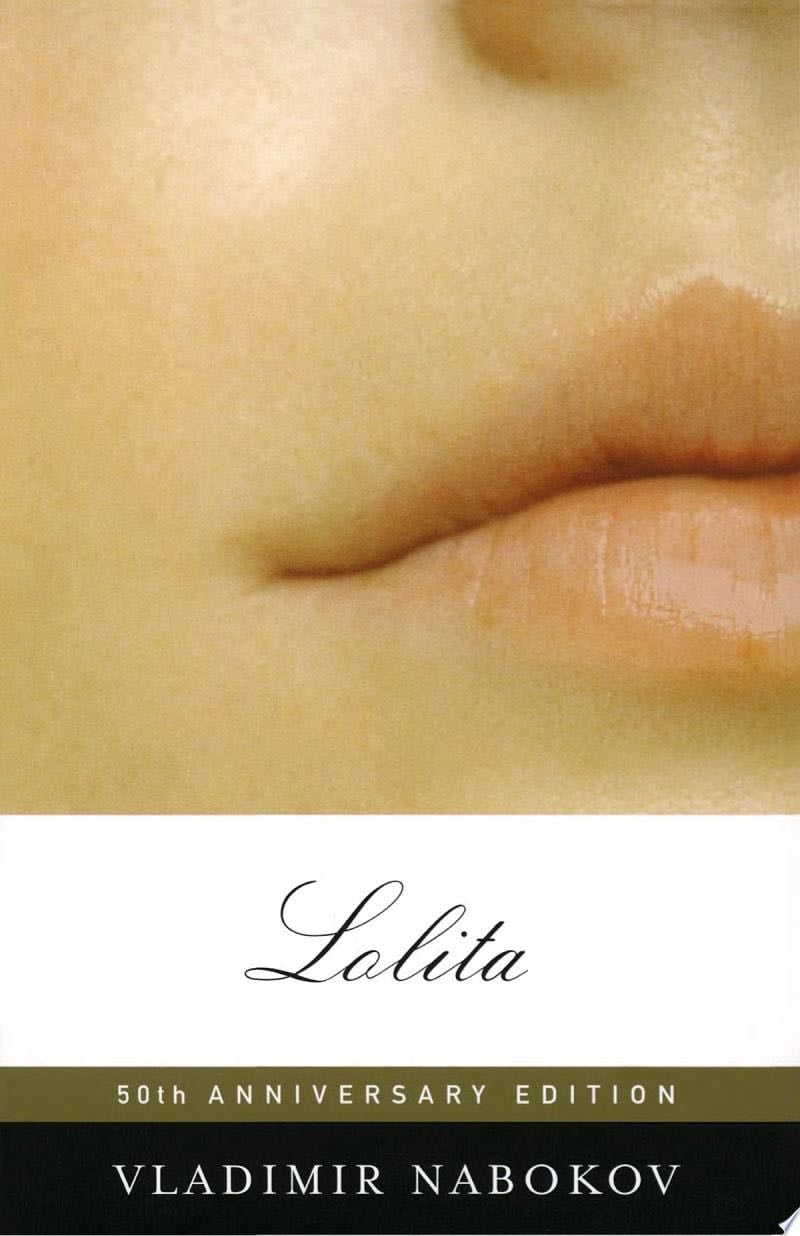
Lolita
Vladimir Nabokov • 1955
<b>The most famous and controversial novel from one of the greatest writers of the twentieth century tells the story of Humbert Humbert’s obsessive, devouring, and doomed passion for the nymphet Dolores Haze.<br><br>“The conjunction of a sense of humor with a sense of horror [results in] satire of a very special kind.”<i>—<b>The New Yorker</b></i><br></b><br><b>One of <i>The Atlantic</i>’s Great American Novels of the Past 100 Years</b><br><br>Awe and exhilaration—along with heartbreak and mordant wit—abound in Lolita, which tells the story of the aging Humbert Humbert's obsession for the nymphet Dolores Haze. <i>Lolita </i>is also the story of a hypercivilized European colliding with the cheerful barbarism of postwar America. <br><br>Most of all, it is a meditation on love—love as outrage and hallucination, madness and transformation.
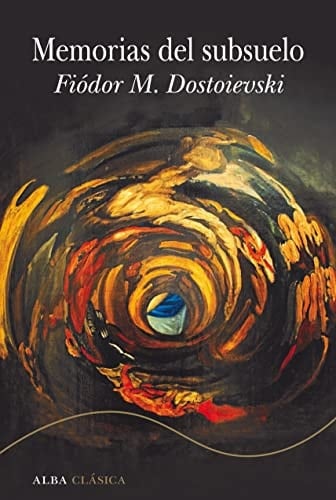
Memorias del Subsuelo
Fiódor Dostoievski • 1864
«En una novela tiene que haber un héroe, y aquí se han reunido deliberadamente todos los rasgos del antihéroe», dice el narrador sin nombre de Memorias del subsuelo. En la primera parte del libro, un funcionario de grado mediano de cuarenta años, ya retirado, se dirige a un imaginario público como un orador. En la segunda parte, a partir del recuerdo de una anécdota de juventud, la novela empieza a poblarse de personajes –tenientes engreídos, amigos aduladores, criados altivos, jóvenes prostitutas– que acaban de perfilar, con sus juergas y sus desaires, el característico universo dostoievskiano. El «subsuelo» desde donde escribe el protagonista es un espacio simbólico de «la falta de contacto con la vida» y del «presuntuoso rencor» que esta genera, pero también un refugio donde reina una falsa sensación de «tranquilidad». Es el lugar donde viven los insectos, las arañas y los ratones, y también el hombre superfluo, «incapaz de amar», ese gran prototipo de la literatura rusa.
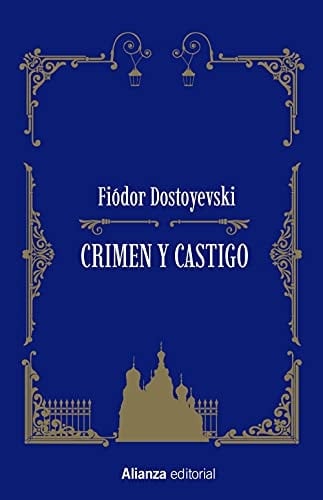
Crimen y Castigo
Fiódor Dostoyevski • 1866
El joven Rodión Raskólnikov, antiguo estudiante, arrastra una existencia precaria en San Petersburgo. Cuando recibe una carta anunciándole la visita de su madre y su hermana en relación con los súbitos planes de boda de esta última, las fantasías de acabar con sus problemas a través del asesinato de la vieja prestamista a la cual suele recurrir van tomando cuerpo en su voluntad...<br/>Crimen y castigo (1866) es posiblemente la obra más lograda del autor. En ella, sirviéndose de una trama y de unos personajes que reúnen los mejores ingredientes de la novela del siglo XIX, se plantea el problema de la justificación o no de los actos, de la conciencia y de la culpa.<br/>Fiódor Dostoyevski (1821-1881) es, junto con Lev Tolstói, el gran novelista ruso del siglo XIX. Su vida y su creación literaria sufrieron un cambio radical después de que en 1849 fuera detenido y condenado a muerte, pena que se le conmutó en el último instante, por sus actividades contra el zar. Alianza Editorial tiene publicada prácticamente toda su obra.<br/>CENTENARIO DOSTOYEVSKI (1821-2021)
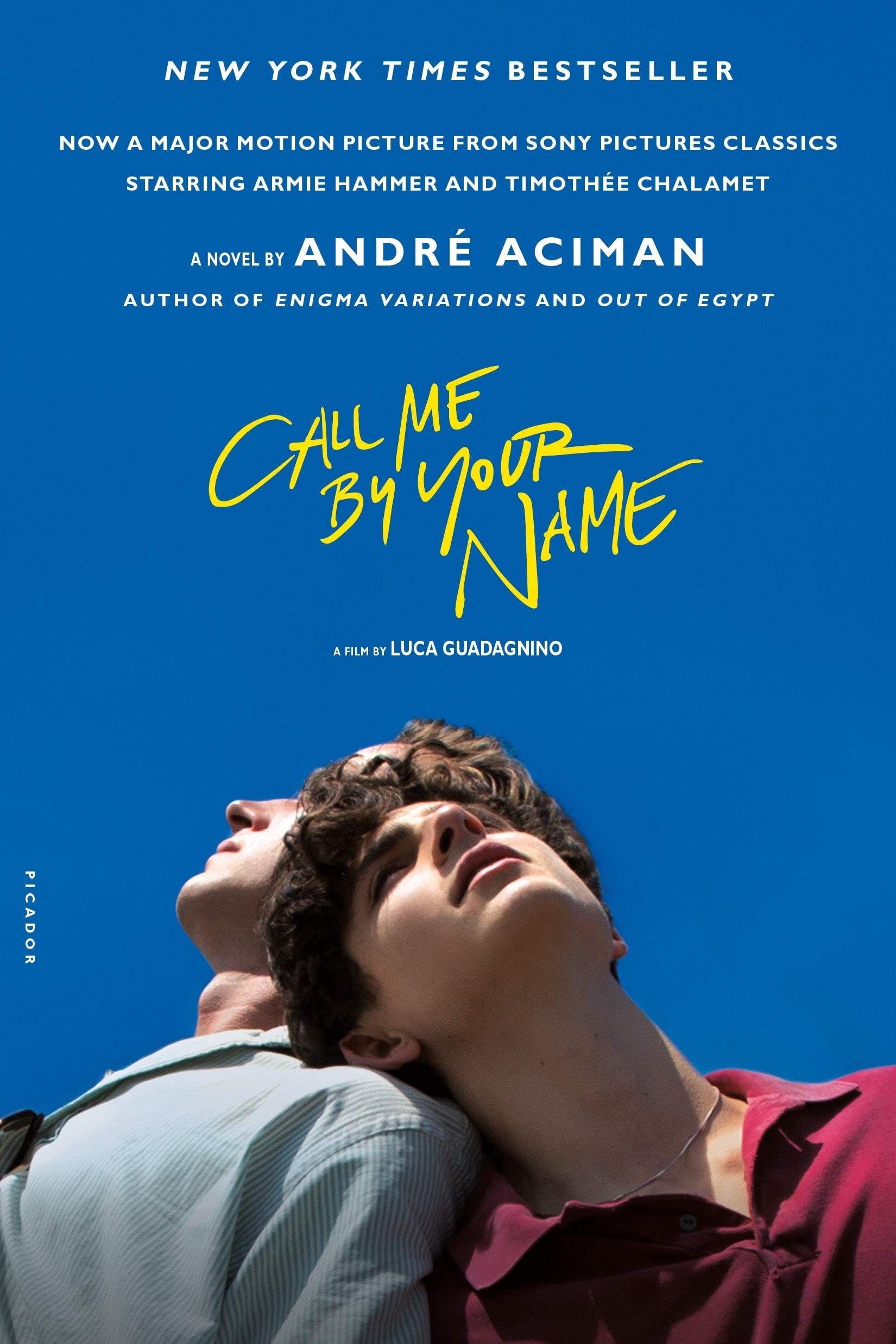
Call Me by Your Name: A Novel
André Aciman · 2017
<p><b>Now a Major Motion Picture from Director Luca Guadagnino, Starring Armie Hammer and Timothée Chalamet, and Written by Three-Time OscarTM Nominee James Ivory<br><br>The Basis of the Oscar-Winning Best Adapted Screenplay</b><b><br><br>A <i>New York Times</i> Bestseller<br>A <i>USA Today</i> Bestseller <br>A <i>Los Angeles Times</i> Bestseller<br>A <i>Vulture</i> Book Club Pick </b><br><br><b>An Instant Classic and One of the Great Love Stories of Our Time<br><br></b>Andre Aciman's <i>Call Me by Your Name</i> is the story of a sudden and powerful romance that blossoms between an adolescent boy and a summer guest at his parents’ cliffside mansion on the Italian Riviera. Each is unprepared for the consequences of their attraction, when, during the restless summer weeks, unrelenting currents of obsession, fascination, and desire intensify their passion and test the charged ground between them. Recklessly, the two verge toward the one thing both fear they may never truly find again: total intimacy. It is an instant classic and one of the great love stories of our time.<br><br>Winner of the Lambda Literary Award for Ficition<br><br>A <i>New York Times</i> Notable Book of the Year • A <i>Publishers Weekly </i>and <i>The Washington Post </i>Best Book of the Year • A <i>New York </i>Magazine "Future Canon" Selection • A <i>Chicago Tribune</i> and <i>Seattle Times</i> (Michael Upchurch's) Favorite Favorite Book of the Year</p>

Thinking, Fast and Slow
Daniel Kahneman · 2013

A Little Life
Hanya Yanagihara · 2016
<b><i>NEW YORK TIMES</i> BESTSELLER • A stunning “portrait of the enduring grace of friendship” (<i>NPR</i>) about the families we are born into, and those that we make for ourselves. A masterful depiction of love in the twenty-first century.<br></b><br><b><b><b><b><b><b><b>NATIONAL BOOK AWARD FINALIST <b><b><b>•</b></b></b></b> MAN BOOKER PRIZE FINALIST <b>• <b><b><b><b><b> WINNER OF THE KIRKUS PRIZE</b></b></b></b></b></b></b></b></b></b></b></b><br><br><i>A Little Life</i> follows four college classmates—broke, adrift, and buoyed only by their friendship and ambition—as they move to New York in search of fame and fortune. While their relationships, which are tinged by addiction, success, and pride, deepen over the decades, the men are held together by their devotion to the brilliant, enigmatic Jude, a man scarred by an unspeakable childhood trauma. A hymn to brotherly bonds and a masterful depiction of love in the twenty-first century, Hanya Yanagihara’s stunning novel is about the families we are born into, and those that we make for ourselves.
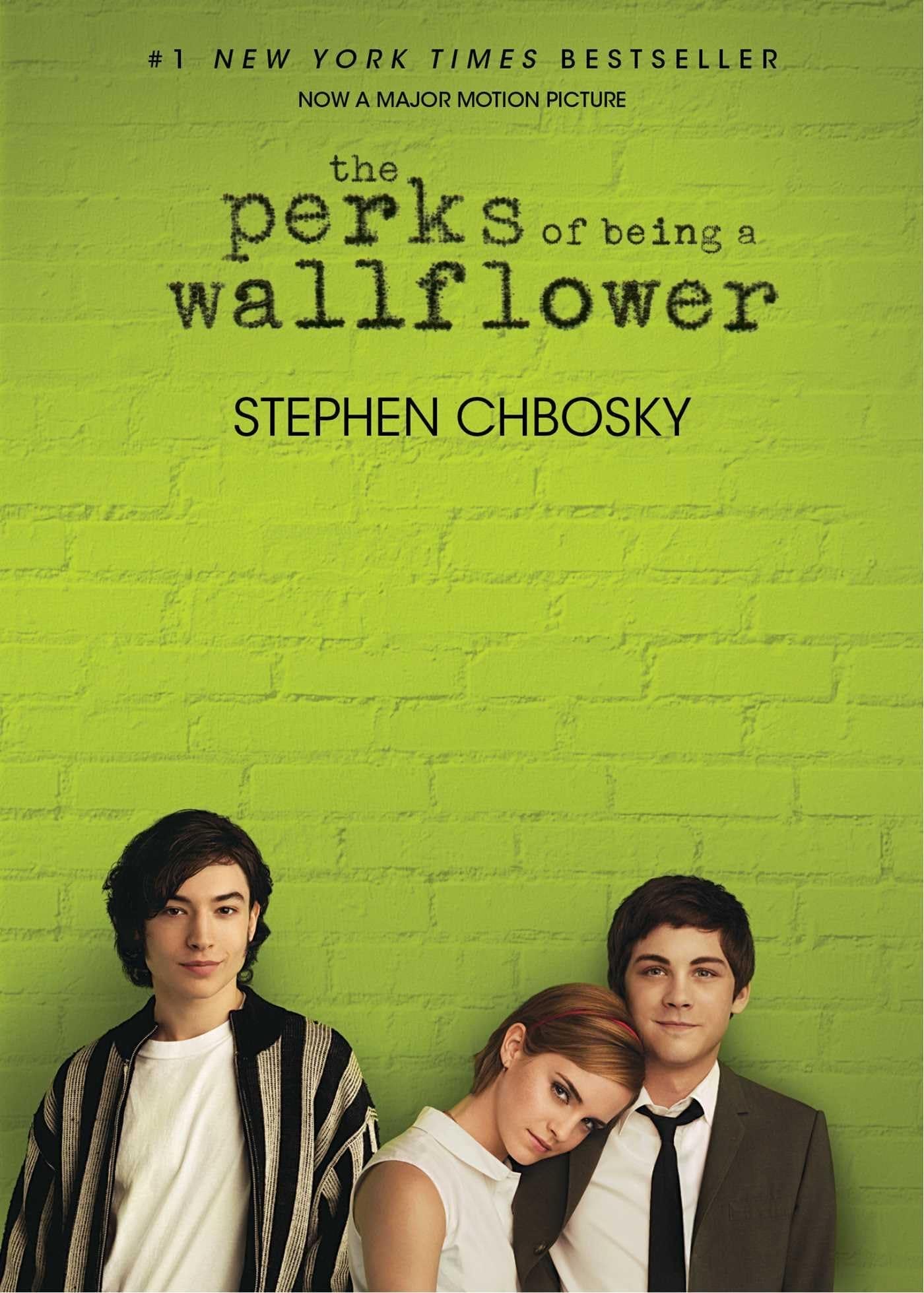
The Perks of Being a Wallflower
Stephen Chbosky · 2012
“A timeless story for every young person who needs to understand that they are not alone.” —Judy Blume<br/><br/>“Once in a while, a novel comes along that becomes a generational touchstone. The Perks of Being a Wallflower is one of those books.” —R. J. Palacio, #1 New York Times bestselling author of Wonder<br/><br/>This #1 New York Times bestselling coming-of-age story with millions of copies in print takes a sometimes heartbreaking, often hysterical, and always honest look at high school in all its glory.<br/><br/>The critically acclaimed debut novel from Stephen Chbosky follows observant “wallflower” Charlie as he charts a course through the strange world between adolescence and adulthood. First dates, family drama, and new friends. Sex, drugs, and The Rocky Horror Picture Show. Devastating loss, young love, and life on the fringes. Caught between trying to live his life and trying to run from it, Charlie must learn to navigate those wild and poignant roller-coaster days known as growing up.<br/><br/>A #1 New York Times bestseller for more than a year, adapted into a major motion picture starring Logan Lerman and Emma Watson (and written and directed by the author), and an American Library Association Best Book for Young Adults (2000) and Best Book for Reluctant Readers (2000), this novel for teen readers (or wallflowers of more-advanced age) will make you laugh, cry, and perhaps feel nostalgic for those moments when you, too, tiptoed onto the dance floor of life.

La casa de los espiritus
Isabel Allende · 1982
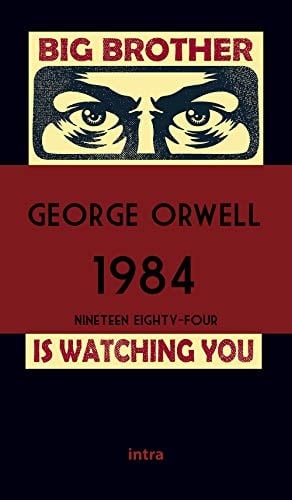
1984
George Orwell • 2021
Edizione originale in lingua inglese, con nota introduttiva in italiano<br/><br/>”Il potere non è un mezzo, è un fine. Non si stabilisce una dittatura nell’intento di salvaguardare una rivoluzione; ma si fa una rivoluzione nell’intento di stabilire una dittatura. Il fine della persecuzione è la persecuzione. Il fine della tortura è la tortura. Il fine del potere è il potere.”<br/><br/>Il romanzo, pubblicato pochi anni dopo la conclusione del secondo conflitto mondiale, è una spietata e profetica riflessione sul potere. È considerato una delle più lucide rappresentazioni del totalitarismo e anche uno dei primi e più importanti esempi di romanzo distopico. L’azione si svolge infatti in un futuro prossimo del mondo (l’anno 1984) in cui il potere si concentra in tre immensi superstati: Oceania (con capitale Londra), Eurasia ed Estasia. Al vertice del potere politico in Oceania c’è il Grande Fratello (“Big Brother”), onnisciente e infallibile, che nessuno ha visto di persona ma di cui ovunque sono visibili grandi manifesti. Il Ministero della Verità, nel quale lavora il protagonista Smith, ha il compito di censurare libri e giornali non in linea con la politica ufficiale, di alterare la storia e di ridurre le possibilità espressive della lingua. Per quanto sia tenuto sotto controllo da telecamere, Smith comincia però a condurre un'esistenza “sovversiva”.<br/><br/>“Big Brother is watching you”: con questo slogan l’autore britannico ha mostrato la propria lungimiranza, ponendo l’accento su uno dei temi più caldi al giorno d’oggi: il controllo del potere sull’opinione pubblica perpetrato mediante i mezzi di comunicazione. Pietra miliare della letteratura inglese, 1984 è uno dei romanzi più conosciuti e forse più controversi del secolo scorso. Un romanzo in grado di smuovere le coscienze e di portare il lettore a riflettere sul passato, sul presente e soprattutto sul futuro.<br/><br/>George Orwell è lo pseudonimo di Eric Arthur Blair, nato in India da una famiglia scozzese nel 1903 e morto a Londra nel 1950. Giornalista culturale, saggista, critico letterario, Orwell è oggi considerato uno dei maggiori autori di lingua inglese del Novecento.<br/><br/>Con nota introduttiva.<br/>Collana Il Disoriente - Luoghi della lettura

The Stranger
Albert Camus · 1989
With the intrigue of a psychological thriller, The Stranger—Camus's masterpiece—gives us the story of an ordinary man unwittingly drawn into a senseless murder on an Algerian beach. With an Introduction by Peter Dunwoodie; translated by Matthew Ward.<br/><br/>Behind the subterfuge, Camus explores what he termed "the nakedness of man faced with the absurd" and describes the condition of reckless alienation and spiritual exhaustion that characterized so much of twentieth-century life.<br/><br/>“The Stranger is a strikingly modern text and Matthew Ward’s translation will enable readers to appreciate why Camus’s stoical anti-hero and devious narrator remains one of the key expressions of a postwar Western malaise, and one of the cleverest exponents of a literature of ambiguity.” —from the Introduction by Peter Dunwoodie<br/><br/>First published in 1946; now in translation by Matthew Ward.
