Literatura
Items in this hypelist
Cuento
Cuentos imprescindibles
Edgar Allan Poe • 2022

El matrimonio de los peces rojos
Guadalupe Nettel • 2013
La biblia vaquera (un triunfo del corrido sobre la lógica)
Carlos Velázquez • 2011
Las voladoras
Mónica Ojeda • 2020
Cabezas en la ventana Antología de terror latinoamericano
Mariana Enríquez • 2025
El Buen Mal / Good and Evil and Other Stories
Samanta Schweblin • 2025
Cuentos con dos rostros
Ricardo Piglia • 1999
Pájaros en la boca y otros cuentos
Samanta Schweblin • 2017

Terminal Boredom
Izumi Suzuki • 2021
Izumi Suzuki
El llano en llamas
Juan Rulfo • 2005
Estío Las mariposas nocturnas
Inés Arredondo • 2021
Lo que no se comprende cuentos ilustrados
Inés Arredondo • 2021
Novela
A flor de piel
Nora Muñiz
Have you ever wondered why that 13-digit number on the back of a book costs $125 in the United States but is completely free in Canada and India? This book, The Global ISBN Handbook, is your 2025 guide to the International Standard Book Number. It explains everything about this global "fingerprint" for books. The ISBN is the most important cornerstone of the publishing industry. It started as a simple warehouse tool in the 1960s. Now, it is a complex digital identifier used in over 200 countries. This handbook deconstructs the entire system. It uses 15 distinct national case studies to do this. You will learn how the old 10-digit system changed to the new 13-digit one. We break down the five parts of the ISBN, from the "Bookland" prefix to the final check digit. The book explores the global governance framework, starting with the International ISBN Agency. Then, it dives deep into how different countries run their systems. You'll see the privatized, high-cost model in the United States. You'll compare it to Canada's free, government-run system. We explore the industry-led models in Brazil and Germany. We look at government-run systems in Mexico and India. We even cover the unique case of China, where the ISBN is not a simple identifier but a state-controlled publication license. The book also examines the systems in the UK , France , Russia , Japan , Australia , South Africa , Nigeria , and Egypt. Many books and websites can tell you how to get an ISBN. This handbook is the only resource that explains why the process is so different everywhere you look. It moves beyond a simple "how-to" and provides a true global analysis. It directly compares the privatized, for-profit models in the US and UK against the free, public-good systems in Canada and South Africa. You won't just learn the price; you will understand the cultural policies, market structures, and legal philosophies that shape that price. This book shows how the ISBN is a "global mirror". It reveals how a simple number can be a commercial product in one nation , a tool of cultural policy in another , and an instrument of state control in a third. This comparative insight is the missing piece for any author, publisher, or researcher trying to navigate the complex international publishing market. Disclaimer: This handbook is an independently produced resource for commentary and analysis. The author has no affiliation with the International ISBN Agency, R.R. Bowker, Library and Archives Canada, the National Press and Publication Administration, or any other national ISBN agency. This work is independently produced under the principle of nominative fair use.
Tengo derecho a autodestruirme
Kim Young-Ha
Have you ever wondered why that 13-digit number on the back of a book costs $125 in the United States but is completely free in Canada and India? This book, The Global ISBN Handbook, is your 2025 guide to the International Standard Book Number. It explains everything about this global "fingerprint" for books. The ISBN is the most important cornerstone of the publishing industry. It started as a simple warehouse tool in the 1960s. Now, it is a complex digital identifier used in over 200 countries. This handbook deconstructs the entire system. It uses 15 distinct national case studies to do this. You will learn how the old 10-digit system changed to the new 13-digit one. We break down the five parts of the ISBN, from the "Bookland" prefix to the final check digit. The book explores the global governance framework, starting with the International ISBN Agency. Then, it dives deep into how different countries run their systems. You'll see the privatized, high-cost model in the United States. You'll compare it to Canada's free, government-run system. We explore the industry-led models in Brazil and Germany. We look at government-run systems in Mexico and India. We even cover the unique case of China, where the ISBN is not a simple identifier but a state-controlled publication license. The book also examines the systems in the UK , France , Russia , Japan , Australia , South Africa , Nigeria , and Egypt. Many books and websites can tell you how to get an ISBN. This handbook is the only resource that explains why the process is so different everywhere you look. It moves beyond a simple "how-to" and provides a true global analysis. It directly compares the privatized, for-profit models in the US and UK against the free, public-good systems in Canada and South Africa. You won't just learn the price; you will understand the cultural policies, market structures, and legal philosophies that shape that price. This book shows how the ISBN is a "global mirror". It reveals how a simple number can be a commercial product in one nation , a tool of cultural policy in another , and an instrument of state control in a third. This comparative insight is the missing piece for any author, publisher, or researcher trying to navigate the complex international publishing market. Disclaimer: This handbook is an independently produced resource for commentary and analysis. The author has no affiliation with the International ISBN Agency, R.R. Bowker, Library and Archives Canada, the National Press and Publication Administration, or any other national ISBN agency. This work is independently produced under the principle of nominative fair use.
Matate, amor
Ariana Harwicz • 2019

El Gran Gatsby
F Scott Fitzgerald • 2022
El cuaderno dorado
Doris Lessing • 2025
Nuestra gloria los escombros
Lucía Calderas • 2025
Marciano
Nona Fernández • 2025

Oficio de tinieblas
Rosario Castellanos • 2009
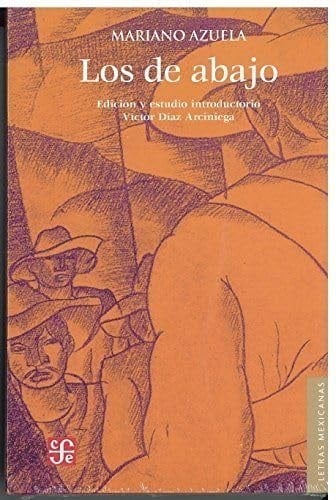
Los de Abajo
Mariano Azuela • 2015
Niebla Miguel de Unamuno
Miguel De Unamuno • 2020

Ulises
James Joyce • 2021

Kitchen
Banana Yoshimoto • 2015
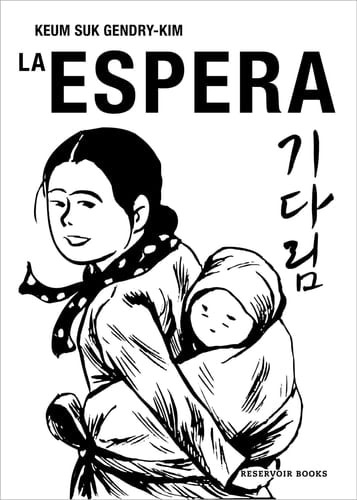
La espera
Keum Suk Gendry-Kim • 2023
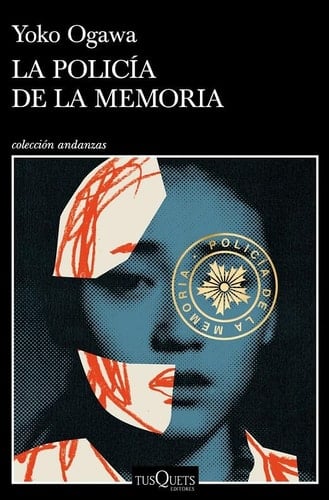
La Policía de la Memoria
Yoko Ogawa • 2021
Territorio de luz
Yuko Tsushima • 2020
El paisaje es un grito
Eduardo Martín Ruiz Sosa • 2026
Chamanes eléctricos en la fiesta del sol
Mónica Ojeda • 2024
Caribou Island
David Vann • 2011
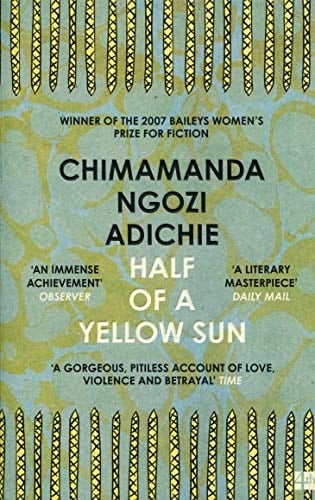
Half of a Yellow Sun
Chimamanda Ngozi Adichie • 2007

Elena sabe
Claudia Piñeiro • 2015
El ruido de una época
Ariana Harwicz • 2023
Aguamala
Nicola Pugliese • 2021
Melancolía de la resistencia
László Krasznahorkai • 2001
Almendra
Won-pyung Sohn • 2021
La casa de los espiritus / The House of the Spirits
Isabel Allende • 2017
<b>La primera novela de Isabel Allende, </b><i><b>La casa de los espíritus</b></i><b> narra la saga de una poderosa familia de terratenientes latinoamericanos.</b><br>El despótico patriarca Esteban Trueba ha construido con mano de hierro un imperio privado que empieza a tambalearse con el paso del tiempo y un entorno social explosivo. Finalmente, la decadencia personal del patriarca arrastrará a los Trueba a una dolorosa desintegración. Atrapados en unas dramáticas relaciones familiares, los personajes de esta poderosa novela encarnan las tensiones sociales y espirituales de una época que abarca gran parte del siglo XX.<br>Con impecable pulso narrativo y gran lucidez histórica, Isabel Allende ha creado un fresco en el que conviven lo cotidiano con lo maravilloso, el amor con la revolución y los ideales personales con la dura realidad política.<br><br><b>La crítica ha dicho:</b><br>«Un logro único, a la vez testimonio personal y posible alegoría del pasado, el presente y el futuro de América Latina.»<br><i>The New York Times Book Review</i><br>«Una crónica fuerte y absorbente de una familia chilena, con detalles opulentos y con un trasfondo místico... Un refinada combinación de escenarios.»<br><i>Kirkus Review</i><br>«Hay muy pocos viajes más emocionantes que los realizados en la imaginación de una novelista genial. Esa experiencia está disponible en <i>La Casa de los Espíritus </i>de Isabel Allende...»<br><i>Cosmopolitan</i><br><br><b>ENGLISH DESCRIPTION<br><br>“Spectacular...An absorbing and distinguished work...The House of the Spirits with its all-informing, generous, and humane sensibility, is a unique achievement, both personal witness and possible allegory of the past, present, and future of Latin America.” —The New York Times Book Review</b><br><br><i>The House of the Spirits</i>, the unforgettable first novel that established Isabel Allende as one of the world’s most gifted storytellers, brings to life the triumphs and tragedies of three generations of the Trueba family. The patriarch Esteban is a volatile, proud man whose voracious pursuit of political power is tempered only by his love for his delicate wife Clara, a woman with a mystical connection to the spirit world. When their daughter Blanca embarks on a forbidden love affair in defiance of her implacable father, the result is an unexpected gift to Esteban: his adored granddaughter Alba, a beautiful and strong-willed child who will lead her family and her country into a revolutionary future.<br>One of the most important novels of the twentieth century, The House of the Spirits is an enthralling epic that spans decades and lives, weaving the personal and the political into a universal story of love, magic, and fate.

La ciudad y los perros
Mario Vargas Llosa • 2016
La ridícula idea de no volver a verte
Rosa Montero • 2022
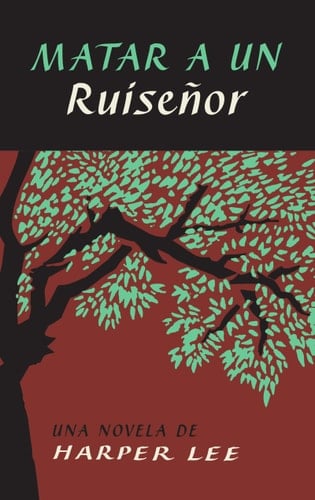
To Kill a Mockingbird Matar a un Ruiseñor (Spanish Edition)
Harper Lee • 2020
El ruido de las cosas al caer (Premio Alfaguara de novela 2011)
Juan Gabriel Vásquez • 2011
The Bell Jar
Sylvia Plath • 2015
Restauración
Ave Barrera • 2019
Casas vacías
Brenda Navarro • 2020

El guardián entre el centeno
J. D. Salinger • 2020
El cielo de la selva
Elaine Vilar Madruga • 2023
Cadáver exquisito (Premio Clarín 2017) / Tender is the Flesh
Agustina Bazterrica • 2020
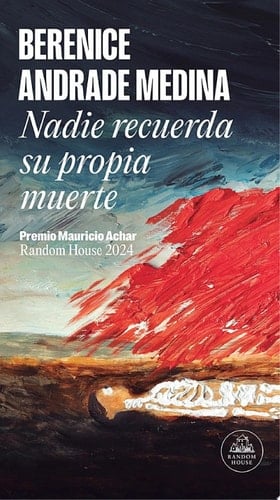
Nadie recuerda su propia muerte (Premio Mauricio Achar / Literatura Random House 2024)
Berenice Andrade Medina • 2025

Bunny A Novel
Mona Awad • 2020
<b><b>NATIONAL BESTSELLER <br><br>Soon to be a major motion picture<br><br>"Jon Swift + Witches of Eastwick + Kelly 'Get In Trouble' Link + Mean Girls + Creative Writing Degree Hell! No punches pulled, no hilarities dodged, no meme unmangled! O Bunny you are sooo genius!" —Margaret Atwood, via Twitter<br><br>"A wild, audacious and ultimately unforgettable novel." <i>—</i>Michael Schaub, <i>Los Angeles Times </i></b><i><br><br></i>"Awad is a stone-cold genius." —Ann Bauer, <i>The Washington Post</i><br><i><br>The Vegetarian </i>meets <i>Heathers</i> in this darkly funny, seductively strange novel from the acclaimed author of <i>13 Ways of Looking at a Fat Girl </i>and <i>Rouge</i></b><br><br><i>"We were just these innocent girls in the night trying to make something beautiful. We nearly died. We very nearly did, didn't we?"</i><br><br>Samantha Heather Mackey couldn't be more of an outsider in her small, highly selective MFA program at New England's Warren University. A scholarship student who prefers the company of her dark imagination to that of most people, she is utterly repelled by the rest of her fiction writing cohort--a clique of unbearably twee rich girls who call each other "Bunny," and seem to move and speak as one. <br><br>But everything changes when Samantha receives an invitation to the Bunnies' fabled "Smut Salon," and finds herself inexplicably drawn to their front door--ditching her only friend, Ava, in the process. As Samantha plunges deeper and deeper into the Bunnies' sinister yet saccharine world, beginning to take part in the ritualistic off-campus "Workshop" where they conjure their monstrous creations, the edges of reality begin to blur. Soon, her friendships with Ava and the Bunnies will be brought into deadly collision. <br><br>The spellbinding new novel from one of our most fearless chroniclers of the female experience, <i>Bunny </i>is a down-the-rabbit-hole tale of loneliness and belonging, friendship and desire, and the fantastic and terrible power of the imagination.<br><br><br><b>Named a Best Book of 2019 by <i>TIME, Vogue, Electric Literature</i>, and The New York Public Library</b>
My Year of Rest and Relaxation
Ottessa Moshfegh • 2018
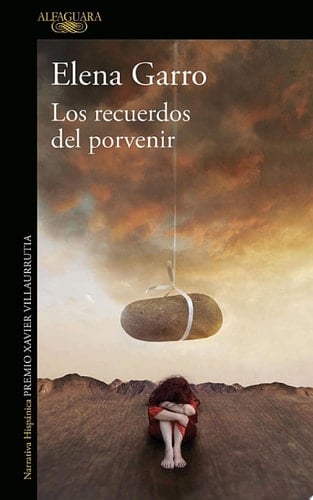
Los recuerdos del porvenir
Elena Garro • 2019

Mandíbula
Mónica Ojeda • 2019
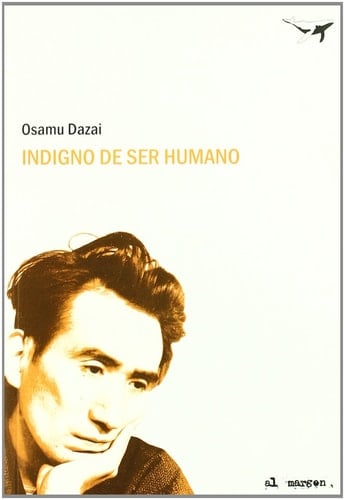
Indigno de ser humano
Osamu Dazai • 2010
No tengo boca y debo gritar
Harlan Ellison • 1976
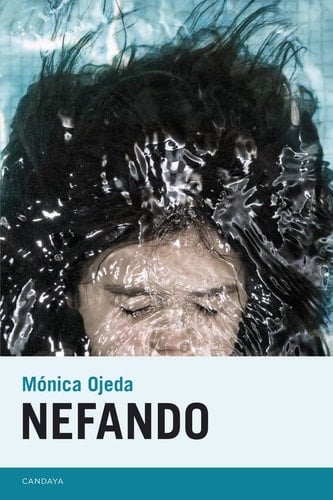
Nefando
Mónica Ojeda • 2016
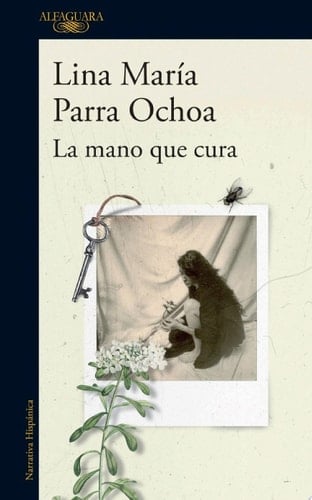
La mano que cura
Lina Maria Parra Ochoa • 2023
Pechos y huevos
Mieko Kawakami • 2021

Solenoide
Mircea Cărtărescu • 2017
La hija única
Guadalupe Nettel • 2020
Torcido arado
Itamar Vieira Junior • 2021
Para Hechizar un Cazador (Premio Clarín 2023) / to Bewitch a Hunter
Luciano Lamberti • 2025
Crimen y castigo
Fiódor Dostoyevski • 2020
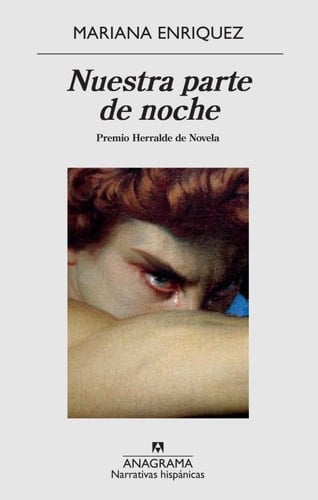
Nuestra parte de noche
Mariana Enriquez · 2019
La herencia, el deseo de pervivir, la paternidad, el horror, lo íntimo y lo político. Una novela libre y osada, hechizante y genial.Un padre y un hijo atraviesan Argentina por carretera, desde Buenos Aires hacia las cataratas de Iguazú, en la frontera norte con Brasil. Son los años de la junta militar, hay controles de soldados armados y tensión en el ambiente. El hijo se llama Gaspar y el padre trata de protegerlo del destino que le ha sido asignado. La madre murió en circunstancias poco claras, en un accidente que acaso no lo fue.Como su padre, Gaspar está llamado a ser un médium en una sociedad secreta, la Orden, que contacta con la Oscuridad en busca de la vida eterna mediante atroces rituales. En ellos es vital disponer de un médium, pero el destino de estos seres dotados de poderes especiales es cruel, porque su desgaste físico y mental es rápido e implacable. Los orígenes de la Orden, regida por la poderosa familia de la madre de Gaspar, se remontan a siglos atrás, cuando el conocimiento de la Oscuridad llegó desde el corazón de África a Inglaterra y desde allí se extendió hasta Argentina.El lector encontrará en estas páginas casas cuyo interior muta; pasadizos que esconden monstruos inimaginables; rituales con fieros y extáticos sacrificios humanos; andanzas en el Londres psicodélico de los años sesenta, donde la madre de Gaspar conoció a un joven cantante de aire andrógino llamado David; párpados humanos convertidos en fetiches; enigmáticas liturgias sexuales; la relación entre padres e hijos, con la carga de una herencia atroz; y, de fondo, la represión de la dictadura militar, los desaparecidos y, más adelante, la incierta llegada de la democracia, los primeros brotes del sida en Buenos Aires... El terror sobrenatural se entrecruza con terrores muy reales en esta novela perturbadora y deslumbrante, que consagra a Mariana Enriquez como una escritora fundamental de las letras latinoamericanas del siglo XXI.
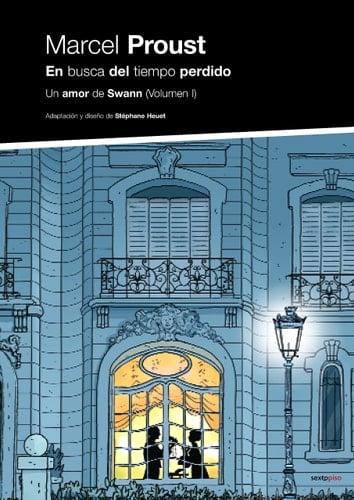
En busca del tiempo perdido
Stéphane Heuet · 2012
En esta historia presenciamos el encuentro entre Charles Swann y Odette de Crécy, una joven parisina. Si bien, inicialmente, Swann no siente ninguna atracción hacia ella, por considerarla frívola y poco interesante, se sorprenderá al ir alimentando sentimientos extraños, que lo llevarán a buscarla en vano por los bares y restaurantes de la capital
Chamanes eléctricos en la fiesta del sol
Mónica Ojeda • 2024
Ceniza en la boca
Brenda Navarro • 2022

The Handmaid's Tale
Margaret Atwood • 1986
El cielo de la selva
Elaine Vilar Madruga • 2023
La mano que cura
Lina María Parra Ochoa • 2023

Las malas
Camila Sosa Villada • 2020
Malacría
Díaz Castelo Elisa • 2025
Furia
Clyo Mendoza • 2021
El invencible verano de Liliana
Cristina Rivera Garza • 2021
El Idiota
Fyodor Dostoevsky • 2023

Yellowface
Rebecca F. Kuang • 2024

La vegetariana
Han Kang • 2024

La campana de cristal
Sylvia Plath • 2025
El vampiro de la colonia Roma las aventuras, desventuras y sueños de Adonis García
Luis Zapata • 2019
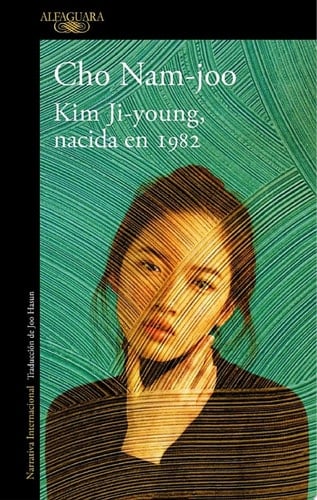
Kim Ji-young, nacida en 1982
Cho Nam-joo • 2019
Carcoma
Layla Martínez • 2021
Umami
Laia Jufresa • 2016
Fiebre de carnaval
Yuliana Ortiz Ruano • 2022
El libro de Aisha
Sylvia Aguilar Zéleny • 2022
Enero
Sara Gallardo • 2019
Reading
Marciano
Nona Fernández • 2025
Chamanes eléctricos en la fiesta del sol
Mónica Ojeda • 2024
La noche de Tlatelolco testimonios de historia oral
Elena Poniatowska • 2012
Autobiografía del algodón
Cristina Rivera Garza • 2022
Escrituras geológicas
Cristina Rivera Garza • 2022
El luto humano
Revueltas • 2016
Autobiografía y autoficción
Bone Black Memories of Girlhood
bell hooks • 1997
A Man's Place
Annie Ernaux • 2012
Léxico familiar
Natalia Ginzburg • 2018
Autobiografía del algodón
Cristina Rivera Garza • 2022
En estado de memoria
Tununa Mercado • 2019
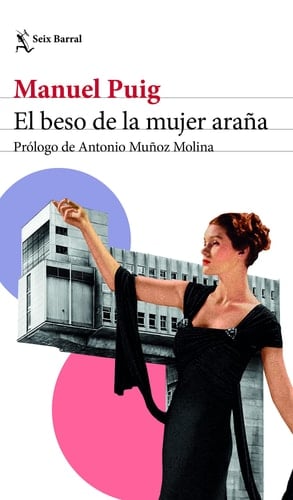
El beso de la mujer araña
Manuel Puig · 2022
El esquema de esta novela es de genial simplicidad. Se configura como una sucesion de escenas dialogadas entre dos presos recluidos en una misma celda de una prision bonaerense. Asi, Molina, un homosexual de gran imaginacion, ira relatando viejos melodramas cinematograficos a Valentin, activista politico e idealista, para aliviarle de los efectos de las sesiones de tortura a que lo somete la policia politica de la dictadura. A traves de esta larga conversacion, Puig lleva a sus ultimas consecuencias uno de sus mas originales procedimientos narrativos: el empleo de elementos de la cultura pop como correlato objetivo de las vivencias de los protagonistas. La confrontacion entre los dos hombres los llevara a una profunda transformacion interior que desembocara finalmente en un sacrificio con el que llegaran a ser ellos mismos. El beso de la mujer arana consolido la fama de Manuel Puig en el ambito internacional gracias al extraordinario exito de su version cinematografica y teatral, y fue, tambien, su novela mas popular. En palabras de Antonio Munoz Molina: -Puig es un escritor pop que poco a poco se va poniendo tremendamente serio. Casi cincuenta anos despues, El beso de la mujer arana es todavia mejor que en la epoca de su publicacion. Es ahora cuando ha llegado su tiempo-.

Pequeños combatientes
Raquel Robles · 2023
<p>Desde la mirada de dos niños, la tragedia y la esperanza se entremezclan en la Argentina sumergida en un régimen dictatorial. Después de la desaparición de sus padres, con inteligencia y perspicacia, los pequeños hermanos ocultan sus ideales militantes mientras esperan su regreso y buscan Compañeros ocultos en la expectativa de la anhelada Revolución. Robles presenta una novela de debate, reflexión y lucha desde los corazones y la experiencia de dos pequeños combatientes. Una narrativa conmovedora que profundiza en la experiencia lectora y en el dolor, la responsabilidad y el amor de sus personajes frente a la tragedia.<br></p>
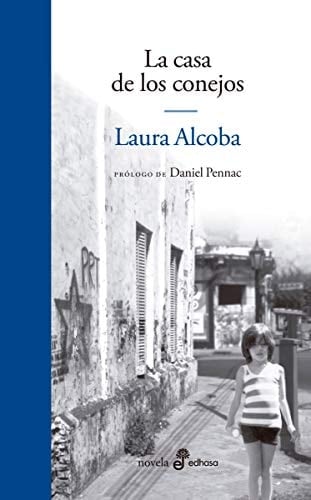
La casa de los conejos
Laura Alcoba · 2018
La casa de los conejos
Autobiografía
Angela Davis • 2016

La llamada : un retrato
Leila Guerriero · 2024
A fines de los sesenta, con trece años, la argentina Silvia Labayru era una adolescente tímida, lectora, amante de los animales, entusiasta de John F. Kennedy, hija de una familia de militares que incluía a su padre, miembro de la Fuerza Aérea y piloto civil. El 29 de diciembre de 1976 fue secuestrada por militares y trasladada a la Escuela de Mecánica de la Armada, donde funcionaba un centro de detención clandestino en el cual se torturó y asesinó a miles de personas. En la ESMA, Labayru fue torturada, obligada a realizar trabajo esclavo, violada reiteradamente por un oficial y forzada a representar el papel de hermana de Alfredo Astiz, un miembro de la Armada que se había infiltrado en la organización Madres de Plaza de Mayo, un operativo que terminó con tres Madres y dos monjas francesas desaparecidas. [

Dos veces junio
Martín Kohan · 2008
Novela que transcurre en junio de 1978, durante el Mundial de fútbol, en la última dictadura militar. Mientras la euforia del Mundial parece ofrecer un escenario de compañerismo ydicha, el ocultamiento, la defección y el eufemismo, son los instrumentos comunes de opresores y oprimidos, claves de supervivencia o de muerte. Kohan recrea la realidad de esa época sin autocompasión ni misericordia. 1a. ed.: Sudamericana, 2002.-- (Narrativas Argentinas).
Poesía
El fuego es mi nombre exacto
Mario Bojórquez
Have you ever wondered why that 13-digit number on the back of a book costs $125 in the United States but is completely free in Canada and India? This book, The Global ISBN Handbook, is your 2025 guide to the International Standard Book Number. It explains everything about this global "fingerprint" for books. The ISBN is the most important cornerstone of the publishing industry. It started as a simple warehouse tool in the 1960s. Now, it is a complex digital identifier used in over 200 countries. This handbook deconstructs the entire system. It uses 15 distinct national case studies to do this. You will learn how the old 10-digit system changed to the new 13-digit one. We break down the five parts of the ISBN, from the "Bookland" prefix to the final check digit. The book explores the global governance framework, starting with the International ISBN Agency. Then, it dives deep into how different countries run their systems. You'll see the privatized, high-cost model in the United States. You'll compare it to Canada's free, government-run system. We explore the industry-led models in Brazil and Germany. We look at government-run systems in Mexico and India. We even cover the unique case of China, where the ISBN is not a simple identifier but a state-controlled publication license. The book also examines the systems in the UK , France , Russia , Japan , Australia , South Africa , Nigeria , and Egypt. Many books and websites can tell you how to get an ISBN. This handbook is the only resource that explains why the process is so different everywhere you look. It moves beyond a simple "how-to" and provides a true global analysis. It directly compares the privatized, for-profit models in the US and UK against the free, public-good systems in Canada and South Africa. You won't just learn the price; you will understand the cultural policies, market structures, and legal philosophies that shape that price. This book shows how the ISBN is a "global mirror". It reveals how a simple number can be a commercial product in one nation , a tool of cultural policy in another , and an instrument of state control in a third. This comparative insight is the missing piece for any author, publisher, or researcher trying to navigate the complex international publishing market. Disclaimer: This handbook is an independently produced resource for commentary and analysis. The author has no affiliation with the International ISBN Agency, R.R. Bowker, Library and Archives Canada, the National Press and Publication Administration, or any other national ISBN agency. This work is independently produced under the principle of nominative fair use.
Niña que piedra
Zelene Bueno • 2010
Have you ever wondered why that 13-digit number on the back of a book costs $125 in the United States but is completely free in Canada and India? This book, The Global ISBN Handbook, is your 2025 guide to the International Standard Book Number. It explains everything about this global "fingerprint" for books. The ISBN is the most important cornerstone of the publishing industry. It started as a simple warehouse tool in the 1960s. Now, it is a complex digital identifier used in over 200 countries. This handbook deconstructs the entire system. It uses 15 distinct national case studies to do this. You will learn how the old 10-digit system changed to the new 13-digit one. We break down the five parts of the ISBN, from the "Bookland" prefix to the final check digit. The book explores the global governance framework, starting with the International ISBN Agency. Then, it dives deep into how different countries run their systems. You'll see the privatized, high-cost model in the United States. You'll compare it to Canada's free, government-run system. We explore the industry-led models in Brazil and Germany. We look at government-run systems in Mexico and India. We even cover the unique case of China, where the ISBN is not a simple identifier but a state-controlled publication license. The book also examines the systems in the UK , France , Russia , Japan , Australia , South Africa , Nigeria , and Egypt. Many books and websites can tell you how to get an ISBN. This handbook is the only resource that explains why the process is so different everywhere you look. It moves beyond a simple "how-to" and provides a true global analysis. It directly compares the privatized, for-profit models in the US and UK against the free, public-good systems in Canada and South Africa. You won't just learn the price; you will understand the cultural policies, market structures, and legal philosophies that shape that price. This book shows how the ISBN is a "global mirror". It reveals how a simple number can be a commercial product in one nation , a tool of cultural policy in another , and an instrument of state control in a third. This comparative insight is the missing piece for any author, publisher, or researcher trying to navigate the complex international publishing market. Disclaimer: This handbook is an independently produced resource for commentary and analysis. The author has no affiliation with the International ISBN Agency, R.R. Bowker, Library and Archives Canada, the National Press and Publication Administration, or any other national ISBN agency. This work is independently produced under the principle of nominative fair use.
Electrocauterización. Algo como una llaga
Anaclara Muro
Have you ever wondered why that 13-digit number on the back of a book costs $125 in the United States but is completely free in Canada and India? This book, The Global ISBN Handbook, is your 2025 guide to the International Standard Book Number. It explains everything about this global "fingerprint" for books. The ISBN is the most important cornerstone of the publishing industry. It started as a simple warehouse tool in the 1960s. Now, it is a complex digital identifier used in over 200 countries. This handbook deconstructs the entire system. It uses 15 distinct national case studies to do this. You will learn how the old 10-digit system changed to the new 13-digit one. We break down the five parts of the ISBN, from the "Bookland" prefix to the final check digit. The book explores the global governance framework, starting with the International ISBN Agency. Then, it dives deep into how different countries run their systems. You'll see the privatized, high-cost model in the United States. You'll compare it to Canada's free, government-run system. We explore the industry-led models in Brazil and Germany. We look at government-run systems in Mexico and India. We even cover the unique case of China, where the ISBN is not a simple identifier but a state-controlled publication license. The book also examines the systems in the UK , France , Russia , Japan , Australia , South Africa , Nigeria , and Egypt. Many books and websites can tell you how to get an ISBN. This handbook is the only resource that explains why the process is so different everywhere you look. It moves beyond a simple "how-to" and provides a true global analysis. It directly compares the privatized, for-profit models in the US and UK against the free, public-good systems in Canada and South Africa. You won't just learn the price; you will understand the cultural policies, market structures, and legal philosophies that shape that price. This book shows how the ISBN is a "global mirror". It reveals how a simple number can be a commercial product in one nation , a tool of cultural policy in another , and an instrument of state control in a third. This comparative insight is the missing piece for any author, publisher, or researcher trying to navigate the complex international publishing market. Disclaimer: This handbook is an independently produced resource for commentary and analysis. The author has no affiliation with the International ISBN Agency, R.R. Bowker, Library and Archives Canada, the National Press and Publication Administration, or any other national ISBN agency. This work is independently produced under the principle of nominative fair use.
La condesa sangrienta
Alejandra Pizarnik • 2012
Miro la tierra poemas 1983-1986
José Emilio Pacheco • 2003
Las siete edades
Louise Glück • 2011
Poesía
Alí Chumacero • 2010
El sueño de toda célula
Maricela Guerrero • 2018
Media Poetry: An International Anthology
Author • 2007
Cien mil millones de poemas homenaje a Raymond Queneau
Eduardo Vicente de Vera • 2012

Notas desde el interior de la ballena
Ave Barrera • 2024

Lengua materna
Yelitza Ruiz • 2021
Principia
Elisa Díaz Castelo • 2022
Proyecto Manhattan
Elisa Díaz Castelo • 2021
Te diría que fuéramos al río Bravo a llorar pero debes saber que ya no hay río ni llanto
Jorge Humberto Chávez • 2023
Poesía completa
Idea Vilariño • 2016
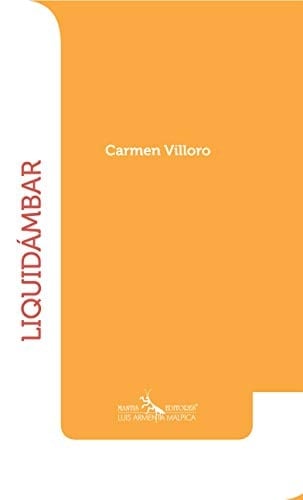
Liquidámbar
Carmen Villoro • 2014
Sonar
Nadia López García • 2025
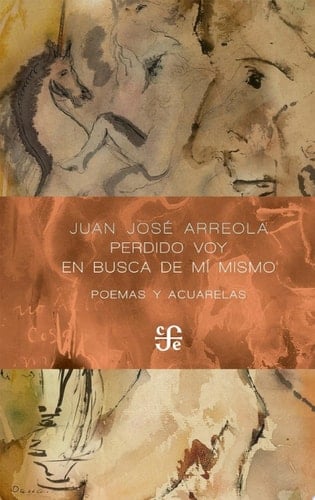
Perdido voy en busca de mí mismo Poemas y acuarelas
Juan José Arreola • 2019
Guardé El Anochecer en El Cajón / I Put Away the Evening Inside a Drawer
Han Kang • 2025
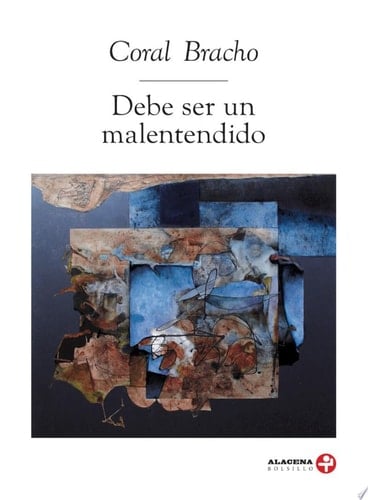
Debe ser un malentendido
Coral Bracho • 2024
Dorsal
Nadia López García • 2022
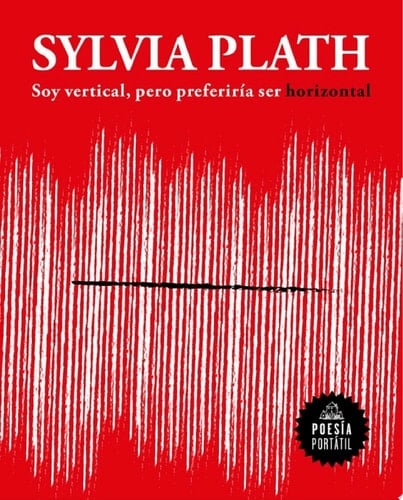
Soy vertical, pero preferiría ser horizontal (Flash Poesía)
Sylvia Plath • 2019
Cuerpo ca(z)a
María Auxiliadora Álvarez • 2019
Borealis
Rocío Cerón • 2016
Ensayo
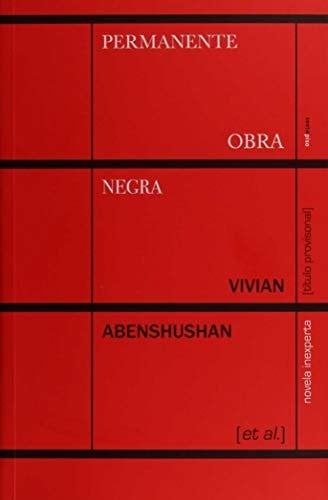
Permanente obra negra
Vivian Abenshushan • 2019
Escritos para desocupados
Vivian Abenshushan • 2013

Frontera interior
Astrid López Méndez • 2020
Palabra frente al cielo ensayos periodísticos (1936-1940)
Efraín Huerta • 2015

Dios tiene tripas Meditaciones sobre nuestros desechos
Laura Sofía Rivero · 2022
<p>Dios tiene tripas. Meditaciones sobre nuestros desechos, Premio Nacional de Ensayo Joven José Luis Martínez 2020. Cuenta con once textos a caballo entre el ensayo y la crónica: "Corre que te alcanza", "Prohibido orinar en la calle", "No hay papel", "Al fondo, a la derecha: las fiestas y los baños", "Sobre los rumores del cuerpo", "Guía para el uso del baño público", "Mitos y rituales de la espuma", "Viviendas: estampas del drenaje compartido", "Puto el que lo lea", "Baby alive: los niños y las excreciones", "Asclepio y hermes: la salud, la riqueza". El tema central es los desechos humanos y su rol cultural y social.<br></p>
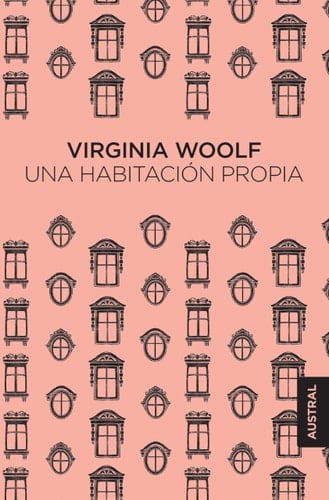
Una Habitación Propia
Virginia Virginia • 2023

Let Me Tell You What I Mean
Joan Didion • 2021
Why I Write
George Orwell • 2005
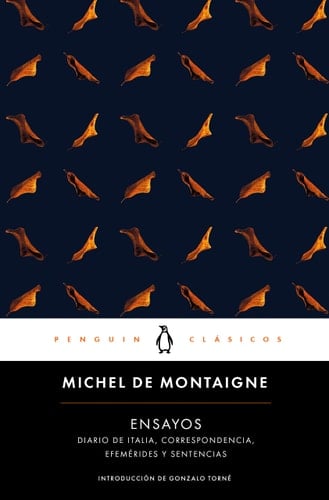
Ensayos (Montaigne) / Essays: Michel de Montaigne
Michel de Montaigne • 2025
Crónica
Oblatos-Colonias Andanzas tapatías
Juan José Doñán • 2017

Viaje en autobús
Josep Pla • 2010
La noche de Tlatelolco testimonios de historia oral
Elena Poniatowska • 2012
Nueve Madrugadas Y Media
Maria Luisa Puga • 2003

Fruto
Daniela Rea Gómez • 2022

La guerra que perdimos
Juan Miguel Álvarez • 2022
Norte
El paisaje es un grito
Eduardo Martín Ruiz Sosa • 2026
Uncategorized
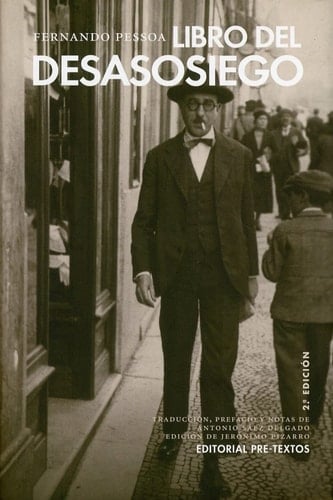
Libro del desasosiego
Fernando Pessoa • 2015
El Libro del desasosiego es una de las obras literarias mas importantes del siglo xx. Obra maestra postuma, retrato de la ciudad de Lisboa y de su retratista, se compone de cientos de fragmentos que oscilan entre el diario intimo, la prosa poetica y la narrativa, en un conjunto fundamental para comprender el lugar de Fernando Pessoa en la creacion de la consciencia del mundo moderno. En esta nueva edicion, Jeronimo Pizarro, reconocido estudioso pessoano, vuelve a las fuentes de los textos que Fernando Pessoa pretendia incluir en el Libro del desasosiego. De ahi el nuevo corpus y la nueva organizacion de la obra, las mejoras en la lectura de casi todos los fragmentos, las notas dedicadas a aclarar referencias literarias y decisiones editoriales y, por ultimo, la nueva deinicion del canon de la autoria de este libro inmenso
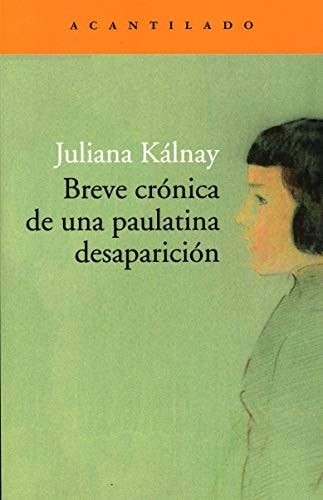
Breve crónica de una paulatina desaparición
Juliana Kálnay • 2020
Carnívora
Fernanda Garcia Lao • 2014
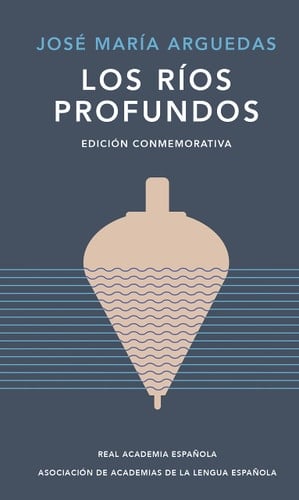
Los ríos profundos
José María Arguedas • 2023
El beso de la mujer araña
Manuel Puig • 2013
Blanco
Han Kang • 2025

Imposible salir de la tierra
Alejandra Costamagna • 2016
Jardín en tierra fría
Fátima Vélez • 2024
Nieve
René Morales • 2021
Polvos de arroz
José del Val • 2004
Color Púrpura, El
Alice Walker • 2014

El curioso incidente del perro a medianoche
Mark Haddon • 2016
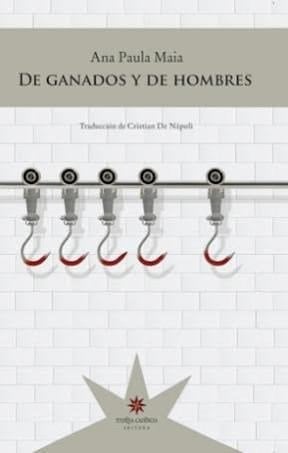
De ganados y de hombres
Ana Paula Maia • 2015

Coloquio de las quiltras argumentos caninos ante las crisis del feminismo
Lina Meruane • 2024
Vestigios de un mundo por venir
Mónica Nepote
Te di ojos y miraste las tinieblas
Irene Solà Saez • 2023
Umbilical
Andrés Neuman • 2022
Todos vieron al sol quemar el pastizal
Paulina Rojas Sánchez • 2023

Vida de vivos Conversaciones incidentales y retratos sin retocar
María Moreno • 2024
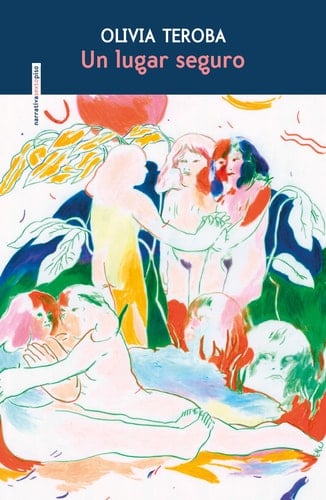
Un lugar seguro
Olivia Teroba • 2023

Divorce
Kim Soom • 2019

Desertar
Ariana Harwicz • 2020
Las cartas del Boom
Mario Vargas Llosa • 2023
Las armas secretas
Julio Cortázar • 1998
Poste restante
Cynthia Rimsky M. • 2024
La ciudad donde te amo
Li-Young Lee • 2023
Porque parece mentira la verdad nunca se sabe
Daniel Sada • 2016
Lo infraordinario narraciones alrededor de Georges Perec y la búsqueda literaria en lo cotidiano
Mauricio Sánchez • 2018
The Beauty of Everyday Things
Soetsu Yanagi • 2019
The Book of Tea
Okakura Kakuzō • 2022

Jardines errantes
Tania Tagle • 2024

El Mundo Es Ancho y Ajeno
Ciro Alegria • 1945
Yo maté a un perro en Rumanía
Claudia Ulloa Donoso • 2022
Ustedes brillan en lo oscuro
Liliana Colanzi Serrate • 2022
El hacedor
Jorge Luis Borges • 2013

La ciudad y sus muros inciertos
村上春樹 • 2024
Actos Humanos / Human Acts
Han Kang • 2025
Cometierra
Dolores Reyes • 2019
Asmodeo
Rita Indiana • 2024

Jardín
Dulce María Loynaz • 2021
La parábola del sembrador
Octavia E. Butler • 2021
Dios fulmine a la que escriba sobre mí
Aura García-Junco • 2024
Murciélaga
Clemente Guerrero • 2023
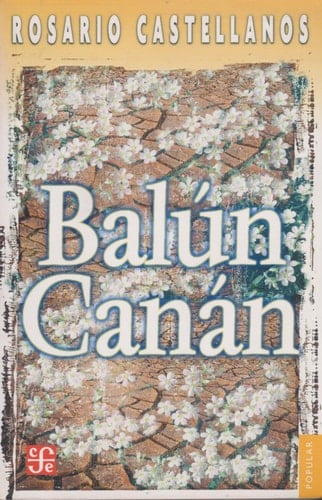
Balún-Canán
Rosario Castellanos • 1984
El proceso
Franz Kafka • 2013
La tiranía de las moscas
Elaine Vilar Madruga • 2021

Precoz
Ariana Harwicz • 2016
Mujer que sabe latín...
Rosario Castellanos • 2010
Crónicas Marcianas
Ray Bradbury • 2020
Elogio de la fragilidad
Gustavo Martín Garzo • 2020

La reinita pop no ha muerto
Criseida Santos Guevara • 2013
Mientras agonizo
William Faulkner • 2013
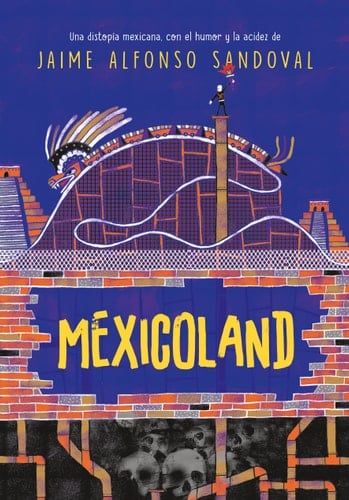
Mexicoland
Jaime Alfonso Sandoval • 2018
De ganados y de hombres
Ana Paula Maia • 2015
La piel de Juliette
Tahereh Mafi • 2012
Las manos de mamá
Nellie Campobello • 1991
Alberca vacía
Isabel Zapata • 2022
Tierra fresca de su tumba
Giovanna Rivero • 2021

Sweet Bean Paste
Durian Sukegawa • 2018

Chicas muertas
Selva Almada • 2014

Lo que no tiene nombre
Piedad Bonett • 2013
Mirar mirándome
María del Carmen Graue • 2020

Bonsái
Alejandro Zambra • 2022
Entierre a sus muertos
Ana Paula Maia • 2019
Tengo derecho a destruirme
Young-ha Kim • 2020
Los siguientes
Pedro Simón • 2024
Las pequeñas virtudes
Natalia Ginzburg • 2019
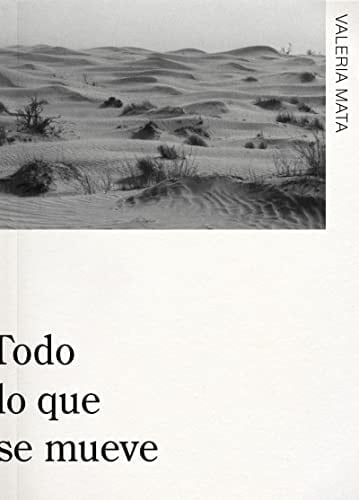
Todo lo que se mueve
Valeria Mata • 2023
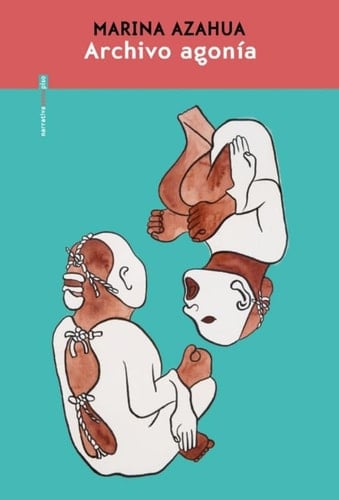
Archivo agonía
Marina Azahua • 2024
Pueblos y paisajes de México (Spanish Edition)
Hugo Brehme • 1992
La familia
Sara Mesa • 2022
Nuestro mundo muerto
Liliana Colanzi Serrate • 2016
Atusparia
Gabriela Wiener • 2024
La llamada Un retrato
Leila Guerriero • 2024
Esta herida llena de peces
Lorena Salazar Masso • 2024

Dormir en tierra
Revueltas • 2014

Huaco retrato
Gabriela Wiener • 2021
![Neurología 211 [Paperback] González, Rocío - ROCIO GONZÁLEZ • 2013](/_next/image?url=https%3A%2F%2Fassets.hypelist.com%2FuserAssets%252FqKzwXM4yZEPGxRMG6fFibDW6Hbn2%252Fhypelists%252Fitems%252F45f5dd47-bbdc-4b22-a7ba-75afda375e6d.jpg&w=3840&q=85)
Neurología 211 [Paperback] González, Rocío
ROCIO GONZÁLEZ • 2013
Otredad
Claribel Alegría • 2011

Crying in H Mart
Michelle Zauner • 2021
Membrana
Jorge Carrión • 2021
Ensayo sobre la ceguera
José Saramago • 2017
El día que aprendí que no sé amar
Aura García-Junco • 2021
Visualabrev un cántico nuevo
Eduardo Scala • 2011

Formas de volver a casa
Alejandro Zambra • 2011
El mito de Sísifo
Albert Camus • 2021
Escribir como nace la tierra una poeta en prosa
María Luisa Bombal • 2025

Una habitación desordenada
Vivian Abenshushan • 2007
El verano en que mi madre tuvo los ojos verdes
Tatiana Ţîbuleac • 2019
ASI EN LA TIERRA COMO DEBAJO DE LA TIERRA
ANA PAULA MAIA • 2013
The Year of Magical Thinking
Joan Didion • 2007
La sed
Marina Yuszczuk · 2024

Las olas
Virginia Woolf · 2016
Las olas (título original en inglés, The Waves) es la séptima novela de Virginia Woolf, publicada el 8 de octubre de 1931. Es la novela más experimental de Woolf. Está formada por soliloquios de los seis personajes del libro: Bernard, Susan, Rhoda, Neville, Jinny y Louis. También es importante Percival, el séptimo personaje, aunque los lectores nunca le oyen hablar por sí mismo. Los monólogos que abarcan las vidas de los personajes están interrumpidos por nueve breves interludios en tercera persona detallando una escena costera en varias etapas en un día desde el amanecer hasta la puesta de sol.<br>En Las olas, Woolf presenta un grupo de seis amigos cuyas reflexiones, que están más cercanas a los recitativos que a los monólogos interiores propiamente dichos, crean una atmósfera como de olas que es más cercano a un poema en prosa que a una novela con una trama central. El «flujo de conciencia» de estos personajes, es decir, la corriente preconsciente de ideas tal como aparece en la mente, se diferencia del lógico y bien trabado monólogo tradicional.

Extremas
Leila Guerriero · 2019
Contiene: La entrega y le grito / Leila Guerriero ; Stella Díaz Varín / Óscar Contardo ; Martha Argerich: la escondida / Valeria Tentoni ; Alejandra Guzmán : la plaga / Wenceslao Bruciaga ; Marosa di Giorgio Médici: la sangre de la luna / Germán Maggiori ; Tamara Bunke Bider, "Tania" : sueños de la selva / Miguel Prenz ; Elena Garro : la pérdida del reino / Emiliano Ruiz Parra ; María Inés Mato : nadadora mental / Pablo Plotkin ; Nahui Olin : el dragón / Juan Bonilla ; Martha Pelloni : el pacto / Javier Sinay ; Ana Mendieta : tropicana de pólvora / Alan Pauls ; Liliana Maresca: coronada de under / Mauro Libertella ; Clarice Lispector : vine a preguntar qué hacer / Gabriela Wiener ; Violeta Parra : la violenta Parra / Sabine Drysdale.
El lugar de la herida
Laura Baeza • 2025
Notas desde el interior de la ballena
Ave Barrera • 2025
Esta herida llena de peces
Lorena Salazar Masso • 2024
Lagartija
Banana Yoshimoto • 2017
Conjunto Vacío
Verónica Gerber Bicecci • 2020
Libro centroamericano de los muertos
Rodrigo Balam • 2018
Todas hemos perdido algo
Liliana V. Blum • 2020
Enciclopedia de las artes cotidianas
Laura Sofía Rivero • 2025
Roza tumba quema
Claudia Hernández • 2018
Água Viva
Clarice Lispector • 2012
Archivo agonía
Marina Azahua • 2024
Niñapájaroglaciar
Mariana Matija • 2025
TENGO QUE MORIR TODAS LAS NOCHES
GUILLERMO OSORNO • 2021
Habitaciones impropias
Karen A. Villeda • 2023
Chilean Electric
Nona Fernández • 2015
La hora de la estrella
Clarice Lispector • 2022
Ñamérica
Martín Caparrós • 2021
Tarantela
Abril Castillo • 2019
Piñen
Daniela Catrileo • 2025

Germinal
Tania Tagle • 2023
Sangre en el ojo
Lina Meruane • 2013
