música

Items in this hypelist
para llorar
Last Christmas (Pudding mix)
Last Christmas (Pudding mix)
Merry Christmas, Please Don''t Call
Track · Bleachers
Forget Her
Forget Her
Lover, You Should've Come Over
Lover, You Should've Come Over
female rage
Get Gone
Get Gone
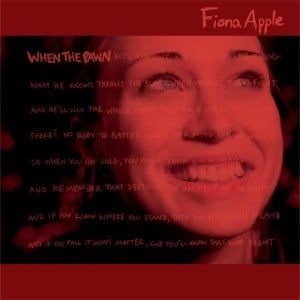
Paper Bag
Paper Bag
move your body
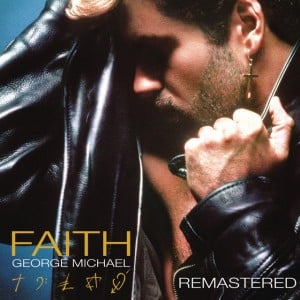
Father Figure (Remastered)
Father Figure (Remastered)
artistas favoritos
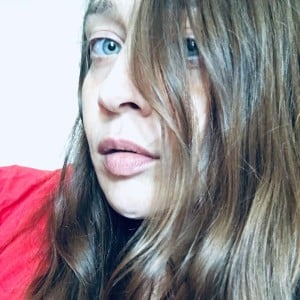
Fiona Apple
Fiona Apple
Fiona Apple never quite belonged to a specific scene. The closest she came was at the dawn of her career, when her debut album Tidal arrived as the alternative rock wave reached its crest in 1996. Apple spent her time in MTV's Buzzbin and on tour with <a href="spotify:artist:4NgNsOXSwIzXlUIJcpnNUp">Sarah McLachlan</a>'s Lilith Fair revue, earning a hit single ("Criminal") and platinum certification along the way, but she wasn't a folkie or a punk rocker. Her roots lay in jazz, show tunes, and classic '70s singer/songwriters, an idiosyncratic blend that came into sharper focus on her second album, When the Pawn. Upon its release in 1999, When the Pawn drew attention for its emotional intensity, unconventional arrangements, and eccentric flair, elements that were central to her appeal in the next decades when she worked steadily and rigorously. As her output slowed -- it took her six years to deliver her third album, Extraordinary Machine, and another seven for its sequel, The Idler Wheel, to appear -- her reputation as a daring artist grew. The Idler Wheel and its 2020 successor Fetch the Bolt Cutters confirmed Apple took aural risks without abandoning her strengths as a singer/songwriter, a combination that helped her maintain a devoted cult following. Born to singer Diane McAfee and actor Brandon Maggart in 1977, Fiona Apple started playing and writing songs at the age of 12 in an effort to work out a traumatic childhood that included rape at the age of 11. Apple continued to write, leaving high school for Los Angeles at the age of 16. She cut a demo tape that eventually earned her a contract with Sony Music in 1995. Teamed with producer Andrew Slater, she cut her debut, Tidal, releasing the album in the summer of 1996. Tidal was a slow build, earning critical acclaim and a cult that exploded when the controversial video for "Criminal" turned the single and album into a hit. Mark Romanek's seedy, suggestive clip was overtly sexual -- a path Apple notably avoided afterward -- but it did the trick, helping the album reach the Top Ten and earning Apple a Grammy. Despite this titillation, Tidal appealed to middle of the road listeners, a path Apple definitively rejected with her next album, 1999's When the Pawn Hits the Conflicts He Thinks Like a King.... The entire title was a 90-word poem, a fair indication of the artistic ambition that lay within. Produced by <a href="spotify:artist:57YJQe0ayvIaRZJ3PW5nFP">Jon Brion</a>, the album was dense, literate, and melodic, not matching the commercial success of the debut but deepening her cult. Despite a romance with director Paul Thomas Anderson -- she contributed to the soundtrack of his 1999 magnum opus Magnolia -- Apple retreated from the spotlight, fostering an element of mystery that only grew when her next album experienced a series of delays. By 2003, the lack of a sequel became a sensation among some music message boards, where rumors swirled that <a href="spotify:search:label%3A%22Sony%22">Sony</a> rejected her newest music for being uncommercial. Within the next year, unfinished mixes leaked onto the Internet and the saga of the album spilled over into the mainstream, earning ink in The New York Times. All this helped usher the album to completion in the fall of 2005, when the original <a href="spotify:artist:57YJQe0ayvIaRZJ3PW5nFP">Brion</a> productions were tweaked and expanded with producer <a href="spotify:artist:23Q5yNjnlqThITasb5Y7y6">Mike Elizondo</a>, who helped Extraordinary Machine reach its final shape. The album was greeted by generally positive reviews -- some compared it not entirely favorably to the leaked album -- and the record received healthy sales. In its wake, Apple maintained a moderate presence, touring with <a href="spotify:artist:3bcLBxvaI7GsBzGp3WHnwQ">Nickel Creek</a> in 2007 and appearing with the Watkins Family at times during their residency at the Largo in Los Angeles. In 2012, Apple previewed three songs from her fourth studio album (which boasted a typically enigmatic title in The Idler Wheel Is Wiser Than the Driver of the Screw and Whipping Cords Will Serve You More Than Ropes Will Ever Do) to a wildly enthusiastic audience at the South by Southwest music festival in Austin, Texas. Produced by Apple with her touring drummer, Charley Drayton, the album earned excellent reviews upon release in June 2012. Apple spent the next few years contributing songs to movies and television shows, including writing "Container," which was the theme to the Showtime series The Affair. In 2015, she contributed to Watkins Family Hour, the first album by <a href="spotify:artist:45K759axQK0aohwSjbkgpy">Sean</a> and <a href="spotify:artist:1FDE7zZ6jmP8HHb9ej3mek">Sara Watkins</a>' Los Angeles-based collective, and the following year she appeared on <a href="spotify:artist:4uSftVc3FPWe6RJuMZNEe9">Andrew Bird</a>'s Are You Serious album. Apple released her fifth solo album, Fetch the Bolt Cutters, in April 2020. ~ Stephen Thomas Erlewine, Rovi
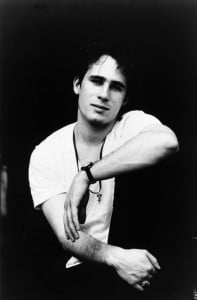
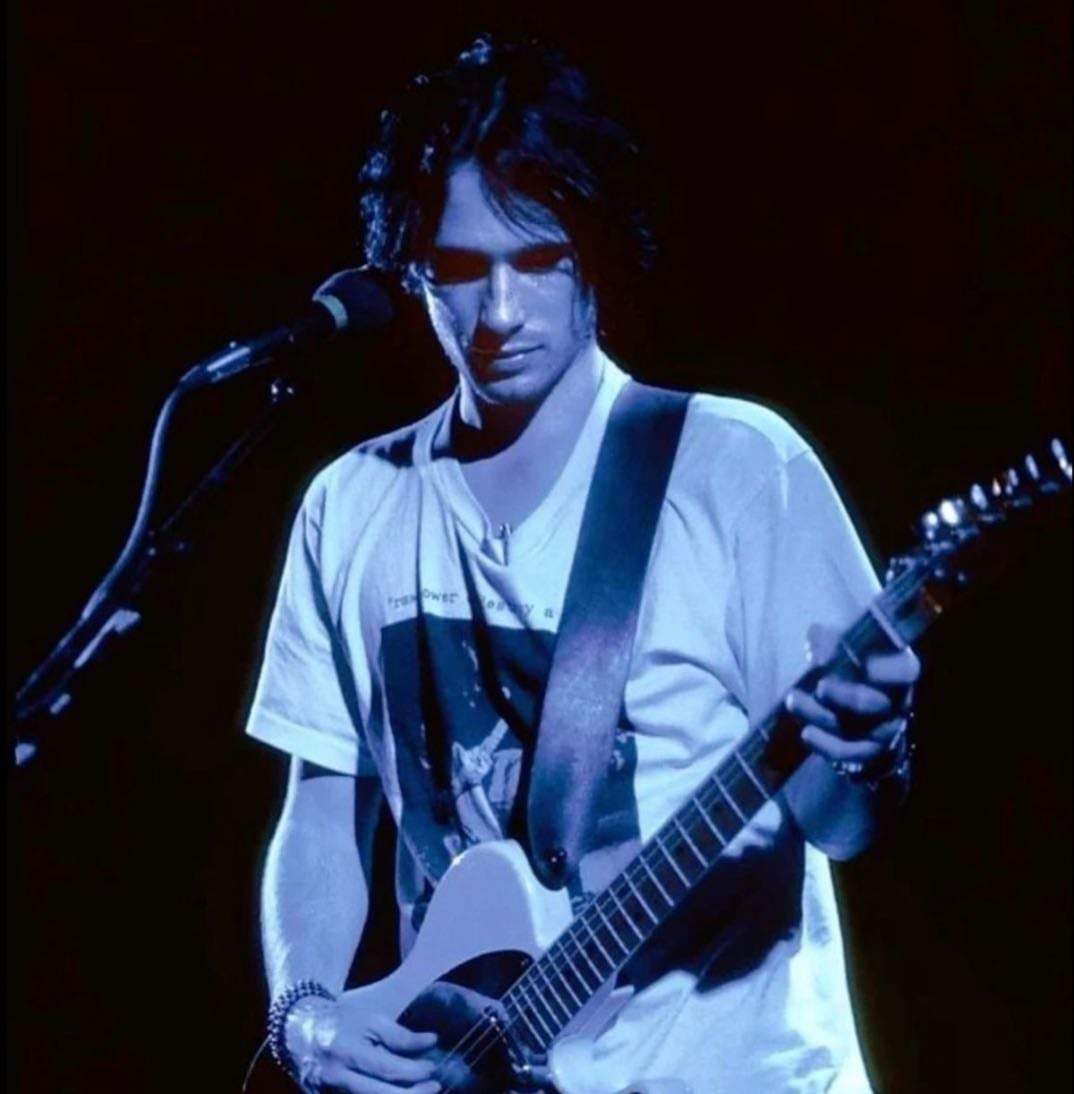
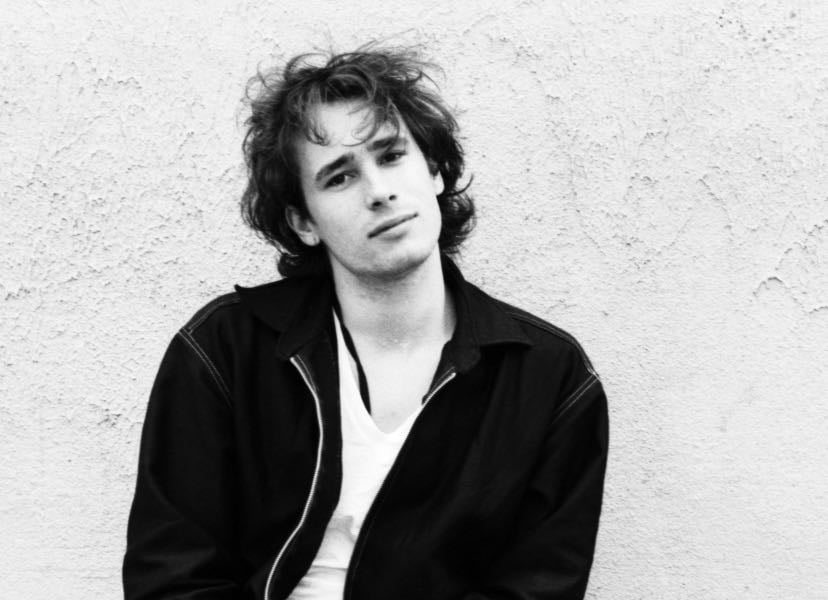
Jeff Buckley
Jeff Buckley
Since he was the son of cult songwriter <a href="spotify:artist:6zHRqvws8dVeqL8D31ponr">Tim Buckley</a>, Jeff Buckley faced more expectations and preconceived notions than most singer/songwriters. Perhaps it wasn't surprising that Jeff Buckley's music was related to his father's by only the thinnest of margins. Buckley's voice was grand and sweeping, which fit with the mock-operatic grandeur of his <a href="spotify:artist:44NX2ffIYHr6D4n7RaZF7A">Van Morrison</a>-meets-<a href="spotify:artist:36QJpDe2go2KgaRleHCDTp">Led Zeppelin</a> music. His audacious debut, Grace, made him one of the most popular alternative artists of the '90s, accentuated by his early and tragic death in 1997, and his cover of <a href="spotify:artist:5l8VQNuIg0turYE1VtM9zV">Leonard Cohen</a>'s "Hallelujah" virtually redefined the song for a modern audience. Buckley began playing while in high school. Eventually, he moved to Los Angeles to study music; while he was there, he performed with several jazz and funk bands, as well as playing with <a href="spotify:artist:0AcEt9ujUBWQ50cZsaskWo">Shinehead</a>, a leader in the dancehall reggae movement. A few years later, he moved to New York, forming Gods & Monsters with the experimental guitarist <a href="spotify:artist:7pfGmIs49lIUBtoqAtyUEH">Gary Lucas</a>. The band became a hip name, yet its lifespan was short. Buckley began a solo career playing clubs and coffee houses, building up a considerable following. Soon, he signed a record deal with <a href="spotify:search:label%3A%22Columbia+Records%22">Columbia Records</a>, releasing the Live at Sin-e EP in November of 1993. It received good reviews, yet they didn't compare to the raves Buckley's full-length debut, 1994's Grace, received. Unlike the EP, the album was recorded with a full band, which gave the record textures that surprised some of his longtime New York followers. Nevertheless, it made several year-end "Best of 1994" lists and earned him a belated alternative hit, "Last Goodbye," in the spring of 1995. A long hiatus followed as Buckley worked on material for his follow-up effort, provisionally titled My Sweetheart the Drunk. Originally slated to be produced by <a href="spotify:artist:4rxXqaQUe5udkRsGRDDDIY">Tom Verlaine</a>, who later dropped out of the project, Buckley finally began work on the record in Memphis during the late spring of 1997. On the night of May 29, he and a friend traveled to the local Mud Island Harbor, where Buckley spontaneously decided to go swimming in the Mississippi River and waded into the water fully clothed. A few minutes later, he disappeared under the waves; authorities were quickly contacted, but to no avail -- on June 4, his body was finally found floating near the city's famed Beale Street area. Buckley was 30 years old. A collection of unreleased recordings, Sketches for My Sweetheart the Drunk, appeared in 1998, and two live albums arrived during 2000-2001, Mystery White Boy and Live a l'Olympia. Over the next decade and a half, other posthumous records appeared -- the compilation So Real: Songs from Jeff Buckley in 2007, the live album Grace Around the World in 2009 -- but the biggest excavation from the vaults was 2016's You and I, which presented cover versions the singer/songwriter had recorded early in his career. ~ Stephen Thomas Erlewine, Rovi