Música 𐔌՞. .՞𐦯

Items in this hypelist
Music
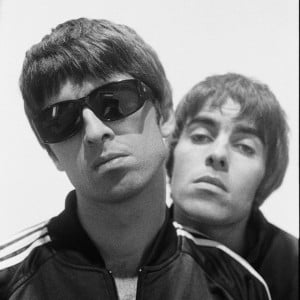
Oasis
Oasis
Oasis shot from obscurity to stardom in 1994, becoming one of Britain's most popular and critically acclaimed bands of the decade in the process. Along with <a href="spotify:artist:7MhMgCo0Bl0Kukl93PZbYS">Blur</a> and <a href="spotify:artist:6PHIK3kjWggLtVygsOtpqS">Suede</a>, they were responsible for returning British guitar pop to the top of the charts. Led by guitarist/songwriter <a href="spotify:artist:6IRQd80VHepXiTXdmBzk6l">Noel Gallagher</a>, the Manchester quintet adopted the rough, thuggish image of <a href="spotify:artist:22bE4uQ6baNwSHPVcDxLCe">the Stones</a> and <a href="spotify:artist:67ea9eGLXYMsO2eYQRui3w">the Who</a>, crossed it with "<a href="spotify:artist:3WrFJ7ztbogyGnTHbHJFl2">Beatlesque</a>" melodies and hooks, injected distinctly British lyrical themes and song structures like <a href="spotify:artist:66U6cJ3kDBat0jS42Jkp9q">the Jam</a> and <a href="spotify:artist:1SQRv42e4PjEYfPhS0Tk9E">the Kinks</a>, and tied it all together with a massive guitar roar, as well as a defiant sneer that drew equally from <a href="spotify:artist:1u7kkVrr14iBvrpYnZILJR">the Sex Pistols</a>' rebelliousness and <a href="spotify:artist:1lYT0A0LV5DUfxr6doRP3d">the Stone Roses</a>' cocksure arrogance. <a href="spotify:artist:6sN51vEARnAAdBw1IKZ8Q9">Gallagher</a>'s songs frequently reworked previous hits from <a href="spotify:artist:3dBVyJ7JuOMt4GE9607Qin">T. Rex</a> ("Cigarettes and Alcohol" borrows the riff from "Bang a Gong") to <a href="spotify:artist:5lpH0xAS4fVfLkACg9DAuM">Wham!</a> ("Fade Away" takes the melody from "Freedom"), yet the group always put the hooks in different settings, updating past hits for a new era. Originally, the group was formed by schoolmates <a href="spotify:artist:6sN51vEARnAAdBw1IKZ8Q9">Liam Gallagher</a> (vocals), Paul "Bonehead" Arthurs (guitar), Paul McGuigan (bass), and Tony McCaroll (drums). After spending several years as the guitar technician for a <a href="spotify:artist:1lYT0A0LV5DUfxr6doRP3d">Stone Roses</a>-inspired group named <a href="spotify:artist:66GWpx9iLxrvvfhDsG9STP">the Inspiral Carpets</a>, <a href="spotify:artist:6IRQd80VHepXiTXdmBzk6l">Noel Gallagher</a> returned to Manchester to find that his brother had formed a band. <a href="spotify:artist:6IRQd80VHepXiTXdmBzk6l">Noel</a> agreed to join if he could have complete control of the group, including contributing all the songs; the rest of the band agreed and adopted a new name, Oasis, before launching a year of intensive rehearsals. After playing a handful of small club gigs, the band cornered Alan McGee, the head of Creation Records, and forced him to listen to their demo. Impressed, he signed the band and helped them ready their debut album. The group released their first single, "Supersonic," in the spring of 1994; it edged its way into the charts on the back of positive reviews. With a melody adapted from "I'd Like to Teach the World to Sing," "Shakermaker" became a bigger hit in the early summer. Released a month before their debut album's arrival, the soaring ballad "Live Forever" became a major hit in England and helped make Definitely Maybe the fastest-selling debut in British history. The record entered the charts at number one and eventually sold over seven million copies. Oasis mania continued throughout 1994, as the group began playing larger theaters and watched each new single outperform the last. However, tensions in the group began to build -- <a href="spotify:artist:6sN51vEARnAAdBw1IKZ8Q9">Liam</a> and <a href="spotify:artist:6IRQd80VHepXiTXdmBzk6l">Noel</a> refused to do joint interviews because they always fought -- and <a href="spotify:artist:6IRQd80VHepXiTXdmBzk6l">Noel Gallagher</a> briefly left the band at the end of a difficult fall American tour. However, he quickly re-joined and the band headed back to England. As "Supersonic" began to climb the U.S. album rock and modern rock charts, the string-laden "Whatever" (a non-album single) hit number two over the British Christmas season. At the beginning of 1995, the group set their sights on America by promoting the single "Live Forever." The song became a major hit on MTV and modern rock radio stations, peaking at number two, and Definitely Maybe soon climbed to gold status in the U.S. Returning to England after a sold-out American tour, the group recorded a new single, "Some Might Say." Drummer Tony McCaroll parted ways with the band on the eve of the single's May release, with Alan White taking his place. "Some Might Say" entered the charts at number one, and its success led to all of Oasis' previous singles reentering the indie charts. Oasis spent the rest of the summer completing their second album, (What's the Story) Morning Glory?, which was released in October of 1995. Upon its release, the album shot to number one in England, becoming the fastest-selling album in the U.K. since <a href="spotify:artist:3fMbdgg4jU18AjLCKBhRSm">Michael Jackson</a>'s Bad. The band continued to set records during the following years. Over the course of 1996, (What's the Story) Morning Glory? became the second-biggest British album in history. On the strength of the iconic single "Wonderwall," Morning Glory also became a Top Ten success in America, where it reached quintuple platinum status; it also cracked the Top Ten throughout countries in Europe and Asia. During 1996, the <a href="spotify:artist:6IRQd80VHepXiTXdmBzk6l">Gallaghers</a>' combative relationship was frequently detailed in newspapers and gossip columns, particularly when they suddenly pulled out of their late summer U.S. tour. This followed the group's two concerts at Knebworth, which broke records for being the biggest outdoor concert in England. After Oasis abandoned their American tour, they concentrated on recording their third album. While the band's first two LPs were quickly recorded, they took several months to record the third, which finally saw completion during the spring of 1997. The resulting album, Be Here Now, was released in late August, one month after the arrival of the single "D'You Know What I Mean." Greeted with generally enthusiastic reviews and robust sales, Be Here Now shattered sales records in the U.K. and nearly topped the U.S. charts, positioning the quintet as the de facto rulers of rock. However, a backlash set in among both critics and record buyers over the album's perceived excesses, which meant that Be Here Now lacked the shelf life of its predecessors. Not long afterward, typical infighting unraveled the band's tour, and the group disappeared from the spotlight for a time -- although a collection of B-sides, Masterplan, did follow in 1998. As the band was recording their fourth album in the summer of 1999, Bonehead left Oasis, claiming that he wanted to spend more time with his family. Interviewed by NME on August 11, the day after the departure was made public, <a href="spotify:artist:6IRQd80VHepXiTXdmBzk6l">Noel Gallagher</a> seemed unfazed, stating "It's hardly <a href="spotify:artist:4STHEaNw4mPZ2tzheohgXB">Paul McCartney</a> leaving <a href="spotify:artist:3WrFJ7ztbogyGnTHbHJFl2">the Beatles</a>." Ex-<a href="spotify:artist:0WPY9nnBy01s5QOt4o4oQX">Ride</a> guitarist <a href="spotify:artist:3FTxQTEzrX6tcJYSlsdUle">Andy Bell</a> and onetime <a href="spotify:artist:3dTQACulfQtyV7ouHBHHTl">Heavy Stereo</a> guitarist Gem Archer signed on after the recording of 2000's Standing on the Shoulder of Giants was completed. In fall 2000, the band celebrated their monumental world tour success with the release of their first-ever live record, Familiar to Millions. The album highlights Oasis' July 2000 gig at Wembley Stadium and was released on six different formats including CD and cassette, DVD, VHS, triple vinyl, and mini-disc. Two years later, Oasis surfaced with Heathen Chemistry. Worldwide dates coincided the release of Oasis' fifth studio album; however, problems loomed ahead. While touring America in late summer, <a href="spotify:artist:6IRQd80VHepXiTXdmBzk6l">Noel Gallagher</a>, <a href="spotify:artist:3FTxQTEzrX6tcJYSlsdUle">Andy Bell</a>, and touring keyboardist Jay Darlington were injured in Indianapolis after their taxi collided with another vehicle. The band bounced back soon, returning to the road in two weeks time after canceling shows in Indianapolis, Boston, and Philadelphia. In America, however, the album wasn't faring as well as Oasis' tour sales, and the leadoff single "Hindu Times" barely made a mark on MTV. More trouble arrived in December, when <a href="spotify:artist:6sN51vEARnAAdBw1IKZ8Q9">Liam Gallagher</a> and several members of the Oasis entourage were involved in a street scuffle in Munich; the younger <a href="spotify:artist:6sN51vEARnAAdBw1IKZ8Q9">Gallagher</a> sustained facial injuries and was later arrested while two of the band's security guards sought serious medical attention. Despite such setbacks -- which also included mixed reviews for the album -- Heathen Chemistry nevertheless sold several million copies at home and charted four U.K. singles. Additionally, <a href="spotify:artist:6sN51vEARnAAdBw1IKZ8Q9">Liam</a>'s own composition, "Songbird," marked the first time Oasis had released a single penned by anyone other than <a href="spotify:artist:6IRQd80VHepXiTXdmBzk6l">Noel</a>. The song fared well on U.K. charts and paved the way for a new collaborative approach to songwriting. Oasis' next album suffered delays, as initial sessions with the electronica duo <a href="spotify:artist:5aj3LEYRbuaabjjHkj5oE1">Death in Vegas</a> (who had been recruited to produce the record) were scrapped. Additionally, drummer Alan White made his exit from the band in early 2004, and <a href="spotify:artist:6DbJi8AcN5ANdtvJcwBSw8">Ringo Starr</a>'s son <a href="spotify:artist:4h4l0uPYNCYJQZF4ZzugIy">Zak Starkey</a> climbed aboard to take his place. Don't Believe the Truth eventually saw a worldwide release in May 2005. Featuring songwriting contributions from every bandmember, the record represented a new approach from the previously <a href="spotify:artist:6IRQd80VHepXiTXdmBzk6l">Noel</a>-dominated group. "Lyla," "The Importance of Being Idle," and "Let There Be Love" all contributed to the album's success, and Don't Believe the Truth soon became the band's highest-selling effort since Be Here Now. The band quickly returned to the studio in mid-2007, halting production several months later to allow <a href="spotify:artist:6IRQd80VHepXiTXdmBzk6l">Noel</a> to spend time with his newborn child. Sessions resumed in November and wrapped up in 2008, with Dig Out Your Soul receiving a release date later that year. In 2009, after a typically heated, backstage sibling altercation, <a href="spotify:artist:6IRQd80VHepXiTXdmBzk6l">Noel</a> left the group for good, prompting <a href="spotify:artist:6sN51vEARnAAdBw1IKZ8Q9">Liam</a> (and the rest of the band) to change the name to <a href="spotify:artist:5yBDILLJyNFAjFpECkk7ys">Beady Eye</a>, with plans to release a debut single in 2010. ~ Stephen Thomas Erlewine, Rovi
Music
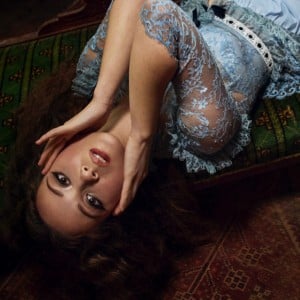
Laufey
Laufey
“As a musician, my goal is to bring jazz and classical music to my generation,” declares GRAMMY-winning composer, singer, producer, and multi-instrumentalist Laufey. In 2022, the Icelandic-Chinese artist’s trailblazing approach paid off, with a performance on Jimmy Kimmel LIVE! in support of her debut album Everything I Know About Love, sold out tours of North America, Asia, and Australia, and she was the most streamed jazz artist on Spotify. The Los Angeles-based Laufey (pronounced lāy-vāy) continued her story by writing and recording Bewitched, her second album. Inspired by jazz greats and classical masters while possessing a point of view that could only be conveyed by a 21st-century twentysomething, Bewitched represents an expansion of Laufey’s sonic palette. Tracks like the breezy bossa nova cut “From the Start” and the smoldering string-assisted ballad “Promise” have classic songcraft and intricate arrangements that make them feel instantly timeless, while Laufey’s conversational lyrics give her music a relatability to the next generation of jazz and classical aficionados. The album has gone on to break the record as the biggest debut for a jazz album on Spotify in history and earned a 2024 GRAMMY win for "Best Traditional Pop Vocal Album." Laufey’s self-assured musicianship and deeply felt lyrics take the idea of “classic” music, whether it’s slotted as classical or jazz—or even chart-topping pop—and humanize it, creating a deep-seated connection.
Music

Would You Fall in Love with Me Again
Would You Fall in Love with Me Again
Music
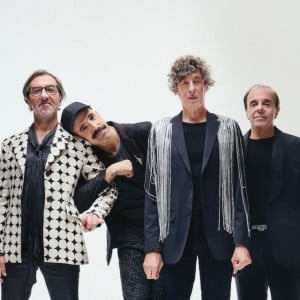
El Cuarteto de Nos
El Cuarteto de Nos
EL CUARTETO DE NOS es una banda de rock única que cuenta con múltiples trabajos discográficos, que se han convertido debido a las ventas en disco de Oro, Platino y Triple Platino. Su principal distintivo, son sus letras afiladas, el manejo de la ironía, la crudeza y la autocrítica del ser, pasando también por los sentimientos más básicos como el amor, la conciencia del paso del tiempo, la vejez y otras emociones. Las constantes giras anuales por Latinoamérica han llevado a que EL CUARTETO DE NOS, sea una de las bandas rioplatenses más reconocidas y seguidas en América. Presentes en los principales festivales de cada país, con shows propios masivos en las capitales y distintas ciudades, la banda se afianza en los oídos Hispanoparlantes, con miles de seguidores activos.
Music

Destripando la Historia
Destripando la Historia
A sus treinta años, Rodrigo Septién es músico, productor y creador de contenido audiovisual. Comenzó a subir sus trabajos musicales a la plataforma Youtube en el año 2014 y su canal, que pasó a ser también el de su compañero, Pascu, cuenta a día de hoy con casi cuatro millones de suscriptores . De entre sus vídeos más populares destacan, entre muchos otros, los que conforman la serie “Destripando la historia”. Sus melodías pegadizas y particular sentido del humor causan furor en las redes e incluso han dado lugar a la publicación de varios libros, en los que se mantiene el tono y la esencia de sus canciones originales. Álvaro Pascual, también conocido como Pascu, lleva desarrollando su talento para las artes desde temprana edad. Estudió Comunicación Audiovisual en la universidad y cursó un máster en diseño y animación 3D. Su indiscutible talento para la ilustración hizo que pasase de estar detrás de las cámaras a crear los dibujos de Destripando la Historia con su amigo y compañero de canal en Youtube junto al que, a sus treinta y un años, ha alcanzado un gran éxito con sus videoclips animados y la publicación de tres libros.
Music
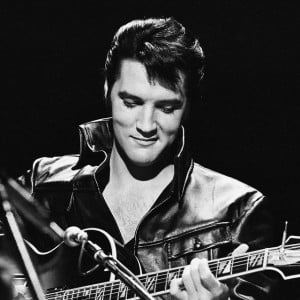
Elvis Presley
Elvis Presley
In 1992, the U.S. Postal Service conducted a nationwide vote on a crucial subject: Should their upcoming stamp feature Young Elvis or Older Elvis? More than 75 percent of the million-plus ballots voted for Young Elvis, but the fact that the question was asked at all speaks to the difficulty of pinning down just who the man was and how he should be remembered: Boundary-breaking R&B singer or Hollywood crooner? Rock pioneer or Vegas showman? An artist who legitimized blues for white audiences or appropriated it from black performers?<br> In truth, Elvis Presley was all these things and more, a prism through which just about every myth we have about race, pop culture, and the American dream can be refracted. Born in 1935 in Tupelo, Mississippi, in a two-room shotgun house built by his father, Presley moved to Memphis as a teenager, recording his first sides for Sun Records a couple of months after he finished high school. He liked country, but also blues; he liked ballads, but played with an irrepressible energy that helped shape the feel of rock and roll. (His breakthrough, an uptempo cover of the blues singer Arthur Crudup’s “That’s All Right,” reportedly started as a goof Presley was killing time with between takes of something more subdued.)<br> In addition to becoming one of the first artists to successfully make R&B for white audiences, Presley was also one of the first performers whose fame (good and bad) came in large part from television—you can’t see hips move in the newspaper. (The <i>New York Times</i>, reporting on Presley’s <i>Milton Berle Show</i> performance in June 1956: “His one specialty is an accented movement of the body that heretofore has been primarily identified with the repertoire of the blonde bombshells of the burlesque runway.”)<br> Presley parlayed his screen appeal into a successful movie career, spending most of the '60s in Hollywood. (A handful of his most indelible songs—including “Can’t Help Falling in Love” and “Return to Sender”—started life on soundtracks to movies in which he also starred.) In 1968, he ventured to recapture the jolt of his early years, staging a television special (<i>Elvis</i>, a.k.a. the ’68 Comeback Special) that constituted his first live performance since 1961. The following year, he released <i>From Elvis in Memphis</i>, an album that found him suddenly, effortlessly, in step with contemporary pop and soul.<br> Though Presley toured almost relentlessly until his death from a heart attack in 1977, he became increasingly cloistered, at one point giving up recording studios in favor of using a mobile studio RCA Records sent to his Memphis mansion, Graceland. A car aficionado with no shortage of spending money, he was known to occasionally approach strangers outside Cadillac showrooms and ask which model and color they liked best before offering—out of the blue—to pick up the bill. Nearly 80,000 people were estimated to have attended the procession for his funeral, where he was buried next to his mother.
Music
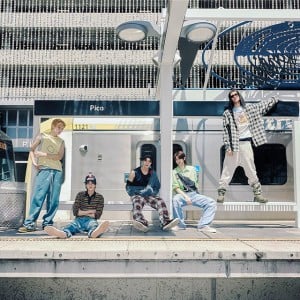
CORTIS
CORTIS