
Mangas

Items in this hypelist
Shoujo
Puberty Bitter Change
Masayoshi · 2012
Have you ever wondered why that 13-digit number on the back of a book costs $125 in the United States but is completely free in Canada and India? This book, The Global ISBN Handbook, is your 2025 guide to the International Standard Book Number. It explains everything about this global "fingerprint" for books. The ISBN is the most important cornerstone of the publishing industry. It started as a simple warehouse tool in the 1960s. Now, it is a complex digital identifier used in over 200 countries. This handbook deconstructs the entire system. It uses 15 distinct national case studies to do this. You will learn how the old 10-digit system changed to the new 13-digit one. We break down the five parts of the ISBN, from the "Bookland" prefix to the final check digit. The book explores the global governance framework, starting with the International ISBN Agency. Then, it dives deep into how different countries run their systems. You'll see the privatized, high-cost model in the United States. You'll compare it to Canada's free, government-run system. We explore the industry-led models in Brazil and Germany. We look at government-run systems in Mexico and India. We even cover the unique case of China, where the ISBN is not a simple identifier but a state-controlled publication license. The book also examines the systems in the UK , France , Russia , Japan , Australia , South Africa , Nigeria , and Egypt. Many books and websites can tell you how to get an ISBN. This handbook is the only resource that explains why the process is so different everywhere you look. It moves beyond a simple "how-to" and provides a true global analysis. It directly compares the privatized, for-profit models in the US and UK against the free, public-good systems in Canada and South Africa. You won't just learn the price; you will understand the cultural policies, market structures, and legal philosophies that shape that price. This book shows how the ISBN is a "global mirror". It reveals how a simple number can be a commercial product in one nation , a tool of cultural policy in another , and an instrument of state control in a third. This comparative insight is the missing piece for any author, publisher, or researcher trying to navigate the complex international publishing market. Disclaimer: This handbook is an independently produced resource for commentary and analysis. The author has no affiliation with the International ISBN Agency, R.R. Bowker, Library and Archives Canada, the National Press and Publication Administration, or any other national ISBN agency. This work is independently produced under the principle of nominative fair use.

In The Clear Moonlight Dusk
Mika Yamamori · 2020
Have you ever wondered why that 13-digit number on the back of a book costs $125 in the United States but is completely free in Canada and India? This book, The Global ISBN Handbook, is your 2025 guide to the International Standard Book Number. It explains everything about this global "fingerprint" for books. The ISBN is the most important cornerstone of the publishing industry. It started as a simple warehouse tool in the 1960s. Now, it is a complex digital identifier used in over 200 countries. This handbook deconstructs the entire system. It uses 15 distinct national case studies to do this. You will learn how the old 10-digit system changed to the new 13-digit one. We break down the five parts of the ISBN, from the "Bookland" prefix to the final check digit. The book explores the global governance framework, starting with the International ISBN Agency. Then, it dives deep into how different countries run their systems. You'll see the privatized, high-cost model in the United States. You'll compare it to Canada's free, government-run system. We explore the industry-led models in Brazil and Germany. We look at government-run systems in Mexico and India. We even cover the unique case of China, where the ISBN is not a simple identifier but a state-controlled publication license. The book also examines the systems in the UK , France , Russia , Japan , Australia , South Africa , Nigeria , and Egypt. Many books and websites can tell you how to get an ISBN. This handbook is the only resource that explains why the process is so different everywhere you look. It moves beyond a simple "how-to" and provides a true global analysis. It directly compares the privatized, for-profit models in the US and UK against the free, public-good systems in Canada and South Africa. You won't just learn the price; you will understand the cultural policies, market structures, and legal philosophies that shape that price. This book shows how the ISBN is a "global mirror". It reveals how a simple number can be a commercial product in one nation , a tool of cultural policy in another , and an instrument of state control in a third. This comparative insight is the missing piece for any author, publisher, or researcher trying to navigate the complex international publishing market. Disclaimer: This handbook is an independently produced resource for commentary and analysis. The author has no affiliation with the International ISBN Agency, R.R. Bowker, Library and Archives Canada, the National Press and Publication Administration, or any other national ISBN agency. This work is independently produced under the principle of nominative fair use.

I Won't Fall for Him Just Because of His Face
Karin Anzai · 2019
Have you ever wondered why that 13-digit number on the back of a book costs $125 in the United States but is completely free in Canada and India? This book, The Global ISBN Handbook, is your 2025 guide to the International Standard Book Number. It explains everything about this global "fingerprint" for books. The ISBN is the most important cornerstone of the publishing industry. It started as a simple warehouse tool in the 1960s. Now, it is a complex digital identifier used in over 200 countries. This handbook deconstructs the entire system. It uses 15 distinct national case studies to do this. You will learn how the old 10-digit system changed to the new 13-digit one. We break down the five parts of the ISBN, from the "Bookland" prefix to the final check digit. The book explores the global governance framework, starting with the International ISBN Agency. Then, it dives deep into how different countries run their systems. You'll see the privatized, high-cost model in the United States. You'll compare it to Canada's free, government-run system. We explore the industry-led models in Brazil and Germany. We look at government-run systems in Mexico and India. We even cover the unique case of China, where the ISBN is not a simple identifier but a state-controlled publication license. The book also examines the systems in the UK , France , Russia , Japan , Australia , South Africa , Nigeria , and Egypt. Many books and websites can tell you how to get an ISBN. This handbook is the only resource that explains why the process is so different everywhere you look. It moves beyond a simple "how-to" and provides a true global analysis. It directly compares the privatized, for-profit models in the US and UK against the free, public-good systems in Canada and South Africa. You won't just learn the price; you will understand the cultural policies, market structures, and legal philosophies that shape that price. This book shows how the ISBN is a "global mirror". It reveals how a simple number can be a commercial product in one nation , a tool of cultural policy in another , and an instrument of state control in a third. This comparative insight is the missing piece for any author, publisher, or researcher trying to navigate the complex international publishing market. Disclaimer: This handbook is an independently produced resource for commentary and analysis. The author has no affiliation with the International ISBN Agency, R.R. Bowker, Library and Archives Canada, the National Press and Publication Administration, or any other national ISBN agency. This work is independently produced under the principle of nominative fair use.
Promise Cinderella
Oreco Tachibana · 2018
Have you ever wondered why that 13-digit number on the back of a book costs $125 in the United States but is completely free in Canada and India? This book, The Global ISBN Handbook, is your 2025 guide to the International Standard Book Number. It explains everything about this global "fingerprint" for books. The ISBN is the most important cornerstone of the publishing industry. It started as a simple warehouse tool in the 1960s. Now, it is a complex digital identifier used in over 200 countries. This handbook deconstructs the entire system. It uses 15 distinct national case studies to do this. You will learn how the old 10-digit system changed to the new 13-digit one. We break down the five parts of the ISBN, from the "Bookland" prefix to the final check digit. The book explores the global governance framework, starting with the International ISBN Agency. Then, it dives deep into how different countries run their systems. You'll see the privatized, high-cost model in the United States. You'll compare it to Canada's free, government-run system. We explore the industry-led models in Brazil and Germany. We look at government-run systems in Mexico and India. We even cover the unique case of China, where the ISBN is not a simple identifier but a state-controlled publication license. The book also examines the systems in the UK , France , Russia , Japan , Australia , South Africa , Nigeria , and Egypt. Many books and websites can tell you how to get an ISBN. This handbook is the only resource that explains why the process is so different everywhere you look. It moves beyond a simple "how-to" and provides a true global analysis. It directly compares the privatized, for-profit models in the US and UK against the free, public-good systems in Canada and South Africa. You won't just learn the price; you will understand the cultural policies, market structures, and legal philosophies that shape that price. This book shows how the ISBN is a "global mirror". It reveals how a simple number can be a commercial product in one nation , a tool of cultural policy in another , and an instrument of state control in a third. This comparative insight is the missing piece for any author, publisher, or researcher trying to navigate the complex international publishing market. Disclaimer: This handbook is an independently produced resource for commentary and analysis. The author has no affiliation with the International ISBN Agency, R.R. Bowker, Library and Archives Canada, the National Press and Publication Administration, or any other national ISBN agency. This work is independently produced under the principle of nominative fair use.

Fall In Love False Angels
Uzuki Coco · 2023
Have you ever wondered why that 13-digit number on the back of a book costs $125 in the United States but is completely free in Canada and India? This book, The Global ISBN Handbook, is your 2025 guide to the International Standard Book Number. It explains everything about this global "fingerprint" for books. The ISBN is the most important cornerstone of the publishing industry. It started as a simple warehouse tool in the 1960s. Now, it is a complex digital identifier used in over 200 countries. This handbook deconstructs the entire system. It uses 15 distinct national case studies to do this. You will learn how the old 10-digit system changed to the new 13-digit one. We break down the five parts of the ISBN, from the "Bookland" prefix to the final check digit. The book explores the global governance framework, starting with the International ISBN Agency. Then, it dives deep into how different countries run their systems. You'll see the privatized, high-cost model in the United States. You'll compare it to Canada's free, government-run system. We explore the industry-led models in Brazil and Germany. We look at government-run systems in Mexico and India. We even cover the unique case of China, where the ISBN is not a simple identifier but a state-controlled publication license. The book also examines the systems in the UK , France , Russia , Japan , Australia , South Africa , Nigeria , and Egypt. Many books and websites can tell you how to get an ISBN. This handbook is the only resource that explains why the process is so different everywhere you look. It moves beyond a simple "how-to" and provides a true global analysis. It directly compares the privatized, for-profit models in the US and UK against the free, public-good systems in Canada and South Africa. You won't just learn the price; you will understand the cultural policies, market structures, and legal philosophies that shape that price. This book shows how the ISBN is a "global mirror". It reveals how a simple number can be a commercial product in one nation , a tool of cultural policy in another , and an instrument of state control in a third. This comparative insight is the missing piece for any author, publisher, or researcher trying to navigate the complex international publishing market. Disclaimer: This handbook is an independently produced resource for commentary and analysis. The author has no affiliation with the International ISBN Agency, R.R. Bowker, Library and Archives Canada, the National Press and Publication Administration, or any other national ISBN agency. This work is independently produced under the principle of nominative fair use.

Getting Close to You
Ruri Kamino · 2020
Have you ever wondered why that 13-digit number on the back of a book costs $125 in the United States but is completely free in Canada and India? This book, The Global ISBN Handbook, is your 2025 guide to the International Standard Book Number. It explains everything about this global "fingerprint" for books. The ISBN is the most important cornerstone of the publishing industry. It started as a simple warehouse tool in the 1960s. Now, it is a complex digital identifier used in over 200 countries. This handbook deconstructs the entire system. It uses 15 distinct national case studies to do this. You will learn how the old 10-digit system changed to the new 13-digit one. We break down the five parts of the ISBN, from the "Bookland" prefix to the final check digit. The book explores the global governance framework, starting with the International ISBN Agency. Then, it dives deep into how different countries run their systems. You'll see the privatized, high-cost model in the United States. You'll compare it to Canada's free, government-run system. We explore the industry-led models in Brazil and Germany. We look at government-run systems in Mexico and India. We even cover the unique case of China, where the ISBN is not a simple identifier but a state-controlled publication license. The book also examines the systems in the UK , France , Russia , Japan , Australia , South Africa , Nigeria , and Egypt. Many books and websites can tell you how to get an ISBN. This handbook is the only resource that explains why the process is so different everywhere you look. It moves beyond a simple "how-to" and provides a true global analysis. It directly compares the privatized, for-profit models in the US and UK against the free, public-good systems in Canada and South Africa. You won't just learn the price; you will understand the cultural policies, market structures, and legal philosophies that shape that price. This book shows how the ISBN is a "global mirror". It reveals how a simple number can be a commercial product in one nation , a tool of cultural policy in another , and an instrument of state control in a third. This comparative insight is the missing piece for any author, publisher, or researcher trying to navigate the complex international publishing market. Disclaimer: This handbook is an independently produced resource for commentary and analysis. The author has no affiliation with the International ISBN Agency, R.R. Bowker, Library and Archives Canada, the National Press and Publication Administration, or any other national ISBN agency. This work is independently produced under the principle of nominative fair use.
36000 seconds in a day
Fukuyama Ryoko · 2019
Have you ever wondered why that 13-digit number on the back of a book costs $125 in the United States but is completely free in Canada and India? This book, The Global ISBN Handbook, is your 2025 guide to the International Standard Book Number. It explains everything about this global "fingerprint" for books. The ISBN is the most important cornerstone of the publishing industry. It started as a simple warehouse tool in the 1960s. Now, it is a complex digital identifier used in over 200 countries. This handbook deconstructs the entire system. It uses 15 distinct national case studies to do this. You will learn how the old 10-digit system changed to the new 13-digit one. We break down the five parts of the ISBN, from the "Bookland" prefix to the final check digit. The book explores the global governance framework, starting with the International ISBN Agency. Then, it dives deep into how different countries run their systems. You'll see the privatized, high-cost model in the United States. You'll compare it to Canada's free, government-run system. We explore the industry-led models in Brazil and Germany. We look at government-run systems in Mexico and India. We even cover the unique case of China, where the ISBN is not a simple identifier but a state-controlled publication license. The book also examines the systems in the UK , France , Russia , Japan , Australia , South Africa , Nigeria , and Egypt. Many books and websites can tell you how to get an ISBN. This handbook is the only resource that explains why the process is so different everywhere you look. It moves beyond a simple "how-to" and provides a true global analysis. It directly compares the privatized, for-profit models in the US and UK against the free, public-good systems in Canada and South Africa. You won't just learn the price; you will understand the cultural policies, market structures, and legal philosophies that shape that price. This book shows how the ISBN is a "global mirror". It reveals how a simple number can be a commercial product in one nation , a tool of cultural policy in another , and an instrument of state control in a third. This comparative insight is the missing piece for any author, publisher, or researcher trying to navigate the complex international publishing market. Disclaimer: This handbook is an independently produced resource for commentary and analysis. The author has no affiliation with the International ISBN Agency, R.R. Bowker, Library and Archives Canada, the National Press and Publication Administration, or any other national ISBN agency. This work is independently produced under the principle of nominative fair use.

Bless
Yukino Sonoyama · 2022
Have you ever wondered why that 13-digit number on the back of a book costs $125 in the United States but is completely free in Canada and India? This book, The Global ISBN Handbook, is your 2025 guide to the International Standard Book Number. It explains everything about this global "fingerprint" for books. The ISBN is the most important cornerstone of the publishing industry. It started as a simple warehouse tool in the 1960s. Now, it is a complex digital identifier used in over 200 countries. This handbook deconstructs the entire system. It uses 15 distinct national case studies to do this. You will learn how the old 10-digit system changed to the new 13-digit one. We break down the five parts of the ISBN, from the "Bookland" prefix to the final check digit. The book explores the global governance framework, starting with the International ISBN Agency. Then, it dives deep into how different countries run their systems. You'll see the privatized, high-cost model in the United States. You'll compare it to Canada's free, government-run system. We explore the industry-led models in Brazil and Germany. We look at government-run systems in Mexico and India. We even cover the unique case of China, where the ISBN is not a simple identifier but a state-controlled publication license. The book also examines the systems in the UK , France , Russia , Japan , Australia , South Africa , Nigeria , and Egypt. Many books and websites can tell you how to get an ISBN. This handbook is the only resource that explains why the process is so different everywhere you look. It moves beyond a simple "how-to" and provides a true global analysis. It directly compares the privatized, for-profit models in the US and UK against the free, public-good systems in Canada and South Africa. You won't just learn the price; you will understand the cultural policies, market structures, and legal philosophies that shape that price. This book shows how the ISBN is a "global mirror". It reveals how a simple number can be a commercial product in one nation , a tool of cultural policy in another , and an instrument of state control in a third. This comparative insight is the missing piece for any author, publisher, or researcher trying to navigate the complex international publishing market. Disclaimer: This handbook is an independently produced resource for commentary and analysis. The author has no affiliation with the International ISBN Agency, R.R. Bowker, Library and Archives Canada, the National Press and Publication Administration, or any other national ISBN agency. This work is independently produced under the principle of nominative fair use.

Housekibako ni Ai o tsumeyou | Let’s Fill The Jewel Box With Love
Rin Mikinoto · 2026

Shut up, Takamori-kun | Takamori-kun wo Damarasetai
Haruno Kamiharu · 2023

Perfect World
Rie Aruga · 2014

Wotakoi: Love is Hard for Otaku
Fujita · 2018

Living-Room Matsunaga-san
Keiko Iwashita · 2020

Pink & Habanero
Mika Satonaka · 2024

Dont worry, Be happy!
Kaori Hoshiya · 2017

Bolsa de Papel-kun está enamorado
Riko Amaebi · 2023

Like a Butterfly
suu Morishita · 2023

The Story Of Our Unlikely Love
Sora Mizuki · 2020

Kimi ni Todoke: From Me to You
Karuho Shiina · 2009
R to L (Japanese Style). Sawako Kuronuma is the perfect heroine...<i>for a horror movie</i>. With her jet-black hair, sinister smile and silent demeanor, she's often mistaken for Sadako, the haunting character from <i>Ringu</i>. Unbeknownst to but a few, behind her scary façade is a very misunderstood teenager. Shy and pure of heart, she just wants to make friends. But when Kazehaya, the most popular boy in class, befriends her, she's sure to make more than just that--she's about to make some <i>enemies</i> too!
Shunkan Gradation
Chihiro Hiro · 2017
Love, That's an Understatement | Más allá del amor
Fujimomo • 2024
Otaku Vampire's Love Bite
Julietta Suzuki • 2024
The Fragrant Flower Blooms with Dignity
Saka Mikami • 2021

You and I Are Polar Opposites
Kocha Agasawa • 2021
Skip and Loafer
Misaki Takamatsu • 2021
Rainbow Days
Minami Mizuno • 2022

The Mortifying Ordeal of Being Seen
mmk · 2026
I See Your Face, Turned Away
Rumi Ichinohe • 2024
Blue spring ride
Io Sakisaka • 2012
Kiss Me At the Stroke of Midnight
Rin Mikimoto • 2017
A Sign of Affection
Suu Morishita • 2024
It Takes More Than a Pretty Face to Fall in Love
Karin Anzai • 2023
Waiting for Spring
ANASHIN • 2017
Cheeky Brat
Mitsubachi Miyuki • 2023
Tsubaki-chou Lonely Planet
Mika Yamamori • 2022

Ao Haru Ride
Io Sakisaka · 2018
The popular shojo manga series that was adapted into the Blue Spring Ride anime!<br><br>In high school, Futaba gets a second chance with her first love, Kou.<br> <br> Futaba Yoshioka thought all boys were loud and obnoxious until she met Kou Tanaka in junior high. But as soon as she realized she really liked him, he had already moved away because of family issues. Now, in high school, Kou has reappeared, but is he still the same boy she fell in love with?
How I Met My Soulmate
Anashin · 2023
Living-room Matsunaga-san
Keiko Iwashita • 2018
Tsurenai Kanojo No Hitorijime | Unreacheable Girlfriend
Amazato Sugar · 2021

Choking On Love
Keiko Iwashita · 2022

Glasses with a Chance of Delinquent
Naruki · 2025

The Invisible Man & His Soon To Be Wife
Iwatobineko · 2021
Blue Box
Kouji Miura • 2022

Waiting for Spring
ANASHIN · 2017

The Ramparts of Ice
Kocha Agasawa

Gazing at the Star Next Door
Ammitsu · 2024
LGBT
Hana no Akuta -Re;bloom | Flower Dust
Tokico Kirishiki · 2026
Have you ever wondered why that 13-digit number on the back of a book costs $125 in the United States but is completely free in Canada and India? This book, The Global ISBN Handbook, is your 2025 guide to the International Standard Book Number. It explains everything about this global "fingerprint" for books. The ISBN is the most important cornerstone of the publishing industry. It started as a simple warehouse tool in the 1960s. Now, it is a complex digital identifier used in over 200 countries. This handbook deconstructs the entire system. It uses 15 distinct national case studies to do this. You will learn how the old 10-digit system changed to the new 13-digit one. We break down the five parts of the ISBN, from the "Bookland" prefix to the final check digit. The book explores the global governance framework, starting with the International ISBN Agency. Then, it dives deep into how different countries run their systems. You'll see the privatized, high-cost model in the United States. You'll compare it to Canada's free, government-run system. We explore the industry-led models in Brazil and Germany. We look at government-run systems in Mexico and India. We even cover the unique case of China, where the ISBN is not a simple identifier but a state-controlled publication license. The book also examines the systems in the UK , France , Russia , Japan , Australia , South Africa , Nigeria , and Egypt. Many books and websites can tell you how to get an ISBN. This handbook is the only resource that explains why the process is so different everywhere you look. It moves beyond a simple "how-to" and provides a true global analysis. It directly compares the privatized, for-profit models in the US and UK against the free, public-good systems in Canada and South Africa. You won't just learn the price; you will understand the cultural policies, market structures, and legal philosophies that shape that price. This book shows how the ISBN is a "global mirror". It reveals how a simple number can be a commercial product in one nation , a tool of cultural policy in another , and an instrument of state control in a third. This comparative insight is the missing piece for any author, publisher, or researcher trying to navigate the complex international publishing market. Disclaimer: This handbook is an independently produced resource for commentary and analysis. The author has no affiliation with the International ISBN Agency, R.R. Bowker, Library and Archives Canada, the National Press and Publication Administration, or any other national ISBN agency. This work is independently produced under the principle of nominative fair use.

First Love with You Again
ABBG · 2025
Have you ever wondered why that 13-digit number on the back of a book costs $125 in the United States but is completely free in Canada and India? This book, The Global ISBN Handbook, is your 2025 guide to the International Standard Book Number. It explains everything about this global "fingerprint" for books. The ISBN is the most important cornerstone of the publishing industry. It started as a simple warehouse tool in the 1960s. Now, it is a complex digital identifier used in over 200 countries. This handbook deconstructs the entire system. It uses 15 distinct national case studies to do this. You will learn how the old 10-digit system changed to the new 13-digit one. We break down the five parts of the ISBN, from the "Bookland" prefix to the final check digit. The book explores the global governance framework, starting with the International ISBN Agency. Then, it dives deep into how different countries run their systems. You'll see the privatized, high-cost model in the United States. You'll compare it to Canada's free, government-run system. We explore the industry-led models in Brazil and Germany. We look at government-run systems in Mexico and India. We even cover the unique case of China, where the ISBN is not a simple identifier but a state-controlled publication license. The book also examines the systems in the UK , France , Russia , Japan , Australia , South Africa , Nigeria , and Egypt. Many books and websites can tell you how to get an ISBN. This handbook is the only resource that explains why the process is so different everywhere you look. It moves beyond a simple "how-to" and provides a true global analysis. It directly compares the privatized, for-profit models in the US and UK against the free, public-good systems in Canada and South Africa. You won't just learn the price; you will understand the cultural policies, market structures, and legal philosophies that shape that price. This book shows how the ISBN is a "global mirror". It reveals how a simple number can be a commercial product in one nation , a tool of cultural policy in another , and an instrument of state control in a third. This comparative insight is the missing piece for any author, publisher, or researcher trying to navigate the complex international publishing market. Disclaimer: This handbook is an independently produced resource for commentary and analysis. The author has no affiliation with the International ISBN Agency, R.R. Bowker, Library and Archives Canada, the National Press and Publication Administration, or any other national ISBN agency. This work is independently produced under the principle of nominative fair use.

Dysfuncional Family Therapy
Tsurukawe Mayo · 2022
Have you ever wondered why that 13-digit number on the back of a book costs $125 in the United States but is completely free in Canada and India? This book, The Global ISBN Handbook, is your 2025 guide to the International Standard Book Number. It explains everything about this global "fingerprint" for books. The ISBN is the most important cornerstone of the publishing industry. It started as a simple warehouse tool in the 1960s. Now, it is a complex digital identifier used in over 200 countries. This handbook deconstructs the entire system. It uses 15 distinct national case studies to do this. You will learn how the old 10-digit system changed to the new 13-digit one. We break down the five parts of the ISBN, from the "Bookland" prefix to the final check digit. The book explores the global governance framework, starting with the International ISBN Agency. Then, it dives deep into how different countries run their systems. You'll see the privatized, high-cost model in the United States. You'll compare it to Canada's free, government-run system. We explore the industry-led models in Brazil and Germany. We look at government-run systems in Mexico and India. We even cover the unique case of China, where the ISBN is not a simple identifier but a state-controlled publication license. The book also examines the systems in the UK , France , Russia , Japan , Australia , South Africa , Nigeria , and Egypt. Many books and websites can tell you how to get an ISBN. This handbook is the only resource that explains why the process is so different everywhere you look. It moves beyond a simple "how-to" and provides a true global analysis. It directly compares the privatized, for-profit models in the US and UK against the free, public-good systems in Canada and South Africa. You won't just learn the price; you will understand the cultural policies, market structures, and legal philosophies that shape that price. This book shows how the ISBN is a "global mirror". It reveals how a simple number can be a commercial product in one nation , a tool of cultural policy in another , and an instrument of state control in a third. This comparative insight is the missing piece for any author, publisher, or researcher trying to navigate the complex international publishing market. Disclaimer: This handbook is an independently produced resource for commentary and analysis. The author has no affiliation with the International ISBN Agency, R.R. Bowker, Library and Archives Canada, the National Press and Publication Administration, or any other national ISBN agency. This work is independently produced under the principle of nominative fair use.

Tashiro-kun, Why're You Like This?
Yamada · 2016
Have you ever wondered why that 13-digit number on the back of a book costs $125 in the United States but is completely free in Canada and India? This book, The Global ISBN Handbook, is your 2025 guide to the International Standard Book Number. It explains everything about this global "fingerprint" for books. The ISBN is the most important cornerstone of the publishing industry. It started as a simple warehouse tool in the 1960s. Now, it is a complex digital identifier used in over 200 countries. This handbook deconstructs the entire system. It uses 15 distinct national case studies to do this. You will learn how the old 10-digit system changed to the new 13-digit one. We break down the five parts of the ISBN, from the "Bookland" prefix to the final check digit. The book explores the global governance framework, starting with the International ISBN Agency. Then, it dives deep into how different countries run their systems. You'll see the privatized, high-cost model in the United States. You'll compare it to Canada's free, government-run system. We explore the industry-led models in Brazil and Germany. We look at government-run systems in Mexico and India. We even cover the unique case of China, where the ISBN is not a simple identifier but a state-controlled publication license. The book also examines the systems in the UK , France , Russia , Japan , Australia , South Africa , Nigeria , and Egypt. Many books and websites can tell you how to get an ISBN. This handbook is the only resource that explains why the process is so different everywhere you look. It moves beyond a simple "how-to" and provides a true global analysis. It directly compares the privatized, for-profit models in the US and UK against the free, public-good systems in Canada and South Africa. You won't just learn the price; you will understand the cultural policies, market structures, and legal philosophies that shape that price. This book shows how the ISBN is a "global mirror". It reveals how a simple number can be a commercial product in one nation , a tool of cultural policy in another , and an instrument of state control in a third. This comparative insight is the missing piece for any author, publisher, or researcher trying to navigate the complex international publishing market. Disclaimer: This handbook is an independently produced resource for commentary and analysis. The author has no affiliation with the International ISBN Agency, R.R. Bowker, Library and Archives Canada, the National Press and Publication Administration, or any other national ISBN agency. This work is independently produced under the principle of nominative fair use.

Love Song For The Defective | Dekisokonai no Love Song
Akota • 2024
Have you ever wondered why that 13-digit number on the back of a book costs $125 in the United States but is completely free in Canada and India? This book, The Global ISBN Handbook, is your 2025 guide to the International Standard Book Number. It explains everything about this global "fingerprint" for books. The ISBN is the most important cornerstone of the publishing industry. It started as a simple warehouse tool in the 1960s. Now, it is a complex digital identifier used in over 200 countries. This handbook deconstructs the entire system. It uses 15 distinct national case studies to do this. You will learn how the old 10-digit system changed to the new 13-digit one. We break down the five parts of the ISBN, from the "Bookland" prefix to the final check digit. The book explores the global governance framework, starting with the International ISBN Agency. Then, it dives deep into how different countries run their systems. You'll see the privatized, high-cost model in the United States. You'll compare it to Canada's free, government-run system. We explore the industry-led models in Brazil and Germany. We look at government-run systems in Mexico and India. We even cover the unique case of China, where the ISBN is not a simple identifier but a state-controlled publication license. The book also examines the systems in the UK , France , Russia , Japan , Australia , South Africa , Nigeria , and Egypt. Many books and websites can tell you how to get an ISBN. This handbook is the only resource that explains why the process is so different everywhere you look. It moves beyond a simple "how-to" and provides a true global analysis. It directly compares the privatized, for-profit models in the US and UK against the free, public-good systems in Canada and South Africa. You won't just learn the price; you will understand the cultural policies, market structures, and legal philosophies that shape that price. This book shows how the ISBN is a "global mirror". It reveals how a simple number can be a commercial product in one nation , a tool of cultural policy in another , and an instrument of state control in a third. This comparative insight is the missing piece for any author, publisher, or researcher trying to navigate the complex international publishing market. Disclaimer: This handbook is an independently produced resource for commentary and analysis. The author has no affiliation with the International ISBN Agency, R.R. Bowker, Library and Archives Canada, the National Press and Publication Administration, or any other national ISBN agency. This work is independently produced under the principle of nominative fair use.

I Need to Suck Blood Tonight
Mutuo Amida · 2021

Asa & Mitya
Billy Malibally · 2018

Cupid ni Rakurai | Cupid is struck by lightning | Cupido enamorado
Suzumaru Minta · 2023

Chameleon wa Tenohira ni Koi wo Suru | Love in the Palm of His Hand
Rinteku · 2023

Tonari no Metaller-san | Mi vecino metalero
Mamita · 2020

Cupid ni rakurai | Cupido enamorado
Minta Suzumaru • 2017

School Trip: Joined a Group I’m Not Close To
Uzura Kakuregi · 2024

Blue Flag
KAITO · 2020

Kiraide Isasete
Hijiki · 2019
Por tu culpa no puedo respirar
Zeniko Sumiya • 2023
Boy Meets Maria
Peyo • 2021
<b>An LGBT+ manga exploring love and gender at a high school drama club.</b><br><br>Taiga dreams of becoming an actor, so the first thing he does upon entering high school is join the drama club. There, he meets the beautiful, enigmatic Maria and immediately falls in love with her. Not long after, Taiga is told that she is actually a boy--but is that all there is to Maria’s story? The late PEYO debuted with this beautifully illustrated, single-volume tale exploring the nature of personal expression and the fluidity of the power of love.
Love in Focus
Yoko Nogiri • 2019
Kikon Status dake Itadakimasu
Sasaki Ima · 2023
Have you ever wondered why that 13-digit number on the back of a book costs $125 in the United States but is completely free in Canada and India? This book, The Global ISBN Handbook, is your 2025 guide to the International Standard Book Number. It explains everything about this global "fingerprint" for books. The ISBN is the most important cornerstone of the publishing industry. It started as a simple warehouse tool in the 1960s. Now, it is a complex digital identifier used in over 200 countries. This handbook deconstructs the entire system. It uses 15 distinct national case studies to do this. You will learn how the old 10-digit system changed to the new 13-digit one. We break down the five parts of the ISBN, from the "Bookland" prefix to the final check digit. The book explores the global governance framework, starting with the International ISBN Agency. Then, it dives deep into how different countries run their systems. You'll see the privatized, high-cost model in the United States. You'll compare it to Canada's free, government-run system. We explore the industry-led models in Brazil and Germany. We look at government-run systems in Mexico and India. We even cover the unique case of China, where the ISBN is not a simple identifier but a state-controlled publication license. The book also examines the systems in the UK , France , Russia , Japan , Australia , South Africa , Nigeria , and Egypt. Many books and websites can tell you how to get an ISBN. This handbook is the only resource that explains why the process is so different everywhere you look. It moves beyond a simple "how-to" and provides a true global analysis. It directly compares the privatized, for-profit models in the US and UK against the free, public-good systems in Canada and South Africa. You won't just learn the price; you will understand the cultural policies, market structures, and legal philosophies that shape that price. This book shows how the ISBN is a "global mirror". It reveals how a simple number can be a commercial product in one nation , a tool of cultural policy in another , and an instrument of state control in a third. This comparative insight is the missing piece for any author, publisher, or researcher trying to navigate the complex international publishing market. Disclaimer: This handbook is an independently produced resource for commentary and analysis. The author has no affiliation with the International ISBN Agency, R.R. Bowker, Library and Archives Canada, the National Press and Publication Administration, or any other national ISBN agency. This work is independently produced under the principle of nominative fair use.
Koh-boku
Sonoo Michiru · 2014
10 cosas que quiero hacer antes de los 40
Mamita • 2023
AZUL ULTRAMARINO
Nagisa Furuya · 2022
FANGS
Billy Balibally • 2020

The Guy She Was Interested In Wasn't a Guy at All
Sumiko Arai • 2024
Home Far Away
Tenía Yatsuda · 2022

Falling Star
Yagi Migino · 2025

The Dragon's Betrothed
Meguru Hinohara · 2023

Fukutsu no zono | El indomable Zono
Shikke • 2020

Marriagetoxin
Jomyakun · 2024

DISONANCIA
Syundei · 2022

Touching your night
Moyori Mori · 2024

Sleeping on Paper Boats
Teki Yatsuda · 2025

White Liar
Tomo Serizawa · 2025

My Love Mix-Up!
Wataru Hinekure · 2022

The Summer With You (My Summer of You, Vol. 2)
Nagisa Furuya · 2022

Isekai no Sata wa Shachiku Shidai | The Other World's Books Depend on the Bean Counter
Yatsuki Wakatsu • 2020

Seaside Stranger
Kanna Kii · 2013

Ameiro paradox
Isaku Natsume · 2014
Onoe und Kaburagi streiten sich zwar immer noch regelmäßig, doch nun turteln sie auch miteinander. Eines Tages taucht Kaburagis jüngere Schwester Noriko auf. Die beiden Geschwister scheinen sich nicht besonders gut zu verstehen, Noriko und Onoe dafür umso besser! Und schon bald planen die beiden, Kaburagi eine Lektion zu erteilen…
Shonen
Sankarea
Mitsuru Hattori · 2009
Have you ever wondered why that 13-digit number on the back of a book costs $125 in the United States but is completely free in Canada and India? This book, The Global ISBN Handbook, is your 2025 guide to the International Standard Book Number. It explains everything about this global "fingerprint" for books. The ISBN is the most important cornerstone of the publishing industry. It started as a simple warehouse tool in the 1960s. Now, it is a complex digital identifier used in over 200 countries. This handbook deconstructs the entire system. It uses 15 distinct national case studies to do this. You will learn how the old 10-digit system changed to the new 13-digit one. We break down the five parts of the ISBN, from the "Bookland" prefix to the final check digit. The book explores the global governance framework, starting with the International ISBN Agency. Then, it dives deep into how different countries run their systems. You'll see the privatized, high-cost model in the United States. You'll compare it to Canada's free, government-run system. We explore the industry-led models in Brazil and Germany. We look at government-run systems in Mexico and India. We even cover the unique case of China, where the ISBN is not a simple identifier but a state-controlled publication license. The book also examines the systems in the UK , France , Russia , Japan , Australia , South Africa , Nigeria , and Egypt. Many books and websites can tell you how to get an ISBN. This handbook is the only resource that explains why the process is so different everywhere you look. It moves beyond a simple "how-to" and provides a true global analysis. It directly compares the privatized, for-profit models in the US and UK against the free, public-good systems in Canada and South Africa. You won't just learn the price; you will understand the cultural policies, market structures, and legal philosophies that shape that price. This book shows how the ISBN is a "global mirror". It reveals how a simple number can be a commercial product in one nation , a tool of cultural policy in another , and an instrument of state control in a third. This comparative insight is the missing piece for any author, publisher, or researcher trying to navigate the complex international publishing market. Disclaimer: This handbook is an independently produced resource for commentary and analysis. The author has no affiliation with the International ISBN Agency, R.R. Bowker, Library and Archives Canada, the National Press and Publication Administration, or any other national ISBN agency. This work is independently produced under the principle of nominative fair use.
Phantom Busters
Neo Shoco · 2023
Have you ever wondered why that 13-digit number on the back of a book costs $125 in the United States but is completely free in Canada and India? This book, The Global ISBN Handbook, is your 2025 guide to the International Standard Book Number. It explains everything about this global "fingerprint" for books. The ISBN is the most important cornerstone of the publishing industry. It started as a simple warehouse tool in the 1960s. Now, it is a complex digital identifier used in over 200 countries. This handbook deconstructs the entire system. It uses 15 distinct national case studies to do this. You will learn how the old 10-digit system changed to the new 13-digit one. We break down the five parts of the ISBN, from the "Bookland" prefix to the final check digit. The book explores the global governance framework, starting with the International ISBN Agency. Then, it dives deep into how different countries run their systems. You'll see the privatized, high-cost model in the United States. You'll compare it to Canada's free, government-run system. We explore the industry-led models in Brazil and Germany. We look at government-run systems in Mexico and India. We even cover the unique case of China, where the ISBN is not a simple identifier but a state-controlled publication license. The book also examines the systems in the UK , France , Russia , Japan , Australia , South Africa , Nigeria , and Egypt. Many books and websites can tell you how to get an ISBN. This handbook is the only resource that explains why the process is so different everywhere you look. It moves beyond a simple "how-to" and provides a true global analysis. It directly compares the privatized, for-profit models in the US and UK against the free, public-good systems in Canada and South Africa. You won't just learn the price; you will understand the cultural policies, market structures, and legal philosophies that shape that price. This book shows how the ISBN is a "global mirror". It reveals how a simple number can be a commercial product in one nation , a tool of cultural policy in another , and an instrument of state control in a third. This comparative insight is the missing piece for any author, publisher, or researcher trying to navigate the complex international publishing market. Disclaimer: This handbook is an independently produced resource for commentary and analysis. The author has no affiliation with the International ISBN Agency, R.R. Bowker, Library and Archives Canada, the National Press and Publication Administration, or any other national ISBN agency. This work is independently produced under the principle of nominative fair use.

Hell's Paradise: Jigokuraku, Vol. 1
Yuji Kaku · 2020
<b>Even an invincible ninja may not be able to survive Hell’s Paradise!</b><br><br>Gabimaru is a ninja on death row with one chance to see his wife again—by finding the elixir of immortality on a supernatural island and delivering it to the shogun. Standing in his way are his fellow convicts and the fearsome beasts that roam the island, devouring or killing anyone they encounter.<br><br>Gabimaru the Hollow is one of the most vicious assassins ever to come out of the ninja village of Iwagakure. He’s ruthlessly efficient, but a betrayal results in him being handed a death sentence. He has only one hope—in order to earn his freedom, he must travel to a long-hidden island and recover an elixir that will make the shogun immortal. Failure is not an option. On this island, heaven and hell are just a hair’s breadth away.

Goodbye, Eri
Tatsuki Fujimoto · 2023
Tokyo Aliens
Naoe (Comic book author) • 2022

Gokurakugai
Yuto Sano · 2022
Sakamoto Days
Yuto Suzuki • 2022
Josei
Butterflies or Criminals - I Want to Make You Cry Overflowing and Overflowin
Toriumi Pedoro · 2019
Have you ever wondered why that 13-digit number on the back of a book costs $125 in the United States but is completely free in Canada and India? This book, The Global ISBN Handbook, is your 2025 guide to the International Standard Book Number. It explains everything about this global "fingerprint" for books. The ISBN is the most important cornerstone of the publishing industry. It started as a simple warehouse tool in the 1960s. Now, it is a complex digital identifier used in over 200 countries. This handbook deconstructs the entire system. It uses 15 distinct national case studies to do this. You will learn how the old 10-digit system changed to the new 13-digit one. We break down the five parts of the ISBN, from the "Bookland" prefix to the final check digit. The book explores the global governance framework, starting with the International ISBN Agency. Then, it dives deep into how different countries run their systems. You'll see the privatized, high-cost model in the United States. You'll compare it to Canada's free, government-run system. We explore the industry-led models in Brazil and Germany. We look at government-run systems in Mexico and India. We even cover the unique case of China, where the ISBN is not a simple identifier but a state-controlled publication license. The book also examines the systems in the UK , France , Russia , Japan , Australia , South Africa , Nigeria , and Egypt. Many books and websites can tell you how to get an ISBN. This handbook is the only resource that explains why the process is so different everywhere you look. It moves beyond a simple "how-to" and provides a true global analysis. It directly compares the privatized, for-profit models in the US and UK against the free, public-good systems in Canada and South Africa. You won't just learn the price; you will understand the cultural policies, market structures, and legal philosophies that shape that price. This book shows how the ISBN is a "global mirror". It reveals how a simple number can be a commercial product in one nation , a tool of cultural policy in another , and an instrument of state control in a third. This comparative insight is the missing piece for any author, publisher, or researcher trying to navigate the complex international publishing market. Disclaimer: This handbook is an independently produced resource for commentary and analysis. The author has no affiliation with the International ISBN Agency, R.R. Bowker, Library and Archives Canada, the National Press and Publication Administration, or any other national ISBN agency. This work is independently produced under the principle of nominative fair use.
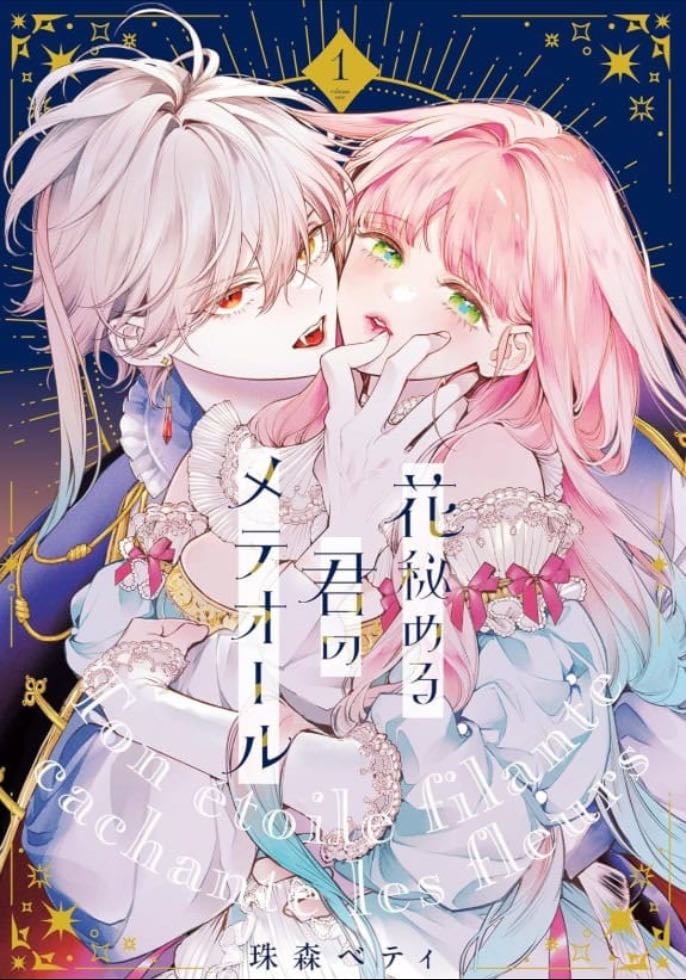
Hana himeru kimi no meteor | El meteorito de la chica que escondía sus flores
Betty Tamamori
Veil
Kotteri • 2020

Firefly Wedding
Oreco Tachibana · 2023
Psychological Horror

I Want to Be Killed By Your Beautiful Self
Rokakouen & Yoshino Tsukasa
Drama

Kami Ni Chikatte Itsuwari Desu | I Swear to God It’s a Lie
Matsumoto Suisei
