❤️🩹🫀
Items in this hypelist
Artistas

Ella Es Tan Cargosa
Ella Es Tan Cargosa
Ella es tan cargosa ya esta presentando su mas reciente álbum: <a href="spotify:album:0IVrP8hRUEnOiPYKln5wNV" data-name="Fuera de Moda">Fuera de Moda</a> con cortes como <a href="spotify:album:3DRJQmD0z02ULqU8ItqkQk" data-name="Soñé Que Volaba">Soñé Que Volaba</a> (cortina OLGA) y <a href="spotify:track:07tkHLL7exYnnGLwUFaaqg" data-name="Regresar al cuerpo">Regresar al cuerpo</a> con Tete y Tanque de La Renga. Previamente En 2022 estrenaron Bellos Años, un material que recorre su trayectoria celebrando los 20 años de historia, reversionando sus grandes éxitos con invitados de lujo como Lula Bertoldi, Pato Sardelli, Emiliano Brancciari, entre otros. La banda editó cinco discos: 2007- “Ella Es Tan Cargosa” ( disco que obtiene el premio Carlos Gardel en la categoría Mejor album nuevo pop), 2009- <a href="spotify:album:3DAJSK4SdDOyctZ61Tzv25" data-name="Botella al mar">Botella al mar</a>, 2011- <a href="spotify:album:0ZbpUqmbzCVcUHmnBzd08G" data-name="11">11</a>, 2014- <a href="spotify:album:4zd88TW1Vxi35LLUOWjKZ4" data-name="Polos">Polos</a> y su quinto disco <a href="spotify:album:7IdX2Mas7lZe3NJmp5RNmI" data-name="La Sangre Buena">La Sangre Buena</a> se lanzó fines de julio del 2017 (fue nominado a los premios Latin Grammy en la categoría Mejor Album Pop/rock).

Myke Towers
Myke Towers
El joven fenómeno de la música urbana, el rapero y compositor Myke Towers se ha ganado un lugar de respeto y reconocimiento en uno de los mercados más competitivos de la música. Su audacia para escribir canciones, acompañadas de su voz profunda y un talento en escena que hipnotiza a sus fanáticos, le han hecho merecedor del respeto y reconocimiento en la competitiva industria urbana. El puertorriqueño ha colaborado recientemente con algunos de los nombres más importantes del género, como Bad Bunny, Becky G, Farruko, Piso 21, Sech y Arcángel y rápidamente se ha vuelto en uno de los artistas mas buscados dentro de la “nueva” generación urbana. --- Phenom Rapper/Songwriter Myke Towers has earned his place in the music industry as one of the youngest and most successful interpreters of his time. His ability to compose songs, complemented by his deep voice and a talent on stage that hypnotizes fans, has earned him a place of respect and recognition in a competitive Latin Urban industry. The young Puerto Rican artist has recently collaborated with some of the genre’s biggest names including Bad Bunny, Becky G, Farruko, Piso 21, Sech, Amenazzy, and Arcángel amongst others and has rapidly become one of the most sought after artists coming from the “new” generation of the Urban music scene.
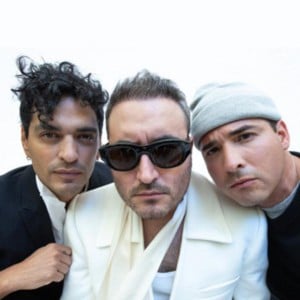
Reik
Reik
Reik is a charting, award-winning, Latin pop trio from Mexicali, Baja California famous throughout Latin America for their romantic songs and ballads. Their multi-platinum-selling albums, including Un Dia Mas (2008), the Latin Grammy-winning Peligro (2011), Des/Amor (2016), and Ahora (2019), were homes for their three decades of chart-dominating singles. Forming in 2003 after recording a demo that yielded the Mexican underground club favorites "Levemente" and "Ahora sin Ti," singer Jesús Alberto Navarro Rosas and guitarist Julio Ramírez Eguía invited backing vocalist/guitarist Gilberto "Bibi" Marin Espinoza to join the lineup in early 2004. After signing to Sony Music a few months later, Reik teamed with producers Abelardo Vázquez and Kiko Cibrian to begin work on their self-titled debut LP. The album proved a phenomenon, generating three consecutive Mexican chart-toppers in "Yo Quisiera," "Que Vida la Mia," and "Noviembre sin Ti." All three singles also crossed over to the U.S. Latin pop charts, and in mid-2005, the trio also received a Latin Grammy nomination in the Best New Artist category. 2008's Un Dia Mas fared better, placing inside the Top Ten Latin Albums and netting them the number three single "Inolvidable," and three more singles that landed on lower rungs. The full-length netted them a Latin Grammy Award for Best Pop Album by a Duo or Group with Vocals in 2009. Mexican and U.S tours followed the next year.

Camila
Camila
Camila, pilar de la balada pop desde 2005, ha reconectado con su formación original: Mario Domm, Pablo Hurtado y Samo. Su música, un reflejo sinfín de historias de amor, ha conquistado corazones con éxitos como “Abrázame”, “Mientes” y aclamados álbumes como “Dejarte de amar” y “Todo cambió”. Con más de 800 shows a nivel mundial, Camila ha cosechado múltiples premios, incluyendo Latin GRAMMY, Billboard, Premios juventud y más. Camila se destaca por ser uno de los artistas con mayor número de ventas en México y Latino América, superando los 2 millones de copias. Al día de hoy cuenta con 4 exitosas producciones discográficas y 18 temas en el #1 de radio en México. 2023 y 2024 han sido años de nueva música: Fugitivos, 120, Incendio, Diamantes y amaranto y Corazón en coma. Camila presenta su nuevo álbum, Regresa, consolidando su estatus legendario en la música.
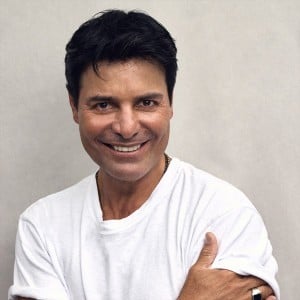
Chayanne
Chayanne
Chayanne is a charting Latin pop singer from Puerto Rico with a passionate balladeering style that ranges from sweeping orchestral pop to bachata. He has sold more than 30 million albums worldwide and landed multiple albums in the Top 200. During the late '80s and early '90s, he became one of the genre's premier heartthrobs; his second album, 1989's Chayanne, was the first of four Grammy-nominated titles to deliver more than three hit singles. His 2003 album, Sincero, topped the Latin Albums chart, delivered no less than five hit singles, and was nominated for a Grammy for Best Latin Album. Chayanne, later based in Miami, is also a noteworthy film and television actor; in addition, he has contributed dozens of songs to soundtracks, many of them hits. In the 21st century, he remains a viable and celebrated artist. His 2014 album, En Todo Estare, topped the Latin Albums chart and landed inside the Top 25 in the U.S. Other than compilations, he didn't release another album until Bailemos Otra Vez in October 2023. Born Elmer Figueroa-Arce on June 28, 1968 in San Lorenzo, Puerto Rico, the singer began his career in 1979 at age 11, when he joined the Puerto Rican boy band <a href="spotify:artist:6v27kWik0tWh49l6qbiPzy">Los Chicos</a>. Designed to rival <a href="spotify:artist:3Edq1eT7m7GX0PvHW7yEDF">Menudo</a>, which was the preeminent boy band of the era, <a href="spotify:artist:6v27kWik0tWh49l6qbiPzy">Los Chicos</a> failed to reach a comparably feverish level of popularity, though they were commercially successful enough to warrant a made-for-TV film, Conexión Caribe (1984), as well as a weekly TV show on Puerto Rico's WAPA-TV. <a href="spotify:artist:6v27kWik0tWh49l6qbiPzy">Los Chicos</a> released five albums -- Para Amar (1980), Puerto Rico (1980), Viva el Amor (1982), Bailando al Ritmo de la Lluvia (1983), and Conexión Caribe (1984) -- before ending their run in 1984. Almost immediately, Chayanne embarked on a solo career, debuting with Chayanne Es Mi Nombre (1984) for <a href="spotify:search:label%3A%22RCA+Records%22">RCA Records</a>. Sangre Latina (1986) followed, but it wasn't until Chayanne moved to <a href="spotify:search:label%3A%22Sony%22">Sony</a> and released a successive pair of eponymous albums in 1988 and 1989 that his solo career began to bear fruit. His 1989 album in particular was a hit, earning him a Grammy nomination for Best Latin Pop Performance; major hits included "Fiesta en America," "Violeta," "Te Deseo," and "Para Tenerte Otra Vez," which were re-recorded in Portuguese, as was the remainder of the album itself, for a successful Brazilian crossover. Also in 1989, Chayanne notably signed a contract with Pepsi to record the first Spanish-language commercial aired in the United States on a major TV network without subtitles or dubbing; it debuted during the Grammy Awards that year. Chayanne went on to enjoy regular success, releasing hit albums roughly every two years: Tiempo de Vals (1990), Provocame (1992), Influencias (1994), Volver a Nacer (1996), Atado a Tu Amor (1998), Simplemente (2000), Sincero (2003), Cautivo (2005), Mi Tiempo (2007), and No Hay Imposibles (2010). Each sold better than its predecessor, for the most part. Greatest-hits compilations such as Grandes Exitos (2002) and Desde Siempre (2005), and live albums like Vivo (2008) and A Solas con Chayanne (2012), were also issued from time to time. Chayanne's hits are too numerous to list, though it is worth pointing out his particularly industrious association with songwriter <a href="spotify:artist:0f3WUwiAGe1cFw95QLWWh4">Estéfano</a>. In addition to singing, Chayanne is a gifted dancer and actor with a growing number of telenovela and film roles to his credit, including as a vampire in the TV mini-series Gabriel: Amor Inmortal, and as the male lead in the Spanish dub of Disney's animated Rapunzel tale Tangled. In 2014, Chayanne delivered his 15th studio album, the Afo Verde-produced En Todo Estare. He returned in 2017 with the single "Qué Me Has Hecho," featuring <a href="spotify:artist:3E6xrwgnVfYCrCs0ePERDz">Wisin</a>. Ultimately, it took nearly a decade to release 2023's Bailemos Otra Vez. It was teased by pre-release singles "Te Amo y Punto," "Como Tú y Yo," and "Bailando Bachata." Upon release in October 2023, it peaked at 23 on the Top 200, and topped both U.S. Top Latin Albums and U.S. Latin Pop Albums lists. It also topped the charts in Spain, Mexico, and Argentina. ~ Jason Birchmeier, Rovi
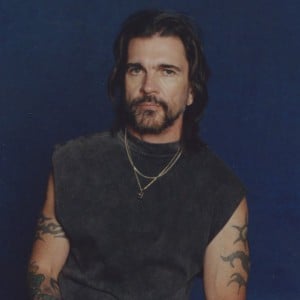
Juanes
Juanes
Whereas many of his Spanish-language contemporaries undertook English-language crossover campaigns at one point or another in their careers, Colombian singer/songwriter, guitarist, and author Juanes won global appeal exclusively in his native language and became perhaps the biggest and most important popular Latin music artist in the world in the early 21st century. After his debut album, Fijate Bien (2000), won him the Grammy for Best New Artist (the first of two-dozen including 20 Latin Grammy Awards and two Grammys), Juanes broke through to global success with his second offering, Un Día Normal (2002). In the United States alone, the album rode the Billboard Latin chart for two straight years, remaining in the Top Ten for a record-breaking 92 weeks. It also notched charting hit singles (six), Grammy nominations (eight), Grammy awards (five), and various other accolades. When he returned with his third album, Mi Sangre (2004), Juanes again garnered all kinds of commercial success and critical acclaim. He tirelessly toured in support of the album, and by 2005 he had begun topping the singles chart in non-Spanish-speaking countries such as Germany, Italy, and Switzerland. By the time he returned with his fourth album, La Vida...Es un Ratico (2007), Juanes had such a global presence, <a href="spotify:search:label%3A%22Universal%22">Universal</a> chose to release "Me Enamora," the lead single, to media outlets in 77 countries; it became a number one hit in 14 of them, setting the stage for another cycle of commercial success. Each recording since that time has expanded his fan base and creative reach. His 2017 chart-topping outing Mis Planes Son Amarte, was the first complete audio-visual album. Conceptual in origin, each of its songs was released with a corresponding thematic video, creating an expanded narrative. It took home the Latin Grammy for Best Rock/Pop Album. After again hitting number one on the Latin Pop Album chart with 2019's Más Futuro Que Pasado, Juanes showcased his influences on the 2021 covers album Origen. Born Juan Esteban Aristizábal Vásquez on August 9, 1972, in Carolina del Príncipe, Antioquia, Colombia, Juanes began to learn how to play guitar at age seven, taught by his father and older brothers. His passion for the instrument led him to learn traditional Latin sounds such as boleros, tangos, and cumbias as well as Colombian folk music styles such as vallenato and guasca. During his upbringing in Colombia he also became steadily acquainted with the grief endured by his fellow countrymen: His cousin was executed by kidnappers, and a close friend was killed by gunmen. He also lost his father to cancer. As a teenager, Juanes and his guitar playing drifted toward heavy metal, influenced greatly by <a href="spotify:artist:2ye2Wgw4gimLv2eAKyk1NB">Metallica</a> and other bands of that ilk. This led to his founding of the metal band <a href="spotify:artist:4gOoiVWzfjPtXK3ohuEy0M">Ekhymosis</a>, which went on to considerable success, releasing seven albums in ten years (1988-1998) and enjoying a sizable following in Colombia. He eventually chose to depart the band and pursue a solo career. With guitar in hand, he moved to Los Angeles and brought along a cassette demo that got passed along to producer <a href="spotify:artist:4W3fa7tiXGVXl3KilbACqt">Gustavo Santaolalla</a>, an Argentine transplant. <a href="spotify:artist:4W3fa7tiXGVXl3KilbACqt">Santaolalla</a> heard promise in the demo, contacted Juanes, and ultimately signed him to his record label, <a href="spotify:search:label%3A%22Surco%22">Surco</a>. In 2000, Juanes and <a href="spotify:artist:4W3fa7tiXGVXl3KilbACqt">Santaolalla</a> began work on what would become Fijate Bien, and the singer/songwriter/guitarist also partnered with manager Fernan Martinez, a fellow Colombian who had previously stood beside <a href="spotify:artist:7qG3b048QCHVRO5Pv1T5lw">Enrique Iglesias</a> during that artist's rise to international fame. With everything in place for Juanes, <a href="spotify:search:label%3A%22Surco%22">Surco</a>, in association with <a href="spotify:search:label%3A%22Universal+Music+Latino%22">Universal Music Latino</a>, released Fijate Bien on October 17, 2000. The album sold very well in Colombia, where it spent ten weeks at number one, but it was slow to catch on elsewhere, spinning off a few modest hits: the title track, "Nada," and "Podemos Hacernos Dano." It was a pleasant surprise, then, when it was announced in July 2001 that Juanes had received a whopping seven Latin Grammy nominations. Such recognition brought a lot of international attention to Fijate Bien, especially once Juanes won three Grammys, including Best New Artist. He also performed at the ceremony. Immediately following his Grammy wins, Juanes returned to <a href="spotify:artist:4W3fa7tiXGVXl3KilbACqt">Santaolalla</a>'s <a href="spotify:search:label%3A%22Surco%22">Surco</a> studio in Los Angeles, bringing with him demos for over 40 new songs that would become the basis of Un Día Normal. He completed work on the album in February 2002 and the lead single, "A Dios le Pido," was sent to radio stations throughout the U.S. and Latin America in April. The God-addressing song became an anthem in much of Latin America, a sort of prayer for peace throughout that often-troubled part of the world. It went on to top the charts in 12 countries on three continents, and spent 47 consecutive weeks on Billboard's Hot Latin Tracks chart, with a large percentage of those weeks spent firmly lodged in the Top Five. It also spent more than four straight months atop the Colombian chart, breaking a record formerly held by countrymate <a href="spotify:artist:0EmeFodog0BfCgMzAIvKQp">Shakira</a>. <a href="spotify:search:label%3A%22Surco%22">Surco</a>/<a href="spotify:search:label%3A%22Universal%22">Universal</a> unveiled Un Día Normal in May 2002, and it lived up to the promise of its lead single and its predecessor, becoming perhaps the most successful Latin album released to date. The album was much brighter than Fijate Bien (Juanes himself described Un Día Normal as the dawn that followed the night of its predecessor), and it spun off numerous hit singles, most notably a duet ballad with <a href="spotify:artist:2jw70GZXlAI8QzWeY2bgRc">Nelly Furtado</a>, "Fotografia," which the duo would go on to perform at the next Latin Grammy ceremony. Un Día Normal sold millions of copies worldwide, spending 92 weeks in the Top Ten of Billboard's Top Latin Albums chart. Its accolades are far too many to list, as seemingly the entire world seemed to celebrate Juanes throughout the remainder of 2002 and into the following year. He toured the world and set all kinds of attendance records, performed at all kinds of ceremonies and telecasts, and inspired gushing praise from critics. Following the whirlwind of Un Día Normal, Juanes once again headed straight to the studio in May 2004, to begin work on what would become Mi Sangre. The lead single, "Nada Valgo Sin Tu Amor," hit radio on August 12, 2004, bumped up to prevent unauthorized leaks, and the album hit the streets in September. Critics generally loved Mi Sangre, legions of fans bought it, and Juanes promoted it nonstop, once again mounting a mammoth tour (over 200 dates) and performing at all kinds of telecasts, in-stores, and ceremonies. All the while he again swept up one award after another (including France's highest cultural honor, L'Ordre des Arts et des Lettres) and tallied up yet more chart-topping hits (including "La Camisa Negra," which was a number one hit across Western Europe, in addition to the Americas). Though his chart-topping was confined to the Latin market in the United States, Juanes was recognized for his global outreach, as Time magazine counted him among its list of "the 100 most influential people in the world today." La Vida...Es un Ratico (2007), Juanes' fourth album, was globally anticipated and proved an immediate hit. The album's lead single, "Me Enamora," had already hit number one in 14 countries by the time of the album's release, including seven consecutive weeks atop the Billboard Latin chart in the United States. In Colombia, physical copies of La Vida...Es un Ratico were reportedly sold out within the first day of release. His fifth studio album, 2010's P.A.R.C.E., was recorded in London and produced by Stephen Lipson. Tr3s Presents Juanes: MTV Unplugged, a career-spanning live set recorded in Miami Beach in front of an enthusiastic audience, appeared in 2012. Juanes re-emerged with the pre-release single "La Luz" in December of 2013. It nailed the top spot on various Billboard Latin charts. His follow-up album, Loco de Amor, was produced by <a href="spotify:artist:7fGW0xHsS8qa4W9KeHOQqN">Steve Lillywhite</a> and issued in March of 2014. It too reached number one on the Latin charts, as well as in Colombia, and won Juanes a Latin Grammy as well, for Best Pop/Rock Album. The Colombian rocker involved himself in various social concerns for the next few years, all the while conceiving another album. As he wrote, he began to think first conceptually and then visually. He co-produced a set of 11 thematically linked tracks with fellow Colombians Sky & Mosty and <a href="spotify:artist:7J1jO6MreS1PuXjcZ9yt03">Bull Nene</a>. He also enlisted director Kacho Lopez to helm an accompanying film. The finished product offered the tale of an astronaut traveling the spaceways to find love through time travel all over the world. Juanes' film bridges science and ancient spiritual and healing traditions. Each song -- including Juanes' first Anglo-language cut, "Goodbye for Now" co-written with <a href="spotify:artist:3JXpwnHbLvXxY99EuXqFPX">Poo Bear</a> -- had its own video. In October of 2016, he dropped the first single "Fuego" followed by "Hermosa Ingrata" in January of 2017. Both tracks landed at the top of various charts while their videos racked up tens of millions of views. "Angel" and "El Ratico" (feat. <a href="spotify:artist:1U1el3k54VvEUzo3ybLPlM">Kali Uchis</a>) were released in April, with "Goodbye for Now" and "Es Tarde" following in weekly installments until the release of the full-length, Mis Planes Son Amarte, in mid-May; it was the first audio-visual album released by a Latin musician. Juanes was also the subject of the HBO Latino special featuring an in-studio performance of the album, followed by the 30-minute film The Juanes Effect: De Canciones y Transformactiones. The album debuted at number one on the Top Latin Albums charts and was nominated for a Latin Grammy for Best Latin Pop Album. In 2018, during his U.S. tour, his 2002 song "A Dios le Pido" was named one of the 50 Greatest Latin Songs (1950-present) by Rolling Stone magazine. Juanes issued the single "La Plata" in January of 2019, followed that May by "Querer Mejor" featuring <a href="spotify:artist:2wUjUUtkb5lvLKcGKsKqsR">Alessia Cara</a>. In September, he and countryman <a href="spotify:artist:07YUOmWljBTXwIseAUd9TW">Sebastian Yatra</a> issued the single "Bonita," which went Top Ten at Latin radio. He followed with the single and video for "Aurora," featuring upcoming rapper and fellow Medellin-born Crudo Means Raw. On November 14, Juanes was honored as the 2019 Latin Recording Academy Person of the Year as they recognized his "creative artistry, unprecedented humanitarian efforts, support for rising artists, and philanthropic contributions to the world." He was also nominated for three Latin Grammys including Song of the Year and Record of the Year. On November 22, Juanes issued his eighth album, Más Futuro Que Pasado, on which he experimented with the sounds of Colombian popular music such as cumbia, guasca, and vallenato, and melded them to rock, trap, and reggaeton. In addition to the singles listed above, the set included collaborations with <a href="spotify:artist:0XwVARXT135rw8lyw1EeWP">Christian Nodal</a> and <a href="spotify:artist:2MrZyqOWdpAreK03EI1vPR">Fuego</a>. Juanes was inspired to experiment with wedding folk, popular traditional styles, and urban music by working with young co-producers including <a href="spotify:search:label%3A%22Andr%C3%A9s+and+Mauricio%22">Andrés and Mauricio</a>, <a href="spotify:artist:64idDFucLXetV5ccSBycS0">Mosty</a>, Rafael Arcaute, <a href="spotify:artist:0GM7qgcRCORpGnfcN2tCiB">Tainy</a>, Luis Salazar, Ily Wonder, DVLP, and <a href="spotify:artist:4nkGTHzKGUsL7WjpaKLEDm">Sky</a>. A covers album, the Grammy-nominated Origen, arrived in May 2021 and found Juanes interpreting songs by some of his biggest influences. Included were tunes originally done by <a href="spotify:artist:05Q9xndTxhXhD5trpmTtfU">Carlos Gardel</a>, <a href="spotify:artist:2MRBDr0crHWE5JwPceFncq">Juan Gabriel</a>, <a href="spotify:artist:3eqjTLE0HfPfh78zjh6TqT">Bruce Springsteen</a>, <a href="spotify:artist:2QsynagSdAqZj3U9HgDzjD">Bob Marley</a>, and others. ~ Jason Birchmeier, Rovi

Alejandro Sanz
Alejandro Sanz
The most commercially successful Spanish singer of all time, Alejandro Sanz earned a reputation as an industrious hitmaker in his native country during the 1990s, and by the decade's end, he'd expanded his fan base internationally, broadening his style beyond romantic ballads and collaborating with fellow Latin superstars, most memorably <a href="spotify:artist:0EmeFodog0BfCgMzAIvKQp">Shakira</a>. A talented and charismatic performer, Sanz proved immensely popular even with his debut album, 1991's Viviendo de Prisa, which was a number one hit in Spain. However, it wasn't until several albums later, 1997's Más, that he was able to break into the international market, thanks to a key hit single, "Corazón Partío," that transcended his core female audience. He began focusing on the Americas during the early 2000s, beginning in 2001 with MTV Unplugged, which was recorded in Miami and subsequently released as an album intended to showcase the highlights of his back catalog as well as a newly written single, "Y Sólo Se Me Ocurre Amarte." Sanz then retreated to his studio to record his most broadly appealing album yet. Released in 2003, No Es Lo Mismo found him breaking away from audience expectations and exploring his own musical interests. He did much the same on his next album, 2006's El Tren de los Momentos, which was highlighted by "Te Lo Agradezco, Pero No," a passionate duet with <a href="spotify:artist:0EmeFodog0BfCgMzAIvKQp">Shakira</a>, whom he'd collaborated with the previous year on her massive Grammy-winning hit "La Tortura." He took a small detour into relatively straight pop with 2015's smash-hit Sirope, which netted him his 15th Latin Grammy, this one for Best Contemporary Pop Vocal Album. More Latin Grammys followed for 2019's #ElDisco, which also topped the charts in Spain, as did 2021's Sanz. Born in Madrid, on December 18, 1968, Alejandro Sánchez Pizarro was the youngest son of María Pizarro and Jesús Sánchez, both of whom were Andalusian. His father played guitar professionally and was a significant influence on Alejandro, who learned to play guitar as a boy. As a teenager, Sanz performed at local venues and eventually became acquainted with Miguel Angel Arenas, a music industry maven perhaps best known at the time for his association with <a href="spotify:artist:5BMgsAFg8rZQc3tqs5BB8G">Mecano</a>, a successful Spanish pop/rock group of the '80s. Arenas helped Sanz find work in the recording industry, and the young performer initially signed a contract with the Spanish label <a href="spotify:search:label%3A%22Hispavox%22">Hispavox</a>, which issued Los Chulos Son Pa' Cuidarlos (1989), an album that was met with indifference upon its release and is now a curious collector's item. Sanz was billed as Alejandro Magno on the album. Remaining aligned with Arenas, Sanz subsequently moved to <a href="spotify:search:label%3A%22WEA+Latina%22">WEA Latina</a>, where he began recording music under his present billing. His early albums -- 1991's Viviendo de Prisa, 1993's Si Tu Me Miras and Basico, and 1995's 3 -- were loaded with hit singles and consequently were all successful, each reaching platinum status many times over in Spain. Comprised largely of romantic songs, these early albums connected well with sentimental listeners, particularly women, who tended to be as taken aback by the music as they were by Sanz's looks. "La Fuerza del Corazón," from 3, was his first major hit to have an international reach, opening a door to greener pastures. The stage was now set for the breakthrough success of 1997's Más, which boasted "Corazón Partío," a hit so big it changed the course of Sanz's career. Driven by the across-the-board appeal of "Corazón Partío," as well as additional singles "Y, ¿Si Fuera Ella?," "Amiga Mía," "Aquello Que Me Diste," and "Siempre Es de Noche," Más became the most successful Spanish pop record ever, selling millions worldwide. El Alma al Aire, released in 2000, was a comparable commercial success, selling well internationally. However, the album wasn't as solid as its predecessor and accordingly spawned fewer hits: "Cuando Nadie Me Ve," "Quisiera Ser...," and "El Alma el Aire," each of which was a big hit nonetheless. By this point, Sanz had garnered a sizable following across the Atlantic, and his next recording, 2001's MTV Unplugged, was a clear effort to further his growing popularity in the Americas. The intimate concert performance featured a newly written single, "Y Sólo Se Me Ocurre Amarte," which became a hit, as did "Aprendiz," a song written by Sanz previously recorded by <a href="spotify:artist:3TLGNOdp1UWYMnV5XG9HkR">Malú</a> in 1998. MTV Unplugged moreover showcased the bounty of career highlights Sanz now had to his credit, as one hit after another was performed during the concert. When Sanz returned to the studio to begin recording his next album, No Es Lo Mismo, he decided to broaden his musical style to reflect his own interests. Released in 2003, the album was harder-hitting and more street-savvy than past ones, even including a bit of rap and touches of electronica. The romantic songs were still front and center, granted, but Sanz wrote an album far from generic, illustrating his growing reluctance to cater to the expectations of his audience; for the first time, he co-produced the album himself. Though bolder than before, No Es Lo Mismo was yet another international smash success, reaching number 128 on the all-inclusive Billboard 200 album chart -- a notably high ranking for a Latin pop album circa 2003 -- and generating several hits, none bigger than the title track. "No Es Lo Mismo" hit the Top Five on the Hot Latin Tracks chart (the first time Sanz did so since 1998) and was licensed by Coca-Cola for a promotional campaign in Latin America. Furthermore, the album won a Latin Grammy in 2003 for Best Latin Pop Album, and <a href="spotify:search:label%3A%22Warner+Music+Latina%22">Warner Music Latina</a> issued a special audio/video edition of the album the following year in commemoration of Sanz's Latin American tour. In 2004, <a href="spotify:search:label%3A%22Warner%22">Warner</a> also released a pair of greatest-hits compilations, Grandes Éxitos 91_96 and Grandes Éxitos 97_04, as well as a three-disc package, Grandes Éxitos 91_04, that included a disc of rarities. Sanz didn't return with his follow-up, El Tren de los Momentos, until late 2006, but in the meantime, he was featured on the biggest Latin hit of 2005, <a href="spotify:artist:0EmeFodog0BfCgMzAIvKQp">Shakira</a>'s "La Tortura." He co-wrote the Grammy-winning song and co-starred in its heavily aired pair of videos, which featured the two Latin pop stars in some rather sultry positions. "La Tortura" exposed Sanz to an even greater audience, and when he finally released the lead single to El Tren de los Momentos, "A la Primera Persona," the reception was rapturous. The song was among his biggest hits yet, his first to break into the all-inclusive Hot 100 chart, and El Tren de los Momentos was likewise well received. Stylistically similar to No Es Lo Mismo yet significantly more refined, El Tren de los Momentos is notable for its several superstar features, which include collaborations with <a href="spotify:artist:0EmeFodog0BfCgMzAIvKQp">Shakira</a>, <a href="spotify:artist:0UWZUmn7sybxMCqrw9tGa7">Juanes</a>, Alex González of <a href="spotify:artist:7okwEbXzyT2VffBmyQBWLz">Maná</a>, and Residente of <a href="spotify:artist:0yNSzH5nZmHzeE2xn6Xshb">Calle 13</a>. Sanz returned three years later with 2009's Paraiso Express. Considered a return to form by critics, the album saw Sanz relying on the more melodic sound of his earlier work. The single "Looking for Paradise" (featuring <a href="spotify:artist:3DiDSECUqqY1AuBP8qtaIa">Alicia Keys</a>) reached the number one spot on the Billboard Hot Latin Songs chart. The album hit number one in Spain and Mexico, and the following year was nominated for Album of the Year at the Latin Grammy Awards. After some 20 years with <a href="spotify:search:label%3A%22Warner%22">Warner</a>, Sanz signed a new contract with Universal Music at the beginning of 2011. In 2012, Sanz released his ninth studio album, La Música No Se Toca. Driven by the singles "No Me Compares" and "Se Vende," the album became one of the biggest hits of his career, spending nearly a month at the top of the Spanish and Mexican charts. The next year was relatively quiet for Sanz, although he did hit the Top Ten in Spain with a non-album single, "This Game Is Over," featuring <a href="spotify:artist:7sfgqEdoeBTjd8lQsPT3Cy">Emeli Sandé</a> and <a href="spotify:artist:7LnaAXbDVIL75IVPnndf7w">Jamie Foxx</a>. Sanz returned in March of 2015 with the pre-release single "Un Zombie a la Intemperie." The tune topped various song charts in Spain and 27 Latin American countries. The subsequent album, Sirope, issued in early May, made its debut at number one on many Latin album charts. A follow-up concert album, Sirope Vivo, was released near the end of the year and also hit the top spot on various Latin albums charts. Another concert album, +Es+ el Concierto, arrived in December 2017, and showcased Sanz's performance earlier in the year at Spain's Vicente Calderon Stadium. December 2018 saw Sanz issue the emotional single "No Tengo Nada" ahead of the release of 2019's #ElDisco, which again reached number one in Spain and two on the Latin charts in both Mexico and the United States. The album also netted him three Latin Grammys, including two for the chart-topping single "My Personal Favorita" (Record of the Year and Best Pop Song). He followed it at the end of the year with the live #ElGira de #ElDisco, a document from a sold-out concert in Madrid that topped the Spanish album charts in advance of a world tour. In October 2021, he received his own star on the Hollywood Walk of Fame before returning that December with the full-length Sanz, which again topped the charts in Spain. More standalone tracks followed, including 2022's "Nasa" with <a href="spotify:artist:28gNT5KBp7IjEOQoevXf9N">Camilo</a> and 2023's "Correcaminos" with <a href="spotify:artist:5H1nN1SzW0qNeUEZvuXjAj">Danny Ocean</a>. ~ Jason Birchmeier, Rovi

Romeo Santos
Romeo Santos
Possessing a sweet, smooth, lushly romantic tenor, chart-topping singer, songwriter, and producer Romeo Santos rose to fame as lead vocalist for world-renowned boy band <a href="spotify:artist:1qto4hHid1P71emI6Fd8xi">Aventura</a>, and embarked on a massively successful solo career in 2011. Santos' expert blend of tropical roots and bachata with hip-hop, trap, dance beats, Latin soul, neo-electro, pop, and rock made his 2011 debut album Formula, Vol. 1 a Top Five hit in the U.S., while 2014's Formula, Vol. 2 was a multi-platinum smash. His success continued with 2017's star-studded Golden and 2019's Utopia, which featured the hit single "Inmortal" performed by a reunited <a href="spotify:artist:1qto4hHid1P71emI6Fd8xi">Aventura</a>, and spawned the 2021 concert document Utopia Live from MetLife Stadium. The following year Santos completed his Formula album trilogy with Formula, Vol. 3. Born Anthony Santos on July 21, 1981 in the Bronx, New York, he got his start as a singer in the choir of his church before co-founding <a href="spotify:artist:1qto4hHid1P71emI6Fd8xi">Aventura</a> with his cousin <a href="spotify:artist:1cUfMJtWJXfhTQvYGJQtaF">Henry Santos</a> and brothers Lenny Santos and Max Santos. Originally known as <a href="spotify:artist:1qto4hHid1P71emI6Fd8xi">Los Tinellers</a>, the teenagers made their full-length debut with Trampa de Amor (1995), followed by Generation Next (1999), their first album as <a href="spotify:artist:1qto4hHid1P71emI6Fd8xi">Aventura</a>. Fusing bachata with R&B, pop, and hip-hop, <a href="spotify:artist:1qto4hHid1P71emI6Fd8xi">Aventura</a> broke through to mainstream success with the worldwide chart-topping smash hit "Obsesión," from their third album, We Broke the Rules (2002). Subsequent albums Love & Hate (2003), God's Project (2005), K.O.B. Live (2006), and The Last (2009) were chock-full of similarly styled hit singles. With nine Top Five hits on the U.S. Latin singles chart to their name, <a href="spotify:artist:1qto4hHid1P71emI6Fd8xi">Aventura</a> officially called it quits in 2011, as Santos embarked on a much-anticipated solo career. In conjunction with <a href="spotify:search:label%3A%22Sony+Music%22">Sony Music</a>, he made his solo debut with the chart-topping Latin hit single "You," followed by "I Promise," another number one smash, this one featuring <a href="spotify:artist:23zg3TcAtWQy7J6upgbUnj">Usher</a>. Largely written and produced by Santos himself, 2011's Formula, Vol. 1 marked his full-length debut. He then burnished his success with a live album, The King Stays King: Sold Out at Madison Square Garden, released in 2012. For his second solo album, Santos drafted major stars from both the Latin and pop worlds -- <a href="spotify:artist:3TVXtAsR1Inumwj472S9r4">Drake</a>, <a href="spotify:artist:0hCNtLu0JehylgoiP8L4Gh">Nicki Minaj</a>, <a href="spotify:artist:4wLXwxDeWQ8mtUIRPxGiD6">Marc Anthony</a>, and <a href="spotify:artist:3SUT1jjM5hzZj9TLfLZGIP">Tego Calderón</a>, among others. Released in 2013 as Formula, Vol. 2, the album went platinum 11 times over in the U.S, and double-platinum and gold in Spain. Including a pair of chart-topping singles ("Propuesta Indecente" and "Odio"), it hit number one in several countries and reached number five on the U.S. pop charts, remaining in the top rungs of the Latin Albums charts for more 120 weeks. In early 2017, he returned with the single "Héroe Favorito" and released his third album, Golden, on his birthday. Boasting guest appearances by <a href="spotify:artist:3nlpTZci9O5W8RsNoNH559">Jean Luis Guerra</a>, <a href="spotify:artist:1i8SpTcr7yvPOmcqrbnVXY">Ozuna</a>, and <a href="spotify:artist:1SupJlEpv7RS2tPNRaHViT">Nicky Jam</a>, the album topped the Latin and Tropical albums charts and peaked at ten on the Top 200. Achieving multi-platinum status, it netted six charting singles including "Héroe Favorito," "Imitadora," and "Bella y Sensual." The album's video teaser racked up over eight million views on YouTube the week of its release. The video for "Imitadora" had 52 million views on its own. In April 2019, Santos released Utopia, his fourth studio album. It included guest spots on virtually every track. Its premier single, "Inmortal," marked the official studio-recorded reunion of <a href="spotify:artist:1qto4hHid1P71emI6Fd8xi">Aventura</a> (who had been performing segments during Santos' concerts for a couple of years). Other hits included "La Demanda" with <a href="spotify:artist:5rvaaWutd0gsbc2iMNo9k5">Raulín Rodríguez</a>, "Millonario" with <a href="spotify:artist:66U02qGDesTqZImnLSiYeE">Elvis Martínez</a>, and "El Beso Que No Le Di" with <a href="spotify:artist:1YYp1qwJ7EAitFINQ7gOKV">Kiko Rodríguez</a>. Certified five-times platinum, Utopia entered the Latin and Tropical albums charts at number one and peaked at eight on the Top 200 and charted in seven countries. In September 2021, Santos followed it with Utopia Live from MetLife Stadium. The next year, the singer returned to his Formula album series, closing out the trilogy with Formula, Vol. 3 which featured the hit single "Sus Huellas" and an array of high-profile guests including <a href="spotify:artist:31TPClRtHm23RisEBtV3X7">Justin Timberlake</a> ("Sin Fin") and <a href="spotify:artist:7ltDVBr6mKbRvohxheJ9h1">Rosalía</a> ("El Pañuelo"). ~ Jason Birchmeier & Thom Jurek, Rovi
Mon Laferte
Artist

Sumo
Artist

ABBA
Artist

Zoe Gotusso
Artist
Airbag
Artist
Michael Jackson
Artist

Melanie Martinez
Artist
Taylor Swift
Artist
Los Tipitos
Artist
Los Enanitos Verdes
Artist

Guns N'' Roses
Artist
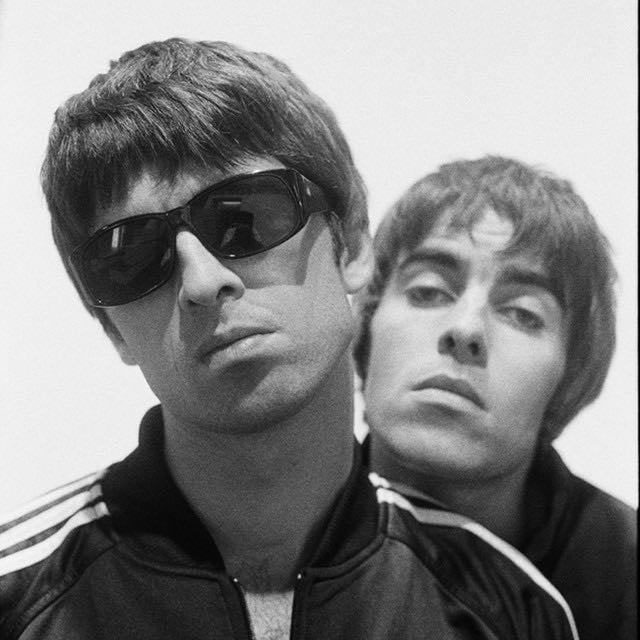
Oasis
Artist

Turf
Artist

Estelares
Artist

Julieta Venegas
Artist

The Police
Artist
Aerosmith
Artist

Conociendo Rusia
Artist
Bad Bunny
Artist
Maná
Artist

Miranda!
Artist

Lana Del Rey
Artist

The Cranberries
Artist
Queen
Artist
The Beatles
Serú Girán
Artist
Los Ratones Paranoicos
Artist

Soda Stereo
Soda Stereo
Soda Stereo were one of the most important Argentine pop/rock bands of the '80s and early '90s. Created as a trio in 1982, the band was formed by guitarist/vocalist Gustavo Cerati, bass player Zeta Bosio (born Héctor Bosio), and drummer Charly Alberti (born Carlos Ficcichia). Their influence spread to the rest of Latin America during the band's heyday, and a successful reunion in 2007 proved the endurance of Soda Stereo's popular sound. The group was initially influenced by new wave music and such bands as the Police, Television, and Talking Heads. Like those groups, Soda Stereo embraced an ever-changing style that was based on pop but often explored elements of new wave, ska, reggae, soul, noise rock, and electronica. Image was also important to the band, whose members concerned themselves with video clips, shows, clothing, and graphic design. It's impossible to explain the renaissance of the Argentine rock movement in the early '80s without mentioning the return of democracy after seven years of military government in 1983. Although Soda Stereo did not sing about political topics, they emerged alongside a new political situation, which aligned them with bands like Virus and Los Twist. Out of all the bands that emerged from that post-dictatorial rule government, Soda Stereo were by far the most popular and enduring. With their first album, 1984's self-titled Soda Stereo, they reached national success with ironic lyrics and a mix of pop, reggae, ska, and new wave. The following album, Nada Personal, strengthened the popularity of the band with songs like "Nada Personal" and "Cuando Pase el Temblor," which helped open the doors of the Latin American musical market. Such success was amplified in 1986 when they released Signos, one of the best albums of their career. National press outlets began to take them seriously, and Soda Stereo embarked on an extensive tour through Latin America that resulted in the live album Ruido Blanco. In 1988, the band traveled to New York to record their fifth album, Doble Vida, which was produced by David Bowie's guitarist Carlos Alomar. The trio used horn arrangements to inject the album with elements of soul music. The record was followed by the EP Languis, a minor work that did well commercially. The year 1990 represented a successful upgrade in Soda Stereo's career. With its emphasis on raw guitars, Cancion Animal signified a change in the band's sound and helped their popularity reach its peak. An important part of that change was due to the inclusion of Daniel Melero, an Argentine techno/pop pioneer who renewed the band's sound and attitude. He was dubbed "Soda's fourth" during those times. By the end of 1991, the band had played to 250,000 people in Buenos Aires' streets and edited the EP Rex Mix, which contained some songs extracted from live shows and a new studio track. In the beginning of 1992, Gustavo Cerati and Daniel Melero released the delicate duo album Colores Santos, which combined some experimentation with synth pop songs. The overly experimental Dynamo also arrived in 1992 and proved to be Soda Stereo's most controversial work, as well as the lowest seller of their career. After that the band reached an impasse with some solo projects, such as Cerati's Amor Amarillo. Dissolution rumors began to make the rounds, but the band soldiered onward for several more years. In 1995, they were on the road again, releasing their calmest and most relaxed work, Sueño Stereo, followed by an MTV Unplugged album entitled Comfort y Música Para Volar. The acoustic-oriented release juxtaposed classic songs performed live (with some electric instrumentation) with several outtakes from the last studio album. However, personal problems between the members had increased with 15 years of coexistence, and the band embarked on its farewell tour in 1997. One decade later, Soda Stereo reunited for a string of highly successful shows, two of which were documented on the live albums Gira: Me Veras Volver 1 and Gira: Me Veras Volver 2. Sadly, after mounting a successful solo career, Gustavo Cerati had a stroke that left him with brain damage after a concert in Caracas in May 2010; he lingered in a coma for more than four years before passing in September 2014. The platinum Sep7imo Dia, an album of remixed Soda Stereo songs used in a series of tributes produced by Cirque du Soleil, was issued in 2017. ~ Iván Adaime

No Te Va Gustar
No Te Va Gustar
NO TE VA GUSTAR (NTVG) se formó en Montevideo, Uruguay, en 1994. La banda está conformada por Emiliano Brancciari (voz y guitarra), Martin Gil (trompeta), Denis Ramos (trombón), Mauricio Ortiz (saxo), Diego Bartaburu (batería), Pablo Coniberti (guitarra), Guzman Silveira (bajo) y Francisco Nasser (teclados). A lo largo de su carrera ha desarrollado importantes giras por el mundo, recorriendo Sudamérica entera y países como Cuba, Panamá, México, Costa Rica, Estados Unidos, Alemania, Austria, Suiza, Inglaterra y España. Sus presentaciones en vivo son poderosas, precisas y refinadas. Siempre con un sonido de rock, fusionando distintos géneros musicales como el reggae, el folk, la murga o el ska en base a las influencias de cada uno de sus miembros. La banda cuenta con 10 discos de estudio, 1 disco acústico en vivo, 5 álbumes en vivo, una reedición especial, dos películas documental y una biografía oficial e ditada. Sus discos han superado el status de Platino y se han editado en Estados Unidos, España, México, Colombia, Venezuela, Perú, Chile, Uruguay y Argentina. NTVG se encuentra realizando una gira internacional masiva de festejo de sus 30 años de carrera, con 70 conciertos anunciados en todo el mundo, con un show en el que suenan canciones de todos los discos, en el que no faltan ni de las mas viejas ni ningún hit.
Virus
Virus
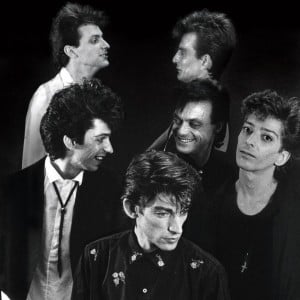
Disrupción, resiliencia, vanguardia, actitud, por mencionar algunas de las cualidades que tallan la dimensión de uno de los grupos más emblemáticos de Latinoamérica. La obra de VIRUS comprende un universo tan amplio e influyente que ha sido recreada por artistas que hoy reflejan su esencia. El grupo que nace en La Plata un 11 de enero de 1980, surcó el tiempo impactando generaciones hasta la actualidad. Su discografía es un compendio de 9 ediciones eclécticas y multiformes, que se posicionan entre las obras cumbres del rock nacional. La densidad conceptual, lírica y mística de la banda continúa resonando con vigencia, frescura y modernidad. Desde la negación a participar del “Festival de la solidaridad” hasta la resignificación del show en vivo, VIRUS se anticipó a nuestras conciencias, que siguen asimilando la vorágine de emociones en danza. La muerte de Federico en 1988, dio lugar a una presentación en el Teatro Coliseo, asistida por algunos de los músicos insignes de la escena local. Fue uno de sus tantos renacimientos luego de una ausencia irreemplazable, donde la música rindió homenaje. La banda continuó trazando su camino y el deseo de seguir compartiendo las canciones fue una constante y es el mandato que los mueve. Julio y Marcelo Moura, junto a Mario Serra, extienden el legado pagano que altera los sentidos y las consciencias de sus seguidores. VIRUS en su regreso, es la continuidad de aquello que resistió al tiempo y que se sostiene con firmeza en presente y futuro.
El Cuarteto de Nos
El Cuarteto de Nos
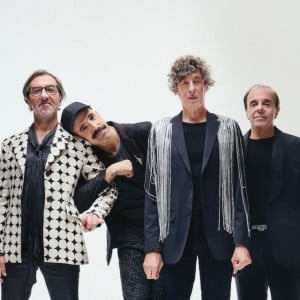
EL CUARTETO DE NOS es una banda de rock única que cuenta con múltiples trabajos discográficos, que se han convertido debido a las ventas en disco de Oro, Platino y Triple Platino. Su principal distintivo, son sus letras afiladas, el manejo de la ironía, la crudeza y la autocrítica del ser, pasando también por los sentimientos más básicos como el amor, la conciencia del paso del tiempo, la vejez y otras emociones. Las constantes giras anuales por Latinoamérica han llevado a que EL CUARTETO DE NOS, sea una de las bandas rioplatenses más reconocidas y seguidas en América. Presentes en los principales festivales de cada país, con shows propios masivos en las capitales y distintas ciudades, la banda se afianza en los oídos Hispanoparlantes, con miles de seguidores activos.
Tan Biónica
Tan Biónica
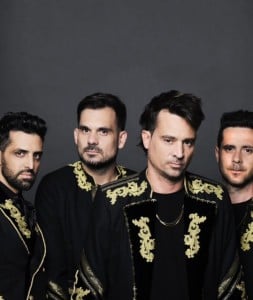
Banda formada por <a href="spotify:artist:14lvrkdaXxggonwjKZpePM" data-name="Chano">Chano</a>, <a href="spotify:artist:0nDw7H8W4oU0QPzL4LC9Aj" data-name="BAMBI">BAMBI</a>, <a href="spotify:artist:7usxuLSwRUHya4TuFfeNwW" data-name="SBY">SBY</a> y <a href="spotify:artist:0ucHsxqX6LQF1iIh1OAmHb" data-name="DIEGA">DIEGA</a>.

Babasónicos
Babasónicos
Durante más de tres décadas, Babasónicos se ha encargado de desestabilizar al rock argentino desde el mismísimo corazón de la bestia. Pocas bandas han logrado que canciones tan incorrectas se conviertan en hits radiales y que estadios enteros, en toda América latina, canten verdaderas barrabasadas como si se tratara de dulces e inofensivas cancioncitas pop. Con determinación, talento e inteligencia, el grupo sostuvo una trayectoria ascendente, desde los sótanos en los que se gestó el Nuevo Rock Argentino de los ’90 hasta ámbitos que albergan a decenas de miles de personas. Luego de 13 discos oficiales editados y más de 23 años de giras constantes, la búsqueda continua.

Las Pelotas
Las Pelotas
Surgidos de la disolución de <a href="spotify:artist:10AzTrYMPVVmpKoBP5bX9W" data-name="Sumo">Sumo</a>, grupo que cambió el curso del Rock Nacional de los 80’s, LAS PELOTAS se convirtió una de las bandas más convocantes y reconocidas de la Argentina. Con 30 años de carrera e incontables presentaciones en vivo, <a href="spotify:artist:1Qv4E1VgZOGnOYd99Kp5Bs" data-name="Las Pelotas">Las Pelotas</a> se convirtió en indiscutido referente del rock Nacional ubicándose aún hoy en los primeros puestos de venta discográfica y rotación en radios y convocatoria en vivo. Musicalmente se destacan por su inigualable capacidad de entrelazar el rock más puro con grandes canciones de líricas profundas y siempre vigentes. Con 12 discos de estudio y un total de 18 discos editados, LAS PELOTAS es uno de los más importantes referentes del rock en castellano.
Divididos
Divididos
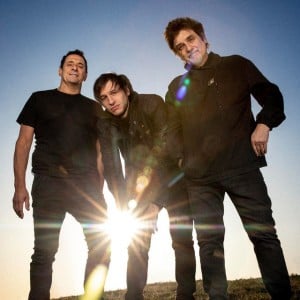
Divididos es un grupo musical de Argentina, fundado en el año 1988 por <a href="spotify:artist:7M6qgWRcVoBqgkczMPT1x7" data-name="Ricardo Mollo">Ricardo Mollo</a> y Diego Arnedo. Es una de las bandas más importantes del rock en español. En sus trabajos, han incursionado en estilos musicales locales como el folklore. Acompañados ahora por Catriel Ciavarella en batería, cuentan con más de 35 años de historia con notable vigencia y convocatoria. EL 13 de mayo de 2023, celebraron su cumpleaños número 35 con un show en Estadio de Vélez Sarsfield, que se puede escuchar en <a href="spotify:album:2TrRaAq10CSLmQV03lmQQy" data-name="Divididos en Vélez - Agradecer y Seguir">Divididos en Vélez - Agradecer y Seguir</a>. A lo largo de su recorrido artístico, la banda editó nueve discos de estudios y múltiples discos en vivo. En 2018, la banda tomó la decisión de volver a grabar su primer álbum <a href="spotify:album:0ZNRl9pxbglsYLKRdSEmz0" data-name="40 Dibujos Ahí En El Piso">40 Dibujos Ahí En El Piso</a> bajo el nombre <a href="spotify:album:2DOryEm4WjrQr8eBQsqOOD" data-name="Haciendo Cosas Raras">Haciendo Cosas Raras</a>, con nuevos sonidos y versiones de sus primeras canciones. Recientemente, lanzaron <a href="spotify:album:3ieQg9CKwvnOG4eJbc0Idk" data-name="San Saltarín">San Saltarín</a>, una nueva canción grabada en sus estudios que forma del álbum en el que se encuentran trabajando. En 2024, la canción recibió el premio Gardel a mejor canción de Rock. Anteriormente <a href="spotify:artist:7M6qgWRcVoBqgkczMPT1x7" data-name="Ricardo Mollo">Ricardo Mollo</a> y Diego Arnedo formaron parte de <a href="spotify:artist:10AzTrYMPVVmpKoBP5bX9W" data-name="Sumo">Sumo</a>, la mítica banda de rock alternativo de los años 80 liderada por <a href="spotify:artist:2vx09t0z5I1PnBWnyPPvWI" data-name="Luca Prodan">Luca Prodan</a>.

Fabiana Cantilo
Artist

Andrés Calamaro
Artist

Fito Paez
Artist
Pity Álvarez
Artist

Charly García
Artist

Gustavo Cerati
Artist
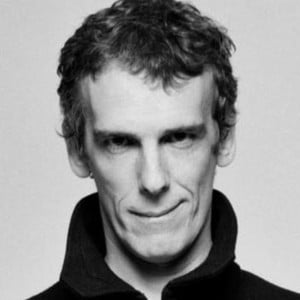
Luis Alberto Spinetta
Luis Alberto Spinetta
Luis Alberto Spinetta (Buenos Aires, 23 de enero de 1950 -8 de febrero de 2012), conocido como El Flaco o simplemente por su apellido, fue un cantante, guitarrista, poeta, escritor y compositor argentino de rock, considerado uno de los más importantes y respetados músicos en Hispanoamérica. La complejidad instrumental, lírica y poética de sus obras le valió el reconocimiento en muchas partes del mundo. En 1997 la revista Billboard lo definió como «ícono del rock argentino», y en 2001 el diario Página/12 lo consideró el artista más influyente en la historia del rock argentino, tras hacer una encuesta con celebridades del rock local. En 2014 se estableció por ley que el día de su nacimiento fuera el Día Nacional del Músico en Argentina. Spinetta fundó diversos grupos, como Almendra, Pescado Rabioso, Invisible, Spinetta Jade y Spinetta y los Socios del Desierto. Falleció a los sesenta y dos . Sus cenizas fueron arrojadas al Río de la Plata, siguiendo la última voluntad del músico, al lado del Parque de la Memoria de Buenos Aires construido para recordar a los desaparecidos en la última dictadura militar.