Music

Items in this hypelist
artists
Creedence Clearwater Revival
Artist
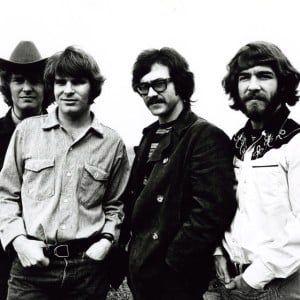
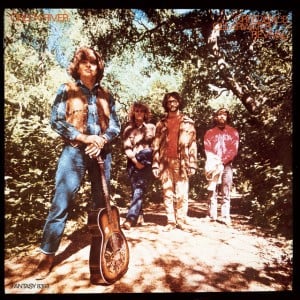
Creedence Clearwater Revival’s 1968 self-titled debut album introduced the world to guitar-playing brothers John and Tom Fogerty, drummer Doug Clifford, and bassist Stu Cook, four young men out of El Cerrito in the San Francisco Bay Area. Though they emerged in a place and time where trippy psychedelic visions were the order of the day, CCR bucked the trends and instead tapped into a rich, traditional seam of American music that connected to blues, country, rockabilly, gospel, folk and R&B. During their short time together as a band (1968 – 1972), the band enjoyed an unparalleled period of creativity. They’ve sold over 30 million records in the U.S. alone, releasing 14 Top 10 hits, six Platinum albums (two of which went to number one) and one Gold album. They also managed to play over 150 tour dates around the world, including a headlining spot at Woodstock. Creedence Clearwater Revival’s canon has become a part of the Great American Songbook. Songs like “Bad Moon Rising,” “Down on the Corner,” “Fortunate Son,” “Have You Ever Seen the Rain?,” “Proud Mary,” “Born on the Bayou,” “Travelin’ Band” and “Up Around the Bend” have been ingrained into pop culture — not just as rock staples, but as classic standards. With so many memorable songs that continue to grace our radio waves and television and movie screens, plus lyrics that still resonate today, Creedence Clearwater Revival is, truly, America’s greatest rock ’n’ roll band.

Fleetwood Mac
Artist
While most bands undergo a number of changes over the course of their careers, few of them experienced a more radical stylistic evolution than Fleetwood Mac. Initially conceived as a hard-edged British blues combo in the late '60s, the band gradually evolved into an incredibly popular and influential pop/rock act over the course of a decade. Originally, guitarists <a href="spotify:artist:3y1DgnVXqckGJrbwOKchdU">Peter Green</a> and <a href="spotify:artist:3GrqVz7V3Hd8gvfvUcR9wk">Jeremy Spencer</a> provided the group with their gutsy psychedelic blues-rock sound, then the band moved toward pop/rock with the addition of keyboardist/songwriter <a href="spotify:artist:6RCsx4p5smZHYz2P5HLcL2">Christine McVie</a>. By the mid-'70s, Fleetwood Mac relocated to California, where they added the duo of <a href="spotify:artist:3Dzj993UEz8Z5ovxuirzFO">Lindsey Buckingham</a> and <a href="spotify:artist:7crPfGd2k81ekOoSqQKWWz">Stevie Nicks</a> to their lineup; the latter pair's writing and vocals helped the band become one of the most popular groups of the late '70s. Combining melodic soft rock with the confessional introspection of singer/songwriters, 1977's Rumours become one of the biggest-selling albums of all time. The band retained their popularity through the early '80s, when <a href="spotify:artist:3Dzj993UEz8Z5ovxuirzFO">Buckingham</a>, <a href="spotify:artist:7crPfGd2k81ekOoSqQKWWz">Nicks</a>, and <a href="spotify:artist:3IuIXQGupZ89qG162Y5sZ6">McVie</a> all began pursuing solo careers. The group reunited for 1987's Tango in the Night, but after more lineup changes and instability, they split after 1995's Time. The band quickly reunited, though, assembling for The Dance, a 1997 live album, then stabilizing without <a href="spotify:artist:6RCsx4p5smZHYz2P5HLcL2">Christine McVie</a> for their 2000s incarnation, a lineup that produced 2003's Say You Will. <a href="spotify:artist:3IuIXQGupZ89qG162Y5sZ6">McVie</a> returned to the fold for a series of successful tours starting in 2014, but the group harmony was short-lived. <a href="spotify:artist:3Dzj993UEz8Z5ovxuirzFO">Buckingham</a> was ousted prior to an anniversary tour in 2018, his departure proof that the one constant in Fleetwood Mac through the years was change. The roots of Fleetwood Mac lie in <a href="spotify:artist:5s4z3mRAE7nxE3jjft8J3h">John Mayall</a>'s legendary British blues outfit, <a href="spotify:artist:5s4z3mRAE7nxE3jjft8J3h">the Bluesbreakers</a>. Bassist <a href="spotify:artist:3IuIXQGupZ89qG162Y5sZ6">John McVie</a> was one of the charter members of <a href="spotify:artist:5s4z3mRAE7nxE3jjft8J3h">the Bluesbreakers</a>, joining the group in 1963. In 1966 <a href="spotify:artist:3y1DgnVXqckGJrbwOKchdU">Peter Green</a> replaced <a href="spotify:artist:6PAt558ZEZl0DmdXlnjMgD">Eric Clapton</a>, and a year later drummer <a href="spotify:artist:7bRRWmUqERkyOVSSU6MPFu">Mick Fleetwood</a> joined. Inspired by the success of <a href="spotify:artist:74oJ4qxwOZvX6oSsu1DGnw">Cream</a>, <a href="spotify:artist:2lxX1ivRYp26soIavdG9bX">the Yardbirds</a>, and <a href="spotify:artist:776Uo845nYHJpNaStv1Ds4">Jimi Hendrix</a>, the trio decided to break away from <a href="spotify:artist:5s4z3mRAE7nxE3jjft8J3h">Mayall</a> in 1967. At their debut at the British Jazz and Blues Festival in August, Bob Brunning was playing bass in the group, since <a href="spotify:artist:3IuIXQGupZ89qG162Y5sZ6">McVie</a> was still under contract to <a href="spotify:artist:5s4z3mRAE7nxE3jjft8J3h">Mayall</a>. He joined the band a few weeks after their debut; by that time, slide guitarist <a href="spotify:artist:3GrqVz7V3Hd8gvfvUcR9wk">Jeremy Spencer</a> had joined the band. Fleetwood Mac soon signed with <a href="spotify:search:label%3A%22Blue+Horizon%22">Blue Horizon</a>, releasing their eponymous debut the following year. Fleetwood Mac was an enormous hit in the U.K., spending over a year in the Top Ten. Despite its British success, the album was virtually ignored in America. During 1968, the band added guitarist Danny Kirwan. The following year, they recorded Fleetwood Mac in Chicago with a variety of bluesmen, including <a href="spotify:artist:5v8WPpMk60cqZbuZLdXjKY">Willie Dixon</a> and <a href="spotify:artist:0xeI9Z0Uhs8bYGBRpqq88X">Otis Spann</a>. The set was released later that year, after the band had left <a href="spotify:search:label%3A%22Blue+Horizon%22">Blue Horizon</a> for a one-album deal with <a href="spotify:search:label%3A%22Immediate+Records%22">Immediate Records</a>; in the U.S., they signed with <a href="spotify:search:label%3A%22Reprise%2FWarner+Bros.%22">Reprise/Warner Bros.</a>, and by 1970, <a href="spotify:search:label%3A%22Warner%22">Warner</a> began releasing the band's British records as well. Fleetwood Mac released English Rose and Then Play On during 1969, which both indicated that the band was expanding its music, moving away from its blues purist roots. That year, <a href="spotify:artist:3y1DgnVXqckGJrbwOKchdU">Peter Green</a>'s "Man of the World" and "Oh Well" were number two hits. Though his music was providing the backbone of the group, <a href="spotify:artist:3y1DgnVXqckGJrbwOKchdU">Green</a> was growing increasingly disturbed due to his large ingestion of hallucinogenic drugs. After announcing that he was planning to give all of his earnings away, <a href="spotify:artist:3y1DgnVXqckGJrbwOKchdU">Green</a> suddenly left the band in the spring of 1970; he released two solo albums over the course of the '70s, but he rarely performed after leaving Fleetwood Mac. The band replaced him with <a href="spotify:artist:1YTLOHyyXnaj7W1g1oSS56">Christine Perfect</a>, a vocalist/pianist who had earned a small but loyal following in the U.K. by singing with <a href="spotify:artist:0XoAXg2HRKXMpm5MS1BBRW">Spencer Davis</a> and <a href="spotify:artist:7aUVQRiWaOqZU0JwOlGfWi">the Chicken Shack</a>. She had already performed uncredited on Then Play On. Contractual difficulties prevented her from becoming a full-fledged member of Fleetwood Mac until 1971; by that time she had married <a href="spotify:artist:3IuIXQGupZ89qG162Y5sZ6">John McVie</a>. <a href="spotify:artist:6RCsx4p5smZHYz2P5HLcL2">Christine McVie</a> didn't appear on 1970's Kiln House, the first album the band recorded without <a href="spotify:artist:3y1DgnVXqckGJrbwOKchdU">Peter Green</a>. For that album, <a href="spotify:artist:3GrqVz7V3Hd8gvfvUcR9wk">Jeremy Spencer</a> dominated the band's musical direction, but he had also been undergoing mental problems due to heavy drug use. During the band's American tour in early 1971, <a href="spotify:artist:3GrqVz7V3Hd8gvfvUcR9wk">Spencer</a> disappeared; it was later discovered that he left the band to join the religious cult the Children of God. Fleetwood Mac had already been trying to determine the direction of their music, but <a href="spotify:artist:3GrqVz7V3Hd8gvfvUcR9wk">Spencer</a>'s departure sent the band into disarray. <a href="spotify:artist:6RCsx4p5smZHYz2P5HLcL2">Christine McVie</a> and Danny Kirwan began to move the band toward mainstream rock on 1971's Future Games, but new guitarist <a href="spotify:artist:0reZZVbAPxgX1Rqj6XbWj3">Bob Welch</a> exerted a heavy influence on 1972's Bare Trees. Kirwan was fired after Bare Trees and was replaced by guitarists Bob Weston and <a href="spotify:artist:739a9VeGbv0lMBRIkRInJT">Dave Walker</a>, who appeared on 1973's Penguin. <a href="spotify:artist:739a9VeGbv0lMBRIkRInJT">Walker</a> left after that album, and Weston departed after making its follow-up, Mystery to Me (1973). In 1974, the group's manager, Clifford Davis, formed a bogus Fleetwood Mac and had the band tour the U.S. The real Fleetwood Mac filed and won a lawsuit against the imposters who, after losing, began performing under the name <a href="spotify:artist:61oNrjLV0SUliHTOXUgCXg">Stretch</a> -- but the lawsuit kept the band off the road for most of the year. In the interim, they released Heroes Are Hard to Find. Late in 1974, Fleetwood Mac moved to California, with hopes of restarting their career. <a href="spotify:artist:0reZZVbAPxgX1Rqj6XbWj3">Welch</a> left the band shortly after the move to form <a href="spotify:artist:5OgPxDOpkLH64knclKGTlU">Paris</a>. Early in 1975, <a href="spotify:artist:7bRRWmUqERkyOVSSU6MPFu">Fleetwood</a> and <a href="spotify:artist:3IuIXQGupZ89qG162Y5sZ6">McVie</a> were auditioning engineers for the band's new album when they heard Buckingham-Nicks, an album recorded by the soft rock duo <a href="spotify:artist:3Dzj993UEz8Z5ovxuirzFO">Lindsey Buckingham</a> and <a href="spotify:artist:7crPfGd2k81ekOoSqQKWWz">Stevie Nicks</a>. The pair were asked to join the group and their addition revived the band's musical and commercial fortunes. Not only did <a href="spotify:artist:3Dzj993UEz8Z5ovxuirzFO">Buckingham</a> and <a href="spotify:artist:7crPfGd2k81ekOoSqQKWWz">Nicks</a> write songs, but they brought distinctive talents the band had been lacking. <a href="spotify:artist:3Dzj993UEz8Z5ovxuirzFO">Buckingham</a> was a skilled pop craftsman, capable of arranging a commercial song while keeping it musically adventurous. <a href="spotify:artist:7crPfGd2k81ekOoSqQKWWz">Nicks</a> had a husky voice and a sexy, hippie gypsy stage persona that gave the band a charismatic frontwoman. The new lineup of Fleetwood Mac released their eponymous debut in 1975 and it slowly became a huge hit, reaching number one in 1976 on the strength of the singles "Over My Head," "Rhiannon," and "Say You Love Me." The album would eventually sell over five million copies in the U.S. alone. While Fleetwood Mac had finally attained their long-desired commercial success, the band was fraying behind the scenes. The McVies divorced in 1976, and <a href="spotify:artist:3Dzj993UEz8Z5ovxuirzFO">Buckingham</a> and <a href="spotify:artist:7crPfGd2k81ekOoSqQKWWz">Nicks</a>' romance ended shortly afterward. The internal tensions formed the basis for the songs on their next album, Rumours. Released in the spring of 1977, Rumours became a blockbuster success, topping the American and British charts and generating the Top Ten singles "Go Your Own Way," "Dreams," "Don't Stop," and "You Make Loving Fun." It would eventually sell over 17 million copies in the U.S. alone, making it the second biggest-selling album of all time. Fleetwood Mac supported the album with an exhaustive, lucrative tour and then retired to the studio to record their follow-up to Rumours. A wildly experimental double album conceived largely by <a href="spotify:artist:3Dzj993UEz8Z5ovxuirzFO">Buckingham</a>, 1979's Tusk didn't duplicate the enormous success of Rumours, yet it did go multi-platinum and featured the Top Ten singles "Sara" and "Tusk." In 1980, they released the double album Live. Following the Tusk tour, <a href="spotify:artist:7bRRWmUqERkyOVSSU6MPFu">Fleetwood</a>, <a href="spotify:artist:3Dzj993UEz8Z5ovxuirzFO">Buckingham</a>, and <a href="spotify:artist:7crPfGd2k81ekOoSqQKWWz">Nicks</a> all recorded solo albums. Of the solo projects, <a href="spotify:artist:7crPfGd2k81ekOoSqQKWWz">Stevie Nicks</a>' Bella Donna (1981) was the most successful, peaking at number one and featuring the hit singles "Stop Draggin' My Heart Around," "Leather and Lace," and "Edge of Seventeen." <a href="spotify:artist:3Dzj993UEz8Z5ovxuirzFO">Buckingham</a>'s Law and Order (1981) was a moderate success, spawning the Top Ten "Trouble." <a href="spotify:artist:7bRRWmUqERkyOVSSU6MPFu">Fleetwood</a>, for his part, made a world music album called The Visitor. Fleetwood Mac reconvened in 1982 for Mirage. More conventional and accessible than Tusk, Mirage reached number one and featured the hit singles "Hold Me" and "Gypsy." After Mirage, <a href="spotify:artist:3Dzj993UEz8Z5ovxuirzFO">Buckingham</a>, <a href="spotify:artist:7crPfGd2k81ekOoSqQKWWz">Nicks</a>, and <a href="spotify:artist:6RCsx4p5smZHYz2P5HLcL2">Christine McVie</a> all worked on solo albums. The hiatus was due to a variety of reasons. Each member had his or her own manager, <a href="spotify:artist:7crPfGd2k81ekOoSqQKWWz">Nicks</a> was becoming the group's breakaway star, <a href="spotify:artist:3Dzj993UEz8Z5ovxuirzFO">Buckingham</a> was obsessive in the studio, and each member was suffering from various substance addictions. <a href="spotify:artist:7crPfGd2k81ekOoSqQKWWz">Nicks</a> was able to maintain her popularity, with The Wild Heart (1983) and Rock a Little (1985) both reaching the Top 15. <a href="spotify:artist:6RCsx4p5smZHYz2P5HLcL2">Christine McVie</a> also had a Top Ten hit with "Got a Hold on Me" in 1984. <a href="spotify:artist:3Dzj993UEz8Z5ovxuirzFO">Buckingham</a> received the strongest reviews of all, but his 1984 album Go Insane failed to generate a hit. Fleetwood Mac reunited to record a new album in 1985. <a href="spotify:artist:3Dzj993UEz8Z5ovxuirzFO">Buckingham</a>, who had grown increasingly frustrated with the musical limitations of the band, decided to make it his last Fleetwood Mac project. When the resulting album, Tango in the Night, was finally released in 1987, it was greeted with mixed reviews but strong sales, reaching the Top Ten and generating the Top 20 hits "Little Lies," "Seven Wonders," and "Everywhere." <a href="spotify:artist:3Dzj993UEz8Z5ovxuirzFO">Buckingham</a> decided to leave Fleetwood Mac after completing Tango in the Night, and the group replaced him with guitarists <a href="spotify:artist:596pF0tYoKyJCgI4WLTLs4">Billy Burnette</a> and <a href="spotify:artist:0yC7EvUceCEZm3ZeawauQA">Rick Vito</a>. The new lineup of the band recorded their first album, Behind the Mask, in 1990. It became the band's first album since 1975 to not go gold. Following its supporting tour, <a href="spotify:artist:7crPfGd2k81ekOoSqQKWWz">Nicks</a> and <a href="spotify:artist:6RCsx4p5smZHYz2P5HLcL2">Christine McVie</a> announced they would continue to record with the group, but not tour. <a href="spotify:artist:0yC7EvUceCEZm3ZeawauQA">Vito</a> left the band in 1991, and the group released the box set 25 Years -- The Chain the following year. The classic Fleetwood Mac lineup of <a href="spotify:artist:7bRRWmUqERkyOVSSU6MPFu">Fleetwood</a>, the McVies, <a href="spotify:artist:3Dzj993UEz8Z5ovxuirzFO">Buckingham</a>, and <a href="spotify:artist:7crPfGd2k81ekOoSqQKWWz">Nicks</a> reunited to play President <a href="spotify:artist:4qTVFolSrwkoy428bmP7u8">Bill Clinton</a>'s inauguration in early 1993, but the concert did not lead to a full-fledged reunion. Later that year, <a href="spotify:artist:7crPfGd2k81ekOoSqQKWWz">Nicks</a> left the band and was replaced by <a href="spotify:artist:49vXMn0pGqgPk6DYnOmohd">Bekka Bramlett</a> and <a href="spotify:artist:2DWQX92uew7DlsgN0yD775">Dave Mason</a>; <a href="spotify:artist:6RCsx4p5smZHYz2P5HLcL2">Christine McVie</a> left the group shortly afterward. The new lineup of Fleetwood Mac began touring in 1994, releasing Time the following year to little attention. While the new version of Fleetwood Mac wasn't commercially successful, neither were the solo careers of <a href="spotify:artist:3Dzj993UEz8Z5ovxuirzFO">Buckingham</a>, <a href="spotify:artist:7crPfGd2k81ekOoSqQKWWz">Nicks</a>, and <a href="spotify:artist:3IuIXQGupZ89qG162Y5sZ6">McVie</a>, prompting speculation of a full-fledged reunion in 1997. Soon these whispers proved to be true, as the classic Rumours quintet reunited for a live performance that became the 1997 album The Dance. The album performed well, debuting at number one on Billboard and generating an adult contemporary hit in the new version of "Landslide." Fleetwood Mac supported The Dance with a tour that lasted throughout the year and, early in 1998, the band was inducted into the Rock & Roll Hall of Fame. Not long afterward, <a href="spotify:artist:6RCsx4p5smZHYz2P5HLcL2">Christine McVie</a> announced she was leaving the band. Her departure may have slowed the speed of Fleetwood Mac's reunion, but the remaining quartet set to work writing and recording a new album. The resulting Say You Will appeared in April of 2003; it was their first studio album in eight years and the first in 16 to feature <a href="spotify:artist:3Dzj993UEz8Z5ovxuirzFO">Buckingham</a> and <a href="spotify:artist:7crPfGd2k81ekOoSqQKWWz">Nicks</a>. Say You Will performed well -- it went gold in the U.S., U.K., and Canada, with the singles "Peacekeeper" and "Say You Will" reaching the U.S. Adult Contemporary Top 20 -- and the accompanying international tour was a success. After a few quiet years when <a href="spotify:artist:3Dzj993UEz8Z5ovxuirzFO">Buckingham</a> resumed his solo career and the group unsuccessfully courted <a href="spotify:artist:4TKTii6gnOnUXQHyuo9JaD">Sheryl Crow</a> as a replacement for <a href="spotify:artist:6RCsx4p5smZHYz2P5HLcL2">Christine McVie</a>, they reconvened for a tour in 2009. Four years later, the group celebrated the 35th anniversary of Rumours with a new deluxe box reissue accompanied by a tour. As the tour got underway in April, the band unexpectedly released a four-track Extended Play of new material; it received good notices and entered the U.S. charts at 48. During a three-night stint at London's O2 in September 2013, <a href="spotify:artist:6RCsx4p5smZHYz2P5HLcL2">Christine McVie</a> appeared with Fleetwood Mac for the first time in 15 years. In January 2014, the band announced that <a href="spotify:artist:6RCsx4p5smZHYz2P5HLcL2">Christine</a> was rejoining the group and they started recording a new album. The progress on the album was slow and steady, partially due to individual solo projects, partially due to interruptions caused by the band's ongoing world tour; they played international dates in both 2014 and 2015. As the group continued to chip away at their new record, they released a Super Deluxe reissue of Tusk in time for the holidays of 2015, which was followed the subsequent fall by a Deluxe reissue of Mirage. Further catalog reissues followed in the next few years -- Tango in the Night received a Super Deluxe treatment in 2017, while their eponymous 1975 album got an upgrade in early 2018 -- but the bigger news in Fleetwood Mac circles was <a href="spotify:artist:3Dzj993UEz8Z5ovxuirzFO">Buckingham</a> and <a href="spotify:artist:3IuIXQGupZ89qG162Y5sZ6">McVie</a> recording a duet album together in 2017. Initially planned as a new Fleetwood Mac album, the 2017 set -- entitled Buckingham McVie, echoing 1973's Buckingham Nicks -- turned into a <a href="spotify:artist:3Dzj993UEz8Z5ovxuirzFO">Lindsey</a> and <a href="spotify:artist:6RCsx4p5smZHYz2P5HLcL2">Christine</a> project once <a href="spotify:artist:7crPfGd2k81ekOoSqQKWWz">Stevie Nicks</a> decided to concentrate on her solo career. Retaining <a href="spotify:artist:7bRRWmUqERkyOVSSU6MPFu">Mick Fleetwood</a> and <a href="spotify:artist:3IuIXQGupZ89qG162Y5sZ6">John McVie</a> as their main rhythm section, <a href="spotify:artist:3Dzj993UEz8Z5ovxuirzFO">Buckingham</a> and <a href="spotify:artist:3IuIXQGupZ89qG162Y5sZ6">McVie</a> finished the album with the assistance of producers <a href="spotify:artist:6nEsI2S68MX6T0dVdLtido">Mitchell Froom</a> and Mark Needham, releasing the record in June 2017. Early in 2018, Fleetwood Mac reunited to play a gig celebrating their award as MusiCares Person of the Year. This turned out to be the last concert <a href="spotify:artist:3Dzj993UEz8Z5ovxuirzFO">Buckingham</a> would play with Fleetwood Mac. In April, <a href="spotify:artist:3Dzj993UEz8Z5ovxuirzFO">Buckingham</a> was fired from the band; he would later file a lawsuit against the group regarding his dismissal. Fleetwood Mac hired <a href="spotify:artist:183DuT2WcaEO2tclTJW1tU">Neil Finn</a> and Mike Campbell to replace him and launched an international tour in September 2018, releasing a compilation album titled 50 Years: Don't Stop as a companion to the tour. The record debuted at 12 on the U.K. charts and 65 on Billboard's Top 200. The concert album Before the Beginning: Rare Live & Demo Sessions 1968-1970 arrived in November 2019 and featured previously unreleased live performances captured during <a href="spotify:artist:3y1DgnVXqckGJrbwOKchdU">Peter Green</a>'s time with the band. This reminder of <a href="spotify:artist:3y1DgnVXqckGJrbwOKchdU">Green</a>'s glory days came only months before he died in his sleep on July 25, 2020, at the age of 73. Two months after <a href="spotify:artist:3y1DgnVXqckGJrbwOKchdU">Green</a>'s passing, the box set Fleetwood Mac: 1969-1974 appeared; it had expanded and remastered versions of all the albums the group released during those six years. <a href="spotify:artist:6RCsx4p5smZHYz2P5HLcL2">Christine McVie</a> died on November 30, 2022, after a brief illness; she was 79 years of age. ~ Stephen Thomas Erlewine, Rovi
Laufey
Artist
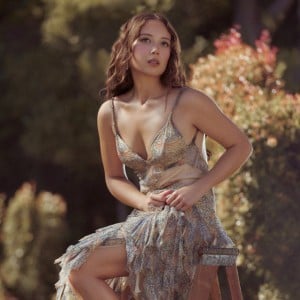
“As a musician, my goal is to bring jazz and classical music to my generation,” declares GRAMMY-winning composer, singer, producer, and multi-instrumentalist Laufey. In 2022, the Icelandic-Chinese artist’s trailblazing approach paid off, with a performance on Jimmy Kimmel LIVE! in support of her debut album Everything I Know About Love, sold out tours of North America, Asia, and Australia, and she was the most streamed jazz artist on Spotify. The Los Angeles-based Laufey (pronounced lāy-vāy) continued her story by writing and recording Bewitched, her second album. Inspired by jazz greats and classical masters while possessing a point of view that could only be conveyed by a 21st-century twentysomething, Bewitched represents an expansion of Laufey’s sonic palette. Tracks like the breezy bossa nova cut “From the Start” and the smoldering string-assisted ballad “Promise” have classic songcraft and intricate arrangements that make them feel instantly timeless, while Laufey’s conversational lyrics give her music a relatability to the next generation of jazz and classical aficionados. The album has gone on to break the record as the biggest debut for a jazz album on Spotify in history and earned a 2024 GRAMMY win for "Best Traditional Pop Vocal Album." Laufey’s self-assured musicianship and deeply felt lyrics take the idea of “classic” music, whether it’s slotted as classical or jazz—or even chart-topping pop—and humanize it, creating a deep-seated connection.
Sabrina Carpenter
Artist
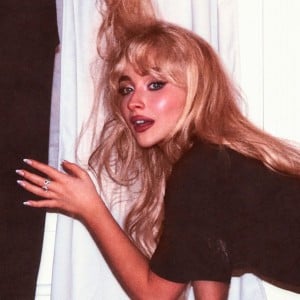
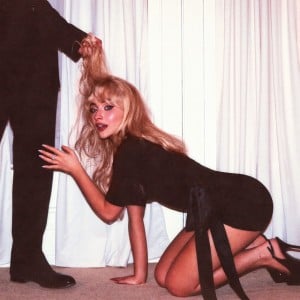
Sabrina Carpenter has enchanted an audience of millions as a singer, songwriter, actress and style icon. With her music, she has delivered one anthem after another on stage and in the studio, earning multiple gold and platinum certifications, and performing to sold out crowds around the world. On-screen, she has generated mega-fandom through starring roles on television and film. She is signed to Island Records, where she debuted her acclaimed Gold-certified fifth studio album, emails i can’t send, which appeared on many “Best Of 2022” lists including Rolling Stone and Billboard. In April 2024, Sabrina debuted at Coachella and released her single “Espresso,” which swiftly climbed to #1 on the UK and Australian charts, reached the Top 5 in the US, and hit #1 globally on Spotify, amassing over 200M streams in its first month. Following this, her second single, “Please Please Please,” released in June, soared to #1 on Spotify’s Global and US charts, Apple Music, and eventually the Billboard Hot 100, where it debuted at #2 before reaching #1. In August, she released her highly anticipated sixth studio album, Short n’ Sweet, which instantly received critical acclaim from the likes of the New York Times, Rolling Stone, Pitchfork, and Variety. The album debuted at #1 on the Billboard 200, making it the 3rd biggest first week debut in the US in 2024. Short n' Sweet also topped the charts around the world, reaching #1 in UK, Canada, Australia, Spain, and France.

The Beatles
Artist
The Beatles recorded together for a little over seven years. Between October 1962 and May 1970, they released thirteen albums and a number of tracks issued on standalone singles. The catalogue created in that short period has sold more than that of any other group in history and its commercial success continues - the world’s best selling album during the first decade of the 21st century was a collection of The Beatles’ chart-topping singles called 1. But the group’s significance stems not just from huge sales figures. Their music has inspired generation upon generation of musicians, songwriters and producers. As Mark Ronson put it: ‘Everything we take for granted - they absolutely invented it.’ Tom Petty was a teenager during the years The Beatles’ records appeared in quick succession: ‘They were just out in front. There was The Beatles …and then there was everyone else. And everyone else could be great, but The Beatles were leading the way and that’s just irrefutably true.’ The Beatles’ story began in Liverpool in March 1957, when <a href="spotify:artist:4x1nvY2FN8jxqAFA0DA02H">John Lennon</a> (born 9 October 1940) formed a group named The Quarry Men. His life was changed by the excitement of rock ’n’ roll music - heralded by Bill Haley and His Comets, but taken to another level when Elvis Presley stormed the charts during 1956. The next year saw the arrival in the UK of hits by Little Richard, Buddy Holly and The Crickets, the Everly Brothers and, in movie theatres, the exciting rock film The Girl Can’t Help It!, featuring Eddie Cochran singing ‘Twenty Flight Rock’. Introduced to John on 6 July 1957 at a church fete in Woolton, Liverpool, <a href="spotify:artist:4STHEaNw4mPZ2tzheohgXB">Paul McCartney</a> (born 18 June 1942) sang Eddie’s song word perfect. Impressed, John invited the fifteen-year old to join his group. In February 1958, Paul’s younger school pal <a href="spotify:artist:7FIoB5PHdrMZVC3q2HE5MS">George Harrison</a> (born 25 February 1943) won his place in The Quarry Men when he impressed the others with his guitar skills, especially on the current hit instrumental ‘Raunchy’ by Bill Justis. With a constant nucleus of John, Paul and George, the group underwent a series of line-up changes and names. Having gained a dependable drummer - Pete Best - in August 1960, The Beatles made their first visit to West Germany to perform in the clubs of Hamburg. Playing long sets through the night, they spent hundreds of hours onstage during five visits to the city. Back home in Liverpool, their regular stomping ground was The Cavern Club, where they played nearly 300 times. The experience gained in Hamburg and at The Cavern helped to make The Beatles the most proficient and popular group on Merseyside. At this time, a group from Liverpool had the odds stacked against them when trying to gain a foothold in a record business focused on London. In early 1962, they had acquired an ambitious and rather refined manager, record shop boss Brian Epstein. He faced regular rejection from music companies until George Martin signed the group to EMI’s Parlophone label. By fate, The Beatles had found both the ideal manager and perfect producer. The last piece of the picture slotted into place just three weeks before recording their first single on 4 September 1962. <a href="spotify:artist:6DbJi8AcN5ANdtvJcwBSw8">Ringo Starr</a> (born 7 July 1940) was asked to take over as drummer. He had been playing with Rory Storm & The Hurricanes - another Liverpool group who played long stints in the clubs of Hamburg. Ringo’s personality, sense of humour and rock solid, inventive drumming proved to be just right for The Beatles. Their first Parlophone single was released on 5 October 1962. Both sides of the disc were original compositions - a remarkable statement of intent from a group making their first steps in the music business. In fact, George Martin had urged them to record Mitch Murray’s ‘How Do You Do It?’, which he felt was a sure-fire hit. They had reluctantly agreed, but were able to persuade George to shelve the recording in favour of their own songs ‘Love Me Do’ and ‘P.S. I Love You’. Just one example of how The Beatles’ story might have been very different with a less open-minded record producer. George Martin’s faith in The Beatles, and in John and Paul as songwriters, was soon vindicated by the release of ‘Please Please Me’ in January 1963. The single reached the top of all but one of the UK charts. It was followed by the number one ‘From Me To You’ and their first album Please Please Me, which topped the chart for 30 weeks until their next LP replaced it at number one. The debut album featured eight Lennon/McCartney compositions and six cover versions of recent American Rhythm and Blues records. The selection, a result of The Beatles’ constant search for the unusual, showed their impeccable taste. Compared to the sophisticated arrangement of an R&B original like ‘Twist And Shout’, their versions were stripped down reinventions for a four-piece beat group. George Martin has confirmed that ‘it was primarily the American Rhythm and Blues sound that was their inspiration. It’s probably what the so-called Beatles sound was, because all the black music was a tremendous influence on them.’ However, that source was unknown to the majority of their British fans. The super-confident second album With The Beatles was issued in November 1963 when the single ‘She Loves You’ was at number one. Once more, it featured eight original compositions - including ‘All My Loving’ and George Harrison’s first recorded song ‘Don’t Bother Me’ - and six cover versions. A week later, ‘I Want To Hold Your Hand’ was released and also reached number one. The group had become the biggest musical phenomenon in British show business - ever. Among the key factors that led to this success were the chemistry between the four personalities in the group, their immense charm and a daring image - nobody had worn their hair that long. Their interviews were funny and articulate, they had a charismatic presence when performing, and girls screamed and swooned over them. The term ‘Beatlemania’ was coined by the press to describe the hysteria aroused by the group but, as an appearance on The Royal Variety Show demonstrated, their popularity stretched way beyond the teenage market. What The Beatles did next was extraordinary for a British act. In February 1964, they arrived in the USA to appear on the Ed Sullivan Show. They performed to 73 million viewers, the biggest television audience to date, and with ‘I Want To Hold Your Hand’ at the top of the charts, America was suddenly held spellbound by The Beatles. As their success spread across the world, almost everything the group did from then on was unprecedented. In addition to unparalleled success on record - they held all top five positions in the American chart in the first week of April - their first movie A Hard Day’s Night was a box office hit and acclaimed for its wit, invention and unbeatable self-composed songs. Premiered in July 1964, it was perfectly timed to capitalise on their international breakthrough. They rounded off the year with Beatles For Sale and the massive hit single ‘I Feel Fine’. In 1965, they starred in the film Help!. Like their first movie, it was directed by Richard Lester and featured a brilliant batch of songs on its accompanying album. Tucked away towards the end of the LP was a performance by Paul McCartney of his composition ‘Yesterday’. Not even released as a single in the UK, it was a number one in America. It quickly became - and remains - the most covered song of all time. ‘Yesterday’ is an example of how The Beatles and their producer did not compromise; whatever best served the song was always pursued. In the case of ‘Yesterday’, the bold choice was a classical arrangement for string quartet. For the next album Rubber Soul, more studio time was made available to try out unusual instrumentation and adventurous recording techniques. The words of the songs were more mature and the vocal blend, heard on tracks such as ‘Nowhere Man’ and ‘Michelle’, is one of the album’s most distinctive qualities. The Beatles’ sound is, of course, distinguished by the character of their voices. Few groups were blessed with two powerful lead singers as versatile as John Lennon and Paul McCartney. Furthermore, George Harrison not only contributed at least one lead vocal to every album, his voice was integral to the intricate harmony vocals on many Beatles tracks. Ringo Starr usually sang a solo on albums, making such Lennon/McCartney songs as ‘Yellow Submarine’ and ‘With A Little Help From My Friends’ unimaginable without his voice. Released on the same day as Rubber Soul, 5 December 1965, ‘We Can Work It Out’/‘Day Tripper’ was the first of The Beatles’ double A-Sides. They ended another frantically busy year with their final British tour. There was a deadline to complete their next album, because concerts had been scheduled for the summer of 1966 all over the world. But this did not affect their approach to recording at all. The Revolver sessions saw the group reach a new peak of creativity in performance, songwriting and innovative studio techniques. In addition to the songwriting mastery displayed by John and Paul, the LP contained the biggest contribution to date from George with three songs. His caustic ‘Taxman’ was given the status of the album’s opening track. ‘Eleanor Rigby’ is now regarded as a fully realised masterpiece, but when released in August 1966 on Revolver and as a single coupled with ‘Yellow Submarine’, its solemn subject matter and stark arrangement were radically different. A year before, in August 1965, their appearance in front of 55,600 fans at Shea Stadium in New York had broken the record for concert attendance and box-office revenue. But live performance had become an unsatisfying charade ...and dangerous too. Who cares how lucrative it was? That had to stop. The Beatles’ final concert for a paying audience took place at Candlestick Park, San Francisco on 29 August 1966. At the end of 1966, The Beatles started work on ‘Strawberry Fields Forever’. Its long evolution showed the musical imagination and technical experimentation heard on Revolver would be continued. To stop the long wait for new material, ‘Strawberry Fields Forever’ and ‘Penny Lane’ were released in February 1967. Although songs were always credited to Lennon and McCartney, it soon became clear that whoever sang the lead vocal was usually the main composer. The double A-sided single shows how their different stylistic approaches established a perfect counterbalance. Having set themselves a task of writing about their Liverpool childhoods, John’s song is dreamy and steeped in melancholy, while Paul’s is uplifting and brimming with brilliantly observed vignettes. Many were shocked when the unconventional promotional films for both songs were broadcast. Even their moustaches and John’s spectacles were considered to be evidence of how weird The Beatles had become. The square world worried. Everyone else listened over and over until they ‘got it’. Released on 1 June 1967, the immediate artistic and commercial success of Sgt. Pepper’s Lonely Hearts Club Band vindicated the new approach taken by The Beatles. It was the album that provided the soundtrack to the so-called ‘summer of love’, but its appeal is ageless. The Beatles performed their next single ‘All You Need Is Love’ for the first time on the TV programme Our World - broadcast live to an audience of 350 million around the globe. Their place at the top of contemporary pop music was indisputable. Sadly, soon afterwards, The Beatles were shaken by the sudden death of their manager Brian Epstein in August 1967. They rallied to write and direct Magical Mystery Tour - a film shown on television in the UK at Christmas. Some of the millions who saw it, did not like it. As Paul McCartney remembered: ‘They were looking for the plum-pudding special. That’s what they were expecting, and they very much didn’t get it! We were giving it to the young kids. Why shouldn’t they see something far out?’ The music was as successful as ever. The six new songs in the film and the number one ‘Hello, Goodbye’ completed a momentous year of recording. Three more tracks from 1967 remained unreleased until they were heard in the movie Yellow Submarine premiered in 1968. The film’s imaginative animation evoked the ‘psychedelic’ spirit of Sgt. Pepper to reveal the triumph of Love over Evil. Nowadays, following a year as busy as The Beatles had in 1967, an artist would take an extended break. In fact, the group did allow themselves a little time off. The first music of 1968 came in March on their seventeenth single ‘Lady Madonna’. Soon after it was recorded, The Beatles flew to Rishikesh, India for several weeks of meditation with Maharishi Mahesh Yogi. At this remote and peaceful location, they enjoyed a prolific period of songwriting. As George Harrison explained: ‘When we came back, it became apparent that there were more songs than would make up a single album.’ Recorded in five months, the double LP The Beatles was soon known as ‘The White Album’ because of its plain white cover. ‘Hey Jude’ and ‘Revolution’ were the first songs to be heard from the sessions when they were released as a single on 30 August 1968 - the first Beatles record to be pressed with the Apple label. Never interested in repeating themselves, The Beatles took a different approach in the studio in 1968. Ringo Starr remembered: ‘On “The White Album” we ended up being a band again and that’s what I always love. I love being in a band.’ Discussing his songwriting, John Lennon reflected: ‘It was a complete reversal from Sgt. Pepper. My songs on the double album were fairly simple and basic.’ It is still astonishing to hear The Beatles moving through every style of popular music imaginable, including a pastiche of a Hollywood musical number (‘Honey Pie’), an intense blues (‘Yer Blues’) and heavy rock (‘Helter Skelter’). As with Sgt. Pepper, no singles were released from ‘The White Album’ in the UK and USA during the 1960s. But it is full of tracks that could have been huge hits, such as ‘Back In The USSR’, ‘Ob-la-di, Ob-la-da’ and ‘While My Guitar Gently Weeps’. In January 1969, while ‘The White Album’ was still at number one, The Beatles assembled to write and rehearse brand new songs for a televised live concert. The plan changed so that, in the end, their work was documented in a movie released over a year later. Its final scene showed The Beatles performing on the roof of their Apple office building in Savile Row, London with most of the audience gathered in the street below. ‘Get Back’, a number one single from the sessions at Apple, was swiftly followed by ‘The Ballad Of John And Yoko’ - a chronicle of John’s marriage to Yoko Ono and their honeymoon/‘Bed-In’ for peace in Amsterdam. Recorded mostly during the summer of 1969, the last album The Beatles made together was named after the street where EMI’s studios are located. It was a fitting tribute to the place where the majority of their songs had been recorded. The Beatles’ collaboration with producer George Martin and the engineers at Abbey Road had challenged the way that popular music was created. On many occasions this team re-wrote the rule book and set a new standard to which their contemporaries had to aspire. In contrast to the January recordings at Apple, which were ‘as live’ with no overdubs, their return to Abbey Road studios with George Martin resulted in carefully crafted tracks with ambitious musical arrangements. The album’s varied highlights include ‘Come Together’ and two songs that showed George Harrison’s songwriting had hit a peak - ‘Something’ and ‘Here Comes The Sun’. However, the character of Abbey Road is dominated by the sophisticated medley the group called ‘The Long One’. It brought the album, and The Beatles’ recording career, to an impressive conclusion. What a farewell. Measured in terms of its enormous popularity and musical ingenuity, Abbey Road now challenges the status of Sgt. Pepper Lonely Hearts Club Band as The Beatles’ greatest achievement. When the earlier set of recordings from 1969 was finally released as Let It Be in May 1970, news had already broken that the group had split up. The album’s title track and ‘The Long And Winding Road’ took the total of American number ones by The Beatles to twenty in six years - a feat unequalled by any other artist. When The Beatles began making records, no one anticipated that they would be listened to far into the future. Pop music was regarded as disposable. But the timeless appeal of The Beatles’ catalogue ensured it was built to last and highly valued. In 1979, the distinguished conductor and composer Leonard Bernstein wrote: ‘Three bars of “A Day In The Life” still sustain me, rejuvenate me, inflame my senses and sensibilities.’ There is also another dimension to the seductive power of The Beatles’ music. Filled with the spirit of the era in which it was born, it is joyous and generous. ‘All You Need Is Love’. ‘With our love - we could save the world.’ ‘The love you take is equal to the love you make.’ Tom Petty felt it: ‘We grew up with The Beatles and grew up trusting them. They could have chosen to do anything and they chose to do good, which is a great example for the rest of us.’ Kevin Howlett
Lana Del Rey
Artist

The Chicks
Artist
The Chicks are a multi-platinum selling act in North America, Europe and Australia. Superstars, renegades, innovators, heroes, villains, and moms, The Chicks have grown from a band into a cultural phenomenon. Since the release of their debut album, WIDE OPEN SPACES in 1998, The Chicks’ music has stirred emotions in fans across the world, making them one of the biggest and most influential bands of our time. By March 2020, with 33 million certified albums sold, and sales of 27.5 million albums in the U.S. alone, they had become the top selling all-female band and biggest-selling country group in the U.S. during the Nielsen SoundScan era (1991–present). Counting 13 GRAMMY Awards, six Billboard Music Awards, four American Music Awards, and numerous Country Music Association Awards among many other accolades, their last record-breaking studio album, TAKING THE LONG WAY (2006), won five GRAMMY Awards including “Album of the Year,” “Record of the Year,” and “Song of the Year.” Their on-stage reputation has catapulted them to sell over $100 million worth of concert tickets, while outspoken songs like "Goodbye, Earl" and "Not Ready To Make Nice" make it clear that this power trio plays by their own rules. After 14 years, The Chicks released their fifth studio album, titled GASLIGHTER, in 2020.
Billy Joel
Artist
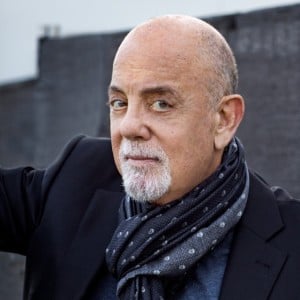
Although Billy Joel never was a critic's favorite, the pianist emerged as one of the most popular singer/songwriters of the latter half of the '70s. Joel's music consistently demonstrates an affection for Beatlesque hooks and a flair for Tin Pan Alley and Broadway melodies. His fusion of two distinct eras made him a superstar in the late '70s and '80s, as he racked an impressive string of multi-platinum albums and hit singles. Born in the Bronx, Joel was raised in the Long Island suburb of Hicksville, where he learned to play piano as a child. As he approached his adolescence, Joel started to rebel, joining teenage street gangs and boxing as welterweight. He fought a total of 22 fights as a teenager, and during one of the fights, he broke his nose. For the early years of his adolescence, he divided his time between studying piano and fighting. Upon seeing the Beatles on The Ed Sullivan Show in 1964, Joel decided to pursue a full-time musical career and set about finding a local Long Island band to join. Eventually, he found the Echoes, a group that specialized in British Invasion covers. The Echoes became a popular New York attraction, convincing him to quit high school to become a professional musician. While still a member of the Echoes, Joel began playing recording sessions in 1965, when he was just 16 years old. Joel played piano on several recordings George "Shadow" Morton produced -- including the Shangri-Las' "Leader of the Pack" -- as well as several records released through Kama Sutra Productions. During this time, the Echoes started to play numerous late-night shows. Later in 1965, the Echoes changed their name twice -- once to the Emeralds and finally to the Lost Souls. For two years, he played sessions and performed with the Lost Souls. In 1967, he left the band to join the Hassles, a local Long Island rock & roll band that had signed a contract with United Artists Records. Over the next year and a half, the Hassles released two albums and four singles, all of which failed commercially. In 1969, the Hassles broke up. Joel and the band's drummer, Jon Small, formed an organ-and-drums duo called Attila. In Attila, Joel played his organ through a variety of effects pedals, creating a heavy psychedelic hard rock album completely without guitars. On the cover of the band's eponymous album, both Joel and Small were dressed as barbarians; in an interview on the back of the album, Joel claimed to forget the name of his previous band and stated that he only "sweated" two things -- perfecting his sound and the war in Southeast Asia. Epic released Attila early in 1970 and it was an immediate bomb and the duo broke up. While the group was still together, Joel began a romance with Small's wife, Elizabeth; she would eventually leave the drummer to marry the pianist. After Attila's embarrassing failure, Joel wrote rock criticism for a magazine called Changes and played on commercial jingles, including a Chubby Checker spot for Bachman Pretzels. However, Joel entered a severe bout of depression, culminating with him drinking a bottle of furniture polish in an attempt to end his life. Following his failed suicide attempt, Joel checked himself into Meadowbrook Hospital, where he received psychiatric treatment for depression. Joel returned to playing music in 1971, signing a deal with Family Productions. Under the terms of the contract, Joel signed to the label for life; the pianist was unaware of the clause at the time, but it would come back to haunt him -- Family Productions received royalties from every album Joel sold until the late '80s. Joel refashioned himself as a sensitive singer/songwriter for his debut album, Cold Spring Harbor, which was released in November of 1971. Due to an error in the mastering of the album, Cold Spring Harbor was released a couple of tape speeds too fast; the album remained in that bastardized form until 1984. Following the release of the album, Joel went on a small live tour, during which he would frequently delve into standup comedy. The tour received good reviews but Joel remained unhappy with the quality of his performance and, especially, the quality of the album. Furthermore, he lost a manager during this time and Family Productions was experiencing legal and financial difficulties, which prevented him from recording an immediate follow-up. Early in 1972, he moved out to Los Angeles with his girlfriend Elizabeth. Joel adopted the name Bill Martin and spent half a year playing lounge piano at the Executive Room. Toward the end of the year, he began touring, playing various nightclubs across the country. At the beginning of 1973, Joel married Elizabeth Weber and she enrolled at UCLA's Graduate School of Management. Around the same time, a radio station began playing a live version of "Captain Jack" that was recorded at a Philadelphia radio broadcast. Soon, record companies were eagerly seeking to sign the pianist, and he eventually signed with Columbia Records. In order for Joel to sign with Columbia, the major label had to agree to pay Family Productions 25 cents for each album sold, plus display the Family and Remus logos on each record Joel released. By the end of 1973, Billy Joel's first album for Columbia Records, Piano Man, had been released. The record slowly worked its way up the charts, peaking at number 27 in the spring of 1974. The title track -- culled from experiences he had while singing at the Executive Room -- became a Top 40 hit single. At the end of the summer, Joel assembled a touring band and undertook a national tour, opening for acts like the J. Geils Band and the Doobie Brothers. By the end of 1974, he had released his second album, Streetlife Serenade, which reached number 35 early in 1975. After its success, Joel signed a contract with James William Guercio and Larry Fitzgerald's management company, Caribou, and moved from California to New York. Through songs like "Say Goodbye to Hollywood" and "New York State of Mind," Joel celebrated the move on his 1976 album, Turnstiles. The sessions for Turnstiles were long and filled with tension, culminating with Joel firing the album's original producer, Guercio, and producing the album himself. Once he fired Guercio, Joel also left Caribou, and hired his wife as his new manager. Turnstiles stalled on the charts, only reaching number 122. Joel's next album would prove to be the make-or-break point for his career, and the resulting album, The Stranger, catapulted him into superstardom. The Stranger was released in the fall of 1977. By the end of the year, it peaked at number two and had gone platinum, and within the course of a year, it would spawn the Top 40 singles "Just the Way You Are" (which would win the 1978 Grammy for Record of the Year and Song of the Year), "Movin' Out (Anthony's Song)," "She's Always a Woman," and "Only the Good Die Young." Over the next two decades, the album would sell over seven million copies. Joel followed The Stranger with 52nd Street, which was released in the fall of 1978. 52nd Street spent eight weeks at number one in the U.S., selling over two million copies within the first month of its release. The album spawned the hit singles "My Life," "Big Shot," and "Honesty," and won the 1979 Grammy award for Album of the Year. Although he had become a genuine star, critics had not looked kindly upon Joel's music, and the pianist became a vocal opponent of rock criticism in the late '70s. In one incident, he denounced Los Angeles Herald Examiner critic Ken Tucker on-stage and then, as a form of protest, tore up the critic's reviews. In the spring of 1980, Joel released Glass Houses, theoretically a harder-edged album that was a response to the punk and new wave movement. Glass Houses reached number one in America, where it stayed for six weeks; the album spawned the Top 40 singles "You May Be Right" (number seven), "It's Still Rock'n'Roll to Me" (number one), "Don't Ask Me Why" (number 19), and "Sometimes a Fantasy" (number 36) and won the 1980 Grammy for Best Rock Vocal Performance, Male. In the fall of 1981, Joel released Songs in the Attic, a live album that concentrated on material written and recorded before he became a star in 1977. The album's "Say Goodbye to Hollywood" and "She's Got a Way" became Top 40 hits. Songs in the Attic bought Joel some time as he was completing an album he had designed as his bid to be taken seriously as a composer. Before the album was finished, he suffered a serious motorcycle accident in the spring of 1982. He broke his wrist in the accident -- it would take major surgery to repair the wound. In July of 1982, Joel divorced his wife, Elizabeth. His new album, The Nylon Curtain, was finally released in the fall. A concept album about baby boomers and their experiences, the album was a commercial disappointment, only selling a million copies, but it did earn him some of his better reviews, as well as spawning the Top 20 hits "Pressure" and "Allentown." Joel quickly followed the album in 1983 with the oldies pastiche An Innocent Man. An Innocent Man restored Joel to his multi-platinum status, eventually selling over seven million copies and spawning the hit singles "Uptown Girl" (number three), "Tell Her About It" (number one), "An Innocent Man" (number ten), and "Keeping the Faith" (number 18). Several of the songs on the album were about model Christie Brinkley, who was engaged to Joel by the time the album was released. During 1983 and 1984, Joel became one of the first '70s stars to embrace MTV and music videos, shooting a number of clips for the album that were aired frequently on the network. Brinkley and Joel were married in the spring of 1985. Joel released a double-album compilation, Greatest Hits, Vols. 1-2 in the summer of 1985. Two new songs -- the Top Ten "You're Only Human (Second Wind)" and the Top 40 "The Night Is Still Young" -- were added to the hits collection; the album itself peaked at number six and would eventually sell over ten million copies. In the summer of 1986, Joel returned with the Top Ten single "Modern Woman," which was taken from the soundtrack of Ruthless People. "Modern Woman" was also a teaser from his new album, The Bridge, which was released in August. The Bridge was another success for Joel, peaking at number seven, selling over two million copies, and spawning the Top 40 hits "A Matter of Trust" (number ten) and "This Is the Time" (number 18), as well as "Big Man on Mulberry Street," which was used as the basis for an episode of the popular Bruce Willis/Cybill Shepherd television series Moonlighting. In the spring of 1987, Joel embarked on a major tour of the U.S.S.R., during which he had an on-stage temper tantrum and shoved a piano off the stage. His Leningrad concert was recorded and released in the fall of 1987 as the live double album Kohuept, which means concert in Russian. Joel was quiet for much of 1988, only appearing as the voice of Dodger in the Walt Disney animated feature Oliver and Company. Joel fired his longtime manager and former brother-in-law Frank Weber in August of 1989, after an audit revealed that there were major discrepancies in Weber's accounting. Following Weber's dismissal, Joel sued Weber for 90 million dollars, claiming fraud and breach of fiduciary duty. Immediately after filing suit, Joel was hospitalized with kidney stones. All of this turmoil didn't prevent the release of his 12th studio album, Storm Front, in the fall of 1989. It was preceded by the single "We Didn't Start the Fire," whose lyrics were just a string of historical facts. The single became a huge hit, reaching number one and inspiring history students across America. Storm Front marked a significant change for Joel -- he fired his band, keeping only Liberty DeVito, and ceased his relationship with producer Phil Ramone, hiring Mick Jones of Foreigner to produce the album. Storm Front was another hit for Joel, reaching number one in the U.S. and selling over three million albums. During 1990, Joel undertook a major U.S. tour, which ran well into 1991. In January, the court awarded Joel two million dollars in a partial judgment against Frank Weber, and in April, the court dismissed a 30 million dollar countersuit. At the end of the year, the National Academy of Recording Arts and Sciences honored Joel with a Grammy Living Legend award; that same year, Quincy Jones, Johnny Cash, and Aretha Franklin were also given the honor. Following the Storm Front world tour, Joel spent the next few years quietly. In 1991, he was awarded an honorary doctorate by Fairfield University in Connecticut. In the summer of 1992, Joel filed a 90 million dollar lawsuit charging his former lawyer Allen Grubman of fraud, breach of contract, and malpractice; in October of 1993, the two parties settled their differences out of court. Joel returned in the summer of 1993 with River of Dreams, which entered the charts at number one and spawned the Top Ten title track. Following the River of Dreams tour, Joel divorced Christie Brinkley. In 1996, he gave a series of lectures at a variety of American colleges. He performed at the 1999 New Year's Eve Party in Times Square, and 2000 Years: The Millennium Concert, a live album of this concert, was released early the following year. His next studio record, Fantasies & Delusions, arrived in 2001 and was his first album of his own classical compositions. A year later, Twyla Tharp choreographed and directed Movin' Out, a Broadway musical based on Joel's music. A new venture as a children's author began in 2004 with the release of his first book, Goodnight, My Angel: A Lullaby. The 54-year-old Joel married the 23-year-old Katie Lee that same year and was making tabloid headlines again in March of 2005 when he checked into the Betty Ford Clinic for treatment of alcohol abuse. He checked out in April, and in November his four-CD/one-DVD career retrospective My Lives was released. Live in Madison Square Garden NYC and the accompanying 12 Gardens Live arrived in 2006. In 2007, Joel released his first original composition since River of Dreams -- a ballad called "All My Life." He quickly followed it with "Christmas in Fallujah," a tune he wrote but did not sing; it was performed by Cass Dillon. After this brief burst of activity Joel returned to touring regularly, his most notable performance being the closing shows at the legendary Shea Stadium in July 2008. These two concerts were recorded and released as DVDs and CDs in the spring of 2011. On the heels of this live album came word that Joel was penning a memoir, but the book was quickly scrapped after the announcement. Over the next couple of years, Joel transitioned toward performing in public frequently and, along with it, started to give more interviews. In 2013, he toured the United Kingdom and then performed at the Barclay Center in Brooklyn for his first New York solo headlining gig in five years. It wouldn't be his last: he soon announced that he'd have a regular residency at Madison Square Garden, performing 21 concerts in 2014 alone with an option to play there indefinitely. In addition to his New York shows, Joel also toured elsewhere in the U.S. He promoted these shows and the release of A Matter of Trust: The Bridge to Russia -- an expanded version of his 1987 live album Kohuept, containing two CDs of live performances from that Russian tour in addition to a documentary about the whole endeavor -- with a number of interviews, highlighted by a live "town hall" radio show with Howard Stern. ~ Stephen Thomas Erlewine

Jewel
Artist

MARINA
Artist
MARINA returns transformed on PRINCESS OF POWER — a euphoric, high-energy exploration of healing, empowerment, and self-reclamation. Written during a period of deep personal reflection, the album marks a turning point for the platinum-selling artist. Where 2021’s Ancient Dreams in a Modern Land looked outward at a fractured world, PRINCESS OF POWER turns inward, embracing vulnerability as strength, turning pain into power and the radical optimism of love. Now releasing independently through her own label, Queenie Records, in partnership with BMG, MARINA sheds old expectations and fully steps into her own. The album pulses with disco-lit electro pop and lyrical declarations of freedom, feminine energy, and love. Tracks like “BUTTERFLY,” “CUPID’S GIRL,” and “CUNTISSIMO” reflect a woman reborn and thriving on her own terms. MARINA burst on to the scene in 2009, and has since released five acclaimed albums including Electra Heart (2012), which debuted at Number 1 on the UK’s Official Charts, FROOT (2015), Love + Fear (2019), which debuted Top 5 in the UK and Top 10 on the U.S. Albums chart, and most recently Ancient Dreams in a Modern Land (2021), which featured the Ivor Novello nominated hit “Man's World.” With PRINCESS OF POWER, MARINA isn’t just making music - she’s building a future rooted in authenticity, creativity, and courage. It’s MARINA as you’ve never seen her, yet never more herself.
songs

Sweet Carolina
Song · Lana Del Rey

Dreamer
Song · Laufey
Adrian
Song · Jewel
When Did You Get Hot?
Song · Sabrina Carpenter

Hey Jude
Song · The Beatles
Bad Moon Rising
Song · Creedence Clearwater Revival

Forever and Ever, Amen
Song · Randy Travis
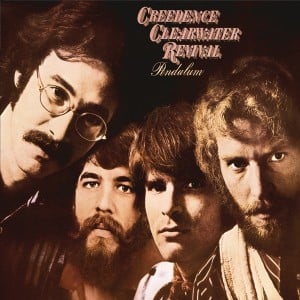
Have You Ever Seen The Rain? (Album Version)
Song · Creedence Clearwater Revival

Did you know that there's a tunnel under Ocean Blvd
Song · Lana Del Rey