𑣲Music
Items in this hypelist
Artist/band
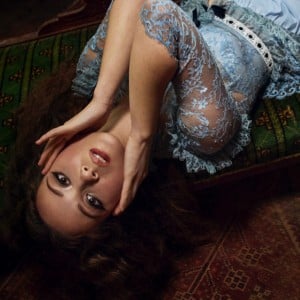
Laufey
Laufey
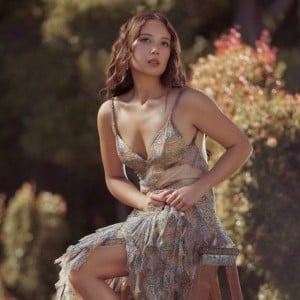
“As a musician, my goal is to bring jazz and classical music to my generation,” declares GRAMMY-winning composer, singer, producer, and multi-instrumentalist Laufey. In 2022, the Icelandic-Chinese artist’s trailblazing approach paid off, with a performance on Jimmy Kimmel LIVE! in support of her debut album Everything I Know About Love, sold out tours of North America, Asia, and Australia, and she was the most streamed jazz artist on Spotify. The Los Angeles-based Laufey (pronounced lāy-vāy) continued her story by writing and recording Bewitched, her second album. Inspired by jazz greats and classical masters while possessing a point of view that could only be conveyed by a 21st-century twentysomething, Bewitched represents an expansion of Laufey’s sonic palette. Tracks like the breezy bossa nova cut “From the Start” and the smoldering string-assisted ballad “Promise” have classic songcraft and intricate arrangements that make them feel instantly timeless, while Laufey’s conversational lyrics give her music a relatability to the next generation of jazz and classical aficionados. The album has gone on to break the record as the biggest debut for a jazz album on Spotify in history and earned a 2024 GRAMMY win for "Best Traditional Pop Vocal Album." Laufey’s self-assured musicianship and deeply felt lyrics take the idea of “classic” music, whether it’s slotted as classical or jazz—or even chart-topping pop—and humanize it, creating a deep-seated connection.
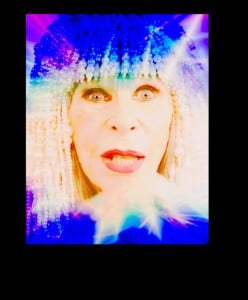
Rita Lee
Rita Lee
Rita Lee is a central figure in Brazilian rock. A former member of the seminal rock band Os Mutantes, she eventually departed from that group and began an extremely successful solo career in the rock and dance styles that have lasted for more than 30 years. The daughter of an amateur female pianist, she never took music lessons. In place of the traditional adolescent debut ball, she asked to receive a drum set. Lee formed a band with two other friends and they were quite good at vocals, backing stars like Tony Campelo, Jet Blacks, Demetrius, and Prini Lopez, when they met the brothers Arnaldo and Sérgio Dias Baptista. Adopting the name O'Seis (a pun with "the six" and the Brazilian redneck way of saying "you all"), they recorded the single "O Suicida," which was never released. When the rest of the band left for college, only three of them remained. Picking the name Os Mutantes, they backed Nana Caymmi on her then-husband's composition "Bom Dia" (Gilberto Gil). When Gil met them, he immediately knew that Os Mutantes were on the same track as the Baianos. Inviting them to accompany him at TV Record's 1967 III FMPB, they won second place for Gil's "Domingo no Parque" with the addition of Rogério Duprat conducting an orchestra with his revolutionary arrangements. The novelty of electric guitars and a generalized irreverence of the mixing of strange orchestral sounds irritated the audience a great deal; the nascent Tropicalia was coming to the world under heavy booing. Soon after, they recorded their single "O Relógio." In 1968, they performed on the album/manifesto Tropicália ou Panis et Circensis (Philips), with Nara Leão, Caetano Veloso, Gilberto Gil, Gal Costa, and Tom Zé. This was also when they recorded their first LP, Os Mutantes. In that period, during their somewhat frequent tours of Europe, they recorded an LP that was never fully released, with the exception of some tracks included on 1971's Jardim Elétrico. Also in 1968, they accompanied Caetano to TV Globo's III FIC, on his "É Proibido Proibir" and performed their "Caminhante Noturno," which won seventh place. In 1969, they participated at the IV FMPB with their "Dom Quixote" and, by Lee and Tom Zé, "2001." In the same year, they performed with the Baianos at the Sucata nightclub, Rio, and recorded their second album, also self-titled. They went to Europe, playing at Cannes, France, at the MIDEM, and in Lisbon, Portugal. In 1970, they returned to Brazil and set the show O Planeta dos Mutantes, the first multi-media experiment in Brazil. In the same year, Lee recorded her solo album, Build Up, produced by Arnaldo Baptista. Soon after, they had a stint at the Olympia in Paris, France. With bassist Liminha (now a respected studio producer) and drummer Dinho, they participated in the V FIC with "Ando Meio Desligado" (Arnaldo and Sérgio). The LP A Divina Comédia is from that year and O Jardim Elétrico (Polydor) from the next. In 1972, Lee recorded another solo album backed by the Os Mutantes, Hoje é o Primeiro Dia do Resto de Sua Vida (Philips). After releasing the Os Mutantes' No País dos Bauretz, Lee departed from the group. In fact, she was expelled as she wasn't proficient enough as an instrumentalist. Following a period of depression, during which she became locked up in her home, she decided to abandon her career. But, at the same time, she was writing the material that would make her famous as a solo artist. In 1973, she presented herself together with Lúcia Turnbull at the show Phono 73. Forming the rock band Tutti Frutti (which included Lúcia) for a series of presentations at the Teatro Ruth Escobar, they adopted the name Rita Lee & Tutti Frutti by suggestion of the record label. The band would follow her to the success in subsequent years, releasing Lee's hits "Ovelha Negra," "Agora só Falta Você," "Esse tal de Roque Enrow," "Miss Brasil 2000," and "Jardins da Babilônia." In 1974, they released Atrás do Porto tem uma Cidade (Philips). In 1975, Lúcia went out of the band and they recorded Fruto Proibido (Som Livre). In 1977, pregnant for the first time, she was arrested for having marijuana and condemned to one year of domiciliary imprisonment, when she composed with Paulo Coelho (who is now a best-selling esoteric writer) the single "Arrombou a Festa," which sold 200,000 copies. She continued to perform, under special judge permits. Elis Regina invited her to a duo performance at a special TV show at TV Bandeirantes, when they recorded "Doce de Pimenta," which Lee had composed especially for Elis. It was during this time that she unofficially married Roberto de Carvalho, who was incorporated in her band as a guitarist and composer. Soon, they departed for a tour with Gilberto Gil for Refestança, which was recorded and released as the eponymous LP. In 1978, Lee and her band recorded the LP Babilônia, when the group was dissolved under internal dissension. She then formed the group Rita Lee & Cães e Gatos, and departed for a series of shows under the same name, alluding to the members' fighting with each other. Next year's album brought "Mania de Você," her biggest hit. Lee decided not to have a band anymore. With "Lança Perfume," she achieved international recognition with even Prince Charles recognizing her as his favorite singer. In the early '80s, she made great success recording "Joujou e Balangandãs" together with João Gilberto. Her albums, openly danceable and fully committed to a commercial result, were breaking all selling records, and her shows becoming mega-productions. During the 1983 tour for Rita Lee e Roberto de Carvalho -- Flagra, she began to have health problems, fainting on-stage at one presentation. She then decided to take a rest, recording another album in that year with no supporting tours. In January 1985, she sang deceptively at the Rock in Rio festival. There were plenty of rumors accounting that she had leukemia. After another seven months in obscurity, she recorded another album that received good reviews, but was ignored by audiences. In 1986, as Lita Ree, she made true a longtime dream: to host a radio show, which was presented at São Paulo's 89 FM, and later, on Rio's Rádio Cidade. In 1987, she released Flerte Fatal under harsh criticism and fights with the press. After two more albums and still under fire of the critics, she ended the partnership with her husband, but worked with him on the film Fogo e Paixão. Later, she worked on the movie Dias Melhores Virão by Cacá Diegues, which granted her a prize at the Denzer Festival, Europe, in 1990. Impersonating the late singer/composer Raul Seixas in the short movie Tanta Estrela por Aí, she was appointed Best Male Actor by Rio's mayoralty. On TV, she worked on the soap operas Top Model and Vamp and hosted her own show, TV Leezão, a version for MTV of Rádio Amador. In 1990, she performed on her show Bossa n' Roll, which had the greatest audience that year and launched the acoustic craze. The album sold 350,000 copies. After an album recorded with her early companion Lúcia Turnbull, Lee was expressly required by Mick Jagger, who demanded personally that she open the Rolling Stones tour in Brazil. She was a great success, supplanting the Spin Doctors. After that, she toured for A Marca da Zorra, again with Roberto de Carvalho. The following year, she became the first woman and first pop icon to be awarded with the Prêmio Shell de MPB. In 1997, she received the distinguished Prêmio Sharp de Música. She followed with a CD and tour for Santa Rita de Sampa and the mega-production Acústico MTV. In 2000, she released the CD 3001. ~ Alvaro Neder
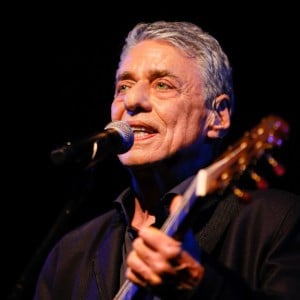
Chico Buarque
Chico Buarque
Singer, songwriter, poet, novelist, and playwright Chico Buarque is one of Brazil's living cultural icons. In addition to dozens of recordings, some 1,500 of his songs have been recorded by hundreds of artists internationally. In his plaintive, genteel singing voice, his approach to samba, bossa, and MPB is signified by iconoclastic, often politically pointed lyrics and ever-evolving harmonic structures. His self-titled debut in 1966 registered three hit singles. A founding member of the Tropicalia school, 1971's Construção, written while exiled in Italy, is one of Tropicalia's most important recordings. 1973's Calabar - O Elogio da Tracao wed jazz, prog, classical, and samba, and 1978's star-studded Chico Barque is regarded as a samba classic. Released in 1988, Dança da Meia-Lua is one of two major theatrical works written in collaboration with <a href="spotify:artist:6u5P4S3NSj4EDNegDlOevO">Edu Lobo</a>. 1998's As Cidades, his final 20th century album, placed two singles in the Top 40. His first outing in eight years, 2006's Carioca was packaged with the acclaimed session documentary Desconstrução. 2017's Caravanas is a late career classic. Buarque was born Francisco Buarque de Hollanda in Rio De Janeiro into a privileged and intellectual family. His father was historian, sociologist, and journalist Sergio Buarque de Hollanda, and his mother, Maria Amélia Cesário Alvim, was a pianist and celebrated painter. Buarque's sisters <a href="spotify:artist:24ZP6P1JgCo65CEJsk2OQ2">Miúcha</a> and <a href="spotify:artist:0VuTQAZXAEAjmYvZLw6Csq">Cristina</a> became professional singers. Sister <a href="spotify:artist:0ASIUvh4KqF1ke2i3cwWRI">Ana de Hollanda</a> was a singer, too, before being appointed Brazil's Minister of Culture. Buarque was a studious child. The family moved around during his childhood, living in Rio de Janeiro, São Paulo, Rome, and elsewhere. He wrote and studied literature as a child and discovered his love for music in the emergent late-1950s bossa nova compositions of Tom Jobim, <a href="spotify:artist:5HlnN6xF2MD87KhGRmCRTd">Vinícius de Moraes</a>, and <a href="spotify:artist:77ZUbcdoU5KCPHNUl8bgQy">João Gilberto</a>. In the early 1960s, Buarque began singing and playing guitar (<a href="spotify:artist:77ZUbcdoU5KCPHNUl8bgQy">Gilberto</a>'s and <a href="spotify:artist:0VSgciOd32tP2Yna1w4vDr">Baden Powell</a>'s styles obsessed him) but was also studying architecture at university. By 1964, he'd abandoned his studies to become a musician and play gigs anywhere he could. His first single, "Pedro Pedreiro"/"Sonho de um Carnaval,'' appeared to general acclaim in 1965 when he signed with Rio's <a href="spotify:search:label%3A%22RGE%22">RGE</a> label -- just after <a href="spotify:artist:64KVQ4YupSZYrGNLduVtj3">Nara Leao</a> recorded three of his songs. His debut album, titled simply Chico Buarque de Hollanda, appeared in 1966 and placed three singles on the charts. That same year, he married Brazilian actress Marieta Severo. Two more eponymous, numbered volumes appeared in 1967 and 1968. Interestingly, both <a href="spotify:artist:7HGNYPmbDrMkylWqeFCOIQ">Caetano Veloso</a> and <a href="spotify:artist:7oEkUINVIj1Nr3Wnj8tzqr">Gilberto Gil</a>, two of his closest compatriots in the Tropicalia movement, criticized these early recordings as too conservative. It didn't stop them from recruiting him to join their revolutionary art movement, however. In addition to music, Buarque also got involved in drama in 1966, writing musical settings for a stage version of João Cabral de Melo Neto's verse play Morte e Vida Severina (Death and Life of Severina). In 1968, Buarque's own play Roda Viva was performed publicly and deemed subversive by Brazil's ruling military junta. He earned a jail term for it and went into exile in Italy in 1969. There, he released Chico Buarque de Hollanda na Italia with guitarist <a href="spotify:artist:7rPqFVgJYARiFsLDlN6W6y">Toquinho</a> as musical director. Buarque returned to Brazil in late 1970. He'd written dozens of songs while in Italy and was able to perform at festivals on his own and with other exiled Brazilians, <a href="spotify:artist:7HGNYPmbDrMkylWqeFCOIQ">Veloso</a> and <a href="spotify:artist:7oEkUINVIj1Nr3Wnj8tzqr">Gil</a> among them. He signed to <a href="spotify:search:label%3A%22Phillips%22">Phillips</a> and released 1971's now-classic Construção as "Chico Buarque"; the album consisted almost entirely of songs written in Italy. In 1972, Buarque co-wrote and co-starred in the musical film Quando o Carnaval Chegar alongside singers Maria <a href="spotify:artist:3f5VCwd57gZsqMad28jyLV">Bethania</a> and <a href="spotify:artist:64KVQ4YupSZYrGNLduVtj3">Leao</a>. He wrote most of the film's score and songs no matter who sang them. While it didn't set any sales records, it did help to further establish its three principal actors. It also established a long-ongoing friendship and collaboration between <a href="spotify:artist:3f5VCwd57gZsqMad28jyLV">Bethania</a> and Buarque. The live Caetano e Chico: Juntos e ao Vivo appeared in 1972 with <a href="spotify:artist:7HGNYPmbDrMkylWqeFCOIQ">Veloso</a>. In 1973 , he released Calabar, o Elogio da Traição, the music to accompany a play he wrote with Ruy Guerra. Due to the dictatorship's censorship policy, the original copies of the album were recalled immediately after release. It was reissued as Chico Canta in a plain white sleeve with only the artist's name and the company logo on its front. 1974's Sinal Fechado was a showcase for Buarque the singer: for the first time, all of the songs were composed by other writers, <a href="spotify:artist:7HGNYPmbDrMkylWqeFCOIQ">Veloso</a>, <a href="spotify:artist:7oEkUINVIj1Nr3Wnj8tzqr">Gil</a>, and <a href="spotify:artist:7rPqFVgJYARiFsLDlN6W6y">Toquinho</a> among them. In 1976, following a live album with <a href="spotify:artist:3f5VCwd57gZsqMad28jyLV">Bethania</a>, Buarque issued two of his most enduring studio recordings back to back. Meus Caros Amigos captured the tension, emotion, and chaos of the politically troubled era exceptionally well as it charted the transition between dictatorship and the rule of law. It was the last of Buarque's albums to require clearance from a government censor. <a href="spotify:artist:3Bnq7jiU506HcPjRgQ43TM">Milton Nascimento</a> guested on the charting opening single, "O Que Será (A Flor da Terra)." He also recorded it for one of his own albums. 1978's Chico Buarque (or, Samambaia, as it is sometimes referred to in Brazil) has long been regarded as one of the songwriter's truly classic recordings. Opening track "Cálice," a protest duet co-written with <a href="spotify:artist:7oEkUINVIj1Nr3Wnj8tzqr">Gil</a>, starred <a href="spotify:artist:3Bnq7jiU506HcPjRgQ43TM">Nascimento</a> as his singing partner. Its mildly rock-oriented sound wasn't really representative of the album per se, as it relied on samba primarily. Another duet, "O Meu Amor," was sung by the female duo of Severo and <a href="spotify:artist:4ph6Bt1mkDlmf32PSvRa8A">Elba Ramalho</a>. The following year, Buarque released the score for Opera da Malandro, the first theatrical collaboration with songwriter <a href="spotify:artist:6u5P4S3NSj4EDNegDlOevO">Edu Lobo</a>. 1980's Vida included poetic songs, among them the title track about the lost lives of women to misogynist men; "Mar e Lua," describing a love affair between the sea and the moon; and "Bastidores," describing the mental and emotional state of an artist after completing a performance. 1981's Almanaque may not be one of his best-known albums, but it did contain "As Vitrines," "Ela é Dançarina," and "O Meu Guri," three of his best songs. The set also included "Moto Contínuo," co-composed with <a href="spotify:artist:6u5P4S3NSj4EDNegDlOevO">Lobo</a>. 1987's Francisco, an example of Buarque's mature work, drew some criticism for its complex harmonic structures, but listeners soon adapted. 1989's Chico Barque offered tropical flavors and an abundance of new rhythms and harmonies. Among its highlights were the tracks "Baticum," written and performed with <a href="spotify:artist:7oEkUINVIj1Nr3Wnj8tzqr">Gil</a>, and "A Pertmutya Dos Santos," and "A Mias Bonita," both featuring <a href="spotify:artist:6gk4ierjjSVPoZep27VfZz">Bebel Gilberto</a> as his duet partner. 1993's Paratodos rocketed Buarque back up the charts, thanks in no small part to his wonderfully self-deprecating autobiographical songs as well as the duets "Biscate," with <a href="spotify:artist:1b8kpp4DUwt1hWaxTiWQhD">Gal Costa</a>, and "Piano Na Mangueira," featuring the last recorded vocal performance of Tom Jobim. 1995's Uma Palavra included three covers by Jobim ("Eu Te Amo''), <a href="spotify:artist:6u5P4S3NSj4EDNegDlOevO">Lobo</a> ("Valsa Brasileira"), and <a href="spotify:artist:0fSXB6V1mhguJCAN7pLzu6">Francis Hime</a>'s "Amor Barato." Further, he recorded his own "Samba e Amor'' that had been written for and previously recorded by <a href="spotify:artist:7HGNYPmbDrMkylWqeFCOIQ">Veloso</a>. 1998's As Cicades was Buarque's final studio album of the 20th century. To mark the occasion, he wrote or co-wrote every song on the album. Its rich urban imagery and city landscapes were vehicles for his irony and wry humor. Listeners and critics alike were quite surprised by the album's complete lack of political material. In 1999, Buarque and Severo divorced after 33 years together. In 2000, <a href="spotify:search:label%3A%22RCA%22">RCA</a> reissued Per un Pugno di Samba and Sonho de um Carnaval, two albums Buarque cut with composer <a href="spotify:artist:1nIUhcKHnK6iyumRyoV68C">Ennio Morricone</a> and an orchestra in 1970, on which he sang only in Italian. While neither album scored much attention when they were originally released in Italy, they were exceptionally well received upon reissue in Brazil and Europe. <a href="spotify:artist:6u5P4S3NSj4EDNegDlOevO">Lobo</a> and Buarque re-teamed to score a film/theatrical work titled Cambaio, which melded not only samba but hip-hop, rock, and new wave. Composer/pianist <a href="spotify:artist:4YLBdrR3DVSMncm785NH6C">Lenine</a> also contributed to the sessions; the album met with very mixed reviews. Buarque didn't release another album for five years. In 2009, he published the novel Leite Derramad (Spilt Milk); it was shortlisted for the São Paulo Prize for Literature in 2010 as book of the year. Carioca and its accompanying concert documentary, Desconstrução, appeared in 2006 and showcased the artist in the middle of another reinvention, as a storyteller, commentator, journalist, and cultural critic. Also for the first time, he left political polemic out of his songs. 2011's Chico offered a collection of mostly sparse "chamber sambas." While his accompaniment did showcase some orchestral instrumentation, it was used sparingly and tastefully across nine originals and <a href="spotify:artist:3DF0ClNOUuvS3gh8V8sRJH">Joao Bosco</a>'s "Sinha," which featured the composer in a guest duet. The double live offering Na Carreira appeared in 2012. Recorded during the support tour for Chico, the set included a performance of that entire album plus material from across his 47-year career to that point. In 2013, as the novel Leche Derramada was translated into Spanish and other languages, it won the Casa de las Américas Prize in the narrative fiction category. The following year, he published the widely acclaimed follow-up novel, O Irmão Alemão. 2017's Caravanas surprised even Buarque's most ardent fans. Grafting jazz, blues, classical, and pop on top of remarkably innovative sambas, the artist, at 73, had once more reinvented the samba genre in his own image. He followed it with the live Caravanas ao Vivo in 2018. He published the novel Essa Gente in 2019, the same year he won the Camões Prize, the most important literature prize in the Portuguese language. Unfortunately, disgraced former president Jair Bolsonaro held up the award for four years. Buarque's tenth novel, Anos de Chumbo, saw publication in 2021. In April 2023, Buarque finally received his Camões Prize. ~ Thom Jurek, Rovi
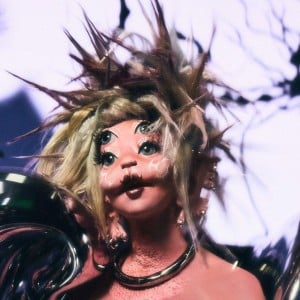
Melanie Martinez
Melanie Martinez
Melanie Martinez is a multi-Platinum, 12 billion-streaming alt-pop phenomenon. PORTALS marks the 27-year-old NYC-born singer-songwriter-filmmaker’s first full-length release in nearly four years following her 2 billion-streaming, RIAA Gold-certified second album, K-12, which proved a sensation upon its September 2019 release, entering the Billboard 200 at #3 – Martinez’s highest chart placement thus far – with further debuts at #1 on the Alternative album chart, and #1 on the Soundtrack album chart. Hailed by Forbes as “a perfect conceptual album in the streaming age,” K-12 also serves as a soundtrack companion to an eerily enchanting musical film written, directed, and starring Martinez. K-12 the film debuted as the 6th highest grossing film in the US on the day of its September 3, 2019 theatrical release, with one-night-only screenings in over 425 cinemas in 32 countries. Martinez truly set forth on what has proven a remarkable creative journey with her 2015 debut album, CRY BABY. CRY BABY took on a stunning second life in 2020 when the longtime fan-favorite “Play Date“ exploded into a true alt-pop sensation with millions of user-generated videos across TikTok. Now boasting over 1B worldwide streams along with 2x RIAA Platinum certification, “Play Date” propelled CRY BABY back onto the upper half of the Billboard 200 more than five years after its initial release.
Mitski
Mitski
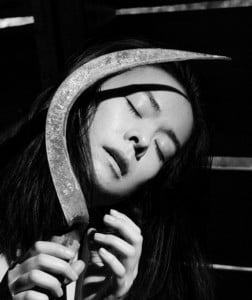
Sometimes Mitski feels life would be easier without hope or a soul or love. But when she closes her eyes and thinks about what’s truly hers, what can’t be repossessed or demolished, she sees love. “The best thing I ever did in my life was to love people,” she says. “I wish I could leave behind all the love I have after I die, so I can shine all this goodness, all this love that I’ve created onto other people.” She hopes her newest album, The Land Is Inhospitable and So Are We, will shine love long after she’s gone. That’s precisely how it feels: like a love that’s haunting the land. “This is my most American album,” she says. The music feels like a profound act of witnessing this country, in all its private sorrows and contradictions. Sonically Mitski’s most epic and wise album, it introduces wounds and then actively heals them. Here, love is time-traveling to bless our tender days, like light from a distant star. It's full of the ache of the grown-up, seemingly mundane heartbreaks and joys that are often unsung but feel enormous. It’s a tiny epic. From the bottom of a glass, to a driveway slushy with memory and snow, to a freight train barreling through the Midwest, all the way to the moon, it feels like everything and everyone is crying out in pain, arching towards love. Love is that inhospitable land, beckoning and then rejecting us. To love this place, this earth, this America, this body takes work. It might be impossible. The best things are. Written by Will Arbery
Nirvana
Nirvana
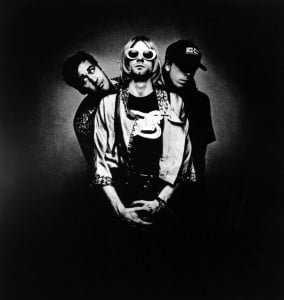
Nothing was ever quite the same after Nirvana. The band's second album, 1991's Nevermind, revolutionized popular music by bringing alternative rock above ground, introducing mainstream audiences to sounds and concepts that had previously existed only in shadowy record store corners and on low-frequency college radio airwaves. Nevermind's noisy, dissonant guitar rock, mumbled or howled surrealistic lyrics, and generally angsty punk attitudes were unlikely candidates for chart success, but the band undercut their grungy songs with enough pop melodicism to create a sound unlike anything average listeners had ever heard before, striking at the exact right moment to become an unprecedented success. Since Nirvana were rooted in an indie aesthetic but loved pop music, they fought their stardom while courting it, becoming some of the most notorious anti-rock stars in history. They consciously attempted to shed their audience with 1993's abrasive, <a href="spotify:artist:52ZFTGbQ9miWMX8JYBvtOO">Steve Albini</a>-produced third album In Utero, but vocalist/guitarist/songwriter <a href="spotify:artist:6pAuTi6FXi6qFQJ1dzMXQs">Kurt Cobain</a>'s growing mental health and substance abuse issues led to his death by suicide in 1994. Though Nirvana's story was cut tragically short, their legacy stands as one of the most influential in rock & roll history. <a href="spotify:artist:6pAuTi6FXi6qFQJ1dzMXQs">Kurt Cobain</a> (vocals, guitar) met <a href="spotify:artist:4BZKfXia2RPZnzCgQ2fG8M">Chris Novoselic</a> (born <a href="spotify:artist:4BZKfXia2RPZnzCgQ2fG8M">Krist Novoselic</a>) (bass) in 1985 in Aberdeen, Washington, a small logging town 100 miles away from Seattle. While <a href="spotify:artist:4BZKfXia2RPZnzCgQ2fG8M">Novoselic</a> came from a relatively stable background, <a href="spotify:artist:6pAuTi6FXi6qFQJ1dzMXQs">Cobain</a>'s childhood had been thrown into turmoil when his parents divorced when he was eight. Following the divorce, he lived at the homes of various relatives, developing a love for <a href="spotify:artist:3WrFJ7ztbogyGnTHbHJFl2">the Beatles</a> and then heavy metal in the process. Eventually, American hardcore punk worked its way into dominating his listening habits and he met <a href="spotify:artist:6aVjo0xHSiuW5hkasoYSR3">the Melvins</a>, an Olympia-based underground heavy punk band. <a href="spotify:artist:6pAuTi6FXi6qFQJ1dzMXQs">Cobain</a> began playing in punk bands like Fecal Matter, often with <a href="spotify:artist:6aVjo0xHSiuW5hkasoYSR3">the Melvins</a>' bassist <a href="spotify:artist:4IRzt4Zde0xpbbc2BtsRGm">Dale Crover</a>. Through <a href="spotify:artist:6aVjo0xHSiuW5hkasoYSR3">the Melvins</a>' leader, Buzz Osborne, <a href="spotify:artist:6pAuTi6FXi6qFQJ1dzMXQs">Cobain</a> met <a href="spotify:artist:4BZKfXia2RPZnzCgQ2fG8M">Novoselic</a>, who also had an intense interest in punk, which meant that he, like <a href="spotify:artist:6pAuTi6FXi6qFQJ1dzMXQs">Cobain</a>, felt alienated from the macho, redneck population of Aberdeen. The duo decided to form a band called the Stiff Woodies, with <a href="spotify:artist:6pAuTi6FXi6qFQJ1dzMXQs">Cobain</a> on drums, <a href="spotify:artist:4BZKfXia2RPZnzCgQ2fG8M">Novoselic</a> on bass, and a rotating cast of guitarists and vocalists. The group went through name changes as quickly as guitarists, before deciding that <a href="spotify:artist:6pAuTi6FXi6qFQJ1dzMXQs">Cobain</a> would play guitar and sing. Renamed <a href="spotify:artist:4opTS86dN9uO313J9CE8xg">Skid Row</a>, the new trio featured drummer Aaron Burkhart, who left the band by the end of 1986 and was replaced by Chad Channing. By 1987, the band was called Nirvana. Nirvana began playing parties in Olympia, gaining a cult following. Around 1987, the band made ten demos with producer <a href="spotify:artist:5WPz1DmtxRJBajeTYGiftU">Jack Endino</a>, who played the recordings to Jonathan Poneman, one of the founders of the Seattle-based indie label <a href="spotify:search:label%3A%22Sub+Pop%22">Sub Pop</a>. Poneman signed Nirvana, and in December of 1988, the band released its first single, a cover of <a href="spotify:artist:5WimOFbBnCU5wI6t5PPpEk">Shocking Blue</a>'s "Love Buzz." <a href="spotify:search:label%3A%22Sub+Pop%22">Sub Pop</a> orchestrated an effective marketing scheme, which painted the band as backwoods, logging-town hicks, which irritated <a href="spotify:artist:6pAuTi6FXi6qFQJ1dzMXQs">Cobain</a> and <a href="spotify:artist:4BZKfXia2RPZnzCgQ2fG8M">Novoselic</a>. While "Love Buzz" was fairly well-received, the band's debut album, Bleach, was what got the ball rolling. Recorded for just over $600 and released in June 1989, Bleach slowly became a hit on college radio, due to the group's consistent touring. Though Jason Everman was credited as a second guitarist on the sleeve of Bleach, he didn't appear on the record; he only toured in support of the album before leaving the band at the end of the year to join <a href="spotify:artist:5xUf6j4upBrXZPg6AI4MRK">Soundgarden</a> and then Mindfunk. Bleach sold 35,000 copies and Nirvana became favorites of college radio, the British weekly music press, and <a href="spotify:artist:5UqTO8smerMvxHYA5xsXb6">Sonic Youth</a>, <a href="spotify:artist:7LuYiSXiWs86rwWJjEEgB9">Mudhoney</a>, and <a href="spotify:artist:267VY6GX5LyU5c9M85ECZQ">Dinosaur Jr.</a>, which was enough to attract the attention of major labels. In July 1990, Nirvana recorded "Sliver"/"Dive" with <a href="spotify:artist:7LuYiSXiWs86rwWJjEEgB9">Mudhoney</a> drummer Dan Peters on drums and producer <a href="spotify:artist:0gTi2zsOHn6wtlkx66uxXM">Butch Vig</a>. The band also made a six-song demo with <a href="spotify:artist:0gTi2zsOHn6wtlkx66uxXM">Vig</a>, which was shopped to major labels, who soon began competing to sign the group. In August, they hit the road with <a href="spotify:artist:5UqTO8smerMvxHYA5xsXb6">Sonic Youth</a>'s Goo tour (including <a href="spotify:artist:4IRzt4Zde0xpbbc2BtsRGm">Crover</a> on drums). That September, <a href="spotify:artist:7mRVAzlt1fAAR9Cut6Rq8c">Dave Grohl</a>, formerly of the D.C.-based hardcore band <a href="spotify:artist:0wIhCBrT02x0GG5bKqcSAh">Scream</a>, became Nirvana's drummer and the band signed with <a href="spotify:search:label%3A%22DGC%22">DGC</a> for $287,000. Nirvana recorded their second album with <a href="spotify:artist:0gTi2zsOHn6wtlkx66uxXM">Vig</a>, completing the record in June of 1991. Nevermind was released in September, supported by a quick American tour. While <a href="spotify:search:label%3A%22DGC%22">DGC</a> was expecting a moderately successful release, in the neighborhood of 100,000 copies, Nevermind immediately became a smash hit, quickly selling out its initial shipment of 50,000 copies and creating a shortage across America. What helped the record become a success was "Smells Like Teen Spirit," a blistering four-chord rocker that was accompanied by a video that shot into heavy MTV rotation. By the beginning of 1992, "Smells Like Teen Spirit" had climbed into the American Top Ten and Nevermind bumped <a href="spotify:artist:3fMbdgg4jU18AjLCKBhRSm">Michael Jackson</a>'s much-touted comeback album Dangerous off the top of the album charts; it reached the British Top Ten shortly afterward. By February, the album had been certified triple platinum. Nirvana's success took the music industry by surprise, Nirvana included. From the moment Nirvana were met with mainstream visibility, <a href="spotify:artist:6pAuTi6FXi6qFQJ1dzMXQs">Cobain</a> used his newfound fame to relentlessly push his favorite independent artists as if their music was more important than his own. This took the form of bringing Japanese alt-pop trio <a href="spotify:artist:4ukJlDdlvuQOHZdD2NVsFD">Shonen Knife</a> on tour, covering lesser-known but formative artists like <a href="spotify:artist:0sTTw3dw3EA0c7NaZnrJd2">the Wipers</a>, <a href="spotify:artist:4wWQkHhmUNlXvhbHRUSqZW">the Vaselines</a>, and <a href="spotify:artist:2h9yQhKyqOMex3QFMVeq7F">Meat Puppets</a>, or wearing a homemade <a href="spotify:artist:1jeYbk5eqo6wgsQPjLeU5w">Daniel Johnston</a> t-shirt during television appearances and high-profile concerts. <a href="spotify:artist:6pAuTi6FXi6qFQJ1dzMXQs">Cobain</a>'s enthusiastic fandom introduced untold numbers of Nirvana fans to artists they most likely wouldn't have known to seek out on their own, and in the process, energized those artists' careers. It soon became apparent that Nirvana wasn't quite sure how to handle its success. Around the time of Nevermind's release, <a href="spotify:artist:6pAuTi6FXi6qFQJ1dzMXQs">Cobain</a> appeared on MTV's Headbangers Ball in drag; the group mocked the tradition of miming on the BBC's Top of the Pops, with <a href="spotify:artist:4BZKfXia2RPZnzCgQ2fG8M">Novoselic</a> constantly throwing his bass into the air and <a href="spotify:artist:6pAuTi6FXi6qFQJ1dzMXQs">Cobain</a> singing his live vocals in the style of Ian Curtis; and their traditional live destruction of instruments was immortalized on a Saturday Night Live performance that ended with <a href="spotify:artist:4BZKfXia2RPZnzCgQ2fG8M">Novoselic</a> and <a href="spotify:artist:7mRVAzlt1fAAR9Cut6Rq8c">Grohl</a> sharing a kiss. By early 1992, questions began to arise about the band's stability. <a href="spotify:artist:6pAuTi6FXi6qFQJ1dzMXQs">Cobain</a> married <a href="spotify:artist:4vI0xGbQl2cMnMiagUEBOj">Courtney Love</a>, the leader of the indie rock/foxcore band <a href="spotify:artist:5SHQUMAmEK5KmuSb0aDvsn">Hole</a>, in February of 1992, announcing that the couple was expecting a child. A few months later, Nirvana canceled several concerts and refused to mount a full-scale American tour during the summer. <a href="spotify:artist:6pAuTi6FXi6qFQJ1dzMXQs">Cobain</a> complained that he was suffering from chronic stomach troubles, which seemed to be confirmed when he was admitted to a Belfast hospital after a June concert. While he went through these problems,<a href="spotify:search:label%3A%22DGC%22">DGC</a> released the odds-and-ends compilation Incesticide late in 1992; the album reached number 39 U.S. and number 14 U.K. As Nirvana prepared to make their third album, they released "Oh, the Guilt" as a split single with <a href="spotify:artist:6r26MaDr8bqNALjXgYPXMa">the Jesus Lizard</a> on <a href="spotify:search:label%3A%22Touch+%26+Go+Records%22">Touch & Go Records</a>. Choosing <a href="spotify:artist:52ZFTGbQ9miWMX8JYBvtOO">Steve Albini</a> (<a href="spotify:artist:6zvul52xwTWzilBZl6BUbT">Pixies</a>, <a href="spotify:artist:1xgFexIwrf2QjbU0buCNnp">the Breeders</a>, <a href="spotify:artist:5EYkvHZuGM3pwU3DZUrrZ3">Big Black</a>, <a href="spotify:artist:6r26MaDr8bqNALjXgYPXMa">the Jesus Lizard</a>) as their producer, they recorded In Utero, in two weeks during. Februrary 1993. Later in the year, reports, including an article in Newsweek, circulated that DGC was unhappy with the forthcoming album, and making accusations that Nirvana deliberately made an uncommercial record. Both the band and the label denied such allegations. Deciding that <a href="spotify:artist:52ZFTGbQ9miWMX8JYBvtOO">Albini</a>'s production was too flat, Nirvana decided to remaster the album with <a href="spotify:artist:4KWTAlx2RvbpseOGMEmROg">R.E.M.</a> producer <a href="spotify:artist:1jBYxrGP7Ev7Qs0X5qJdDM">Scott Litt</a>, who also remixed the singles "Heart Shaped Box" and "All Apologies." In Utero was released in September of 1993 to positive reviews and strong initial sales, debuting at the top of the U.S. and U.K. charts. Nirvana supported it with an American tour, hiring former <a href="spotify:artist:39zgKjGWsiZzJ9h6gbrPFY">Germs</a> member <a href="spotify:artist:36AOO7vOYRSjm2nVgvu63E">Pat Smear</a> as an auxiliary guitarist. While the album and the tour were both successful, sales weren't quite as strong as expected, with several shows not selling out until the week of the concert. As a result, the group agreed to play MTV's acoustic Unplugged show at the end of the year, and sales of In Utero picked up after its December airing. After wrapping up their U.S. tour on January 8, 1994 with a show at Center Arena in Seattle, Nirvana embarked on a European tour in February. Following a concert in Munich on February 29, <a href="spotify:artist:6pAuTi6FXi6qFQJ1dzMXQs">Cobain</a> stayed in Rome to vacation with <a href="spotify:artist:4vI0xGbQl2cMnMiagUEBOj">Love</a>. On March 4, she awakened to find that <a href="spotify:artist:6pAuTi6FXi6qFQJ1dzMXQs">Cobain</a> had attempted suicide. When he returned to Seattle, his mental illness grew worse. <a href="spotify:artist:4vI0xGbQl2cMnMiagUEBOj">Love</a> and Nirvana's management organized an intervention program that resulted in <a href="spotify:artist:6pAuTi6FXi6qFQJ1dzMXQs">Cobain</a>'s admission to the Exodus Recovery Center in L.A. on March 30, but he left the clinic on April 1, returning to Seattle. His mother filed a missing persons report on April 4. On April 5, <a href="spotify:artist:6pAuTi6FXi6qFQJ1dzMXQs">Cobain</a> died by suicide at his Seattle home.After his death, <a href="spotify:artist:6pAuTi6FXi6qFQJ1dzMXQs">Kurt Cobain</a> was quickly anointed as a spokesman for Generation X, as well as a symbol of its tortured angst. <a href="spotify:artist:4BZKfXia2RPZnzCgQ2fG8M">Novoselic</a> and <a href="spotify:artist:7mRVAzlt1fAAR9Cut6Rq8c">Grohl</a> planned to release a double-disc live album at the end of 1994, but sorting through the tapes proved to be too painful, so MTV Unplugged in New York appeared in its place. The album debuted at the top of the British and American charts, as a home video comprised of live performances and interviews from the band's Nevermind era, titled Live! Tonight! Sold Out!, was issued at the same time (the project began prior to <a href="spotify:artist:6pAuTi6FXi6qFQJ1dzMXQs">Cobain</a>'s passing and was completed by surviving bandmembers). In 1996, MTV Unplugged in New York's electric counterpart, From the Muddy Banks of the Wishkah, was released, debuting at the top of the U.S. charts. Following <a href="spotify:artist:6pAuTi6FXi6qFQJ1dzMXQs">Cobain</a>'s death, <a href="spotify:artist:7mRVAzlt1fAAR9Cut6Rq8c">Grohl</a> formed <a href="spotify:artist:7jy3rLJdDQY21OgRLCZ9sD">the Foo Fighters</a>, releasing their self-titled debut album in 1995, followed by The Colour and the Shape in 1997 and There Is Nothing Left to Lose in 1999. <a href="spotify:artist:4BZKfXia2RPZnzCgQ2fG8M">Novoselic</a> formed the trio Sweet 75, releasing their debut in the spring of 1997, and also appeared along with former <a href="spotify:artist:30U8fYtiNpeA5KH6H87QUV">Dead Kennedys</a> frontman <a href="spotify:artist:1ddbFlSqbqp2vuJd5CuRcE">Jello Biafra</a> and former <a href="spotify:artist:5xUf6j4upBrXZPg6AI4MRK">Soundgarden</a> guitarist Kim Thayil on the 2000 live set Live from the Battle in Seattle under the name <a href="spotify:artist:0l6DIGXp0GGVDEieOA0D0P">the No W.T.O. Combo</a>. By the late '90s, <a href="spotify:artist:4BZKfXia2RPZnzCgQ2fG8M">Novoselic</a> began research for a proposed box set of previously unreleased songs from throughout Nirvana's career. The project was supposed to surface in the fall of 2001 (to coincide with the tenth anniversary release of Nevermind), but legal issues delayed its release. Finally, the Nirvana LLC partnership -- which included <a href="spotify:artist:7mRVAzlt1fAAR9Cut6Rq8c">Grohl</a>, <a href="spotify:artist:4BZKfXia2RPZnzCgQ2fG8M">Novoselic</a>, and <a href="spotify:artist:4vI0xGbQl2cMnMiagUEBOj">Love</a> -- came to an agreement and the album-length compilation Nirvana was released in October of 2002. Although that release included only one unreleased song, the long-awaited box set, titled With the Lights Out, appeared in late 2004, including three discs of rare and unreleased material plus a live DVD that featured material filmed as early as 1988. The band's 1992 set at the Reading Festival was released in 2009 as Live at Reading. The same year, <a href="spotify:search:label%3A%22Sub+Pop%22">Sub Pop</a> began a Nirvana studio album reissue campaign with Bleach; special 20th-anniversary editions of Nevermind and In Utero followed in 2011 and 2013, respectively. In 2014, Nirvana was inducted into the Rock & Roll Hall of Fame by <a href="spotify:artist:4KWTAlx2RvbpseOGMEmROg">R.E.M.</a>'s <a href="spotify:artist:2G1Lyk7bWbBBrtwyl3obNB">Michael Stipe</a>. <a href="spotify:artist:6pAuTi6FXi6qFQJ1dzMXQs">Cobain</a>'s place in the induction performance was taken by several vocalists, including Joan Jett and <a href="spotify:artist:3n8qeKQViV1waeCzZmS4Tx">Kim Gordon</a>. ~ Stephen Thomas Erlewine & Greg Prato, Rovi
Gorillaz
Gorillaz
Created by musician Damon Albarn and artist Jamie Hewlett, Gorillaz is singer 2D, bassist Murdoc Niccals, drummer Russel Hobbs and guitarist Noodle. The BRIT and Grammy-winning virtual band formed following a collision of mishaps, meetings and pure luck to blow up a pre-digital world with their colourful backstory and ground-breaking virtual ways. Based at Kong Studios in West London, Gorillaz settled into a life of musical innovation with an eye-wateringly exciting roster of collaborators, a list that includes musical legends, geniuses and future stars from Elton John to Little Simz, MF Doom to Jean-Michel Jarre, Grace Jones to Bad Bunny, Kali Uchis to Sidiki Diabaté, plus so many more. Gorillaz (2001), Demon Days (2005), Plastic Beach (2010), The Fall (2011), Humanz (2017), The Now Now (2018), Song Machine: Season One – Strange Timez (2020) and Cracker Island (2023), Gorillaz is a truly global phenomenon, achieving success in entirely new and unique ways, touring the world and winning numerous awards including the coveted Jim Henson Creativity Honor, along the way. Cracker Island, their latest album, is an energetic, upbeat, genre-expanding collection of 10 tracks featuring yet another stellar line-up of artist collaborators: Stevie Nicks, Adeleye Omotayo, Thundercat, Tame Impala, Bad Bunny, Bootie Brown and Beck. The band is recognised by The Guinness Book Of World Records as the planet’s Most Successful Virtual Act www.gorillaz.com
Alex G
Alex G
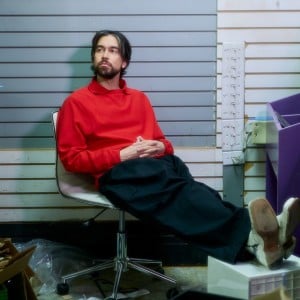
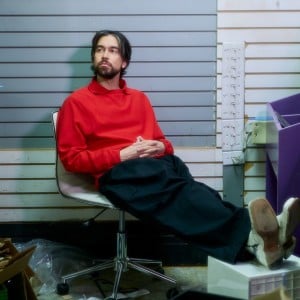
Alex G is the stage alias of Alex Giannascoli, a singer, songwriter, and multi-instrumentalist who built his reputation combining strong melodic sensibilities with a ragged, impulsive-sounding performance style. Alex’s latest release, 2022’s God Save the Animals proved to have immediate and lasting impact, making its way onto countless year end lists. Over the years, he has retained his idiosyncratic, turbulent style even as he began working with collaborators, expanding his sound, and working in studios.
Tame Impala
Tame Impala
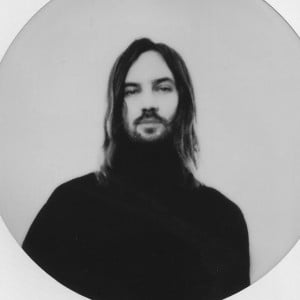
Tame Impala (Kevin Parker) has officially released his fourth studio album, The Slow Rush. Featuring the tracks Lost In Yesterday, Borderline & It Might Be Time. The Slow Rush was recorded between Los Angeles and Parker’s studio in his hometown of Fremantle, Australia. The twelve tracks were written, recorded, produced and mixed by Parker. The Slow Rush is Parker’s deep dive into the oceans of time, conjuring the feeling of a lifetime in a lightning bolt, of major milestones whizzing by while you’re looking at your phone, it’s a paean to creation and destruction and the unending cycle of life. In support of The Slow Rush, Tame Impala will tour across North America, Australia & New Zealand, and the UK in the coming months. Thanks to the ravenous demand of fans for a transcendent live performance, Tame Impala has headlined festivals and theatres around the world and released three full length albums - Innerspeaker, Lonerism and Currents. As a writer and producer Parker has collaborated with Travis Scott, SZA, Lady Gaga, Mark Ronson, Kanye West, Kali Uchis, Theophilus London, Miguel, A$AP Rocky and more.
Coldplay
Coldplay
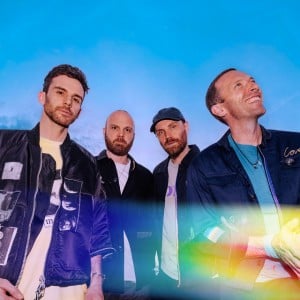
Coldplay formed in London in late 1997. The band have gone on to become one of the most popular acts in the world, selling more than 100 million albums and releasing a long line of hits such as Yellow, Clocks, Fix You, Paradise, Viva La Vida, A Sky Full Of Stars, Hymn For The Weekend, Something Just Like This and Higher Power. The band’s acclaimed Music Of The Spheres World Tour, which began in 2022, is taking them to stadiums around the globe, with more than 9 million tickets already sold. The tour is accompanied by a comprehensive set of sustainability initiatives which include a show powered by 100% renewable energy in almost all locations; the world’s first tourable battery system; kinetic dancefloors allowing fans to help power the show; solar panels and wind turbines at every venue; incentives to encourage fans to travel by green transport; and one tree planted for every ticket sold. The band recently gave an update on the sustainability initiatives, revealing that their current tour has so far produced 59% less CO2e emissions than their previous stadium tour in 2016/17, and that 7 million trees have already been planted (one for each concert goer). Their tenth album, Moon Music, lands on October 4, 2024. Moon Music is Coldplay’s first album since 2021’s Music Of The Spheres, which spawned the US Number One single with BTS, My Universe, and was nominated for Album of the Year at the Grammy Awards. Music Of The Spheres has accumulated over 4 billion streams.
Radiohead
Radiohead
Radiohead are a touchstone for all that is fearless and adventurous in rock, evolving from self-loathing anthems to moody prog rock suites to weathered, if shimmering ballads. Inheritors of a throne previously occupied by <a href="spotify:artist:0oSGxfWSnnOXhD2fKuz2Gy">David Bowie</a>, <a href="spotify:artist:0k17h0D3J5VfsdmQ1iZtE9">Pink Floyd</a>, and <a href="spotify:artist:2x9SpqnPi8rlE9pjHBwmSC">Talking Heads</a> (from whom they took their name), the British band spliced <a href="spotify:artist:0k17h0D3J5VfsdmQ1iZtE9">Floyd</a>'s spaciness with <a href="spotify:artist:51Blml2LZPmy7TTiAg47vQ">U2</a>'s messianic arena rock heft and bridged the gap with guitar skronk borrowed from the '80s American underground. The jagged interjections on "Creep," the band's Top Ten U.K., Top 40 U.S. breakthrough from their debut album Pablo Honey (1993), recalled <a href="spotify:artist:6zvul52xwTWzilBZl6BUbT">Pixies</a> and <a href="spotify:artist:6olE6TJLqED3rqDCT0FyPh">Nirvana</a>, but in the throes of the alternative rock explosion, Radiohead were the odd band out, seen as dour art-rock students at home and as one-hit wonders in the States. During the peak of Brit-pop, Radiohead released The Bends (1995), a leap forward that gained them some traction, but it was OK Computer (1997), a bold set fueled by film music, Krautrock, and electronica, that broke down doors for the band upon its entry at the top of the U.K. and U.S. charts. Soon, whenever rock bands dabbled in electronics, it was derived not from tightly sequenced rhythms, but rather, from glassy textures and introspection, a sensibility pioneered by the quintet. Radiohead doubled down on this aesthetic with Kid A (2000) and Amnesiac (2001), favoring minimal arrangements and elements of avant-garde jazz over concise hooks. From that point on, Radiohead have occasionally worked with conventional song structures but have been drawn toward unusual paths heard on Hail to the Thief (2003) and In Rainbows (a surprise, pay-what-you-want 2007 release), followed the next decade by The King of Limbs (2011) and A Moon Shaped Pool (2016). Inducted into the Rock & Roll Hall of Fame in 2019, Radiohead have focused primarily on catalog releases, side projects, and solo pursuits during the 2020s. Every member of Radiohead was a pupil at Oxfordshire's Abingdon School. <a href="spotify:artist:3E7aH1Yv84NoaP9JWcrMpE">Ed O'Brien</a> (guitar) and <a href="spotify:artist:2A59wav3PGiJij2rK7HQYH">Phil Selway</a> (drums) were the eldest, followed by a year by <a href="spotify:artist:4CvTDPKA6W06DRfBnZKrau">Thom Yorke</a> (vocals, guitar, piano) and <a href="spotify:artist:6bdotkIeFswBydfQqzHnKS">Colin Greenwood</a> (bass). These four musicians began playing in 1985, dubbing themselves On a Friday, and before long they added <a href="spotify:artist:6bdotkIeFswBydfQqzHnKS">Colin</a>'s younger brother <a href="spotify:artist:0z9s3P5vCzKcUBSxgBDyLU">Jonny</a>, who'd previously played in Illiterate Hands with <a href="spotify:artist:4CvTDPKA6W06DRfBnZKrau">Yorke</a>'s brother <a href="spotify:artist:6CbjCavKWLrR6J3FzUwwJI">Andy</a> and Nigel Powell. <a href="spotify:artist:0z9s3P5vCzKcUBSxgBDyLU">Jonny</a> started on keyboards but moved to guitar, yet this incarnation proved short-lived. By 1987, everyone but <a href="spotify:artist:0z9s3P5vCzKcUBSxgBDyLU">Jonny</a> left for university, where many members pursued music, but it wasn't until 1991 that the quintet regrouped and started gigging regularly in Oxford. Eventually, they came to the attention of Chris Hufford -- then best-known as the producer of shoegaze stars <a href="spotify:artist:72X6FHxaShda0XeQw3vbeF">Slowdive</a> -- who offered the group the chance to record a demo along with his partner Bryce Edge; the two soon became the band's managers. <a href="spotify:search:label%3A%22EMI%22">EMI</a> bit at the group's demo, signing them in 1991 and suggesting they change their name. On a Friday became Radiohead and they recorded their debut EP, Drill, with Hufford and Edge, releasing the record in May 1992. Next, the group entered the studio with producers Paul Kolderie and <a href="spotify:artist:1pYe8ZSmmg4LJDdLDlVh9b">Sean Slade</a> to record their full-length debut. The first fruit from these sessions was "Creep," a single released in the U.K. in September of 1992. "Creep" didn't go anywhere at first. The British music weeklies slagged it, radio didn't play it, and it limped to number 78 on the charts. Pablo Honey, the band's full-length debut, appeared in February 1993, supported by the single "Anyone Can Play Guitar," but neither release gained much traction in their native U.K. and that May's non-LP single, "Pop Is Dead," didn't help matters much, either. By that point, however, "Creep" started to gain attention in other territories. First, the song became a hit in Israel, but the bigger waves came from the United States, which was in the throes of the alternative rock revolution. Influential San Francisco radio station KITS added "Creep" to their playlist and it spread along the west coast and onto MTV as it became a genuine hit, nearly topping Billboard's Modern Rock chart and reaching 34 on the Hot 100, a big achievement for a British guitar band. A re-released "Creep" turned into a British Top Ten hit, peaking at number seven in the autumn of 1993. The band who'd had no success suddenly had more than it could handle. Radiohead kept touring Pablo Honey into 1994, but no subsequent hits were forthcoming, raising the specter of the band as a possible one-hit wonder -- a criticism that weighed heavily on the group, who were anxious to record their new songs. They received the opportunity early in 1994, entering the studio to work with producer John Leckie -- then best-known for his work with <a href="spotify:artist:1lYT0A0LV5DUfxr6doRP3d">the Stone Roses</a> -- with My Iron Lung, an EP released in late 1994, being the first music released from the sessions. Muscular and ambitious, the EP provided a good indication of what would come on 1995's The Bends. Released in March 1995, The Bends not only found Radiohead growing musically -- it was dense and expansive, without skimping on songs -- but also in reputation, as critics in the U.K. embraced the band with the audience eventually following: none of the first three singles ("High and Dry," "Fake Plastic Trees," "Just") rose above 17 on the U.K. charts but the final single, "Street Spirit (Fade Out)," wound up reaching five in early 1996. Radiohead's rise may have been assisted by the mania cultivated by Brit-pop, a term that didn't quite suit the band -- they were far artier and rock-oriented -- but nevertheless stoked interest in indie guitar bands, which the quintet certainly was. Over in the U.S., The Bends stalled out at 88 on the Billboard charts but the record gained a cult following among listeners and the band never stopped touring, taking North American opening slots for <a href="spotify:artist:4KWTAlx2RvbpseOGMEmROg">R.E.M.</a> in 1995 and <a href="spotify:artist:6ogn9necmbUdCppmNnGOdi">Alanis Morissette</a> in 1996. During 1995 and 1996, the group recorded new material with <a href="spotify:artist:0g7gHEXKEHU4snTwOZSxNO">Nigel Godrich</a> -- an engineer on The Bends sessions who was now the band's producer -- with songs slowly creeping out during the course of the year. "Lucky" showed up on War Child's 1995 charity LP The Help Album, "Talk Show Host" appeared on a B-side, and "Exit Music (For a Film)" showed up on the soundtrack to <a href="spotify:artist:7HhTERkBV4Ot14KphgBfSh">Baz Luhrmann</a>'s Romeo & Juliet. The latter showed up on OK Computer, the June 1997 album that proved pivotal in Radiohead's career. "Paranoid Android," a twitchy suite released as a single in May of that year, suggested the ambition of OK Computer -- and by reaching number three, it was the band's biggest hit to date in the U.K., placing them on the cusp of a breakthrough. A breakthrough is precisely what OK Computer turned out to be, a record that proved pivotal not just for Radiohead but for the direction of '90s rock. Greeted with enthusiastic reviews and corresponding strong sales, OK Computer closed the doors on the hedonism of Brit-pop and the dour after-effects of grunge while opening a new path to sober, adventurous art-rock where electronics co-existed with guitars. Over the next few years, the band's influence would become readily apparent, but the album made a sizable impact upon its release, too, debuting at number one in the U.K. and earning a Grammy for Best Alternative Album. Radiohead supported it with an international tour, documented in Meeting People Is Easy. By the time Meeting People Is Easy showed up in theaters, the group began work on their fourth album, once again reuniting with producer <a href="spotify:artist:0g7gHEXKEHU4snTwOZSxNO">Godrich</a>. The resulting Kid A doubled down on the experimentalism of OK Computer, embracing electronics and threading in jazz. Appearing in October in 2000, Kid A was one of the first major albums to be pirated through file-sharing services, but this bootlegging had no apparent effect on the sales of the record: it debuted at number one in the U.K. and the U.S., becoming their first American chart-topper. Once again, the album took home the prize for Best Alternative Album at the Grammys and although it didn't produce any hit singles -- indeed, no singles were released from the record -- it was certified platinum in several territories. Amnesiac, a collection of new material initiated during the Kid A sessions, appeared in June of 2001, topping the U.K. charts and reaching two in the U.S. Two singles were pulled from the album -- "Pyramid Song" and "Knives Out" -- a signal that the album was more commercially accessible than its predecessor. At the end of the year, the band issued I Might Be Wrong: Live Recordings, and by the summer of 2002, they turned their attention to recording a new album with <a href="spotify:artist:0g7gHEXKEHU4snTwOZSxNO">Godrich</a>. The resulting Hail to the Thief appeared in June of 2003, once again debuting in the upper reaches of the international charts -- number one in the U.K. and number three in the U.S. -- and the group supported the album with live dates culminating in a headlining appearance at the 2004 Coachella Festival that coincided with the release of the B-sides and remix collection COM LAG, a record that helped close out their contract with <a href="spotify:search:label%3A%22EMI%22">EMI</a>. Over the next couple of years, Radiohead entered a hiatus as individual members pursued solo projects. <a href="spotify:artist:4CvTDPKA6W06DRfBnZKrau">Yorke</a> released the heavily electronic solo collection The Eraser in 2006, and <a href="spotify:artist:0z9s3P5vCzKcUBSxgBDyLU">Jonny Greenwood</a> embarked on a side career as a composer, beginning with 2004's Bodysong and then striking a fruitful collaboration with Paul Thomas Anderson for 2007's There Will Be Blood; <a href="spotify:artist:0z9s3P5vCzKcUBSxgBDyLU">Greenwood</a> would also work on Anderson's subsequent films The Master and Inherent Vice. During all this, the group tentatively chipped away at their first post-<a href="spotify:search:label%3A%22EMI%22">EMI</a> album. Some unsuccessful sessions with Spike Stent led the band back to <a href="spotify:artist:0g7gHEXKEHU4snTwOZSxNO">Godrich</a> by the end of 2006, and the group completed recording in June of 2007. Still without a record label, they decided to release the album digitally through their official website, letting users pay whatever they wanted for a download of the album. This novel strategy acted as the album's own promotion -- most of the articles about the release claimed it was revolutionary -- and In Rainbows allegedly moved over a million downloads on the first day of its release in October 2007. In December, the album received a physical release in the U.K., followed by a January 2008 physical release in the U.S.; the record sold well, debuting at number one in the U.K., and it earned Grammys for Best Alternative Music Album and Best Boxed or Special Limited Edition Package. Radiohead toured in support of In Rainbows into 2009, during which time <a href="spotify:search:label%3A%22EMI%22">EMI</a> released Radiohead: The Best Of in June of 2008. The band took time off in 2010, which allowed <a href="spotify:artist:4CvTDPKA6W06DRfBnZKrau">Yorke</a> to form a band called <a href="spotify:artist:7tA9Eeeb68kkiG9Nrvuzmi">Atoms for Peace</a> with producer <a href="spotify:artist:0g7gHEXKEHU4snTwOZSxNO">Godrich</a> and <a href="spotify:artist:0Xl5J6iOgiQHFqgri7TF8j">Flea</a> from the <a href="spotify:artist:0L8ExT028jH3ddEcZwqJJ5">Red Hot Chili Peppers</a>. During this time, drummer <a href="spotify:artist:2A59wav3PGiJij2rK7HQYH">Phil Selway</a> released his debut solo album, Familial. By early 2011, the group finished a new album and, like In Rainbows before it, Radiohead initially released The King of Limbs digitally through their website. The downloads appeared in February, with the physical copies appearing in March; the album reportedly shifted upwards of 400,000 digital copies upon its release. That autumn brought the release of the remix album TKOL RMX 1234567, and the band continued to tour The King of Limbs material into 2012. Once the tour wrapped up, the group took some quiet time as a new round of solo projects appeared. <a href="spotify:artist:7tA9Eeeb68kkiG9Nrvuzmi">Atoms for Peace</a> released Amok in February 2013 and <a href="spotify:artist:4CvTDPKA6W06DRfBnZKrau">Yorke</a> put out Tomorrow's Modern Boxes in September 2014, just a month before <a href="spotify:artist:2A59wav3PGiJij2rK7HQYH">Selway</a> issued his second album, Weatherhouse. In the autumn of 2014, the band began work on a new album and continued to record throughout 2015, releasing only "Spectre" -- a proposed James Bond theme rejected by the filmmakers -- that year. The ninth Radiohead album, A Moon Shaped Pool, appeared on May 8, 2016, preceded earlier in the week by the singles "Burn the Witch" and "Daydreaming." Radiohead supported A Moon Shaped Pool with an international tour, and in June 2017 they celebrated the 20th anniversary of OK Computer with a double-disc reissue dubbed OK Computer: OKNOTOK 1997 2017. Featuring a host of bonus cuts and previously unreleased material, its number two showing on the U.K. chart was bolstered by a major televised live performance at Glastonbury. Over the next year, <a href="spotify:artist:2A59wav3PGiJij2rK7HQYH">Selway</a>, <a href="spotify:artist:4CvTDPKA6W06DRfBnZKrau">Yorke</a>, and <a href="spotify:artist:0z9s3P5vCzKcUBSxgBDyLU">Greenwood</a> each issued film soundtracks with the latter earning an Oscar nomination for his score to Phantom Thread. Radiohead were inducted into the Rock & Roll Hall of Fame in 2019, honored with a speech from <a href="spotify:artist:2x9SpqnPi8rlE9pjHBwmSC">Talking Heads</a>' <a href="spotify:artist:20vuBdFblWUo2FCOvUzusB">David Byrne</a>. <a href="spotify:artist:4CvTDPKA6W06DRfBnZKrau">Yorke</a> released his third solo album, Anima, that June. Two years later, Radiohead issued Kid A Mnesia, a collection of previously unreleased material from the Kid A and Amnesiac sessions. It was promoted with the singles "If You Say the Word" and "Follow Me Around." All bandmembers were active during the first half the 2020s. <a href="spotify:artist:3E7aH1Yv84NoaP9JWcrMpE">Ed O'Brien</a> released Earth under the alias <a href="spotify:artist:4CX6yOoTFQeiwL5yxuFuIG">EOB</a> in 2020. <a href="spotify:artist:4CvTDPKA6W06DRfBnZKrau">Yorke</a> and <a href="spotify:artist:0z9s3P5vCzKcUBSxgBDyLU">Jonny Greenwood</a> performed and recorded (with drummer <a href="spotify:artist:6U9Bsog9PLNE5hrw45ecDm">Tom Skinner</a>) as <a href="spotify:artist:6styCzc1Ej4NxISL0LiigM">the Smile</a> and continued separate soundtrack work. <a href="spotify:artist:6bdotkIeFswBydfQqzHnKS">Colin Greenwood</a> toured with <a href="spotify:artist:1RM5gp0RFfjpJhCYFPB30p">Nick Cave</a> and <a href="spotify:artist:0A8tch4LePxVn1Cn60wGXu">Warren Ellis</a>, and <a href="spotify:artist:2A59wav3PGiJij2rK7HQYH">Phil Selway</a> released Strange Dance, his third solo album. ~ Stephen Thomas Erlewine, Rovi
Chappell Roan
Sabrina Carpenter
Olivia Rodrigo
Billie Eilish
Taylor Swift
Arctic Monkeys
Laufey
Artist
Alex G
Artist
Radiohead
Artist
