
music

Items in this hypelist
Favorites

The Smiths
Artist

Modern Baseball
Artist
Modern Baseball.

Arctic Monkeys
Artist
With their nervy and literate indie rock sound, Arctic Monkeys are a respected, adventurous, and successful group that could easily be called Britain's biggest band of the early 21st century. The band arrived with a blast in 2005, assisted by rave reviews and online word of mouth (they were one of the first bands to benefit from social media). They quickly became a sensation in the United Kingdom, where they were seen as the heir apparent to the throne left vacant by <a href="spotify:artist:2DaxqgrOhkeH0fpeiQq2f4">Oasis</a> and <a href="spotify:artist:4fSPtBgFPZzygkY6MehwQ7">the Libertines</a>. Buoyed by the single "I Bet You Look Good on the Dancefloor," their 2006 debut Whatever People Say I Am, That's What I'm Not briefly grabbed the title of fastest-selling album in British history. It landed on top of both the U.K. and U.S. rock album charts and took home the Mercury Prize. What set the group apart was <a href="spotify:artist:1ctkBmvz80MGyi72Ix055S">Alex Turner</a>, a singer/songwriter with a biting wit and grasp of English vernacular (not dissimilar to <a href="spotify:artist:7Lf3LOZp3U3u2f6cWMd3AH">Paul Weller</a>, the godfather of modern British rock). However, driven by their maverick creative spirit, Arctic Monkeys have proven highly unpredictable, reworking classic rock traditions on 2007's Favourite Worst Nightmare and beefing up their guitars with the assistance of <a href="spotify:artist:4pejUc4iciQfgdX6OKulQn">Queens of the Stone Age</a>'s <a href="spotify:artist:03xb2BUdIFzuRQ6o88yfCB">Josh Homme</a> on 2009's Humbug. Eventually, they also laced in some of the louche lounge aspects of <a href="spotify:artist:1ctkBmvz80MGyi72Ix055S">Turner</a>'s swinging side project <a href="spotify:artist:2Z7UcsdweVlRbAk5wH5fsf">the Last Shadow Puppets</a>, an evolution that began on 2018's arty Tranquility Base Hotel + Casino and deepened on its 2022 follow-up The Car. By that point, the band was a staple throughout the world. <a href="spotify:artist:1ctkBmvz80MGyi72Ix055S">Alex Turner</a> and guitarist Jamie Cook began their music careers in 2001, when the friends both received guitars for Christmas. Two years later, they began performing shows around their native Sheffield with drummer Matt Helders and bassist Andy Nicholson, two fellow students at Stocksbridge High School. A series of demo recordings followed, and Arctic Monkeys' audience swelled as fans circulated those recordings via the Internet. The musicians soon found themselves at the center of a growing media circus, with such outlets as BBC Radio examining the band's music and mounting hype. By distributing their homemade material on the Internet, Arctic Monkeys were able to build a sizable fan base without the help of a record label, effectively circumventing the usual road to superstardom. They continued to buck tradition by signing with <a href="spotify:search:label%3A%22Domino+Records%22">Domino Records</a> in 2005, eschewing a major-label's budget for <a href="spotify:search:label%3A%22Domino%22">Domino</a>'s D.I.Y. cred and hip roster (which also included <a href="spotify:artist:0XNa1vTidXlvJ2gHSsRi4A">Franz Ferdinand</a>, a touchstone for the band's sound). The smart moves paid off as Arctic Monkeys' first two singles -- "I Bet You Look Good on the Dancefloor" and "When the Sun Goes Down" -- both topped the U.K. charts. Critical reception was similarly favorable, but few could have predicted the whirlwind success of the band's debut album, which ousted <a href="spotify:artist:2DaxqgrOhkeH0fpeiQq2f4">Oasis</a>' Definitely Maybe as the fastest-selling debut in British history (a record that was broken one year later by <a href="spotify:artist:5lKZWd6HiSCLfnDGrq9RAm">Leona Lewis</a>' Spirit). Whatever People Say I Am, That's What I'm Not sold 363,735 copies during its first week alone, transforming Arctic Monkeys from underground stars into mainstream figures. Arctic Monkeys' debut sold approximately 300,000 total copies in America -- enough to warrant more media coverage. Their success continued as they released a spring EP, Who the F**k Are Arctic Monkeys, and prepared for a stateside tour. Temporary bassist Nick O'Malley was brought aboard for the band's American shows, while a fatigued Nicholson stayed at home. Nicholson then announced his official departure when the band returned home in June 2006, and O'Malley remained with Arctic Monkeys as a permanent member. That fall, the guys received the 2006 Mercury Prize and donated the accompanying money to an undisclosed charity. Additional accolades included Best British Breakthrough Act at the BRIT Awards and Best New Band at the NME Awards. NME also made a bold assertion by deeming the group's debut one of the Top Five British albums ever released. Released in April 2007, Favourite Worst Nightmare updated Arctic Monkeys' sound with louder instruments and faster tempos. The bandmates had recorded the sophomore album quickly, wishing to return to the road as soon as possible, and the speedy turnaround between records helped maintain the group's popularity at home. Favourite Worst Nightmare sold 85,000 copies during its first day of release, and all 12 tracks entered the Top 200 of the U.K. singles charts. As <a href="spotify:artist:1ctkBmvz80MGyi72Ix055S">Alex Turner</a> briefly turned his attention to a side project, <a href="spotify:artist:2Z7UcsdweVlRbAk5wH5fsf">the Last Shadow Puppets</a>, Arctic Monkeys received another Mercury Prize nomination and took home two titles at the 2008 BRIT Awards. Recording sessions for a third album commenced in early 2008 and lasted throughout the year, with producers James Ford (who previously worked with <a href="spotify:artist:1ctkBmvz80MGyi72Ix055S">Turner</a> on <a href="spotify:artist:2Z7UcsdweVlRbAk5wH5fsf">the Last Shadow Puppets</a>' album) and <a href="spotify:artist:03xb2BUdIFzuRQ6o88yfCB">Josh Homme</a> (frontman of <a href="spotify:artist:4pejUc4iciQfgdX6OKulQn">Queens of the Stone Age</a>) adding some newfound heft to the band's sound. Meanwhile, Arctic Monkeys released a concert album entitled At the Apollo -- with accompanying video footage captured on 35mm film -- before unveiling Humbug in August 2009. Humbug went platinum in the U.K. with the singles "Crying Lightning" peaking at number 12 and "Cornerstone" topping out at 94. The band hit the road that February, kicking off a multi-leg tour that ran through the rest of the year. After playing another handful of shows in early 2010, the guys took a short hiatus before reconvening with James Ford for their fourth album. Sessions began that fall, and the resulting Suck It and See arrived in spring 2011, topping the U.K. album chart and landing at number 14 on the Billboard 200. Meanwhile, <a href="spotify:artist:1ctkBmvz80MGyi72Ix055S">Turner</a> also wrote music for a Richard Ayoade film, Submarine, whose soundtrack doubled as the frontman's first solo release. In February 2012, Arctic Monkeys released a song entitled "R U Mine?" on their YouTube channel, which indicated that an album was on the way. A few months later, the band played at the London Summer Olympics opening ceremony, performing "I Bet You Look Good on the Dancefloor" and <a href="spotify:artist:3WrFJ7ztbogyGnTHbHJFl2">the Beatles</a>' "Come Together," but it wasn't until the summer of 2013 that the group's fifth album was to be revealed. Entitled AM, the record was released in September, a few months after a triumphant headlining performance at Glastonbury 2013, which was opened with the new song "Do I Wanna Know?" Both a critical and commercial success, AM topped the British charts and reached number six on the Billboard 200. It also earned the group a Mercury Prize nomination and won British Album of the Year at the BRIT Awards. Following the end of their tour in 2014, the band entered an extended hiatus, during which time the individual members pursued solo projects. In 2016, <a href="spotify:artist:1ctkBmvz80MGyi72Ix055S">Turner</a> released his second album with <a href="spotify:artist:2Z7UcsdweVlRbAk5wH5fsf">the Last Shadow Puppets</a> and toured. Arctic Monkeys resurfaced in April 2018 with the loungey Tranquility Base Hotel & Casino, a softer affair than their previous albums. Along with topping the U.K. album chart and Billboard Top Rock Albums chart, the LP became the group's fourth to earn a Mercury Prize nomination. Later that year, the band issued the TBH&C B-side "Anyways" as a single. A concert album, Live at the Royal Albert Hall, recorded during the Tranquility Base Hotel & Casino tour arrived in November 2020, with all proceeds going to benefit the War Child U.K. charity organization. Arctic Monkeys began their seventh album cycle by releasing the single "There’d Better Be a Mirrorball" in August 2022, delivering the full-length The Car in October. Continuing the slow, stylish vibe of Tranquility Base Hotel + Casino, the album was cut in a monastery on the coast of Suffolk. It hit number six on the Billboard 200, number two in the U.K., and picked up three Grammy nominations, including for Best Alternative Music Album. ~ Andrew Leahey & Stephen Thomas Erlewine, Rovi

Creedence Clearwater Revival
Artist
Creedence Clearwater Revival’s 1968 self-titled debut album introduced the world to guitar-playing brothers John and Tom Fogerty, drummer Doug Clifford, and bassist Stu Cook, four young men out of El Cerrito in the San Francisco Bay Area. Though they emerged in a place and time where trippy psychedelic visions were the order of the day, CCR bucked the trends and instead tapped into a rich, traditional seam of American music that connected to blues, country, rockabilly, gospel, folk and R&B. During their short time together as a band (1968 – 1972), the band enjoyed an unparalleled period of creativity. They’ve sold over 30 million records in the U.S. alone, releasing 14 Top 10 hits, six Platinum albums (two of which went to number one) and one Gold album. They also managed to play over 150 tour dates around the world, including a headlining spot at Woodstock. Creedence Clearwater Revival’s canon has become a part of the Great American Songbook. Songs like “Bad Moon Rising,” “Down on the Corner,” “Fortunate Son,” “Have You Ever Seen the Rain?,” “Proud Mary,” “Born on the Bayou,” “Travelin’ Band” and “Up Around the Bend” have been ingrained into pop culture — not just as rock staples, but as classic standards. With so many memorable songs that continue to grace our radio waves and television and movie screens, plus lyrics that still resonate today, Creedence Clearwater Revival is, truly, America’s greatest rock ’n’ roll band.

Blind Pilot
Artist
The first Blind Pilot album in eight years, In the Shadow of the Holy Mountain emerged from a period of artistic crisis and the radical transformation of their creative ecosystem. “I went through a few years where I wasn’t able to write—I tried therapy, I read books on writer’s block, I went on writing trips, but nothing was helping,” says Israel Nebeker, frontman for the Oregon-bred band. After stepping back and reimagining his songwriting approach, Nebeker challenged himself to write an entire album in a month, then brought those songs to his bandmates with a newfound sense of receptivity. Produced by Josh Kaufman, the album brings a new energy to the elegantly composed folk/indie-rock of past LPs like 2016’s And Then Like Lions. In a profound step forward for the band—whose lineup also includes drummer/co-founder Ryan Dobrowski, bassist Luke Ydstie, and multi-instrumentalist Kati Claborn—Blind Pilot’s fourth album unfolds with an exquisite fluidity, fully harnessing the undeniable chemistry. The result: the most revelatory expression yet of Blind Pilot’s palpable reverence for music as a connective force. While Blind Pilot intends to tour principally as a quartet in support of the record, the album includes contributions from longtime trumpeter/keyboardist Dave Jorgensen and vibraphonist Ian Krist. In bringing the album to life, the band worked with a rich palette of instrumentation, handling each track with equal parts extraordinary care and unbridled spontaneity.

Post Animal
Artist
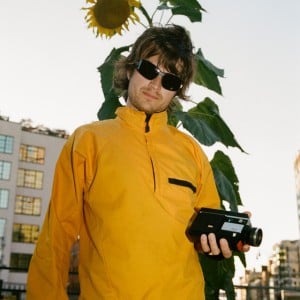
Djo
Artist
New album The Crux out now
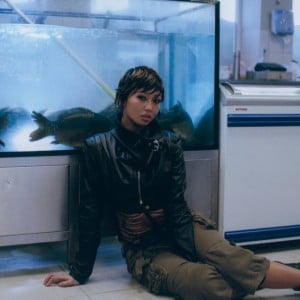
beabadoobee
Artist
This Is How Tomorrow Moves, my 3rd album <3 out now !!
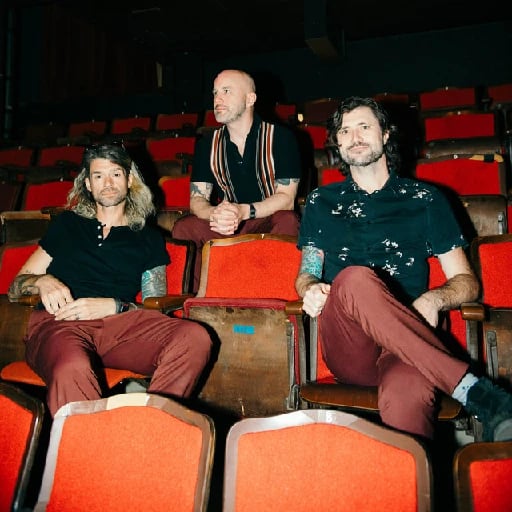
Taking Back Sunday
Artist

Modern Baseball
Artist

Louder Than Bombs
Album · The Smiths
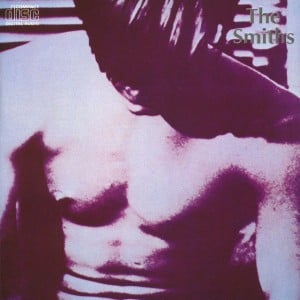
The Smiths
The Smiths' self-titled debut is a cornerstone of indie rock. Morrissey's poignant lyrics and Johnny Marr's jangly guitar riffs create a sound that's both melancholic and uplifting. It's a quintessential album for anyone exploring the sound of 80s alternative music, influencing countless bands that followed.
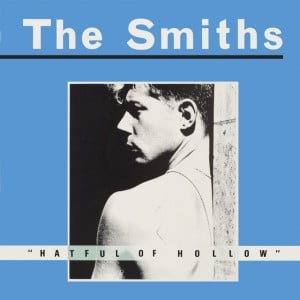
Hatful of Hollow
"Hatful of Hollow" is a compilation album by The Smiths that captures their early sound through BBC Radio 1 sessions and singles. It's a great showcase of their vibrant guitar pop and Morrissey's witty, melancholic lyrics, before they achieved massive fame. A must-have for any fan of The Smiths!
New
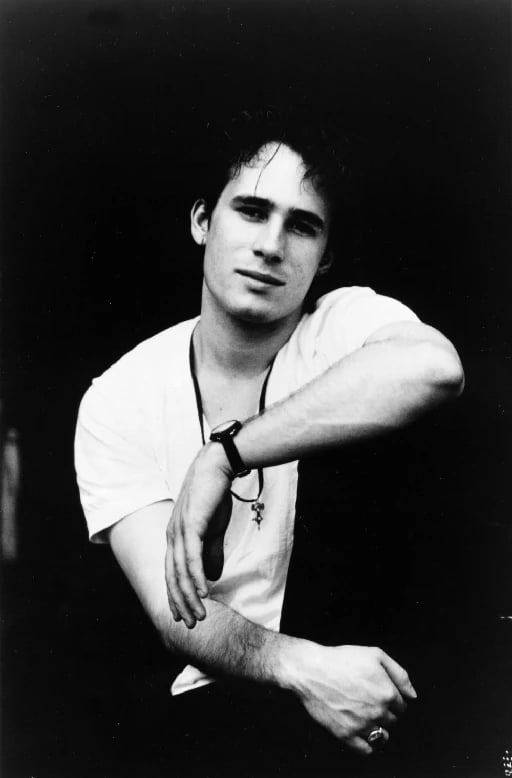
Jeff Buckley
Artist
Uncategorized
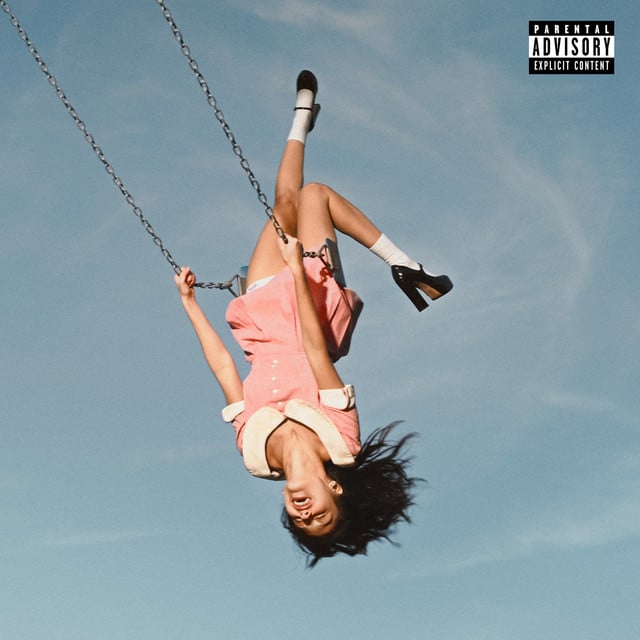
you seem pretty sad for a girl so in love
Album · Olivia Rodrigo

Bad Moon Rising
Song · Creedence Clearwater Revival
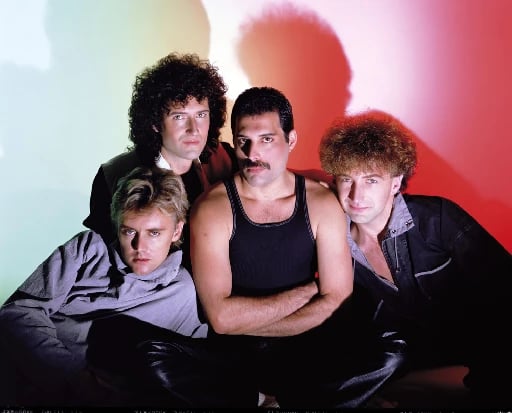
Queen
Artist
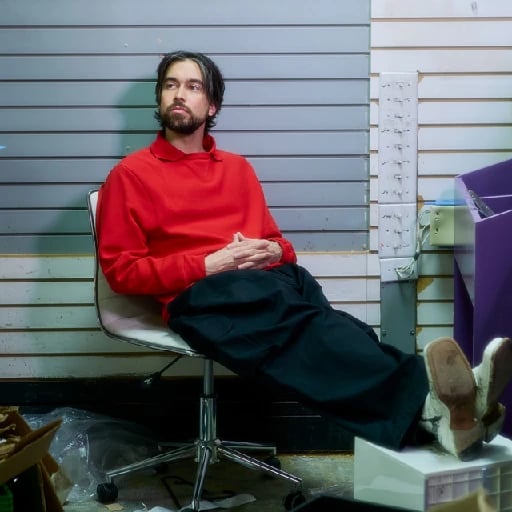
Alex G
Artist

clairo 𐙚
artist
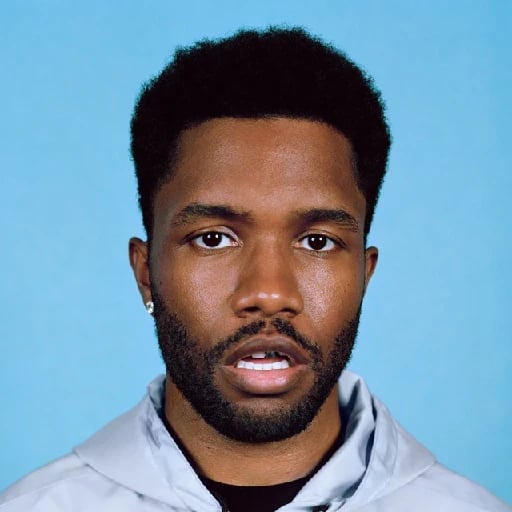
frank ocean ✩
artist

laufey 𐙚
artist

olivia rodrigo 𐙚
artist

mitski 𐙚
artist
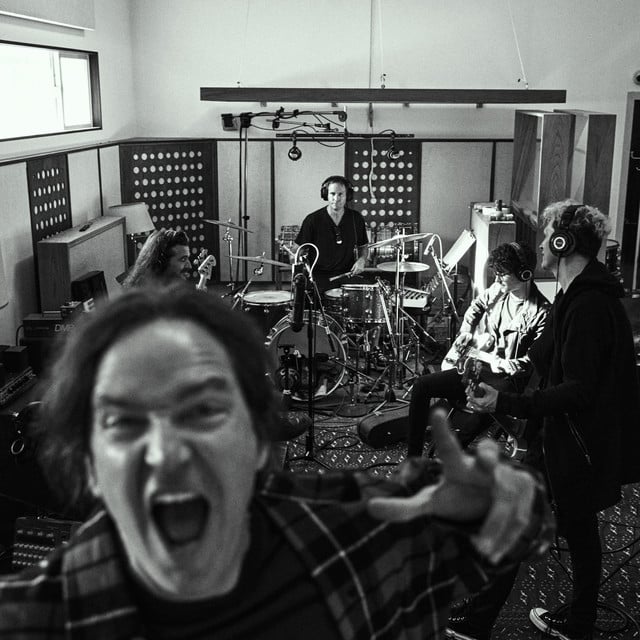
Third Eye Blind
Artist
Daniel Caesar
Artist
Daniel Caesar’s first chapter unfolded in a suburb of Toronto, where he was born to Bajan and Jamaican parents and raised listening to soul and gospel music while singing in front of his father’s church congregation. The singer and songwriter left home at 17 to pursue his calling as a musical artist. Caesar independently released his first two EPs, Praise Break (2014) and Pilgrim’s Paradise (2017), to widespread praise—the first of which landed at #19 on Rolling Stone’s list of “20 Best R&B Albums of 2014.” However, it was his 2017 debut album, Freudian, that marked him as one of this generation’s most exciting artists to watch—the album went on to be nominated for two GRAMMY Awards (“Best R&B Album” and “Best R&B Performance” for “Get You”), and the following year, Caesar took home the award for “Best R&B Performance” for his breakout hit, “Best Part.” The GRAMMY Award-winning and Juno Award-winning artist soon followed this early success with his critically acclaimed sophomore album, Case Study 01 (2019), and most recently his multi-platinum, worldwide hit, “Peaches” with Justin Bieber and Giveon (2021). Amassing over 5 billion streams across his catalogue and over 31 million monthly listeners, Caesar currently ranked the 79th “Most Listened To Artist in the World” and top 10 “Most Streamed Canadian Artists of All Time” on Spotify. Now, Daniel Caesar gears up for his next chapter, as he continues to redefine what R&B can be, while quietly overtaking the mainstream.

The Neighbourhood
Artist
Since 2011, California quintet The Neighbourhood, with <a href="spotify:artist:4as3khXWaPjfkFdCA0JWMo" data-name="Jesse">Jesse</a> Rutherford (vocals), Zach Abels (guitar), Jeremy Freedman (guitar), Mikey Margott (bass), and Brandon Fried (drums), have zigged and zagged past conventions and expectations. Following the success of their platinum-selling debut <a href="spotify:album:4xkM0BwLM9H2IUcbYzpcBI" data-name="I Love You.">I Love You.</a> and lead single "<a href="spotify:track:2QjOHCTQ1Jl3zawyYOpxh6" data-name="Sweater Weather">Sweater Weather</a>," they worked with everyone from <a href="spotify:artist:0A0FS04o6zMoto8OKPsDwY" data-name="YG">YG</a> to <a href="spotify:artist:6fxyWrfmjcbj5d12gXeiNV" data-name="Denzel Curry">Denzel Curry</a>, graced top festivals like Coachella, and appeared on late-night television. With 2018's third album, <a href="spotify:album:0ODLCdHBFVvKwJGeSfd1jy" data-name="Hard To Imagine The Neighbourhood Ever Changing">Hard To Imagine The Neighbourhood Ever Changing</a>, the band pushed past mere commercial success with over 1 billion streams and views, and earned critical acclaim. So, what’s next? Instead of stealing away to a remote locale or exotic hideaway, Jesse Rutherford has retreated inward. Under silver paint and grills, Chip Chrome introduces himself on the band's fourth full-length, <a href="spotify:album:4uNgt1uQs6wZRm4giB3shX" data-name="Chip Chrome & The Mono-Tones">Chip Chrome & The Mono-Tones</a>. Big questions remain. Is this still The Neighbourhood? Are Chip and Jesse the same person? In fact, Chip has always been behind-the-scenes. He stepped into the spotlight on the 2019 single "<a href="spotify:track:4e8zIDjctZ1DtUPZTraGzS" data-name="Middle of Somewhere">Middle of Somewhere</a>." "I wanted to do something totally new,” Jesse revealed. “We had a plan to do a music video for 'Middle of Somewhere,' and I showed up in spandex and paint! Chip was a way for me to say, 'I'm going to do me. You're not going to stop me.'" “Chip Chrome & The Mono-Tones helped define my voice,” Jesse added. “The more I hear it, the more I think 'This is totally a Neighbourhood record.'”
Maya Hawke
Artist
No doubt
Artist

The Offspring
Artist
Green Day
Artist

The White Stripes
Artist
With their unlikely but fascinating mix of arty concepts and raw sounds, the White Stripes were among the leaders of the early-2000s garage rock revival and helped define the sound of 21st century rock as the decade progressed. <a href="spotify:artist:4FZ3j1oH43e7cukCALsCwf">Jack</a> and Meg White's clever use of limitations -- from their lineup to their instrumentation to their red, white, and black color scheme -- maximized their creativity, allowing them to bring a surprising number of facets to their seemingly back-to-basics approach. Meg's straight-ahead, minimalist drumming complemented <a href="spotify:artist:4FZ3j1oH43e7cukCALsCwf">Jack</a>'s freewheeling guitars and vocals perfectly, and their music touched on not only on obvious forebears such as <a href="spotify:artist:5tcr1ujTO3Q0WH2wkY7RWh">the Gories</a> and <a href="spotify:artist:4BFMTELQyWJU1SwqcXMBm3">the Stooges</a>, but also <a href="spotify:artist:15oeqKO5k5uZ5773tWvpda">Son House</a> and <a href="spotify:artist:4vRyd1UZ8Eq98EppbwOBg6">Blind Willie McTell</a>'s mythic blues, <a href="spotify:artist:36QJpDe2go2KgaRleHCDTp">Led Zeppelin</a>'s riffs, <a href="spotify:artist:3Un18X4NF1bpjgUk44lUzn">the Gun Club</a>'s unhinged punk, and the timeless storytelling of country and folk legends such as <a href="spotify:artist:1FE0rls8gfQT3laAeRYNgl">Loretta Lynn</a> and <a href="spotify:artist:74ASZWbe4lXaubB36ztrGX">Bob Dylan</a>. The breadth of their sound and their fondness for mystique -- they said the Dutch design movement De Stijl was as an important an influence on them as any musician, and claimed to be siblings even though they were actually a married couple until 2000 -- gave the White Stripes more staying power than many of their contemporaries. As they grew from a pair of Detroit kids on 1999's The White Stripes to international rock stars responsible for a trio of Grammy-winning albums (2003's Elephant, 2005's Get Behind Me Satan, and 2007's Icky Thump), they always remained true to their ideals. Born and raised in Detroit, <a href="spotify:artist:4FZ3j1oH43e7cukCALsCwf">Jack White</a> -- then known as Jack Gillis -- began playing drums as a child and picked up guitar in high school. When he was a senior, he met Meg White at the restaurant where she worked, and the pair struck up a friendship. While running his upholstery business, Gillis also played drums for bands such as the country outfit <a href="spotify:artist:09RNiiqzkrUDctiZqdXXnk">Goober & the Peas</a>, <a href="spotify:artist:1ptqwUZf1OJlZNrSJIdLVG">the Go</a>, and <a href="spotify:artist:7jKdcTLxl5PvTJ27fxQRwh">the Hentchmen</a>. He and White married in 1996, with <a href="spotify:artist:4FZ3j1oH43e7cukCALsCwf">Jack</a> taking Meg's surname. The couple became a band in 1997 when they jammed that Bastille Day with <a href="spotify:artist:4FZ3j1oH43e7cukCALsCwf">Jack</a> on guitar and vocals and Meg on drums. Naming themselves after Meg's love of peppermints, they made their live debut in August 1997 at the Gold Dollar bar, joining an underground garage rock scene that also included <a href="spotify:artist:5tcr1ujTO3Q0WH2wkY7RWh">the Gories</a> and <a href="spotify:artist:4wPKtZH8mW0PdLeWPneweb">the Dirtbombs</a>. The band soon connected with Dave Buick, owner of the Detroit garage rock label <a href="spotify:search:label%3A%22Italy+Records%22">Italy Records</a>, who released the White Stripes' first single "Let's Shake Hands" in February 1998 as a seven-inch with an initial run of 1,000 copies. That October, the single "Lafayette Blues" followed, and tours with <a href="spotify:artist:3inCNiUr4R6XQ3W43s9Aqi">Pavement</a> and <a href="spotify:artist:4wLIbcoqmqI4WZHDiBxeCB">Sleater-Kinney</a> helped the duo earn a national following. After signing to <a href="spotify:search:label%3A%22Sympathy+for+the+Record+Industry%22">Sympathy for the Record Industry</a>, the band released the single "The Big Three Killed My Baby" in March 1999. Recorded at Jim Diamond's Ghetto Recorders studio in Detroit and produced by <a href="spotify:artist:4FZ3j1oH43e7cukCALsCwf">Jack White</a>, the White Stripes' self-titled debut album appeared that June and was dedicated to blues icon <a href="spotify:artist:15oeqKO5k5uZ5773tWvpda">Son House</a>. The album made a fan of legendary BBC DJ John Peel, whose support helped the band gain fans in the U.K. The duo closed the year by releasing "Hand Springs," a split single with <a href="spotify:artist:4wPKtZH8mW0PdLeWPneweb">the Dirtbombs</a> that came with the pinball fanzine Multiball. For their raw second album, 2000's De Stijl, the White Stripes recorded themselves on an 8-track in <a href="spotify:artist:4FZ3j1oH43e7cukCALsCwf">Jack</a>'s living room. Taking the album's name from the early 20th century Dutch aesthetic movement, the band dedicated De Stijl to the style's founder, designer Gerrit Rietveld, and <a href="spotify:artist:4vRyd1UZ8Eq98EppbwOBg6">Blind Willie McTell</a>. Late that year, the White Stripes released Party of Special Things to Do, a <a href="spotify:search:label%3A%22Sub+Pop%22">Sub Pop</a> single featuring three <a href="spotify:artist:2ebK4ueGwhVaXUm060m1BS">Captain Beefheart</a> covers. It was with their next album, 2001's White Blood Cells, that the White Stripes established themselves as leaders of the garage rock revival. Recorded in Memphis with renowned producer Doug Easley, it marked the first time the band had worked in a 24-track studio (as well as their first album to be mastered in the studio), but it was recorded in just four days to avoid sounding too polished. Featuring the single "Fell in Love with a Girl" -- which boasted a clever, Lego-animated video by Michel Gondry that won the 2002 MTV Video Awards for Breakthrough Video, Best Special Effects, and Best Editing -- White Blood Cells was a critical and commercial smash. The album eventually went platinum, and the White Stripes appeared on Late Night with David Letterman and the MTV Movie Awards program; meanwhile, their music was profiled in Time, The New Yorker, and Entertainment Weekly. That year, <a href="spotify:artist:4FZ3j1oH43e7cukCALsCwf">Jack White</a> also founded his own label, <a href="spotify:search:label%3A%22Third+Man+Records%22">Third Man Records</a>, whose name paid homage to the classic <a href="spotify:artist:3OMNuqaefKpUsINmjY7Hlq">Orson Welles</a> film as well as White's upholstery business. To accommodate their swell in popularity, the White Stripes moved to a major label. After signing to <a href="spotify:search:label%3A%22V2%22">V2</a>, the label reissued White Blood Cells in January 2002, and the previous two records in June. To make their fourth album, the band decamped to London to work at engineer Liam Watson's Toe Rag Studios, choosing it for its wealth of vintage analog equipment. Recorded in less than two weeks, 2003's Elephant explored "the death of the sweetheart" and received unanimous critical acclaim and platinum sales in several countries upon its release. The album won the 2004 Grammy Award for Best Alternative Album, while its lead single, "Seven Nation Army," won the Grammy for Best Rock song (and later became an internationally popular jock jam at sporting events). Also in 2003, <a href="spotify:artist:4FZ3j1oH43e7cukCALsCwf">Jack White</a> made his film debut in Anthony Minghella's Cold Mountain and performed five songs on its <a href="spotify:artist:4zMX9gWf1DKhvsYHUCbBF7">T-Bone Burnett</a>-produced soundtrack. While many garage rock revivalists fell by the wayside as the 2000s continued, the White Stripes proved to be an enduring presence. On 2005's dizzyingly diverse Get Behind Me Satan -- which, in keeping with the band's feverish pace, they wrote and recorded in two weeks -- they experimented with disco-metal and marimba-driven pop. Like its predecessor, it won the Grammy Award for Best Alternative Album. During the Get Behind Me Satan tour, the Stripes covered <a href="spotify:artist:5e1BZulIiYWPRm8yogwUYH">Tegan and Sara</a>'s "Walking with a Ghost" and released the song as a single at the end of 2005. That year, <a href="spotify:artist:4FZ3j1oH43e7cukCALsCwf">Jack White</a> and his second wife, singer/model <a href="spotify:artist:0XKPHX4BZDrtSEr3Pd1Q4k">Karen Elson</a>, moved to Nashville, Tennessee. After relocating, White formed <a href="spotify:artist:4wo1267SJuUfHgasdlfNfc">the Raconteurs</a> with <a href="spotify:artist:2Ij97fuR3unjlboQfIYs31">Brendan Benson</a> and <a href="spotify:artist:7sPZakwiHQUWkG1teFE8zv">the Greenhornes</a>' Jack Lawrence and Patrick Keeler, and spent much of 2006 touring in support of the group's debut album, Broken Boy Soldiers. <a href="spotify:artist:4FZ3j1oH43e7cukCALsCwf">Jack White</a> continued to juggle his responsibilities as he performed with several bands, produced albums for other artists, and made forays into cinema. However, the White Stripes remained a vital commercial and critical presence. Early in 2007, the band moved to <a href="spotify:search:label%3A%22Warner+Bros.%22">Warner Bros.</a>, which released their sixth and final album, Icky Thump, that June. Recorded at Nashville's Blackbird Studio over the course of three weeks -- the longest sessions of the band's career -- the album also included the first-ever Stripes songs with bagpipes and mariachi horns. Upon its release, Icky Thump topped the U.K. Albums Chart; in the U.S., it entered the Billboard 200 at number two and was certified gold by July 2007. After finishing a cross-country tour of Canada, the band played a handful of U.S. shows before canceling all future tour dates that September due to Meg White's anxiety issues. Early the following year, Icky Thump won the Best Alternative Album at the 2008 Grammy Awards, while the title track scored the award for Best Rock Performance by a Duo or Group with Vocal. In February 2009, <a href="spotify:artist:4FZ3j1oH43e7cukCALsCwf">Jack</a> and Meg reunited for their final live performance as the White Stripes on the last episode of Late Night with Conan O'Brien. During this time, <a href="spotify:artist:4FZ3j1oH43e7cukCALsCwf">Jack White</a> remained busy with several projects. These included <a href="spotify:artist:4wo1267SJuUfHgasdlfNfc">the Raconteurs</a>' 2008 second album Consolers of the Lonely and establishing <a href="spotify:search:label%3A%22Third+Man+Records%22">Third Man Records</a>' first physical location in Nashville, which included the label's offices, a record store, a performance area and screening room. At the site's launch in March 2009, White debuted another band, <a href="spotify:artist:4AZab8zo2nTYd7ORDmQu0V">the Dead Weather</a>. Featuring <a href="spotify:artist:5BYuBzqmTXwUDw2rYkwExr">the Kills</a>' <a href="spotify:artist:5rexG906fVLfq8H9m8J9P9">Alison Mosshart</a>, <a href="spotify:artist:4pejUc4iciQfgdX6OKulQn">Queens of the Stone Age</a> guitarist Dean Fertita, and his <a href="spotify:artist:4wo1267SJuUfHgasdlfNfc">Raconteurs</a> bandmate Lawrence, the band's debut album Horehound appeared a few months later. That year, he appeared in the guitar-themed documentary It Might Get Loud, and produced <a href="spotify:artist:0XKPHX4BZDrtSEr3Pd1Q4k">Elson</a>'s album The Ghost Who Walks. Under Great White Northern Lights, a film documenting the band's 2007 Canadian tour, premiered at the 2009 Toronto Film Festival. The DVD of the film and a companion album of the same name were issued in 2010, while the duo's first three albums were reissued on vinyl by <a href="spotify:search:label%3A%22Third+Man+Records%22">Third Man Records</a> that year. In February 2011, <a href="spotify:artist:4FZ3j1oH43e7cukCALsCwf">Jack</a> and Meg White officially announced they would no longer record or perform as the White Stripes. The following year, <a href="spotify:artist:4FZ3j1oH43e7cukCALsCwf">Jack White</a> began his solo career with his debut album, Blunderbuss. In 2015, he brought <a href="spotify:search:label%3A%22Third+Man+Records%22">Third Man Records</a> back to where it all began, establishing a Detroit location that included a vinyl pressing plant as well as a record store and venue. During the 2010s, <a href="spotify:search:label%3A%22Third+Man%22">Third Man</a> released reissues of the White Stripes' albums and singles, as well as archival releases such as 2017's Complete John Peel Sessions. In December 2020, The White Stripes Greatest Hits became the band's first best-of collection. The compilation was also released as part of <a href="spotify:search:label%3A%22Third+Man+Records%22">Third Man Records</a>' subscription program with different artwork and a collection of B-sides. ~ Andrew Leahey & Heather Phares, Rovi

AC/DC
Artist

Black Sabbath
Artist
A metal institution whose influence cannot be overstated, Black Sabbath pioneered the genre as they constructed the framework for subsequent subgenres within metal, with entire movements rising from blueprints laid out in single Sabbath songs. From the end of the '60s and throughout the entirety of the '70s, the band became legendary for the doomy chemistry between its players: <a href="spotify:artist:6ZLTlhejhndI4Rh53vYhrY">Ozzy Osbourne</a>'s primal vocals, <a href="spotify:artist:7iA7uWUkWLpapsaaqmzRQV">Tony Iommi</a>'s seismic riffing, <a href="spotify:artist:5auXJ86A1atk0EyHgSl1zs">Bill Ward</a>'s bluntly powerful drumming, and <a href="spotify:artist:3Ezdddx6OeiOX7xLtfG48W">Geezer Butler</a>'s thunderous basslines all congealed into a sinister breed of hard rock and occult-fixated songcraft the world had never heard before. This untouchable original lineup was responsible for metal masterpieces like 1970's Paranoid, but when they splintered in 1979, Black Sabbath soldiered on with a cast of various, different singers while <a href="spotify:artist:6ZLTlhejhndI4Rh53vYhrY">Osbourne</a> applied his prince of darkness persona to a successful solo career that would span decades. There were various reunions and partial re-formations of the first Black Sabbath lineup, aiming to recapture some of their early evil energy on later period outings like 2013's 13. The band formed in 1968 under the ill-fitting name the Polka Tulk Blues Band -- <a href="spotify:artist:7iA7uWUkWLpapsaaqmzRQV">Iommi</a> and <a href="spotify:artist:5auXJ86A1atk0EyHgSl1zs">Ward</a>, who had just left the pub-blues outfit Mythology, were looking to take the genre in a more robust direction. They enlisted the services of <a href="spotify:artist:3Ezdddx6OeiOX7xLtfG48W">Butler</a> and <a href="spotify:artist:6ZLTlhejhndI4Rh53vYhrY">Osbourne</a>, both of whom had played together in a group called Rare Breed, and by the end of the year they were operating under the moniker Earth. The transition from Earth to Black Sabbath took place the following year, after <a href="spotify:artist:6ZLTlhejhndI4Rh53vYhrY">Osbourne</a> and <a href="spotify:artist:3Ezdddx6OeiOX7xLtfG48W">Butler</a> penned a song that was inspired by the 1963 <a href="spotify:artist:1W9sjfsJp3TqWFgvScMZdG">Boris Karloff</a> horror film of the same name. The resulting "Black Sabbath," a funereal slab of blast furnace-forged dread built around the augmented fourth/tritonic interval, better known as the devil's interval, would serve as the opening volley on their explosive eponymous 1970 debut. Released on <a href="spotify:search:label%3A%22Vertigo+Records%22">Vertigo Records</a>, the more progressive subsidiary of <a href="spotify:search:label%3A%22Philips%2FPhonogram%22">Philips/Phonogram</a>, the bulk of the Rodger Bain-produced LP was recorded in a single day. Only a handful of guitar overdubs -- <a href="spotify:artist:7iA7uWUkWLpapsaaqmzRQV">Iommi</a>'s signature sound was lent considerable gravitas by the fact that he tuned his guitar a half-step down to provide some slack for a pair of fingers that saw their tips removed in a factory accident -- along with the rain, thunder, and tolling bells that so effectively introduced the group to the world, would be added later. The record was released on Friday the 13th, which helped kick-start the band's reputation for populating the fertile crime scene that is history with plenty of blood spatter. Flush with eventual genre classics like "The Wizard," "N.I.B.," and the aforementioned title cut, Black Sabbath was initially dismissed by critics -- retrospective reviews were far more reverent -- but it managed to reach the U.K. Top Ten and hold court for over a year on the U.S. Top 40, eventually going certified platinum. With the surprise success of Black Sabbath, the band wasted little time in getting back into the studio. Released just seven months after their debut, Paranoid, the very antithesis of the sophomore slump, would spawn two of their biggest singles in "Iron Man" and the nervy, hard-hitting title track, the latter of which would be the band's only Top Ten hit -- the LP went straight to the top of the U.K. charts and sold over four-million copies in the U.S. Deeper yet no less immediate cuts like the air-raid siren-led, politically charged "War Pigs" and the trippy, mellow doom anthem "Planet Caravan" revealed a group that had far more creative gas in the tank than its detractors would have cared to admit. Paranoid also afforded Sabbath their first measure of controversy after an inquest was made regarding an American nurse who committed suicide while listening to the LP; for many, the name Black Sabbath would become synonymous with Satanism throughout the '70s and '80s. Sabbath continued to blow the unholy horn of plenty with albums three and four. Released in 1971, the brutish Master of Reality was certified double-platinum on the strength of fan favorites like "Sweet Leaf," "Children of the Grave," and "Into the Void," the latter two of which saw <a href="spotify:artist:7iA7uWUkWLpapsaaqmzRQV">Iommi</a> downtune three semitones in order to release even more string tension -- <a href="spotify:artist:3Ezdddx6OeiOX7xLtfG48W">Butler</a> followed suit, and the deep earth pummeling that followed has been widely cited as the auger of sludge, doom, and stoner metal. The LP also featured the <a href="spotify:artist:7iA7uWUkWLpapsaaqmzRQV">Iommi</a>-composed/<a href="spotify:artist:3Ezdddx6OeiOX7xLtfG48W">Butler</a>-penned "After Forever" which, much to the confusion of some of the band's more zealous critics, reflected the bass player's deep Catholic faith. Vol. 4, recorded in Los Angeles, arrived the following year and was the first Sabbath outing without Rodger Bain handling production duties -- <a href="spotify:artist:7iA7uWUkWLpapsaaqmzRQV">Iommi</a> and then-manager Patrick Meehan would co-produce the album. Certainly the group's most ambitious outing to date, Vol. 4 also represented Black Sabbath at their most chemically dependent -- the album's working title was Snowblind -- shipping in speaker boxes filled with cocaine, and turning their rented Bel Air house into a boozy black cauldron of rock star excess. Nevertheless, they managed to stay just-in-control long enough to piece together a dark, introspective gem of a record that didn't spawn any hits -- the caustic riff-gasm that is "Supernaut" must have charted in some other more forgiving dimension -- but still topped the album charts. Vol. 4 dutifully reflected Sabbath's debauched collective headspace at the time, but retained enough of the blue-collar might that fueled their early works to connect. Arriving in 1973, Sabbath Bloody Sabbath was another success, doubling down on the more progressive elements of Vol. 4, even going so far as to tap <a href="spotify:artist:0mkcYaXUbJUs5mJointuzB">Rick Wakeman</a> from <a href="spotify:artist:7AC976RDJzL2asmZuz7qil">Yes</a> to contribute keyboards to the track "Sabbra Cadabra." Bolstered by the now-iconic title cut as well as the punishing "Killing Yourself to Live," the LP not only resonated with fans, but elicited positive comments from mainstream critics as well, becoming Sabbath's fifth platinum album in the U.S. and earning their first silver certification in the U.K. Sabotage, released in 1975, saw the band returning to the bottom-heavy, molten-metal attack of their debut, for the most part dialing back on the orchestral flourishes and studio trickery of their last two outings. It also arrived in the midst of contentious litigation between the band and its now-former manager Meehan. Between the bruising "Hole in the Sky," the angst-fueled "Symptom of the Universe," and the nearly nine-minute epic "The Writ," the band sounded both reinvigorated and wrecked, like a bloodied beast, filled with bullets, standing on the corpse of its captor. Fans and critics were kind, but the musical climate was changing both at home and abroad, and Black Sabbath were beginning to feel the chill. By 1976 the band was undergoing an internal struggle as well, having to contend with an increasingly frustrated and chemically dependent frontman who was looking to strike out on his own. Technical Ecstasy (1976) and Never Say Die! (1978), despite going gold, suffered beneath the weight of both the band's substance abuse issues and its increasingly diminished position in popular music. Bands like <a href="spotify:artist:3RGLhK1IP9jnYFH4BRFJBS">the Clash</a> and <a href="spotify:artist:1u7kkVrr14iBvrpYnZILJR">the Sex Pistols</a> were on the rise, and Sabbath's brand of stalwart heavy blues-rock was losing favor. During the recording of Never Say Die!, <a href="spotify:artist:6ZLTlhejhndI4Rh53vYhrY">Osbourne</a> quit, eventually making his way back into the fold during the final sessions, but in 1979, after touring in support of the album, he was fired from the group for good. <a href="spotify:artist:6ZLTlhejhndI4Rh53vYhrY">Osbourne</a>'s departure and successful solo career may have signaled the end of an era for the group, but Black Sabbath weren't about to go gently into that good night. At the suggestion of the band's new manager's daughter Sharon Arden (later to become Sharon Osbourne), <a href="spotify:artist:7iA7uWUkWLpapsaaqmzRQV">Iommi</a>, <a href="spotify:artist:3Ezdddx6OeiOX7xLtfG48W">Butler</a>, and <a href="spotify:artist:5auXJ86A1atk0EyHgSl1zs">Ward</a> brought in ex-<a href="spotify:artist:6SLAMfhOi7UJI0fMztaK0m">Rainbow</a> frontman <a href="spotify:artist:4M3c7tg4BzLQ5pIOupZL65">Ronnie James Dio</a> to take over vocal duties. <a href="spotify:artist:4CYeVo5iZbtYGBN4Isc3n6">Dio</a>'s powerful voice, as idiosyncratic and iconic as <a href="spotify:artist:6ZLTlhejhndI4Rh53vYhrY">Osbourne</a>'s but with a far more wholesale appeal, proved the perfect fit for Black Sabbath 2.0. Released in 1980, Heaven and Hell was a critical and commercial success, becoming their third-highest-selling LP after Paranoid and Master of Reality. That same year, while on tour, <a href="spotify:artist:5auXJ86A1atk0EyHgSl1zs">Ward</a> had reached the apex of his alcoholism and announced that he too was leaving the group. <a href="spotify:artist:2yz2Hp6i6oqcHlzSez1P5y">Vinny Appice</a>, the younger brother of legendary <a href="spotify:artist:0vIMq3W8V63uR4Ymgm2pF1">Vanilla Fudge</a> drummer <a href="spotify:artist:0kjCvirhAHq3JMex6bqEBZ">Carmine Appice</a>, was brought in to replace him, and would appear on the group's tenth studio outing, 1981's Mob Rules. The album received mixed reviews, but still managed to go gold in the U.S. and crack the U.K. Top 40 on the strength of the fiery title track, which also appeared -- in a different version -- in the cult animated, adult-fantasy film Heavy Metal. The band's first-ever concert album, Live Evil, was released in 1983. Recorded during the group's 1982 tour in support of Mob Rules, it presented an audio snapshot of the band at the peak of its technical powers, but failed to capture the internal tensions that were bubbling beneath all of the pick slides and pyrotechnics. Citing an irreconcilable falling out with <a href="spotify:artist:7iA7uWUkWLpapsaaqmzRQV">Iommi</a> and <a href="spotify:artist:3Ezdddx6OeiOX7xLtfG48W">Butler</a>, <a href="spotify:artist:4CYeVo5iZbtYGBN4Isc3n6">Dio</a> and <a href="spotify:artist:2yz2Hp6i6oqcHlzSez1P5y">Appice</a> left the group in the middle of mixing the album and formed their own band. With the newly minted <a href="spotify:artist:4CYeVo5iZbtYGBN4Isc3n6">Dio</a> issuing Holy Diver and <a href="spotify:artist:6ZLTlhejhndI4Rh53vYhrY">Osbourne</a> dropping his third chart-topping solo LP, Bark at the Moon, Black Sabbath were at a definite crossroads. Undeterred, <a href="spotify:artist:7iA7uWUkWLpapsaaqmzRQV">Iommi</a> and <a href="spotify:artist:3Ezdddx6OeiOX7xLtfG48W">Butler</a> immediately began looking for new members with whom to start up the old machinery, eventually settling on <a href="spotify:artist:568ZhdwyaiCyOGJRtNYhWf">Deep Purple</a>'s <a href="spotify:artist:4QCflfSOonkybNw5D7GqGk">Ian Gillan</a> on vocals and a freshly sober <a href="spotify:artist:5auXJ86A1atk0EyHgSl1zs">Bill Ward</a> behind the kit. While it sold well initially, the resulting Born Again was a critical failure, a tone-deaf collection of subpar Sabbath tropes that would ultimately leave <a href="spotify:artist:7iA7uWUkWLpapsaaqmzRQV">Iommi</a> the last man standing. Even the tour in support of the album was a disaster, with <a href="spotify:artist:5auXJ86A1atk0EyHgSl1zs">Ward</a>, who relapsed during recording, being replaced by <a href="spotify:artist:2BLpGstUHxDc6vHfBEiaXm">Move</a>/<a href="spotify:artist:7jefIIksOi1EazgRTfW2Pk">ELO</a> drummer Bev Bevan, and a cringe-inducing prop malfunction providing the inspiration for the 1984 mockumentary This Is Spinal Tap's now-classic Stonehenge sequence. After the tour Bevan left, <a href="spotify:artist:4QCflfSOonkybNw5D7GqGk">Gillan</a> rejoined <a href="spotify:artist:568ZhdwyaiCyOGJRtNYhWf">Deep Purple</a>, and <a href="spotify:artist:3Ezdddx6OeiOX7xLtfG48W">Butler</a> went solo, leaving <a href="spotify:artist:7iA7uWUkWLpapsaaqmzRQV">Iommi</a> no choice but to put the band on hiatus. What followed was a long period of near-constant personnel changes, with <a href="spotify:artist:7iA7uWUkWLpapsaaqmzRQV">Iommi</a> remaining the sole original member. Issued in 1986, the bluesy Seventh Star was, for all intents and purposes, an <a href="spotify:artist:7iA7uWUkWLpapsaaqmzRQV">Iommi</a> solo album -- record company pressure forced him to add the Black Sabbath moniker to the front cover -- and 1987's Eternal Idol was the first to feature new semi-permanent vocalist <a href="spotify:artist:0i9DZzWDuQ7SvAgp3zoawd">Tony Martin</a>. Hard rock heavyweight drummer <a href="spotify:artist:6jJkOaQBQsEBBqvavgdHQT">Cozy Powell</a> joined <a href="spotify:artist:7iA7uWUkWLpapsaaqmzRQV">Iommi</a> and <a href="spotify:artist:0i9DZzWDuQ7SvAgp3zoawd">Martin</a> on 1989's Headless Cross and 1990's Viking-themed concept album Tyr, but none of the initial post-Born Again LPs had much of an impact critically or commercially. Once again, the musical paradigm was shifting away from the hard rock/heavy metal genre, and Sabbath were just trying to stay afloat. The generally well-received Dehumanizer, a Heaven and Hell/Mob Rules-era reunion with <a href="spotify:artist:3Ezdddx6OeiOX7xLtfG48W">Butler</a>, <a href="spotify:artist:4CYeVo5iZbtYGBN4Isc3n6">Dio</a>, and <a href="spotify:artist:2yz2Hp6i6oqcHlzSez1P5y">Vinny Appice</a>, provided the Black Sabbath name with a much-needed shot in the arm in 1992, and managed to sneak them back into the Top 40 both at home and overseas, but it would prove to be a one-off affair. Arriving in 1994, Cross Purposes kept <a href="spotify:artist:3Ezdddx6OeiOX7xLtfG48W">Butler</a> on board and brought back <a href="spotify:artist:0i9DZzWDuQ7SvAgp3zoawd">Martin</a> on vocals, but it failed to capitalize on any momentum left over from Dehumanizer's success, and the following year's disappointing Forbidden, the band's 18th studio LP, would be the last outing for <a href="spotify:artist:0i9DZzWDuQ7SvAgp3zoawd">Martin</a>, as well as the last studio album from the band for nearly 18 years. <a href="spotify:artist:7iA7uWUkWLpapsaaqmzRQV">Iommi</a>, <a href="spotify:artist:3Ezdddx6OeiOX7xLtfG48W">Butler</a>, <a href="spotify:artist:5auXJ86A1atk0EyHgSl1zs">Ward</a>, and <a href="spotify:artist:6ZLTlhejhndI4Rh53vYhrY">Osbourne</a> would eventually make their way back under the stage lights in 1997, culminating in the release of the Best Metal Performance Grammy Award-winning double-live LP Reunion, but it would be 16 years -- and a whole lot of <a href="spotify:artist:6ZLTlhejhndI4Rh53vYhrY">Ozzy</a>, who was eventually given his own reality television show -- before the band would bring the dark arts back to the recording studio. Released in 2013, the <a href="spotify:artist:1EpmQFTiJbcxzwbLpuUL8L">Rick Rubin</a>-produced 13, which also brought home a Grammy, this time for the single "God Is Dead?," would be Black Sabbath's final album, and in 2015, <a href="spotify:artist:6ZLTlhejhndI4Rh53vYhrY">Osbourne</a>, <a href="spotify:artist:7iA7uWUkWLpapsaaqmzRQV">Iommi</a>, and <a href="spotify:artist:3Ezdddx6OeiOX7xLtfG48W">Butler</a> (<a href="spotify:artist:5auXJ86A1atk0EyHgSl1zs">Ward</a> refused to participate) announced that their upcoming world tour would be their last. The aptly named The End Tour, which concluded in their hometown of Birmingham, saw Black Sabbath closing the coffin lid on a nearly 50-year career and cementing their legacy as the unheralded harbingers of heavy, sludge, stoner, and doom metal. A concert LP/film of the performance was released in 2017. ~ James Christopher Monger & Fred Thomas, Rovi
Metallica
Artist

System Of A Down
Artist
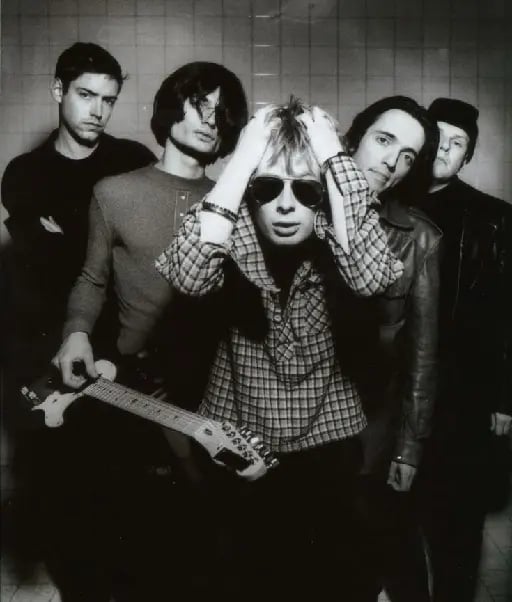
Radiohead
Artist
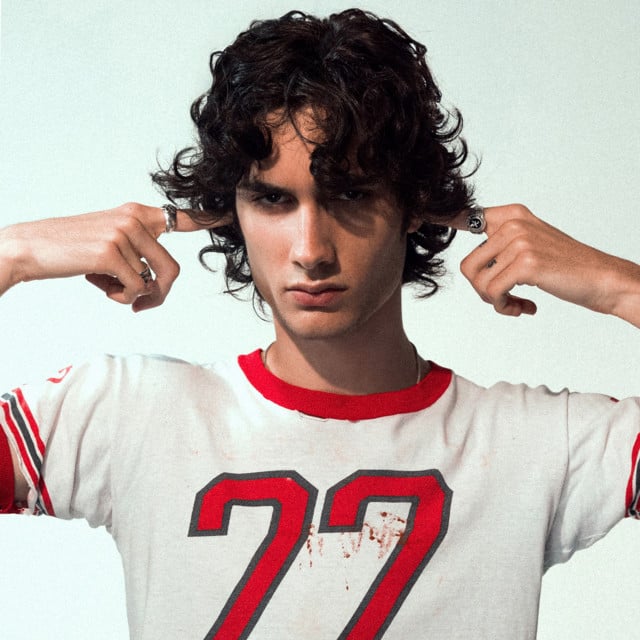
sombr
Artist

The Neighbourhood
Artist

My Chemical Romance
Artist
