my fav artist

Items in this hypelist
Music
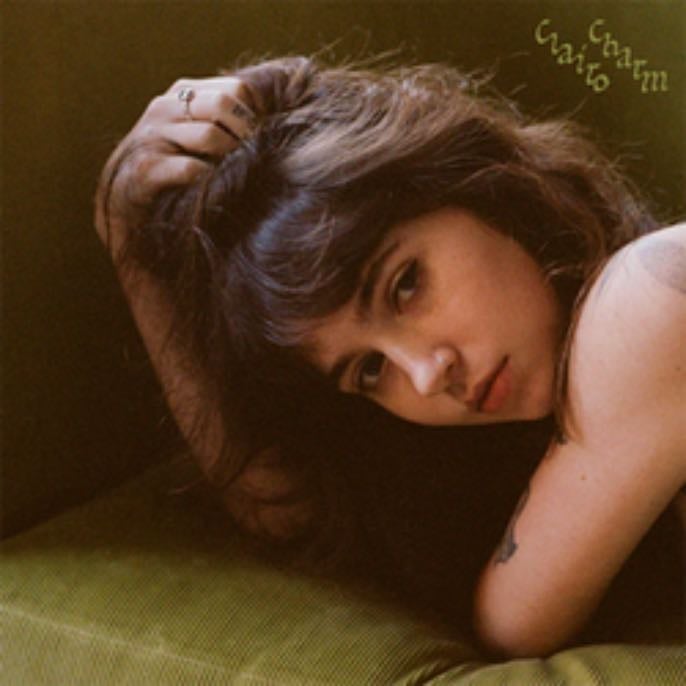
Clairo
Artist
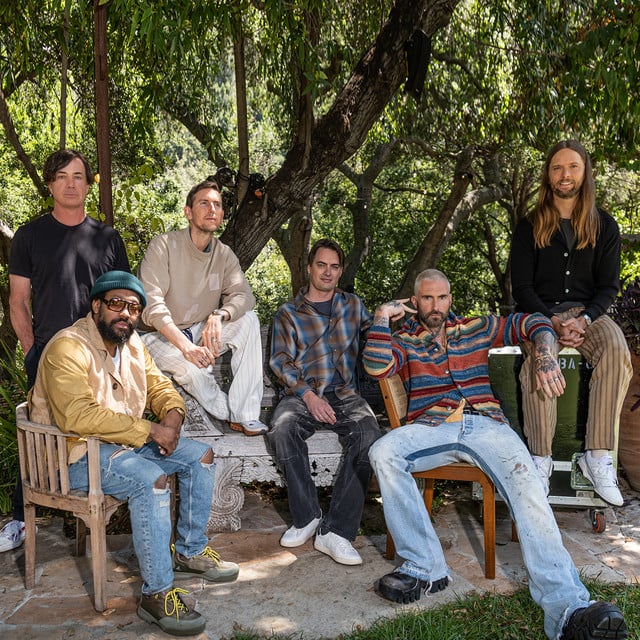
Maroon 5
Artist
Uncategorized
Tate McRae
Artist
Reneé Rapp
Artist
Chappell Roan
Artist
Ariana Grande
Artist
beabadoobee

Lizzy McAlpine
Lizzy McAlpine
Older (and Wiser) is out now 🌟 Come see me on Broadway in Floyd Collins!
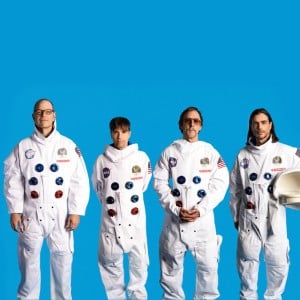
Weezer
Weezer
When Weezer producer (and former Cars frontman) Ric Ocasek first heard Weezer’s demo tape in late 1993, he couldn’t quite figure out where the band was coming from. Musing to <i>Rolling Stone</i> years later, he said it felt a little like metal, but the lyrics were smart and nerdy. The songs were catchy, but the sound was powerful and super loud. He found himself wondering about their hair: Would it be short and studious, or long and rock ’n’ roll?<br> More than 25 years later, Weezer remains something of an enigma, a blend of big, joyful arena rock with shy-guy reticence, goofy humor with obsessively precise pop craft. Where some bands gave it to you live and direct from the heart, Weezer was methodical: One of the band’s early T-shirt designs memorably read, “If it’s too loud, turn it down,” while frontman Rivers Cuomo has proudly described organizing his songs using that most un-rock-'n'-roll of tools: spreadsheets.<br> Formed in California in 1992, the band debuted with 1994’s <i>Weezer</i> (a.k.a. “The Blue Album”), an album whose big hooks (“Say It Ain't So,” “Undone — The Sweater Song”) and sweet disposition (“Buddy Holly”) made it an instant antidote to the angst of grunge. Following a rocky adjustment, they returned in 1996 with <i>Pinkerton</i>, a moody, noisy, self-loathing record that came to be embraced as a cult classic.<br> After a nearly five-year break, during which they slid quietly off the radar (and bassist Matt Sharp left to form The Rentals), the band released 2001’s <i>Weezer</i> (a.k.a. “The Green Album”), igniting a period of factory-like productivity that saw them frequently turning out albums of charming, polished, and slightly eccentric power pop. In 2018, after a six-month Twitter campaign launched by a 14-year-old fan, Weezer released a cover of Toto’s 1982 smash “Africa”—a perfect expression of both their commitment to and their utterly carefree attitude toward their place in the culture. “The lyrics seem like he’s just rambling off the top of his head and they don’t really make sense but nobody seems to mind,” Cuomo told Apple Music. “I’ll spend weeks working on lyrics and it’s like, ‘Maybe people don’t really care.’” It sparked their first covers album, <i>Weezer</i> (a.k.a. “The Teal Album”), which was followed a month later by <i>Weezer</i> (a.k.a. “The Black Album”).
Cigarettes After Sex
Cigarettes After Sex
Ten years ago Greg Gonzalez was having a really rough Valentine’s Day. Freshly heartbroken with no hope of reconciliation, he spent two hours driving from his hometown El Paso to play a show, and he listened to Sade’s “By Your Side” on repeat both ways. “The experience that day stuck in my bones—it was an idea that I couldn’t forget,” says Gonzalez, the frontman of Cigarettes After Sex. “I thought, how do I make a record that feels like that?” With each record—the initial 2012 EP, 2017’s eponymous debut album, and 2019’s Cry— Gonzalez has been faithful to his muse: love. In raw, imagistic vignettes set to entrancing, slow-burn pop songs, Gonzalez captures every emotion a romantic arc inspires. But where previous albums have drawn from an amalgam of relationships, for the most part, their third, eagerly anticipated LP, X’s, centralises on just one relationship that spanned four years.
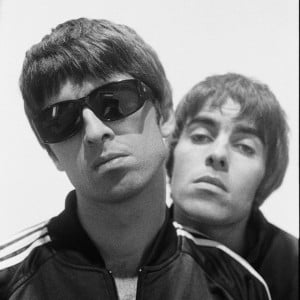
Oasis
Oasis
Oasis shot from obscurity to stardom in 1994, becoming one of Britain's most popular and critically acclaimed bands of the decade in the process. Along with <a href="spotify:artist:7MhMgCo0Bl0Kukl93PZbYS">Blur</a> and <a href="spotify:artist:6PHIK3kjWggLtVygsOtpqS">Suede</a>, they were responsible for returning British guitar pop to the top of the charts. Led by guitarist/songwriter <a href="spotify:artist:6IRQd80VHepXiTXdmBzk6l">Noel Gallagher</a>, the Manchester quintet adopted the rough, thuggish image of <a href="spotify:artist:22bE4uQ6baNwSHPVcDxLCe">the Stones</a> and <a href="spotify:artist:67ea9eGLXYMsO2eYQRui3w">the Who</a>, crossed it with "<a href="spotify:artist:3WrFJ7ztbogyGnTHbHJFl2">Beatlesque</a>" melodies and hooks, injected distinctly British lyrical themes and song structures like <a href="spotify:artist:66U6cJ3kDBat0jS42Jkp9q">the Jam</a> and <a href="spotify:artist:1SQRv42e4PjEYfPhS0Tk9E">the Kinks</a>, and tied it all together with a massive guitar roar, as well as a defiant sneer that drew equally from <a href="spotify:artist:1u7kkVrr14iBvrpYnZILJR">the Sex Pistols</a>' rebelliousness and <a href="spotify:artist:1lYT0A0LV5DUfxr6doRP3d">the Stone Roses</a>' cocksure arrogance. <a href="spotify:artist:6sN51vEARnAAdBw1IKZ8Q9">Gallagher</a>'s songs frequently reworked previous hits from <a href="spotify:artist:3dBVyJ7JuOMt4GE9607Qin">T. Rex</a> ("Cigarettes and Alcohol" borrows the riff from "Bang a Gong") to <a href="spotify:artist:5lpH0xAS4fVfLkACg9DAuM">Wham!</a> ("Fade Away" takes the melody from "Freedom"), yet the group always put the hooks in different settings, updating past hits for a new era. Originally, the group was formed by schoolmates <a href="spotify:artist:6sN51vEARnAAdBw1IKZ8Q9">Liam Gallagher</a> (vocals), Paul "Bonehead" Arthurs (guitar), Paul McGuigan (bass), and Tony McCaroll (drums). After spending several years as the guitar technician for a <a href="spotify:artist:1lYT0A0LV5DUfxr6doRP3d">Stone Roses</a>-inspired group named <a href="spotify:artist:66GWpx9iLxrvvfhDsG9STP">the Inspiral Carpets</a>, <a href="spotify:artist:6IRQd80VHepXiTXdmBzk6l">Noel Gallagher</a> returned to Manchester to find that his brother had formed a band. <a href="spotify:artist:6IRQd80VHepXiTXdmBzk6l">Noel</a> agreed to join if he could have complete control of the group, including contributing all the songs; the rest of the band agreed and adopted a new name, Oasis, before launching a year of intensive rehearsals. After playing a handful of small club gigs, the band cornered Alan McGee, the head of Creation Records, and forced him to listen to their demo. Impressed, he signed the band and helped them ready their debut album. The group released their first single, "Supersonic," in the spring of 1994; it edged its way into the charts on the back of positive reviews. With a melody adapted from "I'd Like to Teach the World to Sing," "Shakermaker" became a bigger hit in the early summer. Released a month before their debut album's arrival, the soaring ballad "Live Forever" became a major hit in England and helped make Definitely Maybe the fastest-selling debut in British history. The record entered the charts at number one and eventually sold over seven million copies. Oasis mania continued throughout 1994, as the group began playing larger theaters and watched each new single outperform the last. However, tensions in the group began to build -- <a href="spotify:artist:6sN51vEARnAAdBw1IKZ8Q9">Liam</a> and <a href="spotify:artist:6IRQd80VHepXiTXdmBzk6l">Noel</a> refused to do joint interviews because they always fought -- and <a href="spotify:artist:6IRQd80VHepXiTXdmBzk6l">Noel Gallagher</a> briefly left the band at the end of a difficult fall American tour. However, he quickly re-joined and the band headed back to England. As "Supersonic" began to climb the U.S. album rock and modern rock charts, the string-laden "Whatever" (a non-album single) hit number two over the British Christmas season. At the beginning of 1995, the group set their sights on America by promoting the single "Live Forever." The song became a major hit on MTV and modern rock radio stations, peaking at number two, and Definitely Maybe soon climbed to gold status in the U.S. Returning to England after a sold-out American tour, the group recorded a new single, "Some Might Say." Drummer Tony McCaroll parted ways with the band on the eve of the single's May release, with Alan White taking his place. "Some Might Say" entered the charts at number one, and its success led to all of Oasis' previous singles reentering the indie charts. Oasis spent the rest of the summer completing their second album, (What's the Story) Morning Glory?, which was released in October of 1995. Upon its release, the album shot to number one in England, becoming the fastest-selling album in the U.K. since <a href="spotify:artist:3fMbdgg4jU18AjLCKBhRSm">Michael Jackson</a>'s Bad. The band continued to set records during the following years. Over the course of 1996, (What's the Story) Morning Glory? became the second-biggest British album in history. On the strength of the iconic single "Wonderwall," Morning Glory also became a Top Ten success in America, where it reached quintuple platinum status; it also cracked the Top Ten throughout countries in Europe and Asia. During 1996, the <a href="spotify:artist:6IRQd80VHepXiTXdmBzk6l">Gallaghers</a>' combative relationship was frequently detailed in newspapers and gossip columns, particularly when they suddenly pulled out of their late summer U.S. tour. This followed the group's two concerts at Knebworth, which broke records for being the biggest outdoor concert in England. After Oasis abandoned their American tour, they concentrated on recording their third album. While the band's first two LPs were quickly recorded, they took several months to record the third, which finally saw completion during the spring of 1997. The resulting album, Be Here Now, was released in late August, one month after the arrival of the single "D'You Know What I Mean." Greeted with generally enthusiastic reviews and robust sales, Be Here Now shattered sales records in the U.K. and nearly topped the U.S. charts, positioning the quintet as the de facto rulers of rock. However, a backlash set in among both critics and record buyers over the album's perceived excesses, which meant that Be Here Now lacked the shelf life of its predecessors. Not long afterward, typical infighting unraveled the band's tour, and the group disappeared from the spotlight for a time -- although a collection of B-sides, Masterplan, did follow in 1998. As the band was recording their fourth album in the summer of 1999, Bonehead left Oasis, claiming that he wanted to spend more time with his family. Interviewed by NME on August 11, the day after the departure was made public, <a href="spotify:artist:6IRQd80VHepXiTXdmBzk6l">Noel Gallagher</a> seemed unfazed, stating "It's hardly <a href="spotify:artist:4STHEaNw4mPZ2tzheohgXB">Paul McCartney</a> leaving <a href="spotify:artist:3WrFJ7ztbogyGnTHbHJFl2">the Beatles</a>." Ex-<a href="spotify:artist:0WPY9nnBy01s5QOt4o4oQX">Ride</a> guitarist <a href="spotify:artist:3FTxQTEzrX6tcJYSlsdUle">Andy Bell</a> and onetime <a href="spotify:artist:3dTQACulfQtyV7ouHBHHTl">Heavy Stereo</a> guitarist Gem Archer signed on after the recording of 2000's Standing on the Shoulder of Giants was completed. In fall 2000, the band celebrated their monumental world tour success with the release of their first-ever live record, Familiar to Millions. The album highlights Oasis' July 2000 gig at Wembley Stadium and was released on six different formats including CD and cassette, DVD, VHS, triple vinyl, and mini-disc. Two years later, Oasis surfaced with Heathen Chemistry. Worldwide dates coincided the release of Oasis' fifth studio album; however, problems loomed ahead. While touring America in late summer, <a href="spotify:artist:6IRQd80VHepXiTXdmBzk6l">Noel Gallagher</a>, <a href="spotify:artist:3FTxQTEzrX6tcJYSlsdUle">Andy Bell</a>, and touring keyboardist Jay Darlington were injured in Indianapolis after their taxi collided with another vehicle. The band bounced back soon, returning to the road in two weeks time after canceling shows in Indianapolis, Boston, and Philadelphia. In America, however, the album wasn't faring as well as Oasis' tour sales, and the leadoff single "Hindu Times" barely made a mark on MTV. More trouble arrived in December, when <a href="spotify:artist:6sN51vEARnAAdBw1IKZ8Q9">Liam Gallagher</a> and several members of the Oasis entourage were involved in a street scuffle in Munich; the younger <a href="spotify:artist:6sN51vEARnAAdBw1IKZ8Q9">Gallagher</a> sustained facial injuries and was later arrested while two of the band's security guards sought serious medical attention. Despite such setbacks -- which also included mixed reviews for the album -- Heathen Chemistry nevertheless sold several million copies at home and charted four U.K. singles. Additionally, <a href="spotify:artist:6sN51vEARnAAdBw1IKZ8Q9">Liam</a>'s own composition, "Songbird," marked the first time Oasis had released a single penned by anyone other than <a href="spotify:artist:6IRQd80VHepXiTXdmBzk6l">Noel</a>. The song fared well on U.K. charts and paved the way for a new collaborative approach to songwriting. Oasis' next album suffered delays, as initial sessions with the electronica duo <a href="spotify:artist:5aj3LEYRbuaabjjHkj5oE1">Death in Vegas</a> (who had been recruited to produce the record) were scrapped. Additionally, drummer Alan White made his exit from the band in early 2004, and <a href="spotify:artist:6DbJi8AcN5ANdtvJcwBSw8">Ringo Starr</a>'s son <a href="spotify:artist:4h4l0uPYNCYJQZF4ZzugIy">Zak Starkey</a> climbed aboard to take his place. Don't Believe the Truth eventually saw a worldwide release in May 2005. Featuring songwriting contributions from every bandmember, the record represented a new approach from the previously <a href="spotify:artist:6IRQd80VHepXiTXdmBzk6l">Noel</a>-dominated group. "Lyla," "The Importance of Being Idle," and "Let There Be Love" all contributed to the album's success, and Don't Believe the Truth soon became the band's highest-selling effort since Be Here Now. The band quickly returned to the studio in mid-2007, halting production several months later to allow <a href="spotify:artist:6IRQd80VHepXiTXdmBzk6l">Noel</a> to spend time with his newborn child. Sessions resumed in November and wrapped up in 2008, with Dig Out Your Soul receiving a release date later that year. In 2009, after a typically heated, backstage sibling altercation, <a href="spotify:artist:6IRQd80VHepXiTXdmBzk6l">Noel</a> left the group for good, prompting <a href="spotify:artist:6sN51vEARnAAdBw1IKZ8Q9">Liam</a> (and the rest of the band) to change the name to <a href="spotify:artist:5yBDILLJyNFAjFpECkk7ys">Beady Eye</a>, with plans to release a debut single in 2010. ~ Stephen Thomas Erlewine, Rovi
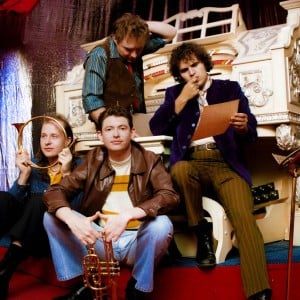
Surf Curse
Surf Curse
Drummer/vocalist Nick Rattigan and guitarist/vocalist Jacob Rubeck first met at the age of 13 in a Las Vegas middle school, making their inauspicious start as Buffalo 66. As to be expected from a couple of kids who name their first band after a Vincent Gallo film, they didn’t find many peers growing up. Inspired by a Brady Bunch episode and the beachy, lo-fi rock that was then sweeping indie culture, the duo eventually changed their name to Surf Curse after moving to Reno, where Rattigan attended college at the University of Nevada and Rubeck washed dishes in senior citizen facilities. Traveling back and forth to LA for gigs, the band built their reputation on hooky songs that lived by the adage of “write what you know” — heartbreak, disillusionment and movies. Over the next decade, Rattigan and Rubeck expanded their artistic reach — Rattigan’s long-running Current Joys project released Voyager on indie rock powerhouse Secretly Canadian earlier this year, while Rubeck has explored his muse in Gap Girls and Casino Hearts. Meanwhile, Surf Curse continued to build their following over the span of three albums, most recently 2019’s Heaven Surrounds You, a lush and confident record produced by Jarvis Taveniere of Woods.
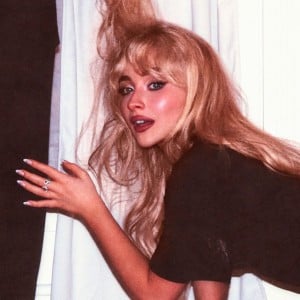
Sabrina Carpenter
Sabrina Carpenter
Sabrina Carpenter has enchanted an audience of millions as a singer, songwriter, actress and style icon. With her music, she has delivered one anthem after another on stage and in the studio, earning multiple gold and platinum certifications, and performing to sold out crowds around the world. On-screen, she has generated mega-fandom through starring roles on television and film. She is signed to Island Records, where she debuted her acclaimed Gold-certified fifth studio album, emails i can’t send, which appeared on many “Best Of 2022” lists including Rolling Stone and Billboard. In April 2024, Sabrina debuted at Coachella and released her single “Espresso,” which swiftly climbed to #1 on the UK and Australian charts, reached the Top 5 in the US, and hit #1 globally on Spotify, amassing over 200M streams in its first month. Following this, her second single, “Please Please Please,” released in June, soared to #1 on Spotify’s Global and US charts, Apple Music, and eventually the Billboard Hot 100, where it debuted at #2 before reaching #1. In August, she released her highly anticipated sixth studio album, Short n’ Sweet, which instantly received critical acclaim from the likes of the New York Times, Rolling Stone, Pitchfork, and Variety. The album debuted at #1 on the Billboard 200, making it the 3rd biggest first week debut in the US in 2024. Short n' Sweet also topped the charts around the world, reaching #1 in UK, Canada, Australia, Spain, and France.

McKenna Grace
McKenna Grace
I love being a delusional teenage girl, it’s so fun

Taylor Swift
Artist

Billy Joel
Artist
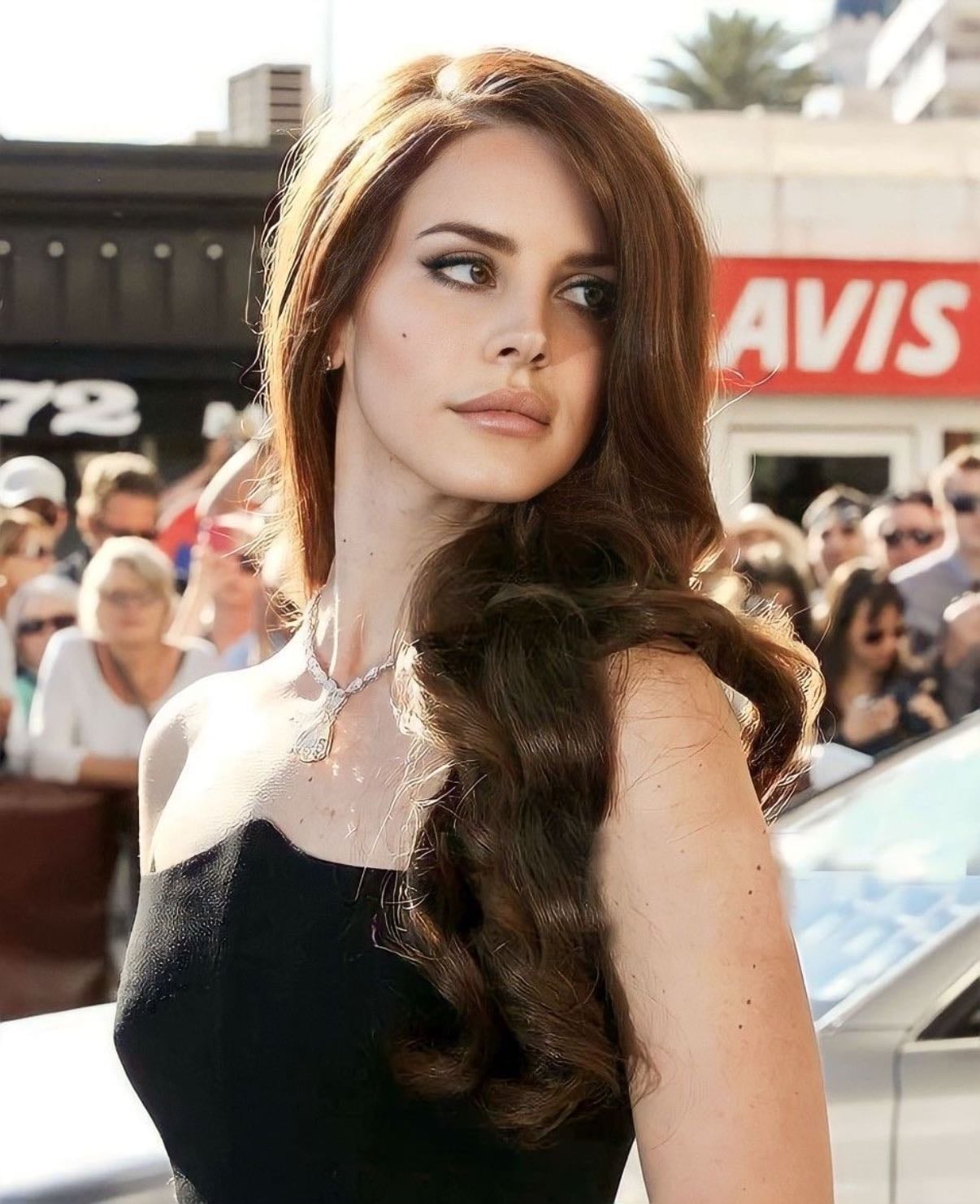
Lana Del Rey
Artist

Gracie Abrams
Artist

Billie Eilish
Artist

Radiohead
Artist

Amy Winehouse
Artist

Arctic Monkeys
Artist

The Smiths
Artist

Deftones
Artist

Nirvana
Artist

Avril Lavigne
Artist
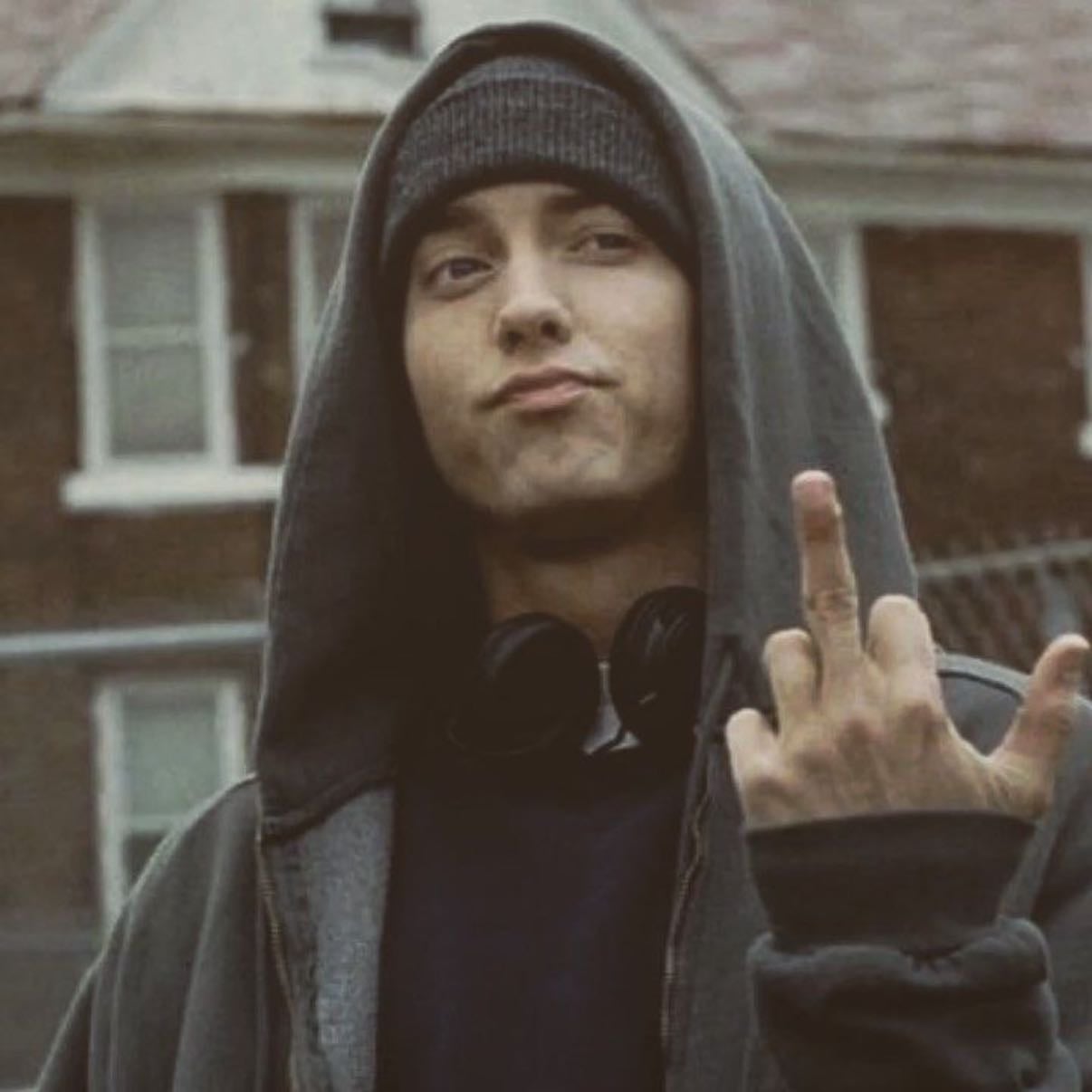
Eminem
Artist

Olivia Rodrigo
Artist
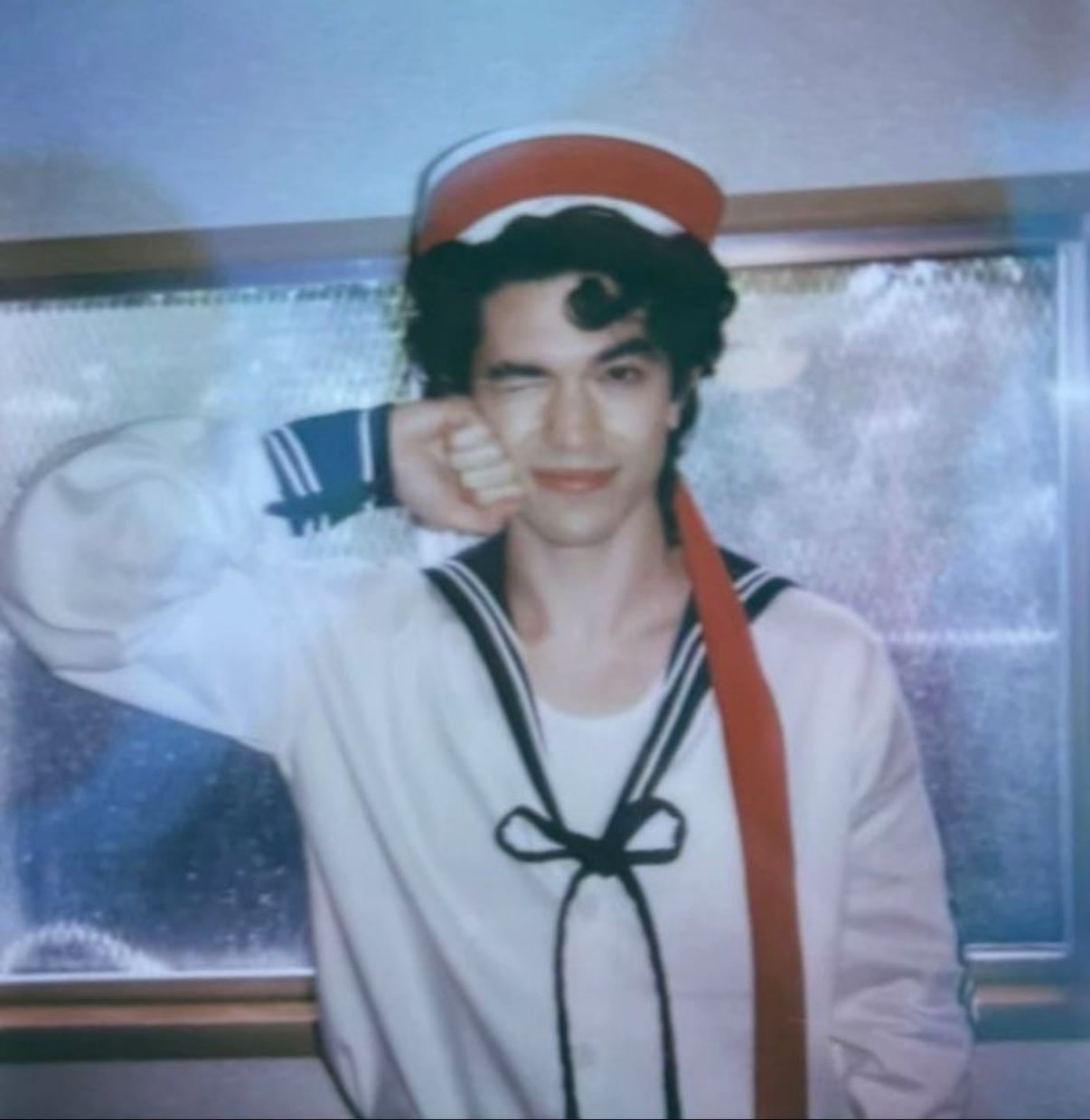
Conan Gray
Artist