𝘔𝘶𝘴𝘪𝘤𝘪𝘢𝘯𝘴 𝘐 𝘢𝘥𝘰𝘳𝘦 (ゝω・´★)!!
When I say adore I mean I adore there music not them as a person!! :33
Items in this hypelist
Other
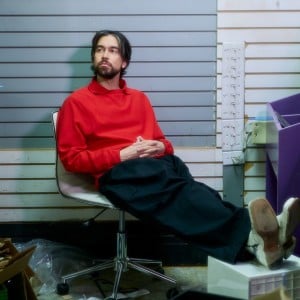
Alex G
Alex G
Alex G is the stage alias of Alex Giannascoli, a singer, songwriter, and multi-instrumentalist who built his reputation combining strong melodic sensibilities with a ragged, impulsive-sounding performance style. Alex’s latest release, 2022’s God Save the Animals proved to have immediate and lasting impact, making its way onto countless year end lists. Over the years, he has retained his idiosyncratic, turbulent style even as he began working with collaborators, expanding his sound, and working in studios.
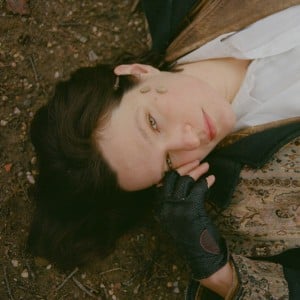
Adrianne Lenker
Adrianne Lenker
on bright future, adrianne lenker, a songwriter known for turns of phrase and currents of rhyme, says it plainly, “you have my heart // i want it back.” documented with analog precision, what began as an experiment in collaboration, became proof adrianne’s heart did return, full to the brim, daring her into the unknown. admirers of adrianne’s solo music and big thief will find on bright future her reliable talent captured in stunning, magnetic clarity. in the company of parlor instruments, adrianne’s modern melodic and lyrical inventions create new traditions. her vocal flights at times outwit gravity, then land, guiding along an earthly path. the wholeness of the unspliced recordings preserve a time of musical friendship during a golden season.
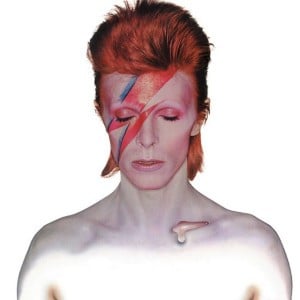
David Bowie
David Bowie
Everyone has a David Bowie that they fell in love with first—the otherworldly outsider Ziggy Stardust, the electronic adventurer, the wild-eyed glam pioneer, the enigmatic storyteller. But it was Bowie's ability to reinvent himself so vividly that captivated us again and again. Driven by boundless imagination, David Bowie was a multifaceted music icon, a social provocateur, a force in fashion, and a gifted actor whose unique personas and perspectives traveled with him through the decades. From the moment his homesick astronaut captured the spotlight in the late ‘60s to his exploratory, jazz-influenced <i>Blackstar</i> almost 50 years later, he excelled and innovated with turns in pop, glam, punk, soul, hard rock, and electronic music. And even though Bowie released vital albums throughout his life—and will forever embody the most artful edge of rock ’n’ roll—he was more than just the music he made. Bowie's fearlessness inspired us to celebrate the complexity and beauty of being completely ourselves.
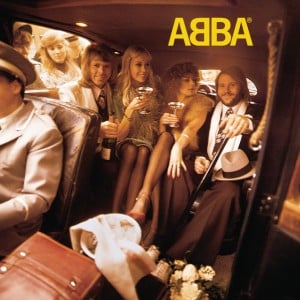
ABBA
ABBA
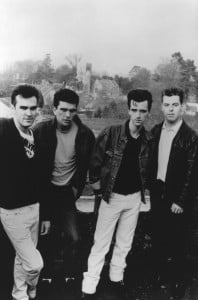
The Smiths
The Smiths
The Smiths were the definitive British indie rock band of the '80s, marking the end of synth-driven new wave and the beginning of the guitar rock that dominated English rock into the '90s. Sonically, the group was indebted to the British Invasion, crafting ringing, melodic three-minute pop singles, even for their album tracks. But their scope was far broader than that of a revivalist band. The group's core members, vocalist Morrissey and guitarist Johnny Marr, were obsessive rock fans inspired by the D.I.Y. ethics of punk, but they also had a fondness for girl groups, pop, and rockabilly. Morrissey and Marr also represented one of the strangest teams of collaborators in rock history. Marr was the rock traditionalist, looking like an elegant version of Keith Richards during the Smiths' heyday and meticulously layering his guitar tracks in the studio. Morrissey, on the other hand, broke from rock tradition by singing in a keening, self-absorbed croon, embracing the forlorn, romantic poetry of Oscar Wilde, publicly declaring his celibacy, and making no secret of his disgust for most of his peers. While it eventually led to the Smiths' early demise, the friction between Morrissey and Marr resulted in a flurry of singles and albums over the course of three years that provided the blueprint for British guitar rock in the following decade. Before forming the Smiths in 1982, Johnny Marr (born John Maher, October 31, 1963; guitar) had played in a variety of Manchester-based rock & roll bands, including Sister Ray, Freaky Part, White Dice, and Paris Valentinos. On occasion, Marr had come close to a record contract -- one of his bands won a competition Stiff Records held to have Nick Lowe "produce your band" -- but he never quite made the leap. Though Morrissey (born Steven Patrick Morrissey, May 22, 1959; vocals) had sung for a few weeks with the Nosebleeds and auditioned for Slaughter & the Dogs, he had primarily contented himself to being a passionate, vocal fan of both music and film. During his teens, he wrote the Melody Maker frequently, often getting his letters published. He had written the biography/tribute James Dean Isn't Dead, which was published by the local Manchester publishing house Babylon Books in the late '70s, as well as another book on the New York Dolls; he was also the president of the English New York Dolls fan club. Morrissey met Marr, who was then looking for a lyricist, through mutual friends in the spring of 1982. The pair began writing songs, eventually recording some demos with the Fall's drummer, Simon Wolstencroft. By the fall, the duo had settled on the name the Smiths and recruited Marr's schoolmate Andy Rourke as their bassist and Mike Joyce as their drummer. The Smiths made their live debut late in 1982, and by the spring of 1983, the group had earned a small but loyal following in their hometown of Manchester and had begun to make inroads in London. Rejecting a record deal with the Mancunian Factory Records, the band signed with Rough Trade for a one-off single, "Hand in Glove." With its veiled references to homosexuality and its ringing riffs, "Hand in Glove" became an underground sensation in the U.K., topping the independent charts and earning the praise of the U.K. music weeklies. Soon, Morrissey's performances became notorious as he appeared on-stage wearing a hearing aid and with gladioli stuffed in his back pockets. His interviews were becoming famous for his forthright, often contrary opinions, which helped the band become a media sensation. By the time of the group's second single, "This Charming Man," in late 1983, the Smiths had already been the subject of controversy over "Reel Around the Fountain," a song that had been aired on a BBC radio session and was alleged to condone child abuse. It was the first time that Morrissey's detached, literary, and ironic lyrics were misinterpreted and it wouldn't be the last. "This Charming Man" reached number 25 on the British charts in December of 1983, setting the stage for "What Difference Does It Make"'s peak of number 12 in February. The Smiths' rise to the upper reaches of the British charts was swift, and the passion of their fans, as well as the U.K. music press, indicated that the group had put an end to the synth-powered new wave that dominated Britain in the early '80s. After rejecting their initial stab at a first album, they released their debut, The Smiths, in the spring of 1984 to strong reviews and sales -- it peaked at number two. A few months later, the group backed '60s pop vocalist Sandie Shaw -- who Morrissey had publicly praised in an article -- on a version of "Hand in Glove" that was released and reached the Top 40. "Heaven Knows I'm Miserable Now" reached number ten, becoming their highest-charting single amid a storm of controversy about its B-side, "Suffer Little Children," which was about the notorious Moors Murders. More controversy appeared when Morrissey denounced the hunger-relief efforts of Band Aid, but the group's popularity was not affected. Though the Smiths had become the most popular new rock & roll group in Britain, the group failed to make it outside of underground and college radio in the U.S., partially because they never launched a full-scale tour. At the end of the year, "William It Was Really Nothing" became a Top 20 hit and Hatful of Hollow, a collection of B-sides, BBC sessions, and non-LP singles, went to the Top Ten, followed shortly by "How Soon Is Now," which peaked at number 24. Meat Is Murder, the band's second proper studio album, entered the British charts at number one in February of 1985, despite some criticism that it was weaker than The Smiths. Around the time of the release of Meat Is Murder, Morrissey's interviews were becoming increasingly political as he trashed the Thatcher administration and campaigned for vegetarianism; he even claimed that the Smiths were all vegetarians, and he forbade the remaining members to be photographed eating meat, even though they were still carnivores. Marr, for his part, was delving deeply into the rock & roll lifestyle and looked increasingly like a cross between Keith Richards and Brian Jones. By the time the non-LP "Shakespeare's Sister" reached number 26 in the spring of 1985, the Smiths had spawned a rash of soundalike bands, including James, who opened for the group on their spring 1985 tour, most of whom Morrissey supported. However, all of the media attention on the Smiths launched a mild backlash later in 1985, when "That Joke Isn't Funny Anymore" was pulled from Meat Is Murder and failed to reach the Top 40. "The Boy with the Thorn in His Side" revived the band's fortunes in the fall of 1985, and their third album, The Queen Is Dead, confirmed their popularity upon its release in the spring of 1986. Greeted with enthusiastic reviews and peaking at number two on the U.K. charts, The Queen Is Dead also expanded their cult following in the U.S., cracking the Top 100. Shortly before the album was completed, former Aztec Camera guitarist Craig Gannon became the band's rhythm guitarist, and he played with the band throughout their 1986 international tour, including a botched American tour. The non-LP "Panic," which was criticized as racist by some observers for its repeated refrain of "Burn down the disco...hang the DJ," reached number 11 late in the summer. A few months after its release, Marr was seriously injured in a car crash. During his recuperation, Gannon was fired from the band, as was Rourke, who was suffering from heroin addiction. Though Rourke was later reinstated, Gannon was never replaced. The Smiths may have been at the height of their popularity in early 1987, with the non-LP singles "Shoplifters of the World" and "Sheila Take a Bow" reaching number 11 and ten respectively, and the singles and B-sides compilation The World Won't Listen (revamped for U.S. release as Louder Than Bombs later in 1987) debuting at number two, but Marr was growing increasingly disenchanted with the band and the music industry. Over the course of the year, Morrissey and Marr became increasingly irritated with each other. The singer wished that Marr would stop playing with other artists like Bryan Ferry and Billy Bragg, while the guitarist was frustrated with Morrissey's devotion to '60s pop and his hesitancy to explore new musical directions. A few weeks before the fall release of Strangeways, Here We Come, Marr announced that he was leaving the Smiths. Morrissey disbanded the group shortly afterward and began a solo career, signing with Parlophone in the U.K. and staying with the Smiths' U.S. label, Reprise. Marr played as a sideman with a variety of artists, eventually forming Electronic with New Order frontman Bernard Sumner. Rourke retired from recording and Joyce became a member of the reunited Buzzcocks in 1991. Rank, a live album recorded on the Queen Is Dead tour, was released in the fall of 1988. It debuted at number two in the U.K. A widely criticized, two-part The Best of the Smiths compilation was released in 1992; the praised Singles compilation was released in 1995. Joyce and Rourke sued Morrissey and Marr in 1991, claiming they received only ten percent of the group's earnings while the songwriters received 40 percent. Rourke eventually settled out of court, but Joyce won his case in late 1996. ~ Stephen Thomas Erlewine
Jack Stauber
Jack Stauber
Jack Stauber
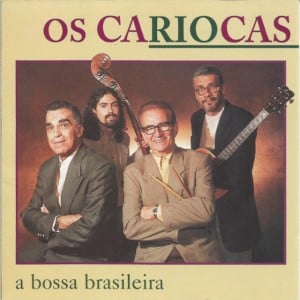
Os Cariocas
Os Cariocas
Active since 1942 (having had 20 years of success at the prestigious Rádio Nacional) and singularized in comparison to other vocal groups of the time for the elaborated arrangements for four or five voices, the Os Cariocas became the most representative vocal group of bossa nova after their 1957 recording of "Chega de Saudade" (Tom Jobim/<a href="spotify:artist:5HlnN6xF2MD87KhGRmCRTd">Vinícius de Moraes</a>) with <a href="spotify:artist:77ZUbcdoU5KCPHNUl8bgQy">João Gilberto</a> on guitar. One of the first recordings of this classic song, the immediate success in this new genre made them to embrace it and thus influenced most vocal groups that appeared afterwards. In 1962, Os Cariocas participated in the show O Encontro at the Au Bon Gourmet club with Tom Jobim, <a href="spotify:artist:5HlnN6xF2MD87KhGRmCRTd">de Moraes</a>, <a href="spotify:artist:77ZUbcdoU5KCPHNUl8bgQy">João Gilberto</a>, and sidemen <a href="spotify:artist:30dNRD6Ih5AF7ZYonQPvgJ">Milton Banana</a> (drums) and Octávio Bailly (bass). Their repertory featured "Corcovado" (Quiet Nights), "Garota de Ipanema" (Girl From Ipanema), "Samba do Avião" (Plane Samba), "Samba de Uma Nota Só" (One Note Samba), "Só Danço Samba," and other classics. Taking part in several important bossa nova events, the group often appeared in <a href="spotify:artist:0yFvXd36g5sNKYDi0Kkvl8">Elis Regina</a>/<a href="spotify:artist:7K4gHixgiMhvBDewgHoxVk">Jair Rodrigues</a>' program O Fino da Bossa (TV Record, São Paulo). In the mid-'60s, they performed at the U.S. in New York and Washington at the Carter Barron with <a href="spotify:artist:5rX2c1zow6hCph8PnnU3kF">Astrud Gilberto</a> and <a href="spotify:artist:7ceUfdWq2t5nbatS6ollHh">Paul Anka</a>. In New York, they participated in The Tonight Show With Johnny Carson at NBC. Their LP Introducing the Cariocas had its liner notes written by <a href="spotify:artist:3rxIQc9kWT6Ueg4BhnOwRK">Quincy Jones</a>, who drew attention to their unique blend of bossa nova rhythms and melodies with modern jazz harmonies. The bossa nova phase was their second one, lasting from 1957 to 1967, when the group was dissolved until 1988. The first phase of success spanned from 1948 to 1955. The group had been formed in 1942 by brothers Ismael Neto and Severino Filho, who invited Ari Mesquita, Salvador, and Tarqüínio for performances at local school events. In 1945, Valdir Prado Viviani (piano/harmonica) replaced Ari Mesquita and the group opened on the Rádio Clube. Soon they were hired by Rádio Nacional, becoming its exclusive artists in 1946, when they took the Os Cariocas name. In the same year, Tarqüínio and Salvador left the group, which continued with the following lineup: Badeco, first voice; Filho, second voice; Ismael Neto, third voice and vocal arranger; Quartera, fourth voice; and Valdir, fifth voice and solos/whistle. Their first commercial recording was done in 1948, a 78 rpm with "Nova Ilusão" (<a href="spotify:artist:6yiWpO4Ufcsy0He1D7N86E">José Menezes</a>/<a href="spotify:artist:2bP3maViDQGBgVWx4oOwoe">Luís Bittencourt</a>) and "Adeus América" (<a href="spotify:artist:23pj99mspNlB9r5dpO0VfY">Haroldo Barbosa</a>/Geraldo Jacques, later re-recorded by <a href="spotify:artist:77ZUbcdoU5KCPHNUl8bgQy">João Gilberto</a>, remaining as one of his classics), two instant hits. These were included on the Mestres da MPB series (1994). They also recorded other genres, such as Northeastern cocos e baiões (with Marlene, they recorded in 1949 the hits "Qui Nem Jiló" and "Macapá" by Luís Gonzaga/<a href="spotify:artist:1iMVx8agIqaQjK8lrJQ67E">Humberto Teixeira</a>) or canções juninas (such as "Baile na Roça" by Ismael Neto, "Festa de São João" by Bide/Sebastião Gomes, "Eu Também Sou Batista" by <a href="spotify:artist:3nEmSoJZdefWoAQKcO14P9">Wilson Batista</a>/José Batista, and "Pula Fogueira" by <a href="spotify:artist:12tasGBWTAOw6K9uUg5g8n">Haroldo Lobo</a>/Milton DeOliveira). In 1950, they had success with "Marca na Parede" (Mario Faccini/Ismael Neto) and in the next year with "Tim Tim por Tim Tim" (<a href="spotify:artist:23pj99mspNlB9r5dpO0VfY">Haroldo Barbosa</a>/Geraldo Jacques). In 1953, Ismael Neto started a partnership with <a href="spotify:artist:34Xo0W7OEWIKuFjODo0Eje">Antônio Maria</a>, producing hits such as "Canção da Volta," recorded by <a href="spotify:artist:2YnroLXUOoX1HtgamkHugp">Dolores Durán</a> in 1954, and "Valsa de Uma Cidade," re-recorded by the Os Cariocas. In 1954, they participated in Tom Jobim/<a href="spotify:artist:2glEEbN4lXTIDDHLxtnx2h">Billy Blanco</a>'s Sinfonia do Rio de Janeiro, recording "Hino ao Sol" with <a href="spotify:artist:5yrpqAQx2OwR62pNE7d5bm">Dick Farney</a>, "Coisas do Dia" with <a href="spotify:artist:2hIm4u6rkmQifMkp0z7tdp">Lúcio Alves</a>, and "Noites do Rio" with <a href="spotify:artist:5bQiwDxCWfLPAXOAshBFCa">Dóris Monteiro</a>. In 1956, with Ismael Neto's demise, Filho invited his sister Hortênsia da Silva Araújo to join the group, recording the tribute album Os Cariocas a Ismael Neto. In that year, Filho also took over the arranging/direction of the Os Cariocas. In 1962, Hortênsia left the group and Viviani was replaced, due to an illness, by Luís Roberto Gomes, with the Os Cariocas remaining as a quartet. Dissolved in 1967, the group became active again in 1988, the year in which Luís Roberto died of a heart attack at the Jazzmania club in Rio de Janeiro. With a variable formation since then, the Os Cariocas recorded Minha Namorada in 1990, winning of the Sharp Prize. Two years later, they won another Sharp prize for Reconquistar. In 1997, they recorded with <a href="spotify:artist:0jOs0wnXCu1bGGP7kh5uIu">Tim Maia</a> the CD Amigo do Rei and their CD A Bossa Brasileira was also nominated for the Sharp prize. ~ Alvaro Neder, Rovi

The Cardigans
The Cardigans
One of the most pleasing pop groups of the alternative era, the Cardigans specialized in sugary confections that would grow annoying very quickly if they weren't backed by solid musicianship and clever arrangements. The band's 1995 breakout album, Life, reflected the Cardigans at their most saccharine -- the sunny disposition of vocalist <a href="spotify:artist:4nHhXbMpzESguKp9QHap0c">Nina Persson</a> being the major argument in favor -- and critics inserted the group into the space age pop revivalist camp. The Cardigans later proved that they were more difficult to pigeonhole, however. Even the band's origins showed that their later appearance was quite misleading; two heavy metal fanatics formed the group in October 1992 in Jonkoping, Sweden. Guitarist Peter Svensson met bassist Magnus Sveningsson in a hardcore group, though he had previously trained in music theory and jazz arranging. The two later grew tired of metal and decided to form a pop band with vocalist <a href="spotify:artist:4nHhXbMpzESguKp9QHap0c">Nina Persson</a> -- an art-school friend who had never sung professionally -- plus keyboard player Lars-Olof Johansson and drummer Bengt Lagerberg. All five Cardigans moved into a small apartment in 1993 and began recording a demo tape that entered the hands of producer Tore Johansson later that year. He liked what he heard and invited the group to record at his Malmö studio. Signed to the dance-oriented <a href="spotify:search:label%3A%22Stockholm%22">Stockholm</a> label, the Cardigans released Emmerdale in May 1994. The single "Rise & Shine" became a hit on Swedish radio soon after the release of the LP, and a readers' poll in Sweden's Slitz magazine voted Emmerdale the best album of 1994. The Cardigans spent the last half of 1994 touring Europe and recording their second album. A satirical response to their moody debut, Life showed the band at their most upbeat, including an angelic picture of <a href="spotify:artist:4nHhXbMpzESguKp9QHap0c">Persson</a> in an ice-skating outfit for the cover. Released in March 1995 -- with several re-recordings of songs from Emmerdale -- the album eventually sold one and a half million copies worldwide and became especially popular in Japan, where it achieved platinum status. A deal with <a href="spotify:search:label%3A%22Minty+Fresh%22">Minty Fresh</a> gave the Cardigans an American release of Life in spring 1996, and the group played eight sold-out shows in the U.S. that summer. The American major labels began to notice the attention, and <a href="spotify:search:label%3A%22Mercury%22">Mercury</a> signed them soon after. First Band on the Moon, released in September 1996, de-emphasized the pure pop in favor of abstract arrangements and some rather violent themes. Nevertheless, the infectious single "Lovefool" became a radio hit by early 1997, and First Band on the Moon eventually reached gold status in America, as well as platinum certification in Japan (just three weeks after its release). Gran Turismo followed in 1998, though it lacked an obvious hit and led to a long hiatus for the band. Finally, the Cardigans returned in 2003 with Long Gone Before Daylight, marking a clear transition with confessional material closer to the singer/songwriter tradition. Super Extra Gravity followed in 2005, which hit number one in Sweden. By 2006, the band had gone on hiatus. <a href="spotify:artist:4nHhXbMpzESguKp9QHap0c">Persson</a> worked on solo material, releasing songs as A Camp and under her own name, while Svensson and Lagerberg issued music as <a href="spotify:artist:4N4Ba1nGCKlwYQpDqxDYHh">Paus</a>. (Lagerberg also worked with Johansson under the name <a href="spotify:artist:3v8VmPZclJ34Mrohd3oyjz">Brothers of End</a>.) The group reunited for occasional live shows during the 2010s, although without Svensson, who by this time was spending more time on pop music, writing and playing for an array of pop stars produced by <a href="spotify:artist:1rjeVTt9Ra1ldvN7SpeK0G">Max Martin</a> (<a href="spotify:artist:4AK6F7OLvEQ5QYCBNiQWHq">One Direction</a>, <a href="spotify:artist:0p4nmQO2msCgU4IF37Wi3j">Avril Lavigne</a>, <a href="spotify:artist:0X2BH1fck6amBIoJhDVmmJ">Ellie Goulding</a>, <a href="spotify:artist:66CXWjxzNUsdJxJ2JdwvnR">Ariana Grande</a>, and <a href="spotify:artist:6JL8zeS1NmiOftqZTRgdTz">Meghan Trainor</a>). ~ John Bush, Rovi
TV Girl
TV Girl
TV Girl makes hypnotic pop.
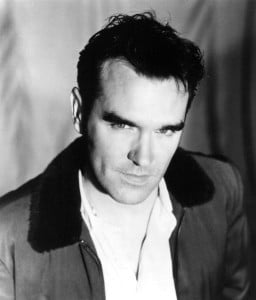
Morrissey
Morrissey
As the lead singer of <a href="spotify:artist:3yY2gUcIsjMr8hjo51PoJ8">the Smiths</a>, arguably the most important indie band in Britain during the '80s, Morrissey's theatrical crooning and literate, poetic lyrics -- filled with romantic angst, social alienation, and cutting wit -- connected powerfully with a legion of similarly sensitive, disaffected youth. These fans turned <a href="spotify:artist:3yY2gUcIsjMr8hjo51PoJ8">the Smiths</a> into stars in Britain, exerting tremendous pull over much of the country's guitar-based music for many years after their breakup. Even if the group remained underground cult artists in the States, they had a fan base that slowly, steadily grew larger over the years. Indeed, Morrissey launched a solo career with 1988's artful Viva Hate and brought together his love of rockabilly and glam rock on 1991's Kill Uncle and 1992's Your Arsenal, the latter of which was produced by <a href="spotify:artist:0oSGxfWSnnOXhD2fKuz2Gy">David Bowie</a> guitarist <a href="spotify:artist:2jzjxYOe3G5aeucbMg0Smp">Mick Ronson</a>. By the time of 1994's Vauxhall and I, his American cult had grown to the point where he was regularly reaching the Top 40 of the Billboard 200. After a quiet period around the turn of the millennium, Morrissey launched a comeback in 2004 with You Are the Quarry, an album whose success proved that he was still one of the most intriguing figures in alternative rock. He has remained a vital presence, collaborating with legendary producer <a href="spotify:artist:46ISQ20xfCvHum4YeV08XF">Tony Visconti</a> on 2006's Ringleader of the Tormentors and releasing albums like Years of Refusal, World Peace Is None of Your Business, and Low in High School, all of which have found him exploring a variety of sonic avenues. He paid homage to some of his influences with the 2019 covers album California Son before returning to his distinctive original work with 2020's I Am Not a Dog on a Chain and Bonfire of Teenagers. Stephen Patrick Morrissey was born May 22, 1959, in Manchester, England; not surprisingly a shy, awkward youth, he became obsessed with music and film as a teenager and devoted his writing talents to penning a <a href="spotify:artist:0WhGV9lzljq2QKJ8ipw6jx">New York Dolls</a> fanzine (he was the president of their U.K. fan club), as well as a tribute to <a href="spotify:artist:2OKJKQMfvqkN1eM6UUdJIR">James Dean</a> and numerous opinionated letters to the weekly music paper Melody Maker. During the explosion of punk in the late '70s, Morrissey unsuccessfully auditioned for <a href="spotify:artist:49gkczqXZrObph5J5yXf7r">Slaughter & the Dogs</a> and sang for a brief period with a band called the Nosebleeds. He met guitarist <a href="spotify:artist:2bA2YuQk2ID3PWNXUhQrWS">Johnny Marr</a> in 1982 and the two began writing songs together, forging one of the most productive partnerships British pop had seen in quite some time. <a href="spotify:artist:3yY2gUcIsjMr8hjo51PoJ8">The Smiths</a>' 1983 debut single, "Hand in Glove," a love song filled with oblique references to homosexuality, made them an underground sensation in the U.K. and as Morrissey attracted more attention, he demonstrated a flair for manipulating the media. His interviews were filled with blunt, unpredictable opinions and intentionally outrageous statements, and his notoriety wasn't hurt by his stage presence (he performed wearing a hearing aid with flowers sticking out of his back pockets) or his self-proclaimed celibacy in the wake of much speculation about his sexuality. Possessed of a darkly cynical bent as a lyricist, he was often misinterpreted as advocating some of the more disturbing things he sang about, which only added to the furor surrounding the band. <a href="spotify:artist:3yY2gUcIsjMr8hjo51PoJ8">The Smiths</a>' eponymous 1984 debut was a smash in the U.K., and in its wake, Morrissey began promoting his political views, heavily criticizing Margaret Thatcher, and advocating vegetarianism (hence the title of the follow-up LP, Meat Is Murder). The Queen Is Dead (1986) was acclaimed as a masterpiece, but friction between Morrissey and <a href="spotify:artist:2bA2YuQk2ID3PWNXUhQrWS">Marr</a> was growing. <a href="spotify:artist:2bA2YuQk2ID3PWNXUhQrWS">Marr</a> departed after 1987's Strangeways, Here We Come and Morrissey broke up the rest of the band to begin a solo career. Feeling betrayed by <a href="spotify:artist:2bA2YuQk2ID3PWNXUhQrWS">Marr</a>'s defection, Morrissey channeled his frustration into creating new material with producer Stephen Street. His first two solo singles, "Suedehead" and the gorgeous "Everyday Is Like Sunday," were significant British hits in 1988 and his first album, Viva Hate (its title a reference to <a href="spotify:artist:3yY2gUcIsjMr8hjo51PoJ8">the Smiths</a>' breakup), was commercially and critically well received. He released several more high-quality singles, including "The Last of the International Playboys" and "Interesting Drug," but spent an inordinate amount of time laboring on the follow-up album, issuing the stopgap compilation Bona Drag in 1990. In the meantime, the Madchester fad was sweeping British indie music, and when the lackluster Kill Uncle was finally released in 1991, it only magnified the disappointment. U.K. reviewers took Morrissey to task, suggesting that the record marked the end of his glory days and that he would never be able to match the songs he'd written in tandem with <a href="spotify:artist:2bA2YuQk2ID3PWNXUhQrWS">Marr</a>. A misperceived flirtation with British nationalism (not helped by a couple of seemingly racial caricatures in recent songs) tarnished his image even more in the U.K. press during 1992, this coming amid even more frequent reports of feuds with his managers, business associates, and ex-bandmates. All the controversy overshadowed the fact that 1992's <a href="spotify:artist:2jzjxYOe3G5aeucbMg0Smp">Mick Ronson</a>-produced Your Arsenal was a smashing return to form; Morrissey used his new guitar tandem of Alain Whyte (who co-wrote much of the material) and <a href="spotify:artist:4USIpxx6QmLPkeDAceWurP">Boz Boorer</a> (formerly of rockabilly revivalists <a href="spotify:artist:0ySLj2XiEOFtixInK1GAD4">the Polecats</a>) to full advantage in crafting a crunchy, glammed-up record. It easily ranked as the hardest rocking of his career. Meanwhile, over in the U.S., tickets for his upcoming tour were selling like hotcakes and he managed to sell out L.A.'s Hollywood Bowl even faster than <a href="spotify:artist:3WrFJ7ztbogyGnTHbHJFl2">the Beatles</a> had. His confidence renewed by his American success (to the point where he permanently moved to Los Angeles), Morrissey delivered an equally strong follow-up in 1994's calmer Vauxhall and I, which even got him his first Top 50 singles chart entry in the U.S. with the MTV-supported "The More You Ignore Me, the Closer I Get." A hit-and-miss compilation, The World of Morrissey, followed in 1995, after which he switched labels (from <a href="spotify:search:label%3A%22Sire%22">Sire</a> to <a href="spotify:search:label%3A%22RCA%22">RCA</a>) for the first time since <a href="spotify:artist:3yY2gUcIsjMr8hjo51PoJ8">the Smiths</a>' debut album. Also issued in 1995 was the prog rock-informed Southpaw Grammar, which confounded many and perhaps prevented him from expanding his American audience past a now-sizable group of longtime listeners. In 1996, he moved to another new label, this time <a href="spotify:search:label%3A%22Island%22">Island</a>, and released Maladjusted the following year. It failed to sell well outside of his most fanatical followers and his relationship with <a href="spotify:search:label%3A%22Island%22">Island</a> ended in 1998. In the years that followed, Morrissey remained a massively popular touring attraction on the strength of his singular identity, despite the fact that he had yet to land another record deal. Finally, he signed his <a href="spotify:search:label%3A%22Attack%22">Attack</a> label to <a href="spotify:search:label%3A%22Sanctuary%22">Sanctuary</a>, and released his first studio album in seven years, 2004's You Are the Quarry, featuring production by Jerry Finn (<a href="spotify:artist:6FBDaR13swtiWwGhX1WQsP">blink-182</a>, <a href="spotify:artist:0qT79UgT5tY4yudH9VfsdT">Sum 41</a>, and <a href="spotify:artist:7oPftvlwr6VrsViSDV7fJY">Green Day</a>). The album's leadoff single, "Irish Blood, English Heart," garnered considerable press, radio, and music television attention, and established a comeback of sorts. The concert recording Live at Earls Court followed one year later, as did the DVD concert Who Put the "M" in Manchester?, which saw a brief theatrical release. His second full-length for <a href="spotify:search:label%3A%22Sanctuary%22">Sanctuary</a>, Ringleader of the Tormentors, was produced by <a href="spotify:artist:46ISQ20xfCvHum4YeV08XF">Tony Visconti</a> (<a href="spotify:artist:3dBVyJ7JuOMt4GE9607Qin">T. Rex</a>, <a href="spotify:artist:0oSGxfWSnnOXhD2fKuz2Gy">David Bowie</a>) and released in spring 2006. Recorded in Rome, the album also featured some orchestration by famed composer <a href="spotify:artist:1nIUhcKHnK6iyumRyoV68C">Ennio Morricone</a>. Around this time, Morrissey's longtime guitarist and writing partner Alain Whyte left the band. Although Whyte continued to contribute songs for Morrissey, he was largely replaced on album and in live shows by guitarist Jesse Tobias. In 2009, Morrissey released Years of Refusal, his first under <a href="spotify:search:label%3A%22Decca%22">Decca</a> after label changes found <a href="spotify:search:label%3A%22Sanctuary%22">Sanctuary</a> being absorbed into the <a href="spotify:search:label%3A%22Universal+Music+Group%22">Universal Music Group</a> (which owned <a href="spotify:search:label%3A%22Decca%22">Decca</a>). Produced by Finn and once again showcasing guitarist Tobias, Years of Refusal found Morrissey going for a more stripped-down, back-to-basics rock approach. Sadly, Finn suffered a cerebral hemorrhage just after wrapping production on the album. He fell into a coma and died just over a month later on August 21, 2008. Despite the tragedy surrounding it, Years of Refusal was largely hailed as Morrissey's best album in years. Over the next few years, Morrissey busied himself with rejigged reissues of his solo material, and various other compilations surfaced, including the 2009 B-sides collection Swords and the 2011 set Very Best of Morrissey; he also played live with semi-regularity. Early in the summer of 2012, he announced in an interview with JuiceOnline.com that he was tentatively planning to retire in 2014. Morrissey then spent much of 2012 and 2013 touring the world. For a time in 2013, he had a bout with bad health that saw him hospitalized first for an ulcer and then for pneumonia. A film of a March 2013 show at L.A.'s Hollywood High School was released as 25Live that August, and was issued on DVD and Blu-ray before the end of the year. His autobiography -- published by Penguin Classics that October -- was well-received and became a number one best-seller in the U.K. In January 2014, despite his earlier proclamation of retirement, Morrissey signed a new record deal, this time with <a href="spotify:search:label%3A%22Capitol%22">Capitol</a>. Six months later, he released his tenth studio album, World Peace Is None of Your Business, on <a href="spotify:search:label%3A%22Capitol%22">Capitol</a>'s <a href="spotify:search:label%3A%22Harvest%22">Harvest</a> imprint. In promotion of the album, Morrissey shot several short films that he released online, in which he delivered spoken word versions of the title track as well as the singles "Istanbul," "Earth Is the Loneliest Planet," and "The Bullfighter Dies." By August 2014 Morrissey was once again without a label, having parted ways with <a href="spotify:search:label%3A%22Harvest%22">Harvest</a>. He also revealed that he'd undergone treatment for an undisclosed type of cancer. Nonetheless, he continued touring, wrapping up the year with a two-month stint in Europe. In January 2015, following several live shows in the U.K., Morrissey appeared in a high-profile concert at New York's Madison Square Garden supported by <a href="spotify:artist:4tpUmLEVLCGFr93o8hFFIB">Blondie</a>. That March he released a fifth single from World Peace Is None of Your Business, the digital download "Kiss Me a Lot." Also in 2015, Morrissey announced the publication of his debut novel, List of the Lost, for Penguin. In 2017, he returned with his 11th solo album, Low in High School. Produced by Joe Chiccarelli, the album entered the British charts at five and the Billboard charts at 20. Two years later, Morrissey delivered California Son, a collection of covers that concentrated largely on folk-rock and pop tunes from the '60s. Returning to new material, the singer collaborated with R&B icon <a href="spotify:artist:3sgUnR8TF35euWEV07RPyO">Thelma Houston</a> on "Bobby, Don't You Think They Know?," the first single from his 2020 album, I Am Not a Dog on a Chain. Released in March of 2020, the album debuted at number three in the U.K. Following a cancellation of his 2020 tour due to the COVID-19 pandemic, the singer returned to live performances with his 2021 five-night Las Vegas residency "Viva Moz Vegas" held at The Colosseum at Caesar's Palace. The following year, he returned for a second run of "Viva Moz Vegas" shows and delivered the single "Rebels Without Applause" as the first track off his 14th studio album, Bonfire of Teenagers. ~ Steve Huey, Rovi
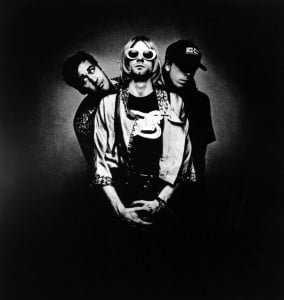
Nirvana
Nothing was ever quite the same after Nirvana. The band's second album, 1991's Nevermind, revolutionized popular music by bringing alternative rock above ground, introducing mainstream audiences to sounds and concepts that had previously existed only in shadowy record store corners and on low-frequency college radio airwaves. Nevermind's noisy, dissonant guitar rock, mumbled or howled surrealistic lyrics, and generally angsty punk attitudes were unlikely candidates for chart success, but the band undercut their grungy songs with enough pop melodicism to create a sound unlike anything average listeners had ever heard before, striking at the exact right moment to become an unprecedented success. Since Nirvana were rooted in an indie aesthetic but loved pop music, they fought their stardom while courting it, becoming some of the most notorious anti-rock stars in history. They consciously attempted to shed their audience with 1993's abrasive, <a href="spotify:artist:52ZFTGbQ9miWMX8JYBvtOO">Steve Albini</a>-produced third album In Utero, but vocalist/guitarist/songwriter <a href="spotify:artist:6pAuTi6FXi6qFQJ1dzMXQs">Kurt Cobain</a>'s growing mental health and substance abuse issues led to his death by suicide in 1994. Though Nirvana's story was cut tragically short, their legacy stands as one of the most influential in rock & roll history. <a href="spotify:artist:6pAuTi6FXi6qFQJ1dzMXQs">Kurt Cobain</a> (vocals, guitar) met <a href="spotify:artist:4BZKfXia2RPZnzCgQ2fG8M">Chris Novoselic</a> (born <a href="spotify:artist:4BZKfXia2RPZnzCgQ2fG8M">Krist Novoselic</a>) (bass) in 1985 in Aberdeen, Washington, a small logging town 100 miles away from Seattle. While <a href="spotify:artist:4BZKfXia2RPZnzCgQ2fG8M">Novoselic</a> came from a relatively stable background, <a href="spotify:artist:6pAuTi6FXi6qFQJ1dzMXQs">Cobain</a>'s childhood had been thrown into turmoil when his parents divorced when he was eight. Following the divorce, he lived at the homes of various relatives, developing a love for <a href="spotify:artist:3WrFJ7ztbogyGnTHbHJFl2">the Beatles</a> and then heavy metal in the process. Eventually, American hardcore punk worked its way into dominating his listening habits and he met <a href="spotify:artist:6aVjo0xHSiuW5hkasoYSR3">the Melvins</a>, an Olympia-based underground heavy punk band. <a href="spotify:artist:6pAuTi6FXi6qFQJ1dzMXQs">Cobain</a> began playing in punk bands like Fecal Matter, often with <a href="spotify:artist:6aVjo0xHSiuW5hkasoYSR3">the Melvins</a>' bassist <a href="spotify:artist:4IRzt4Zde0xpbbc2BtsRGm">Dale Crover</a>. Through <a href="spotify:artist:6aVjo0xHSiuW5hkasoYSR3">the Melvins</a>' leader, Buzz Osborne, <a href="spotify:artist:6pAuTi6FXi6qFQJ1dzMXQs">Cobain</a> met <a href="spotify:artist:4BZKfXia2RPZnzCgQ2fG8M">Novoselic</a>, who also had an intense interest in punk, which meant that he, like <a href="spotify:artist:6pAuTi6FXi6qFQJ1dzMXQs">Cobain</a>, felt alienated from the macho, redneck population of Aberdeen. The duo decided to form a band called the Stiff Woodies, with <a href="spotify:artist:6pAuTi6FXi6qFQJ1dzMXQs">Cobain</a> on drums, <a href="spotify:artist:4BZKfXia2RPZnzCgQ2fG8M">Novoselic</a> on bass, and a rotating cast of guitarists and vocalists. The group went through name changes as quickly as guitarists, before deciding that <a href="spotify:artist:6pAuTi6FXi6qFQJ1dzMXQs">Cobain</a> would play guitar and sing. Renamed <a href="spotify:artist:4opTS86dN9uO313J9CE8xg">Skid Row</a>, the new trio featured drummer Aaron Burkhart, who left the band by the end of 1986 and was replaced by Chad Channing. By 1987, the band was called Nirvana. Nirvana began playing parties in Olympia, gaining a cult following. Around 1987, the band made ten demos with producer <a href="spotify:artist:5WPz1DmtxRJBajeTYGiftU">Jack Endino</a>, who played the recordings to Jonathan Poneman, one of the founders of the Seattle-based indie label <a href="spotify:search:label%3A%22Sub+Pop%22">Sub Pop</a>. Poneman signed Nirvana, and in December of 1988, the band released its first single, a cover of <a href="spotify:artist:5WimOFbBnCU5wI6t5PPpEk">Shocking Blue</a>'s "Love Buzz." <a href="spotify:search:label%3A%22Sub+Pop%22">Sub Pop</a> orchestrated an effective marketing scheme, which painted the band as backwoods, logging-town hicks, which irritated <a href="spotify:artist:6pAuTi6FXi6qFQJ1dzMXQs">Cobain</a> and <a href="spotify:artist:4BZKfXia2RPZnzCgQ2fG8M">Novoselic</a>. While "Love Buzz" was fairly well-received, the band's debut album, Bleach, was what got the ball rolling. Recorded for just over $600 and released in June 1989, Bleach slowly became a hit on college radio, due to the group's consistent touring. Though Jason Everman was credited as a second guitarist on the sleeve of Bleach, he didn't appear on the record; he only toured in support of the album before leaving the band at the end of the year to join <a href="spotify:artist:5xUf6j4upBrXZPg6AI4MRK">Soundgarden</a> and then Mindfunk. Bleach sold 35,000 copies and Nirvana became favorites of college radio, the British weekly music press, and <a href="spotify:artist:5UqTO8smerMvxHYA5xsXb6">Sonic Youth</a>, <a href="spotify:artist:7LuYiSXiWs86rwWJjEEgB9">Mudhoney</a>, and <a href="spotify:artist:267VY6GX5LyU5c9M85ECZQ">Dinosaur Jr.</a>, which was enough to attract the attention of major labels. In July 1990, Nirvana recorded "Sliver"/"Dive" with <a href="spotify:artist:7LuYiSXiWs86rwWJjEEgB9">Mudhoney</a> drummer Dan Peters on drums and producer <a href="spotify:artist:0gTi2zsOHn6wtlkx66uxXM">Butch Vig</a>. The band also made a six-song demo with <a href="spotify:artist:0gTi2zsOHn6wtlkx66uxXM">Vig</a>, which was shopped to major labels, who soon began competing to sign the group. In August, they hit the road with <a href="spotify:artist:5UqTO8smerMvxHYA5xsXb6">Sonic Youth</a>'s Goo tour (including <a href="spotify:artist:4IRzt4Zde0xpbbc2BtsRGm">Crover</a> on drums). That September, <a href="spotify:artist:7mRVAzlt1fAAR9Cut6Rq8c">Dave Grohl</a>, formerly of the D.C.-based hardcore band <a href="spotify:artist:0wIhCBrT02x0GG5bKqcSAh">Scream</a>, became Nirvana's drummer and the band signed with <a href="spotify:search:label%3A%22DGC%22">DGC</a> for $287,000. Nirvana recorded their second album with <a href="spotify:artist:0gTi2zsOHn6wtlkx66uxXM">Vig</a>, completing the record in June of 1991. Nevermind was released in September, supported by a quick American tour. While <a href="spotify:search:label%3A%22DGC%22">DGC</a> was expecting a moderately successful release, in the neighborhood of 100,000 copies, Nevermind immediately became a smash hit, quickly selling out its initial shipment of 50,000 copies and creating a shortage across America. What helped the record become a success was "Smells Like Teen Spirit," a blistering four-chord rocker that was accompanied by a video that shot into heavy MTV rotation. By the beginning of 1992, "Smells Like Teen Spirit" had climbed into the American Top Ten and Nevermind bumped <a href="spotify:artist:3fMbdgg4jU18AjLCKBhRSm">Michael Jackson</a>'s much-touted comeback album Dangerous off the top of the album charts; it reached the British Top Ten shortly afterward. By February, the album had been certified triple platinum. Nirvana's success took the music industry by surprise, Nirvana included. From the moment Nirvana were met with mainstream visibility, <a href="spotify:artist:6pAuTi6FXi6qFQJ1dzMXQs">Cobain</a> used his newfound fame to relentlessly push his favorite independent artists as if their music was more important than his own. This took the form of bringing Japanese alt-pop trio <a href="spotify:artist:4ukJlDdlvuQOHZdD2NVsFD">Shonen Knife</a> on tour, covering lesser-known but formative artists like <a href="spotify:artist:0sTTw3dw3EA0c7NaZnrJd2">the Wipers</a>, <a href="spotify:artist:4wWQkHhmUNlXvhbHRUSqZW">the Vaselines</a>, and <a href="spotify:artist:2h9yQhKyqOMex3QFMVeq7F">Meat Puppets</a>, or wearing a homemade <a href="spotify:artist:1jeYbk5eqo6wgsQPjLeU5w">Daniel Johnston</a> t-shirt during television appearances and high-profile concerts. <a href="spotify:artist:6pAuTi6FXi6qFQJ1dzMXQs">Cobain</a>'s enthusiastic fandom introduced untold numbers of Nirvana fans to artists they most likely wouldn't have known to seek out on their own, and in the process, energized those artists' careers. It soon became apparent that Nirvana wasn't quite sure how to handle its success. Around the time of Nevermind's release, <a href="spotify:artist:6pAuTi6FXi6qFQJ1dzMXQs">Cobain</a> appeared on MTV's Headbangers Ball in drag; the group mocked the tradition of miming on the BBC's Top of the Pops, with <a href="spotify:artist:4BZKfXia2RPZnzCgQ2fG8M">Novoselic</a> constantly throwing his bass into the air and <a href="spotify:artist:6pAuTi6FXi6qFQJ1dzMXQs">Cobain</a> singing his live vocals in the style of Ian Curtis; and their traditional live destruction of instruments was immortalized on a Saturday Night Live performance that ended with <a href="spotify:artist:4BZKfXia2RPZnzCgQ2fG8M">Novoselic</a> and <a href="spotify:artist:7mRVAzlt1fAAR9Cut6Rq8c">Grohl</a> sharing a kiss. By early 1992, questions began to arise about the band's stability. <a href="spotify:artist:6pAuTi6FXi6qFQJ1dzMXQs">Cobain</a> married <a href="spotify:artist:4vI0xGbQl2cMnMiagUEBOj">Courtney Love</a>, the leader of the indie rock/foxcore band <a href="spotify:artist:5SHQUMAmEK5KmuSb0aDvsn">Hole</a>, in February of 1992, announcing that the couple was expecting a child. A few months later, Nirvana canceled several concerts and refused to mount a full-scale American tour during the summer. <a href="spotify:artist:6pAuTi6FXi6qFQJ1dzMXQs">Cobain</a> complained that he was suffering from chronic stomach troubles, which seemed to be confirmed when he was admitted to a Belfast hospital after a June concert. While he went through these problems,<a href="spotify:search:label%3A%22DGC%22">DGC</a> released the odds-and-ends compilation Incesticide late in 1992; the album reached number 39 U.S. and number 14 U.K. As Nirvana prepared to make their third album, they released "Oh, the Guilt" as a split single with <a href="spotify:artist:6r26MaDr8bqNALjXgYPXMa">the Jesus Lizard</a> on <a href="spotify:search:label%3A%22Touch+%26+Go+Records%22">Touch & Go Records</a>. Choosing <a href="spotify:artist:52ZFTGbQ9miWMX8JYBvtOO">Steve Albini</a> (<a href="spotify:artist:6zvul52xwTWzilBZl6BUbT">Pixies</a>, <a href="spotify:artist:1xgFexIwrf2QjbU0buCNnp">the Breeders</a>, <a href="spotify:artist:5EYkvHZuGM3pwU3DZUrrZ3">Big Black</a>, <a href="spotify:artist:6r26MaDr8bqNALjXgYPXMa">the Jesus Lizard</a>) as their producer, they recorded In Utero, in two weeks during. Februrary 1993. Later in the year, reports, including an article in Newsweek, circulated that DGC was unhappy with the forthcoming album, and making accusations that Nirvana deliberately made an uncommercial record. Both the band and the label denied such allegations. Deciding that <a href="spotify:artist:52ZFTGbQ9miWMX8JYBvtOO">Albini</a>'s production was too flat, Nirvana decided to remaster the album with <a href="spotify:artist:4KWTAlx2RvbpseOGMEmROg">R.E.M.</a> producer <a href="spotify:artist:1jBYxrGP7Ev7Qs0X5qJdDM">Scott Litt</a>, who also remixed the singles "Heart Shaped Box" and "All Apologies." In Utero was released in September of 1993 to positive reviews and strong initial sales, debuting at the top of the U.S. and U.K. charts. Nirvana supported it with an American tour, hiring former <a href="spotify:artist:39zgKjGWsiZzJ9h6gbrPFY">Germs</a> member <a href="spotify:artist:36AOO7vOYRSjm2nVgvu63E">Pat Smear</a> as an auxiliary guitarist. While the album and the tour were both successful, sales weren't quite as strong as expected, with several shows not selling out until the week of the concert. As a result, the group agreed to play MTV's acoustic Unplugged show at the end of the year, and sales of In Utero picked up after its December airing. After wrapping up their U.S. tour on January 8, 1994 with a show at Center Arena in Seattle, Nirvana embarked on a European tour in February. Following a concert in Munich on February 29, <a href="spotify:artist:6pAuTi6FXi6qFQJ1dzMXQs">Cobain</a> stayed in Rome to vacation with <a href="spotify:artist:4vI0xGbQl2cMnMiagUEBOj">Love</a>. On March 4, she awakened to find that <a href="spotify:artist:6pAuTi6FXi6qFQJ1dzMXQs">Cobain</a> had attempted suicide. When he returned to Seattle, his mental illness grew worse. <a href="spotify:artist:4vI0xGbQl2cMnMiagUEBOj">Love</a> and Nirvana's management organized an intervention program that resulted in <a href="spotify:artist:6pAuTi6FXi6qFQJ1dzMXQs">Cobain</a>'s admission to the Exodus Recovery Center in L.A. on March 30, but he left the clinic on April 1, returning to Seattle. His mother filed a missing persons report on April 4. On April 5, <a href="spotify:artist:6pAuTi6FXi6qFQJ1dzMXQs">Cobain</a> died by suicide at his Seattle home.After his death, <a href="spotify:artist:6pAuTi6FXi6qFQJ1dzMXQs">Kurt Cobain</a> was quickly anointed as a spokesman for Generation X, as well as a symbol of its tortured angst. <a href="spotify:artist:4BZKfXia2RPZnzCgQ2fG8M">Novoselic</a> and <a href="spotify:artist:7mRVAzlt1fAAR9Cut6Rq8c">Grohl</a> planned to release a double-disc live album at the end of 1994, but sorting through the tapes proved to be too painful, so MTV Unplugged in New York appeared in its place. The album debuted at the top of the British and American charts, as a home video comprised of live performances and interviews from the band's Nevermind era, titled Live! Tonight! Sold Out!, was issued at the same time (the project began prior to <a href="spotify:artist:6pAuTi6FXi6qFQJ1dzMXQs">Cobain</a>'s passing and was completed by surviving bandmembers). In 1996, MTV Unplugged in New York's electric counterpart, From the Muddy Banks of the Wishkah, was released, debuting at the top of the U.S. charts. Following <a href="spotify:artist:6pAuTi6FXi6qFQJ1dzMXQs">Cobain</a>'s death, <a href="spotify:artist:7mRVAzlt1fAAR9Cut6Rq8c">Grohl</a> formed <a href="spotify:artist:7jy3rLJdDQY21OgRLCZ9sD">the Foo Fighters</a>, releasing their self-titled debut album in 1995, followed by The Colour and the Shape in 1997 and There Is Nothing Left to Lose in 1999. <a href="spotify:artist:4BZKfXia2RPZnzCgQ2fG8M">Novoselic</a> formed the trio Sweet 75, releasing their debut in the spring of 1997, and also appeared along with former <a href="spotify:artist:30U8fYtiNpeA5KH6H87QUV">Dead Kennedys</a> frontman <a href="spotify:artist:1ddbFlSqbqp2vuJd5CuRcE">Jello Biafra</a> and former <a href="spotify:artist:5xUf6j4upBrXZPg6AI4MRK">Soundgarden</a> guitarist Kim Thayil on the 2000 live set Live from the Battle in Seattle under the name <a href="spotify:artist:0l6DIGXp0GGVDEieOA0D0P">the No W.T.O. Combo</a>. By the late '90s, <a href="spotify:artist:4BZKfXia2RPZnzCgQ2fG8M">Novoselic</a> began research for a proposed box set of previously unreleased songs from throughout Nirvana's career. The project was supposed to surface in the fall of 2001 (to coincide with the tenth anniversary release of Nevermind), but legal issues delayed its release. Finally, the Nirvana LLC partnership -- which included <a href="spotify:artist:7mRVAzlt1fAAR9Cut6Rq8c">Grohl</a>, <a href="spotify:artist:4BZKfXia2RPZnzCgQ2fG8M">Novoselic</a>, and <a href="spotify:artist:4vI0xGbQl2cMnMiagUEBOj">Love</a> -- came to an agreement and the album-length compilation Nirvana was released in October of 2002. Although that release included only one unreleased song, the long-awaited box set, titled With the Lights Out, appeared in late 2004, including three discs of rare and unreleased material plus a live DVD that featured material filmed as early as 1988. The band's 1992 set at the Reading Festival was released in 2009 as Live at Reading. The same year, <a href="spotify:search:label%3A%22Sub+Pop%22">Sub Pop</a> began a Nirvana studio album reissue campaign with Bleach; special 20th-anniversary editions of Nevermind and In Utero followed in 2011 and 2013, respectively. In 2014, Nirvana was inducted into the Rock & Roll Hall of Fame by <a href="spotify:artist:4KWTAlx2RvbpseOGMEmROg">R.E.M.</a>'s <a href="spotify:artist:2G1Lyk7bWbBBrtwyl3obNB">Michael Stipe</a>. <a href="spotify:artist:6pAuTi6FXi6qFQJ1dzMXQs">Cobain</a>'s place in the induction performance was taken by several vocalists, including Joan Jett and <a href="spotify:artist:3n8qeKQViV1waeCzZmS4Tx">Kim Gordon</a>. ~ Stephen Thomas Erlewine & Greg Prato, Rovi
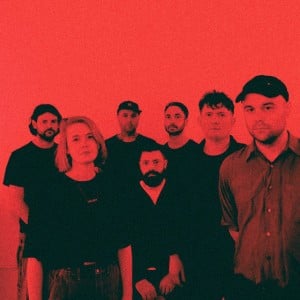
Los Campesinos!
The UK’s first & only emo band, LC! have become one of the most important and influential cult acts in the UK since they formed in the mid-2000s. Starting out in the Cardiff indie scene and soundtracking Budweiser adverts, the 7-piece’s musical evolution since has been slow, steady and remarkable. From the frenzied chaos of debut album Hold On Now, Youngster… (2008) through 2010 breakthrough Romance is Boring and the self-mythologising of latter day highlights NO BLUES (2013) and Sick Scenes (2017), their discography is a web of niche references, big swings and unflinching honesty. Making self-professed sleeper hits for weeping dipshits, they’re as influenced by The Beautiful South as they are US emo, with emotional intensity and connection always at the core. Their lyrics are a treasure trove of soccer, tales of romantic woe and painfully frank exorcisms, which have been tattooed across hundreds of fans’ bodies and served as comfort and insight during that break-up you had (there’s a reason the band’s tagline is “your ex-girlfriend’s favourite band”). Live, they have developed a reputation as a progressive and forward-thinking band, leading the way in accessibility, transparency and affordability in an era when all the above are far too rare. With their 7th album All Hell becoming their most critically acclaimed and commercially successful to date, Los Camp! approach their third decade as a band more brilliant, more potent and more vital than ever. 📷 Martina Bannister.

John Lennon: His Life, His Legacy, His Last Days
John Lennon: His Life, His Legacy, His Last Days