
Songs

Items in this hypelist
Lana Del Rel
Lana Del Rey
Artist
.
Taylor Swift
Taylor Swift
Taylor Swift
Taylor Swift is that rarest of pop phenomena: a superstar who managed to completely cross over from country to the mainstream. Others have performed similar moves -- notably, <a href="spotify:artist:32vWCbZh0xZ4o9gkz4PsEU">Dolly Parton</a> and <a href="spotify:artist:5W5bDNCqJ1jbCgTxDD0Cb3">Willie Nelson</a> both became enduring pop culture icons based on their 1970s work -- but Swift shed her country roots like they were a second skin; it was a necessary molting to reveal she was perhaps the sharpest, savviest populist singer/songwriter of her generation, one who could harness the zeitgeist, make it personal and, just as impressively, perform the reverse. These skills were evident on her earliest hits, especially the neo-tribute "Tim McGraw," but her second album, 2008's Fearless, showcased a songwriter discovering who she was and, in the process, finding a mass audience. Fearless wound up having considerable legs not only in the U.S., where it racked up six platinum singles on the strength of the Top Ten hits "Love Story" and "You Belong with Me," but throughout the world, performing particularly well in the U.K., Canada, and Australia. Speak Now, delivered almost two years later, consolidated that success and moved Swift into the stratosphere of superstardom. Her popularity only increased over her next three albums -- Red (2012), 1989 (2014), Reputation (2017) -- and found her moving assuredly into a pop realm where she already belonged. Even when she scaled back her approach with 2020's stripped-down sibling releases folklore and Evermore, she remained atop the pop world, a position she maintained with re-recordings of her back catalog along with Midnights, a moody album released in 2022. This sense of confidence had been apparent in Taylor Swift since the beginning. The daughter of two bankers -- her father, Scott Kingsley Swift, worked at Merrill Lynch; her mother, Andrea, spent time as a mutual fund marketing executive -- Swift was born in Reading, Pennsylvania, and raised in suburban Wyomissing. She began to show interest in music at the age of nine, and <a href="spotify:artist:5e4Dhzv426EvQe3aDb64jL">Shania Twain</a> wound up as her biggest formative influence. Swift started to work regularly at local talent contests, eventually winning a chance to open for <a href="spotify:artist:6UpFUXmXvDV7Qj1SPymamh">Charlie Daniels</a>. Soon, she learned how to play guitar and began writing songs, signing a music management deal with Dan Dymtrow; her family relocated to Nashville with the intent of furthering her music career. She was just 14 years old but on the radar of the music industry, signing a development deal with <a href="spotify:search:label%3A%22RCA+Records%22">RCA Records</a> in 2004. Swift sharpened her skills with a variety of professional songwriters, forming the strongest connections with <a href="spotify:artist:7pcKyVIatvXoHdZRr4Q3vT">Liz Rose</a>. Taylor's original songs earned her a deal with Sony/ATV Music Publishing, but not long after that 2004 deal she parted ways with Dymtrow and <a href="spotify:search:label%3A%22RCA%22">RCA</a>, all with the intent of launching her recording career now, not later. Things started moving swiftly once Swift came to the attention of Scott Borchetta, a former <a href="spotify:search:label%3A%22DreamWorks+Records%22">DreamWorks Records</a> exec about to launch <a href="spotify:search:label%3A%22Big+Machine+Records%22">Big Machine Records</a>. Borchetta saw Swift perform at a songwriters showcase at the Bluebird Cafe and he signed her to <a href="spotify:search:label%3A%22Big+Machine%22">Big Machine</a> in 2005; shortly afterward, she started work on her debut with producer Nathan Chapman, who'd previously helmed demos for Taylor. Boasting original song credits on every one of the record's 11 songs (she penned three on her own), Taylor Swift appeared in October 2006 to strong reviews and Swift made sure to work the album hard, appearing at every radio or television event offered and marshaling a burgeoning fan base through the use of MySpace. "Tim McGraw," the first song from the album, did well, but "Teardrops on My Guitar" and "Our Song" did better on both the pop and country charts, where she racked up five consecutive Top Ten singles. Other successes followed in the wake of the debut -- a Grammy nomination for Best New Artist (she lost to <a href="spotify:artist:6Q192DXotxtaysaqNPy5yR">Amy Winehouse</a>), stopgap EPs of Christmas songs -- but Swift concentrated on delivering her sophomore set, Fearless. Appearing in November 2008, Fearless was certified gold by the RIAA in its first week of release, and the record gained momentum throughout 2009, earning several platinum certifications as "Love Story," "White Horse," "You Belong with Me," "Fifteen," and "Fearless" all scaled the upper reaches of the country charts while "You Belong with Me" nearly topped Billboard's Hot 100. Along with the success came some headlines, first in the form of an infamous appearance at the 2009 MTV Video Music Awards where her acceptance speech was interrupted by <a href="spotify:artist:5K4W6rqBFWDnAN6FQUkS6x">Kanye West</a>, who burst on-stage to declare that Swift's rival <a href="spotify:artist:6vWDO969PvNqNYHIOW5v0m">Beyoncé</a> deserved the award more, but her romances also started gaining attention, notably a liaison with Twilight star Taylor Lautner, who appeared with the singer in the 2009 film Valentine's Day. Her flirtation with the silver screen proved brief, as she then poured herself into her third album, Speak Now. Released in October 2010, Speak Now was another massive first-week smash that refused to lose momentum. Hit singles like "Mine" and "Mean," which won two Grammy Awards, played a big factor in its success not just on the country charts but on pop radio as well. Following a 2011 live album called World Tour Live: Speak Now, Swift turned toward following a pop path on her fourth album, hiring such mainstream musicians as <a href="spotify:artist:045EiHd7X7cCjlamF0LV2M">Dan Wilson</a>, <a href="spotify:artist:7qKoy46vPnmIxKCN6ewBG4">Butch Walker</a>, and <a href="spotify:artist:26dSoYclwsYLMAKD3tpOr4">Britney Spears</a> producer <a href="spotify:artist:4e1KgW8FCqVytLFSzEYEKo">Max Martin</a>. This mainstream pulse was evident on "We Are Never Ever Getting Back Together," the first single from Red. Upon its October 2012 release, Red shattered expectations by selling over a million copies in its first week, a notable achievement that was doubly impressive in an era of declining sales. Once again, Swift's album had legs: it was certified platinum four times in the U.S. and its international sales outstripped those of Speak Now. She supported Red with an international tour in 2013 and more hits came, including "I Knew You Were Trouble" and "22." As Swift geared up for the release of her fifth album in 2014, she made it clear that 1989 was designed as her first "documented, official" pop album and that there would be no country marketing push for the record. "Shake It Off," an ebullient dance-pop throwback, hit number one upon its August 2014 release. When 1989 appeared in late October 2014, it once again shot to number one and became her third straight album to sell one million copies in its first week (a new record for any artist). Swift gathered many awards during the subsequent year, including Billboard's Woman of the Year, the Award for Excellence at the American Music Awards, and a special 50th Anniversary Milestone Award from the CMAs. Her 1989 World Tour crossed Asia, North America, and Europe during the last half of 2015, and she won three Grammy Awards at the 2016 ceremonies, including Album of the Year, Best Pop Vocal Album, and Best Music Video for "Bad Blood." At the end of 2016, she released "I Don't Wanna Live Forever," a duet with ZAYN from the soundtrack for Fifty Shades Darker. The single reached the Top Five across the world. Swift returned with her sixth album, Reputation, in November 2017. Preceded by the number one hit single "Look What You Made Me Do," Reputation debuted at number one, and while it didn't replicate the success of 1989, the album did help underscore her popularity while also pushing her toward mature musicality. Reputation was Swift's final record for <a href="spotify:search:label%3A%22Big+Machine%22">Big Machine</a>. In November 2018, she signed with <a href="spotify:search:label%3A%22Universal+Music+Group%22">Universal Music Group</a>, which distributed her new albums under its <a href="spotify:search:label%3A%22Republic+Records%22">Republic Records</a> banner. The first album in this contract was Lover. Released in August 2019, Lover was preceded by two singles, "Me!" and "You Need to Calm Down," which both reached number two on the Hot 100 and helped push the album to number one. The acclaimed LP and two of its singles received a total of three nominations at the 62nd Grammy Awards. Swift's plans to support Lover with a tour in 2020 were scrapped due to the COVID-19 pandemic. With some unexpected time on her hands, she wrote and recorded a new set of songs, many in collaboration with <a href="spotify:artist:2hSyEBc9TBb9j38FOCdkIf">Aaron Dessner</a> of <a href="spotify:artist:2cCUtGK9sDU2EoElnk0GNB">the National</a>; <a href="spotify:artist:4LEiUm1SRbFMgfqnQTwUbQ">Bon Iver</a> and longtime Swift associate <a href="spotify:artist:414TS3VqZf1XPCBixdmX9n">Jack Antonoff</a> also contributed. The resulting album, folklore, was released on July 24, 2020, and went straight to the top of the Billboard 200. Less than five months later, Swift released a companion album to folklore called Evermore. Featuring many of the same collaborators as its predecessor, the Grammy-nominated Evermore debuted at number one upon its December 11, 2020 release. Altogether, the sibling LPs planted Swift atop the U.S. charts for a combined 11 weeks, and folklore became the best-selling album of 2020. In 2021, she began the process of re-recording her back catalog after her <a href="spotify:search:label%3A%22Big+Machine%22">Big Machine</a> masters were sold off in 2019, starting with 2008's Fearless. The first of these tracks -- "Love Story (Taylor's Version)" -- arrived that February, with Fearless [Taylor's Version] arriving in April. The new version of Fearless contained cameos from <a href="spotify:artist:6aZyMrc4doVtZyKNilOmwu">Colbie Caillat</a>, <a href="spotify:artist:0u2FHSq3ln94y5Q57xazwf">Keith Urban</a>, and <a href="spotify:artist:6WY7D3jk8zTrHtmkqqo5GI">Maren Morris</a>, along with several previously unheard tunes originally written during the same time period; it debuted at number one on Billboard upon its release. Swift next revisited Red, releasing Red [Taylor's Version] in November 2021. This revamp of the 2012 album featured new duets with <a href="spotify:artist:1r1uxoy19fzMxunt3ONAkG">Phoebe Bridgers</a>, <a href="spotify:artist:4YLtscXsxbVgi031ovDDdh">Chris Stapleton</a>, and <a href="spotify:artist:6eUKZXaKkcviH0Ku9w2n3V">Ed Sheeran</a>, along with a ten-minute version of the ballad "All Too Well." Another re-recording, "This Love (Taylor's Version)" (originally off 1989), arrived in May 2022 and was included in the soundtrack to the coming-of-age drama The Summer I Turned Pretty. Swift opened up another chapter in her career with the October 2022 release of Midnights, an album co-produced by <a href="spotify:artist:414TS3VqZf1XPCBixdmX9n">Jack Antonoff</a> and featuring a duet with <a href="spotify:artist:00FQb4jTyendYWaN8pK0wa">Lana Del Rey</a> on "Snow on the Beach." ~ Stephen Thomas Erlewine
Olivia Rodrigo
Olivia Rodrigo
Olivia Rodrigo
By bringing the authenticity of her life to her relatable songs, Olivia Rodrigo has achieved record-breaking success. Her 2021 smash hit "Driver's License" and subsequent singles "Deja Vu" and "Good 4 U" made the singer/songwriter the youngest artist ever to top the Billboard Hot 100, and the first artist to have their first three singles debut in the Top Ten of that chart. These extraordinarily popular songs paved the way for Rodrigo's multi-platinum, Grammy-winning debut album, Sour. Its heartbroken, defiant, and witty mix of pop, folk, and alternative rock captured the highs and lows of a young woman fearlessly expressing who she is, how she feels, and what she wants -- themes she approached with more maturity on 2023's Grammy-nominated GUTS and its chart-topping single "Vampire." While growing up in Temecula, California, Rodrigo's first love was singing. She started vocal lessons in kindergarten and took up piano soon after; by age 12, she was playing guitar. At the suggestion of her vocal coach, she pursued acting, and she appeared in productions at her elementary and middle schools -- experiences that led her to seek professional acting jobs. In 2016, she was cast as Paige Olvera in in the Disney Channel series Bizaardvark. It was an opportunity that led to Rodrigo winning the lead role of Nini Salazar-Roberts in the Disney+ series High School Musical: The Musical: The Series, a mockumentary-style show that follows the on- and off-stage drama that happens when the student body of East High puts on a production of High School Musical: The Musical. When the show's creators -- which included writer and Broadway librettist Tim Federle -- learned Rodrigo was a songwriter, they encouraged her to pen original songs for the series. Written in Rodrigo's living room during finals week of her sophomore year, "All I Want" garnered millions of streams after the show's debut in November 2019 and entered the U.S. and Canada Hot 100 singles charts in January 2020. Rodrigo also collaborated with her co-star <a href="spotify:artist:4VdV2qRAYBLINR6uU72V1J">Joshua Bassett</a> on the duet "Just for a Moment." In the wake of High School Musical: The Musical: The Series' success, she continued to work on her own music with producer Dan Nigro (who also collaborated with <a href="spotify:artist:6sFIWsNpZYqfjUpaCgueju">Carly Rae Jepsen</a> and <a href="spotify:artist:7pyhre5oEEFMqcgMEvJY7q">Sky Ferreira</a>), looking to the confessional songwriting of <a href="spotify:artist:3g2kUQ6tHLLbmkV7T4GPtL">Fiona Apple</a>, <a href="spotify:artist:1r1uxoy19fzMxunt3ONAkG">Phoebe Bridgers</a>, and especially <a href="spotify:artist:06HL4z0CvFAxyc27GXpf02">Taylor Swift</a> for inspiration. After she signed with <a href="spotify:search:label%3A%22Interscope+%22">Interscope </a>and <a href="spotify:search:label%3A%22Geffen%22">Geffen</a> in 2020, Rodrigo's debut single, "Driver's License," arrived in January 2021 and quickly topped charts around the world. This included the Billboard Hot 100, making her the youngest artist to debut at number one on that chart. Along with breaking several streaming records, the single was a multi-platinum success in the U.S. and Canada and went platinum in several other countries. That April, her second single, "Deja Vu," appeared, and its debut at number eight on the Billboard Hot 100 made her the first artist in history to have her first two singles debut within the Top Ten. A third single, "Good 4 U," arrived in May. Like "Driver's License," it topped the Billboard Hot 100, and Rodrigo became the first artist in Billboard's history to have their first three singles debut in the Top Ten of that chart. In turn, May 2021's Sour became the first debut album to feature two singles that topped the Billboard Hot 100 upon release. Initially intended to be an EP, the album mixed pop, alt-rock, and folk and took inspiration from <a href="spotify:artist:0cQbJU1aAzvbEmTuljWLlF">No Doubt</a>, <a href="spotify:artist:4F84IBURUo98rz4r61KF70">the White Stripes</a>, <a href="spotify:artist:6ogn9necmbUdCppmNnGOdi">Alanis Morrissette</a>, and <a href="spotify:artist:70kkdajctXSbqSMJbQO424">Kacey Musgraves</a>, among others. Co-written by Rodrigo and Nigro, Sour was hailed for its genre-defying sound and candid songwriting. It was a massive global success, becoming the second best-selling album in the world in 2021. In the U.S., Sour debuted at number one on the Billboard 200 Albums Chart, ultimately spending five weeks total in that spot (an accomplishment that made it 2021's longest-running number one album by a female artist) and 52 weeks in the Top Ten, earning multiple platinum certifications along the way. Shortly after Sour's release, all of its tracks appeared in the Top 30 of the Billboard Hot 100, with "Traitor" becoming its fourth single to debut in the Top Ten. In the U.K., Sour debuted at number one the same week "Good 4 U" topped the U.K. Singles chart, making Rodrigo the youngest solo artist to have the top-selling release on both charts. The album also topped the charts in Canada, Australia, and New Zealand, where it spent ten consecutive weeks in the peak position. As Sour broke chart records, Rodrigo's concert film Sour Prom premiered in June 2021. That December, she launched her world tour, performed in Hope for the Holidays, Musicians on Call's second annual virtual concert for hospital patients, won the People's Choice Award for Album of the Year, and was named Time Magazine's Entertainer of the Year. Sour and Rodrigo's accolades continued into 2022. At that year's Grammy Awards, she won the awards for Best New Artist, Best Pop Solo Performance for "Driver's License," and Best Pop Vocal album for Sour (Rodrigo was nominated in all four of the general Grammy categories, making her the second-youngest artist after <a href="spotify:artist:6qqNVTkY8uBg9cP3Jd7DAH">Billie Eilish</a> to earn this recognition). She also won the Juno Award for International Album of the Year; the Brit Award for International Song of the Year; seven Billboard Music Awards including Top Billboard 200 album, Top New Artist, and Top Female Artist; and the ASCAP Award for Songwriter of the Year. March 2022 saw the premiere of Driving Home 2 U, a documentary chronicling the creation of Sour. That April, Rodrigo kicked off her first headlining concert tour. She covered <a href="spotify:artist:0p4nmQO2msCgU4IF37Wi3j">Avril Lavigne</a>'s "Complicated" at every show, and <a href="spotify:artist:0p4nmQO2msCgU4IF37Wi3j">Lavigne</a> joined her in performing the song at the Toronto date. At her Glastonbury Festival appearance that June, Rodrigo and <a href="spotify:artist:13saZpZnCDWOI9D4IJhp1f">Lily Allen</a> performed "Fuck You" as a response to the overruling of Roe v. Wade by the U.S. Supreme Court. In September 2022, Rodrigo departed High School Musical: The Musical: The Series at the end of its third season. At the end of the year and into 2023, Rodrigo did more charity work, participating in the third annual Venture Into Cures virtual fundraising event for families with epidermolysis bullosa and other rare diseases, the third annual Musicians on Call virtual concert, and the MusiCares Foundation Charity Relief Auction. She released "Vampire," her first single in two years, that June. Her third single to debut at number one on the Billboard Hot 100, it also topped the charts in the U.K., Australia, Ireland, Canada, and New Zealand. That song and August's multinational Top Ten hit "Bad Idea Right?" appeared on September 2023's GUTS. Produced by Nigro and recorded at his garage studio, Rodrigo's second album built on Sour's wry rock and sweeping ballads as she took stock of her tumultuous teen years. The album once again topped the U.S. and U.K. charts as well as those of 12 other countries, while all of its songs appeared in the Top 40 of the Hot 100 Singles Chart in the U.S. GUTS was also nominated for Album of the Year and Best Pop Vocal Album at the 66th Grammy Awards. That November, Rodrigo's "Can't Catch Me Now" appeared on Music from and Inspired by the Hunger Games: The Ballad of Songbirds & Snakes; the song ultimately won the 2023 Hollywood Music in Media Award for Best Original Song in a Sci-Fi, Fantasy, or Horror Film. Later in November, the four bonus tracks featured on limited edition vinyl releases of the album were issued as the vinyl EP That November, Rodrigo's "Can't Catch Me Now" appeared on Music from and Inspired by the Hunger Games: The Ballad of Songbirds & Snakes; the song ultimately won the 2023 Hollywood Music in Media Award for Best Original Song in a Sci-Fi, Fantasy, or Horror Film. Later in November, the four bonus tracks featured on limited edition vinyl releases of the album were issued as the vinyl EP GUTS: The Secret Tracks for Record Store Day Black Friday. While on tour in March 2024, Rodrigo released GUTS (spilled), a deluxe edition of the album with five bonus tracks. The following month, she made a surprise appearance at Coachella, performing "Bathwater" with <a href="spotify:artist:0cQbJU1aAzvbEmTuljWLlF">No Doubt</a> during their set. Rodrigo and Nigro were also named ASCAP's 2024 Pop Music Songwriters of the Year, marking their second time winning the award. ~ Heather Phares, Rovi
Fairuz
Fairuz
Fairuz
Since the middle of the 20th century, the most famous living Arab singer and crown jewel of Lebanese music has been Fairuz (birth name Nuhad Haddad). She is world-renowned and has performed on all continents. She has been the voice of the Arab people -- regardless of political affiliation -- since she began working professionally as one of the young Lebanese artists to perform at the Baalbek International Festivals along with <a href="spotify:artist:1sA9ybX80IVJ00sdbm5kB9">Sabah</a>, Wadih Safi, <a href="spotify:artist:1WST6nXZrdhBeSPO2yGYQT">Nasri Shamseddin</a>, the dance group Abdulhalim Caracalla, and the songwriting and playwriting team of Assi and Mansour Rahbani, her longtime collaborators. The Baalbek International Festivals -- first used as a gathering place for poets, painters, and musicians in Lebanon in the 1920s -- birthed the golden era of Lebanese music. Fairuz was born in 1935, the eldest child of Wadih Haddad and Liza Bustani. Her father was a print-shop technician who moved his family to Beirut from the village of Dbayeh in the Chouf region with the goal of making a better living. The young Fairuz showed her singing talent as a young child and often sang for her family and neighbors. In high school, at age 14, she was discovered by Mohammed Fleifel, who scouted schools for singers to perform on a then-new national radio station. Struck by her talent, he became her first agent and manager; he assisted her in gaining entry to the National Conservatory of Music, where she studied for five years. There and in public Fairuz sang for the Palestinian cause without politicizing it. She also paid respect to various Arab capitals without personalizing them. Of course, her home nation of Lebanon was among them, and her singing garnered her more political and diplomatic bona fides than most professionals. As her agent and manager, Fleifel believed in a singer's training method prevalent in Egypt at the time, the chanting of Koranic verses, which birthed the careers of <a href="spotify:artist:52lsD82iOqGtyfEMqWgk4f">Umm Kulthum</a> and Mohammed Abdul Wahab. This skill, which Fairuz employed to great benefit in her intonation and command of the classical language, became clear in her singing of maquam, a classical Arabic poetic form and a secular musical genre. It probably helped her sharpen the Eastern style in her singing in the proper melodic Arabic modes. She distinguished herself from typical Arab singers by using crystalline resonances; initially, some critics remarked that she actually sounded Western. It was not long before officials of the new national radio station hired her as a chorus singer. Her conservative father initially objected, but the devout Christian girl felt the salary from the job could help her achieve her real goal of becoming a teacher. Her father reluctantly approved under the condition that her brother escort her to the studio every day. In the late '40s and early '50s, Fairuz absorbed on-the-job training at the radio station. Her supervisor, Halim Al-Rumi, composed songs for her. At the time it was not uncommon for singers to take a stage name. Rumi suggested that Nahud Haddad sing under the name Fairuz, a word meaning turquoise. He also introduced her to Assi Rahbani, a policeman by profession, who, along with his poet brother Mansour Rahbani, frequented the radio station looking for a break in the music business. It was there that one of the most formidable, prolific, and long-lived collaborative teams in Arab music was born. The first <a href="spotify:artist:6pyqxT57yY1F11mlZku6ae">Rahbani Brothers</a> song Fairuz sang on the station was "Itab," a romantic poem. This song launched her career and almost overnight made her a star in Lebanon. They traveled to Damascus in 1952 to record the song at a Syrian radio station. It was an immediate hit and she quickly became known throughout the Arab world. In 1953, Assi proposed to Fairuz and they were married the following year and moved into a house in the Rahbani village of Antiliyas near Beirut. The rural environment in close proximity to the Mediterranean inspired many songs, and she continues to live there. Their success streak continued, and the young couple was invited to travel to Egypt the following year. Cairo, the cultural center of the Arab world, was the proving ground for every artist. Assi and Fairuz, however, turned down offers for collaboration from members of the Egyptian art community because she was pregnant; they simply played their tour and were widely accepted by artists and the general public alike. Fairuz did make new introductions and form new friendships. She returned home and gave birth to son <a href="spotify:artist:56F07EgoDt7uxzQUb6HZnT">Ziad</a> in 1956. <a href="spotify:artist:56F07EgoDt7uxzQUb6HZnT">Ziad Rahbani</a> grew up to become a great composer and has played a critical role in shaping his mother's music during the later stages of her career. Given her natural shyness and reserved persona, performing concerts was not an easy proposition for Fairuz, but she was diligent and fearless. Focusing on her singing rather than body movements, she won over a large audience in her first performance at the Baalbek International Festival in 1957. The Rahbani family chose a song about the beauty of Lebanon for her debut, a winning strategy that quickly earned her a medal from the president. This was the first of many career accomplishments, including the issuing of a memorial stamp. The leaders of many Arab nations have hosted and honored her with medals. One example is that the King of Morocco personally received her at the country's state airport -- a protocol normally reserved for heads of state. She has collected a multitude of keys to cities around the world. One of those keys came from the Arab mayor of Jerusalem in 1961, when she accompanied her father on a pilgrimage to the city. Arab intellectuals worried that attention from politicians might co-opt the influence of the Rahbani family for partisan purposes. However, the political savvy of Fairuz, Assi, and Mansour led them to sing only for the glory of the land itself. They composed and performed a series of songs for all the major Arab capitals -- each became a celebrated piece of popular art. These nations have taken the songs as secondary national anthems and have often played them during official broadcasts well into the 21st century. By singing for the Palestinian cause without politicizing it and by paying respect to Arab capitals instead of leaders, Fairuz earned political respect for Lebanon. She has, since the very beginnings of her professional career, been an effective ambassador for her country. During the nation's long civil war she refused to leave -- even when virtually every other popular artist did -- and never performed for factional warlords. Despite her celebrity status, Fairuz never acted like one. She maintained an almost ascetic decorum and was more comfortable recording her now legendary Christian liturgy albums than her hit dance songs. Fairuz rose to the pinnacle of Arab singers. Her repertoire on recordings and in performance offered a broad spectrum of material unmatched by virtually any other vocalist. From classical language tomes, pop and dance music, Eastern tarab, and Western classical (including a <a href="spotify:artist:4NJhFmfw43RLBLjQvxDuRS">Mozart</a> tune with Arabic lyrics) to art, children's, and patriotic songs, she excelled. The Rahbani brothers were brilliant at bringing new material to the many musical plays they composed as well as the Arab music scene at large. In the 1950s, audiences in Lebanon and elsewhere were used to solely Egyptian vocabulary devoted to the complications and intense emotions of love and romance. Suddenly, <a href="spotify:artist:6pyqxT57yY1F11mlZku6ae">the Rahbanis</a> were offering songs about a young girl carrying a water jug or Dabke dancers celebrating at a wedding. The universal imagery elevated life's simple moments to the realm of art. This became the Rahbani school, imitated by succeeding generation of artists. But Fairuz and Assi's son <a href="spotify:artist:56F07EgoDt7uxzQUb6HZnT">Ziad</a> was a rebel. He entered the family business and composed some of his mother's best songs, but eventually broke off and produced plays that satirized their formula. Turmoil engulfed the family; Fairuz and her husband separated. They were not reconciled when he died in 1986. The Arab world lost a brilliant composer in Assi Rahbani. In commemoration, Fairuz and <a href="spotify:artist:56F07EgoDt7uxzQUb6HZnT">Ziad</a> reissued Assi's compositions in a new instrumental style. <a href="spotify:artist:56F07EgoDt7uxzQUb6HZnT">Ziad</a> then took on the responsibility of composing for his mother, often incorporating jazz in some songs and Eastern themes (manipulating maqam masterfully) in others, proving his skill in both. <a href="spotify:artist:56F07EgoDt7uxzQUb6HZnT">Ziad</a>'s fine work is a modern commentary on the debate about the ability of Arabs to compose in Western styles. <a href="spotify:artist:6pyqxT57yY1F11mlZku6ae">The Rahbani Brothers</a> planted that seed in <a href="spotify:artist:56F07EgoDt7uxzQUb6HZnT">Ziad</a>. They had been interested in experimenting with mixing Western and Eastern music, as did Mohammed Abdul Wahab (whose songs Fairuz also recorded). They wanted to leave their mark and did so uniquely, tackling new melodic forms and adapting dance tunes -- including Western ballroom styles. Their biggest contribution was in arranging folk music in a new way. They drew from the experience and customs of their culture and created new musical plays that some called "Arab light opera." Through the voice of Fairuz, <a href="spotify:artist:6pyqxT57yY1F11mlZku6ae">the Rahbani Brothers</a> re-orchestrated the ancient muwashahat and composed their own take on it, singing classical poetry in the style of the Arabs in Andalusia. In the 1960s, Fairuz also became an actress, starring in four films between 1965 and 1968. Between the middle of the 1960s through 1973 she also made numerous appearances on television and in <a href="spotify:artist:6pyqxT57yY1F11mlZku6ae">the Rahbani Brothers</a>' musical theater productions. She was most prolific in the recording studio in the 1970s and 1980s -- she issued literally dozens of albums during the era. These included titles as diverse as Dahab Aylou, Sings Christmas Carols at St. Margaret's Westminster, and Jerusalem in My Heart. Interestingly, throughout their careers together, <a href="spotify:artist:6pyqxT57yY1F11mlZku6ae">the Rahbani Brothers</a> and Fairuz did not work together exclusively. <a href="spotify:artist:6pyqxT57yY1F11mlZku6ae">The Rahbanis</a> welcomed other composers, and some of Fairuz's best songs are attributed to composers such as Filimone Wahbi, Najib Hankash, and Wahab. In turn, <a href="spotify:artist:6pyqxT57yY1F11mlZku6ae">the Rahbani Brothers</a> composed for <a href="spotify:artist:1sA9ybX80IVJ00sdbm5kB9">Sabah</a>, Wadih Safi, and many others. In 1997, Lebanon wanted to formally mark the end of the civil war with the return of the Baalbek International Festival. People demanded Fairuz's return, and in 1998 her performance -- attended by some international political leaders as well as an audience of nearly 100,000 -- was universally acclaimed. That spring, Fairuz staged another historical event by performing in Las Vegas and attracting more than 14,000 people (with another 5,000 reportedly outside listening from hastily installed speakers) from throughout the Western Hemisphere. Her fans had worried that they may not get a chance to see her perform live outside of Lebanon again. Fears that her voice was not strong were dispelled as she dazzled them with their classic favorites. The crowd gave her numerous standing ovations. She returned to the stage to perform five encores. Although Fairuz subsequently dialed back some of her intense performing and recording appearances, she remained active. Released in 2000, Al Mahatta was among her most critically lauded albums. Issued on <a href="spotify:search:label%3A%22Voix+de+l%27Orient%22">Voix de l'Orient</a>, it sold millions of copies globally. Arriving in 2002, Wala Kif spawned numerous editions and was critically acclaimed in the European press as well as a best-seller in the Arab world. Whenever she took a stage or entered a studio, the results were remarkable. In 2007 Fairuz became the first artist from the Arab world to perform in Greece, at the Odeon of Herodes Atticus. Her albums such as Live in Dubai (2008), Eh Fi Amal (2010), and Ya Tara Nsina (2012) have garnered only positive reviews. After a recording break of nearly five years, Fairuz released Bebalee in 2017 at the age of 82. ~ Thom Jurek., Rovi
Uncategorized
Lana Del Rey
Lana Del Rey
.
idfc
Song · blackbear

Starboy
Song · The Weeknd, Daft Punk

death bed (coffee for your head)
Song · Powfu, beabadoobee
Revenge
Song · XXXTENTACION

Duvet
Song · bôa
anything
Song · Adrianne Lenker
Falling Down - Bonus Track
Song · Lil Peep, XXXTENTACION

Moonlight
Song · XXXTENTACION
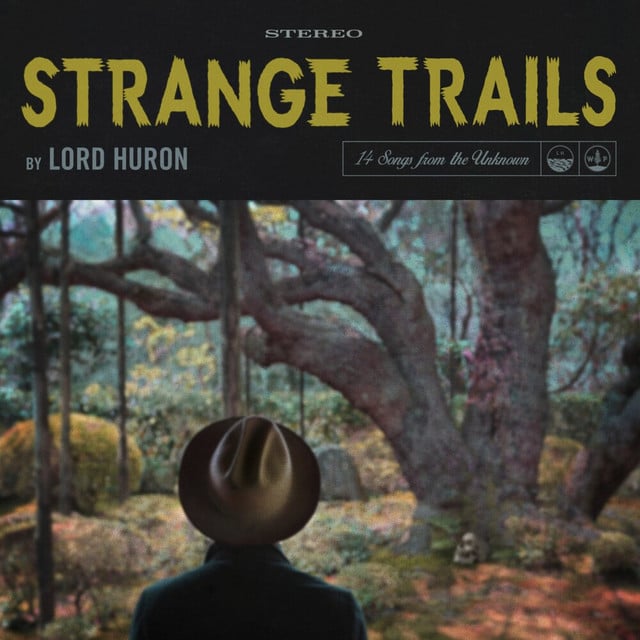
The Night We Met
Song · Lord Huron

Viva La Vida
Song · Coldplay
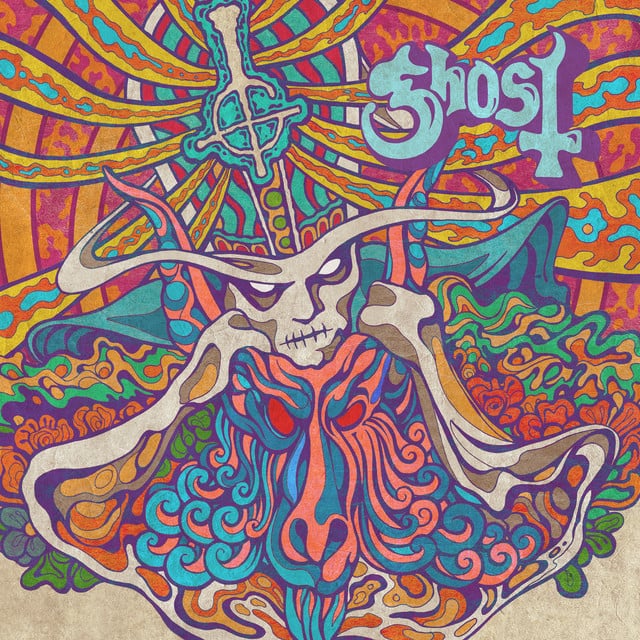
Mary On A Cross
Song · Ghost

Poker Face
Song · Lady Gaga
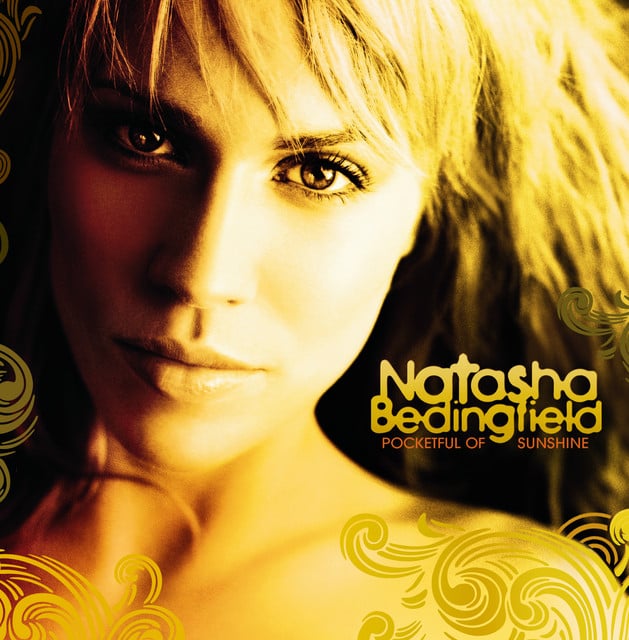
Pocketful of Sunshine
Song · Natasha Bedingfield

Counting Stars
Song · OneRepublic

SNAP
Song · Rosa Linn
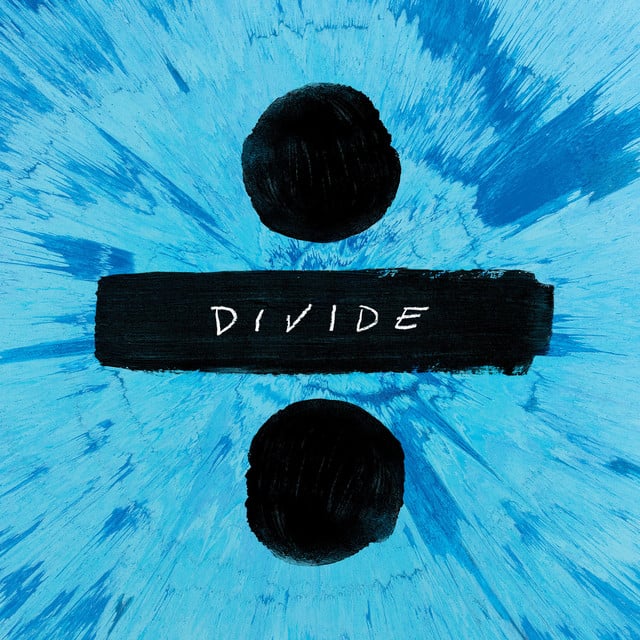
Shape of You
Song · Ed Sheeran
Faded
Song · Alan Walker
