university of cambridge: chinese studies preparatory reading list

Items in this hypelist
east asian studies
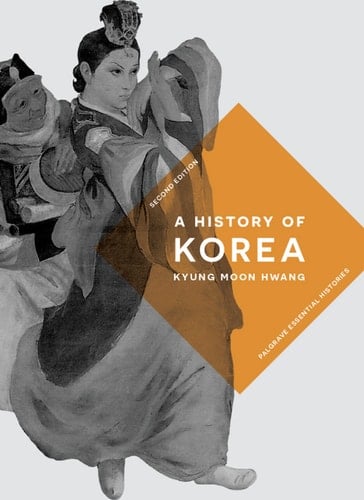
A History of Korea
Kyung Moon Hwang · 2010
History of Japan: Revised Edition
Richard Mason, J. G. Caiger · 2011
The Cambridge Illustrated History of China
Patricia Buckley Ebrey · 1999

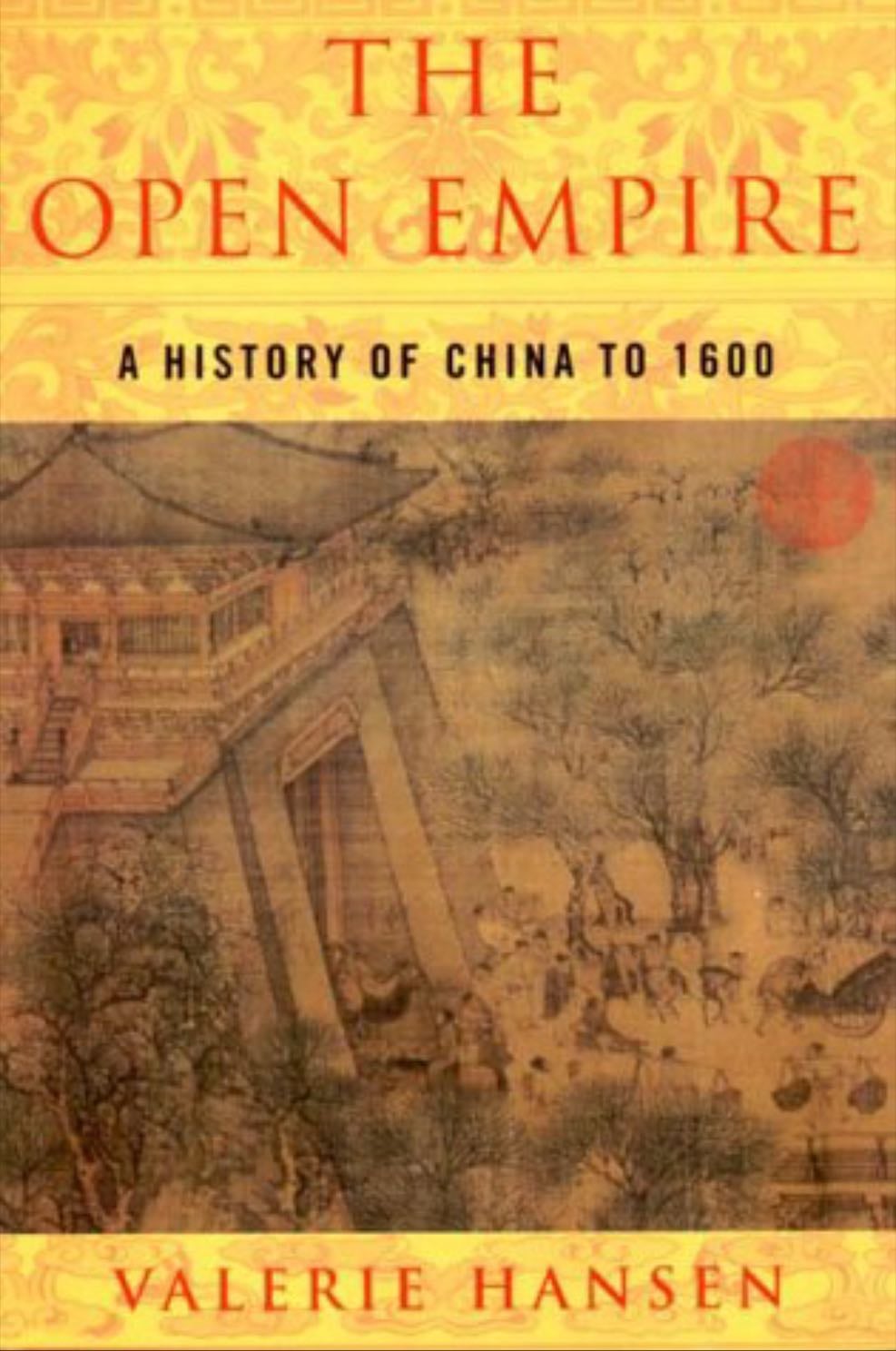
The Open Empire: A History of China Through 1600
Valerie Hansen · 2000
The Open Empire presents a fresh approach to Chinese history in the premodern period, drawing on stunning evidence from recent archaeological finds and exciting currents in scholarship. Departing from the dynastic structure typical of other histories, Valerie Hansen charts the broad social changes that transcend the artificial chronological boundaries of dynasties, enriching her narrative with discussions of everyday life in the distant past. Peopling the pages are nobles, peasants, women, students, writers, and rebels--all offering their own distinct and colorful perspective. Illuminating the many ways in which Chinese society has been influenced by foreign cultures, The Open Empire depicts China as a country with a dynamic, open history.
language

Rediscover Grammar
David Crystal · 2004
The Chinese Language: Fact and Fantasy
John DeFrancis · 1984
Describes some of the concepts underlying the Chinese language and writing system, and gives the author's position on a number of ideas about the language.

Oxford Beginner's Chinese Dictionary
Oxford Languages · 2006
Chinese (Cambridge Language Surveys)
Jerry Norman · 1988
history
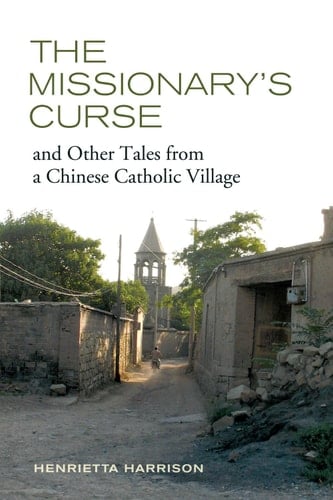
The Missionary's Curse and Other Tales from a Chinese Catholic Village (Asia: Local Studies / Global Themes Book 26)
Henrietta Harrison · 2013
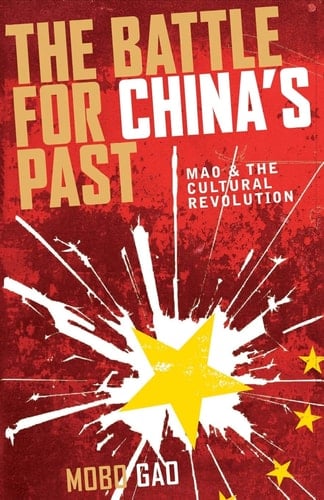
The Battle for China's Past: Mao and the Cultural Revolution
Mobo Gao · 2008

The Great Wall of China: From History to Myth (Cambridge Studies in Chinese History, Literature and Institutions)
Arthur Waldron · 1990

Mao's Little Red Book: A Global History
Alexander C. Cook · 2014
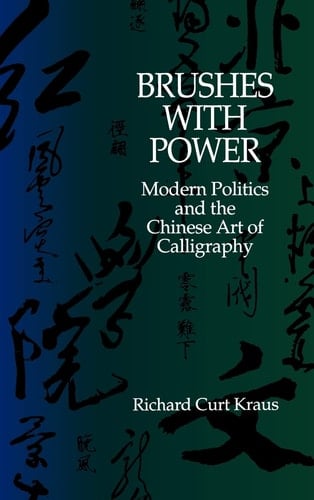
Brushes with Power: Modern Politics and the Chinese Art of Calligraphy
Richard Curt Kraus · 1991
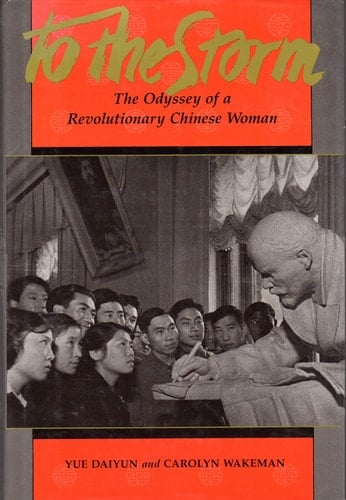
To the storm: The odyssey of a revolutionary Chinese woman
Yue Daiyun, Carolyn Wakeman · 1985
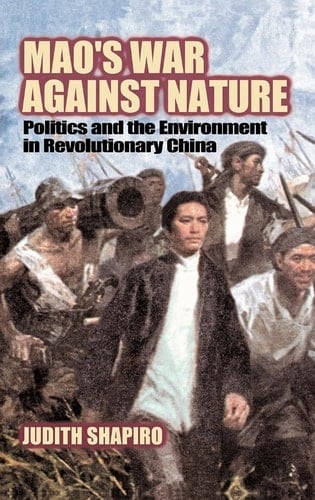
Mao's War against Nature
Judith Shapiro · 2001

Mao Tse-tung
Stuart R. Schram · 1970
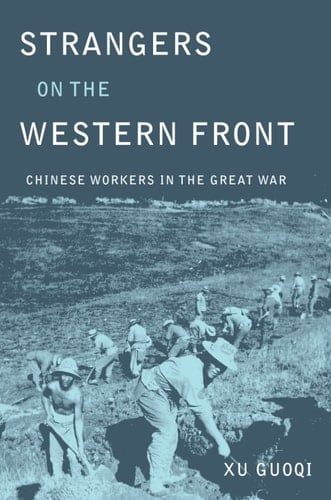
Strangers on the Western Front: Chinese Workers in the Great War
Guoqi Xu · 2011
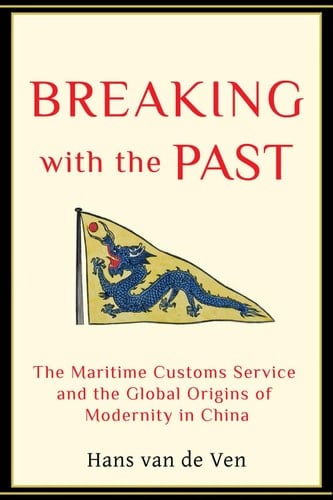
Breaking with the Past: The Maritime Customs Service and the Global Origins of Modernity in China
Hans van de Ven · 2014

The Search for Modern China
Jonathan D. Spence · 1991
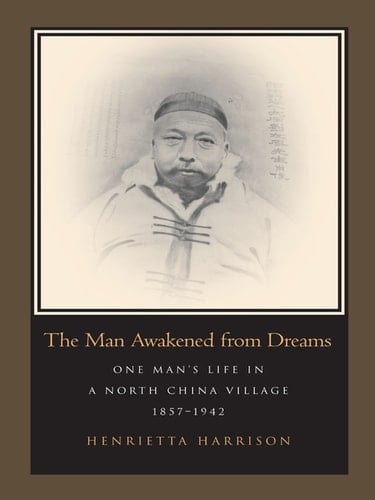
The Man Awakened from Dreams: One Man’s Life in a North China Village, 1857-1942: One Man's Life in a North China Village, 1857-1942
Henrietta Harrison · 2005

Soulstealers: The Chinese Sorcery Scare of 1768
Philip Kuhn · 2000
Kong Feili Zhu ; Chen Jian, Liu Chang Yi. 孔复礼著 ; 陈兼, 刘昶译.
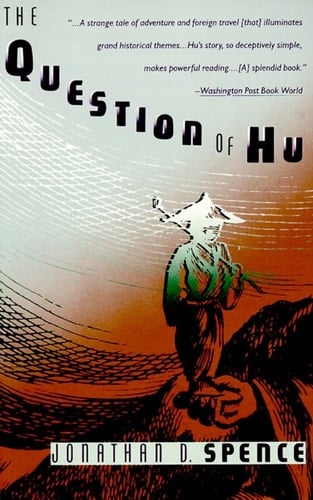
The Question of Hu
Jonathan D. Spence · 1989
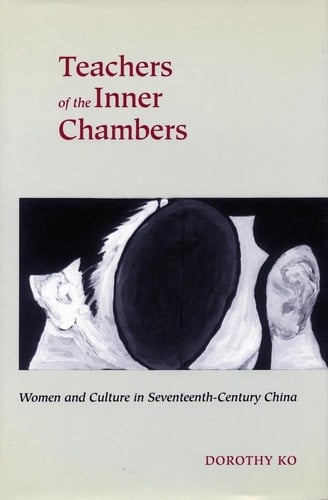
Teachers of the Inner Chambers: Women and Culture in Seventeenth-Century China
Dorothy Ko · 1994

1587, A Year of No Significance: The Ming Dynasty in Decline
Ray Huang · 1981

The Memory Palace of Matteo Ricci
Jonathan D. Spence · 1983

Daily Life in China on the Eve of the Mongol Invasion, 1250-1276
Jacques Gernet · 1962
The Open Empire: A History of China Through 1600
Valerie Hansen · 2000

China: Its Environment and History (World Social Change)
Robert B. Marks · 2012

Making China Modern From the Great Qing to Xi Jinping
Klaus Mühlhahn · 2019

The Pattern of the Chinese Past
Mark Elvin · 1973
A satisfactory comprehensive history of the social and economic development of pre-modern China, the largest country in the world in terms of population, and with a documentary record covering three millennia, is still far from possible. The present work is only an attempt to disengage the major themes that seem to be of relevance to our understanding of China today. In particular, this volume studies three questions. Why did the Chinese Empire stay together when the Roman Empire, and every other empire of antiquity of the middle ages, ultimately collapsed? What were the causes of the medieval revolution which made the Chinese economy after about 1100 the most advanced in the world? And why did China after about 1350 fail to maintain her earlier pace of technological advance while still, in many respects, advancing economically? The three sections of the book deal with these problems in turn but the division of a subject matter is to some extent only one of convenience. These topics are so interrelated that, in the last analysis, none of them can be considered in isolation from the others.

The Cambridge Illustrated History of China
Patricia Buckley Ebrey · 1996
society, culture and religion

Go Nation: Chinese Masculinities and the Game of Weiqi in China (Asia: Local Studies / Global Themes Book 28)
Marc L. Moskowitz · 2013
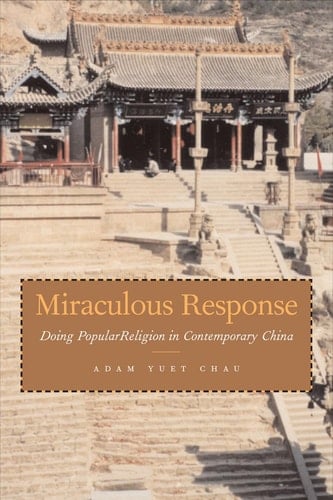
Miraculous Response: Doing Popular Religion in Contemporary China
Adam Yuet Chau · 2006

Chinese Religious Life
David A. Palmer, Glenn Shive, Philip L. Wickeri · 2011
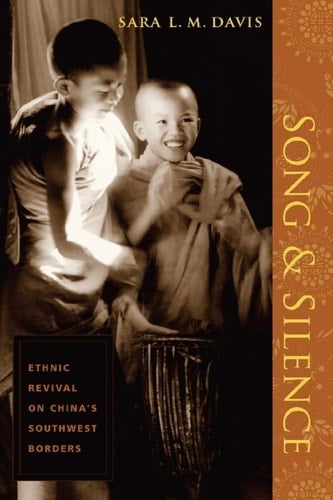
Song and Silence: Ethnic Revival on China's Southwest Borders
Sara Davis · 2005
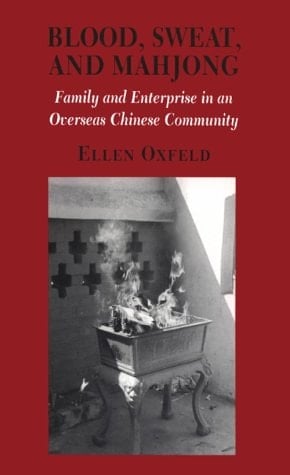
Blood, Sweat, and Mahjong: Family and Enterprise in an Overseas Chinese Community (Anthropology of Contemporary Issues)
Ellen Oxfeld · 1993
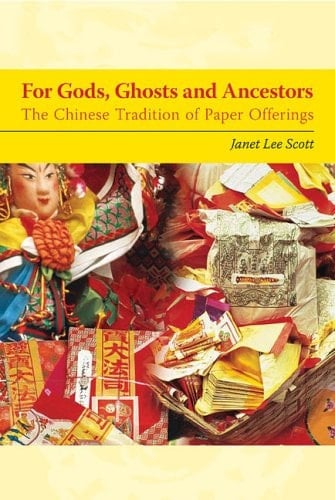
For Gods, Ghosts, and Ancestors: The Chinese Tradition of Paper Offerings
Janet Lee Scott · 2007
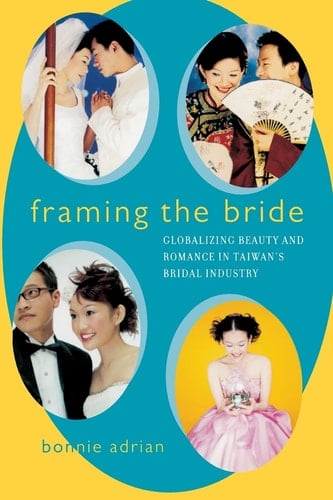
Framing the Bride: Globalizing Beauty and Romance in Taiwan's Bridal Industry
Bonnie Adrian · 2003
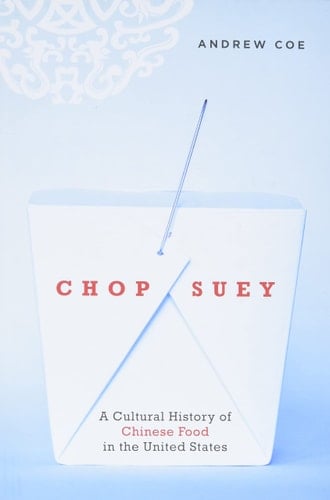
Chop Suey: A Cultural History of Chinese Food in the United States
Andrew Coe · 2009

Feeding China’s Little Emperors: Food, Children, and Social Change
Jun Jing · 2000
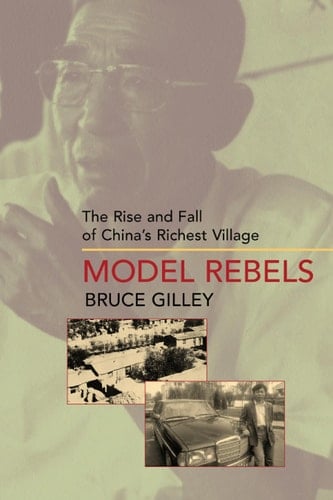
Model Rebels: The Rise and Fall of China's Richest Village
Bruce Gilley · 2001
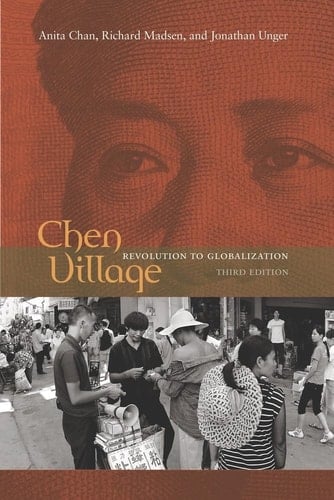
Chen Village: Revolution to Globalization
Anita Chan, Richard Madsen, Jonathan Unger · 2009
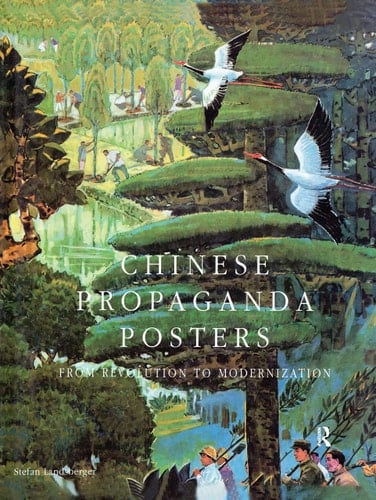
Chinese Propaganda Posters: From Revolution to Modernization: From Revolution to Modernization
Stefan Landsberger · 1995

The house of Lim;: A study of a Chinese farm family
Margery Wolf · 1968

A Daughter of Han: The Autobiography of a Chinese Working Woman
Ida Pruitt · 1967

A Chinese Pioneer Family : The Lins of Wu-Feng, Taiwan, 1729-1895
Johanna Menzel Meskill · 1979
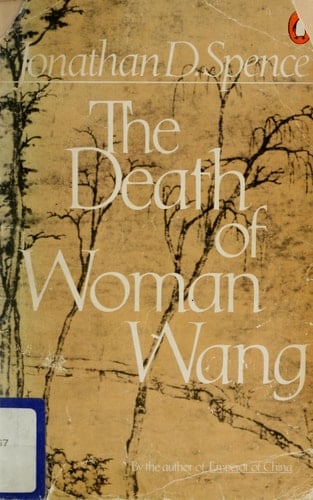
The Death of Woman Wang
Jonathan D. Spence · 1998
In Praise of Blandness: Proceeding from Chinese Thought and Aesthetics (Zone Books)
Francois Jullien · 2004
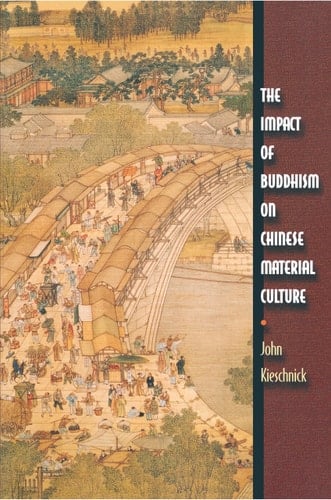
The Impact of Buddhism on Chinese Material Culture (Buddhisms: A Princeton University Press Series, 5)
John Kieschnick · 2003
The Story of Buddhism: A Concise Guide to Its History & Teachings
Donald S. Lopez Jr. · 2001

State and Religion in China
Anthony C. Yu · 2005

Bing: From Farmer's Son to Magistrate in Han China
Michael Loewe · 2011

Chinese Civilization: A Sourcebook
Patricia Buckley Ebrey · 1993
literature
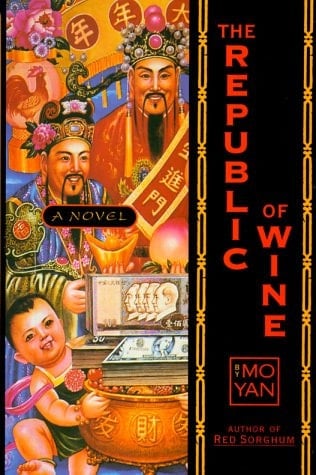
The Republic of Wine
Mo Yan · 2000

To Live: A Novel
Yu Hua · 2003
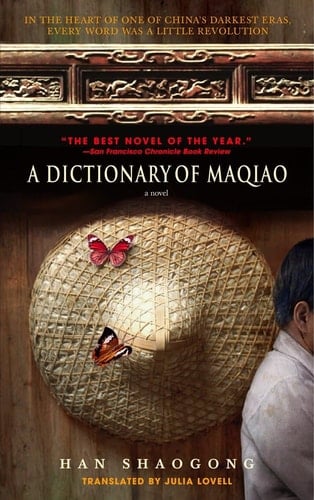
A Dictionary of Maqiao
Han Shaogong · 2005
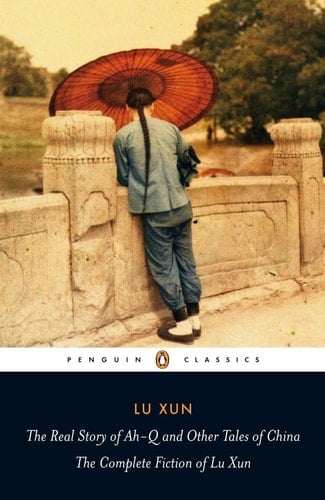
The Real Story of Ah-Q and Other Tales of China: The Complete Fiction of Lu Xun (Penguin Classics)
Lu Xun · 2010
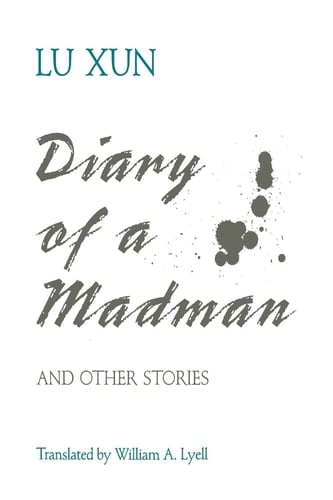
Diary of a Madman, and other stories
Lu Xun · 1990

The Story of the Stone
Cao Xueqin · 2007

Poems of the Late T'ang (UNESCO COLLECTION OF REPRESENTATIVE WORKS :, CHINESE SERIES)
Various · 1977
the arts

Art in China (Oxford History of Art)
Craig Clunas · 1997
A Pure and Remote View: Visualizing Early Chinese Landscape Painting
a lecture series by Professor Emeritus James Cahill
Ten Thousand Things: Module and Mass Production in Chinese Art
Lothar Ledderose · 2001

Chinese Painting
James Cahill · 1977
general
Chinese Thought
Roel Sterckx · 2020
The grand titration: Science and society in East and West
Joseph Needham · 1969

Insider China
Lifeng Han, Emma Wu, Hua Cai · 2007
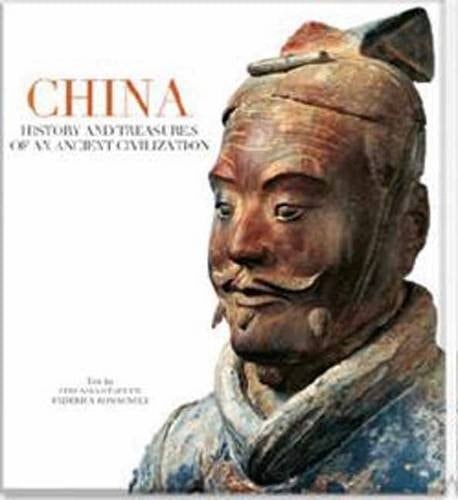
China: History and Treasures of an Ancient Civilization
Stafutti;Romagnoli · 2014
extra: harvard university press

China's Last Empire: The Great Qing (History of Imperial China Book 6)
William T. Rowe · 2012
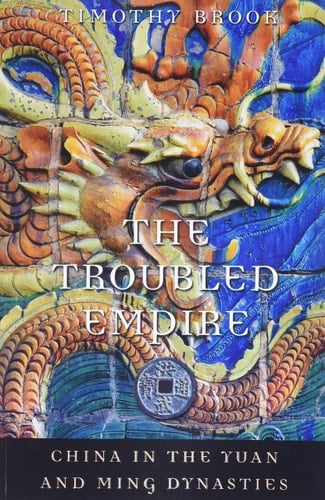
The Troubled Empire: China in the Yuan and Ming Dynasties (History of Imperial China Book 5)
Timothy Brook · 2013
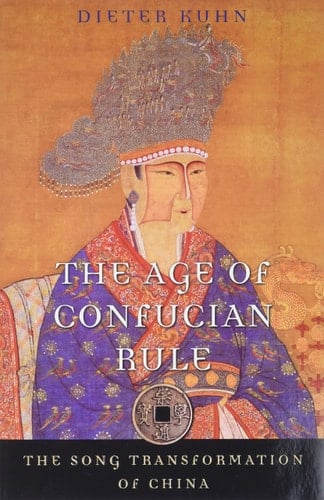
The Age of Confucian Rule: The Song Transformation of China (History of Imperial China Book 4)
Dieter Kuhn · 2011

China's Cosmopolitan Empire: The Tang Dynasty (History of Imperial China Book 3)
Mark Edward Lewis · 2009
The Tang dynasty is often called China’s “golden age,” a period of commercial, religious, and cultural connections from Korea and Japan to the Persian Gulf, and a time of unsurpassed literary creativity. Mark Lewis captures a dynamic era in which the empire reached its greatest geographical extent under Chinese rule, painting and ceramic arts flourished, women played a major role both as rulers and in the economy, and China produced its finest lyric poets in Wang Wei, Li Bo, and Du Fu.<br/>The Chinese engaged in extensive trade on sea and land. Merchants from Inner Asia settled in the capital, while Chinese entrepreneurs set off for the wider world, the beginning of a global diaspora. The emergence of an economically and culturally dominant south that was controlled from a northern capital set a pattern for the rest of Chinese imperial history. Poems celebrated the glories of the capital, meditated on individual loneliness in its midst, and described heroic young men and beautiful women who filled city streets and bars.<br/>Despite the romantic aura attached to the Tang, it was not a time of unending peace. In 756, General An Lushan led a revolt that shook the country to its core, weakening the government to such a degree that by the early tenth century, regional warlordism gripped many areas, heralding the decline of the Great Tang.
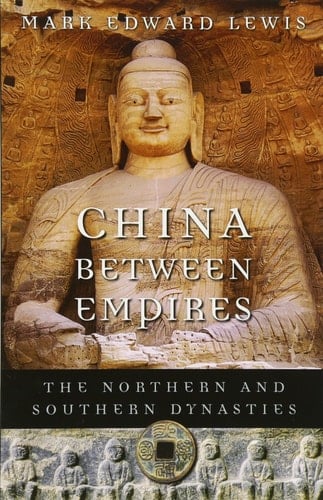
China Between Empires: The Northern and Southern Dynasties (History of Imperial China Book 2)
Mark Edward Lewis · 2011

The Early Chinese Empires: Qin and Han (History of Imperial China Book 1)
Mark Edward Lewis · 2009
In 221 BC, the First Emperor of Qin unified the lands that would become the heart of a Chinese empire. Though forged by conquest, this vast domain depended for its political survival on a fundamental reshaping of Chinese culture. With this informative book, we are present at the creation of an ancient imperial order whose major features would endure for two millennia. The Qin and Han constitute the “classical period” of Chinese history—a role played by the Greeks and Romans in the West. Mark Edward Lewis highlights the key challenges faced by the court officials and scholars who set about governing an empire of such scale and diversity of peoples. He traces the drastic measures taken to transcend, without eliminating, these regional differences: the invention of the emperor as the divine embodiment of the state; the establishment of a common script for communication and a state-sponsored canon for the propagation of Confucian ideals; the flourishing of the great families, whose domination of local society rested on wealth, landholding, and elaborate kinship structures; the demilitarization of the interior; and the impact of non-Chinese warrior-nomads in setting the boundaries of an emerging Chinese identity. The first of a six-volume series on the history of imperial China, The Early Chinese Empires illuminates many formative events in China’s long history of imperialism—events whose residual influence can still be discerned today.