vibe i bring to the function⋆˚࿔

Items in this hypelist
other

purple hair

taylorswift
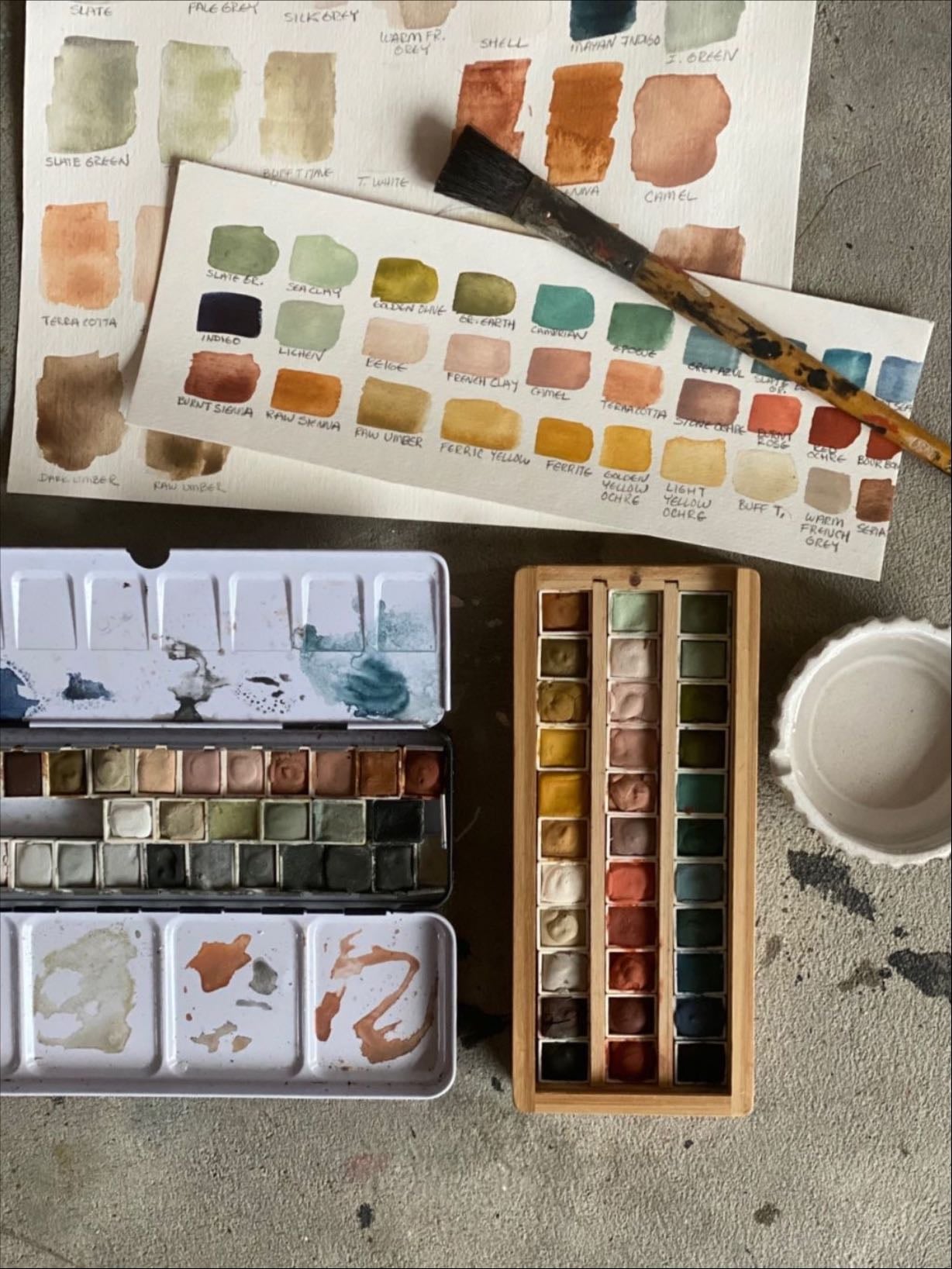
painting
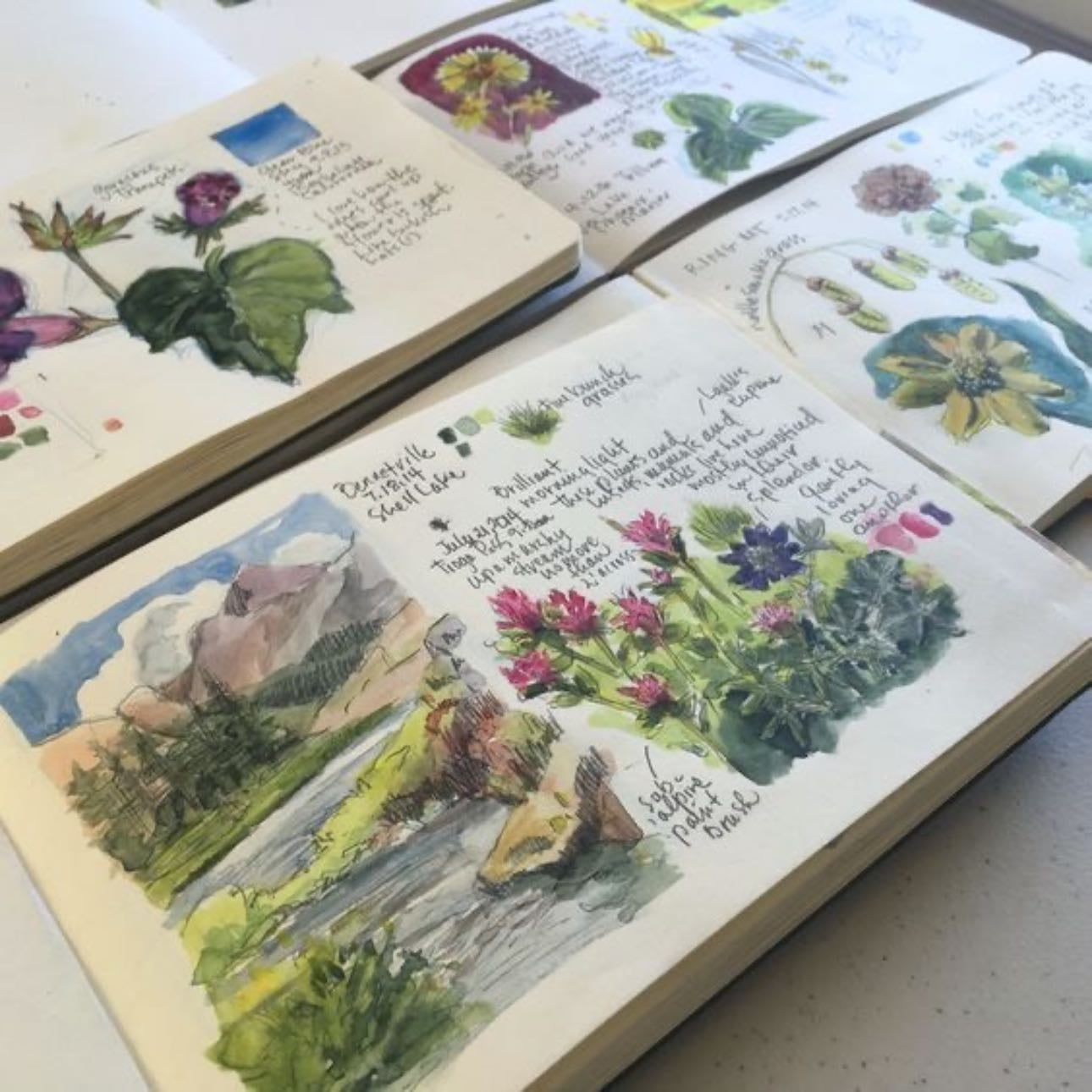
journaling

blue nails

tulips
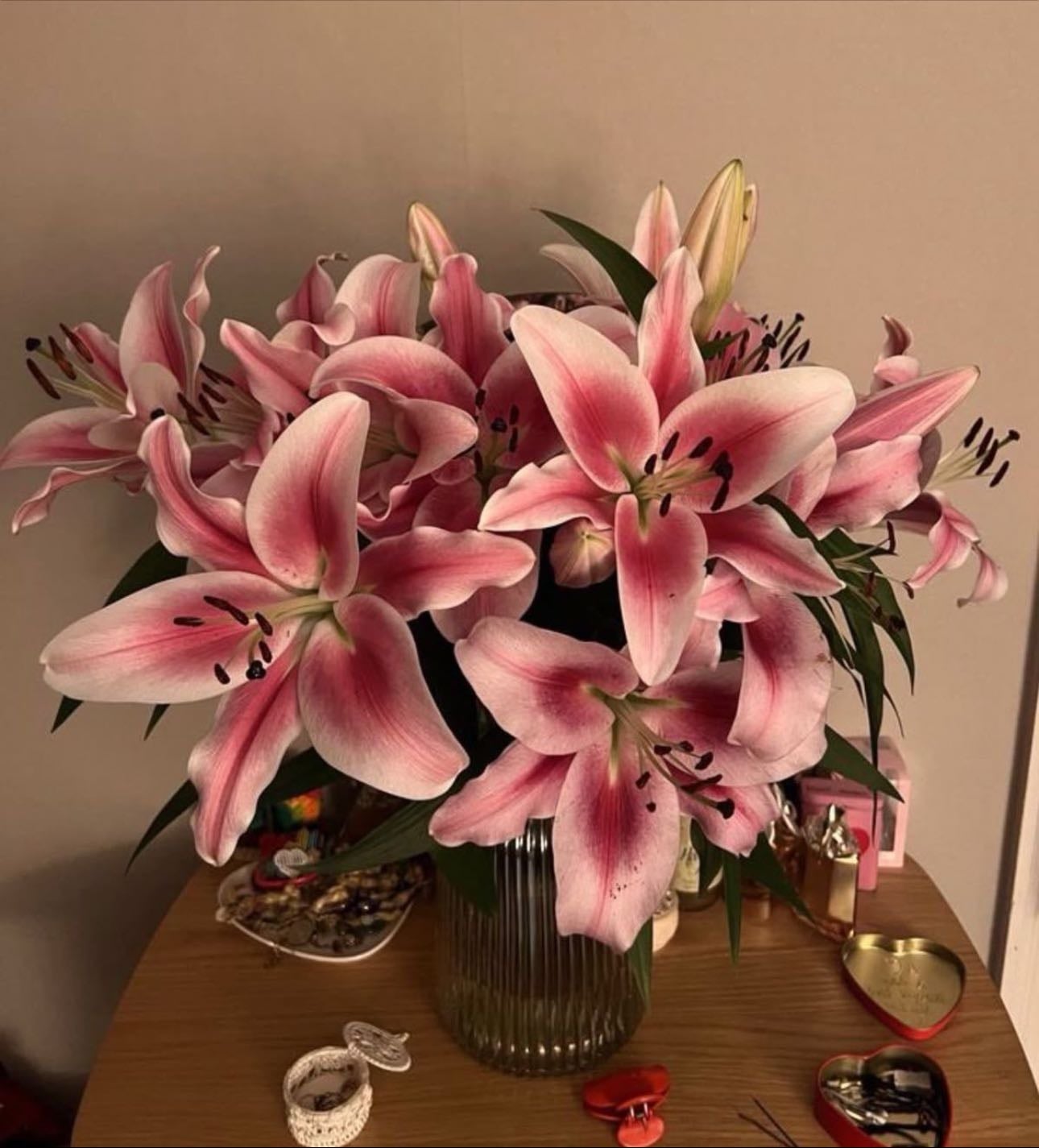
lilies
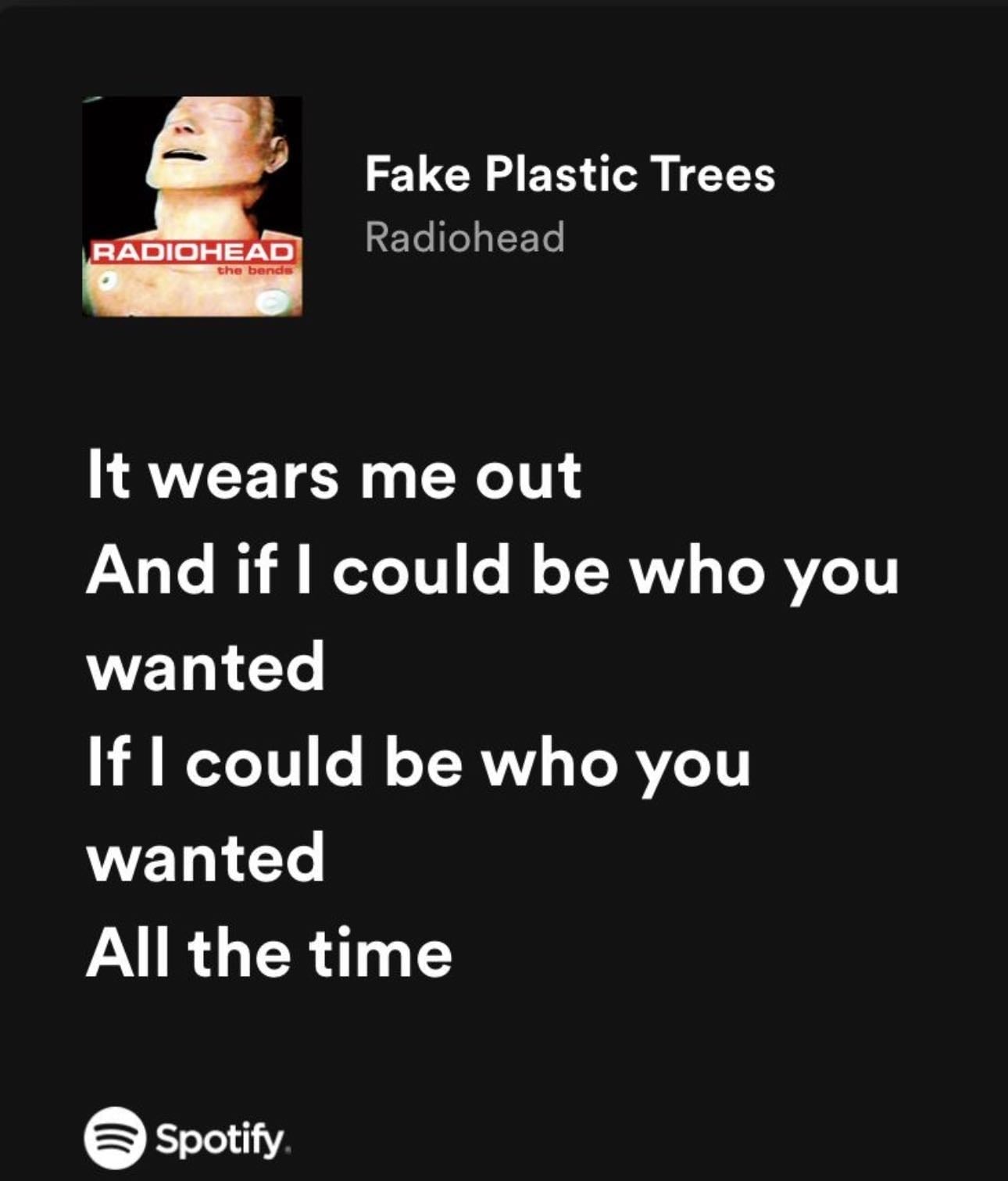
this song
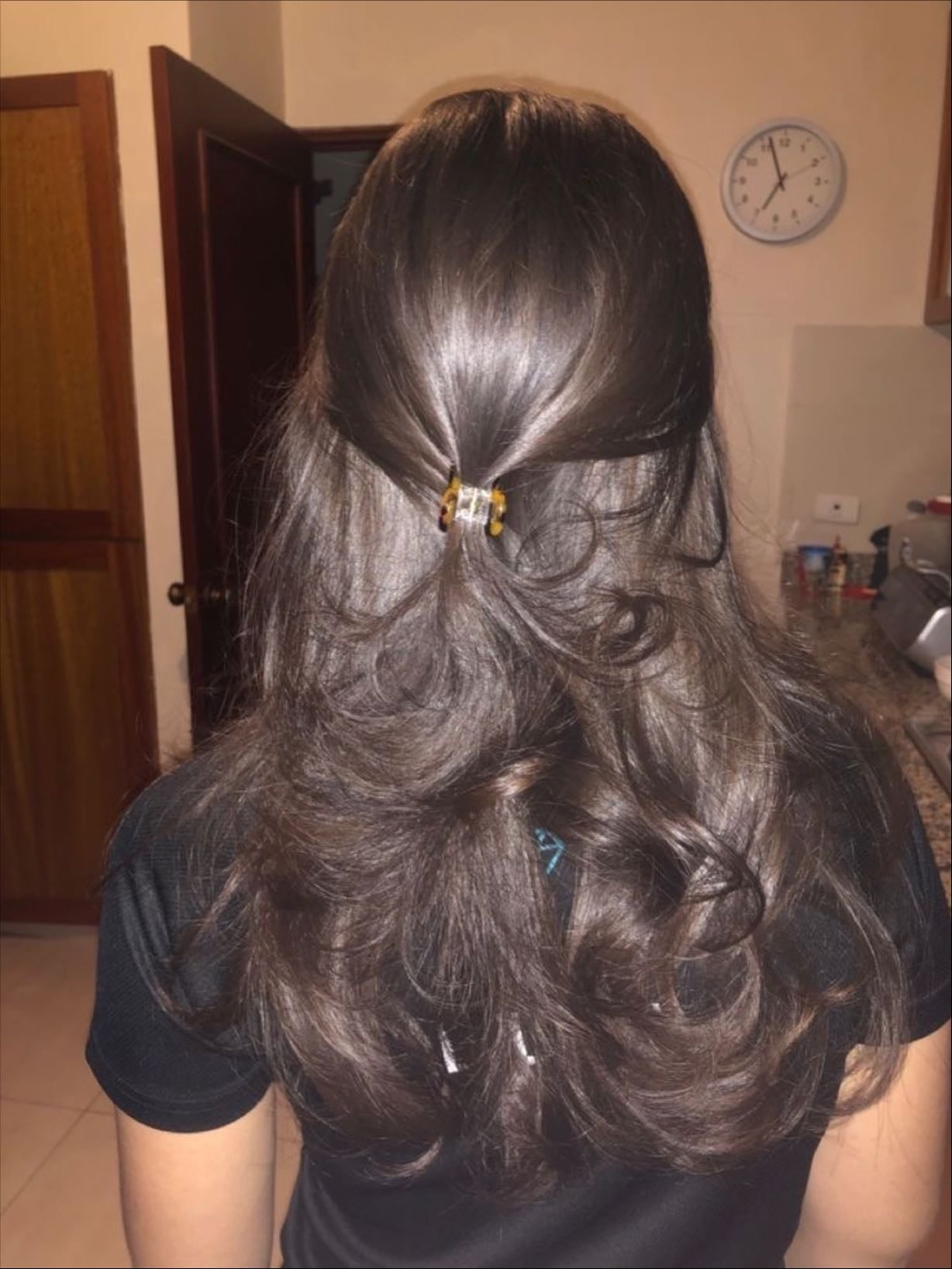
this hairstyle
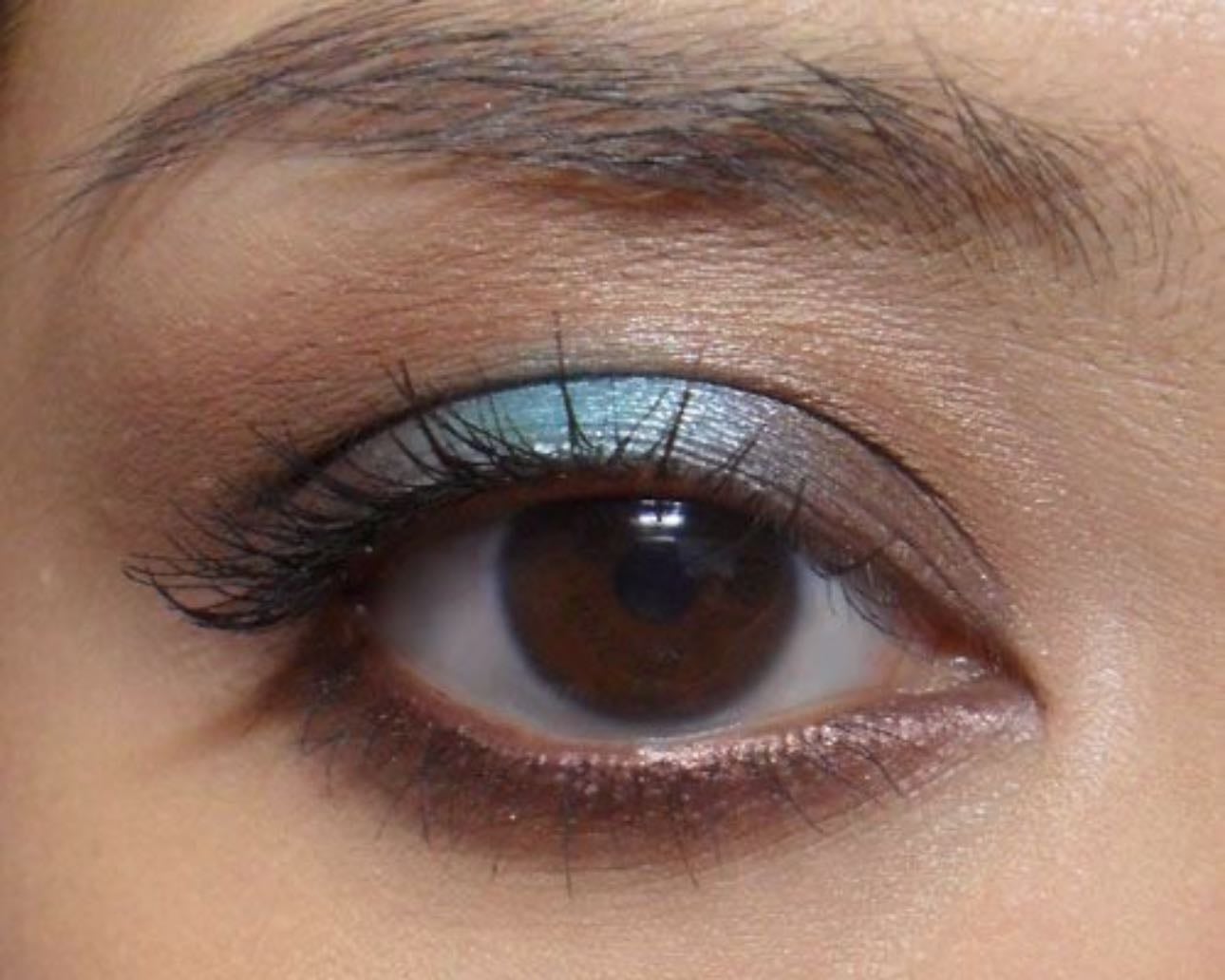
eyemakeup
eyebrow piercing

guitar

let down

leather jacket

henley
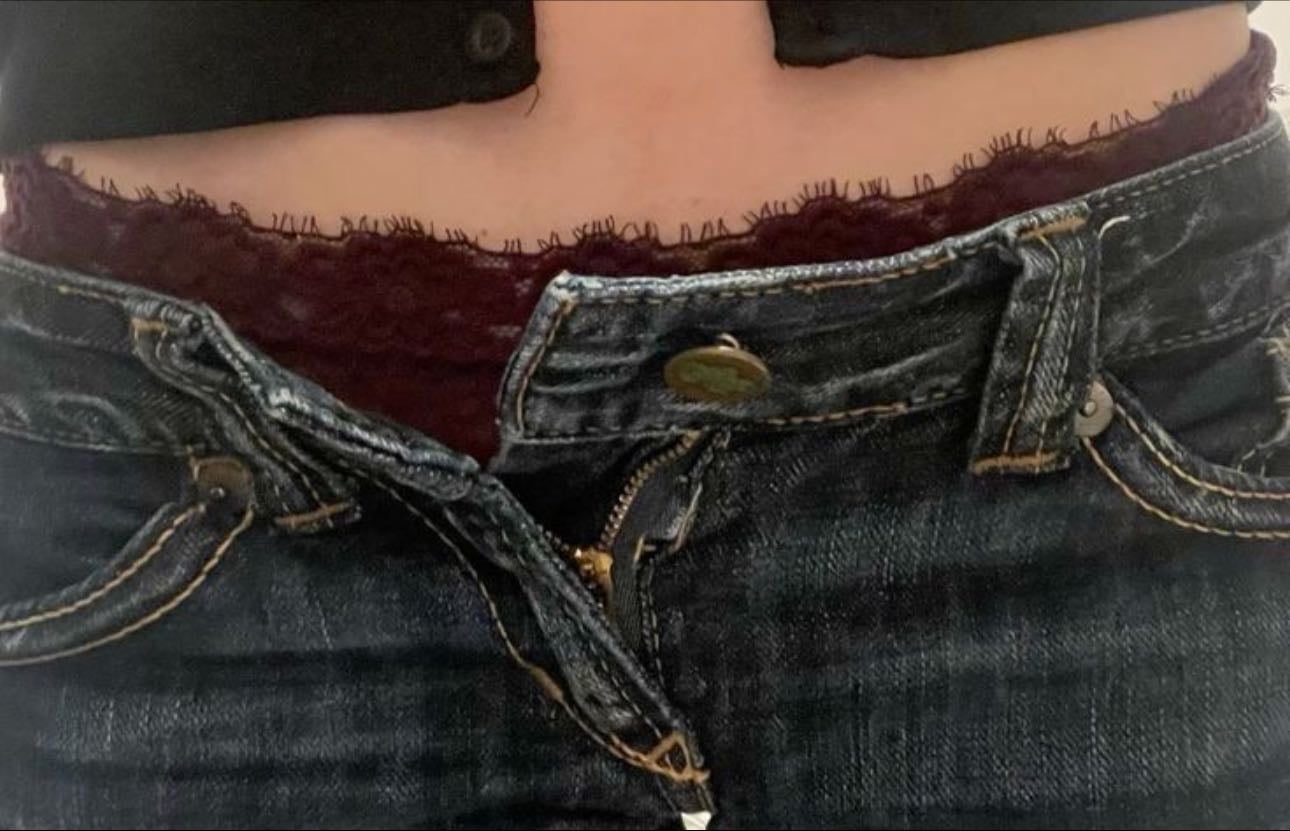
lowrise

coffee
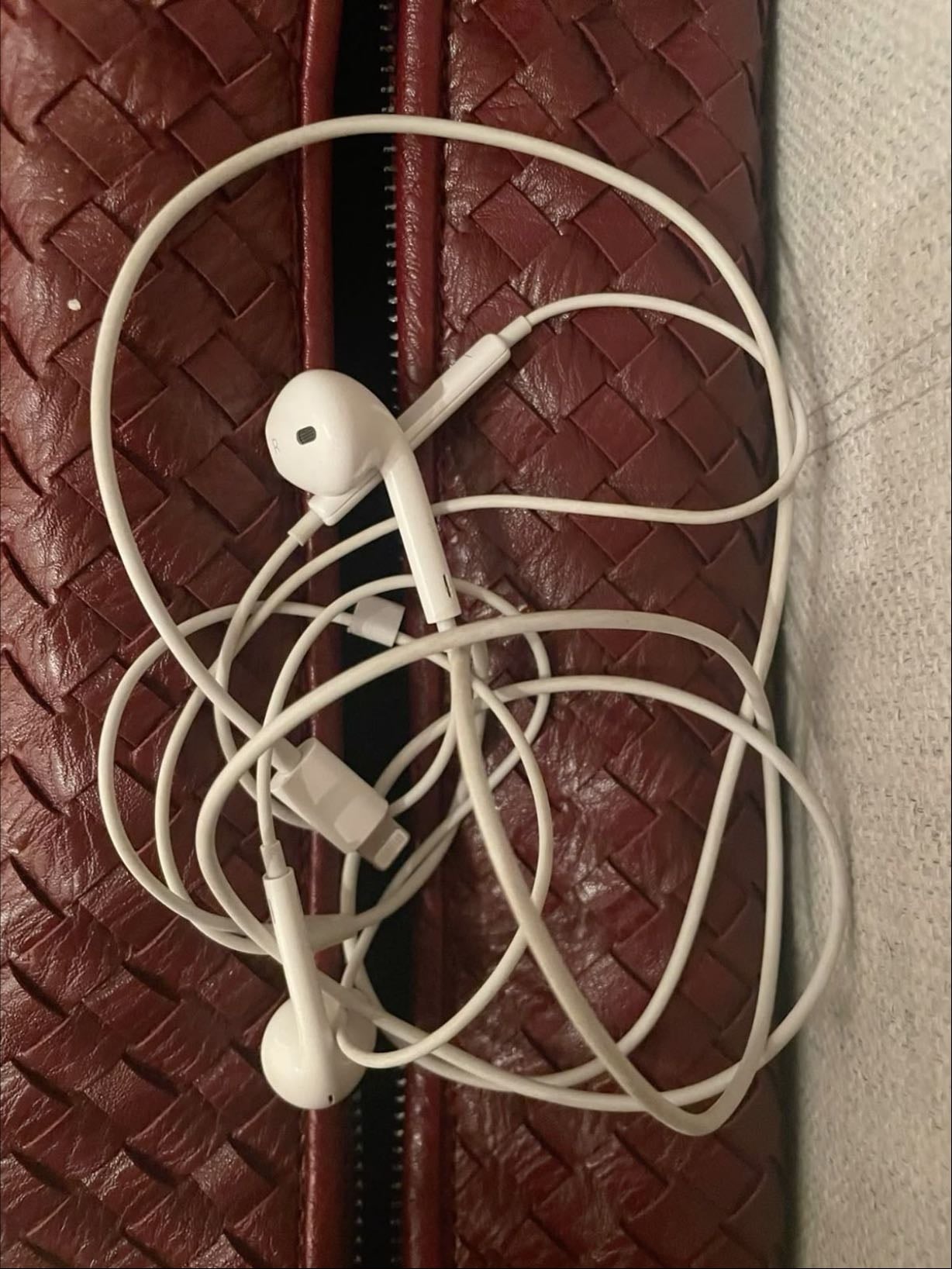
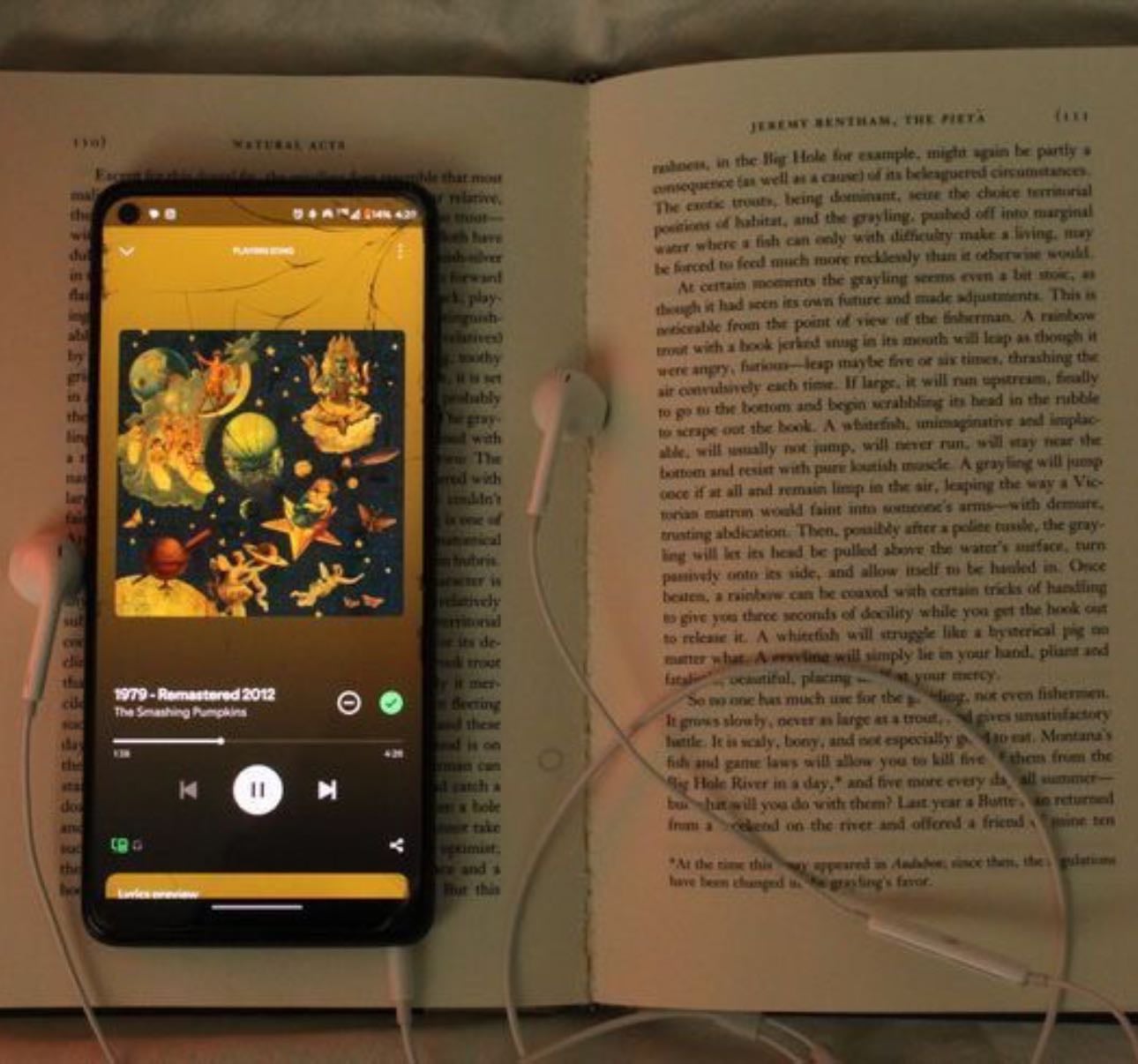
wired earphones
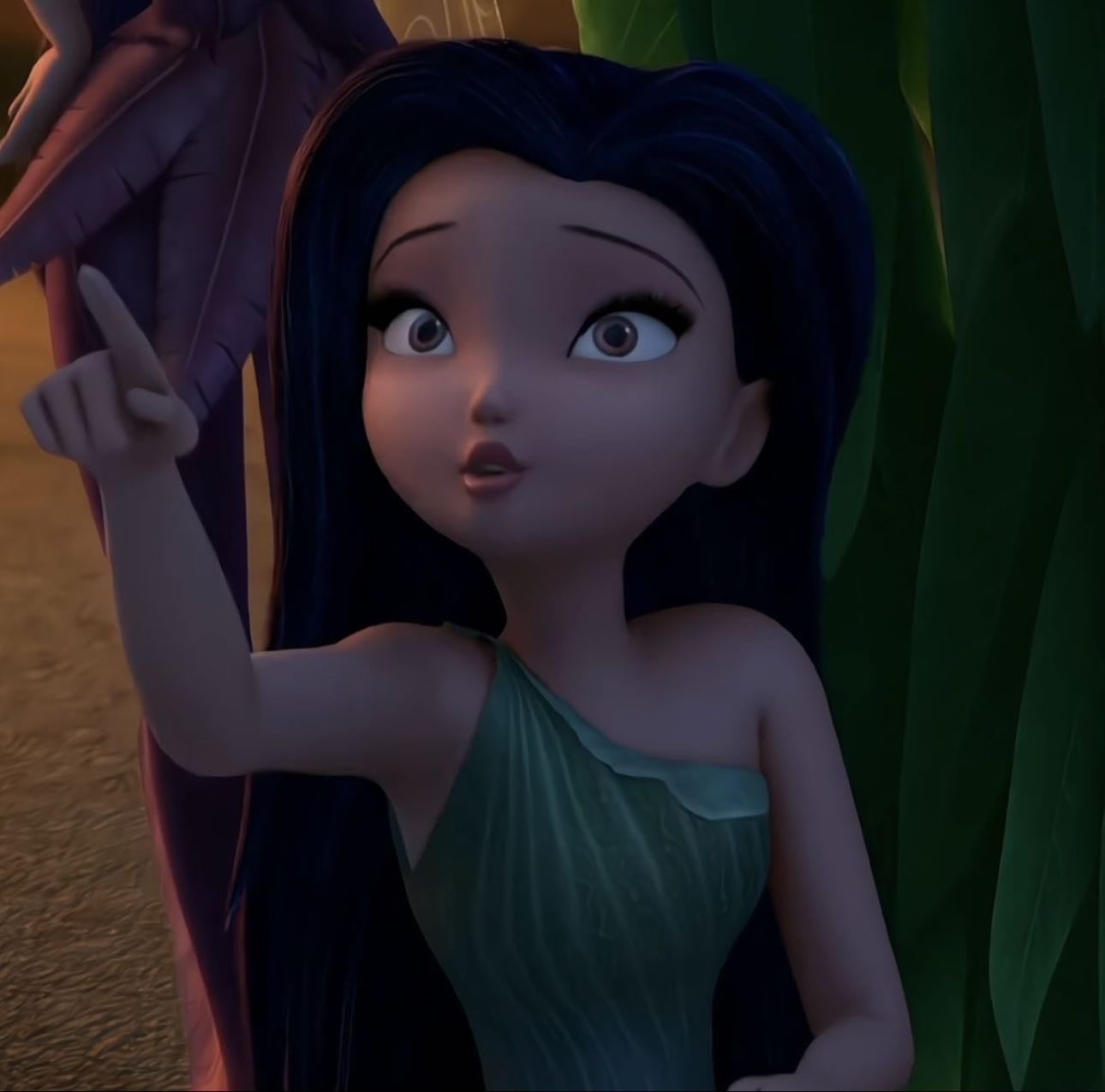
silvermist

bangs
beabadoobee
beabadoobee
This Is How Tomorrow Moves, my 3rd album <3 out now !!
Radiohead
Radiohead
Radiohead are a touchstone for all that is fearless and adventurous in rock, evolving from self-loathing anthems to moody prog rock suites to weathered, if shimmering ballads. Inheritors of a throne previously occupied by <a href="spotify:artist:0oSGxfWSnnOXhD2fKuz2Gy">David Bowie</a>, <a href="spotify:artist:0k17h0D3J5VfsdmQ1iZtE9">Pink Floyd</a>, and <a href="spotify:artist:2x9SpqnPi8rlE9pjHBwmSC">Talking Heads</a> (from whom they took their name), the British band spliced <a href="spotify:artist:0k17h0D3J5VfsdmQ1iZtE9">Floyd</a>'s spaciness with <a href="spotify:artist:51Blml2LZPmy7TTiAg47vQ">U2</a>'s messianic arena rock heft and bridged the gap with guitar skronk borrowed from the '80s American underground. The jagged interjections on "Creep," the band's Top Ten U.K., Top 40 U.S. breakthrough from their debut album Pablo Honey (1993), recalled <a href="spotify:artist:6zvul52xwTWzilBZl6BUbT">Pixies</a> and <a href="spotify:artist:6olE6TJLqED3rqDCT0FyPh">Nirvana</a>, but in the throes of the alternative rock explosion, Radiohead were the odd band out, seen as dour art-rock students at home and as one-hit wonders in the States. During the peak of Brit-pop, Radiohead released The Bends (1995), a leap forward that gained them some traction, but it was OK Computer (1997), a bold set fueled by film music, Krautrock, and electronica, that broke down doors for the band upon its entry at the top of the U.K. and U.S. charts. Soon, whenever rock bands dabbled in electronics, it was derived not from tightly sequenced rhythms, but rather, from glassy textures and introspection, a sensibility pioneered by the quintet. Radiohead doubled down on this aesthetic with Kid A (2000) and Amnesiac (2001), favoring minimal arrangements and elements of avant-garde jazz over concise hooks. From that point on, Radiohead have occasionally worked with conventional song structures but have been drawn toward unusual paths heard on Hail to the Thief (2003) and In Rainbows (a surprise, pay-what-you-want 2007 release), followed the next decade by The King of Limbs (2011) and A Moon Shaped Pool (2016). Inducted into the Rock & Roll Hall of Fame in 2019, Radiohead have focused primarily on catalog releases, side projects, and solo pursuits during the 2020s. Every member of Radiohead was a pupil at Oxfordshire's Abingdon School. <a href="spotify:artist:3E7aH1Yv84NoaP9JWcrMpE">Ed O'Brien</a> (guitar) and <a href="spotify:artist:2A59wav3PGiJij2rK7HQYH">Phil Selway</a> (drums) were the eldest, followed by a year by <a href="spotify:artist:4CvTDPKA6W06DRfBnZKrau">Thom Yorke</a> (vocals, guitar, piano) and <a href="spotify:artist:6bdotkIeFswBydfQqzHnKS">Colin Greenwood</a> (bass). These four musicians began playing in 1985, dubbing themselves On a Friday, and before long they added <a href="spotify:artist:6bdotkIeFswBydfQqzHnKS">Colin</a>'s younger brother <a href="spotify:artist:0z9s3P5vCzKcUBSxgBDyLU">Jonny</a>, who'd previously played in Illiterate Hands with <a href="spotify:artist:4CvTDPKA6W06DRfBnZKrau">Yorke</a>'s brother <a href="spotify:artist:6CbjCavKWLrR6J3FzUwwJI">Andy</a> and Nigel Powell. <a href="spotify:artist:0z9s3P5vCzKcUBSxgBDyLU">Jonny</a> started on keyboards but moved to guitar, yet this incarnation proved short-lived. By 1987, everyone but <a href="spotify:artist:0z9s3P5vCzKcUBSxgBDyLU">Jonny</a> left for university, where many members pursued music, but it wasn't until 1991 that the quintet regrouped and started gigging regularly in Oxford. Eventually, they came to the attention of Chris Hufford -- then best-known as the producer of shoegaze stars <a href="spotify:artist:72X6FHxaShda0XeQw3vbeF">Slowdive</a> -- who offered the group the chance to record a demo along with his partner Bryce Edge; the two soon became the band's managers. <a href="spotify:search:label%3A%22EMI%22">EMI</a> bit at the group's demo, signing them in 1991 and suggesting they change their name. On a Friday became Radiohead and they recorded their debut EP, Drill, with Hufford and Edge, releasing the record in May 1992. Next, the group entered the studio with producers Paul Kolderie and <a href="spotify:artist:1pYe8ZSmmg4LJDdLDlVh9b">Sean Slade</a> to record their full-length debut. The first fruit from these sessions was "Creep," a single released in the U.K. in September of 1992. "Creep" didn't go anywhere at first. The British music weeklies slagged it, radio didn't play it, and it limped to number 78 on the charts. Pablo Honey, the band's full-length debut, appeared in February 1993, supported by the single "Anyone Can Play Guitar," but neither release gained much traction in their native U.K. and that May's non-LP single, "Pop Is Dead," didn't help matters much, either. By that point, however, "Creep" started to gain attention in other territories. First, the song became a hit in Israel, but the bigger waves came from the United States, which was in the throes of the alternative rock revolution. Influential San Francisco radio station KITS added "Creep" to their playlist and it spread along the west coast and onto MTV as it became a genuine hit, nearly topping Billboard's Modern Rock chart and reaching 34 on the Hot 100, a big achievement for a British guitar band. A re-released "Creep" turned into a British Top Ten hit, peaking at number seven in the autumn of 1993. The band who'd had no success suddenly had more than it could handle. Radiohead kept touring Pablo Honey into 1994, but no subsequent hits were forthcoming, raising the specter of the band as a possible one-hit wonder -- a criticism that weighed heavily on the group, who were anxious to record their new songs. They received the opportunity early in 1994, entering the studio to work with producer John Leckie -- then best-known for his work with <a href="spotify:artist:1lYT0A0LV5DUfxr6doRP3d">the Stone Roses</a> -- with My Iron Lung, an EP released in late 1994, being the first music released from the sessions. Muscular and ambitious, the EP provided a good indication of what would come on 1995's The Bends. Released in March 1995, The Bends not only found Radiohead growing musically -- it was dense and expansive, without skimping on songs -- but also in reputation, as critics in the U.K. embraced the band with the audience eventually following: none of the first three singles ("High and Dry," "Fake Plastic Trees," "Just") rose above 17 on the U.K. charts but the final single, "Street Spirit (Fade Out)," wound up reaching five in early 1996. Radiohead's rise may have been assisted by the mania cultivated by Brit-pop, a term that didn't quite suit the band -- they were far artier and rock-oriented -- but nevertheless stoked interest in indie guitar bands, which the quintet certainly was. Over in the U.S., The Bends stalled out at 88 on the Billboard charts but the record gained a cult following among listeners and the band never stopped touring, taking North American opening slots for <a href="spotify:artist:4KWTAlx2RvbpseOGMEmROg">R.E.M.</a> in 1995 and <a href="spotify:artist:6ogn9necmbUdCppmNnGOdi">Alanis Morissette</a> in 1996. During 1995 and 1996, the group recorded new material with <a href="spotify:artist:0g7gHEXKEHU4snTwOZSxNO">Nigel Godrich</a> -- an engineer on The Bends sessions who was now the band's producer -- with songs slowly creeping out during the course of the year. "Lucky" showed up on War Child's 1995 charity LP The Help Album, "Talk Show Host" appeared on a B-side, and "Exit Music (For a Film)" showed up on the soundtrack to <a href="spotify:artist:7HhTERkBV4Ot14KphgBfSh">Baz Luhrmann</a>'s Romeo & Juliet. The latter showed up on OK Computer, the June 1997 album that proved pivotal in Radiohead's career. "Paranoid Android," a twitchy suite released as a single in May of that year, suggested the ambition of OK Computer -- and by reaching number three, it was the band's biggest hit to date in the U.K., placing them on the cusp of a breakthrough. A breakthrough is precisely what OK Computer turned out to be, a record that proved pivotal not just for Radiohead but for the direction of '90s rock. Greeted with enthusiastic reviews and corresponding strong sales, OK Computer closed the doors on the hedonism of Brit-pop and the dour after-effects of grunge while opening a new path to sober, adventurous art-rock where electronics co-existed with guitars. Over the next few years, the band's influence would become readily apparent, but the album made a sizable impact upon its release, too, debuting at number one in the U.K. and earning a Grammy for Best Alternative Album. Radiohead supported it with an international tour, documented in Meeting People Is Easy. By the time Meeting People Is Easy showed up in theaters, the group began work on their fourth album, once again reuniting with producer <a href="spotify:artist:0g7gHEXKEHU4snTwOZSxNO">Godrich</a>. The resulting Kid A doubled down on the experimentalism of OK Computer, embracing electronics and threading in jazz. Appearing in October in 2000, Kid A was one of the first major albums to be pirated through file-sharing services, but this bootlegging had no apparent effect on the sales of the record: it debuted at number one in the U.K. and the U.S., becoming their first American chart-topper. Once again, the album took home the prize for Best Alternative Album at the Grammys and although it didn't produce any hit singles -- indeed, no singles were released from the record -- it was certified platinum in several territories. Amnesiac, a collection of new material initiated during the Kid A sessions, appeared in June of 2001, topping the U.K. charts and reaching two in the U.S. Two singles were pulled from the album -- "Pyramid Song" and "Knives Out" -- a signal that the album was more commercially accessible than its predecessor. At the end of the year, the band issued I Might Be Wrong: Live Recordings, and by the summer of 2002, they turned their attention to recording a new album with <a href="spotify:artist:0g7gHEXKEHU4snTwOZSxNO">Godrich</a>. The resulting Hail to the Thief appeared in June of 2003, once again debuting in the upper reaches of the international charts -- number one in the U.K. and number three in the U.S. -- and the group supported the album with live dates culminating in a headlining appearance at the 2004 Coachella Festival that coincided with the release of the B-sides and remix collection COM LAG, a record that helped close out their contract with <a href="spotify:search:label%3A%22EMI%22">EMI</a>. Over the next couple of years, Radiohead entered a hiatus as individual members pursued solo projects. <a href="spotify:artist:4CvTDPKA6W06DRfBnZKrau">Yorke</a> released the heavily electronic solo collection The Eraser in 2006, and <a href="spotify:artist:0z9s3P5vCzKcUBSxgBDyLU">Jonny Greenwood</a> embarked on a side career as a composer, beginning with 2004's Bodysong and then striking a fruitful collaboration with Paul Thomas Anderson for 2007's There Will Be Blood; <a href="spotify:artist:0z9s3P5vCzKcUBSxgBDyLU">Greenwood</a> would also work on Anderson's subsequent films The Master and Inherent Vice. During all this, the group tentatively chipped away at their first post-<a href="spotify:search:label%3A%22EMI%22">EMI</a> album. Some unsuccessful sessions with Spike Stent led the band back to <a href="spotify:artist:0g7gHEXKEHU4snTwOZSxNO">Godrich</a> by the end of 2006, and the group completed recording in June of 2007. Still without a record label, they decided to release the album digitally through their official website, letting users pay whatever they wanted for a download of the album. This novel strategy acted as the album's own promotion -- most of the articles about the release claimed it was revolutionary -- and In Rainbows allegedly moved over a million downloads on the first day of its release in October 2007. In December, the album received a physical release in the U.K., followed by a January 2008 physical release in the U.S.; the record sold well, debuting at number one in the U.K., and it earned Grammys for Best Alternative Music Album and Best Boxed or Special Limited Edition Package. Radiohead toured in support of In Rainbows into 2009, during which time <a href="spotify:search:label%3A%22EMI%22">EMI</a> released Radiohead: The Best Of in June of 2008. The band took time off in 2010, which allowed <a href="spotify:artist:4CvTDPKA6W06DRfBnZKrau">Yorke</a> to form a band called <a href="spotify:artist:7tA9Eeeb68kkiG9Nrvuzmi">Atoms for Peace</a> with producer <a href="spotify:artist:0g7gHEXKEHU4snTwOZSxNO">Godrich</a> and <a href="spotify:artist:0Xl5J6iOgiQHFqgri7TF8j">Flea</a> from the <a href="spotify:artist:0L8ExT028jH3ddEcZwqJJ5">Red Hot Chili Peppers</a>. During this time, drummer <a href="spotify:artist:2A59wav3PGiJij2rK7HQYH">Phil Selway</a> released his debut solo album, Familial. By early 2011, the group finished a new album and, like In Rainbows before it, Radiohead initially released The King of Limbs digitally through their website. The downloads appeared in February, with the physical copies appearing in March; the album reportedly shifted upwards of 400,000 digital copies upon its release. That autumn brought the release of the remix album TKOL RMX 1234567, and the band continued to tour The King of Limbs material into 2012. Once the tour wrapped up, the group took some quiet time as a new round of solo projects appeared. <a href="spotify:artist:7tA9Eeeb68kkiG9Nrvuzmi">Atoms for Peace</a> released Amok in February 2013 and <a href="spotify:artist:4CvTDPKA6W06DRfBnZKrau">Yorke</a> put out Tomorrow's Modern Boxes in September 2014, just a month before <a href="spotify:artist:2A59wav3PGiJij2rK7HQYH">Selway</a> issued his second album, Weatherhouse. In the autumn of 2014, the band began work on a new album and continued to record throughout 2015, releasing only "Spectre" -- a proposed James Bond theme rejected by the filmmakers -- that year. The ninth Radiohead album, A Moon Shaped Pool, appeared on May 8, 2016, preceded earlier in the week by the singles "Burn the Witch" and "Daydreaming." Radiohead supported A Moon Shaped Pool with an international tour, and in June 2017 they celebrated the 20th anniversary of OK Computer with a double-disc reissue dubbed OK Computer: OKNOTOK 1997 2017. Featuring a host of bonus cuts and previously unreleased material, its number two showing on the U.K. chart was bolstered by a major televised live performance at Glastonbury. Over the next year, <a href="spotify:artist:2A59wav3PGiJij2rK7HQYH">Selway</a>, <a href="spotify:artist:4CvTDPKA6W06DRfBnZKrau">Yorke</a>, and <a href="spotify:artist:0z9s3P5vCzKcUBSxgBDyLU">Greenwood</a> each issued film soundtracks with the latter earning an Oscar nomination for his score to Phantom Thread. Radiohead were inducted into the Rock & Roll Hall of Fame in 2019, honored with a speech from <a href="spotify:artist:2x9SpqnPi8rlE9pjHBwmSC">Talking Heads</a>' <a href="spotify:artist:20vuBdFblWUo2FCOvUzusB">David Byrne</a>. <a href="spotify:artist:4CvTDPKA6W06DRfBnZKrau">Yorke</a> released his third solo album, Anima, that June. Two years later, Radiohead issued Kid A Mnesia, a collection of previously unreleased material from the Kid A and Amnesiac sessions. It was promoted with the singles "If You Say the Word" and "Follow Me Around." All bandmembers were active during the first half the 2020s. <a href="spotify:artist:3E7aH1Yv84NoaP9JWcrMpE">Ed O'Brien</a> released Earth under the alias <a href="spotify:artist:4CX6yOoTFQeiwL5yxuFuIG">EOB</a> in 2020. <a href="spotify:artist:4CvTDPKA6W06DRfBnZKrau">Yorke</a> and <a href="spotify:artist:0z9s3P5vCzKcUBSxgBDyLU">Jonny Greenwood</a> performed and recorded (with drummer <a href="spotify:artist:6U9Bsog9PLNE5hrw45ecDm">Tom Skinner</a>) as <a href="spotify:artist:6styCzc1Ej4NxISL0LiigM">the Smile</a> and continued separate soundtrack work. <a href="spotify:artist:6bdotkIeFswBydfQqzHnKS">Colin Greenwood</a> toured with <a href="spotify:artist:1RM5gp0RFfjpJhCYFPB30p">Nick Cave</a> and <a href="spotify:artist:0A8tch4LePxVn1Cn60wGXu">Warren Ellis</a>, and <a href="spotify:artist:2A59wav3PGiJij2rK7HQYH">Phil Selway</a> released Strange Dance, his third solo album. ~ Stephen Thomas Erlewine, Rovi

Twilight
Twilight
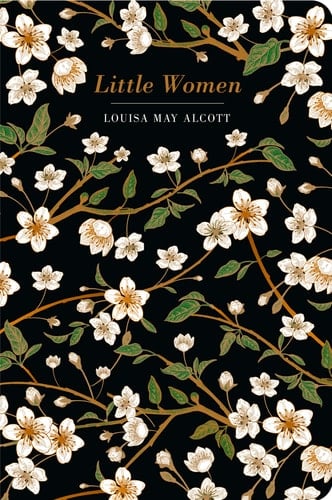
Little Women (Chiltern Classic)
Little Women (Chiltern Classic)

Atonement
Atonement
As a 13-year-old, fledgling writer Briony Tallis irrevocably changes the course of several lives when she accuses her older sister's lover of a crime he did not commit.
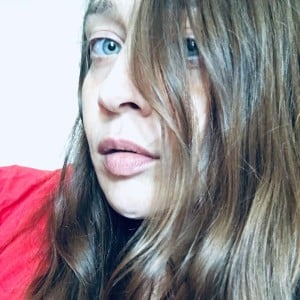
Fiona Apple
Fiona Apple
Fiona Apple never quite belonged to a specific scene. The closest she came was at the dawn of her career, when her debut album Tidal arrived as the alternative rock wave reached its crest in 1996. Apple spent her time in MTV's Buzzbin and on tour with <a href="spotify:artist:4NgNsOXSwIzXlUIJcpnNUp">Sarah McLachlan</a>'s Lilith Fair revue, earning a hit single ("Criminal") and platinum certification along the way, but she wasn't a folkie or a punk rocker. Her roots lay in jazz, show tunes, and classic '70s singer/songwriters, an idiosyncratic blend that came into sharper focus on her second album, When the Pawn. Upon its release in 1999, When the Pawn drew attention for its emotional intensity, unconventional arrangements, and eccentric flair, elements that were central to her appeal in the next decades when she worked steadily and rigorously. As her output slowed -- it took her six years to deliver her third album, Extraordinary Machine, and another seven for its sequel, The Idler Wheel, to appear -- her reputation as a daring artist grew. The Idler Wheel and its 2020 successor Fetch the Bolt Cutters confirmed Apple took aural risks without abandoning her strengths as a singer/songwriter, a combination that helped her maintain a devoted cult following. Born to singer Diane McAfee and actor Brandon Maggart in 1977, Fiona Apple started playing and writing songs at the age of 12 in an effort to work out a traumatic childhood that included rape at the age of 11. Apple continued to write, leaving high school for Los Angeles at the age of 16. She cut a demo tape that eventually earned her a contract with Sony Music in 1995. Teamed with producer Andrew Slater, she cut her debut, Tidal, releasing the album in the summer of 1996. Tidal was a slow build, earning critical acclaim and a cult that exploded when the controversial video for "Criminal" turned the single and album into a hit. Mark Romanek's seedy, suggestive clip was overtly sexual -- a path Apple notably avoided afterward -- but it did the trick, helping the album reach the Top Ten and earning Apple a Grammy. Despite this titillation, Tidal appealed to middle of the road listeners, a path Apple definitively rejected with her next album, 1999's When the Pawn Hits the Conflicts He Thinks Like a King.... The entire title was a 90-word poem, a fair indication of the artistic ambition that lay within. Produced by <a href="spotify:artist:57YJQe0ayvIaRZJ3PW5nFP">Jon Brion</a>, the album was dense, literate, and melodic, not matching the commercial success of the debut but deepening her cult. Despite a romance with director Paul Thomas Anderson -- she contributed to the soundtrack of his 1999 magnum opus Magnolia -- Apple retreated from the spotlight, fostering an element of mystery that only grew when her next album experienced a series of delays. By 2003, the lack of a sequel became a sensation among some music message boards, where rumors swirled that <a href="spotify:search:label%3A%22Sony%22">Sony</a> rejected her newest music for being uncommercial. Within the next year, unfinished mixes leaked onto the Internet and the saga of the album spilled over into the mainstream, earning ink in The New York Times. All this helped usher the album to completion in the fall of 2005, when the original <a href="spotify:artist:57YJQe0ayvIaRZJ3PW5nFP">Brion</a> productions were tweaked and expanded with producer <a href="spotify:artist:23Q5yNjnlqThITasb5Y7y6">Mike Elizondo</a>, who helped Extraordinary Machine reach its final shape. The album was greeted by generally positive reviews -- some compared it not entirely favorably to the leaked album -- and the record received healthy sales. In its wake, Apple maintained a moderate presence, touring with <a href="spotify:artist:3bcLBxvaI7GsBzGp3WHnwQ">Nickel Creek</a> in 2007 and appearing with the Watkins Family at times during their residency at the Largo in Los Angeles. In 2012, Apple previewed three songs from her fourth studio album (which boasted a typically enigmatic title in The Idler Wheel Is Wiser Than the Driver of the Screw and Whipping Cords Will Serve You More Than Ropes Will Ever Do) to a wildly enthusiastic audience at the South by Southwest music festival in Austin, Texas. Produced by Apple with her touring drummer, Charley Drayton, the album earned excellent reviews upon release in June 2012. Apple spent the next few years contributing songs to movies and television shows, including writing "Container," which was the theme to the Showtime series The Affair. In 2015, she contributed to Watkins Family Hour, the first album by <a href="spotify:artist:45K759axQK0aohwSjbkgpy">Sean</a> and <a href="spotify:artist:1FDE7zZ6jmP8HHb9ej3mek">Sara Watkins</a>' Los Angeles-based collective, and the following year she appeared on <a href="spotify:artist:4uSftVc3FPWe6RJuMZNEe9">Andrew Bird</a>'s Are You Serious album. Apple released her fifth solo album, Fetch the Bolt Cutters, in April 2020. ~ Stephen Thomas Erlewine, Rovi
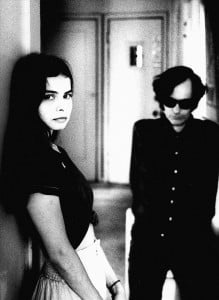
Mazzy Star
Mazzy Star
Dark and mysterious but always carrying a melancholy sweetness, Mazzy Star's dreamy blend of shadowy psychedelia and spare, fragile folk made them one of the best-loved treasures of '90s alternative rock. Rising from the ashes of the similarly drifty <a href="spotify:artist:6lIG1zTkXBGdfJObLHFdhm">Opal</a> and the paisley guitar rock of <a href="spotify:artist:1e9cOgMYTLJ0KFOjmTx13F">the Rain Parade</a>, the band was essentially the partnership of guitarist David Roback and vocalist <a href="spotify:artist:7zS53Xa6sVgfoh00kckgyV">Hope Sandoval</a>. Their best-known song, 1993's "Fade into You" catapulted the duo to ubiquity, <a href="spotify:artist:7zS53Xa6sVgfoh00kckgyV">Sandoval</a>'s beautifully sleepy vocals and Roback's layers of restless guitars capturing a soft sadness that would lay the blueprint for generations of dream pop to follow. The band went in and out of hiatus after 1997, delivering their fourth full-length, Seasons of Your Day, in 2013, 17 years after its predecessor. Roback came from a long history in the paisley underground, playing first with the jangly <a href="spotify:artist:1e9cOgMYTLJ0KFOjmTx13F">Rain Parade</a> before moving on to the more sinister tones of <a href="spotify:artist:6lIG1zTkXBGdfJObLHFdhm">Opal</a>. He came across <a href="spotify:artist:7zS53Xa6sVgfoh00kckgyV">Sandoval</a> after hearing a tape she had made as part of a folky duo called Going Home. (The Going Home album that Roback subsequently produced remains unissued.) <a href="spotify:artist:7zS53Xa6sVgfoh00kckgyV">Sandoval</a> ended up replacing <a href="spotify:artist:4baSCyV2xPPhakoOEOltou">Kendra Smith</a> on <a href="spotify:artist:6lIG1zTkXBGdfJObLHFdhm">Opal</a>'s final tours. Roback and <a href="spotify:artist:7zS53Xa6sVgfoh00kckgyV">Sandoval</a> lived out the last few years of <a href="spotify:artist:6lIG1zTkXBGdfJObLHFdhm">Opal</a> in a cloudy state of existence, working on songs for a second album and playing shows throughout 1988 and 1989. In 1990, they took on the name Mazzy Star and released the songs they'd been working on as She Hangs Brightly, the debut album from their new project. The record came out on <a href="spotify:search:label%3A%22Rough+Trade%22">Rough Trade</a>, the same label that had released <a href="spotify:artist:6lIG1zTkXBGdfJObLHFdhm">Opal</a>'s sole record. <a href="spotify:search:label%3A%22Rough+Trade%22">Rough Trade</a>'s U.S. branch went under shortly afterwards, but luckily Mazzy Star were picked up by <a href="spotify:search:label%3A%22Capitol%22">Capitol</a>, which kept the debut in print and issued their follow-up, 1993's So Tonight That I Might See. The album continued the style that Mazzy Star had begun with She Hangs Brightly, a more accessible take on <a href="spotify:artist:6lIG1zTkXBGdfJObLHFdhm">Opal</a>'s droning druggy blues with moments of subdued pop coming from <a href="spotify:artist:7zS53Xa6sVgfoh00kckgyV">Sandoval</a>'s breathy, melodic vocals. The album had been around for about a year before it suddenly got hot, reaching the Top 40 and spinning off the hit single "Fade into You" in 1994. The song would be Mazzy Star's only charting single, but it cemented them as indie royalty. In 1996, they released their third album, Among My Swan, which presented a far more acoustic approach than the overdriven tones of their first two records. The album also proved to be their last with major-label <a href="spotify:search:label%3A%22Capitol%22">Capitol</a>, and they parted ways. A year later, the band went on hiatus and started work on alternative projects. Roback worked with <a href="spotify:artist:6cLEWhEKQl6nAvgr60M7zC">Beth Orton</a> on her album Central Reservation, while <a href="spotify:artist:7zS53Xa6sVgfoh00kckgyV">Sandoval</a> appeared on <a href="spotify:artist:4rjlerN21ygkIhmUv55irs">the Jesus and Mary Chain</a>'s 1998 record Munki and went on to create <a href="spotify:artist:38u18VoGaIwVeSyVoA0eU5">Hope Sandoval & the Warm Inventions</a> with <a href="spotify:artist:3G3Gdm0ZRAOxLrbyjfhii5">My Bloody Valentine</a> drummer Colm O'Ciosoig. They returned briefly in 2000 for a mini-tour of Europe, and in 2003 the duo performed together as part of <a href="spotify:artist:1FqG6mhiJbhbMg43ohCT6D">Bert Jansch</a>'s 60th birthday celebrations in London. A flurry of activity in the late 2000s saw Mazzy Star's song "Into Dust" used in an ad for Virgin Media and then on a trailer for the popular video game Gears of War 3, which propelled the song into the U.K. singles chart. This was shortly followed by the confirmation that <a href="spotify:artist:7zS53Xa6sVgfoh00kckgyV">Sandoval</a> and Roback had been working on new material for a fourth album, and they released their first new efforts in 15 years when the double-A-sided single "Common Burn/Lay Myself Down" arrived in 2011. This was swiftly followed by a North American and European tour in 2012. The following year, details were announced for their fourth full-length record, titled Seasons of Your Day, which was released in 2013. Mazzy Star returned in 2018 with the Still EP, which included the single "Quiet, the Winter Harbour." David Roback died on February 25, 2020, at the age of 61. ~ Richie Unterberger & Scott Kerr, Rovi