𝕭𝖔𝖔𝖐𝖘 📚

Items in this hypelist
Finished
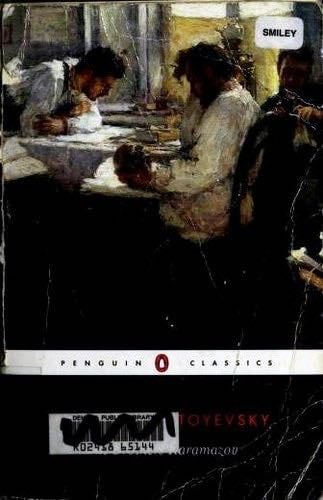
The Brothers Karamazov
Fyodor Dostoyevsky · 2003

Crime and Punishment
Fyodor Dostoyevsky · 2002

Carmilla
Joseph Sheridan Le Fanu · 2016
Reading
The Picture of Dorian Gray
Oscar Wilde · 2009
To Read
Dracula
Bram Stoker · 2011

Pride and Prejudice
Jane Austen · 2002

Demons (Penguin Classics)
Fyodor Dostoyevsky · 2008
White Nights
Fyodor Dostoyevsky · 2016

The Idiot
Fyodor Dostoyevsky · 2004

Letters to a Young Poet
Rainer Maria Rilke · 2018
<p>Facsimile of 1943 Edition. Born in 1875, the great German lyric poet Rainer Maria Rilke published his first collection of poems in 1898 and went on to become renowned for his delicate depiction of the workings of the human heart. Drawn by some sympathetic note in his poems, young people often wrote to Rilke with their problems and hopes. From 1903 to 1908 Rilke wrote a series of remarkable responses to a young, would-be poet on poetry and on surviving as a sensitive observer in a harsh world. Those letters, ten in all, remain a fresh source of inspiration and insight to the poetic sensibility to this day.</p>

Notes from the Underground
Fyodor Dostoyevsky · 1972
‘It is best to do nothing! The best thing is conscious inertia! So long live the underground!’Alienated from society and paralysed by a sense of his own insignificance, the anonymous narrator of Dostoyevsky’s groundbreaking Notes from Underground tells the story of his tortured life. With bitter sarcasm, he describes his refusal to become a worker in the ‘ant-hill’ of society and his gradual withdrawal to an existence ‘underground’. The seemingly ordinary world of St Petersburg takes on a nightmarish quality in The Double when a government clerk encounters a man who exactly resembles him – his double perhaps, or possibly the darker side of his own personality. Like Notes from Underground, this is a masterly study of human consciousness.Jessie Coulson’s introduction discusses the stories’ critical reception and the themes they share with Dostoyevksy’s great novels.

The Plague
Albert Camus · 1991
“Its relevance lashes you across the face.” —Stephen Metcalf, The Los Angeles Times • “A redemptive book, one that wills the reader to believe, even in a time of despair.” —Roger Lowenstein, The Washington Post<br/><br/>A haunting tale of human resilience and hope in the face of unrelieved horror, Albert Camus' iconic novel about an epidemic ravaging the people of a North African coastal town is a classic of twentieth-century literature.<br/><br/>The townspeople of Oran are in the grip of a deadly plague, which condemns its victims to a swift and horrifying death. Fear, isolation and claustrophobia follow as they are forced into quarantine. Each person responds in their own way to the lethal disease: some resign themselves to fate, some seek blame, and a few, like Dr. Rieux, resist the terror.<br/><br/>An immediate triumph when it was published in 1947, The Plague is in part an allegory of France's suffering under the Nazi occupation, and a timeless story of bravery and determination against the precariousness of human existence.
A Discourse on Inequality
Jean-Jacques Rousseau · 1985
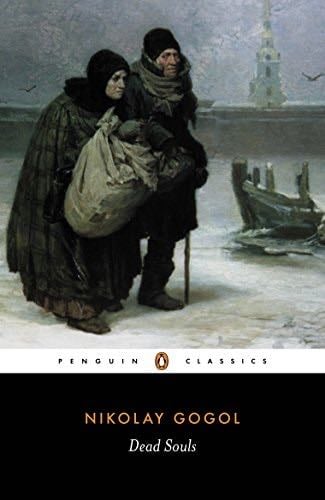
Dead Souls
Nikolay Gogol · 2004
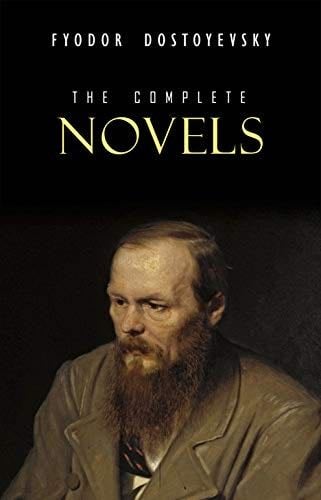
Fyodor Dostoyevsky: The Complete Novels
Fyodor Dostoyevsky · 2021
A Gentle Creature
Fyodor Dostoyevsky · 2020