Books to fully develop your brain potential

Our brain controls our life, & the way we look at the world is nothing else than a projection of our thoughts. If you actually want to live better, start changing your brain algorithms, start creating the reality you want by switching to another wavelength. I swear it’a all gonna be worth it.
Items in this hypelist
Books

American Struggle Democracy, Dissent, and the Pursuit of a More Perfect Union: An Anthology
Jon Meacham, autor de *The Soul of America*, presenta *American Struggle*, una colección de voces estadounidenses esenciales (1619-hoy). Con su perspicaz comentario, Meacham explora siglos de debates y divisiones, revelando el complejo pasado de América a través de ricas fuentes primarias (fundadores a Obama). La obra destaca momentos críticos y tensiones, enfatizando que comprender nuestra historia de conflicto es crucial para una unión más perfecta y evitar la desesperación.
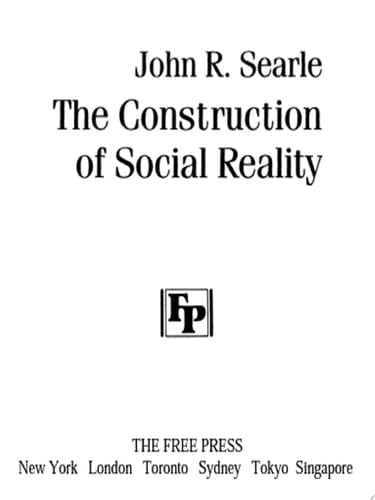
The Construction of Social Reality
John R. Searle · 2010
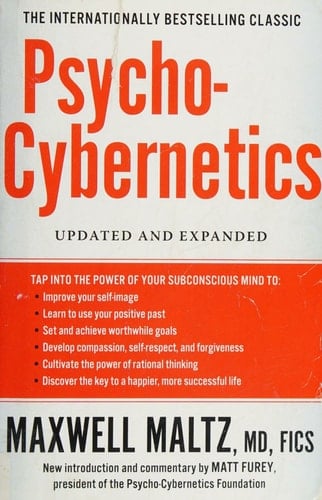
Psycho-Cybernetics Updated and Expanded
Maxwell Maltz · 2015
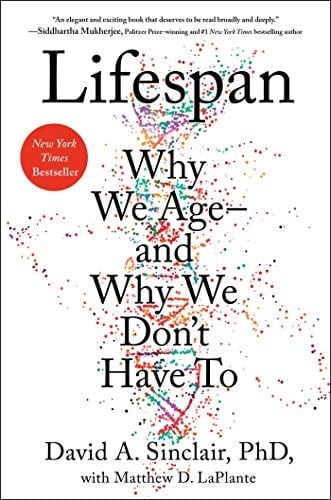
Lifespan: Why We Age―and Why We Don't Have To
David A. Sinclair PhD, Matthew D. LaPlante · 2019

Sapiens
Yuval Noah Harari · 2025

The Body
Bill Bryson · 2019
NEW YORK TIMES BESTSELLER • A must-read owner’s manual for every body. Take a head-to-toe tour of the marvel that is the human body in this “delightful, anecdote-propelled read” (The Boston Globe) from the author of A Short History of Nearly Everything. With a new Afterword. “You will marvel at the brilliance and vast weirdness of your design." —The Washington Post Bill Bryson once again proves himself to be an incomparable companion as he guides us through the human body—how it functions, its remarkable ability to heal itself, and (unfortunately) the ways it can fail. Full of extraordinary facts (your body made a million red blood cells since you started reading this) and irresistible Brysonesque anecdotes, The Body will lead you to a deeper understanding of the miracle that is life in general and you in particular. As Bill Bryson writes, “We pass our existence within this wobble of flesh and yet take it almost entirely for granted.” The Body will cure that indifference with generous doses of wondrous, compulsively readable facts and information. As addictive as it is comprehensive, this is Bryson at his very best.

The Molecule of More: How a Single Chemical in Your Brain Drives Love, Sex, and Creativity--and Will Determine the Fate of the Human Race
Daniel Z. Lieberman, Michael E. Long · 2019

The Feeling Of What Happens: Body and Emotion in the Making of Consciousness
Antonio Damasio · 2000
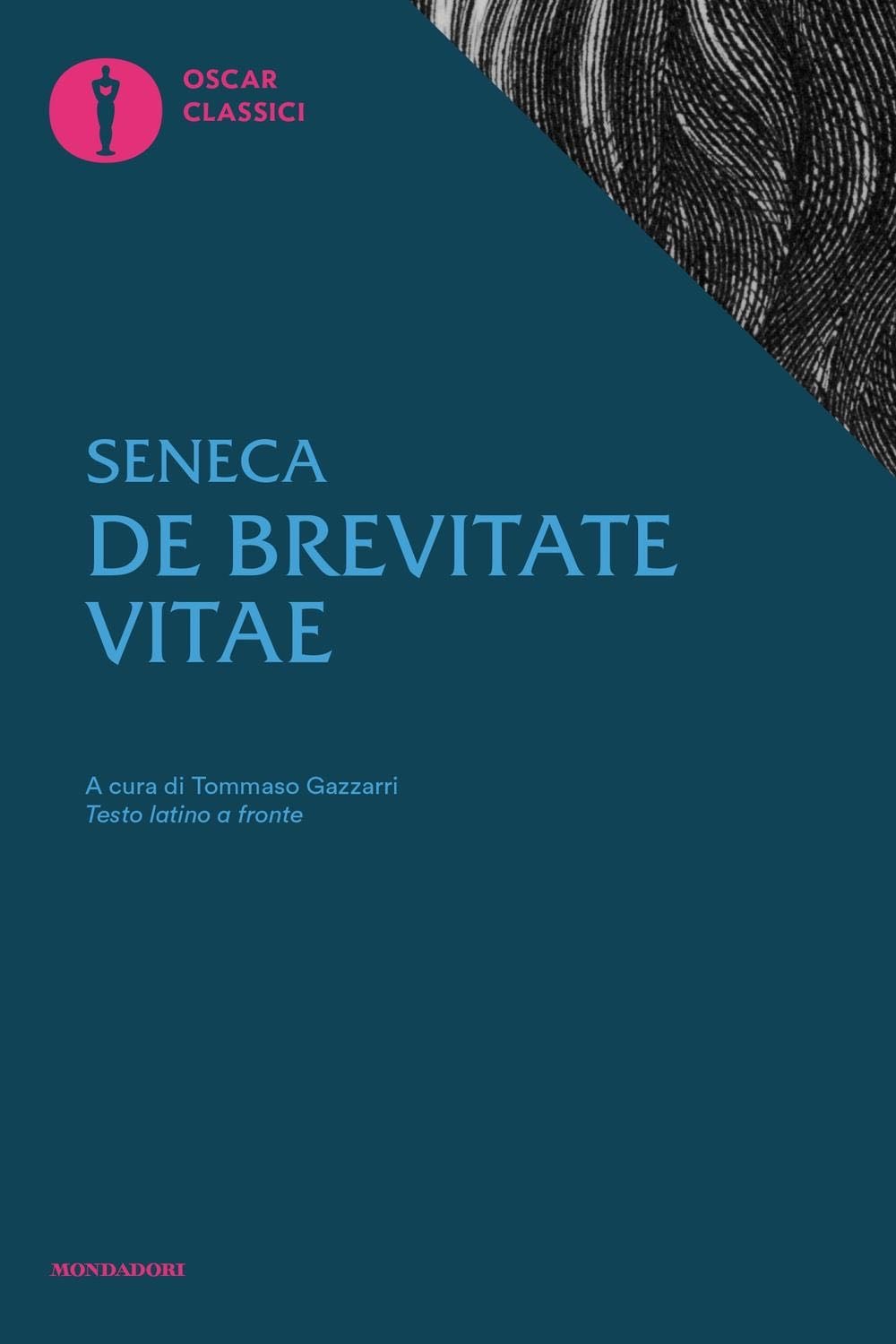
De brevitate vitae
Seneca · 2019
<p>Tra i dialoghi filosofici più famosi di Seneca, il De brevitate vitae venne composto probabilmente tra il 49 e il 55 d.C. ed è dedicato a Paolino, da identificarsi forse con il suocero del filosofo: un uomo dunque sufficientemente maturo per comprendere e apprezzare la profondità del messaggio senecano. Il tema trattato è di quelli che rimangono di perenne attualità: la fugacità del tempo e la brevità della vita. Che però, sostiene Seneca, appare tale solo a chi, non sapendone afferrare la vera essenza, si disperde in mille futili occupazioni. Di fronte a questa massa di occupati, "assediati" dalle proprie inutili attività, Seneca propone il suo modello umano, il saggio che si dedica all' otium, vivendo in prima persona l'alternativa etica alla società violenta dell'epoca neroniana e trovando nella riflessione filosofica il metodo per ristabilire l'equilibrio morale e recuperare la salute dello spirito; la conoscenza di sé diventa così il punto di partenza per dare un significato nuovo al proprio agire nel mondo e al suo valore sociale. Riappropriarsi del proprio tempo vuol dire dunque rivendicare con forza il diritto di riappropriarsi di se stessi, esercitando la forma più alta di libertà, di esperienza culturale e intellettuale, di una socialità che affratella gli uomini.<br></p>

Dopamine Nation
Dr. Anna Lembke · 2023

Digital Minimalism
Cal Newport · 2019
<b>A <i>New York Times, Wall Street Journal, Publishers Weekly, </i>and <i>USA Today </i>bestseller<br><br>"Newport is making a bid to be the Marie Kondo of technology: someone with an actual plan for helping you realize the digital pursuits that do, and don't, bring value to your life."--Ezra Klein, Vox<br><br>Minimalism is the art of knowing how much is just enough. Digital minimalism applies this idea to our personal technology. It's the key to living a focused life in an increasingly noisy world.</b><br><br>In this timely and enlightening book, the bestselling author of <i>Deep Work</i> introduces a philosophy for technology use that has already improved countless lives.<br><br>Digital minimalists are all around us. They're the calm, happy people who can hold long conversations without furtive glances at their phones. They can get lost in a good book, a woodworking project, or a leisurely morning run. They can have fun with friends and family without the obsessive urge to document the experience. They stay informed about the news of the day, but don't feel overwhelmed by it. They don't experience "fear of missing out" because they already know which activities provide them meaning and satisfaction.<br><br>Now, Newport gives us a name for this quiet movement, and makes a persuasive case for its urgency in our tech-saturated world. Common sense tips, like turning off notifications, or occasional rituals like observing a digital sabbath, don't go far enough in helping us take back control of our technological lives, and attempts to unplug completely are complicated by the demands of family, friends and work. What we need instead is a thoughtful method to decide what tools to use, for what purposes, and under what conditions.<br><br>Drawing on a diverse array of real-life examples, from Amish farmers to harried parents to Silicon Valley programmers, Newport identifies the common practices of digital minimalists and the ideas that underpin them. He shows how digital minimalists are rethinking their relationship to social media, rediscovering the pleasures of the offline world, and reconnecting with their inner selves through regular periods of solitude. He then shares strategies for integrating these practices into your life, starting with a thirty-day "digital declutter" process that has already helped thousands feel less overwhelmed and more in control.<br><br>Technology is intrinsically neither good nor bad. The key is using it to support your goals and values, rather than letting it use you. This book shows the way.

Deep Work
Cal Newport · 2020

The Archetypes and the Collective Unconscious
Carl Gustav Jung · 1969

So Good They Can''t Ignore You
Cal Newport · 2012
In this extraordinary eye-opening account, Georgetown University professor Dr. Calvin Newport debunks the long-held traditional notion that "following your passion" is good career advice.<br><br>Cal Newport's clearly-written manifesto flies in the face of conventional wisdom by suggesting that it should be a person's talent and skill -- and not necessarily their passion -- that determines their career path.<br><br>Newport, who graduated from Dartmouth College (Phi Beta Kappa) and recently earned a PhD. from MIT, contends that trying to find what drives us, instead of focusing on areas in which we naturally excel, is ultimately harmful and frustrating to job seekers.<br><br>The title is a direct quote from comedian Steve Martin who, when once asked why he was successful in his career, immediately replied: "Be so good they can't ignore you" and that's the main basis for Newport's book. Skill and ability trump passion.<br><br>Inspired by former Apple CEO Steve Jobs' famous Stanford University commencement speech in which Jobs urges idealistic grads to chase their dreams, Newport takes issue with that advice, claiming that not only is this advice Pollyannish, but that Jobs himself never followed his own advice.<br><br>From there, Newport presents compelling scientific and contemporary case study evidence that the key to one's career success is to find out what you do well, where you have built up your "career capital," and then to put all of your efforts into that direction.<br><br>

The Surrender Experiment
Michael A. Singer · 2015
<b><i>NEW YORK TIMES</i> BESTSELLER • From the author of <i>The Untethered Soul </i>and <i>Living Untethered</i> comes the astonishing true-life story about the spiritual harmony and personal happiness he found when he just let go.</b><br> <br><b>“With his hallmark precision and clarity Michael Singer reveals how everyday life, doing business in the world, and spiritual practice can be synchronized to carry us into the heart of life’s unimaginable perfection.”—Jack Canfield, co-author of <i>The Success Principles</i> and co-creator of the Chicken Soup for the Soul® series</b><br> <br>In <i>The Surrender Experiment,</i> Michael A. Singer tells the extraordinary story of what happened when, after a deep spiritual awakening, he decided to relinquish his personal fears and desires and simply let life unfold before him. Singer shares how this pivotal decision to embrace the flow of life led him to extraordinary success, sustained him through times of crisis, and allowed him to cultivate profound inner peace—whether as a young man pursuing a life of solitude in the woods, the founder of a thriving spiritual community in Florida, or the CEO of a billion-dollar medical software company.<br> <br>As he takes you through his grand experiment, Singer demonstrates how surrender is the key to a peaceful and harmonious life. His remarkable and unexpected personal experiences will challenge your deepest assumptions, teaching you how to stop making the outside world conform to your desires, let go of the need to control everything, and place your trust in life’s perfection.<br> <br>Thought-provoking and moving, <i>The Surrender Experiment </i>will inspire you to seek the calm and freedom that comes from letting go.

Never Split the Difference
Chris Voss, Tahl Raz · 2016

101 Essays That Will Change the Way You Think
Brianna Wiest · 2016
"Over the past few years, Brianna Wiest has gained renown for her deeply moving, philosophical writing. This new compilation of her published work features pieces on why you should pursue purpose over passion, embrace negative thinking, see the wisdom in daily routine, and become aware of the cognitive biases that are creating the way you see your life. Some of these pieces have never been seen; others have been read by millions of people around the world. Regardless, each will leave you thinking: This idea changed my life."--provided by publisher.

The Happiness Hypothesis
Jonathan Haidt · 2006
Jonathan Haidt skillfully combines two genres-philosophical wisdom and scientific research-delighting the reader with surprising insights. He explains, for example, why we have such difficulty controlling ourselves and sticking to our plans; why no achievement brings lasting happiness, yet a few changes in your life can have profound effects, and why even confirmed atheists experience spiritual elevation. In a stunning final chapter, Haidt addresses the grand question "How can I live a meaningful life?," offering an original answer that draws on the rich inspiration of both philosophy and science. <p>Ê</p> "<i>The Happiness Hypothesis</i>is a wonderful and nuanced book that provides deep insight into the some of the most important questions in life--Why are we here?Ê What kind of life should we lead?Ê What paths lead to happiness?Ê From the ancient philosophers to cutting edge scientists, Haidt weaves a tapestry of the best and the brightest.Ê His highly original work on elevation and awe--two long-neglected emotions--adds a new weave to that tapestry.Ê A truly inspiring book."Ê -<b>David M. Buss</b>, author of<i>The Evolution of Desire:Ê Strategies of Human Mating</i> Ê ÒIn this beautifully written book, Jonathan Haidt shows us the deep connection that exists between cutting-edge psychological research and the wisdom of the ancients.Ê It is inspiring to see how much modern psychology informs life's most central and persistent questions <b>-Barry Schwartz, author of<i>The Paradox of Choice: Why More Is Less</i></b> Ê ÊÒIn our quest for happiness, we must find a balance between modern science and ancient wisdom, between East and West, and between Ôleft brainÕ and Ôright brain.Õ Jon Haidt has struck that balance perfectly, and in doing so has given us the most brilliant and lucid analysis ofÊvirtue and well-being in the entire literature of positive psychology.Ê For the reader who seeks to understand happiness, my advice is: Begin with Haidt.Ó -<b>Martin E.P. Seligman, Director, Positive Psychology Center at the University of Pennsylvania and author of<i>Authentic Happiness</i></b> <b>Ê</b> ÒHaidt is a fine guide on this journey between past and present, discussing the current complexities of psychological theory with clarity and humor. . . HaidtÕs is an open-minded, robust look at philosophy, psychological fact and spiritual mystery, of scientific rationalism and the unknowable ephemeral Ð an honest inquiry that concludes that the best life is, perhaps, one lived in the balance of opposites.Ó -<b>Bookpage</b>

EGO IS THE ENEMY
Ryan Holiday · 2019
Buku yang Anda pegang saat ini ditulis dengan satu asumsi optimis: Ego Anda bukanlah kekuatan yang harus Anda puaskan pada setiap kesempatan. Ego dapat diatur. Ego dapat diarahkan. Dalam buku ini, kita akan melihat orang-orang, seperti William Tecumseh Sherman, Katharine Graham, Jackie Robinson, Eleanor Roosevelt, Bill Walsh, Benjamin Franklin, Belisarius, Angela Merkel, dan George C. Marshall. Bisakah mereka mendapatkan yang telah mereka dapatkan sekarang—menyelamatkan perusahaan yang hampir bangkrut, menguasai seni peperangan, menjaga kekompakan tim bisbol, merevolusi strategi rugbi, melawan tirani, dan menghadapi ketidakberuntungan—jika ego menguasai mereka dan membuat mereka hanya memikirkan diri sendiri? Hal yang membuat mereka sukses adalah pemahaman terhadap realitas dan kesadaran—sesuatu yang pernah dikatakan oleh seorang penulis dan ahli strategi Robert Greene, “kita perlu menyerupai laba-laba dalam sarangnya”. Itulah inti dari kehebatan mereka, kehebatan penulisan, kehebatan desain, kehebatan bisnis, kehebatan dalam pemasaran, dan kehebatan kepemimpinan mereka. Yang kami temukan saat mempelajari orang-orang tersebut adalah mereka selalu memiliki dasar berpikir, berhati-hati, dan realistis. Tidak ada satu pun dari mereka yang tidak memiliki ego sama sekali. Akan tetapi, mereka tahu cara meredamnya. Tahu cara menyalurkannya dan melepaskannya, ketika ego muncul. Mereka hebat namun tetap rendah hati. Sebentar, tunggu dulu, tetapi ada juga beberapa orang yang memiliki ego tinggi dan sukses. Bagaimana dengan Steve Jobs? Kanye West? Beberapa dari mereka mempelajari kerendahan hati. Beberapa orang memilih ego. Beberapa mempersiapkan diri untuk perubahan nasib, positif ataupun negatif. Yang lainnya tidak siap. Yang mana yang akan Anda pilih? Akan menjadi siapakah Anda? Yang pasti, Anda telah memilih buku ini karena merasa bahwa Anda membutuhkan menjawab pertanyaan itu, cepat atau lambat, sadar atau tidak sadar.
Social Intelligence
Daniel Goleman · 2006
Meditations
Marcus Aurelius · 2006

Thinking, Fast and Slow
Daniel Kahneman · 2013

Atomic Habits
James Clear · 2018
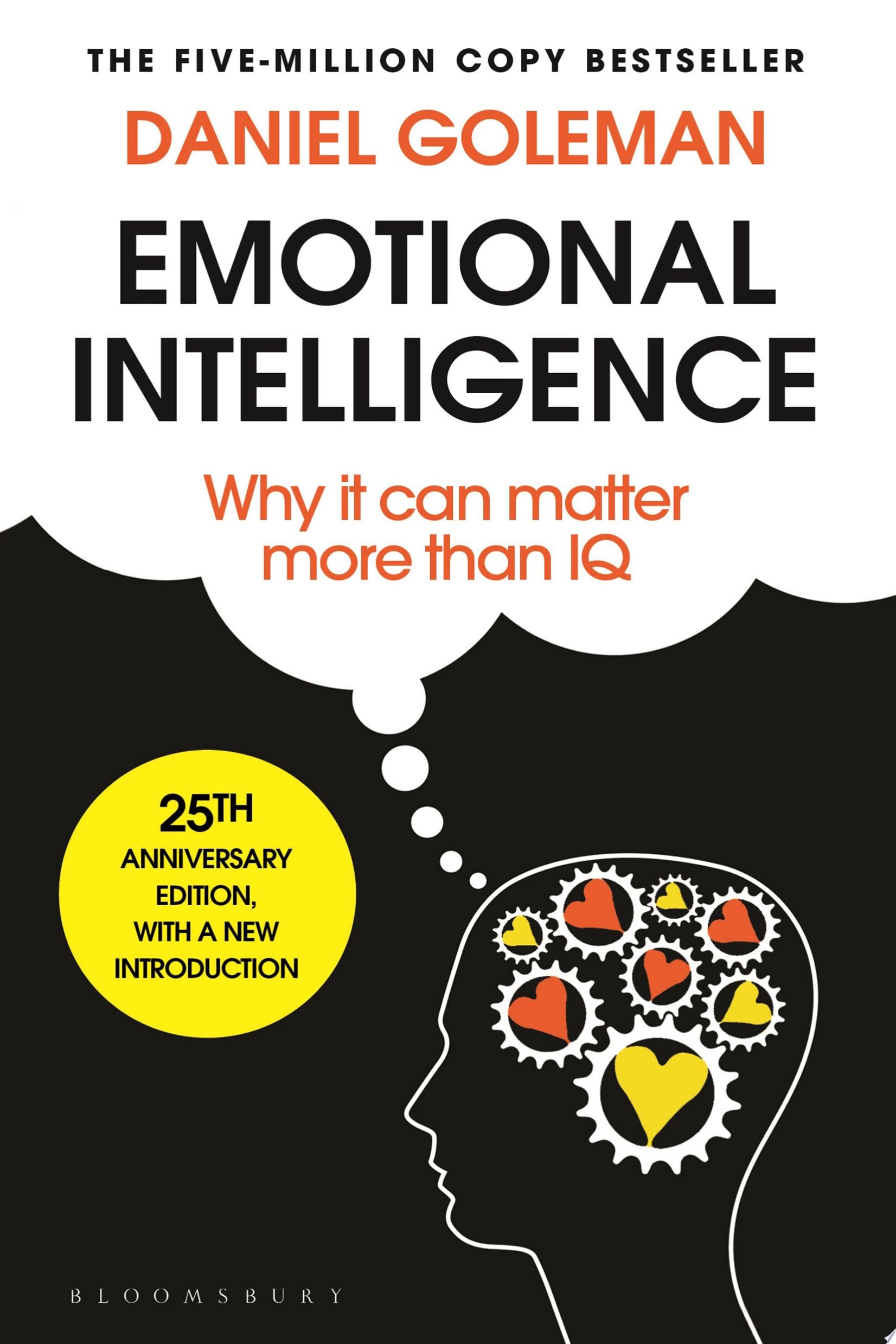
Emotional Intelligence
Daniel Goleman · 2009
<b>A 25th anniversary edition of the number one, multi-million copy international bestseller that taught us how emotional intelligence is more important than IQ - 'a revolutionary, paradigm-shattering idea' (<i>Harvard Business Review</i>)</b><br><b><br></b><i><b>Featuring a new introduction from the author</b><br></i><br>Does IQ define our destiny? In his groundbreaking bestseller, Daniel Goleman argues that our view of human intelligence is far too narrow. It is not our IQ, but our <i>emotional intelligence</i> that plays a major role in thought, decision-making and individual success. Self-awareness, impulse control, persistence, motivation, empathy and social deftness: all are qualities that mark people who excel, whose relationships flourish, who can navigate difficult conversations, who become stars in the workplace.<br><br>With new insights into the brain architecture underlying emotion and rationality, Goleman shows precisely how emotional intelligence can be nurtured and strengthened in all of us.<br>

How to Think More Effectively
The School of Life · 2020