books under 100 pages ᐟᐟ☆

Items in this hypelist
Finished

The Little Prince
Antoine de Saint-Exupéry · 2000
<p>This beloved, world-famous allegorical classic about a young prince on a quest for knowledge is an essential read for every home library.</p> <p>Combining Richard Howard's translation with restored original full-color art, this definitive English-language edition of The Little Prince will capture the hearts of readers of all ages.</p> <p>Few stories are as widely read and as universally cherished by children and adults alike as The Little Prince. When a pilot crashes in the Sahara Desert, he meets a little boy who asks him to draw a sheep. Gradually the Little Prince reveals more about himself: He comes from a small asteroid, where he lived alone until a rose grew there.</p> <p>But the rose grew demanding, and he was confused by his feelings about her. The story unfolds further from one planet to the next in a thoughtful philosophical exploration of love and the ephemeral.</p>
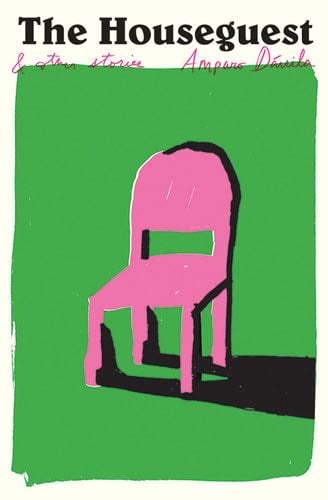
The Houseguest: And Other Stories
Amparo Dávila · 2018

The Yellow Wall-Paper
Charlotte Perkins Gilman · 1996
First published in 1892, The Yellow Wall-Paper is written as the secret journal of a woman who, failing to relish the joys of marriage and motherhood, is sentenced to a country rest cure. Though she longs to write, her husband and doctor forbid it, prescribing instead complete passivity. Narrated with superb psychological and dramatic precision, this short but powerful masterpiece has the heroine create a reality of her own within the hypnotic pattern of the faded yellow wall-paper of her bedrooma pattern that comes to symbolize her own imprisonment.<br/><br/>This key women's studies text by a pivotal first-wave feminist writer, lecturer, and activist (1860-1935) is reprinted as it first appeared in New England Magazine in 1892, and contains the essential essay on the author's life and work by pioneering Gilman scholar Elaine R. Hedges.
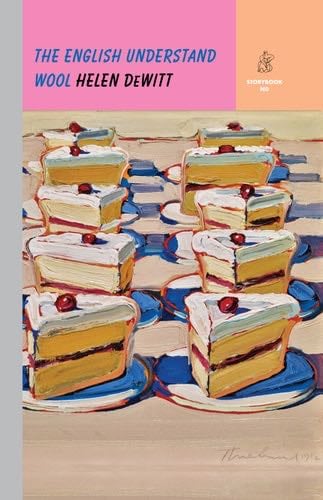
The English Understand Wool (Storybook ND Series)
Helen DeWitt · 2022
A modern amorality play about a 17-year-old girl, the wilder shores of connoisseurship, and the power of false friends Maman was exigeante—there is no English word–and I had the benefit of her training. Others may not be so fortunate. If some other young girl, with two million dollars at stake, finds this of use I shall count myself justified. Raised in Marrakech by a French mother and English father, a 17-year-old girl has learned above all to avoid mauvais ton ("bad taste" loses something in the translation). One should not ask servants to wait on one during Ramadan: they must have paid leave while one spends the holy month abroad. One must play the piano; if staying at Claridge’s, one must regrettably install a Clavinova in the suite, so that the necessary hours of practice will not be inflicted on fellow guests. One should cultivate weavers of tweed in the Outer Hebrides but have the cloth made up in London; one should buy linen in Ireland but have it made up by a Thai seamstress in Paris (whose genius has been supported by purchase of suitable premises). All this and much more she has learned, governed by a parent of ferociously lofty standards. But at 17, during the annual Ramadan travels, she finds all assumptions overturned. Will she be able to fend for herself? Will the dictates of good taste suffice when she must deal, singlehanded, with the sharks of New York?

Giacomo Joyce
James Joyce · 1985

Parade: A Folktale
Hiromi Kawakami · 2019
To Read
To After That (Toaf)
Renee Gladman · 2008

Devotion (Why I Write)
Patti Smith · 2017

The Death of Ivan Ilych
Leo Tolstoy · 2006
The Death of Ivan Ilyich, first published in 1886, is a novella by Leo Tolstoy, one of the masterpieces of his late fiction, written shortly after his religious conversion of the late 1870s. The novella tells the story of the death of a high-court judge in 19th-century Russia. Ivan Ilyich lives a carefree life that is "most simple and most ordinary and therefore most terrible". Like everyone he knows, he spends his life climbing the social ladder. Enduring marriage to a woman whom he often finds too demanding, he works his way up to be a magistrate, thanks to the influence he has over a friend who has just been promoted, focusing more on his work as his family life becomes less tolerable. While hanging curtains for his new home one day, he falls awkwardly and hurts his side. Though he does not think much of it at first, he begins to suffer from a pain in his side. As his discomfort grows, his behavior towards his family becomes more irritable. His wife finally insists that he visit a physician. The physician cannot pinpoint the source of his malady, but soon it becomes clear that his condition is terminal. Confronted with his diagnosis, Ivan attempts every remedy he can to obtain a cure for his worsening situation until the pain grows so intense he is forced to cease working and spend the remainder of his days in bed. Here, he is brought face to face with his mortality, and realizes that although he knows of it, he does not truly grasp it. During the long and painful process of death, Ivan Ilych dwells on the idea that he does not deserve his suffering because he has lived rightly. If he had not lived a good life, there could be a reason for his pain; but he has, so pain and death must be arbitrary and senseless. As he begins to hate his family for avoiding the subject of his death, for pretending he is only sick and not dying, he finds his only comfort in his peasant boy servant Gerasim, the only person in Ivan's life who does not fear death, and also the only one who, apart from his own son, shows compassion for him. Ivan begins to question whether he has, in fact, lived a good life. In 1984, philosopher Merold Westphal said that the story depicts "death as an enemy which leads us to deceive ourselves, robs us of the meaning of life, and puts us in solitary confinement." In 1997, psychologist Mark Freeman wrote: Tolstoy's book is about many things: the tyranny of bourgeois niceties, the terrible weak spots of the human heart, the primacy and elision of death. But more than anything, I would offer, it is about the consequences of living without meaning, that is, without a true and abiding connection to one's life ...
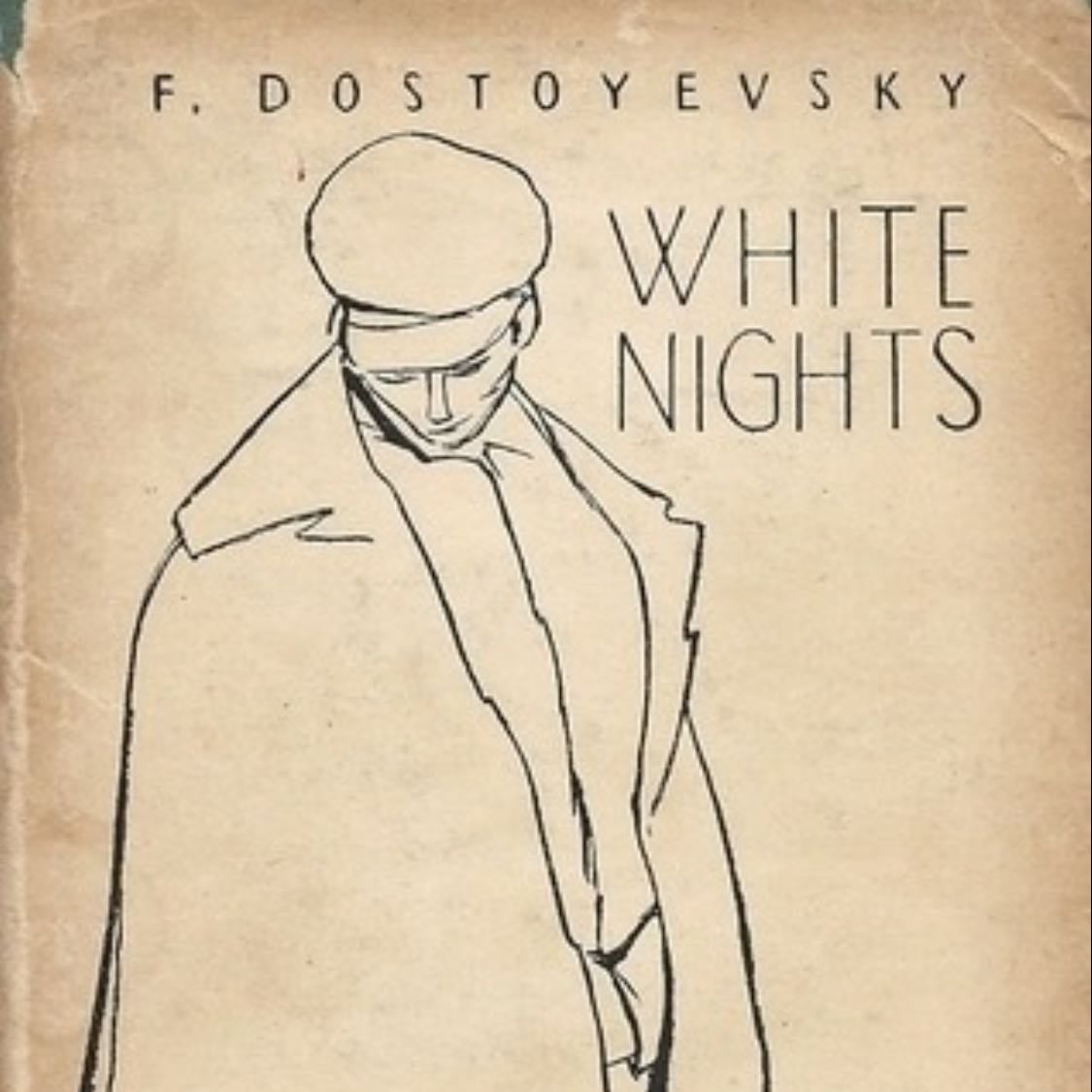
White night
Fyodor Dostoevsky • 1848

Letters to a Young Poet
Rainer Maria Rilke · 2002
In 1903, a student at a military academy sent some of his verses to a well-known Austrian poet, requesting an assessment of their value. The older artist, Rainer Maria Rilke (1875–1926), replied to the novice in this series of letters — an amazing archive of remarkable insights into the ideas behind Rilke's greatest poetry. The ten letters reproduced here were written during an important stage in Rilke's artistic development, and they contain many of the themes that later appeared in his best works. The poet himself afterwards stated that his letters contained part of his creative genius, making this volume essential reading for scholars, poetry lovers, and anyone with an interest in Rilke, German poetry, or the creative impulse.
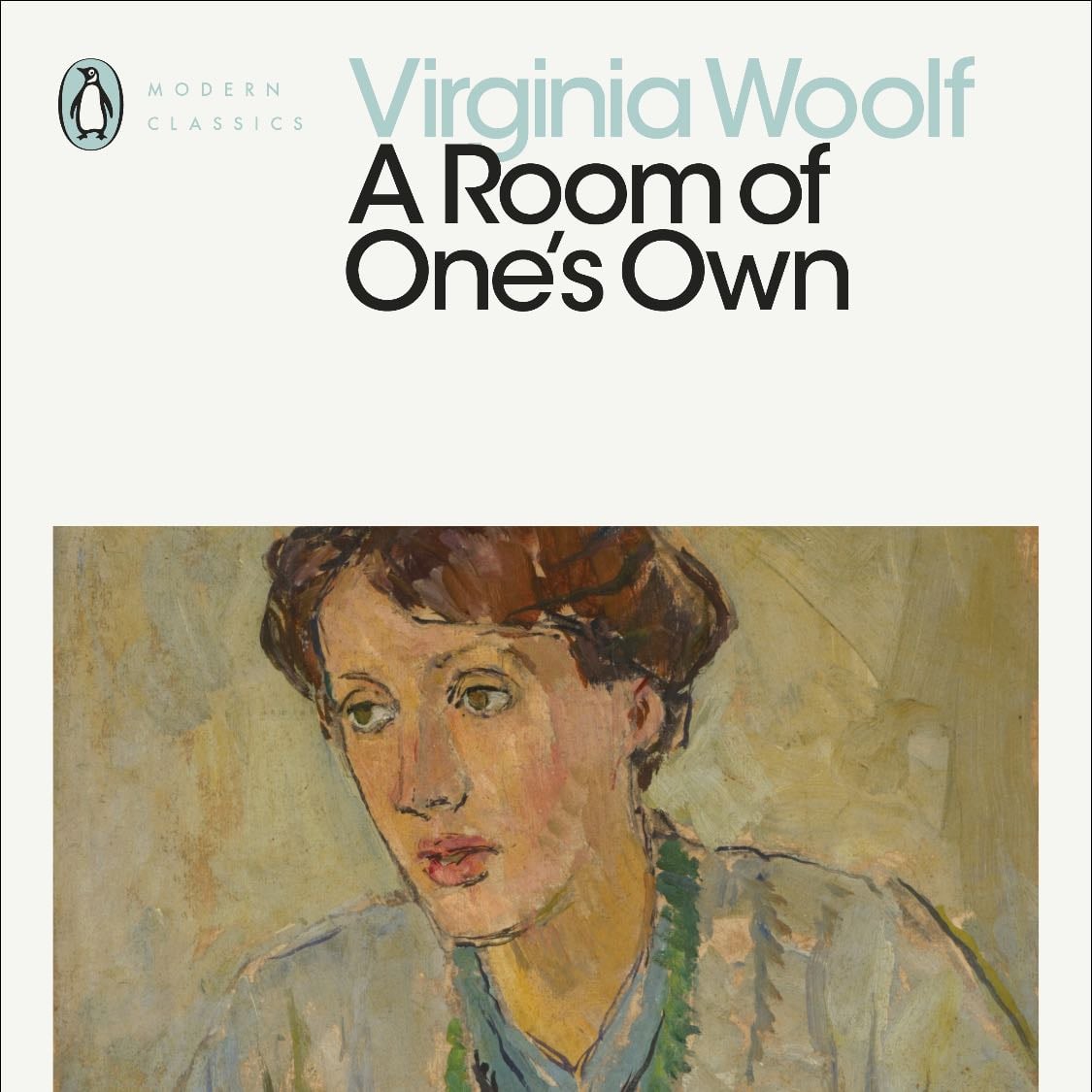
A Room of One’s Own
Virginia Woolf

A Christmas Carol (Dover Thrift Editions: Classic Novels)
Charles Dickens · 1991
In October 1843, Charles Dickens heavily in debt and obligated to his publisher began work on a book to help supplement his family's meager income. That volume, "A Christmas Carol, "has long since become one of the most beloved stories in the English language. As much a part of the holiday season as holly, mistletoe, and evergreen wreaths, this perennial favorite continues to delight new readers and rekindle thoughts of charity and goodwill.<br>With its characters exhibiting many qualities as well as failures often ascribed to Dickens himself, the imaginative and entertaining tale relates Ebenezer Scrooge's eerie encounters with a series of spectral visitors. Journeying with them through Christmases past, present, and future, he is ultimately transformed from an arrogant, obstinate, and insensitive miser to a generous, warmhearted, and caring human being. Written by one of England's greatest and most popular novelists, "A Christmas Carol" has come to epitomize the true meaning of Christmas.<br>Unabridged and unaltered Dover (1991) republication of the text of the first edition (1843, Chapman and Hall, London).<br>"

The Tempest
William Shakespeers

Serious Concerns
Wendy Cope · 2009

Love That Journey For Me
Emily Garside · 2021
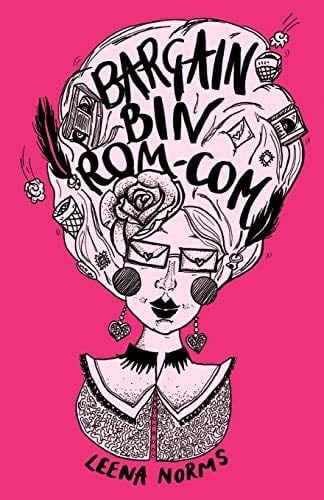
Bargain Bin Rom-Com
Leena Norms · 2022
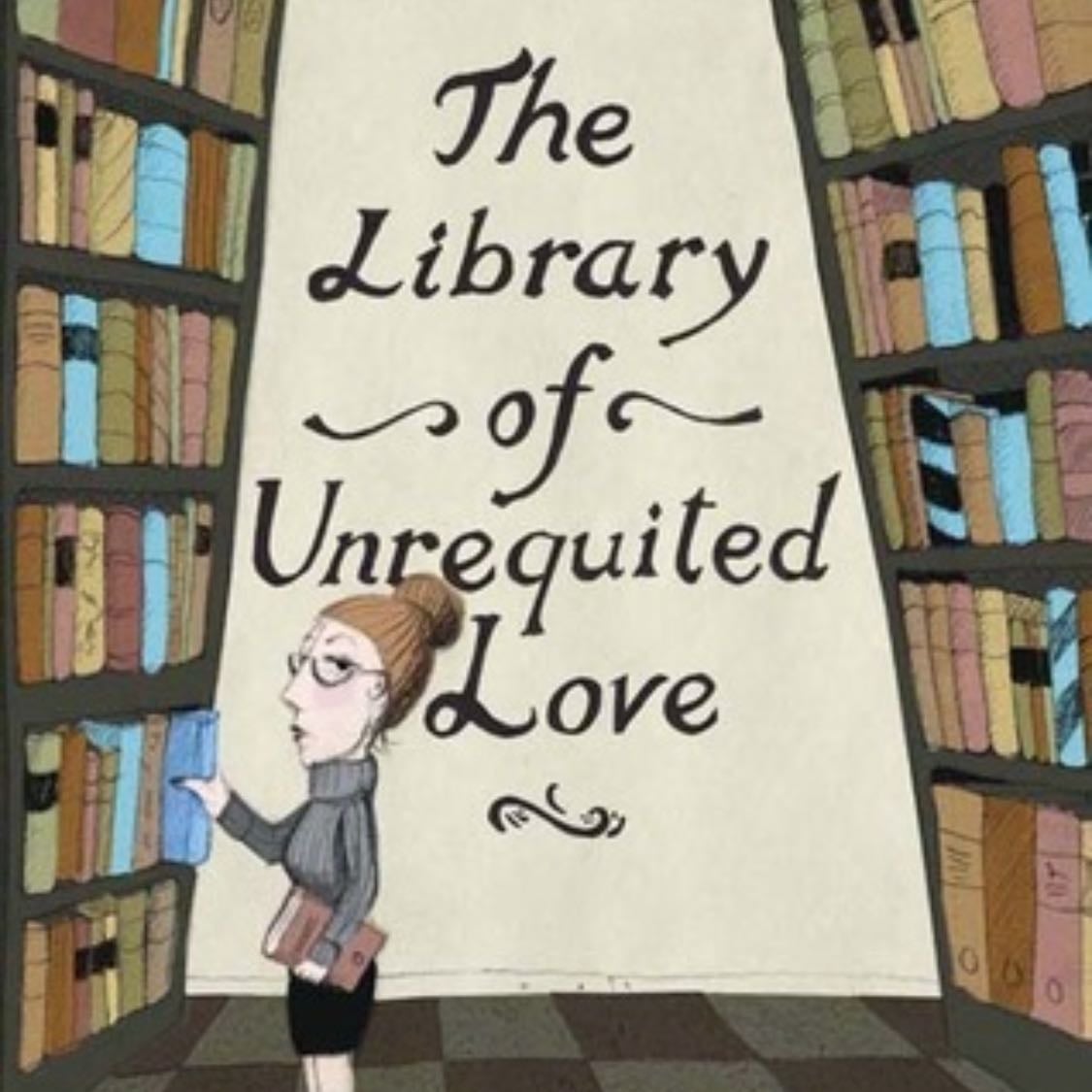
The Library of Unrequited Love
Sophie Divry · 2015

So Late in the Day
Keegan Claire · 2023
Librarian's Note: This is the entry for the short story. To check out the short story collection by the same name, click So Late in the Day: Stories of Men and Women.<br/><br/>After an uneventful Friday at the Dublin office, Cathal faces into the long weekend and takes the bus home. There, his mind agitates over a woman named Sabrine, with whom he could have spent his life, had he acted differently. All evening, with only the television and a bottle of champagne for company, thoughts of this woman and others intrude - and the true significance of this particular date is revealed.<br/><br/>From one of the finest writes working today, Keegan's new story asks if a lack of generosity might ruin what could be between man and women.

Cold Enough for Snow
Jessica Au · 2022
Winner of the inaugural Novel Prize, an elegant and subtle exploration of the mysteries of our relationships to others A mother and daughter travel from abroad to meet in Tokyo: they walk along the canals through the autumn evenings, escape the typhoon rains, share meals in small cafes and restaurants, and visit galleries to see some of the city’s most radical modern art. All the while, they talk: about the weather, horoscopes, clothes, and objects, about family, distance, and memory. But uncertainties abound. Who is really speaking here―is it only the daughter? And what is the real reason behind this elliptical, perhaps even spectral journey? At once a careful reckoning and an elegy, Cold Enough for Snow questions whether any of us speak a common language, which dimensions can contain love, and what claim we have to truly know another’s inner world.<br/>Selected from more than 1,500 entries, Cold Enough for Snow won the Novel Prize, a new, biennial award offered by New Directions, Fitzcarraldo Editions (UK), and Giramondo (Australia), for any novel written in English that explores and expands the possibilities of the form.

Foster
Claire Keegan · 2022
An international bestseller and one of The Times’ “Top 50 Novels Published in the 21st Century,” Claire Keegan’s piercing contemporary classic Foster is a heartbreaking story of childhood, loss, and love; now released as a standalone book for the first time ever in the US<br/>It is a hot summer in rural Ireland. A child is taken by her father to live with relatives on a farm, not knowing when or if she will be brought home again. In the Kinsellas’ house, she finds an affection and warmth she has not known and slowly, in their care, begins to blossom. But there is something unspoken in this new household—where everything is so well tended to—and this summer must soon come to an end.<br/>Winner of the prestigious Davy Byrnes Award and published in an abridged version in the New Yorker,this internationally bestselling contemporary classic is now available for the first time in the US in a full, standalone edition. A story of astonishing emotional depth, Foster showcases Claire Keegan’s great talent and secures her reputation as one of our most important storytellers.

Terrific Mother: Faber Stories
Lorrie Moore · 2019

The Country Funeral (Faber Stories)
John McGahern · 2019

The Shielding of Mrs Forbes: Faber Stories
Alan Bennett · 2019

Come Rain or Come Shine: Faber Stories
Kazuo Ishiguro · 2019

Paradise: Faber Stories
Edna O'Brien · 2019

The Forester's Daughter
Claire Keegan · 2019
Mind the Gap: Hierarchies, Health, and Human Evolution
Richard G. Wilkinson · 2001

Counting Descent
Clint Smith · 2016

Dated Emcees (City Lights/Sister Spit)
Chinaka Hodge · 2016

The Snow Goose
Paul Gallico · 1941

The Pit and the Pendulum
Edgar Allan Poe · 1995

Notes from the Underground
Fyodor Dostoevsky · 1992

And Every Morning the Way Home Gets Longer and Longer: A Novella
Fredrik Backman · 2016
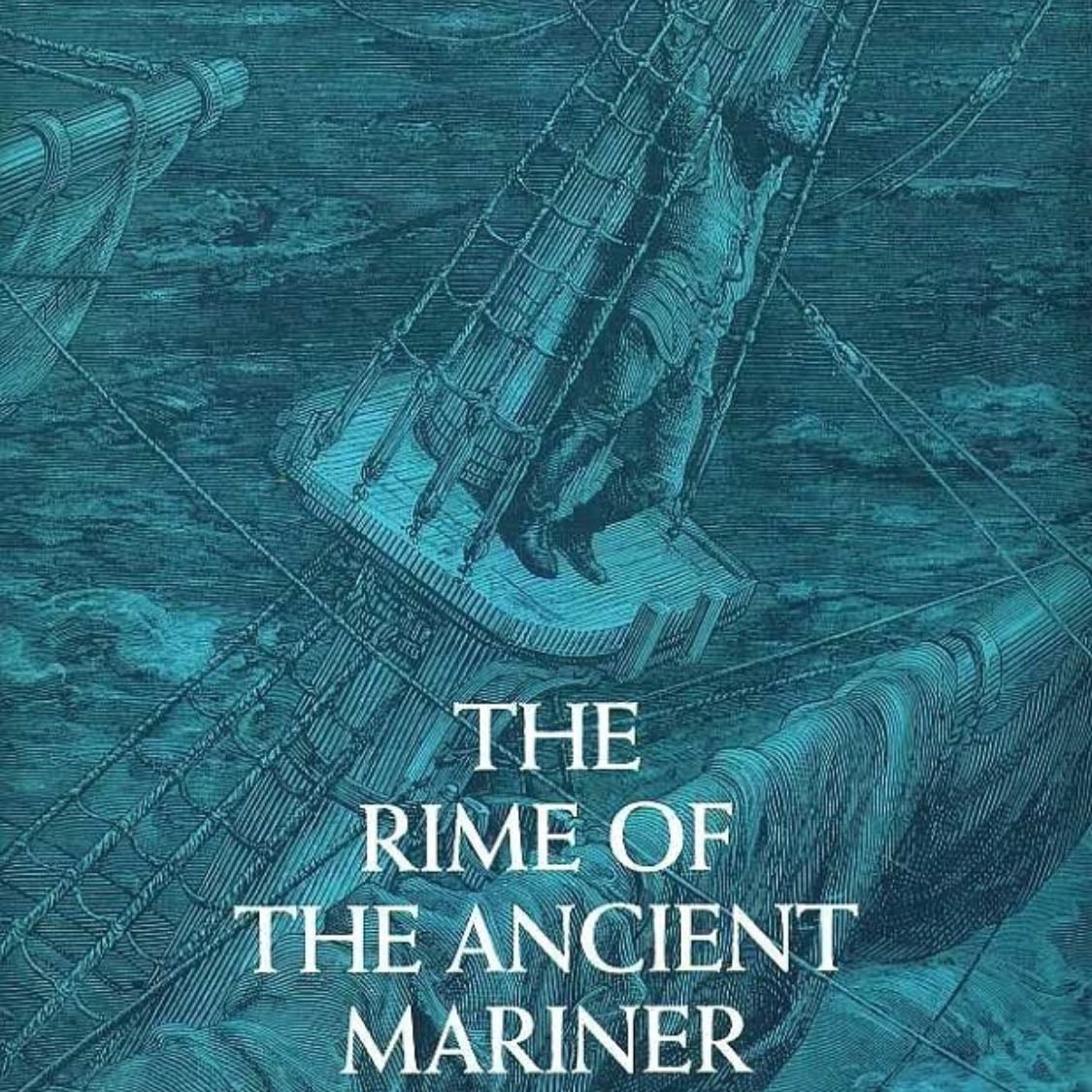
The Rime of the Ancient Mariner
Samuel Taylor Colefidge · 1970

The Fire Next Time
James Baldwin • 1990

We Should All Be Feminists
Chimamanda Ngozi Adichie • 2014
A personal and powerful essay from Chimamanda Ngozi Adichie, the bestselling author of ‘Americanah’ and ‘Half of a Yellow Sun’, based on her 2013 TEDx Talk of the same name.<br/><br/>What does “feminism” mean today? That is the question at the heart of We Should All Be Feminists, a personal, eloquently-argued essay – adapted from her much-viewed Tedx talk of the same name – by Chimamanda Ngozi Adichie, the award-winning author of ‘Americanah’ and ‘Half of a Yellow Sun’. With humour and levity, here Adichie offers readers a unique definition of feminism for the twenty-first century – one rooted in inclusion and awareness. She shines a light not only on blatant discrimination, but also the more insidious, institutional behaviours that marginalise women around the world, in order to help readers of all walks of life better understand the often masked realities of sexual politics. Throughout, she draws extensively on her own experiences – in the U.S., in her native Nigeria – offering an artfully nuanced explanation of why the gender divide is harmful for women and men, alike. Argued in the same observant, witty and clever prose that has made Adichie a best-selling novelist, here is one remarkable author’s exploration of what it means to be a woman today – and an of-the-moment rallying cry for why we should all be feminists.

The Importance of Being Earnest
Oscar Wilde · 1895
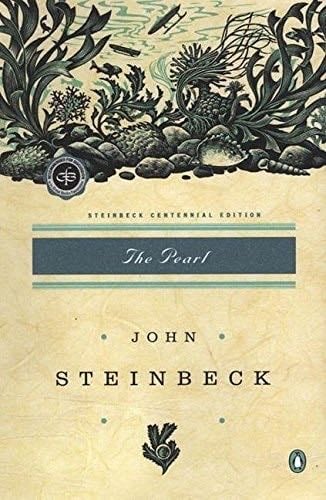
The Pearl (Centennial Edition)
John Steinbeck · 2002

Childhood (Penguin Modern Classics)
Tove Ditlevsen · 2019
Old Lady Mary
Margaret O. Oliphant · 2010
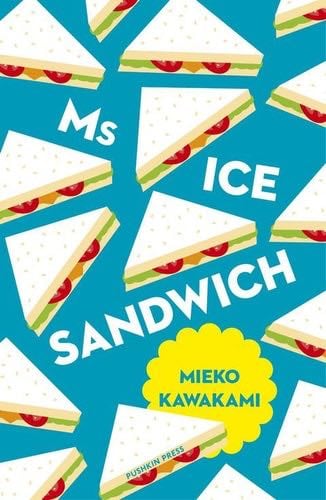
Ms Ice Sandwich
Mieko Kawakami · 2018
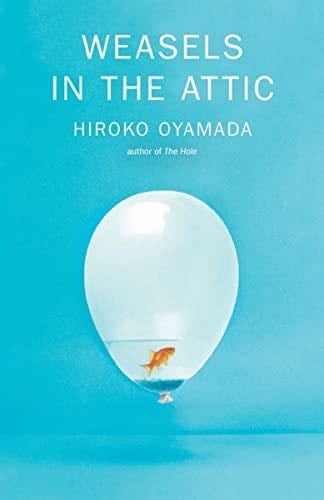
Weasels in the Attic
Hiroko Oyamada · 2022
From the acclaimed author of The Hole and The Factory, a thrilling and mysterious novel that explores fertility, masculinity, and marriage in contemporary Japan In three interconnected scenes, Hiroko Oyamada revisits the same set of characters at different junctures in their lives. In the back room of a pet store full of rare and exotic fish, old friends discuss dried shrimp and a strange new relationship. A couple who recently moved into a rustic home in the mountains discovers an unsettling solution to their weasel infestation. And a dinner party during a blizzard leads to a night in a room filled with aquariums and unpleasant dreams. Like Oyamada’s previous novels, Weasels in the Attic sets its sights on the overlooked aspects of contemporary Japanese society, and does so with a surreal sensibility that is entirely her own.