Physical tbr - japanese lit

Items in this hypelist
1000s

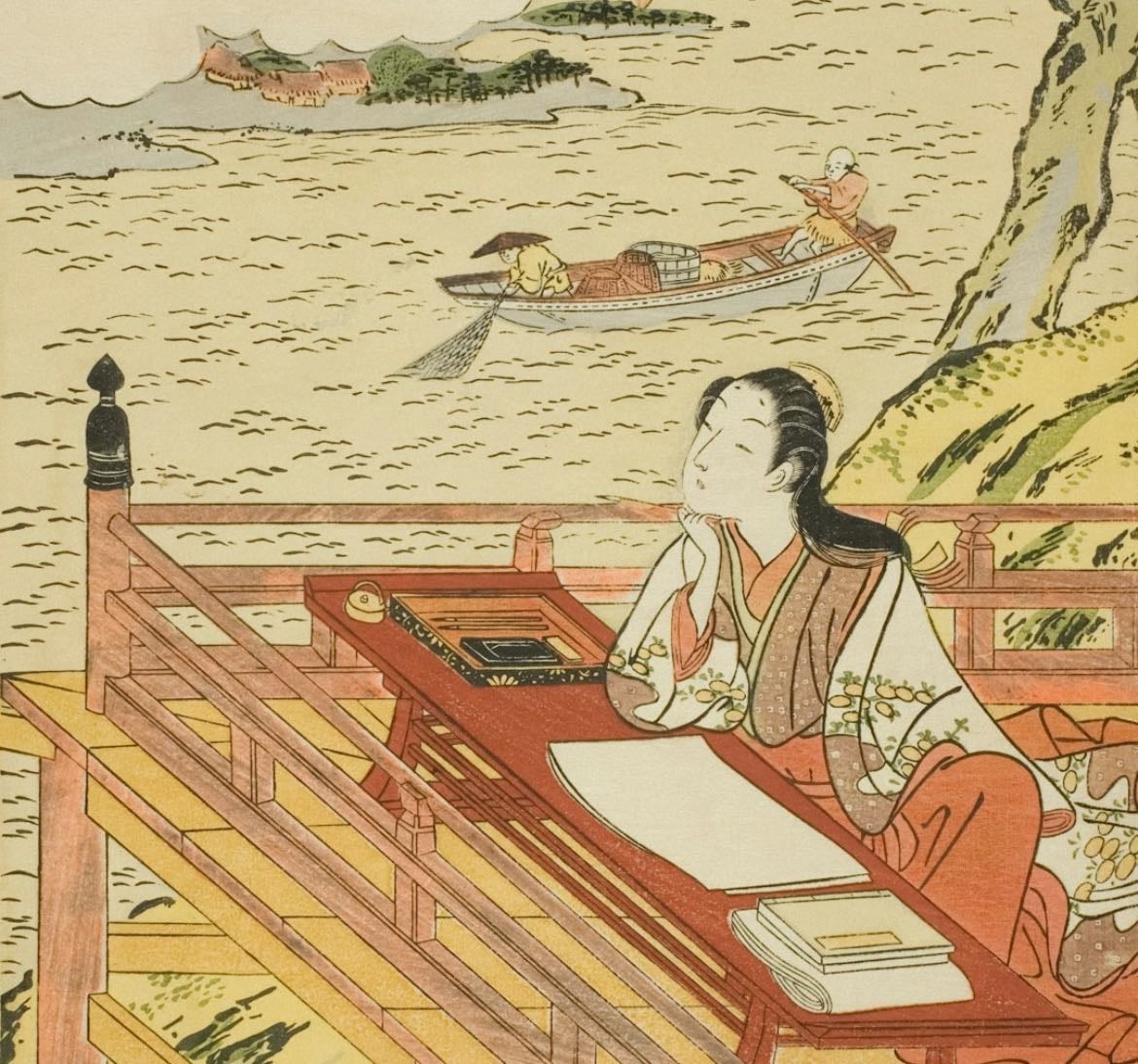
The Tale of Genji: A Visual Companion
Melissa McCormick · 2018
An illustrated guide to one of the most enduring masterworks of world literature<br/><br/>Written in the eleventh century by the Japanese noblewoman Murasaki Shikibu, The Tale of Genji is a masterpiece of prose and poetry that is widely considered the world’s first novel. Melissa McCormick provides a unique companion to Murasaki’s tale that combines discussions of all fifty-four of its chapters with paintings and calligraphy from the Genji Album (1510) in the Harvard Art Museums, the oldest dated set of Genji illustrations known to exist.<br/><br/>In this book, the album’s colorful painting and calligraphy leaves are fully reproduced for the first time, followed by McCormick’s insightful essays that analyze the Genji story and the album’s unique combinations of word and image. This stunning compendium also includes English translations and Japanese transcriptions of the album’s calligraphy, enabling a holistic experience of the work for readers today. In an introduction to the volume, McCormick tells the fascinating stories of the individuals who created the Genji Album in the sixteenth century, from the famous court painter who executed the paintings and the aristocrats who brushed the calligraphy to the work’s warrior patrons and the poet-scholars who acted as their intermediaries.<br/><br/>Beautifully illustrated, this book serves as an invaluable guide for readers interested in The Tale of Genji, Japanese literature, and the captivating visual world of Japan’s most celebrated work of fiction.
1930s
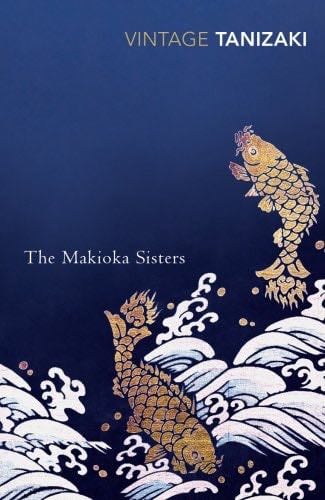
The Makioka Sisters
Jun'ichiro Tanizaki · 1993
1950s

Masks (Vintage Classics)
Fumiko Enchi · 2019
Published for the first time in the UK, one of Japan's greatest modern female writers<br/><br/>Ibuki loves widow Yasuko who is young, charming and sparkling with intelligence as well as beauty. His friend, Mikamé, desires her too but that is not the difficulty.
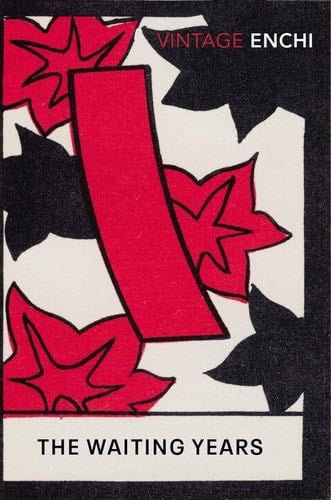
The Waiting Years (Vintage Classics)
Fumiko Enchi · 2019
1960s

Runaway Horses
Yukio Mishima · 1999
<b>The second book in Mishima's Sea of Fertility tetraology - this is a story of political violence, traditional samurai values and nihilism.</b><br> <br> Isao is a young, engaging patriot, and a fanatical believer in the ancient samurai ethos. He turns terrorist, organising a violent plot against the new industrialists, who he believes are threatening the integrity of Japan and usurping the Emperor's rightful power. As the conspiracy unfolds and unravels, Mishima brilliantly chronicles the conflicts of a decade that saw the fabric of Japanese life torn apart.<br> <br> <b>'<i>Runaway Horses</i> is disturbing material, also a harbinger of Mishima's own act of 'patriotic' self-slaughter... Strange, elegant, erotic' <i>Guardian</i></b>
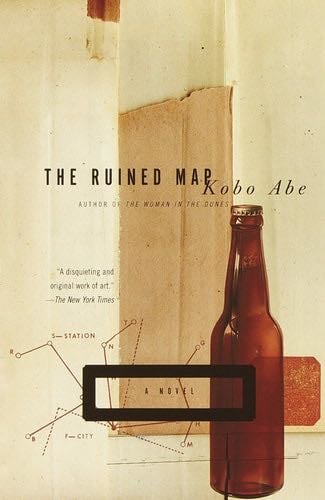
The Ruined Map: A Novel
Kobo Abe · 2001
Of all the great Japanese novelists, Kobe Abe was indubitably the most versatile. With <b>The Ruined Map</b>, he crafted a mesmerizing literary crime novel that combines the narrative suspense of Chandler with the psychological depth of Dostoevsky.<br><br>Mr. Nemuro, a respected salesman, disappeared over half a year ago, but only now does his alluring yet alcoholic wife hire a private eye. The nameless detective has but two clues: a photo and a matchbook. With these he embarks upon an ever more puzzling pursuit that leads him into the depths of Tokyo's dangerous underworld, where he begins to lose the boundaries of his own identity. Surreal, fast-paced, and hauntingly dreamlike, Abe’s masterly novel delves into the unknowable mysteries of the human mind.<br>Translated from the Japanese by E. Dale Saunders.
Silence
Shusaku Endo
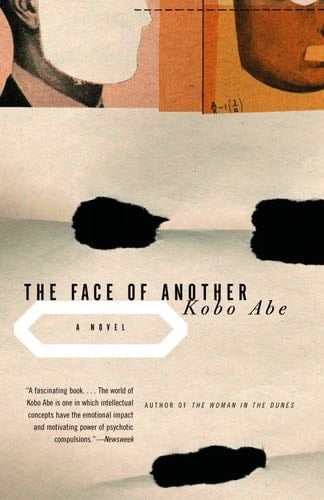
The Face of Another
Kobo Abe · 2003

The Silent Cry
Kenzaburo Oe · 2016
The Silent Cry follows two brothers who return to their ancestral home, a village in densely forested Western Japan. After decades of separation, the reunited men are each preoccupied by their own personal crises. One brother grapples with the recent suicide of his dearest friend, the birth of his disabled son, and his wife's increasing alcoholism. The other brother sets out to incite an uprising among the local youth against the disintegration of the community's culture and economy due to the imposing franchise of a Korean businessman nicknamed the "Emperor of the Supermarkets". Both brothers live in the shadow of the mysteries surrounding the untimely deaths of their older brother and younger sister, as well as their great-grandfather's political heroism. When long-kept family secrets are revealed, the brothers' strained bond is pushed to its breaking-point and their lives are irrevocably changed. Considered Oe's most essential work by the Nobel Prize committee, The Silent Cry is as powerfully relevant today as it was when first published in 1967.
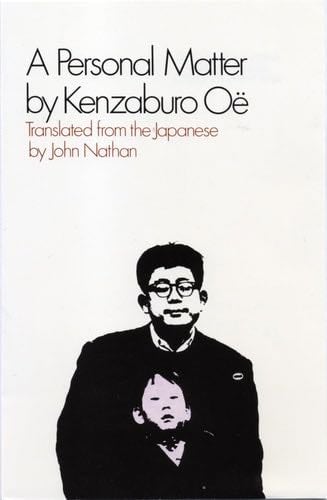
A Personal Matter
Kenzaburo Oë, John Nathan · 1994
Kenzaburo Oe, the winner of the 1994 Nobel Prize for Literature, is internationally acclaimed as one of the most important and influential post-World War II writers, known for his powerful accounts of the atomic bombing of Hiroshima and his own struggle to come to terms with a mentally handicapped son. The Swedish Academy lauded Oe for his "poetic force [that] creates an imagined world where life and myth condense to form a disconcerting picture of the human predicament today." His most popular book, A Personal Matter is the story of Bird, a frustrated intellectual in a failing marriage whose Utopian dream is shattered when his wife gives birth to a brain-damaged child. In writing novels there is no substitute for maturity and moral awareness. Kenzaburo Oe has both.”Alan Levensohn, Christian Science Monitor
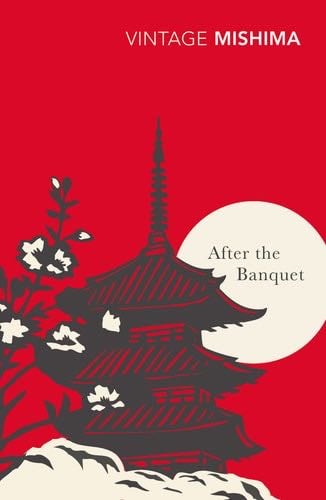
After the Banquet
Yukio Mishima · 2001
<b>For years Kazu has run her fashionable restaurant with a combination of charm and shrewdness - then she falls in love.</b><br> <br> The man is one of her clients, an aristocratic retired politician, and she renounces her business in order to become his wife. But it is not so easy to renounce her independent spirit. Eventually Kazu must choose between her marriage and the demands of her irrepressible vitality. <i>After the Banquet</i> is a magnificent portrait of political and domestic warfare and love in later life.<br> <br> <b>'An exquisitely paced high comedy at once characterized by humor and restraint...features a magnificently ebullient heroine as she embarks upon one more adventure in love' <i>Kirkus</i><br> <br> ' Mishima's most novelistic work, with a degree of earthiness and warmth rare in his fiction' <i>New York Times</i></b>

Spring Snow: The Sea of Fertility, 1
Yukio Mishima · 1990
1970s

The Box Man: A Novel
Kobo Abe · 2001
Kobo Abe, the internationally acclaimed author of <b>Woman in the Dunes</b><i>, </i>combines wildly imaginative fantasies and naturalistic prose to create narratives reminiscent of the work of Kafka and Beckett.<br><br>In this eerie and evocative masterpiece, the nameless protagonist gives up his identity and the trappings of a normal life to live in a large cardboard box he wears over his head. Wandering the streets of Tokyo and scribbling madly on the interior walls of his box, he describes the world outside as he sees or perhaps imagines it, a tenuous reality that seems to include a mysterious rifleman determined to shoot him, a seductive young nurse, and a doctor who wants to become a box man himself. <b>The Box Man</b> is a marvel of sheer originality and a bizarrely fascinating fable about the very nature of identity.<br><br>Translated from the Japanese by E. Dale Saunders.
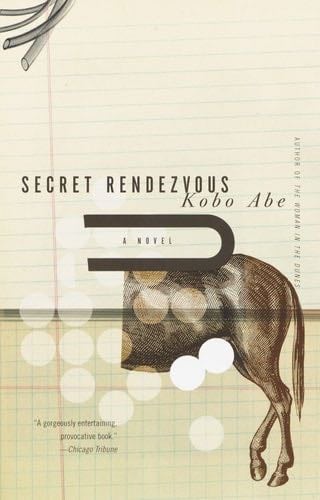
Secret Rendezvous
Kobo Abe · 2002
From the acclaimed author of <i>Woman in the Dunes</i> comes <b>Secret Rendezvous</b><i>,</i> the bizarrely erotic and comic adventures of a man searching for his missing wife in a mysteriously vast underground hospital.<br><br> From the moment that an ambulance appears in the middle of the night to take his wife, who protests that she is perfectly healthy, her bewildered husband realizes that things are not as they should be. His covert explorations reveal that the enormous hospital she was taken to is home to a network of constant surveillance, outlandish sex experiments, and an array of very odd and even violent characters. Within a few days, though no closer to finding his wife, the unnamed narrator finds himself appointed the hospital’s chief of security, reporting to a man who thinks he’s a horse. With its nightmarish vision of modern medicine and modern life, <b>Secret Rendezvous</b> is another masterpiece from Japan’s most gifted and original writer of serious fiction.

The Decay of the Angel
Yukio Mishima · 2001
The Temple of Dawn
Yukio Mishima · 1999
Temple of Dawn
1980s
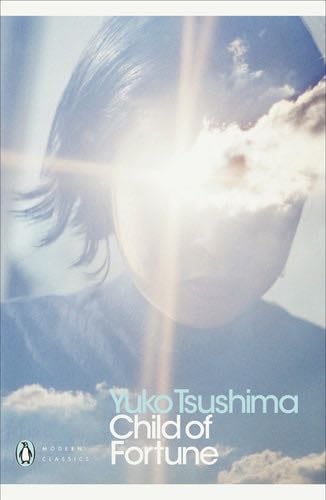
Child of Fortune
Yuko Tsushima · 2018
'A terrific novel' Angela Carter Koko won't do what is expected of her. Defying her family's wishes, she has brought up her eleven-year-old daughter alone in her apartment. And now, after a casual affair, she is unexpectedly pregnant again. What will this mean for her already troubled relationship with her daughter? As she faces the future, memories of her own childhood loss flood into her consciousness, threatening to overwhelm her. Combining the beauty and unease of a dream, this haunting novel is an unflinching portrayal of a woman's innermost fears and desires. 'As relevant today as when it was published ... at once powerfully uplifting and achingly sad' Japan Times
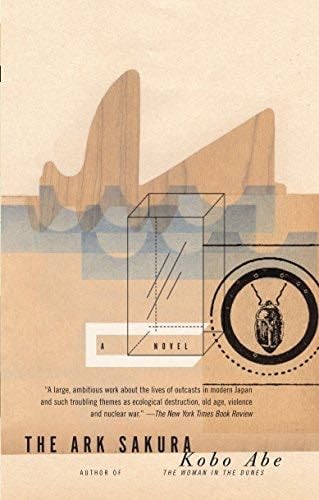
The Ark Sakura (Vintage International)
Kobo Abe · 2009
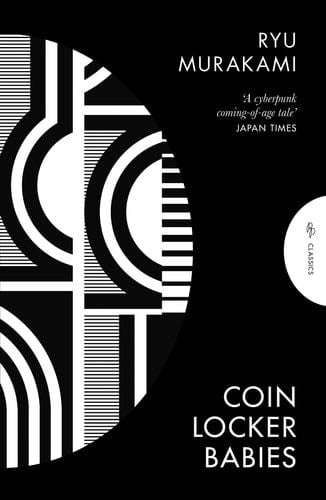
Coin Locker Babies
Murakami, Ryu (author) · 2023

Dance, Dance, Dance
Haruki Murakami · 2003
1990s

Toddler Hunting: And Other Stories
Taeko Kono · 2018
Kirkus Reviews Best Books of 2018<br/>An unforgettable collection of stories from “the most carnally direct and the most lucidly intelligent woman writing in Japan” (Kenzaburo Oe)<br/>Toddler-Hunting and Other Stories introduces a startlingly original voice. Winner of Japan’s top literary prizes for fiction (among them the Akutagawa, the Tanizaki, the Noma, and the Yomiuri), Taeko Kono writes with a strange beauty, pinpricked with sadomasochistic and disquieting scenes.<br/>In the title story, the protagonist loathes young girls, but compulsively buys expensive clothes for little boys so that she can watch them dress and undress. The impersonal gaze Taeko Kono turns on this behavior transfixes the reader with a fatal question: What are we hunting for? And why?<br/>Multiplying perspectives and refracting light from the strangely facing mirrors of fantasy and reality, pain and pleasure, these ten stories present Kono at her very best.

In the Miso Soup
Ryu Murakami · 2006
2000s
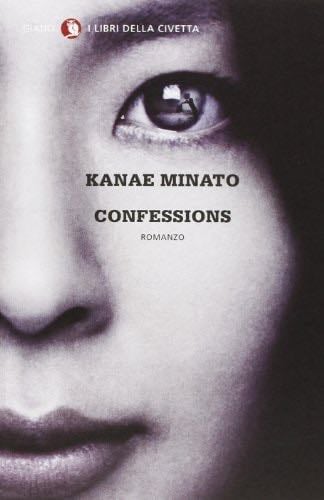
Confessions
Kanae Minato · 2013

The Changeling
Kenzaburo Oe · 2010