Classic books
Items in this hypelist
Classics
Madame Bovary
Gustave Flaubert • 1856
The award-winning, nationally bestselling translation, by Lydia Davis, of one of the world’s most celebrated novels<br/><br/>“The best English version by far, because its deadpan reminds us that the book is both a great realist novel and a satire of realism.” —Merve Emre, The New Yorker<br/><br/>Emma Bovary is the original desperate housewife. Beautiful but bored, she spends lavishly on clothes and on her home and embarks on two disappointing affairs in an effort to make her life everything she believes it should be. Soon heartbroken and crippled by debts, she takes drastic action, with tragic consequences for her husband and daughter. In this landmark new translation of Gustave Flaubert's masterwork, award-winning writer and translator Lydia Davis honors the nuances and particulars of Flaubert's legendary prose style, giving new life in English to the book that redefined the novel as an art form.<br/><br/>For more than seventy years, Penguin has been the leading publisher of classic literature in the English-speaking world. With more than 1,700 titles, Penguin Classics represents a global bookshelf of the best works throughout history and across genres and disciplines. Readers trust the series to provide authoritative texts enhanced by introductions and notes by distinguished scholars and contemporary authors, as well as up-to-date translations by award-winning translators.
Um Estudo em Vermelho
Arthur Conan Doyle • 1887
Iracema
José de Alencar • 1865
A Redoma de Vidro
Sylvia Plath • 1963
O único romance de Sylvia Plath ganha nova capa com ilustração da própria autora.<br/>Publicado originalmente em 1963, esta edição, com tradução de Chico Mattoso, traz nova capa e desenhos da autora. Lançado semanas antes da morte de Sylvia, o livro é repleto de referências autobiográficas, e a narrativa é inspirada nos acontecimentos do verão de 1952, quando Sylvia Plath tentou o suicídio e foi internada em uma clínica psiquiátrica.<br/>Esther Greenwood é uma jovem que sai do subúrbio de Boston para trabalhar em uma prestigiosa revista de moda em Nova York. Assim como a protagonista, a autora foi uma estudante com um histórico exemplar que sofreu uma grave depressão. Muitas questões de Esther retratam as preocupações de uma geração pré-revolução sexual, em que as mulheres ainda precisavam escolher se priorizavam a profissão ou a família.<br/>Além da elegância da prosa de Plath, o livro extrai sua força da forma corajosa como trata a depressão. Mais que um relato sobre problemas mentais, A redoma de vidro é uma narrativa singular acerca das dores do amadurecimento.<br/>"A redoma de vidro continuará a ressoar nas pessoas ao longo dos anos e merecerá inúmeras releituras, pois fala de contradições e de problemas humanos. Um livro para refletir sobre a representação da mulher na sociedade, os desafios profissionais e a solidão nas metrópoles e sobre alguém que tinha tudo para ser feliz." ? Juliana Gomes, co-criadora do projeto Leia Mulheres<br/><br/>Capa comum: 280 páginas<br/>Editora: Biblioteca Azul; Edição: 2 (20 de março de 2019)
Dracula
Bram Stoker • 1897
“There are darknesses in life and there are lights, and you are one of the lights, the light of all lights.” ― Bram Stoker, Dracula<br/><br/>Dracula is an 1897 Gothic horror novel by Irish author Bram Stoker.Famous for introducing the character of the vampire Count Dracula, the novel tells the story of Dracula's attempt to move from Transylvania to England so he may find new blood and spread undead curse, and the battle between Dracula and a small group of men and women led by Professor Abraham Van Helsing.<br/><br/>Dracula has been assigned to many literary genres including vampire literature, horror fiction, the gothic novel and invasion literature. The novel touches on themes such as the role of women in Victorian culture, sexual conventions, immigration, colonialism, and post-colonialism.<br/><br/>Although Stoker did not invent the vampire, he defined its modern form, and the novel has spawned numerous theatrical, film and television interpretations.<br/><br/>A True Classic that Belongs on Every Bookshelf!
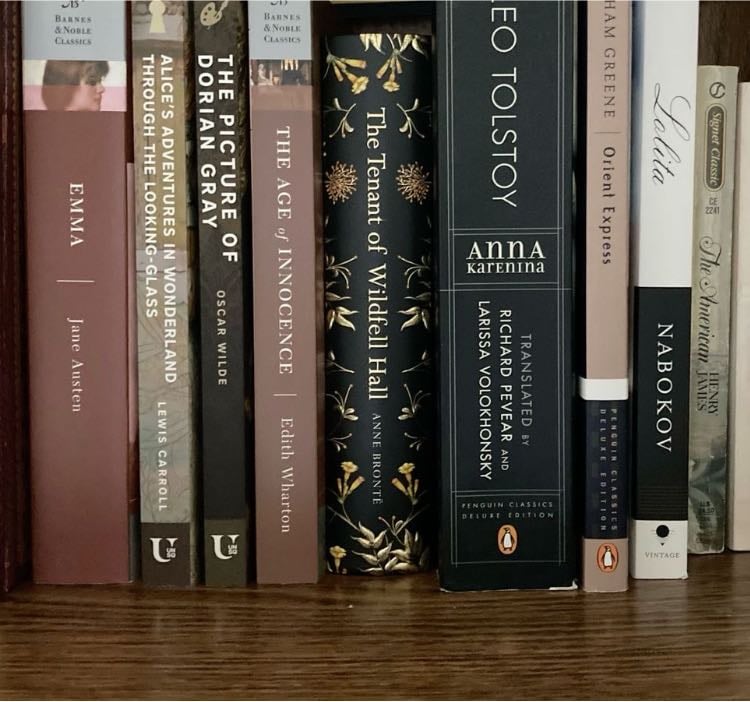
A inquilina de Wildfell Hall
Anne Bronte 1848
Notre Dame de Paris / Notre-Dame of Paris
Victor Hugo • 1831
Os miseráveis
Victor Hugo • 1862
o ateneu
Pompeia • 1888
Wuthering Heights
Brontë, Emily • 1847
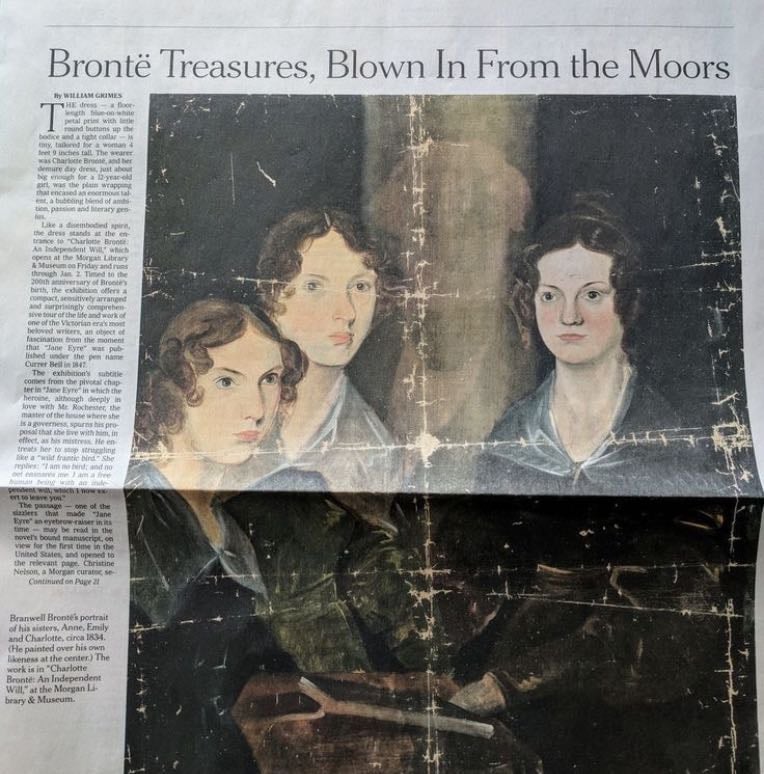
Wuthering Heights is Emily Brontë's only novel. Written between October 1845 and June 1846, Wuthering Heights was published in 1847 under the pseudonym "Ellis Bell"; Brontë died the following year, aged 30. Wuthering Heights and Anne Brontë's Agnes Grey were accepted by publisher Thomas Newby before the success of their sister Charlotte's novel, Jane Eyre. After Emily's death, Charlotte edited the manuscript of Wuthering Heights, and arranged for the edited version to be published as a posthumous second edition in 1850. Although Wuthering Heights is now widely regarded as a classic of English literature, contemporary reviews for the novel were deeply polarised; it was considered controversial because its depiction of mental and physical cruelty was unusually stark, and it challenged strict Victorian ideals of the day regarding religious hypocrisy, morality, social classes and gender inequality. The English poet and painter Dante Gabriel Rossetti, although an admirer of the book, referred to it as "A fiend of a book – an incredible monster [...] The action is laid in hell, – only it seems places and people have English names there."