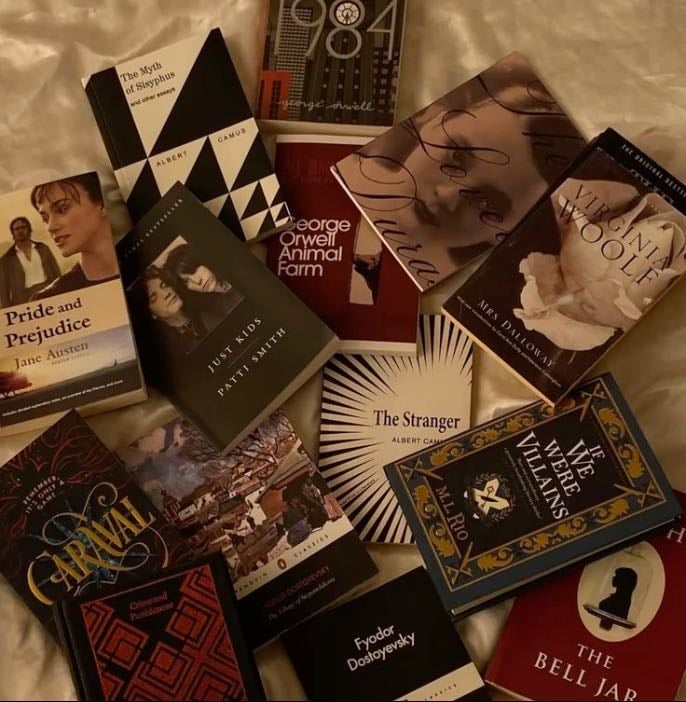
classics to read in order to be even more insufferable to talk to

Items in this hypelist
to read
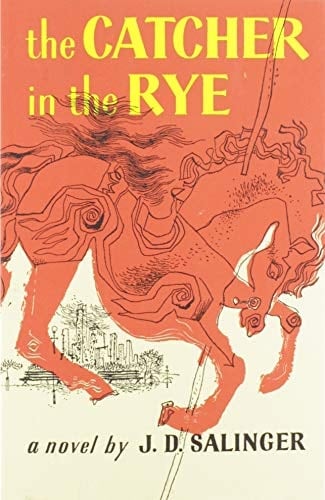
The Catcher in the Rye
J. D. Salinger · 1951
White Nights
Fyodor Dostoevsky · 1848
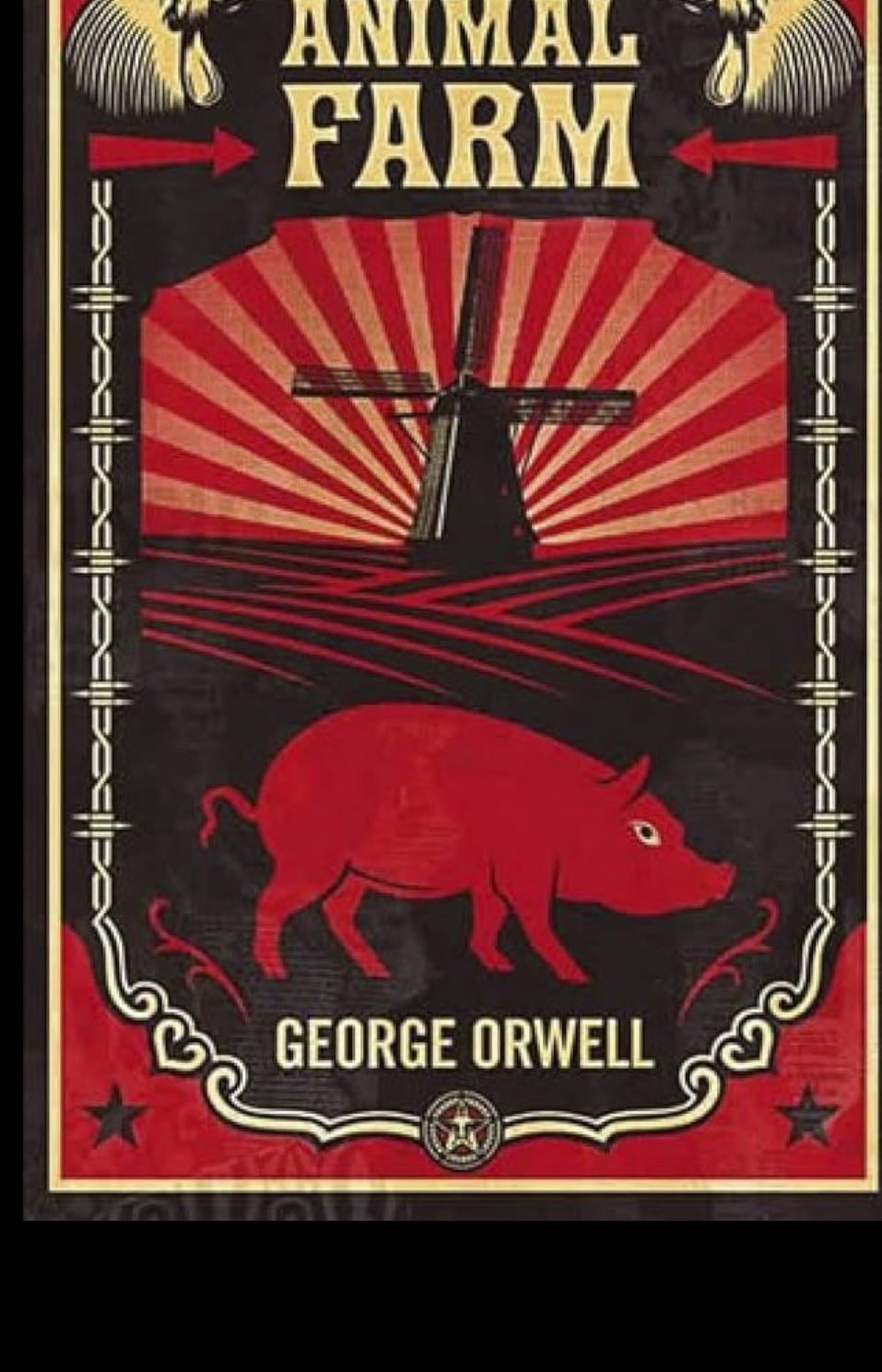
Animal Farm
George Orwell · 1945
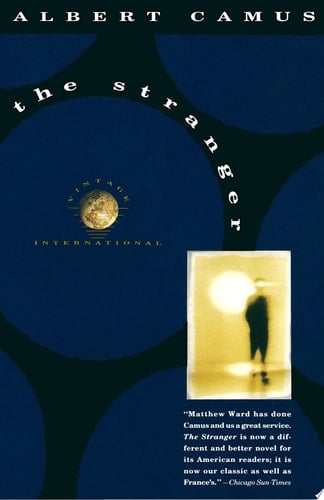
The Stranger
Albert Camus · 1942
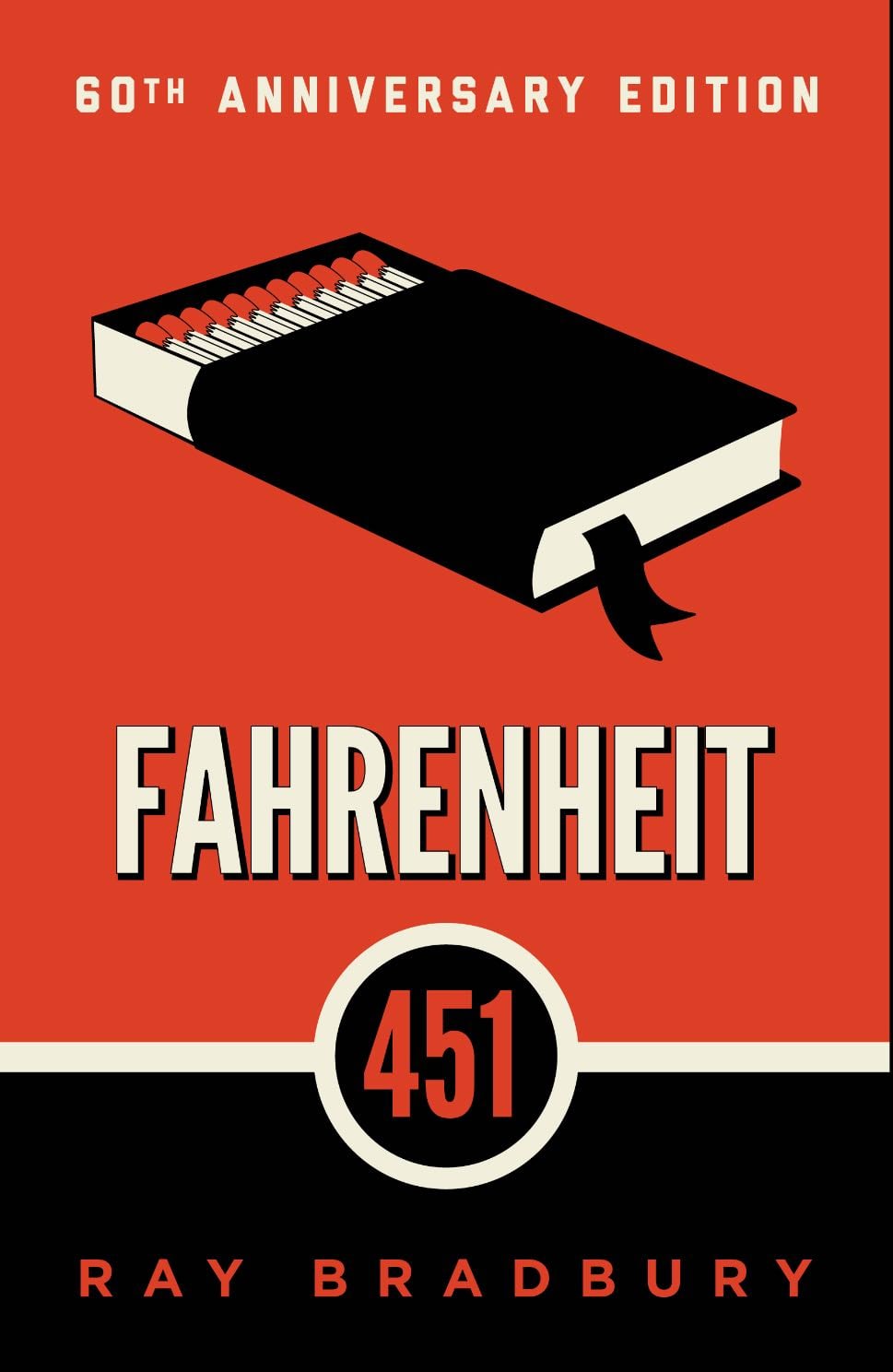
Fahrenheit 451
Ray Bradbury · 1953
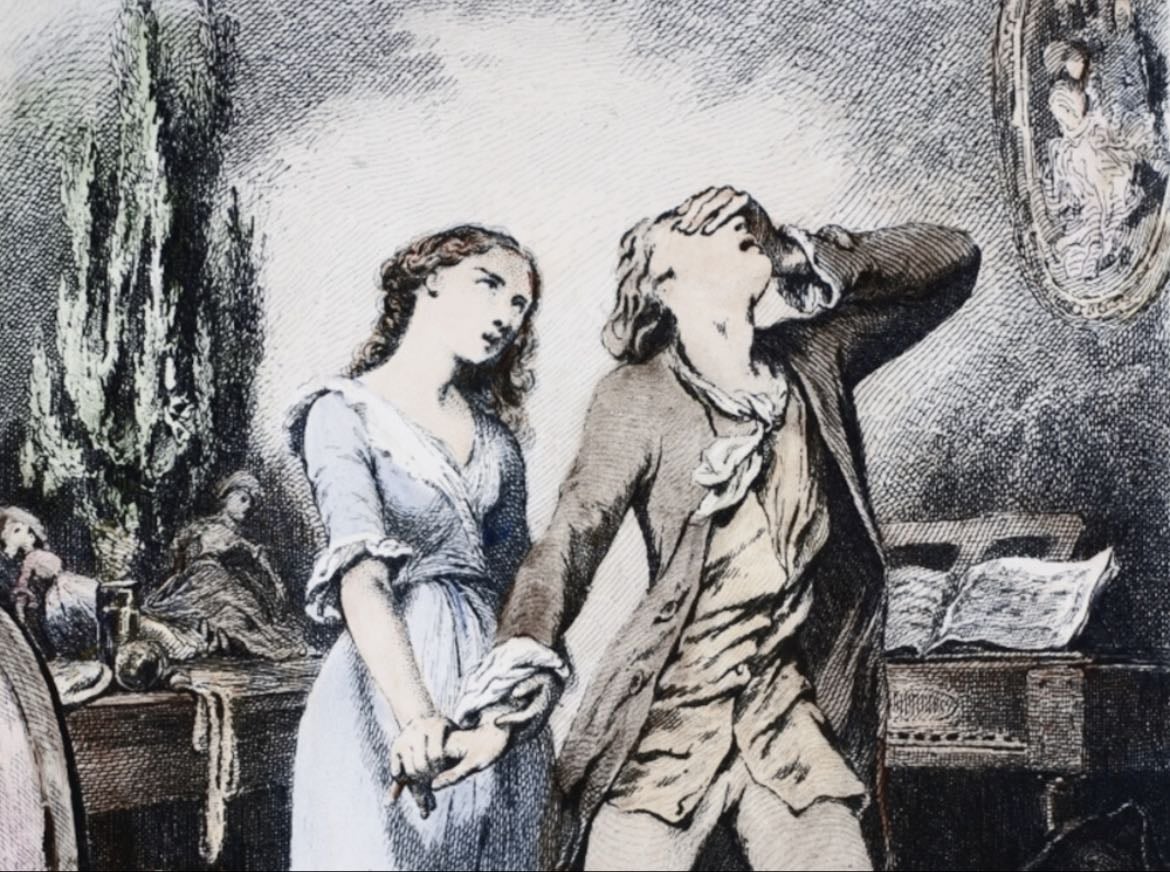
The Sorrows of Young Werther
Johann Wolfgang von Goethe · 1774

Sonetos del amor oscuro
Federico García Lorca · 1938

Ulises
Joyce James · 1922

El Nombre De La Rosa
Umberto Eco · 1980
La Voz A Ti Debida
Pedro Salinas · 1933
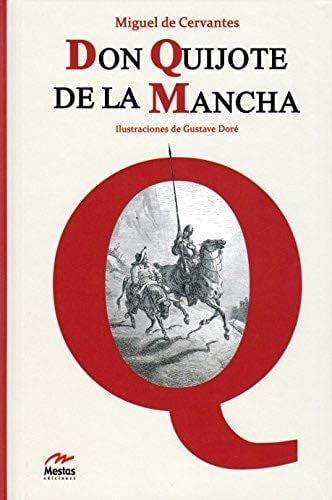
Don Quijote de la Mancha
Miguel de Cervantes · 1605
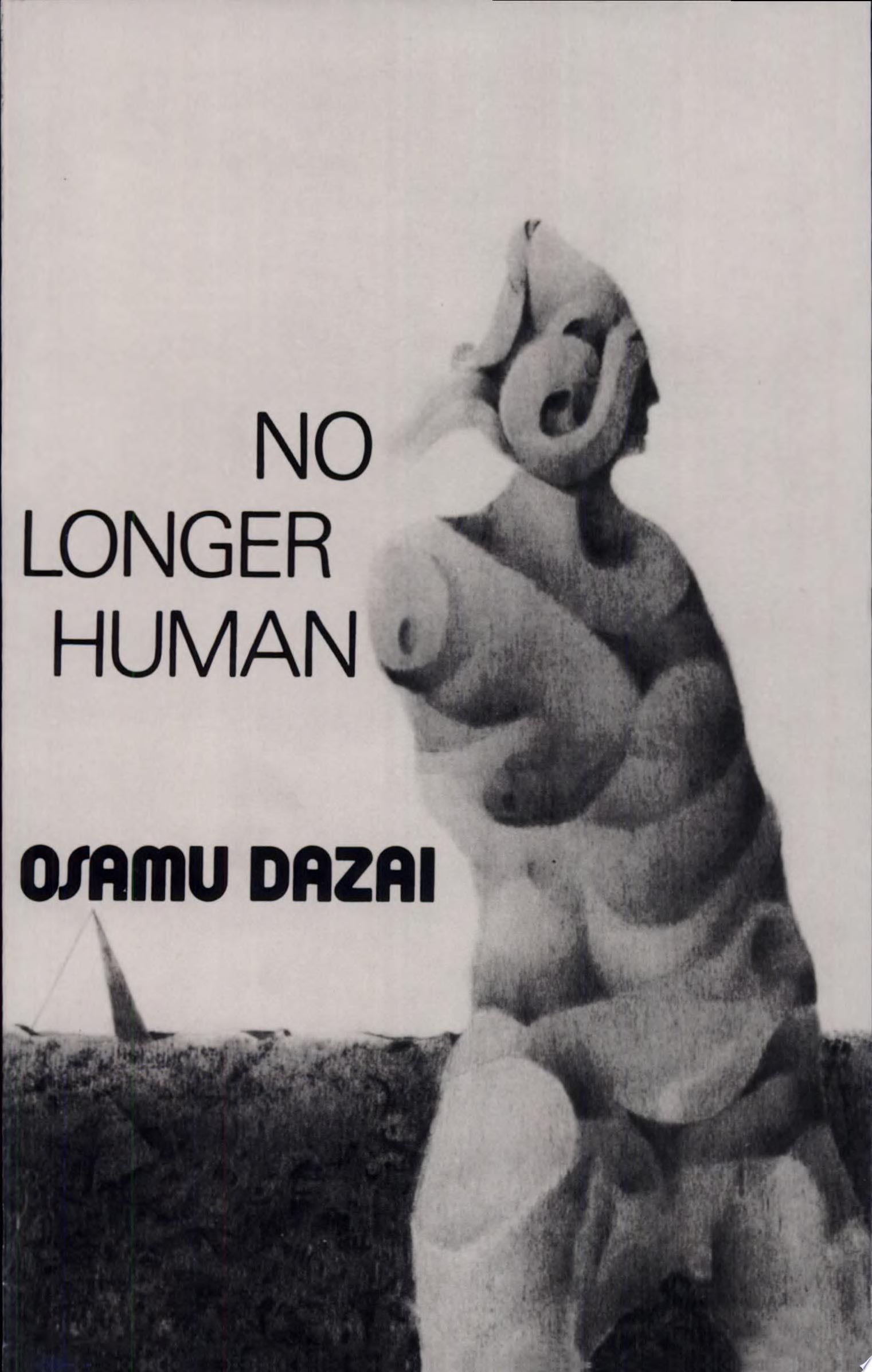
No Longer Human
Osamu Dazai · 1973

La guerra de las Galias
Julio César · 50-40 a. C.

Bodas de sangre
Federico García Lorca · 1933
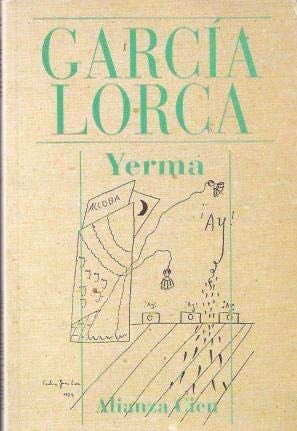
Yerma
federico garcia lorca · 1934
Garcia Lorca's long out-of-print poetic sequence about New York City is as contemporary as today's headlines: slums, racism, violence and cries of loneliness punctuate this verse. "This is one of the perplexing classics of 20th-century poetry. . . . (The collection) is a fierce indictment of the modern world incarnated in city life . . ".--"The New Yorker".

La Casa De Bernarda Alba
Federico Garcia Lorca · 1945

Romancero gitano
Federico García Lorca · 1928
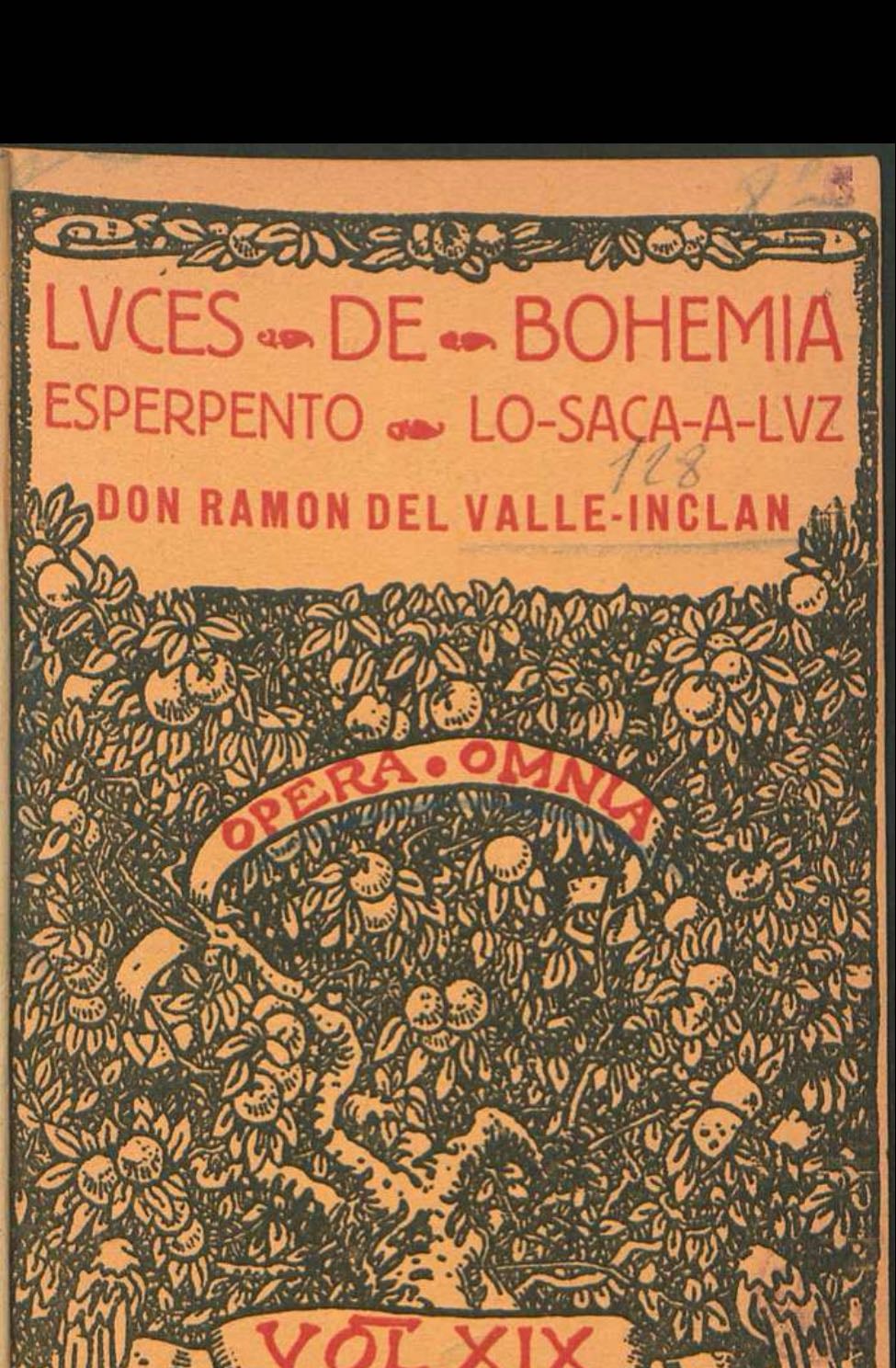
Luces de Bohemia
Ramon Valle Inclán · 1920

Ulysses
James Joyce · 1920
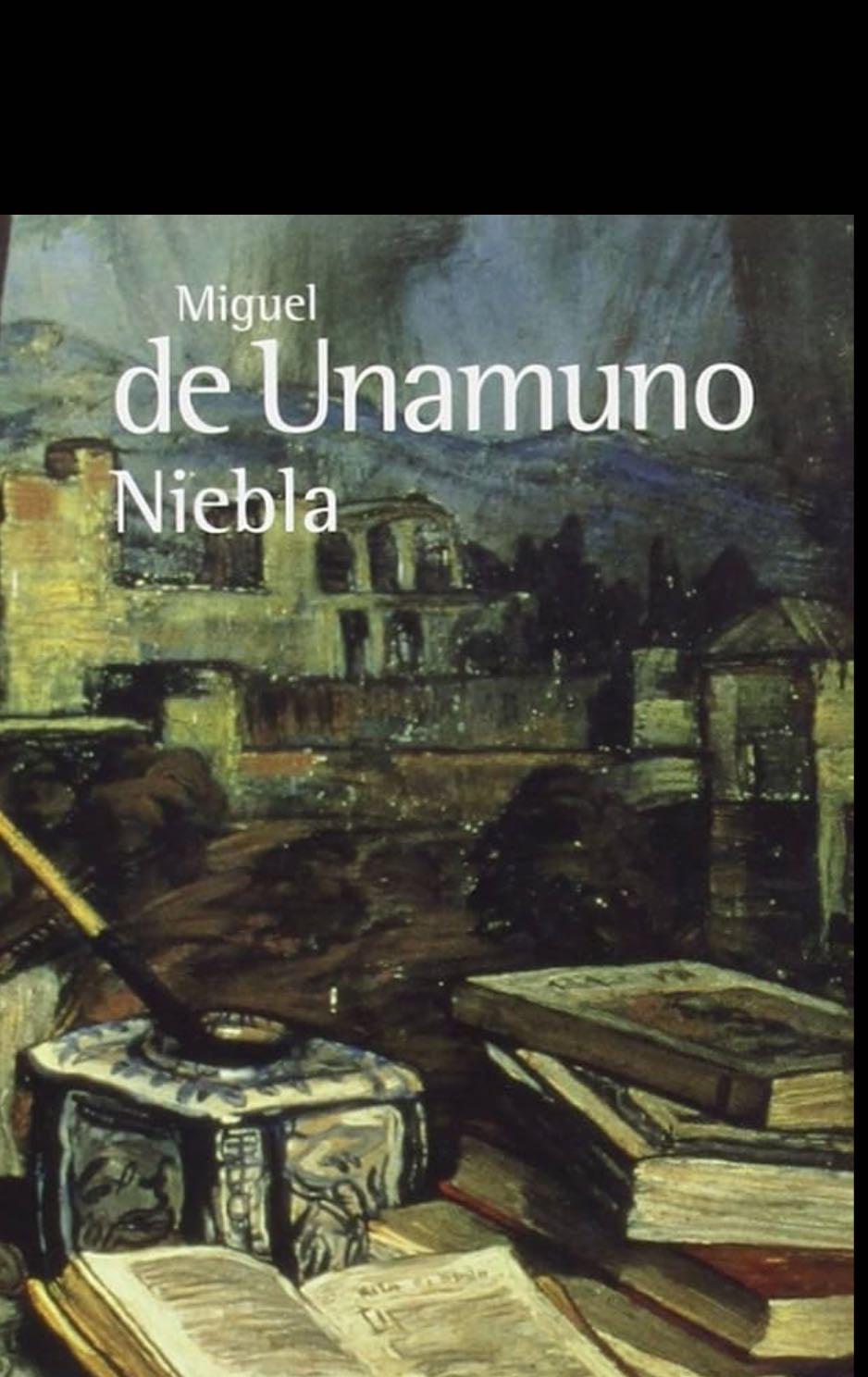
Niebla
Miguel de Unamuno · 1914

El Árbol De La Ciencia
Pio Baroja · 1911

Metamorphosis
Franz Kafka · 1915

Dracula
Bram Stoker · 1897

The Picture of Dorian Gray
Oscar Wilde · 1890
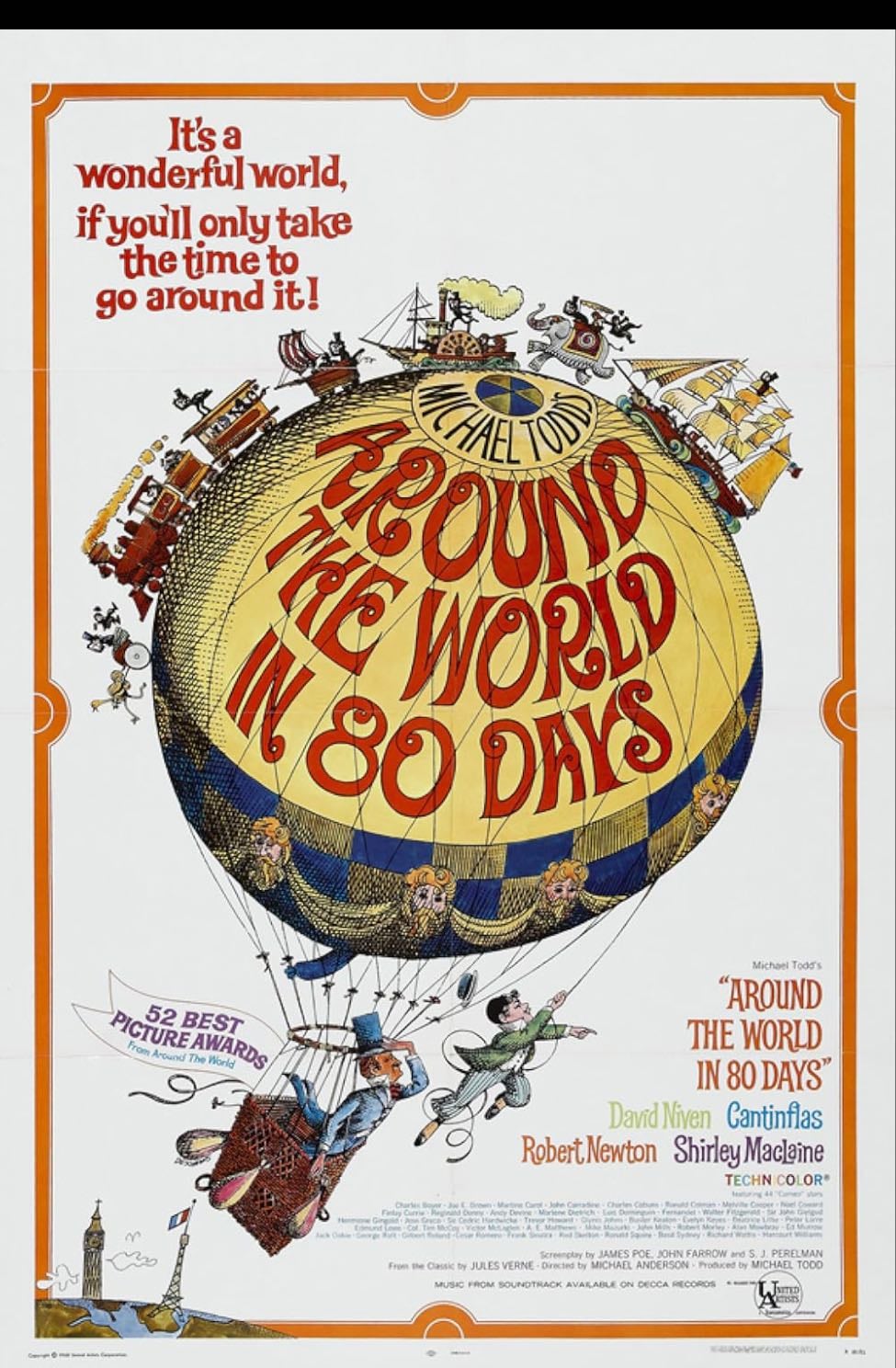
Around the World in 80 Days
Jules Verne · 1872

The Idiot
Fyodor Dostoyevsky · 1869

Crime and Punishment
Fyodor Dostoevsky · 1866
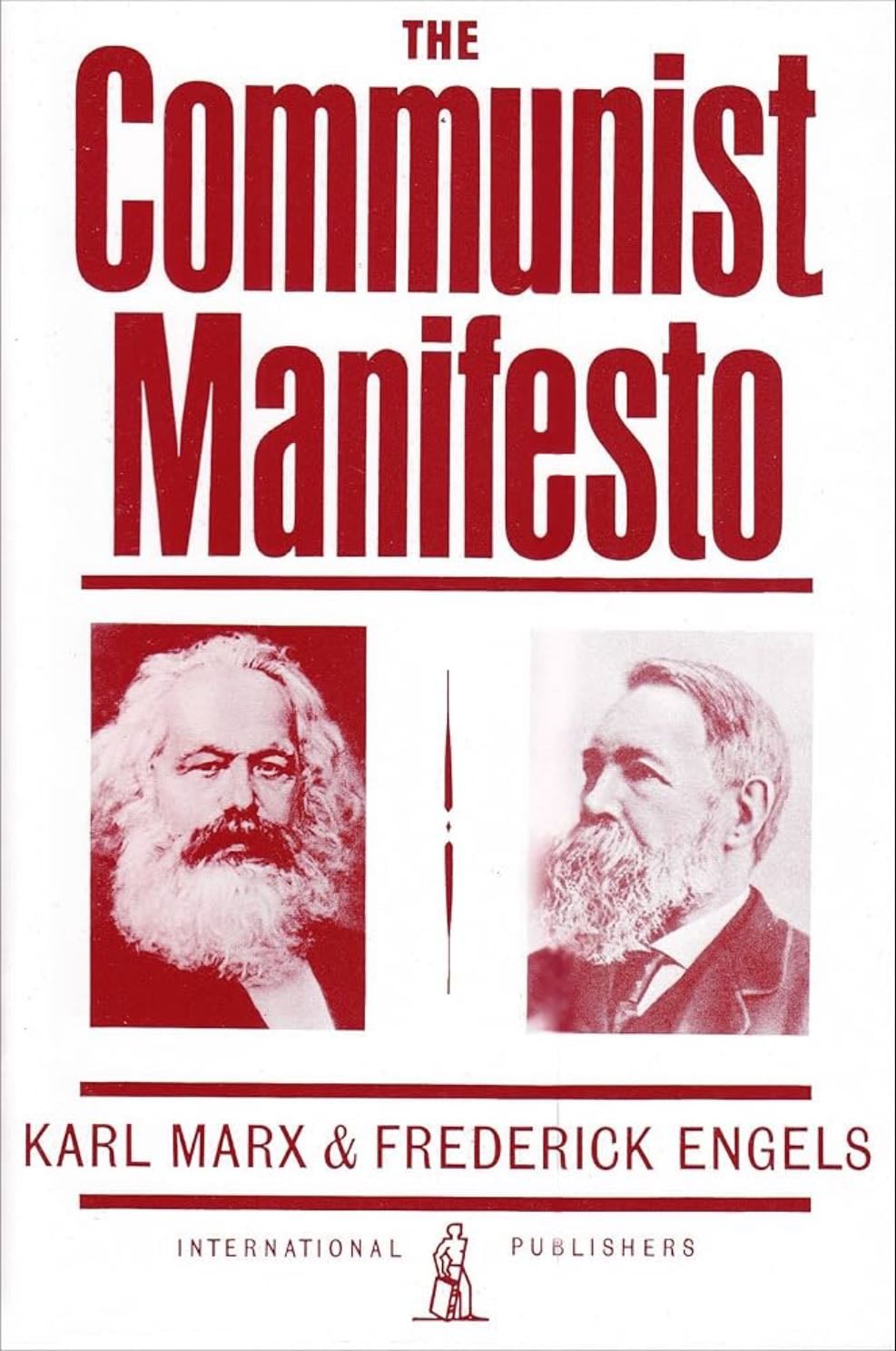
Communist Manifesto : Manifesto of the Communist Party
Karl Marx, Friedrich Engels · 1848
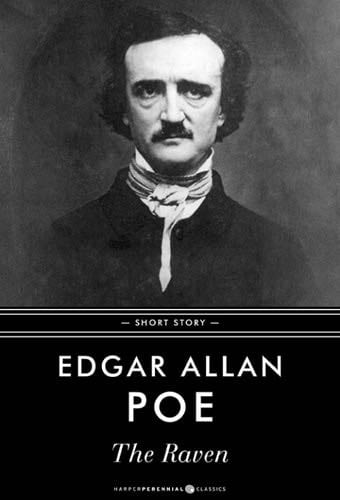
The Raven
Edgar Allan Poe · 1845

The Red and the Black
Stendhal · 1830
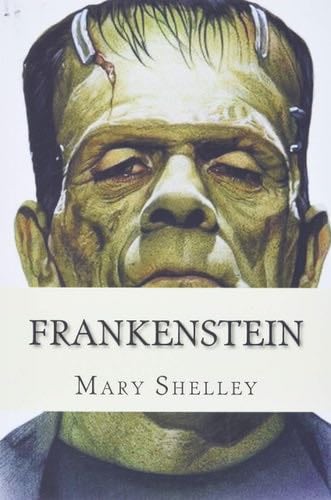
Frankenstein
Mary Shelley · 1818

Macbeth
Shakespeare · 1606

Hamlet
William Shakespeare · 1603
Metamorphosis
Publio Ovidio Nasón · 8 d. C.

Geórgicas
Virgilio · 37-30 a. C.

The Republic
Plato · 380 a. C.
The Republic of Plato is the longest of his works with the exception of the Laws, and is certainly the greatest of them. There are nearer approaches to modern metaphysics in the Philebus and in the Sophist; the Politicus or Statesman is more ideal; the form and institutions of the State are more clearly drawn out in the Laws; as works of art, the Symposium and the Protagoras are of higher excellence. But no other Dialogue of Plato has the same largeness of view and the same perfection of style; no other shows an equal knowledge of the world, or contains more of those thoughts which are new as well as old, and not of one age only but of all. Nowhere in Plato is there a deeper irony or a greater wealth of humour or imagery, or more dramatic power. Nor in any other of his writings is the attempt made to interweave life and speculation, or to connect politics with philosophy. The Republic is the centre around which the other Dialogues may be grouped; here philosophy reaches the highest point (cp, especially in Books V, VI, VII) to which ancient thinkers ever attained. Plato among the Greeks, like Bacon among the moderns, was the first who conceived a method of knowledge, although neither of them always distinguished the bare outline or form from the substance of truth; and both of them had to be content with an abstraction of science which was not yet realized.
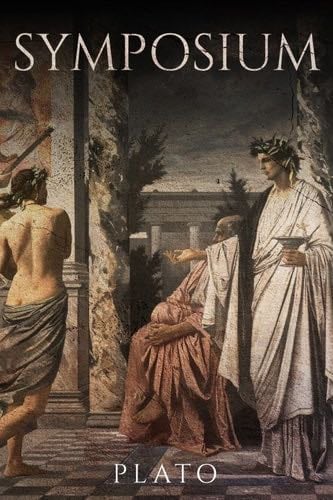
Symposium
Plato · 385 a. C.
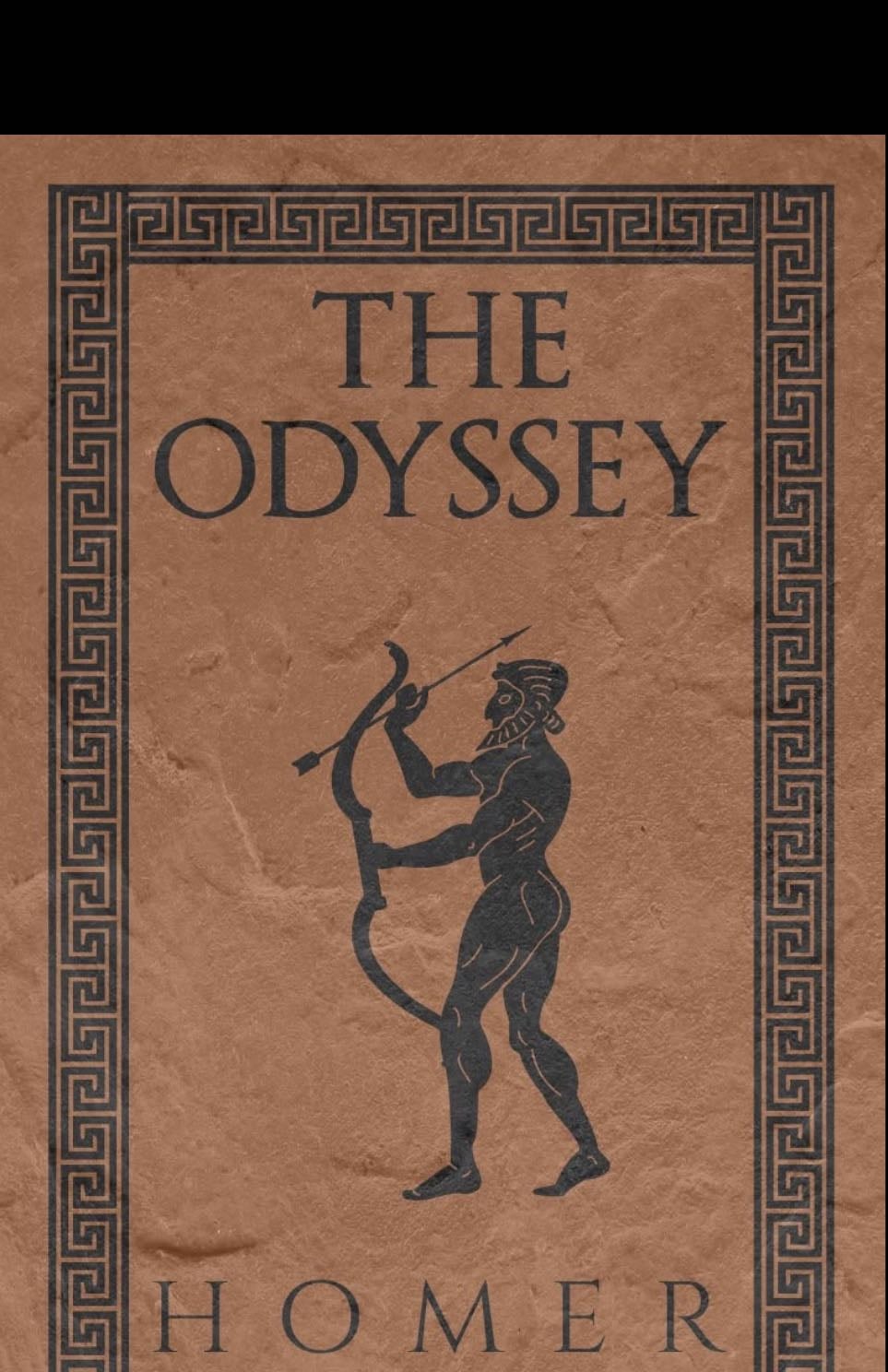
The Odyssey
Homer · s.VIII a.C.

The Iliad
Homer · s.VII a.C.
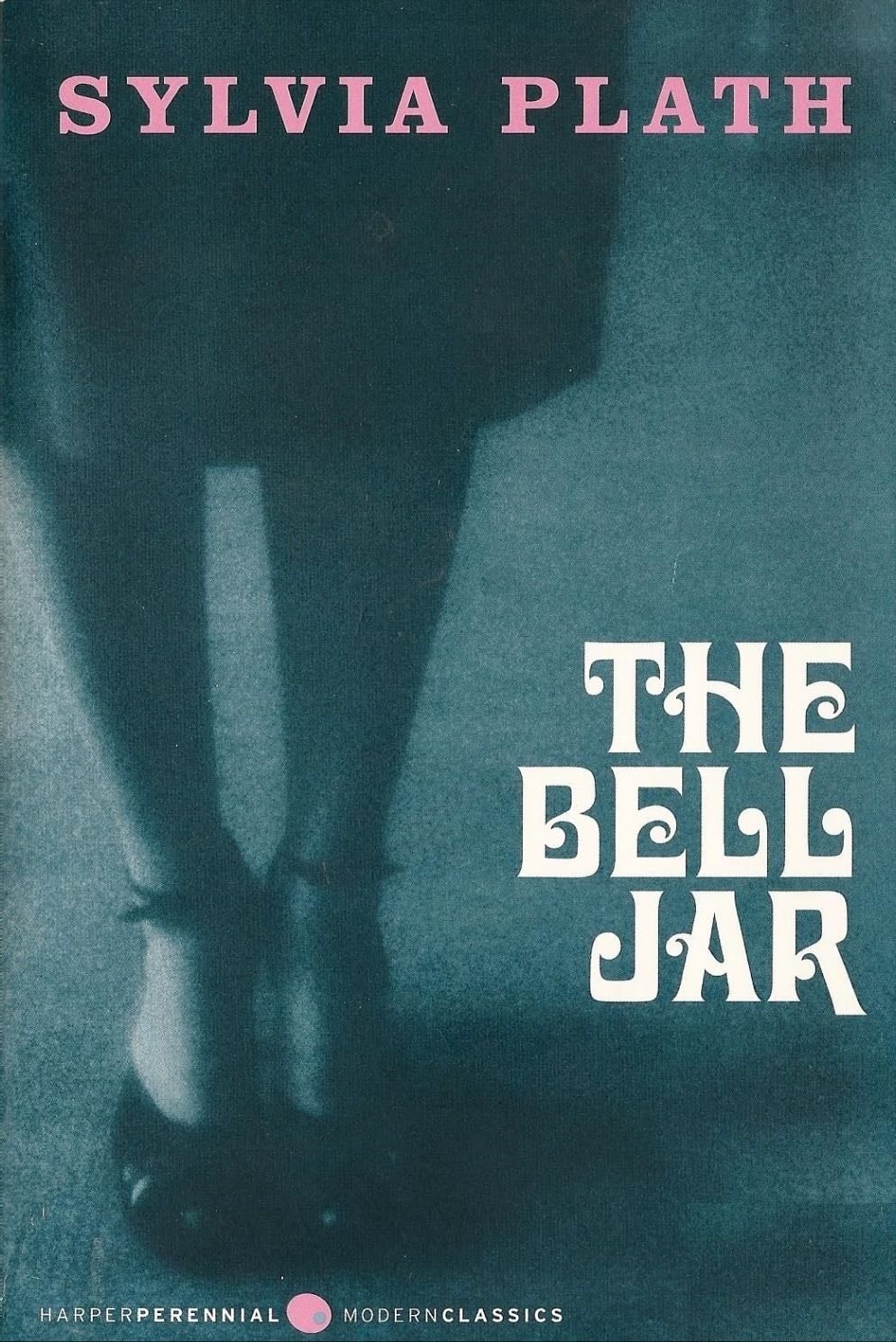
The Bell Jar
Sylvia Plath ·1963