Japan Books

Items in this hypelist
Reading
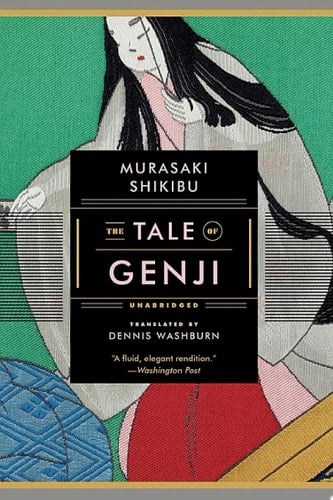
The Tale of Genji
Murasaki Shikibu • 2015
"A fluid, elegant rendition." —Washington Post Murasaki Shikibu, born into the middle ranks of the aristocracy during the Heian period (794–1185 CE), wrote The Tale of Genji—widely considered the world’s first novel—during the early years of the eleventh century. Expansive, compelling, and sophisticated in its representation of ethical concerns and aesthetic ideals, Murasaki’s tale came to occupy a central place in Japan’s remarkable history of artistic achievement and is now recognized as a masterpiece of world literature. The Tale of Genji is presented here in a flowing new translation for contemporary readers, who will discover in its depiction of the culture of the imperial court the rich complexity of human experience that simultaneously resonates with and challenges their own. Washburn sets off interior monologues with italics for fluid reading, embeds some annotations for accessibility and clarity, and renders the poetry into triplets to create prosodic analogues of the original.
To Read
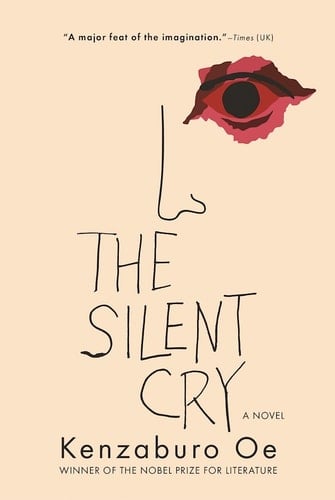
The Silent Cry
Kenzaburo Oe • 2016
The Silent Cry follows two brothers who return to their ancestral home, a village in densely forested Western Japan. After decades of separation, the reunited men are each preoccupied by their own personal crises. One brother grapples with the recent suicide of his dearest friend, the birth of his disabled son, and his wife's increasing alcoholism. The other brother sets out to incite an uprising among the local youth against the disintegration of the community's culture and economy due to the imposing franchise of a Korean businessman nicknamed the "Emperor of the Supermarkets". Both brothers live in the shadow of the mysteries surrounding the untimely deaths of their older brother and younger sister, as well as their great-grandfather's political heroism. When long-kept family secrets are revealed, the brothers' strained bond is pushed to its breaking-point and their lives are irrevocably changed. Considered Oe's most essential work by the Nobel Prize committee, The Silent Cry is as powerfully relevant today as it was when first published in 1967.
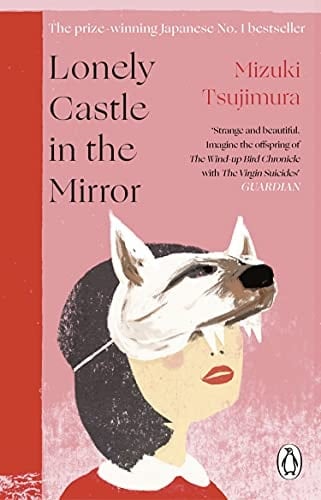
Lonely Castle in the Mirror
Tsujimura Mizuki • 2022
Seven students find unusual common ground in this warm, puzzle-like Japanese bestseller laced with gentle fantasy and compassionate insight.<br/><br/>Bullied to the point of dropping out of school, Kokoro's days blur together as she hides in her bedroom, unable to face her family or friends. As she spirals into despair, her mirror begins to shine; with a touch, Kokoro is pulled from her lonely life into a resplendent, bizarre fairytale castle guarded by a strange girl in a wolf mask. Six other students have been brought to the castle, and soon this marvelous refuge becomes their playground.<br/><br/>The castle has a hidden room that can grant a single wish, but there are rules to be followed, and breaking them will have dire consequences. As Kokoro and her new acquaintances spend more time in their new sanctuary, they begin to unlock the castle's secrets and, tentatively, each other's.<br/><br/>Lonely Castle in the Mirror is a mesmerizing, heart-warming novel about the unexpected rewards of embracing human connection.
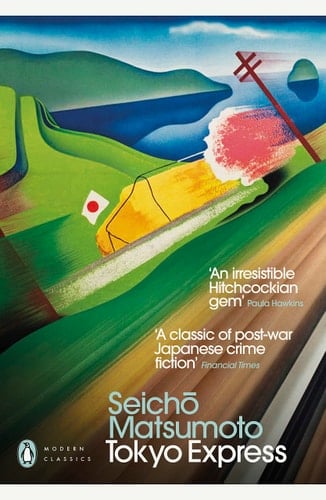
Tokyo Express
Seichō Matsumoto • 2023
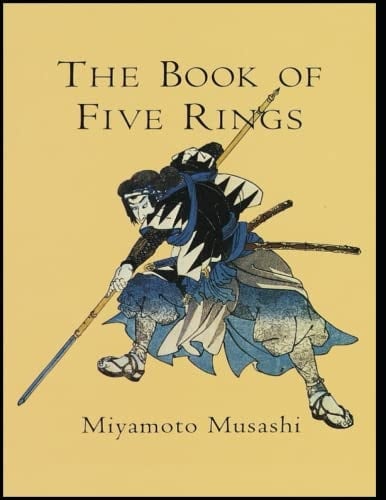
The Book of Five Rings
Musashi Miyamoto • 1645
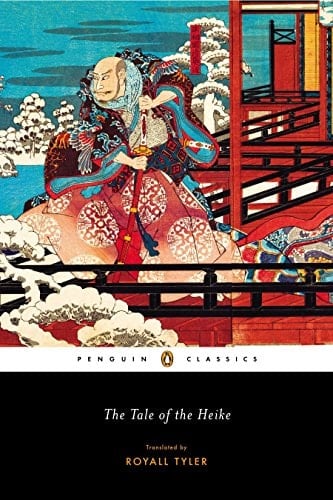
The Tale of the Heike
1219

The Last Children of Kyoto
Yoko Tawada • 2014

The Narrow Road To The Deep North
Matsuo Basho • 1694
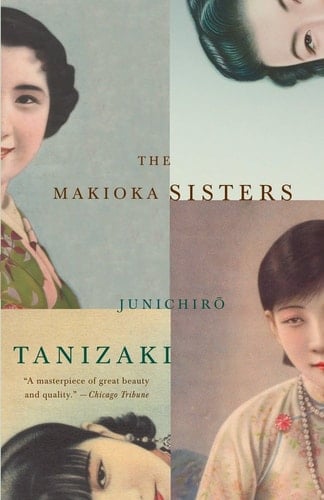
The Makioka Sisters
Junichiro Tanizaki • 1995
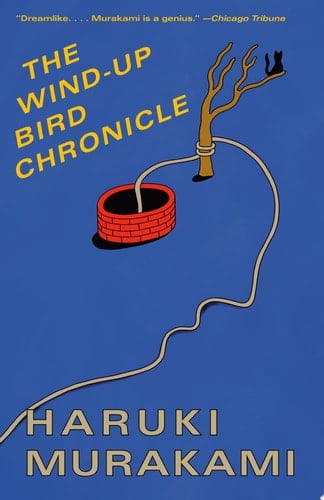
The Wind-Up Bird Chronicle
Haruki Murakami • 1998
A "dreamlike and compelling” tour de force (Chicago Tribune)—an astonishingly imaginative detective story, an account of a disintegrating marriage, and an excavation of the buried secrets from Japan’s forgotten campaign in Manchuria during World War II.<br/><br/>Now with a new introduction by the author.<br/><br/>In a Tokyo suburb, a young man named Toru Okada searches for his wife’s missing cat—and then for his wife as well—in a netherworld beneath the city’s placid surface. As these searches intersect, he encounters a bizarre group of allies and antagonists. Gripping, prophetic, and suffused with comedy and menace, this is one of Haruki Murakami’s most acclaimed and beloved novels.
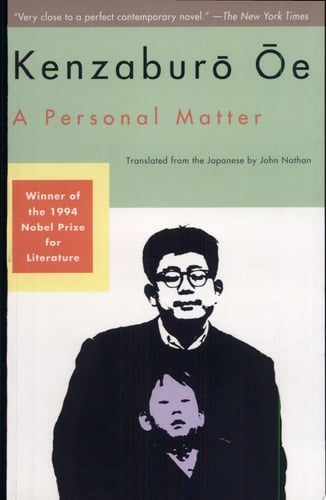
A Personal Matter
Kenzaburo Oë • 1994
Kenzaburo Oe, the winner of the 1994 Nobel Prize for Literature, is internationally acclaimed as one of the most important and influential post-World War II writers, known for his powerful accounts of the atomic bombing of Hiroshima and his own struggle to come to terms with a mentally handicapped son. The Swedish Academy lauded Oe for his "poetic force [that] creates an imagined world where life and myth condense to form a disconcerting picture of the human predicament today." His most popular book, A Personal Matter is the story of Bird, a frustrated intellectual in a failing marriage whose Utopian dream is shattered when his wife gives birth to a brain-damaged child. In writing novels there is no substitute for maturity and moral awareness. Kenzaburo Oe has both.”Alan Levensohn, Christian Science Monitor
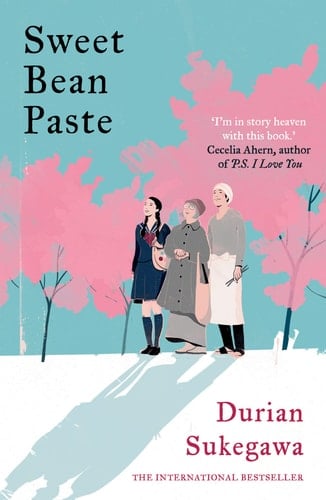
Sweet Bean Paste
Durian Sukegawa • 2017
'I'm in story heaven with this book.' Cecelia Ahern, author of P.S. I Love You<br/><br/>A charming tale of friendship, love and loneliness in contemporary Japan<br/><br/>Sentaro has failed. He has a criminal record, drinks too much, and his dream of becoming a writer is just a distant memory. With only the blossoming of the cherry trees to mark the passing of time, he spends his days in a tiny confectionery shop selling dorayaki, a type of pancake filled with sweet bean paste.<br/><br/>But everything is about to change.<br/><br/>Into his life comes Tokue, an elderly woman with disfigured hands and a troubled past. Tokue makes the best sweet bean paste Sentaro has ever tasted. She begins to teach him her craft, but as their friendship flourishes, social pressures become impossible to escape and Tokue’s dark secret is revealed,<br/>with devastating consequences.<br/><br/>Sweet Bean Paste is a moving novel about the burden of the past and the redemptive power of friendship. Translated into English for the first time, Durian Sukegawa’s beautiful prose is capturing hearts all over the world.

Underground
Haruki Murakami • 1997
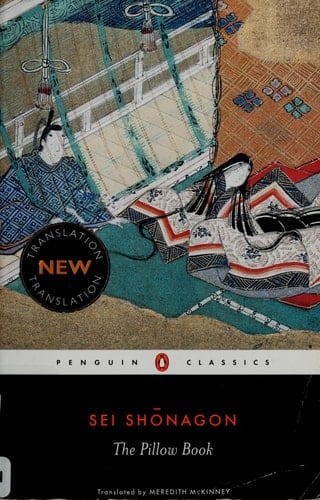
The Pillow Book
Sei Shonagon • 1002
Japan sinks
Sakyō Komatsu • 1976
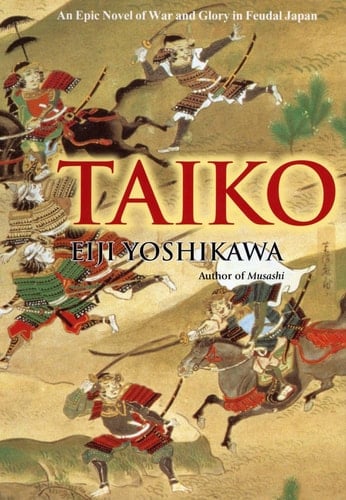
Taiko
Eiji Yoshikawa • 1941

The Seven Samurai: And Other Screenplays
Akira Kurosawa • 1992
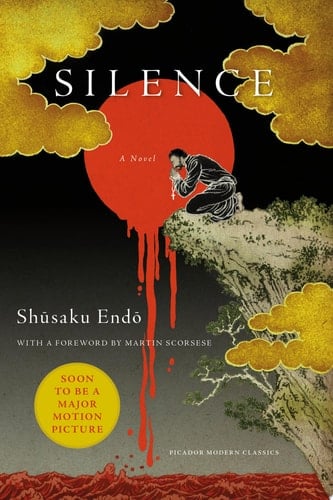
Silence
Shusaku Endo • 1966
Shusaku Endo's New York Times bestselling classic novel of enduring faith in dangerous times, now a major motion picture directed by Martin Scorsese, starring Andrew Garfield, Liam Neeson, and Adam Driver.<br/><br/>"Silence I regard as a masterpiece, a lucid and elegant drama."-The New York Review of Books<br/><br/>Seventeenth-century Japan: Two Portuguese Jesuit priests travel to a country hostile to their religion, where feudal lords force the faithful to publicly renounce their beliefs. Eventually captured and forced to watch their Japanese Christian brothers lay down their lives for their faith, the priests bear witness to unimaginable cruelties that test their own beliefs. Shusaku Endo is one of the most celebrated and well-known Japanese fiction writers of the twentieth century, and Silence is widely considered to be his great masterpiece.
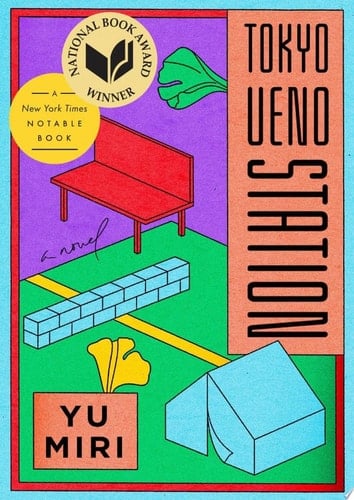
Tokyo Ueno Station
Yu Miri • 2020
WINNER OF THE 2020 NATIONAL BOOK AWARD IN TRANSLATED LITERATURE A NEW YORK TIMES NOTABLE BOOK OF THE YEAR A surreal, devastating story of a homeless ghost who haunts one of Tokyo's busiest train stations. Kazu is dead. Born in Fukushima in 1933, the same year as the Japanese Emperor, his life is tied by a series of coincidences to the Imperial family and has been shaped at every turn by modern Japanese history. But his life story is also marked by bad luck, and now, in death, he is unable to rest, doomed to haunt the park near Ueno Station in Tokyo. Kazu's life in the city began and ended in that park; he arrived there to work as a laborer in the preparations for the 1964 Tokyo Olympics and ended his days living in the vast homeless village in the park, traumatized by the destruction of the 2011 tsunami and shattered by the announcement of the 2020 Olympics. Through Kazu's eyes, we see daily life in Tokyo buzz around him and learn the intimate details of his personal story, how loss and society's inequalities and constrictions spiraled towards this ghostly fate, with moments of beauty and grace just out of reach. A powerful masterwork from one of Japan's most brilliant outsider writers, Tokyo Ueno Station is a book for our times and a look into a marginalized existence in a shiny global megapolis.
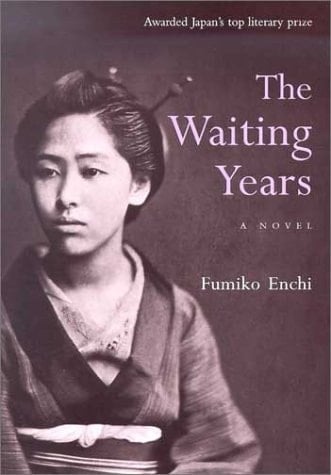
The Waiting Years
Fumiko Enchi • 2002
The beautiful, immature girl whom she took home to her husband was a maid only in name. Tomo's real mission had been to find him a mistress. Nor did her secret humiliation end there. The web that his insatiable lust spun about him soon trapped another young woman, and another ... and the relationships between the women thus caught were to form, over the years, a subtle, shifting pattern in which they all played a part. There was Suga, the innocent, introspective girl from a respectable but impoverished family; the outgoing, cheerful, almost boyish Yumi; the flirtatious, seductive Miya, who soon found her father-in-law more dependable as a man than his brutish son.... And at the center, rejected yet dominating them all, the near tragic figure of the wife Tomo, whose passionate heart was always, until that final day, held in check by an old-fashioned code.<br/><br/>In a series of colorful, unforgettable scenes, Enchi brilliantly handles the human interplay within the ill-fated Shirakawa family. Japan's leading woman novelist and a member of the prestigious Art Academy, she combines a graceful, evocative style that consciously echoes the Tale of Genji with keen insight and an impressive ability to develop her characters over a long period of time. Her work is rooted deep in the female psychology, and it is her women above all-so clearly differentiated yet all so utterly feminine-who live in the memory. With The Waiting Years, a new and important literary figure makes her debut in the Western world.
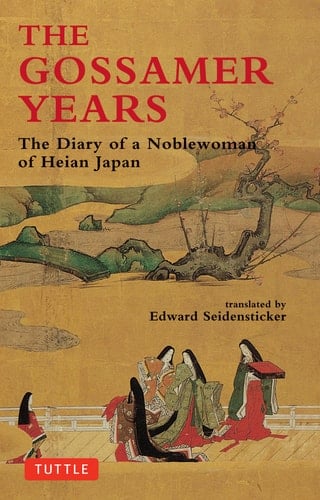
The Gossamer Years: The Diary of a Noblewoman of Heian Japan
1989
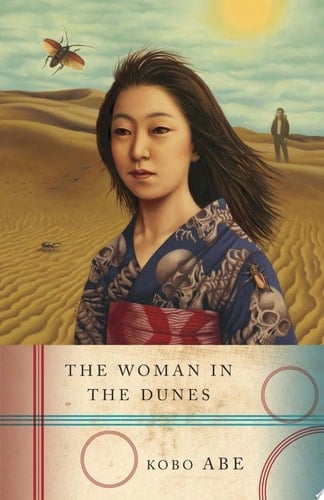
The Woman in the Dunes
Kobo Abe • 1991
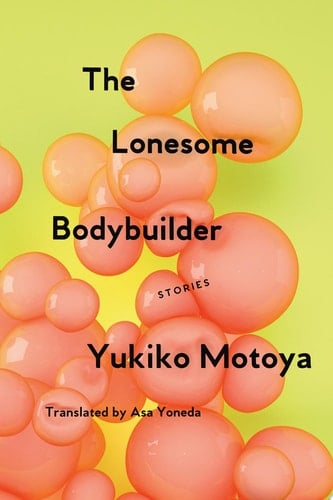
The Lonesome Bodybuilder
Yukiko Motoya • 2018
Cloud of Sparrows
Takashi Matsuoka • 2002
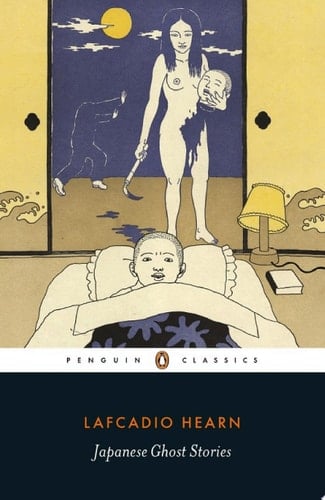
Japanese Ghost Stories
Lafcadio Hearn • 1904
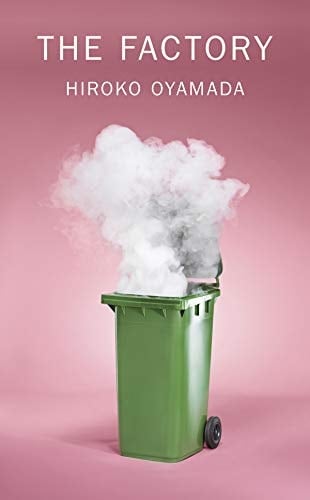
The Factory
Hiroko Oyamada • 2019
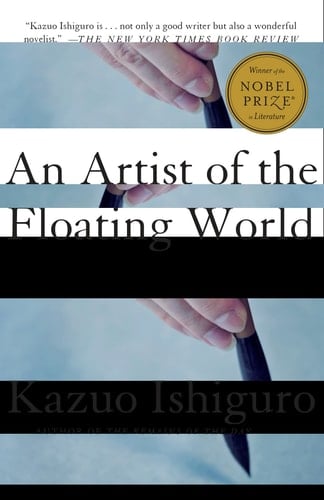
An Artist of the Floating World
Kazuo Ishiguro • 1989
From the winner of the Nobel Prize in Literature and author of the Booker Prize–winning novel The Remains of the Day<br/><br/>In the face of the misery in his homeland, the artist Masuji Ono was unwilling to devote his art solely to the celebration of physical beauty. Instead, he put his work in the service of the imperialist movement that led Japan into World War II.<br/><br/>Now, as the mature Ono struggles through the aftermath of that war, his memories of his youth and of the "floating world"—the nocturnal world of pleasure, entertainment, and drink—offer him both escape and redemption, even as they punish him for betraying his early promise. Indicted by society for its defeat and reviled for his past aesthetics, he relives the passage through his personal history that makes him both a hero and a coward but, above all, a human being.
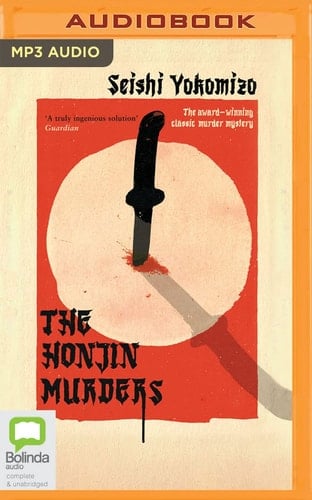
The Honjin Murders
Seishi Yokomizo • 2021
Finished
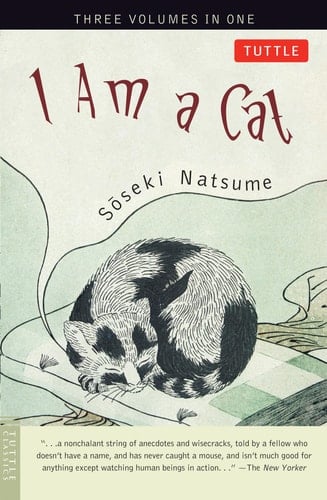
I Am a Cat
Soseki Natsume • 2001
"A nonchalant string of anecdotes and wisecracks, told by a fellow who doesn't have a name, and has never caught a mouse, and isn't much good for anything except watching human beings in action…" —The New Yorker<br/><br/>Written from 1904 through 1906, Soseki Natsume's comic masterpiece, I Am a Cat, satirizes the foolishness of upper-middle-class Japanese society during the Meiji era. With acerbic wit and sardonic perspective, it follows the whimsical adventures of a world-weary stray kitten who comments on the follies and foibles of the people around him.<br/><br/>A classic of Japanese literature, I Am a Cat is one of Soseki's best-known novels. Considered by many as the most significant writer in modern Japanese history, Soseki's I Am a Cat is a classic novel sure to be enjoyed for years to come.
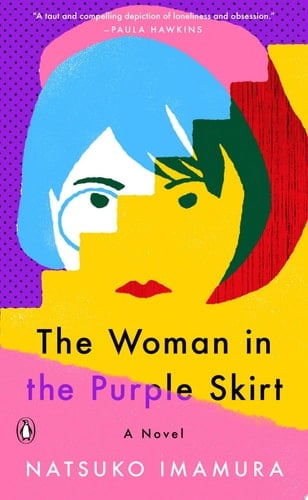
The Woman in the Purple Skirt
Natsuko Imamura • 2021
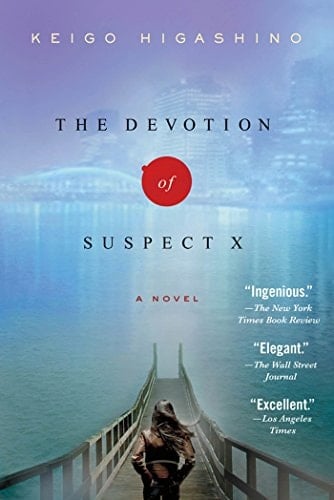
The Devotion of Suspect X: A Detective Galileo Novel
Keigo Higashino • 2012
Now a major motion picture on Netflix, Jaane Jaan<br/><br/>Yasuko Hanaoka is a divorced, single mother who thought she had finally escaped her abusive ex-husband Togashi. When he shows up one day to extort money from her, threatening both her and her teenaged daughter Misato, the situation quickly escalates into violence and Togashi ends up dead on her apartment floor. Overhearing the commotion, Yasuko's next door neighbor, middle-aged high school mathematics teacher Ishigami, offers his help, disposing not only of the body but plotting the cover-up step-by-step.<br/>When the body turns up and is identified, Detective Kusanagi draws the case and Yasuko comes under suspicion. Kusanagi is unable to find any obvious holes in Yasuko's manufactured alibi and yet is still sure that there's something wrong. Kusanagi brings in Dr. Manabu Yukawa, a physicist and college friend who frequently consults with the police. Yukawa, known to the police by the nickname Professor Galileo, went to college with Ishigami. After meeting up with him again, Yukawa is convinced that Ishigami had something to do with the murder. What ensues is a high level battle of wits, as Ishigami tries to protect Yasuko by outmaneuvering and outthinking Yukawa, who faces his most clever and determined opponent yet.
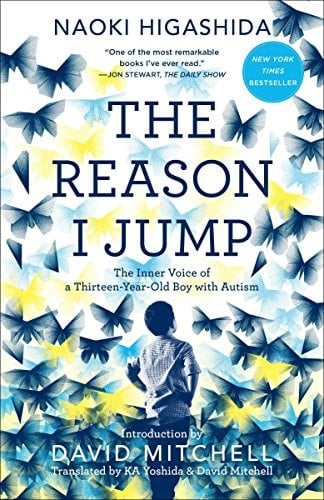
The Reason I Jump
Naoki Higashida • 2016
Snow Country
Yasunari Kawabata • 2013
This masterpiece from the Nobel Prize-winning author and acclaimed writer of Thousand Cranes is a powerful tale of wasted love set amid the desolate beauty of western Japan. • “Kawabata’s novels are among the most affecting and original works of our time.” —The New York Times Book Review At an isolated mountain hot spring, with snow blanketing every surface, Shimamura, a wealthy dilettante meets Komako, a lowly geisha. She gives herself to him fully and without remorse, despite knowing that their passion cannot last and that the affair can have only one outcome. In chronicling the course of this doomed romance, Kawabata has created a story for the ages—a stunning novel dense in implication and exalting in its sadness.

The Thief
Fuminori Nakamura • 2009
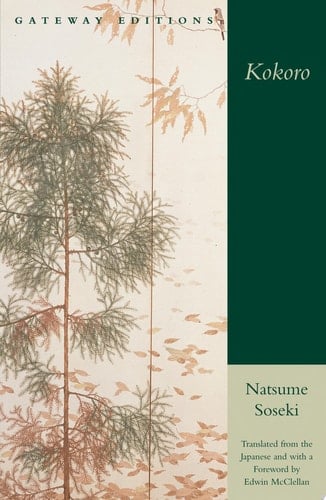
Kokoro
Natsume Soseki • 1996
"The novel sustains throughout its length something approaching poetry, and it is rich in understanding and insight. The translation, by Edwin McClellan, is extremely good." —Anthony West, The New Yorker<br/><br/>Kokoro, which means "the heart of things," explores emotions familiar to everyone—love and hate, hope and despair, companionship and loneliness.<br/><br/>Sensei, a man seen against the rich background of old Japan entering the modern era, is outwardly successful. He has position, wealth, a charming wife. But deep in the heart of things, he is harried with a profound sense of isolation whose cure lies only in "faith, madness, or death."<br/><br/>His long-hidden secret, divulged to a young friend who faces a similar dilemma, is told with mounting intensity. Sensei confesses the crime of his young manhood, a crime in which, with all the appearance of innocence, he destroyed his best friend, the woman he loved—and himself.<br/><br/>The genius of Natsume Soseki, Japan’s greatest modern novelist, lies in his ability to express universal emotions with the beautiful restraint of the Japanese spirit. Under his pen, themes which have become almost hackneyed take on new fascination and vigor.
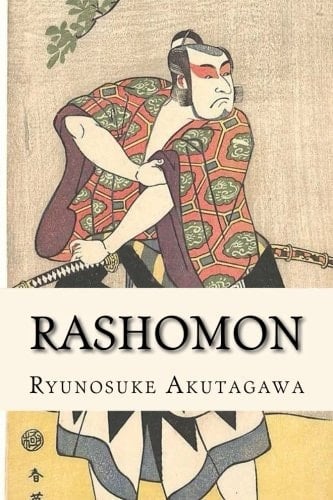
Rashomon
Ryunosuke Akutagawa • 2017
<p>Rashoumon is a short story by Akutagawa Ryunosuke based on tales from the Konjaku Monogatarishu. A man considering whether or not to become a thief meets a woman stealing hair from corpses. Their conversation explores the morality of theft.</p>
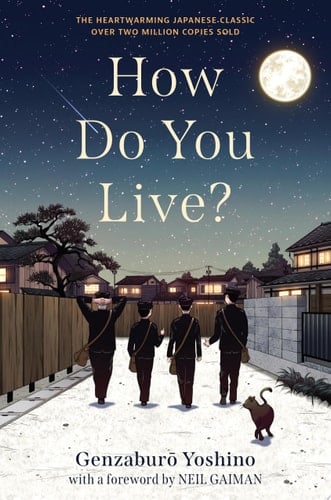
How Do You Live?
Genzaburo Yoshino • 2021
As featured in the Oscar-nominated Hayao Miyazaki film The Boy and the Heron: the coming-of-age novel How Do You Live? is a Japanese classic that become a New York Times bestseller, now with an introduction by Neil Gaiman.<br/>After the death of his father, fifteen-year-old Copper must confront inevitable and enormous change, including the aftermath of his own betrayal of his best friend. Between episodes of Copper’s emerging story, letters from his uncle share knowledge and offer advice on life’s big questions. Like his namesake Copernicus, Copper looks to the stars and uses his discoveries about the heavens, earth, and human nature to answer the question of how he will live.<br/>First published in 1937 in Japan, Genzaburō Yoshino’s How Do You Live? has long been an important book for Academy Award-winning animator Hayao Miyazaki (Spirited Away, Howl's Moving Castle). Perfect for readers of philosophical fiction like The Alchemist and The Little Prince, How Do You Live? serves as a thought-provoking guide for young readers as they grow up in a world both infinitely large and unimaginably small.
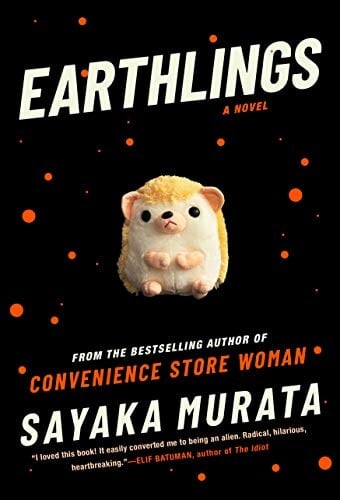
Earthlings
Sayaka Murata • 2021
From the beloved author of cult sensation Convenience Store Woman, which has now sold more than one million copies worldwide and has been translated into thirty-three languages, comes a spellbinding and otherworldly novel about a woman who believes she is an alien<br/>Sayaka Murata’s Convenience Store Woman was one of the most unusual and refreshing bestsellers of recent years, depicting the life of a thirty-six-year-old clerk in a Tokyo convenience store. Now, in Earthlings, Sayaka Murata pushes at the boundaries of our ideas of social conformity in this brilliantly imaginative, intense, and absolutely unforgettable novel.<br/>As a child, Natsuki doesn’t fit in with her family. Her parents favor her sister, and her best friend is a plush toy hedgehog named Piyyut, who talks to her. He tells her that he has come from the planet Popinpobopia on a special quest to help her save the Earth. One summer, on vacation with her family and her cousin Yuu in her grandparents’ ramshackle wooden house in the mountains of Nagano, Natsuki decides that she must be an alien, which would explain why she can’t seem to fit in like everyone else. Later, as a grown woman, living a quiet life with her asexual husband, Natsuki is still pursued by dark shadows from her childhood, and decides to flee the “baby factory” of society for good, searching for answers about the vast and frightening mysteries of the universe—answers only Natsuki has the power to uncover.<br/>Dreamlike, sometimes shocking, and always strange and wonderful, Earthlings asks what it means to be happy in a stifling world, and cements Sayaka Murata’s status as a master chronicler of the outsider experience and our own uncanny universe.
No Longer Human
Osamu Dazai • 1973
The poignant and fascinating story of a young man who is caught between the breakup of the traditions of a northern Japanese aristocratic family and the impact of Western ideas. Mine has been a life of much shame. I can’t even guess myself what it must be to live the life of a human being. Portraying himself as a failure, the protagonist of Osamu Dazai’s No Longer Human narrates a seemingly normal life even while he feels himself incapable of understanding human beings. His attempts to reconcile himself to the world around him begin in early childhood, continue through high school, where he becomes a “clown” to mask his alienation, and eventually lead to a failed suicide attempt as an adult. Without sentimentality, he records the casual cruelties of life and its fleeting moments of human connection and tenderness. Still one of the ten bestselling books in Japan, No Longer Human is an important and unforgettable modern classic: “The struggle of the individual to fit into a normalizing society remains just as relevant today as it was at the time of writing.” (The Japan Times)
Breasts and Eggs
Mieko Kawakami • 2020
A novel that “considers the agency . . . women exert over their bodies and charts the emotional underpinnings of physical changes . . . with humor and empathy” (The New Yorker). On a sweltering summer day, Makiko travels from Osaka to Tokyo, where her sister Natsu lives. She is in the company of her daughter, Midoriko, who has lately grown silent, finding herself unable to voice the vague yet overwhelming pressures associated with adolescence. Over the course of their few days together in the capital, Midoriko’s silence will prove a catalyst for each woman to confront her fears and family secrets. On yet another summer’s day eight years later, Natsu, during a journey back to her native city, confronts her anxieties about growing old alone and childless. Bestselling author Mieko Kawakami mixes stylistic inventiveness and riveting emotional depth to tell a story of contemporary womanhood in Japan. “Took my breath away.” —Haruki Murakami, #1 New York Times–bestselling author The Wind-Up Bird Chronicle “Kawakami lobbed a literary grenade into the fusty, male-dominated world of Japanese fiction with Breast and Eggs.” —The Economist “A sharply observed and heartbreaking portrait of what it means to be a woman.” —TIME “Raw, funny, mundane, heartbreaking.” —The Atlantic “A bracing, feminist exploration of daily life in Japan.” —Entertainment Weekly “Timely feminist themes; strange, surreal prose; and wonderful characters will transcend cultural barriers and enchant readers.” —The New York Observer “Bracing and evocative, tender yet unflinching.” —Publishers Weekly “Kawakami writes with unsettling precision about the body—its discomforts, its appetites, its smells and secretions. And she is especially good at capturing its longings.” —The New York Times Book Review
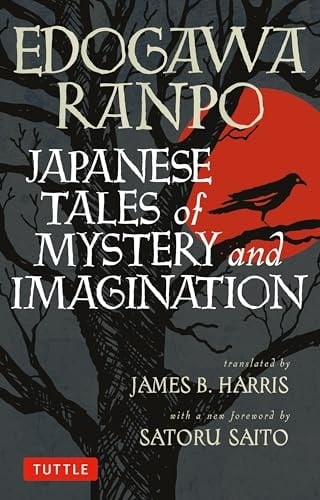
Japanese Tales of Mystery and Imagination
Edogawa Rampo • 2012
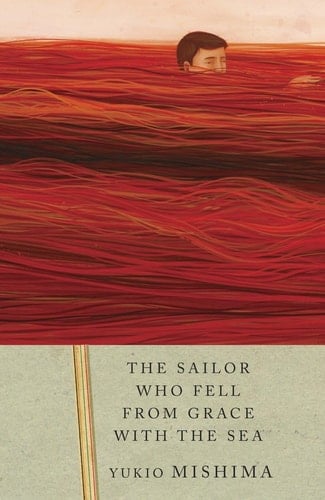
The Sailor Who Fell from Grace with the Sea
Yukio Mishima • 1994
A novel from "one of the outstanding writers of the world” (The New York Times) that explores the vicious nature of youth that is sometimes mistaken for innocence. • “A major work of art.” —Time<br/><br/>Thirteen-year-old Noboru is a member of a gang of highly philosophical teenage boys who reject the tenets of the adult world — to them, adult life is illusory, hypocritical, and sentimental. When Noboru’s widowed mother is romanced by Ryuji, a sailor, Noboru is thrilled. He idolizes this rugged man of the sea as a hero. But his admiration soon turns to hatred, as Ryuji forsakes life onboard the ship for marriage, rejecting everything Noboru holds sacred. Upset and appalled, he and his friends respond to this apparent betrayal with a terrible ferocity.
Vibrator
Mari Akasaka • 2008
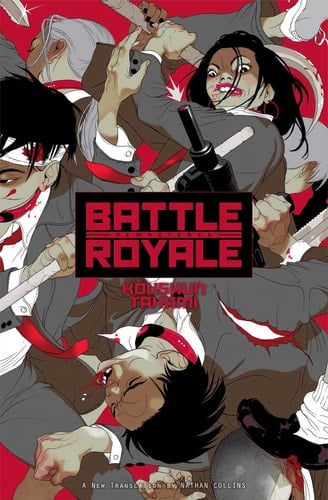
Battle Royale
Koushun Takami • 2014
<b>In a dystopian future Japan, forty-two junior high school students are outfitted with weapons and bid to kill one another until there is only one left standing.</b><br><br>Koushun Takami's notorious high-octane thriller envisions a nightmare scenario: a class of junior high school students is taken to a deserted island where, as part of a ruthless authoritarian program, they are provided arms and forced to kill until only one survivor is left standing. Criticized as violent exploitation when first published in Japan—where it became a runaway best seller—<i>Battle Royale</i> is a <i>Lord of the Flies</i> for the 21st century, a potent allegory of what it means to be young and (barely) alive in a dog-eat-dog world.
Night of the Milky Way Railway
Kenji Miyazawa • 1991
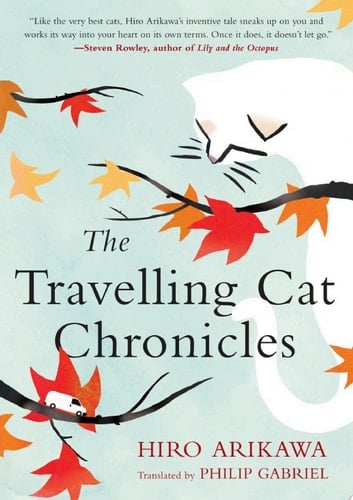
The Travelling Cat Chronicles
Hiro Arikawa • 2018
A book that “speak[s] volumes about our need for connection—human, feline or otherwise” (The San Francisco Chronicle), The Travelling Cat Chronicles is a life-affirming anthem to kindness and self-sacrifice that shows how the smallest things can provide the greatest joy—the perfect gift for cat lovers and travellers! We take journeys to explore exotic new places and to return to the comforts of home, to visit old acquaintances and to make new friends. But the most important journey is the one that shows us how to follow our hearts... An instant international bestseller and indie bestseller, The Travelling Cat Chronicles has charmed readers around the world. With simple yet descriptive prose, this novel gives voice to Nana the cat and his owner, Satoru, as they take to the road on a journey with no other purpose than to visit three of Satoru's longtime friends. Or so Nana is led to believe... With his crooked tail—a sign of good fortune—and adventurous spirit, Nana is the perfect companion for the man who took him in as a stray. And as they travel in a silver van across Japan, with its ever-changing scenery and seasons, they will learn the true meaning of courage and gratitude, of loyalty and love. On New York Post's Required Reading List
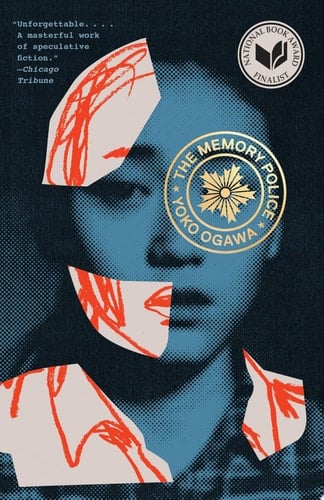
The Memory Police
Yoko Ogawa • 2020
Finalist for the International Booker Prize and the National Book Award<br/><br/>A haunting Orwellian novel about the terrors of state surveillance, from the acclaimed author of The Housekeeper and the Professor.<br/><br/>On an unnamed island, objects are disappearing: first hats, then ribbons, birds, roses. . . . Most of the inhabitants are oblivious to these changes, while those few able to recall the lost objects live in fear of the draconian Memory Police, who are committed to ensuring that what has disappeared remains forgotten. When a young writer discovers that her editor is in danger, she concocts a plan to hide him beneath her f loorboards, and together they cling to her writing as the last way of preserving the past. Powerful and provocative, The Memory Police is a stunning novel about the trauma of loss.<br/><br/>ONE OF THE BEST BOOKS OF THE YEAR<br/>THE NEW YORK TIMES * THE WASHINGTON POST * TIME * CHICAGO TRIBUNE * THE GUARDIAN * ESQUIRE * THE DALLAS MORNING NEWS * FINANCIAL TIMES * LIBRARY JOURNAL * THE A.V. CLUB * KIRKUS REVIEWS * LITERARY HUB<br/><br/>American Book Award winner
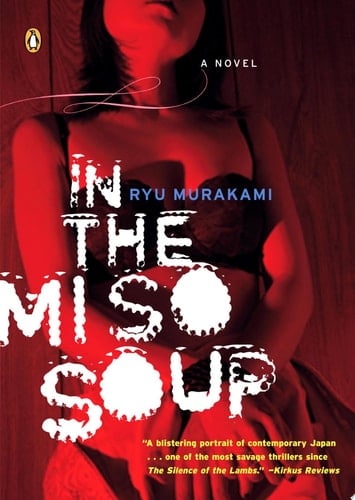
In the Miso Soup
Ryu Murakami • 2006
"Mr. Murakami’s novels are filled with entertaining psychopaths." -- The New York Times From postmodern Renaissance man Ryu Murakami, master of the psychothriller and director of Tokyo Decadence, comes this hair-raising roller-coaster ride through the nefarious neon-lit world of Tokyo’s sex industry It's just before New Year, and Frank, an American tourist, has hired Kenji to take him on a guided tour of Tokyo's nightlife. But, Frank's behaviour is so odd that Kenji begins to entertain a horrible suspicion: his client may in fact have murderous desires. Although Kenji is far from innocent himself, he unwillingly descends with Frank into an inferno of evil, from which only his sixteen-year-old girlfriend, Jun, can possibly save him.
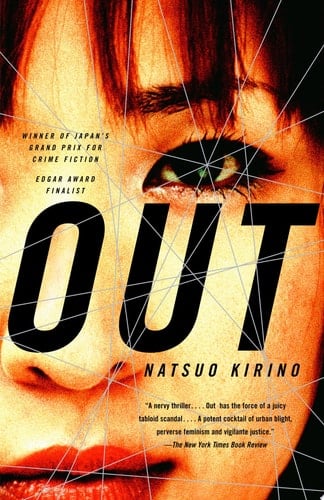
Out
Natsuo Kirino • 2005
The Housekeeper and the Professor
Yoko Ogawa • 2009
<p>Yoko Ogawa's <i>The Housekeeper and the Professor</i> is an enchanting story about what it means to live in the present, and about the curious equations that can create a family.<br><br> He is a brilliant math Professor with a peculiar problem—ever since a traumatic head injury, he has lived with only eighty minutes of short-term memory. <br><br>She is an astute young Housekeeper—with a ten-year-old son—who is hired to care for the Professor. <br>And every morning, as the Professor and the Housekeeper are introduced to each other anew, a strange and beautiful relationship blossoms between them. Though he cannot hold memories for long (his brain is like a tape that begins to erase itself every eighty minutes), the Professor's mind is still alive with elegant equations from the past. And the numbers, in all of their articulate order, reveal a sheltering and poetic world to both the Housekeeper and her young son. The Professor is capable of discovering connections between the simplest of quantities—like the Housekeeper's shoe size—and the universe at large, drawing their lives ever closer and more profoundly together, even as his memory slips away.</p>
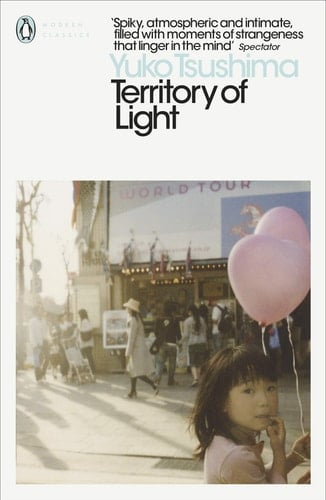
Territory Of Light
Yuko Tsushima • 2019
'Wonderfully poetic ... extraordinary freshness ... a Virginia Woolf quality' Margaret Drabble<br/><br/>Territory of Light is the radiant story of a young woman, living alone in Tokyo with her two-year-old daughter. Its twelve chapters follow the first year of the narrator's separation from her husband. The novel is full of light, sometimes comforting and sometimes dangerous: sunlight streaming through windows, dappled light in the park, distant fireworks, dazzling floodwater, de-saturated streetlamps and mysterious explosions. The delicate prose is beautifully patterned: the cumulative effect is disarmingly powerful and bright after-images remain in your mind for a long time.
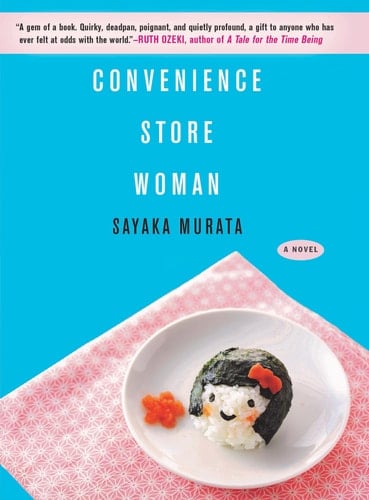
Convenience Store Woman
Sayaka Murata • 2019
Shortlisted for the Best Translated Book Award<br/>Longlisted for the Believer Book Award<br/>Longlisted for the Warwick Prize for Women in Translation<br/>A Los Angeles Times Bestseller<br/><br/>The English-language debut of an exciting young voice in international fiction, selling 660,000 copies in Japan alone, Convenience Store Woman is a bewitching portrayal of contemporary Japan through the eyes of a single woman who fits into the rigidity of its work culture only too well.<br/><br/>The English-language debut of one of Japan’s most talented contemporary writers, selling over 650,000 copies there, Convenience Store Woman is the heartwarming and surprising story of thirty-six-year-old Tokyo resident Keiko Furukura. Keiko has never fit in, neither in her family, nor in school, but when at the age of eighteen she begins working at the Hiiromachi branch of “Smile Mart,” she finds peace and purpose in her life. In the store, unlike anywhere else, she understands the rules of social interaction—many are laid out line by line in the store’s manual—and she does her best to copy the dress, mannerisms, and speech of her colleagues, playing the part of a “normal” person excellently, more or less. Managers come and go, but Keiko stays at the store for eighteen years. It’s almost hard to tell where the store ends and she begins. Keiko is very happy, but the people close to her, from her family to her coworkers, increasingly pressure her to find a husband, and to start a proper career, prompting her to take desperate action…<br/><br/>A brilliant depiction of an unusual psyche and a world hidden from view, Convenience Store Woman is an ironic and sharp-eyed look at contemporary work culture and the pressures to conform, as well as a charming and completely fresh portrait of an unforgettable heroine.
Ring
Koji Suzuki • 2003
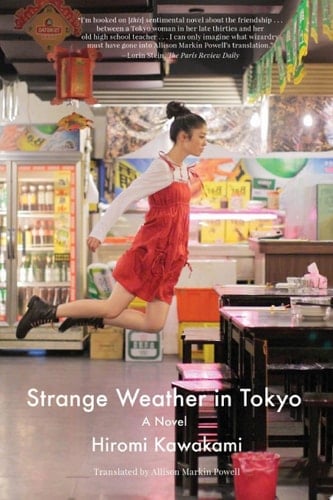
Strange Weather in Tokyo
Hiromi Kawakami • 2017
Shortlisted for the 2013 Man Asian Literary Prize, Strange Weather in Tokyo is a story of loneliness and love that defies age. Tsukiko, thirty–eight, works in an office and lives alone. One night, she happens to meet one of her former high school teachers, "Sensei," in a local bar. Tsukiko had only ever called him "Sensei" ("Teacher"). He is thirty years her senior, retired, and presumably a widower. Their relationship develops from a perfunctory acknowledgment of each other as they eat and drink alone at the bar, to a hesitant intimacy which tilts awkwardly and poignantly into love. As Tsukiko and Sensei grow to know and love one another, time's passing is marked by Kawakami's gentle hints at the changing seasons: from warm sake to chilled beer, from the buds on the trees to the blooming of the cherry blossoms. Strange Weather in Tokyo is a moving, funny, and immersive tale of modern Japan and old–fashioned romance.
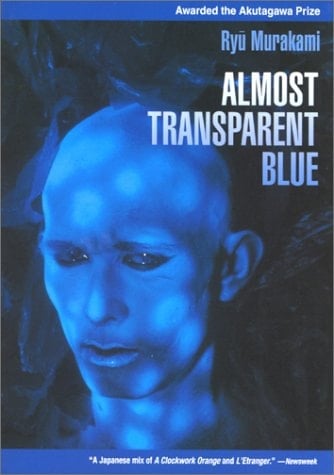
Almost Transparent Blue
Ryu Murakami • 2003
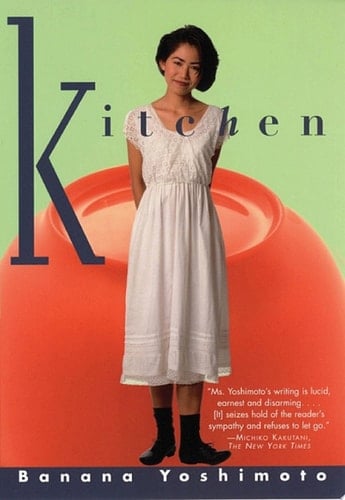
Kitchen
Banana Yoshimoto • 2015
<p>The acclaimed debut of Japan's "master storyteller" ( Chicago Tribune ). With the publication of Kitchen, the dazzling English-language debut that is still her best-loved book, the literary world realized that Banana Yoshimoto was a young writer of enduring talent whose work has quickly earned a place among the best of contemporary Japanese literature. Kitchen is an enchantingly original book that juxtaposes two tales about mothers, love, tragedy, and the power of the kitchen and home in the lives of a pair of free-spirited young women in contemporary Japan. Mikage, the heroine, is an orphan raised by her grandmother, who has passed away. Grieving, Mikage is taken in by her friend Yoichi and his mother (who is really his cross-dressing father) Eriko. As the three of them form an improvised family that soon weathers its own tragic losses, Yoshimoto spins a lovely, evocative tale with the kitchen and the comforts of home at its heart. In a whimsical style that recalls the early Marguerite Duras, Kitchen and its companion story, Moonlight Shadow, are elegant tales whose seeming simplicity is the ruse of a very special writer whose voice echoes in the mind and the soul. "Lucid, earnest and disarming... [It] seizes hold of the reader's sympathy and refuses to let go." —Michiko Kakutani, The New York Times<br></p>
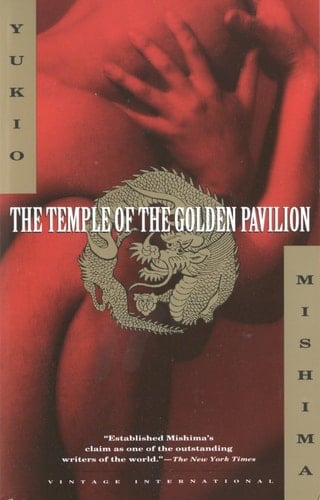
The Temple of the Golden Pavilion
Yukio Mishima • 1994
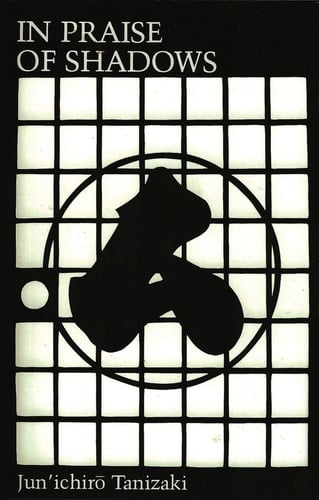
In Praise of Shadows
Junichiro Tanizaki • 1977
An essay on aesthetics by the Japanese novelist, this book explores architecture, jade, food, and even toilets, combining an acute sense of the use of space in buildings. The book also includes descriptions of laquerware under candlelight and women in the darkness of the house of pleasure.
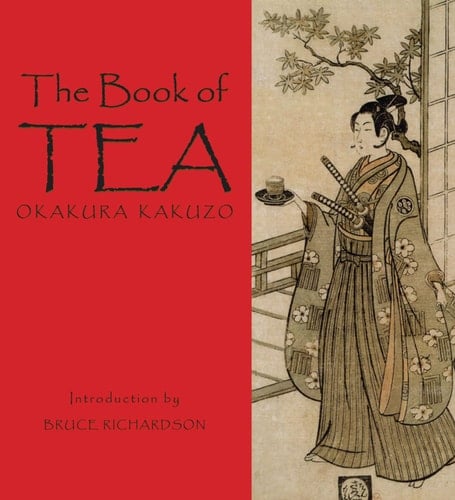
The Book of Tea
Okakura Kakuzo • 2011
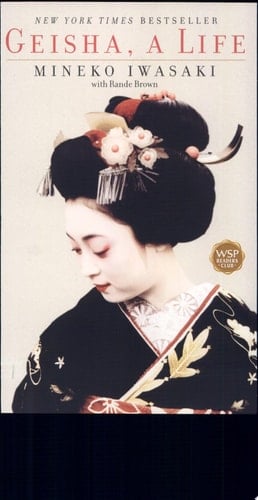
Geisha, A Life
Mineko Iwasaki • 2003