Libros de cine

Items in this hypelist
Reading

Lecciones de cine: Clases magistrales de grandes directores
Laurent Tirard · 2010
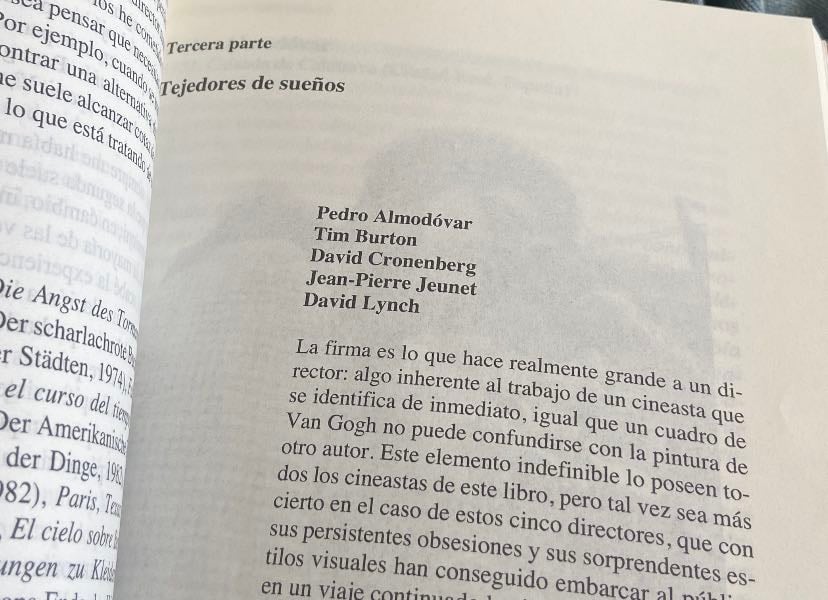
Todos los grandes cineastas poseen un método secreto para realizar sus películas, pero sus enfoques son muy distintos. A Martin Scorsese le gusta preparar las tomas de manera muy precisa, con bastante antelación, para tener la oportunidad de cambiarlo todo si lo considera necesario. En cambio, Lars von Trier se niega a reflexionar sobre un plano hasta que ya lo está rodando. Bernardo Bertolucci intenta soñar con las tomas la noche antes, por lo que, si eso no funciona, deambula por el plató con un visor imaginándose las escenas antes de que se unan a él los actores y el equipo. Y Pedro Almodóvar afirma que los cineastas deben abandonar la ilusión de creer que van a poder controlar la totalidad del proceso creativo de su película.<br/>En este libro, Laurent Tirard conversa con veintiuno de los directores más importantes del momento y nos invita a que escuchemos en voz propia qué significa para cada uno de ellos el oficio de cineasta. Se trata de entrevistas, publicadas originalmente en la revista francesa Studio, en las que los directores exploran tanto su visión del cine como sus técnicas y arrojan luz sobre el proceso y sobre la persona, al tiempo que nos ayudan a entender lo que hace único a cada cineasta.<br/>El libro recoge las entrevistas a John Boorman, Sydney Pollack, Claude Sautet, Woody Allen, Bernardo Bertolucci, Martin Scorsese, Win Wenders, Pedro Almodóvar, Tim Burton, David Cronenberg, Jean-Pierre Jeunet, David Lynch, Oliver Stone, John Woo, Joel y Ethan Coen, Takeshi Kitano, Emir Kusturica, Lars Von Trier, Wong Kar-wai y Jean-Luc Godarg.
To Read
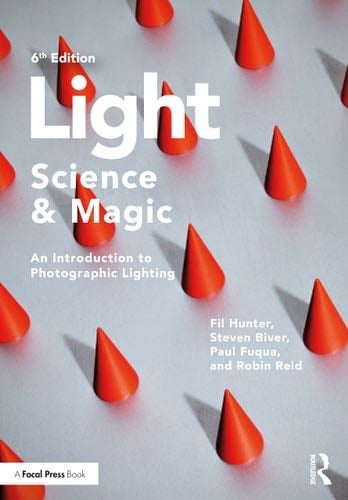
Light ― Science & Magic: An Introduction to Photographic Lighting
Fil Hunter, Steven Biver, Paul Fuqua, Robin Reid · 2021
Photographic lighting is a topic that will never go out of style, no matter how sophisticated cameras and other technology get. Even with the most high-tech gear, photographers still need to put a lot of thought and vision into lighting their photographs in order to get great results. Mastering this key skill has the power to dramatically and quickly improve your photographs as well as your efficiency.<br/>Light―Science & Magic provides you with a comprehensive theory of the nature and principles of light, with examples and instructions for practical application. Featuring photographs, diagrams, and step-by-step instructions, this book speaks to photographers of varying levels. It provides invaluable information on how to light the most difficult subjects, such as surfaces, metal, glass, liquids, extremes (black-on-black and white-on-white), and portraits.<br/>This new edition includes:<br/>• Expanded chapters on portraiture and lighting equipment<br/>• Chapters on necessary equipment when working on location versus in the studio<br/>• An updated appendix of reliable photo gear sources<br/>• Over 100 new photographs and informational sidebars<br/>• Updated information about advances in flash equipment, LED panels, and fluorescent lights<br/>Lighting styles will evolve, but the science of light will always remain the same. Once photographers understand the basic physics of lighting (without having to become physicists), they can apply that knowledge to a broad range of photographic styles.
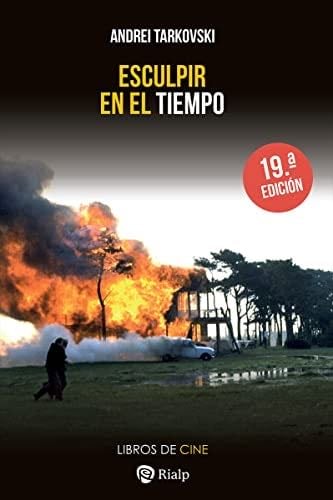
Esculpir en el tiempo
Andrei Tarkovski · 1996
Con ayuda del cine se pueden tratar las cuestiones más complejas del presente a un nivel que durante siglos ha sido propio de la literatura, la música o la pintura.<br/>Pero una y otra vez hay que buscar de nuevo el camino por el que tiene que ir el cine como arte. Estoy convencido de que el trabajo práctico en el cine será para cada uno de nosotros algo infructuoso y desesperanzado, si no comprendemos con toda exactitud y claridad la especificidad de este arte, si no encontramos nosotros mismos la llave que tenemos para abrirla.<br/>La crítica ha dicho:<br/>«El texto del cineasta ruso -escrito en colaboración con Olga Surkova-, es una obra capital de la estética que, además de diversos criterios filosóficos puramente expuestos, incluye una retrospectiva de los a veces dramáticos avatares durante la filmación de sus películas, todo orientado a tratar de definir sus ideas sobre el arte en general y el cine en especial.»<br/>Horacio Ramirez, Cine y Lietratura.<br/>«Tarkovski expone su visión del arte y del cine en términos tanto personales como teóricos, haciendo un recorrido por todas sus películas y deteniéndose también en el uso de los elementos del lenguaje cinematográfico (por ejemplo, el sonido o el uso de la cámara). Es un abordaje bastante concreto, ya que el análisis es sobre la experiencia, partiendo de la base de que las soluciones no son dogmáticas, sino específicas para los problemas reales.»<br/>Lucida Podesta, Proyecto IDIS.<br/>«Es el ensayo más importante, y en muchos aspectos, el más hermoso y emocionante, que he leído sobre el cine entendido como arte supremo.»<br/>Adrián Massanet, Espinof.
Painting With Light
John Alton · 1995
Few Cinematographers Have Had As Decisive An Impact On The Cinematic Medium As John Alton, Best Known For His Highly Stylized Film Noir Classics. Hollywood Photography -- Motion Picture Illumination -- Mystery Lighting -- Special Illumination -- The Hollywood Close-up -- Outdoor Photography -- Symphony In Snow -- Ocean Voyage -- Visual Music -- The Portrait Studio -- The Laboratory -- Day And Night, Ladies, Watch Your Light -- Motion Picture Theatres -- The World Is A Huge Television Studio And We Are All Photographers. John Alton ; Introduction By Todd Mccarthy. Originally Published: New York : Macmillan, 1949. With New Introductory Material And Filmography. Filmography: P. Xxxv-xxxix

Cinematography: Theory and Practice: For Cinematographers and Directors
Blain Brown · 2021
This book covers both the artistry and craftsmanship of cinematography and visual storytelling. Few art forms are as tied to their tools and technology as is cinematography. Take your mastery of these new tools, techniques, and roles to the next level with this cutting-edge roadmap from author and filmmaker Blain Brown.<br/>This 4th edition has been thoroughly updated throughout to include detailed information on the latest lighting and camera equipment, as well as expanded and updated discussion on the following areas: shooting on a budget, color spaces with emphasis on the new UHD standards, the decision-making process in choosing what lights and equipment to use, considerations concerning power issues, safety and what electrical supply is needed for various types of lights, an examination of the cinematographer’s role in preproduction, and much more.<br/>Topics Include:<br/>• Visual storytelling<br/>• Continuity and coverage<br/>• Cameras and digital sensors<br/>• The tools and basics of film lighting<br/>• Methods of shooting a scene<br/>• Continuity and coverage<br/>• Exposure<br/>• Color<br/>• Understanding digital images<br/>• Using linear, gamma, and log video<br/>• Image control and grading on the set<br/>• Data management and the DIT<br/>• Optics and focus<br/>• Camera movement<br/>• Set operations<br/>• Green screen, high speed, and other topics.<br/><br/>Whether you are a student of filmmaking, someone just breaking into the business, working in the field and looking to move up the ladder, or an experienced filmmaker updating your knowledge of tools and techniques, this book provides both the artistic background of visual language and also the craft of shooting for continuity, lighting tools and methods, and the technical side of capturing images on digital or on film.<br/>The companion website (www.routledge.com/cw/brown) features additional material, including lighting demonstrations, basic methods of lighting, methods of shooting a scene, using diffusion, and other topics.

Reflections: Twenty-One Cinematographers At Work
Benjamin Bergery
An in-depth examination of the techniques and films of some of the worlds greatest cameramen.