Libros de moda

Items in this hypelist
Moda
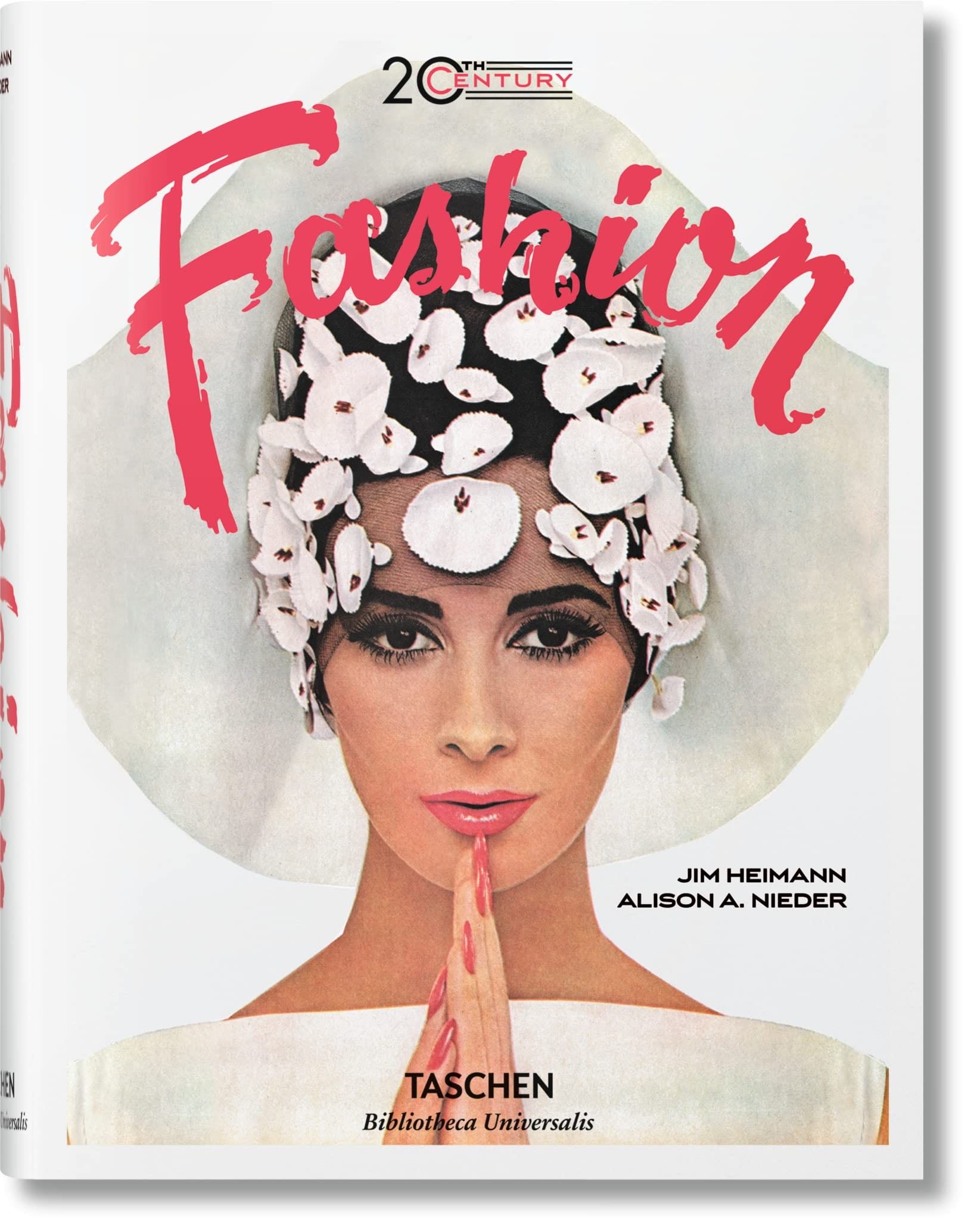
20th-Century Fashion
Jim Heimann, Alison A. Nieder · 2016

Little Book of Dior (Little Books of Fashion, 5)
Karen Homer · 2020
Little Book of Dior is the beautifully illustrated story of Christian Dior's early life, the brand's inception, the triumphs of the couture collections on the catwalk and the red carpet, and the brand's journey after the death of its founder. Christian Dior's spectacular rise to the upper echelons of the Parisian haute couture scene is one of the most compelling stories of twentieth-century fashion. An art gallerist with a contemporary vision, Dior's debut haute couture collection invented the 'new look' silhouette and revolutionized the way women dressed, shopped and saw themselves. The House of Dior's unique look blended the traditional, artisanal skills of the French fashion house - tailoring and intricate embellishment - with a modern sensibility. Dior was only helmed by its founder for a decade, but has flourished under the creative direction of some of the most storied names in fashion. In the present day, Maria Grazia Chiuri steers the brand as it stays true to its identity of opulence, femininity, drama and the creation of what Christian Dior called 'the complete look', from garments to perfume and shoes. An exquisitely curated selection of illustrations accompanied by fashion writer Karen Homer's authoritative text presents the journey of a brand known today as the last word in opulence, drama and femininity.

Yves Saint Laurent: The Complete Haute Couture Collections, 1962–2002 (Catwalk)
· 2019

The Little Book of Chanel (Little Books of Fashion, 3)
Emma Baxter-Wright · 2013

Moda-
· 2015
Libros introductorios

Underwear: Fashion in Detail
Eleri Lynn · 2014
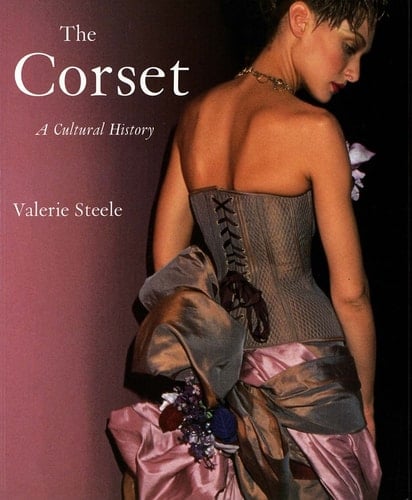
The Corset: A Cultural History
Valerie Steele • 2003
Explore the cultural significance of corsets throughout history, along with practical tips for making them.
El Abc de la Moda (The Fashion Book Midi) (Spanish Edition)
Phaidon Editors • 2016
Historia informal de la moda (Spanish Edition)
MARGARITA RIVIÈRE • 2013
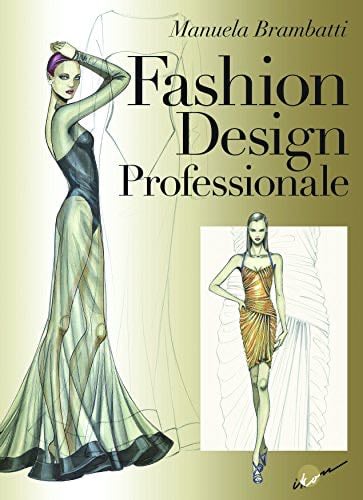
Fashion design professionale
Manuela Brambatti · 2017
Questo libro è perfetto, nell'attuale momento storico. Nell'era dei tutorial, era davvero necessario che una persona dotata dell'esperienza e della bravura di Manuela Brambatti insegnasse a chi vuole disegnare moda i segreti per ottenere risultati si può progettare l'abito più geniale del mondo, ma se lo si disegna male o senza cura difficilmente chi dovrà approvarlo o sceglierlo ne resterà conquistato. Queste pagine, dunque, si rivelano uno scrigno di suggerimenti, se non di segreti, da fare propri con la consapevolezza che a condividerli con i lettori è un'Artista di sconfinata capacità. Quelle donne riescono a ipnotizzarmi e a conquistarmi. Proprio come mi accadeva da ragazzo, quando guardavo quelle illustrazioni e fantasticavo su quella "Manu" così fantasiosa, coinvolgente, emozionante che mi conduceva per mano nella creatività di Gianni Versace.
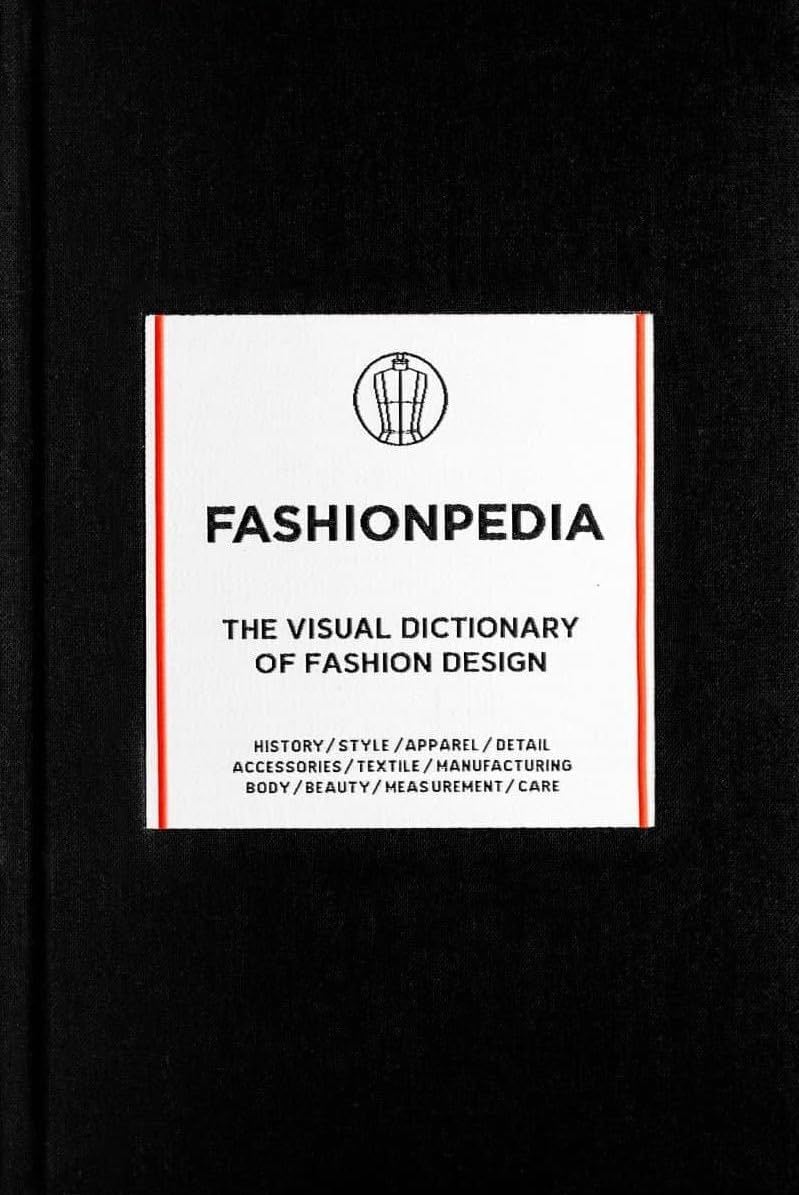
Fashionpedia - The Visual Dictionary Of Fashion Design
Fashionary · 2016

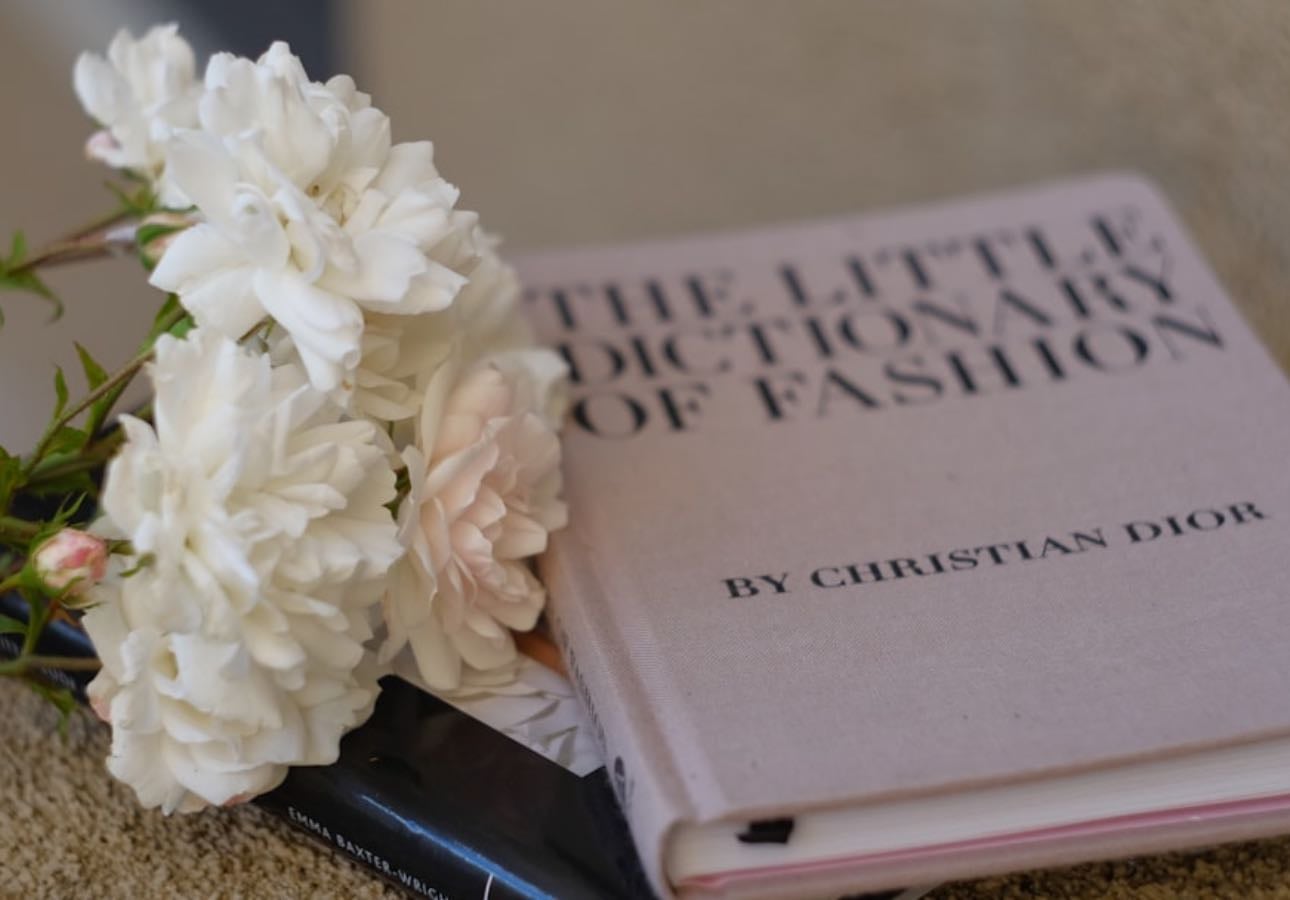
The Little Dictionary of Fashion
Christian Dior · 2007

The Fashion Book: Revised and Updated Edition
Phaidon Phaidon Editors · 2022

Historia de la moda del siglo XVIII al siglo XX
Taschen · 2020
Clothes define people. A person’s attire, whether it’s a sari, kimono, or business suit, is an essential code to his or her culture, class, personality, even faith. Founded in 1978, the Kyoto Costume Institute recognizes the importance of understanding clothes from sociological, historical, and artistic perspectives. With one of the world’s most extensive clothing collections, the KCI has amassed a wide range of historical garments, underwear, shoes, and fashion accessories dating from the 18th century to the present day.<br/>Showcasing the Institute’s vast collection, Fashion History is a fascinating excursion through clothing trends from the 18th to the 20th century. Featuring impeccable photography of clothing expertly displayed and arranged on custom-made mannequins, it is a testimony to attire as “an essential manifestation of our very being” and to the Institute’s passion for fashion as a complex and intricate art form.<br/>The authors include some of the smartest minds and sharpest eyes in fashion studies: Akiko Fukai (Director and Curator Emeritus of the Kyoto Costume Institute), Tamami Suoh (Curator of The Kyoto Costume Institute), Miki Iwagami (Lecturer of fashion history at Bunka Gakuen University, Tokyo), Reiko Koga (former professor of fashion history at Bunka Gakuen University, Tokyo), and Rie Nii (Curator of The Kyoto Costume Institute).