music ♡
Items in this hypelist
Favorites
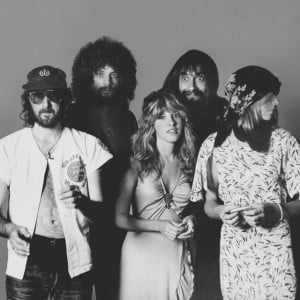
Fleetwood Mac
Artist
While most bands undergo a number of changes over the course of their careers, few of them experienced a more radical stylistic evolution than Fleetwood Mac. Initially conceived as a hard-edged British blues combo in the late '60s, the band gradually evolved into an incredibly popular and influential pop/rock act over the course of a decade. Originally, guitarists <a href="spotify:artist:3y1DgnVXqckGJrbwOKchdU">Peter Green</a> and <a href="spotify:artist:3GrqVz7V3Hd8gvfvUcR9wk">Jeremy Spencer</a> provided the group with their gutsy psychedelic blues-rock sound, then the band moved toward pop/rock with the addition of keyboardist/songwriter <a href="spotify:artist:6RCsx4p5smZHYz2P5HLcL2">Christine McVie</a>. By the mid-'70s, Fleetwood Mac relocated to California, where they added the duo of <a href="spotify:artist:3Dzj993UEz8Z5ovxuirzFO">Lindsey Buckingham</a> and <a href="spotify:artist:7crPfGd2k81ekOoSqQKWWz">Stevie Nicks</a> to their lineup; the latter pair's writing and vocals helped the band become one of the most popular groups of the late '70s. Combining melodic soft rock with the confessional introspection of singer/songwriters, 1977's Rumours become one of the biggest-selling albums of all time. The band retained their popularity through the early '80s, when <a href="spotify:artist:3Dzj993UEz8Z5ovxuirzFO">Buckingham</a>, <a href="spotify:artist:7crPfGd2k81ekOoSqQKWWz">Nicks</a>, and <a href="spotify:artist:3IuIXQGupZ89qG162Y5sZ6">McVie</a> all began pursuing solo careers. The group reunited for 1987's Tango in the Night, but after more lineup changes and instability, they split after 1995's Time. The band quickly reunited, though, assembling for The Dance, a 1997 live album, then stabilizing without <a href="spotify:artist:6RCsx4p5smZHYz2P5HLcL2">Christine McVie</a> for their 2000s incarnation, a lineup that produced 2003's Say You Will. <a href="spotify:artist:3IuIXQGupZ89qG162Y5sZ6">McVie</a> returned to the fold for a series of successful tours starting in 2014, but the group harmony was short-lived. <a href="spotify:artist:3Dzj993UEz8Z5ovxuirzFO">Buckingham</a> was ousted prior to an anniversary tour in 2018, his departure proof that the one constant in Fleetwood Mac through the years was change. The roots of Fleetwood Mac lie in <a href="spotify:artist:5s4z3mRAE7nxE3jjft8J3h">John Mayall</a>'s legendary British blues outfit, <a href="spotify:artist:5s4z3mRAE7nxE3jjft8J3h">the Bluesbreakers</a>. Bassist <a href="spotify:artist:3IuIXQGupZ89qG162Y5sZ6">John McVie</a> was one of the charter members of <a href="spotify:artist:5s4z3mRAE7nxE3jjft8J3h">the Bluesbreakers</a>, joining the group in 1963. In 1966 <a href="spotify:artist:3y1DgnVXqckGJrbwOKchdU">Peter Green</a> replaced <a href="spotify:artist:6PAt558ZEZl0DmdXlnjMgD">Eric Clapton</a>, and a year later drummer <a href="spotify:artist:7bRRWmUqERkyOVSSU6MPFu">Mick Fleetwood</a> joined. Inspired by the success of <a href="spotify:artist:74oJ4qxwOZvX6oSsu1DGnw">Cream</a>, <a href="spotify:artist:2lxX1ivRYp26soIavdG9bX">the Yardbirds</a>, and <a href="spotify:artist:776Uo845nYHJpNaStv1Ds4">Jimi Hendrix</a>, the trio decided to break away from <a href="spotify:artist:5s4z3mRAE7nxE3jjft8J3h">Mayall</a> in 1967. At their debut at the British Jazz and Blues Festival in August, Bob Brunning was playing bass in the group, since <a href="spotify:artist:3IuIXQGupZ89qG162Y5sZ6">McVie</a> was still under contract to <a href="spotify:artist:5s4z3mRAE7nxE3jjft8J3h">Mayall</a>. He joined the band a few weeks after their debut; by that time, slide guitarist <a href="spotify:artist:3GrqVz7V3Hd8gvfvUcR9wk">Jeremy Spencer</a> had joined the band. Fleetwood Mac soon signed with <a href="spotify:search:label%3A%22Blue+Horizon%22">Blue Horizon</a>, releasing their eponymous debut the following year. Fleetwood Mac was an enormous hit in the U.K., spending over a year in the Top Ten. Despite its British success, the album was virtually ignored in America. During 1968, the band added guitarist Danny Kirwan. The following year, they recorded Fleetwood Mac in Chicago with a variety of bluesmen, including <a href="spotify:artist:5v8WPpMk60cqZbuZLdXjKY">Willie Dixon</a> and <a href="spotify:artist:0xeI9Z0Uhs8bYGBRpqq88X">Otis Spann</a>. The set was released later that year, after the band had left <a href="spotify:search:label%3A%22Blue+Horizon%22">Blue Horizon</a> for a one-album deal with <a href="spotify:search:label%3A%22Immediate+Records%22">Immediate Records</a>; in the U.S., they signed with <a href="spotify:search:label%3A%22Reprise%2FWarner+Bros.%22">Reprise/Warner Bros.</a>, and by 1970, <a href="spotify:search:label%3A%22Warner%22">Warner</a> began releasing the band's British records as well. Fleetwood Mac released English Rose and Then Play On during 1969, which both indicated that the band was expanding its music, moving away from its blues purist roots. That year, <a href="spotify:artist:3y1DgnVXqckGJrbwOKchdU">Peter Green</a>'s "Man of the World" and "Oh Well" were number two hits. Though his music was providing the backbone of the group, <a href="spotify:artist:3y1DgnVXqckGJrbwOKchdU">Green</a> was growing increasingly disturbed due to his large ingestion of hallucinogenic drugs. After announcing that he was planning to give all of his earnings away, <a href="spotify:artist:3y1DgnVXqckGJrbwOKchdU">Green</a> suddenly left the band in the spring of 1970; he released two solo albums over the course of the '70s, but he rarely performed after leaving Fleetwood Mac. The band replaced him with <a href="spotify:artist:1YTLOHyyXnaj7W1g1oSS56">Christine Perfect</a>, a vocalist/pianist who had earned a small but loyal following in the U.K. by singing with <a href="spotify:artist:0XoAXg2HRKXMpm5MS1BBRW">Spencer Davis</a> and <a href="spotify:artist:7aUVQRiWaOqZU0JwOlGfWi">the Chicken Shack</a>. She had already performed uncredited on Then Play On. Contractual difficulties prevented her from becoming a full-fledged member of Fleetwood Mac until 1971; by that time she had married <a href="spotify:artist:3IuIXQGupZ89qG162Y5sZ6">John McVie</a>. <a href="spotify:artist:6RCsx4p5smZHYz2P5HLcL2">Christine McVie</a> didn't appear on 1970's Kiln House, the first album the band recorded without <a href="spotify:artist:3y1DgnVXqckGJrbwOKchdU">Peter Green</a>. For that album, <a href="spotify:artist:3GrqVz7V3Hd8gvfvUcR9wk">Jeremy Spencer</a> dominated the band's musical direction, but he had also been undergoing mental problems due to heavy drug use. During the band's American tour in early 1971, <a href="spotify:artist:3GrqVz7V3Hd8gvfvUcR9wk">Spencer</a> disappeared; it was later discovered that he left the band to join the religious cult the Children of God. Fleetwood Mac had already been trying to determine the direction of their music, but <a href="spotify:artist:3GrqVz7V3Hd8gvfvUcR9wk">Spencer</a>'s departure sent the band into disarray. <a href="spotify:artist:6RCsx4p5smZHYz2P5HLcL2">Christine McVie</a> and Danny Kirwan began to move the band toward mainstream rock on 1971's Future Games, but new guitarist <a href="spotify:artist:0reZZVbAPxgX1Rqj6XbWj3">Bob Welch</a> exerted a heavy influence on 1972's Bare Trees. Kirwan was fired after Bare Trees and was replaced by guitarists Bob Weston and <a href="spotify:artist:739a9VeGbv0lMBRIkRInJT">Dave Walker</a>, who appeared on 1973's Penguin. <a href="spotify:artist:739a9VeGbv0lMBRIkRInJT">Walker</a> left after that album, and Weston departed after making its follow-up, Mystery to Me (1973). In 1974, the group's manager, Clifford Davis, formed a bogus Fleetwood Mac and had the band tour the U.S. The real Fleetwood Mac filed and won a lawsuit against the imposters who, after losing, began performing under the name <a href="spotify:artist:61oNrjLV0SUliHTOXUgCXg">Stretch</a> -- but the lawsuit kept the band off the road for most of the year. In the interim, they released Heroes Are Hard to Find. Late in 1974, Fleetwood Mac moved to California, with hopes of restarting their career. <a href="spotify:artist:0reZZVbAPxgX1Rqj6XbWj3">Welch</a> left the band shortly after the move to form <a href="spotify:artist:5OgPxDOpkLH64knclKGTlU">Paris</a>. Early in 1975, <a href="spotify:artist:7bRRWmUqERkyOVSSU6MPFu">Fleetwood</a> and <a href="spotify:artist:3IuIXQGupZ89qG162Y5sZ6">McVie</a> were auditioning engineers for the band's new album when they heard Buckingham-Nicks, an album recorded by the soft rock duo <a href="spotify:artist:3Dzj993UEz8Z5ovxuirzFO">Lindsey Buckingham</a> and <a href="spotify:artist:7crPfGd2k81ekOoSqQKWWz">Stevie Nicks</a>. The pair were asked to join the group and their addition revived the band's musical and commercial fortunes. Not only did <a href="spotify:artist:3Dzj993UEz8Z5ovxuirzFO">Buckingham</a> and <a href="spotify:artist:7crPfGd2k81ekOoSqQKWWz">Nicks</a> write songs, but they brought distinctive talents the band had been lacking. <a href="spotify:artist:3Dzj993UEz8Z5ovxuirzFO">Buckingham</a> was a skilled pop craftsman, capable of arranging a commercial song while keeping it musically adventurous. <a href="spotify:artist:7crPfGd2k81ekOoSqQKWWz">Nicks</a> had a husky voice and a sexy, hippie gypsy stage persona that gave the band a charismatic frontwoman. The new lineup of Fleetwood Mac released their eponymous debut in 1975 and it slowly became a huge hit, reaching number one in 1976 on the strength of the singles "Over My Head," "Rhiannon," and "Say You Love Me." The album would eventually sell over five million copies in the U.S. alone. While Fleetwood Mac had finally attained their long-desired commercial success, the band was fraying behind the scenes. The McVies divorced in 1976, and <a href="spotify:artist:3Dzj993UEz8Z5ovxuirzFO">Buckingham</a> and <a href="spotify:artist:7crPfGd2k81ekOoSqQKWWz">Nicks</a>' romance ended shortly afterward. The internal tensions formed the basis for the songs on their next album, Rumours. Released in the spring of 1977, Rumours became a blockbuster success, topping the American and British charts and generating the Top Ten singles "Go Your Own Way," "Dreams," "Don't Stop," and "You Make Loving Fun." It would eventually sell over 17 million copies in the U.S. alone, making it the second biggest-selling album of all time. Fleetwood Mac supported the album with an exhaustive, lucrative tour and then retired to the studio to record their follow-up to Rumours. A wildly experimental double album conceived largely by <a href="spotify:artist:3Dzj993UEz8Z5ovxuirzFO">Buckingham</a>, 1979's Tusk didn't duplicate the enormous success of Rumours, yet it did go multi-platinum and featured the Top Ten singles "Sara" and "Tusk." In 1980, they released the double album Live. Following the Tusk tour, <a href="spotify:artist:7bRRWmUqERkyOVSSU6MPFu">Fleetwood</a>, <a href="spotify:artist:3Dzj993UEz8Z5ovxuirzFO">Buckingham</a>, and <a href="spotify:artist:7crPfGd2k81ekOoSqQKWWz">Nicks</a> all recorded solo albums. Of the solo projects, <a href="spotify:artist:7crPfGd2k81ekOoSqQKWWz">Stevie Nicks</a>' Bella Donna (1981) was the most successful, peaking at number one and featuring the hit singles "Stop Draggin' My Heart Around," "Leather and Lace," and "Edge of Seventeen." <a href="spotify:artist:3Dzj993UEz8Z5ovxuirzFO">Buckingham</a>'s Law and Order (1981) was a moderate success, spawning the Top Ten "Trouble." <a href="spotify:artist:7bRRWmUqERkyOVSSU6MPFu">Fleetwood</a>, for his part, made a world music album called The Visitor. Fleetwood Mac reconvened in 1982 for Mirage. More conventional and accessible than Tusk, Mirage reached number one and featured the hit singles "Hold Me" and "Gypsy." After Mirage, <a href="spotify:artist:3Dzj993UEz8Z5ovxuirzFO">Buckingham</a>, <a href="spotify:artist:7crPfGd2k81ekOoSqQKWWz">Nicks</a>, and <a href="spotify:artist:6RCsx4p5smZHYz2P5HLcL2">Christine McVie</a> all worked on solo albums. The hiatus was due to a variety of reasons. Each member had his or her own manager, <a href="spotify:artist:7crPfGd2k81ekOoSqQKWWz">Nicks</a> was becoming the group's breakaway star, <a href="spotify:artist:3Dzj993UEz8Z5ovxuirzFO">Buckingham</a> was obsessive in the studio, and each member was suffering from various substance addictions. <a href="spotify:artist:7crPfGd2k81ekOoSqQKWWz">Nicks</a> was able to maintain her popularity, with The Wild Heart (1983) and Rock a Little (1985) both reaching the Top 15. <a href="spotify:artist:6RCsx4p5smZHYz2P5HLcL2">Christine McVie</a> also had a Top Ten hit with "Got a Hold on Me" in 1984. <a href="spotify:artist:3Dzj993UEz8Z5ovxuirzFO">Buckingham</a> received the strongest reviews of all, but his 1984 album Go Insane failed to generate a hit. Fleetwood Mac reunited to record a new album in 1985. <a href="spotify:artist:3Dzj993UEz8Z5ovxuirzFO">Buckingham</a>, who had grown increasingly frustrated with the musical limitations of the band, decided to make it his last Fleetwood Mac project. When the resulting album, Tango in the Night, was finally released in 1987, it was greeted with mixed reviews but strong sales, reaching the Top Ten and generating the Top 20 hits "Little Lies," "Seven Wonders," and "Everywhere." <a href="spotify:artist:3Dzj993UEz8Z5ovxuirzFO">Buckingham</a> decided to leave Fleetwood Mac after completing Tango in the Night, and the group replaced him with guitarists <a href="spotify:artist:596pF0tYoKyJCgI4WLTLs4">Billy Burnette</a> and <a href="spotify:artist:0yC7EvUceCEZm3ZeawauQA">Rick Vito</a>. The new lineup of the band recorded their first album, Behind the Mask, in 1990. It became the band's first album since 1975 to not go gold. Following its supporting tour, <a href="spotify:artist:7crPfGd2k81ekOoSqQKWWz">Nicks</a> and <a href="spotify:artist:6RCsx4p5smZHYz2P5HLcL2">Christine McVie</a> announced they would continue to record with the group, but not tour. <a href="spotify:artist:0yC7EvUceCEZm3ZeawauQA">Vito</a> left the band in 1991, and the group released the box set 25 Years -- The Chain the following year. The classic Fleetwood Mac lineup of <a href="spotify:artist:7bRRWmUqERkyOVSSU6MPFu">Fleetwood</a>, the McVies, <a href="spotify:artist:3Dzj993UEz8Z5ovxuirzFO">Buckingham</a>, and <a href="spotify:artist:7crPfGd2k81ekOoSqQKWWz">Nicks</a> reunited to play President <a href="spotify:artist:4qTVFolSrwkoy428bmP7u8">Bill Clinton</a>'s inauguration in early 1993, but the concert did not lead to a full-fledged reunion. Later that year, <a href="spotify:artist:7crPfGd2k81ekOoSqQKWWz">Nicks</a> left the band and was replaced by <a href="spotify:artist:49vXMn0pGqgPk6DYnOmohd">Bekka Bramlett</a> and <a href="spotify:artist:2DWQX92uew7DlsgN0yD775">Dave Mason</a>; <a href="spotify:artist:6RCsx4p5smZHYz2P5HLcL2">Christine McVie</a> left the group shortly afterward. The new lineup of Fleetwood Mac began touring in 1994, releasing Time the following year to little attention. While the new version of Fleetwood Mac wasn't commercially successful, neither were the solo careers of <a href="spotify:artist:3Dzj993UEz8Z5ovxuirzFO">Buckingham</a>, <a href="spotify:artist:7crPfGd2k81ekOoSqQKWWz">Nicks</a>, and <a href="spotify:artist:3IuIXQGupZ89qG162Y5sZ6">McVie</a>, prompting speculation of a full-fledged reunion in 1997. Soon these whispers proved to be true, as the classic Rumours quintet reunited for a live performance that became the 1997 album The Dance. The album performed well, debuting at number one on Billboard and generating an adult contemporary hit in the new version of "Landslide." Fleetwood Mac supported The Dance with a tour that lasted throughout the year and, early in 1998, the band was inducted into the Rock & Roll Hall of Fame. Not long afterward, <a href="spotify:artist:6RCsx4p5smZHYz2P5HLcL2">Christine McVie</a> announced she was leaving the band. Her departure may have slowed the speed of Fleetwood Mac's reunion, but the remaining quartet set to work writing and recording a new album. The resulting Say You Will appeared in April of 2003; it was their first studio album in eight years and the first in 16 to feature <a href="spotify:artist:3Dzj993UEz8Z5ovxuirzFO">Buckingham</a> and <a href="spotify:artist:7crPfGd2k81ekOoSqQKWWz">Nicks</a>. Say You Will performed well -- it went gold in the U.S., U.K., and Canada, with the singles "Peacekeeper" and "Say You Will" reaching the U.S. Adult Contemporary Top 20 -- and the accompanying international tour was a success. After a few quiet years when <a href="spotify:artist:3Dzj993UEz8Z5ovxuirzFO">Buckingham</a> resumed his solo career and the group unsuccessfully courted <a href="spotify:artist:4TKTii6gnOnUXQHyuo9JaD">Sheryl Crow</a> as a replacement for <a href="spotify:artist:6RCsx4p5smZHYz2P5HLcL2">Christine McVie</a>, they reconvened for a tour in 2009. Four years later, the group celebrated the 35th anniversary of Rumours with a new deluxe box reissue accompanied by a tour. As the tour got underway in April, the band unexpectedly released a four-track Extended Play of new material; it received good notices and entered the U.S. charts at 48. During a three-night stint at London's O2 in September 2013, <a href="spotify:artist:6RCsx4p5smZHYz2P5HLcL2">Christine McVie</a> appeared with Fleetwood Mac for the first time in 15 years. In January 2014, the band announced that <a href="spotify:artist:6RCsx4p5smZHYz2P5HLcL2">Christine</a> was rejoining the group and they started recording a new album. The progress on the album was slow and steady, partially due to individual solo projects, partially due to interruptions caused by the band's ongoing world tour; they played international dates in both 2014 and 2015. As the group continued to chip away at their new record, they released a Super Deluxe reissue of Tusk in time for the holidays of 2015, which was followed the subsequent fall by a Deluxe reissue of Mirage. Further catalog reissues followed in the next few years -- Tango in the Night received a Super Deluxe treatment in 2017, while their eponymous 1975 album got an upgrade in early 2018 -- but the bigger news in Fleetwood Mac circles was <a href="spotify:artist:3Dzj993UEz8Z5ovxuirzFO">Buckingham</a> and <a href="spotify:artist:3IuIXQGupZ89qG162Y5sZ6">McVie</a> recording a duet album together in 2017. Initially planned as a new Fleetwood Mac album, the 2017 set -- entitled Buckingham McVie, echoing 1973's Buckingham Nicks -- turned into a <a href="spotify:artist:3Dzj993UEz8Z5ovxuirzFO">Lindsey</a> and <a href="spotify:artist:6RCsx4p5smZHYz2P5HLcL2">Christine</a> project once <a href="spotify:artist:7crPfGd2k81ekOoSqQKWWz">Stevie Nicks</a> decided to concentrate on her solo career. Retaining <a href="spotify:artist:7bRRWmUqERkyOVSSU6MPFu">Mick Fleetwood</a> and <a href="spotify:artist:3IuIXQGupZ89qG162Y5sZ6">John McVie</a> as their main rhythm section, <a href="spotify:artist:3Dzj993UEz8Z5ovxuirzFO">Buckingham</a> and <a href="spotify:artist:3IuIXQGupZ89qG162Y5sZ6">McVie</a> finished the album with the assistance of producers <a href="spotify:artist:6nEsI2S68MX6T0dVdLtido">Mitchell Froom</a> and Mark Needham, releasing the record in June 2017. Early in 2018, Fleetwood Mac reunited to play a gig celebrating their award as MusiCares Person of the Year. This turned out to be the last concert <a href="spotify:artist:3Dzj993UEz8Z5ovxuirzFO">Buckingham</a> would play with Fleetwood Mac. In April, <a href="spotify:artist:3Dzj993UEz8Z5ovxuirzFO">Buckingham</a> was fired from the band; he would later file a lawsuit against the group regarding his dismissal. Fleetwood Mac hired <a href="spotify:artist:183DuT2WcaEO2tclTJW1tU">Neil Finn</a> and Mike Campbell to replace him and launched an international tour in September 2018, releasing a compilation album titled 50 Years: Don't Stop as a companion to the tour. The record debuted at 12 on the U.K. charts and 65 on Billboard's Top 200. The concert album Before the Beginning: Rare Live & Demo Sessions 1968-1970 arrived in November 2019 and featured previously unreleased live performances captured during <a href="spotify:artist:3y1DgnVXqckGJrbwOKchdU">Peter Green</a>'s time with the band. This reminder of <a href="spotify:artist:3y1DgnVXqckGJrbwOKchdU">Green</a>'s glory days came only months before he died in his sleep on July 25, 2020, at the age of 73. Two months after <a href="spotify:artist:3y1DgnVXqckGJrbwOKchdU">Green</a>'s passing, the box set Fleetwood Mac: 1969-1974 appeared; it had expanded and remastered versions of all the albums the group released during those six years. <a href="spotify:artist:6RCsx4p5smZHYz2P5HLcL2">Christine McVie</a> died on November 30, 2022, after a brief illness; she was 79 years of age. ~ Stephen Thomas Erlewine, Rovi
Nirvana
Nirvana

Queen
Artist · Queen

Jeff Buckley
Artist

Nirvana
Artist
Evanescence
Artist
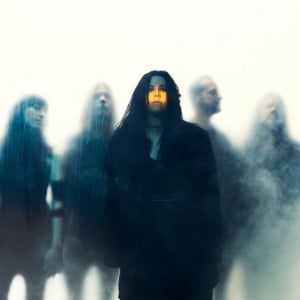
Evanescence will release the 20th anniversary edition of their multi-platinum debut album Fallen on November 17th. The anniversary will see remastered tracks from the original album, previously unheard demos, and alternate versions of some of their most iconic songs. In Amy’s words, “20 years later, this album has never meant more. Fallen has been the soundtrack to first loves, epic heartbreak, self-realization, wedding days, last goodbyes, friendships, and countless other moments in so many lives…not to mention my own. I am forever humbled and grateful to be a part of it.”
Hole
Artist
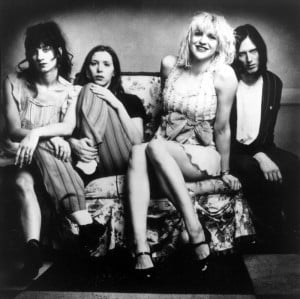
Throughout Hole's career, vocalist/guitarist Courtney Love's notorious public image has overshadowed her band's music. In their original incarnation, Hole was one of the noisiest, most abrasive alternative bands performing in the early '90s. By the time of their second album, 1994's Live Through This, the band had smoothed out many of their rougher edges, also adding more melodies and hooks to their songwriting. Through both versions of Hole, Love's combative, assaultive persona permeated the group's music and lyrics, giving the band a tense, unpredictable edge even at their quietest moments. Love formed Hole in Los Angeles in 1989, recruiting guitarist Eric Erlandson through a newspaper ad. Love had played with numerous bands before Hole, including early versions of both Babes in Toyland and Faith No More. Erlandson and Love eventually drafted bassist Jill Emery and drummer Caroline Rue into the band, recording their first album with producer Kim Gordon, the bassist for Sonic Youth. The violent and uncompromising Pretty on the Inside, Hole's debut record, was released on Caroline Records in 1991 to numerous positive reviews, especially in the British weekly music press. In early 1992, Courtney Love married Kurt Cobain, the lead singer/songwriter of Nirvana. For a couple of months, the couple was the king and queen of the new rock world; soon, that world came crashing in. Cobain became addicted to heroin and the couple fought to keep custody of their baby after a piece in Vanity Fair accused Love of shooting heroin while pregnant, charges which she vehemently denied at the time; she would later admit that she had taken small quantities of the drug. By 1993, their private world had settled down somewhat, with Cobain and Love recording new albums with their respective bands. Halfway through 1993, Love reassembled Hole with Erlandson, adding bassist Kristen M. Pfaff and drummer Patty Schemel. Hole was set to release their first major-label album, the more pop-oriented Live Through This, on DGC Records in April of 1994. Advance word on the album was overwhelmingly positive, with many critics calling it one of the best records of the year. Four days before the album was released, Kurt Cobain's body was discovered in the couple's Seattle home; he had died of a self-inflicted shotgun wound three days before. Two months after Cobain's death, Kristen M. Pfaff was found dead of a heroin overdose in a Seattle apartment, with rumors swirling that Love (understandably distraught over the recent tragedies) was abusing the drug as well. Two months later, Hole began touring again, with bassist Melissa Auf Der Maur taking Pfaff's place. "Doll Parts" was released as a single late in 1994, climbing into the Top 60 by the beginning of 1995. Live Through This topped many critics' polls at the end of the year, including Rolling Stone and the Village Voice. Shortly thereafter, Hole toured with the fifth Lollapalooza tour, staying on the road for the remainder of the year. Despite all the hardships, the album became the group's commercial breakthrough, spawning several MTV/radio hits and being certified platinum early the following year. The band went on an extended hiatus afterwards, during which time many assumed the band had broken up when it appeared that Love was focusing more on her burgeoning acting career (Feeling Minnesota, The People vs. Larry Flynt) than music. To satisfy their fans' demand for new music, two rarities collections were issued -- the 1995 EP Ask for It and the 1997 import My Body, the Hand Grenade. After numerous delays, the band finally regrouped to work on a follow-up to Live Through This, with longtime friend Billy Corgan signed on to be a musical consultant. The album was finally issued in September of 1998 to favorable reviews, but Schemel left the band (for reasons unknown) around the same time. Former drummer for New York City alt-rockers Shift, Samantha Maloney, filled the vacant slot as the group embarked on their first substantial tour in two years. By the tour's completion, Auf Der Maur had left to join the Smashing Pumpkins, while Maloney eventually served as a stand-in drummer for Mötley Crüe. Even though Skin was certified platinum shortly after its release, Love was unhappy with the way the album was handled by her record company and felt stifled by her contract, eventually bringing a lawsuit against the Universal Music Group trying to terminate her contract (she still owes five more albums under her current agreement), so she can release music via the Internet. The future of Hole became even more uncertain in early 2001, when Love announced plans to launch a new outfit, called Bastard. Signing with Epitaph, the band consisted of Love, former Veruca Salt guitarist Louise Post, former Rockit Girl bassist Gina Crosley, and to the delight of longtime Hole fans, Schemel is back on drums. In typical Love style, this lineup eventually dissolved into only her and Schemel and the group essentially broke up before it even began. Despite the lack of any substancial project, Love finally announced the end of Hole in May of 2002. Unlike her often bitter press situations, she claimed that the situation was friendly and she would still remain friends with the previous members of the band. Love released her first solo album, America's Sweetheart, in 2004. The following year she began working on new songs, despite battling an alleged eating disorder and a stay in rehab after violating her probation by using drugs. Working with artists including producer Linda Perry, Billy Corgan and guitarist Micko Larkin, formerly of Larrikin Love, the album Nobody's Daughter began to take shape over 2006 and 2007. In mid-2009, Love announced that Nobody's Daughter would in fact be a Hole album. She began promoting the album in earnest in early 2010, performing shows in Europe and the U.S. -- including gigs at the South by Southwest Festival and on The Late Show with David Letterman -- before its release. ~ Stephen Thomas Erlewine & Greg Prato, Rovi
Pearl Jam
Artist
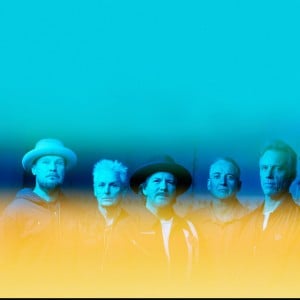
Though they made their initial mark as frontrunners of the grunge movement of the early '90s, Pearl Jam began -- and have remained -- more emotionally curious and stylistically adventurous than many of their flannel-clad peers of that era, expanding past the angst and dissonance often associated with grunge to become one of the most popular and enduring rock & roll bands of their time. Their 1991 debut Ten stood out in an age defined by irony, offering loud, guitar-forward anthems that were unflaggingly sincere. Much of this earnestness stemmed from <a href="spotify:artist:0mXTJETA4XUa12MmmXxZJh">Eddie Vedder</a>, a lead singer of uncommon charisma and passion who helped the group's arena rock moves seem intimate. <a href="spotify:artist:0mXTJETA4XUa12MmmXxZJh">Vedder</a>'s emotional acuity remained a touchstone for Pearl Jam throughout the years, giving the band's unpredictable business moves -- such as their mid-'90s battle with Ticketmaster -- and embrace of controversial causes genuine heft. Pearl Jam arrived at the nexus point of the '90s where alternative ideas and mainstream success briefly met, but they continued creating long after the trends that brought them overnight fame changed. Their passionate performance style and willingness to wander made them a consistent live draw year after year, with fans trading recordings of concerts on a level usually reserved for jam band culture. On album, Pearl Jam harnessed the energy of their stage show while also exploring sophisticated songwriting, evolving their heady brew of roots rock, punk snarl, supernatural playing chemistry, and introspective moods, and reconnecting with their '90s sound on 2024's Dark Matter. Pearl Jam emerged after the end of Seattle hard rock band <a href="spotify:artist:3XR64HmFo4OvexUUNW7TP0">Mother Love Bone</a>. After <a href="spotify:artist:3XR64HmFo4OvexUUNW7TP0">Mother Love Bone</a>'s vocalist, Andrew Wood, overdosed on heroin in 1990, guitarist <a href="spotify:artist:6AaWik9LKRViQFnIK2PSI9">Stone Gossard</a> and bassist <a href="spotify:artist:3WQx0LWkYh95zn8McSjbJh">Jeff Ament</a> assembled a new band, bringing in <a href="spotify:artist:7njqqUBXHc5fpyXmUlfOUL">Mike McCready</a> on lead guitar and recording a demo with <a href="spotify:artist:5xUf6j4upBrXZPg6AI4MRK">Soundgarden</a>'s <a href="spotify:artist:4NfvOU2TMtQhyBOW0erSDf">Matt Cameron</a> on drums. Thanks to future Pearl Jam drummer <a href="spotify:artist:6q06p4F3Kh9N8IztbE7ibk">Jack Irons</a>, the demo found its way to a 25-year-old San Diego surfer named <a href="spotify:artist:0mXTJETA4XUa12MmmXxZJh">Eddie Vedder</a>, who overdubbed vocals and original lyrics and was subsequently invited to join the group (then christened Mookie Blaylock after the NBA player). Dave Krusen was hired as the full-time drummer shortly thereafter, completing the original lineup. Renaming themselves Pearl Jam, the band recorded their debut album, Ten, in the beginning of 1991, although it wasn't released until August; in the meantime, the majority of the group appeared on the Andrew Wood tribute project <a href="spotify:artist:0iHb0mCbqZTYeb4y9Pirrd">Temple of the Dog</a>. Krusen left the band shortly after the release of Ten; he was replaced by Dave Abbruzzese. Ten didn't begin selling in significant numbers until early 1992, after <a href="spotify:artist:6olE6TJLqED3rqDCT0FyPh">Nirvana</a> made mainstream rock radio receptive to alternative rock acts. Soon, Pearl Jam outsold <a href="spotify:artist:6olE6TJLqED3rqDCT0FyPh">Nirvana</a>, which wasn't surprising. After all, Pearl Jam fused the riff-heavy stadium rock of the '70s with the grit and anger of '80s post-punk, without ever neglecting hooks and choruses; "Jeremy," "Evenflow," and "Alive" fit perfectly onto album rock radio stations looking for new blood. Pearl Jam's audience continued to grow during 1992, thanks to a series of radio and MTV hits, as well as successful appearances on the second Lollapalooza tour and the Singles soundtrack. Meanwhile, <a href="spotify:artist:0iHb0mCbqZTYeb4y9Pirrd">Temple of the Dog</a>'s self-titled album became a platinum-selling hit, thanks to renewed interest in the project (which, in addition to Pearl Jam, featured grunge heavyweight <a href="spotify:artist:0XHiH53dHrvbwfjYM7en7I">Chris Cornell</a>) and strong radio support for the single "Hunger Strike." <a href="spotify:artist:6AaWik9LKRViQFnIK2PSI9">Stone Gossard</a> also embarked on a side project called <a href="spotify:artist:0aYY5NNI8EKnvLckbACC8x">Brad</a>, which released the album Shame in early 1993. Despite their status as rock & roll superstars, Pearl Jam refused to succumb to the accepted conventions of the music industry. The group refused to release any videos or singles from their second album, 1993's Vs. Nevertheless, it was another multi-platinum success, debuting at number one and selling nearly a million copies in its first week of release. On their spring 1994 American tour, the band decided not to play the conventional stadiums, choosing to play smaller arenas, including several shows on college campuses. Pearl Jam canceled their 1994 summer tour, claiming they couldn't keep ticket prices below 20 dollars because Ticketmaster was pressuring promoters to charge a higher price. The band took Ticketmaster to the Justice Department for unfair business practices; while fighting Ticketmaster, they recorded a new album during the spring and summer of 1994. After the record was completed, the group fired Dave Abbruzzese, replacing him with former <a href="spotify:artist:0L8ExT028jH3ddEcZwqJJ5">Red Hot Chili Peppers</a> and <a href="spotify:artist:2je6GFLTZmAbrnjokRtWfU">Eleven</a> drummer <a href="spotify:artist:6q06p4F3Kh9N8IztbE7ibk">Jack Irons</a>. Vitalogy, the band's third long-player, appeared at the end of 1994. For the first two weeks, the album was only available as a limited vinyl release, but the record charted in the Top 60. Once Vitalogy was available on CD and cassette, the album shot to the top of the charts and quickly went multi-platinum. Pearl Jam continued to battle Ticketmaster in 1995, but the Justice Department eventually ruled in favor of the ticket agency. In early 1995, the band recorded an album with <a href="spotify:artist:6v8FB84lnmJs434UJf2Mrm">Neil Young</a>. Meanwhile, <a href="spotify:artist:0mXTJETA4XUa12MmmXxZJh">Vedder</a> toured with his wife Beth's experimental band <a href="spotify:artist:1DLVE5Zn39Mmuh057Pe1aB">Hovercraft</a> in the spring of 1994 and <a href="spotify:artist:6AaWik9LKRViQFnIK2PSI9">Stone Gossard</a> founded an independent record company. <a href="spotify:artist:0T7JQxpy1Li93vLNirbv0Z">Mad Season</a>, <a href="spotify:artist:7njqqUBXHc5fpyXmUlfOUL">Mike McCready</a>'s side project with <a href="spotify:artist:4j1D2HVigkZ77JDPO2EPha">Layne Staley</a> of <a href="spotify:artist:64tNsm6TnZe2zpcMVMOoHL">Alice in Chains</a>, released their first album, Above, in the spring of 1995. Comprised entirely of <a href="spotify:artist:6v8FB84lnmJs434UJf2Mrm">Neil Young</a> songs, Mirror Ball appeared in the summer under <a href="spotify:artist:6v8FB84lnmJs434UJf2Mrm">Young</a>'s name; although the individual members of the band were credited, the name Pearl Jam did not appear on the cover due to legal complications. Pearl Jam released a single culled from the sessions titled Merkinball, featuring the songs "I Got ID" and "Long Road," during the fall of 1995. In late summer of 1996, Pearl Jam released their fourth album, No Code. Although the record was greeted with fairly positive reviews and debuted at number one, its weird amalgam of rock, worldbeat, and experimentalism dissatisfied a large portion of their fan base, and it quickly fell down the charts. The album's performance was also hurt by Pearl Jam's inability to launch a full-scale tour, due both to their battle with Ticketmaster and a reluctance to spend months on the road. The band spent most of 1997 out of the spotlight, working on new material; <a href="spotify:artist:6AaWik9LKRViQFnIK2PSI9">Gossard</a> also released a second album with his side project <a href="spotify:artist:0aYY5NNI8EKnvLckbACC8x">Brad</a>, titled Interiors. By the end of the year, Pearl Jam had completed a new, harder-rocking record entitled Yield. The album was greeted with enthusiastic reviews upon its February 1998 release, but its commercial fortunes weren't quite as clear-cut. While their sizable cult embraced the album, sending it to number two in its first week of release, Yield quickly slipped down the charts. Pearl Jam supported the record with a full-scale arena tour in the summer of 1998, issuing the concert LP Live on Two Legs at the end of the year; <a href="spotify:artist:6q06p4F3Kh9N8IztbE7ibk">Jack Irons</a> did not participate due to poor health, prompting the band to bring ex-<a href="spotify:artist:5xUf6j4upBrXZPg6AI4MRK">Soundgarden</a> drummer <a href="spotify:artist:4NfvOU2TMtQhyBOW0erSDf">Matt Cameron</a> back into the fold. In 1999, Pearl Jam scored an unlikely pop radio smash with their cover of the J. Frank Wilson oldie "Last Kiss," originally released as the seventh in a series of fan club-only singles that had also featured several incongruous covers in the past. Demand from fans and radio programmers resulted in the nationwide release of "Last Kiss," and it eventually became the group's highest-charting pop hit to date, peaking at number two and going gold. The band returned in 2000 with the <a href="spotify:artist:0CL5kQ3kBjgge3GQtIJAyp">Tchad Blake</a>-produced Binaural. In order to circumvent bootleggers, their subsequent European and American tours were recorded in full and released in an unprecedented series of double-CD sets, with each of the 72 volumes featuring a complete concert. Riot Act, a muscular -- and critically lauded -- collection of new songs that found the group dabbling in experimental art rock, was released in 2002. Two anthologies arrived in 2003 and 2004, Lost Dogs: Rarities and B Sides and Rearviewmirror: Greatest Hits 1991-2003. They were followed in 2006 by the eponymous (and all-new) Pearl Jam, a number two hit on the album charts. As the band's 20th anniversary loomed on the horizon, Pearl Jam launched a series of album reissues, beginning with a deluxe version of Ten in 2009. That same year also saw the release of their ninth studio album, Backspacer, which doubled as the group's first independently released project, initially appearing exclusively in Target stores in the U.S. The band supported the album with an extensive 2010 tour. Live on Ten Legs, a collection of concert highlights from 2003-2010, appeared in January 2011. Later that year, <a href="spotify:artist:0mXTJETA4XUa12MmmXxZJh">Vedder</a> released a solo album of standards accompanied only by ukulele, and the band celebrated their two-decade anniversary by launching a two-day festival in Wisconsin, commissioning <a href="spotify:artist:4PRXUi2nNCs5ReLSVsY6BS">Cameron Crowe</a> to produce a music documentary named PJ20, and releasing a soundtrack of rare songs from the film. Shortly thereafter, Pearl Jam went back into the studio with <a href="spotify:artist:0BG5aq4J5LuJV8kQcGJ336">Brendan O'Brien</a> to start work on the follow-up to Backspacer. The resulting album, Lightning Bolt, was announced in July 2013 with the release of the raw single "Mind Your Manners." A darker album with longer songs than its short, sharp predecessor, and bearing the influence of both <a href="spotify:artist:0k17h0D3J5VfsdmQ1iZtE9">Pink Floyd</a> and punk, Lightning Bolt appeared in October 2013. Tours of Latin and North America followed over the next few years and in April 2017, Pearl Jam was inducted into the Rock & Roll Hall of Fame by comedian David Letterman. In September of that year, a live double album and DVD set called Let's Play Two was released, chronicling a pair of shows recorded at Chicago's historic Wrigley Field. 2019 saw an archival release pulled from the vaults, as Pearl Jam's 1992 MTV Unplugged concert received its first proper release, appearing on vinyl from the <a href="spotify:search:label%3A%22Legacy%22">Legacy</a> label. January 2020 brought "Dance of the Clairvoyants," the first single from the band's 11th album, Gigaton. Released in March, Gigaton found Pearl Jam tackling climate change and other politically charged issues, all with the assistance of co-producer <a href="spotify:artist:0edfnkObW5rdLA4bPzvkVY">Josh Evans</a>. Pearl Jam toured Gigaton into 2022, then returned to the studio with <a href="spotify:artist:4olE3I5QU0dvSR7LIpqTXc">Andrew Watt</a> -- the producer of <a href="spotify:artist:0mXTJETA4XUa12MmmXxZJh">Eddie Vedder</a>'s 2022 solo album Earthling -- to cut Dark Matter, a sleek, streamlined evocation of their '90s heyday. ~ Stephen Thomas Erlewine, Rovi
Lana Del Rey
Artist
.
Albums
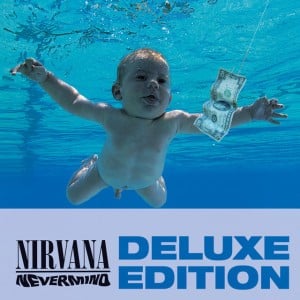
Nevermind
Nirvana
Best of Bowie
Album

Live Through This
Album · Hole

Facelift
Album · Alice In Chains
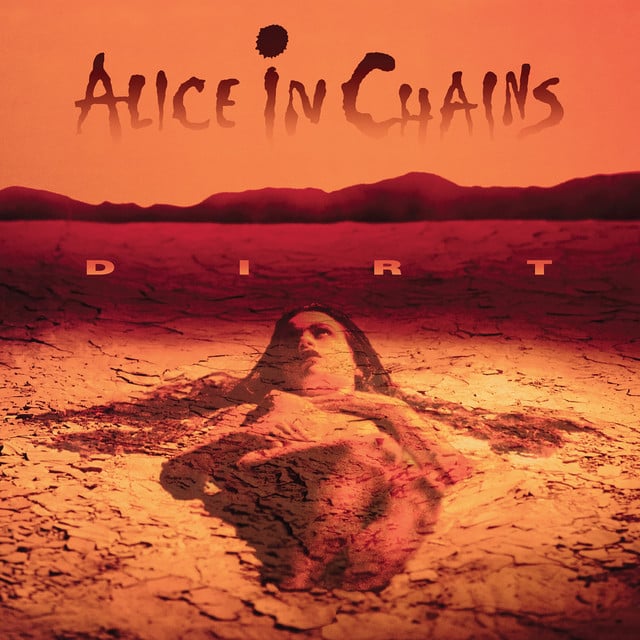
Dirt (2022 Remaster)
Album · Alice In Chains
Jar of Flies
Album

Riot!
Album · Paramore
Live
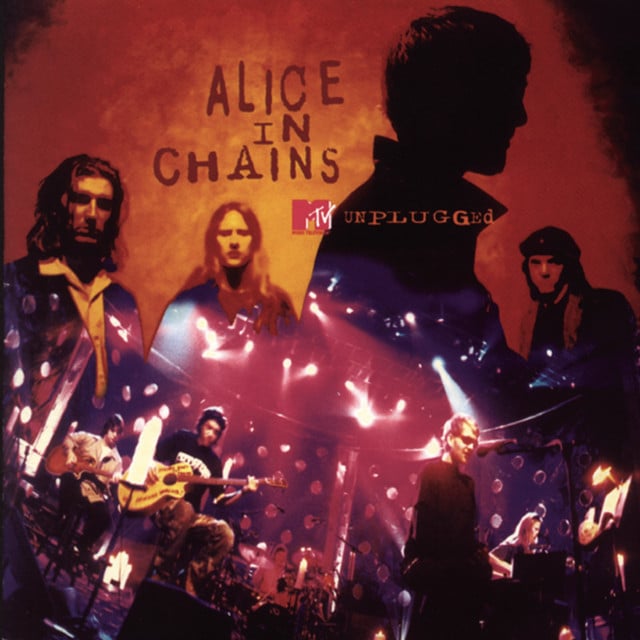
Unplugged
Album · Alice In Chains
Songs
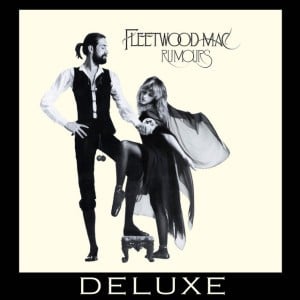
Silver Springs - 2004 Remaster
Song