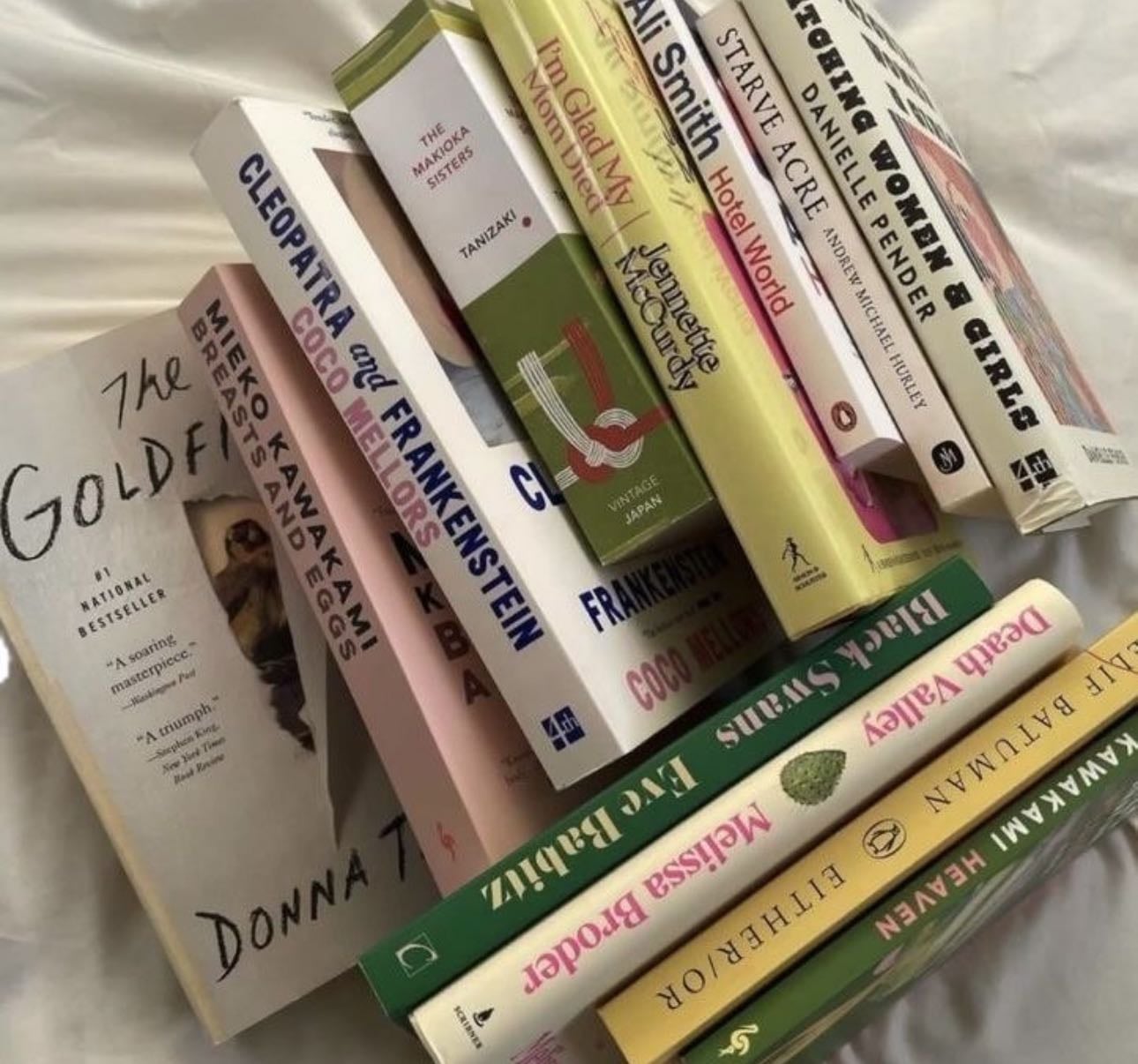
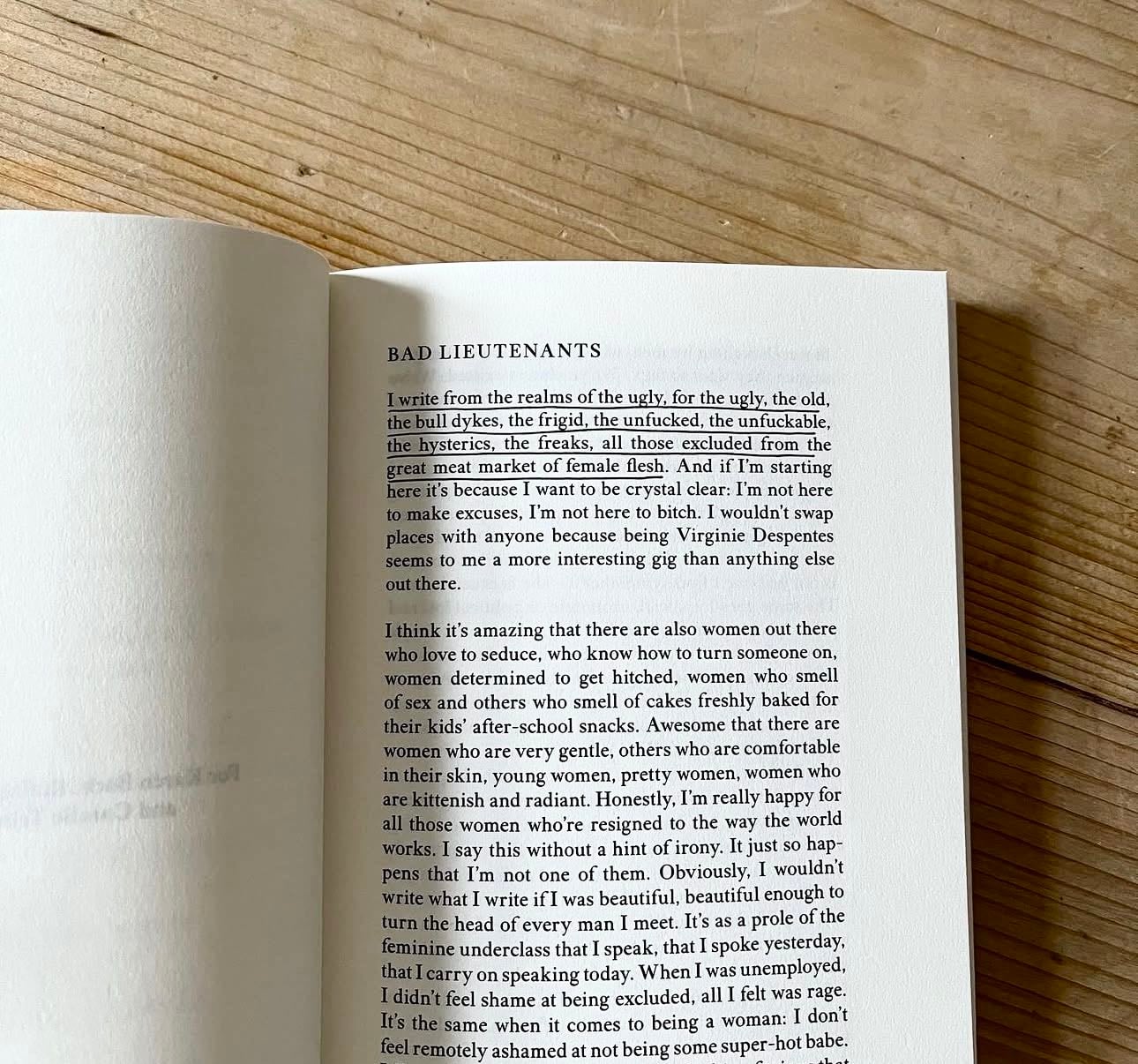
non-fiction books ⊹₊ ⁺

Items in this hypelist
To Read

The Wretched of the Earth
Frantz Fanon · 2021

Assata An Autobiography
Assata Shakur · 2001

The Collected Poems of W. B. Yeats (Wordsworth Poetry Library)
W. B. Yeats · 1994

The Essential Rumi
Jalal al-Din Rumi · 2004

Limitarianism: The Case Against Extreme Wealth
Robeyns Ingrid
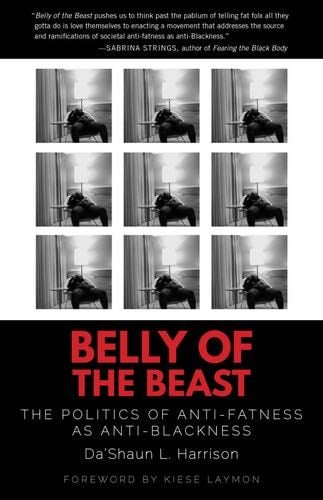
Belly of the Beast: The Politics of Anti-Fatness as Anti-Blackness
Da'Shaun L. Harrison · 2021
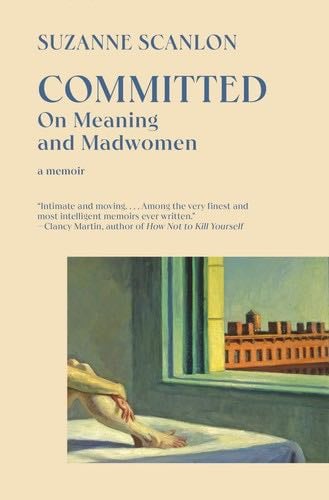
Committed: On Meaning and Madwomen
Suzanne Scanlon · 2024
A raw and masterful memoir about becoming a woman and going mad—and doing both at once.<br/><br/>When Suzanne Scanlon was a student at Barnard in the 90s, grieving the loss of her mother—feeling untethered and swimming through inarticulable pain—she made a suicide attempt that landed her in the New York State Psychiatric Institute.<br/><br/>After nearly three years and countless experimental treatments, Suzanne left the ward on shaky legs. In the decades it took her to recover from the experience, Suzanne came to understand her suffering as part of something larger: a long tradition of women whose complicated and compromised stories of self-actualization are reduced to “crazy chick” and “madwoman” narratives. It was a thrilling discovery, and she searched for more books, more woman writers, as the journey of her life converged with her journey through the literature that shaped her.<br/><br/>Transporting, honest, and graceful, Committed is a story of discovery and recovery, reclaiming the idea of the madwoman as a template for insight and transcendence through the works of Charlotte Perkins Gilman, Virginia Woolf, Sylvia Plath, Janet Frame, Audre Lorde, Shulamith Firestone, and others.

Erotic Defiance: Womanism, Freedom, and Resistance
Courtney Bryant, J. Green, Clifford · 2023
The West fears desire. It fears ecstasy. It fears flesh. It copes with its fears by deploying its intellectual, political, and religious instruments to regulate, discipline, and punish. Western fear of the erotic has led to its regimes of racial and gender hierarchies, institutions of repression, and dehumanization of large portions of the human family. In the face of anti-erotic hegemony, Black women have too often yielded to Western Christianity's anti-erotic culture, its misnaming of the erotic as evil, and its denial of the erotic's relationship to the divine. But they have also resisted. They have also defied. This book is rooted in that tradition of defiance. Erotic Defiance considers the sacred and transformative power of the flesh through investigating the ethical and theological dimensions of the erotic experiences of Black women and performances of Black womanhood. Drawing on womanist and feminist analyses, Courtney Bryant approaches the erotic as a divine energy that manifests love in and through the flesh. Such love takes many forms. It extends beyond the sexual to include passion, spirituality, community, and self-love. By positing love's manifestations as sacred work that cannot be accomplished without the divine, Bryant presents the erotic as a collaboration between Spirit and flesh. This collaboration results in unique, liberating properties that make possible the kind of healing, resistance, and self-making necessary for Black women's self-actualization in a world hell-bent on their erasure and demonization.

Men Who Hate Women: From incels to pickup artists, the truth about extreme misogyny and how it affects us all
Laura Bates · 2021
The extremism nobody talks about<br/>And how it affects us all<br/><br/>'Laura Bates does so much of the dispiriting, heavy lifting in 21st century feminism. She trudges through it like a boss, and puts out books that perfectly describe growing problems, and possible solutions. She's a proper hero at the coal mouth.' Caitlin Moran<br/>‘Laura Bates has done it again. From bantz to outright brutality, she exposes the landscape of misogyny. Passionate and forensic, Bates produces a powerful feminist clarion call. The world needs to take notice. Things must change.’ Anita Anand<br/>'Fascinating, mind-blowing and deeply intelligent book that should be recommend reading for every person on our planet.' Scarlett Curtis<br/>'In Men Who Hate Women, Laura Bates offers the alternative red pill to those who favour love, logic and humanity over debilitating hate.' Shami Chakrabarti<br/>'A book of courage and tenacity.’ Robin Ince<br/>‘This is how change is made: by looking at uncomfortable things directly in the eye and not turning away. This book is a rallying cry to end suffering, for both women AND men.’ Emma Gannon<br/>'Men Who Hate Women has the power to spark social change.' Sunday Times<br/><br/>Imagine a world in which a vast network of incels and other misogynists are able to operate, virtually undetected. These extremists commit deliberate acts against women. Vulnerable teenage boys are groomed and radicalised.<br/><br/>You don't have to imagine that world. You already live in it. Perhaps you didn’t know, because we don’t like to talk about it. But it’s time we start.<br/><br/>In this urgent and groundbreaking book, Laura Bates, bestselling author and founder of The Everyday Sexism Project, goes undercover to expose vast misogynist networks and communities. It’s a deep dive into the worldwide extremism nobody talks about.<br/><br/>Interviews with former members of these groups and the people fighting against them gives unique insights on how this movement operates. Ideas are spread from the darkest corners of the internet – via trolls, media and celebrities – to schools, workplaces and the corridors of power, becoming a part of our collective consciousness.<br/><br/>Uncensored, and sometimes both shocking and terrifying – this is the uncomfortable truth about the world we live in. And what we must do to change it.

Abolish the Family: A Manifesto for Care and Liberation
Sophie Lewis · 2022
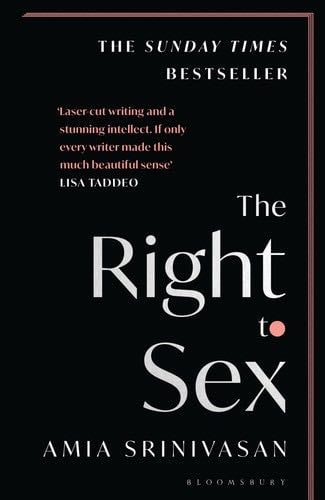
The Right to Sex
Amia Srinivasan · 2021
Thrilling, sharp, and deeply humane, philosopher Amia Srinivasan's The Right to Sex: Feminism in the Twenty-First Century upends the way we discuss—or avoid discussing—the problems and politics of sex.<br/><br/>How should we think about sex? It is a thing we have and also a thing we do; a supposedly private act laden with public meaning; a personal preference shaped by outside forces; a place where pleasure and ethics can pull wildly apart.<br/><br/>How should we talk about sex? Since #MeToo many have fixed on consent as the key framework for achieving sexual justice. Yet consent is a blunt tool. To grasp sex in all its complexity—its deep ambivalences, its relationship to gender, class, race and power—we need to move beyond yes and no, wanted and unwanted.<br/><br/>We do not know the future of sex—but perhaps we could imagine it. Amia Srinivasan’s stunning debut helps us do just that. She traces the meaning of sex in our world, animated by the hope of a different world. She reaches back into an older feminist tradition that was unafraid to think of sex as a political phenomenon. She discusses a range of fraught relationships—between discrimination and preference, pornography and freedom, rape and racial injustice, punishment and accountability, students and teachers, pleasure and power, capitalism and liberation.<br/><br/>The Right to Sex: Feminism in the Twenty-First Century is a provocation and a promise, transforming many of our most urgent political debates and asking what it might mean to be free.