rock nacional argentino
Items in this hypelist
Artis
El Cuarteto De Nos
Artist
La Trampa
Artist
La Vela Puerca
Artist
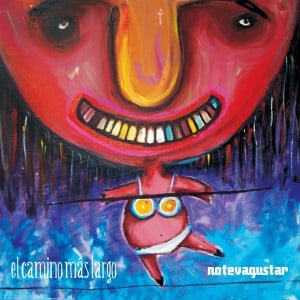
No Te Va Gustar
Artist
Mancha De Rolando
Artist
Los Tipitos
Artist
Los Enanitos Verdes
Artist
Los Cafres
Artist
Los Auténticos Decadentes
Artist
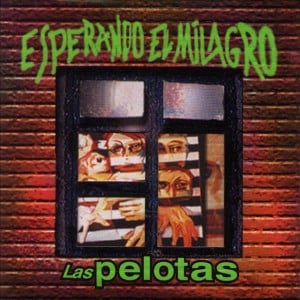
Las Pelotas
Artist
Las Pastillas del Abuelo
Artist
La Beriso
Artist
Intoxicados
Artist
Indios
Artist
Fito Paez
Artist
Damas Gratis
Artist
Babasonicos
Artist
Attaque 77
Artist
Abel Pintos
Artist

Pappo
Pappo
Norberto Aníbal Napolitano (10 March 1950 – 25 February 2005), popularly known as Pappo, was an Argentine rock musician, guitarist, singer and songwriter. One of the most influential figures in Argentine music, he was a forerunner of Argentine rock, heavy metal and blues. He is considered by various Argentine musicians, by the public and by the specialized press as the best guitarist in the history of Argentine rock, while B. B. King considered him one of the best guitarists of all time. He was a member of popular Argentine rock bands such as Los Abuelos de la Nada, Engranaje, Los Gatos and Billy Bond y La Pesada del Rock and Roll. He also founded the blues rock band Pappo's Blues; the hard rock band Aeroblus, in the 1970s; and the heavy metal band Riff in the 1980s. He also founded a band in United States called The Widowmakers. His pseudonym came from various deformations of the abbreviation of his surname, Napo. Another nickname with which he was popularly known was Carpo, alluding to the dominance he possessed when moving the carpus of his hand while playing guitar. B. B. King nicknamed him "The Cheeseman" due to a gift he received from Pappo consisting of an Argentine cheese and a red wine.

Airbag
Airbag
Banda de rock argentina formada por los hermanos Guido, Patricio y Gastón Sardelli. Comenzaron su carrera profesional con un promedio de 16 años tras la explosión de sus primeros hits en Latinoamérica allá por el 2004. Multipremiada por la cadena MTV, con múltiples nominaciones a los premios Latin Grammy´s, AIRBAG sigue su camino por fuera de las tendencias apostando y reivindicando la base clásica del rock donde se construye a partir de batería, bajo y guitarra.
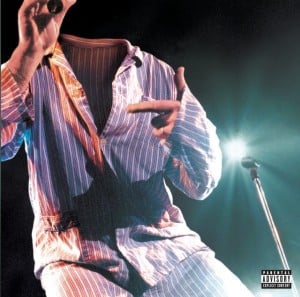
Mi Caramelo - Live In Buenos Aires / 2001
Mi Caramelo - Live In Buenos Aires / 2001
Los Abuelos De La Nada
Artist
Almendra
Artist
Los Piojos
Artist
Andrés Calamaro
Artist

Ciro y los Persas
Artist

Los Ratones Paranoicos
Artist

Luis Alberto Spinetta
Artist

Soda Stereo
Artist

Patricio Rey y sus Redonditos de Ricota
Artist

Gustavo Cerati
Artist
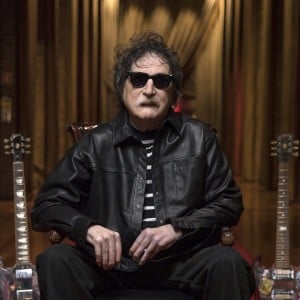
Charly García
Charly García
Charly García is one of the most talented and influential figures of Argentine and Latin rock. He composed many generational songs and was obsessed with expanding the boundaries of pop music, along with the musician's role itself. As a teen, he and <a href="spotify:artist:46JHFFEjLKbXhMQsU5vSGm">Nito Mestre</a> formed <a href="spotify:artist:5lCqW8vcd4TyTHzGIuKdH8">Sui Generis</a> in the early '70s and issued three studio albums. After the group disbanded, García played in <a href="spotify:artist:4LoFcBNitqIC130rvzS6BG">PorSuiGieco</a> music collective and <a href="spotify:artist:40c6EALi3nTmNeOAS3Eu5h">La Máquina de Hacer Pájaros</a>. Between 1978 and 1982, García was part of <a href="spotify:artist:6CrQKZeuSKNYgrE7PeYqJ1">Serú Girán</a>, one of the key bands in the Argentinian rock movement who established themselves during a time of military dictatorship. In 1982 he composed the soundtrack to the film Pubis Angelical and recorded it simultaneously with his own Yendo de la Cama al Living. The double album was released to excellent reviews, and propelled García into a prolific career as a solo artist. He recorded dozens of albums in an astonishing variety of styles from the tight pop of Parte de la Religión in 1987 and La Hija de la Lágrima in 1994, to the experimental indie rock of Say No More in 1996 and the nocturnal electronic soundscapes in Cronicas in 2007. In 2010, he returned with Kill Gil followed by the triple-disc live collection 60 X 60 in 2012. In 2017, García resumed studio recording and released Random. Charly García was born in Buenos Aires in 1951. He began to show musical talent at an early age. At three, he received a toy piano as a gift, and soon surprised his mother with his ability to compose and play coherent melodies. She enrolled him in a prestigious conservatory when he reached school age, the Thibaud Piazzini. At 12, he graduated as a Music Professor. García developed absolute pitch as a child. In high school during the early '70s, he met musician and bandleader <a href="spotify:artist:46JHFFEjLKbXhMQsU5vSGm">Carlos Alberto "Nito" Mestre</a>. The two fused their bands to give birth to <a href="spotify:artist:5lCqW8vcd4TyTHzGIuKdH8">Sui Generis</a>, who issued three acclaimed albums. They split in 1975 after playing to 20,000 people at Luna Park Stadium. The same year, García formed the symphonic rock band <a href="spotify:artist:40c6EALi3nTmNeOAS3Eu5h">La Máquina de Hacer</a> and cut two albums, a self-titled debut issued in 1976 and Películas a year later. Given their particularly critical attitude toward the military junta, their records were unofficially suppressed. After the band split in 1977, García and his girlfriend went to live off the grid in Sao Paulo, Brazil. He returned to Buenos Aires to form a band with fellow Argentine guitarist and songwriter <a href="spotify:artist:48Idb5uZga8diRAMTc9q3E">David Lebón</a>, bassist/keyboardist <a href="spotify:artist:2FFrhWZS9vJsh2UvxYPRr6">Pedro Aznar</a>, and his old partner from <a href="spotify:artist:40c6EALi3nTmNeOAS3Eu5h">La Máquina de Hacer Pájaros</a>, drummer Oscar Moro. As <a href="spotify:artist:6CrQKZeuSKNYgrE7PeYqJ1">Serú Girán</a>, they recorded their self-titled debut. Between 1978 and 1982, they issued a handful of albums (including Bicicleta and Peperina) and a boatload of singles for <a href="spotify:search:label%3A%22Columbia%22">Columbia</a>. In 1983, Garcia produced <a href="spotify:artist:5m0J5lv69wHuzD3Fvb50tn">Los Twist</a>'s debut album La Dicha en Movimiento, and recorded his own follow-up solo work, Clics Modernos, at the Electric Ladyland studios in New York. Clics Modernos had a pop/rock-oriented structure and was simpler than his previous works. The album sold extremely well but generated some controversy among critics for the sudden change in style. On this album, however, he began his longtime collaboration with producer Joe Blaney. At the end of that year he was caught up in his most well-known scandal: he pulled down his trousers in front of a hostile audience. This was the beginning of a string of controversies and helped make him a major public figure beyond just the music scene. An essential trilogy was completed with Piano Bar, launched at the end of 1984. It was recorded by one of his best touring bands, formed by <a href="spotify:artist:21o0KNjooi1XjygW6V70NM">GIT</a> members and <a href="spotify:artist:1bZNv4q3OxYq7mmnLha7Tu">Fito Paéz</a> on keyboards, among others. Both the public and critics liked the album, which contained hymns like "Demoliendo Hoteles" and "Raros Peinados Nuevos." In 1985, he tried to collaborate with another local rock hero, <a href="spotify:artist:1MuQ2m2tg7naeRGAOxYZer">Luis Alberto Spinetta</a>. The pair didn't get far, with only the song "Rezo por Vos" recorded. That year he took part in the Rock & Pop Festival, along with some international figures like <a href="spotify:artist:7xZHrltZh8zIRvjimgABvj">Nina Hagen</a>, <a href="spotify:artist:1eClJfHLoDI4rZe5HxzBFv">INXS</a>, and <a href="spotify:artist:5s4z3mRAE7nxE3jjft8J3h">John Mayall</a>. With <a href="spotify:artist:2FFrhWZS9vJsh2UvxYPRr6">Pedro Aznar</a> (also a former member of <a href="spotify:artist:6CrQKZeuSKNYgrE7PeYqJ1">Seru Girán</a>), he recorded Tango in 1986, a six-song maxi-single that incorporated technological elements. Parte de la Religión, released in 1987, was recorded almost entirely by García himself. An exception was "Rap de las Hormigas," on which the Brazilian group Os Paralams do Succeso took part. The record was clearly a masterpiece and showed <a href="spotify:artist:5a2EaR3hamoenG9rDuVn8j">Prince</a>'s influence. Songs like "No Voy en Tren," "Buscando un Símbolo de Paz," and "En la Ruta del Tentempié" became Top Ten hits. In October of 1988, an Amnesty International Tour ended in Buenos Aires. More than 80,000 people attended the concert. <a href="spotify:artist:7C4sUpWGlTy7IANjruj02I">Peter Gabriel</a>, <a href="spotify:artist:0Ty63ceoRnnJKVEYP0VQpk">Sting</a>, <a href="spotify:artist:3eqjTLE0HfPfh78zjh6TqT">Bruce Springsteen</a>, <a href="spotify:artist:7oPgCQqMMXEXrNau5vxYZP">Tracy Chapman</a>, and <a href="spotify:artist:77zlytAFjPFjUKda8TNIDY">Youssou N'Dour</a> where there, and <a href="spotify:artist:5yoimVE1rbc3kAx4uwr7eq">León Gieco</a> and Charly García represented Argentina. After composing the soundtrack for the film Lo Que Vendrá in 1988 (in which he also played a nurse), García worked on a solo album, Cómo Conseguir Chicas, largely comprised of old, previously unrecorded material. Filosofía Barata y Zapatos de Goma, released in 1990, was a good collection and included the Spanish version of <a href="spotify:artist:1PCZpxHJz7WAMF8EEq8bfc">the Byrds</a>' classic "I'll Feel a Whole Lot Better." Another scandal was just around the corner, though: Garcia was accused of a patriotic symbols offense because the LP included a version of the Argentine national anthem. In 1991, he reunited with <a href="spotify:artist:2FFrhWZS9vJsh2UvxYPRr6">Pedro Aznar</a> and recorded Tango 4. The idea was to record an album with <a href="spotify:artist:7An4yvF7hDYDolN4m5zKBp">Soda Stereo</a>'s singer and composer <a href="spotify:artist:1QOmebWGB6FdFtW7Bo3F0W">Gustavo Cerati</a>. Although they worked on a couple of songs, they never finished the LP. No reasons were made public. In the middle of the year, rumors indicated that García had overdosed, a fact that would later be confirmed when he entered a drug rehabilitation program. In 1992, García reunited with <a href="spotify:artist:6CrQKZeuSKNYgrE7PeYqJ1">Serú Girán</a> to record a collection of brand-new songs, Serú Giran '92, and perform a series of concerts in Cordoba, Rosario, and Bueños Aires. A live double-album was also released but didn't go anywhere, and García returned to his solo career. In July of 1994, he released the rock opera La Hija de la Lágrima. It included many instrumental passages and guest musicians. The public's response was great, especially when the album was presented live. From 1995 until 2001, García moved forward toward a more abstract and vanguard field embodied in an alter ego, Say No More. Although his shows were always sold-out, his records didn't sell well and were poorly received by the critics. Estaba en Llamas Cuando Me Acosté, released in 1995, was an album largely comprised of covers. The same year, he recorded and released MTV Unplugged, which proved a short-lived comeback to a more classic structure. In 1996, he released the chaotic Say No More, and the next year he reworked some of his songs with the Latin folk singer <a href="spotify:artist:2HvyR5FsU37QMqVzIbGwl7">Mercedes Sosa</a> on the album Alta Fidelidad. García seemed to be out of control and completely confused. Some old-time followers gave up on him but curiously, at the peak of his own chaos, he gained a new teenage public. All of that seemed to change in the summer of 1999 when he performed a free concert attended and acclaimed by more than 150,000 people. The show was captured on that year's Demasiado Ego release, which was his best-selling album from the Say No More era. The same year he again courted controversy by playing a show for Argentinian president Carlos Menem. The performance was recorded as Charly & Charly, a few copies of a limited-edition disc were printed, but it never went public. In March of 2000, he was again on the covers of newspapers for non-musical reasons. This time he'd jumped from a hotel's ninth floor into a swimming pool in Mendoza. That year, he reunited <a href="spotify:artist:5lCqW8vcd4TyTHzGIuKdH8">Sui Generis</a>. They launched a new album, Sinfonía Para Adolescentes, and also performed a comeback show which was registered and released as a double-CD, intensely modified and reworked in the studio. With the release of Influencia in 2002, he returned to a more classic song-oriented sound, where all mixing and sound experiments where set aside. This certainly marked a farewell to the Say No More phase. The following year, before entering the studio, longtime guitarist <a href="spotify:artist:0G0wjvWRWLREOBLLE1JcOQ">Maria Gabriela Epumer</a> passed away after a heart attack. The loss was profound for Garcia; he soldiered on to complete Rock and Roll, Yo, a recording as notable for its covers -- "Pretty Ballerina" and <a href="spotify:artist:7guDJrEfX3qb6FEbdPA5qi">Stevie Wonder</a>'s "Love's in Need of Love" -- as for its originals, but his heart wasn't in it. <a href="spotify:artist:0G0wjvWRWLREOBLLE1JcOQ">Epumer</a>'s death left a great void that the audience could feel during Garcia's live shows. Not sure he would -- or could -- continue, he didn't release another record for six years, and only performed publicly twice during that period. He wasn't idle, though. In 2006, a demo began to circulate on the internet entitled Kill Gil. As a result of the music's leak, <a href="spotify:search:label%3A%22EMI%22">EMI</a> refused to release it, but that was probably as much for its raw, uncommercial presentation as it was for the leak. In 2011, a much slicker finished product was submitted and issued, along with a live DVD. The following year, Garcia edited and produced the live 60x60 box set compiled from to commemorate his own 60th birthday, along with the book Parallel Lines: Artificio Imposible. In 2017, Garcia released Random, marking his return to <a href="spotify:search:label%3A%22Sony%22">Sony</a>. The record achieved gold status in Argentina and scored a Top Three single with "La Máquina de Ser Feliz." <a href="spotify:search:label%3A%22EMI%22">EMI</a> reissued 60 X 60 in various configurations at the end of 2019. ~ Iván Adaime, Rovi
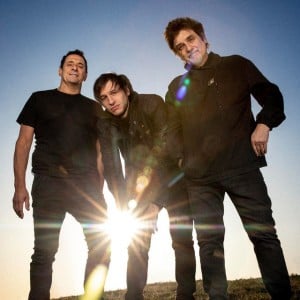
Divididos
Divididos
Divididos es un grupo musical de Argentina, fundado en el año 1988 por <a href="spotify:artist:7M6qgWRcVoBqgkczMPT1x7" data-name="Ricardo Mollo">Ricardo Mollo</a> y Diego Arnedo. Es una de las bandas más importantes del rock en español. En sus trabajos, han incursionado en estilos musicales locales como el folklore. Acompañados ahora por Catriel Ciavarella en batería, cuentan con más de 35 años de historia con notable vigencia y convocatoria. EL 13 de mayo de 2023, celebraron su cumpleaños número 35 con un show en Estadio de Vélez Sarsfield, que se puede escuchar en <a href="spotify:album:2TrRaAq10CSLmQV03lmQQy" data-name="Divididos en Vélez - Agradecer y Seguir">Divididos en Vélez - Agradecer y Seguir</a>. A lo largo de su recorrido artístico, la banda editó nueve discos de estudios y múltiples discos en vivo. En 2018, la banda tomó la decisión de volver a grabar su primer álbum <a href="spotify:album:0ZNRl9pxbglsYLKRdSEmz0" data-name="40 Dibujos Ahí En El Piso">40 Dibujos Ahí En El Piso</a> bajo el nombre <a href="spotify:album:2DOryEm4WjrQr8eBQsqOOD" data-name="Haciendo Cosas Raras">Haciendo Cosas Raras</a>, con nuevos sonidos y versiones de sus primeras canciones. Recientemente, lanzaron <a href="spotify:album:3ieQg9CKwvnOG4eJbc0Idk" data-name="San Saltarín">San Saltarín</a>, una nueva canción grabada en sus estudios que forma del álbum en el que se encuentran trabajando. En 2024, la canción recibió el premio Gardel a mejor canción de Rock. Anteriormente <a href="spotify:artist:7M6qgWRcVoBqgkczMPT1x7" data-name="Ricardo Mollo">Ricardo Mollo</a> y Diego Arnedo formaron parte de <a href="spotify:artist:10AzTrYMPVVmpKoBP5bX9W" data-name="Sumo">Sumo</a>, la mítica banda de rock alternativo de los años 80 liderada por <a href="spotify:artist:2vx09t0z5I1PnBWnyPPvWI" data-name="Luca Prodan">Luca Prodan</a>.

Viejas Locas
Viejas Locas
Argentinean rock band Viejas Locas was formed in the early '90s by classmates from a Buenos Aires' high school, who were previously playing covers of <a href="spotify:artist:22bE4uQ6baNwSHPVcDxLCe">the Rolling Stones</a>. The band made its live debut in November of 1990 at a local club called Alcatraz, having Mauro Bonom on vocals, Diego Cantoni and Cristian Alvarez on guitars, Gastón Mansilla on drums, and a temporary bassist. On November 30, 1991, the group had the opportunity to play along with La Renga, becoming a major act in the local underground scene. Soon bassist Fabian Crea, guitarist Sergio Toloza, and drummer Fabian Crea joined in. In 1993, Viejas Locas participated in a compilation called Una Noche En La Cueva with "Eva" and "Tirado En La Estación." They recorded a self-titled album in 1996 after signing up to PolyGram and climbing rock charts with "Intoxicado." A year later, Hermanos de Sangre was released. The band was chosen to open for <a href="spotify:artist:22bE4uQ6baNwSHPVcDxLCe">the Rolling Stones</a> at River Plate Stadium, later, performing as a main number at Obras Sanitarias. Viejas Locas' third album, called Especial, was issued in 1999. ~ Drago Bonacich, Rovi
La Renga
La Renga
La Renga es la banda de rock más convocante de la Argentina. Con mas de 30 años de trayectoria, 10 discos de estudio y show en los principales estadios de la Argentina. Durante el 2022, la banda presentó su décimo disco “Alejado de la Red” en toda la Argentina, en Chile y en Uruguay en donde concurrieron mas de medio millón de personas.

Callejeros
Callejeros
A mediados de 1995 se presentaban en Villa Celina (Gran Buenos Aires) con el nombre de Río Verde, tocando covers de Chuck Berry, Creedence y The Rolling Stones. Poco más de un año después, los cambios de formación influyeron en el sonido. En enero del '97 mutaron también el nombre a Callejeros. En febrero del '99 fueron soporte de Los Ratones Paranoicos, en un show en Cemento. Ese mismo año telonearon a Viejas Locas en Ituzaingó. En el 2000 volvieron a Cemento, esta vez con La Renga y Divididos. Con tres demos entre 1997 y el 2000, en el 2001 se largaron a grabar independientemente su primer disco, "Sed", compuesto por 12 temas. También independiente fue su segundo disco, "Presión", lanzado a comienzos del 2003, con 14 canciones. "Rocanroles sin destino" fue el gran salto de popularidad de la banda.
Falta demasiadass
Mi Caramelo - Live In Buenos Aires / 2001
Mi Caramelo - Live In Buenos Aires / 2001

Homero
Homero
Será
Será
Tan lejos
Tan lejos
Vivo
Vivo
Tu locura
Tu locura
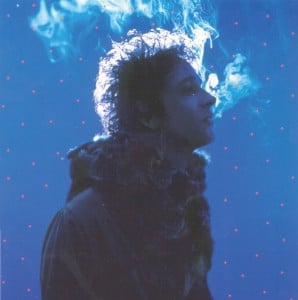
Bocanada
Bocanada
+ bien
+ bien

Amor amarillo
Amor amarillo
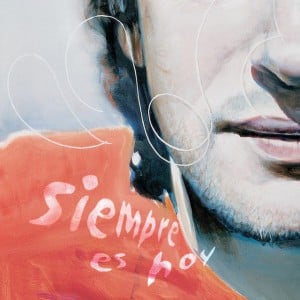
Tu cicatriz en mí
Tu cicatriz en mí
Toco Y Me Voy
Track · Bersuit Vergarabat

Juntos a la Par
Track · Pappo
Como Olvidarme
Track · La Beriso
Como Eran Las Cosas
Track · Babasonicos
Ese Maldito Momento
Track · No Te Va Gustar
Bicho de Ciudad
Track · Los Piojos

Yendo De La Cama Al Living
Track · Charly García

Campanas en la Noche
Track · Los Tipitos
Rompecabezas de Amor
Track · Las Pastillas del Abuelo
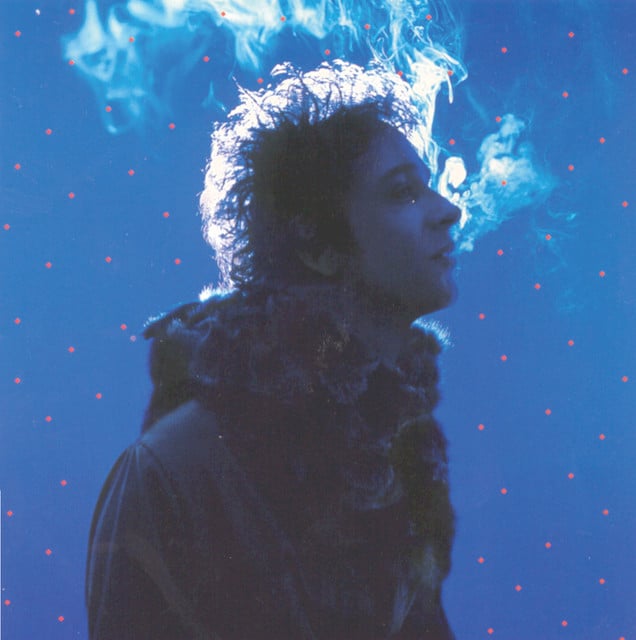
Puente
Track · Gustavo Cerati
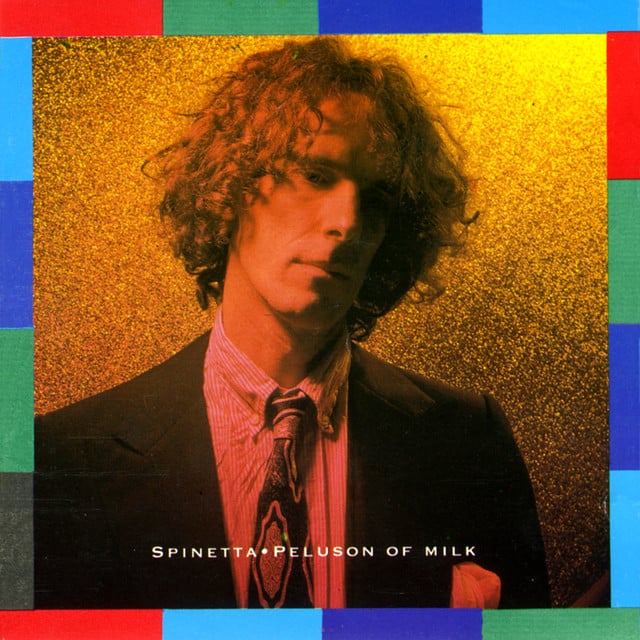
Seguir Viviendo Sin Tu Amor
Track · Luis Alberto Spinetta

Prohibido
Track · Callejeros

9 de Julio
Track · Callejeros

Madrugada
Track · La Beriso

La Rubia Tarada
Track · Sumo

Cuando No Estás
Track · Andrés Calamaro

Spaghetti del Rock
Track · Divididos

¿Qué Ves?
Track · Divididos
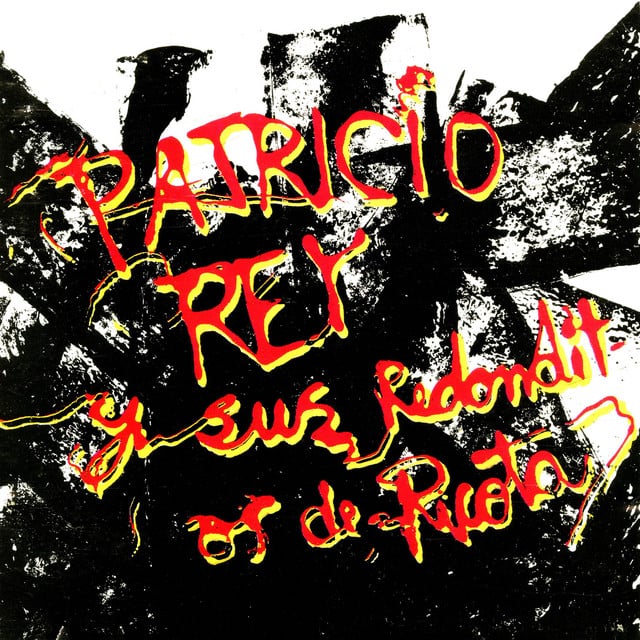
La Bestia Pop
Track · Patricio Rey y sus Redonditos de Ricota

Fuego
Track · Intoxicados, Andrés Calamaro

Todo Sigue Igual
Track · Viejas Locas

Mujer Amante
Track · Rata Blanca

Lamento Boliviano
Track · Los Enanitos Verdes

Creo
Track · Callejeros
Arrancacorazones
Track · Attaque 77
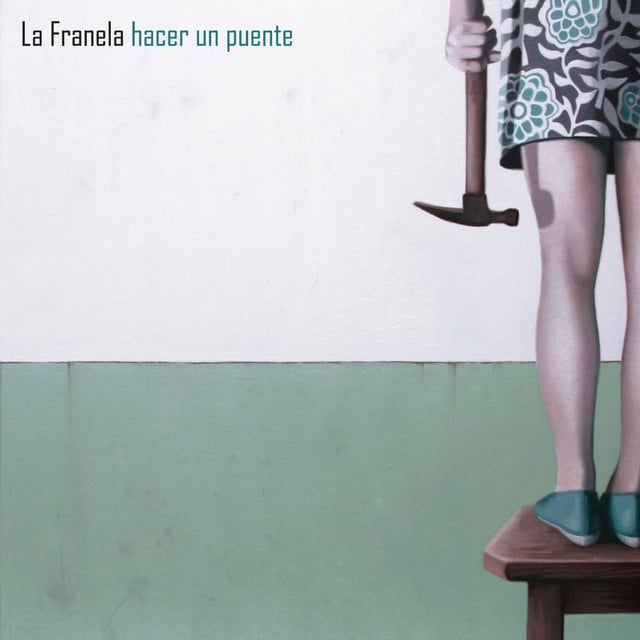
Hacer un puente
Track · La Franela

La parte de adelante
Track · Andrés Calamaro
Mírenla
Track · Ciro y los Persas
11 Y 6
Track · Fito Paez
Mil Horas - 1994 Remastered Version
Track · Los Abuelos De La Nada
Trátame Suavemente - Remasterizado 2007
Track · Soda Stereo

Ella Dijo
Track · Estelares, Jorge Serrano
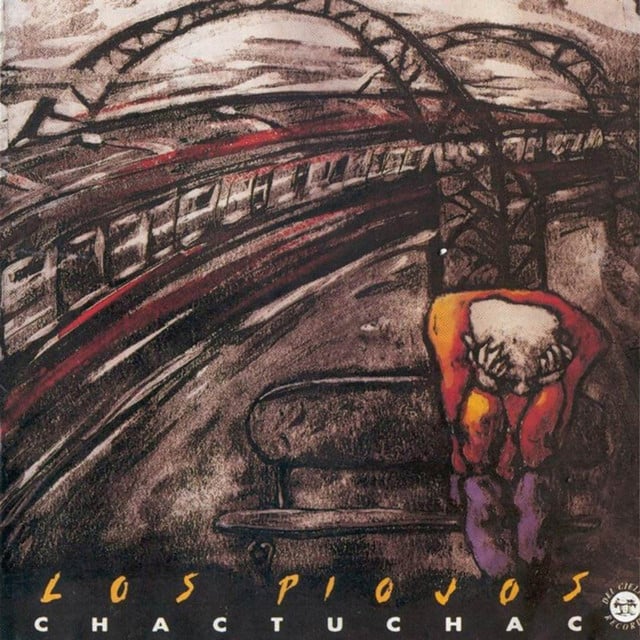
Tan Solo
Track · Los Piojos
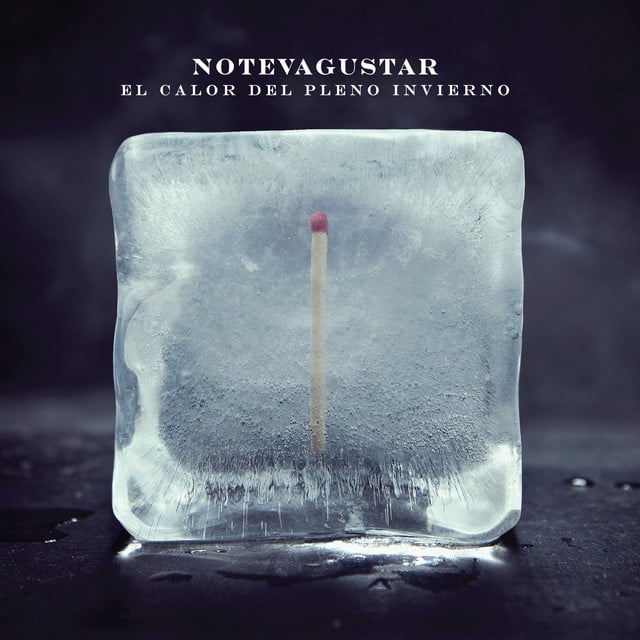
A las Nueve
Track · No Te Va Gustar

Nunca quise
Track · Intoxicados

Como Alí
Track · Los Piojos
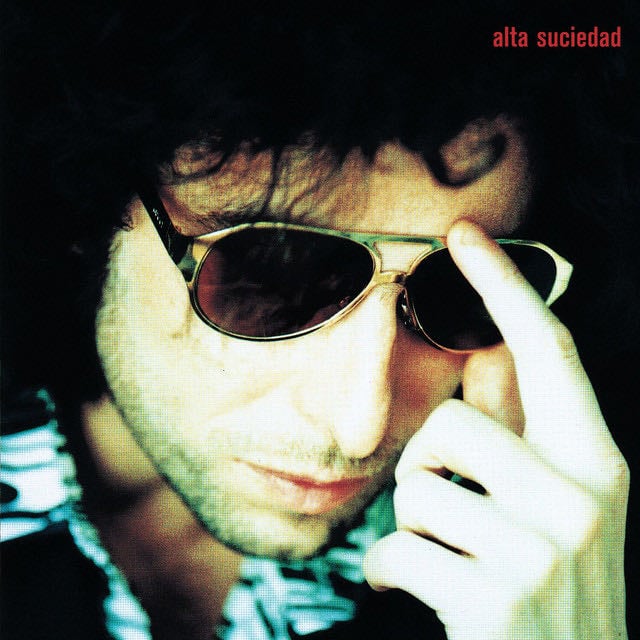
Flaca
Song · Andrés Calamaro
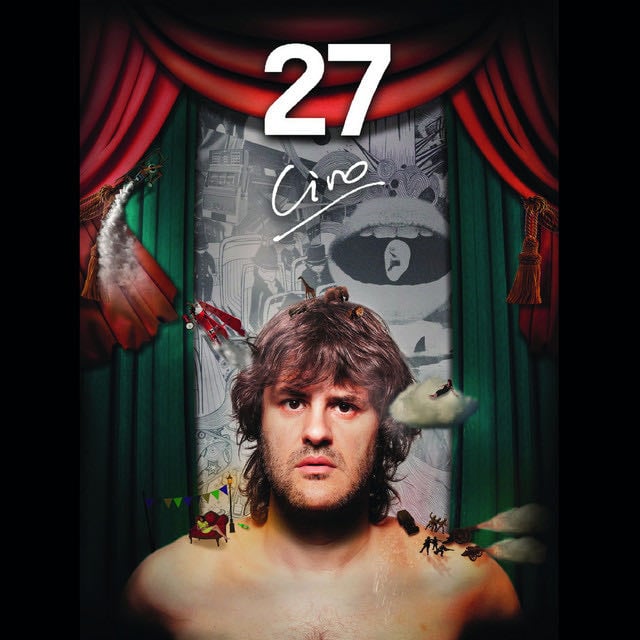
Me Gusta
Song · Ciro y los Persas

Crimen
Song · Gustavo Cerati
No Tengo Ganas - En Vivo Luna Park
Track · Intoxicados

De Música Ligera
Song · Soda Stereo